
Art movement · c. 1886–1905 · France
Post-Impressionism Art and Paintings
Post-Impressionism is an art movement that began in France in the mid-1880s, when painters who had learned from Impressionism pushed beyond it toward solid structure, scientific color, symbols and personal feeling. It ran from about 1886, the year of the last Impressionist group show in Paris, to about 1905, and its leading painters were Paul Cézanne, Paul Gauguin, Georges Seurat and Vincent van Gogh, with Henri de Toulouse-Lautrec.
The name came later: the British critic Roger Fry coined it in 1910 for his exhibition Manet and the Post-Impressionists. Seurat built A Sunday on La Grande Jatte from tiny dots of pure color, while Van Gogh painted The Starry Night from imagination and memory.
Browse 6,296 Post-Impressionist paintings and artworks below, all public domain and free to download.
Selected and written by Pavel MazuelasUpdated November 5, 2026
Part of Art Movements and Painting StylesRelated: Ukiyo-e, Expressionism, Famous Landscape Paintings
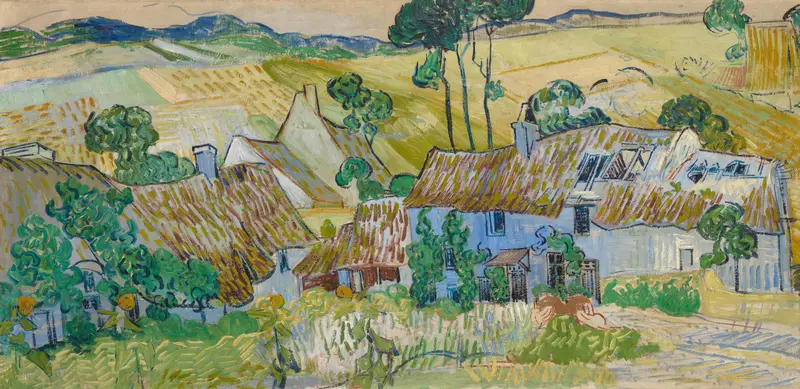
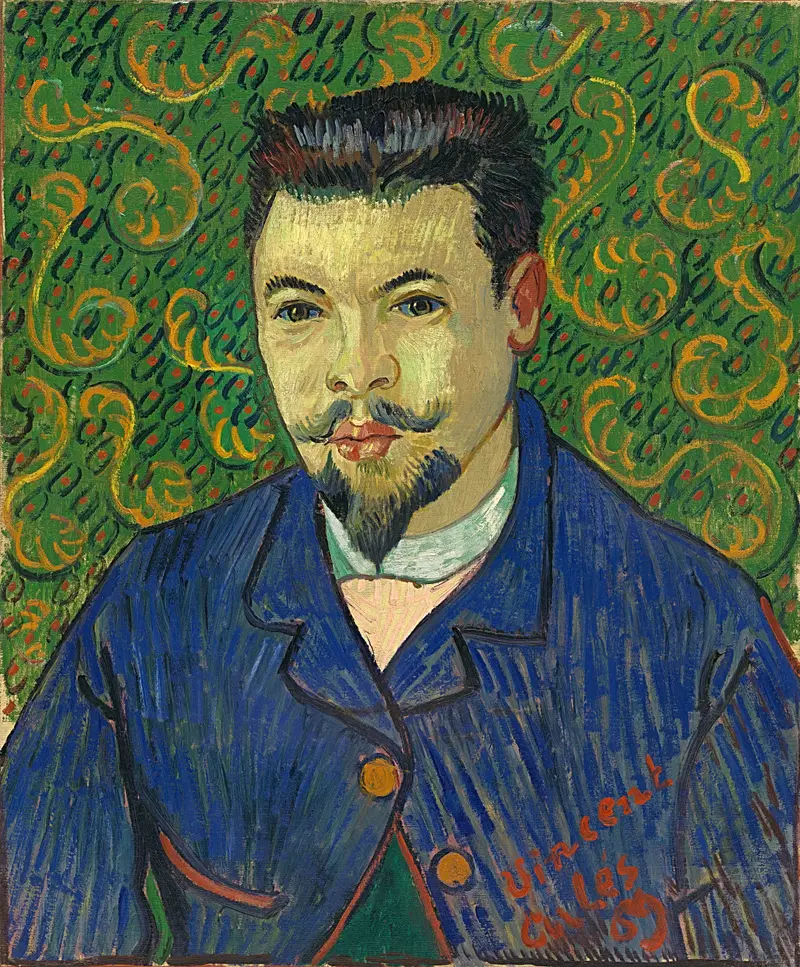
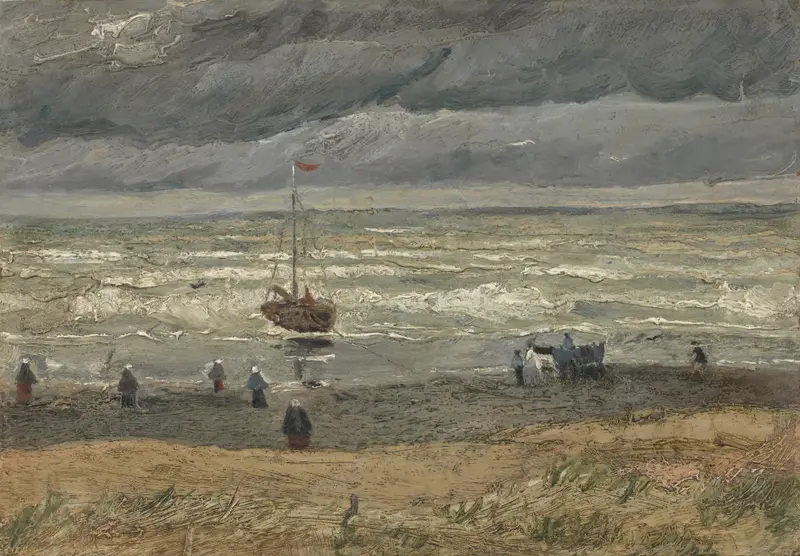
All Post-Impressionist paintings and artworks
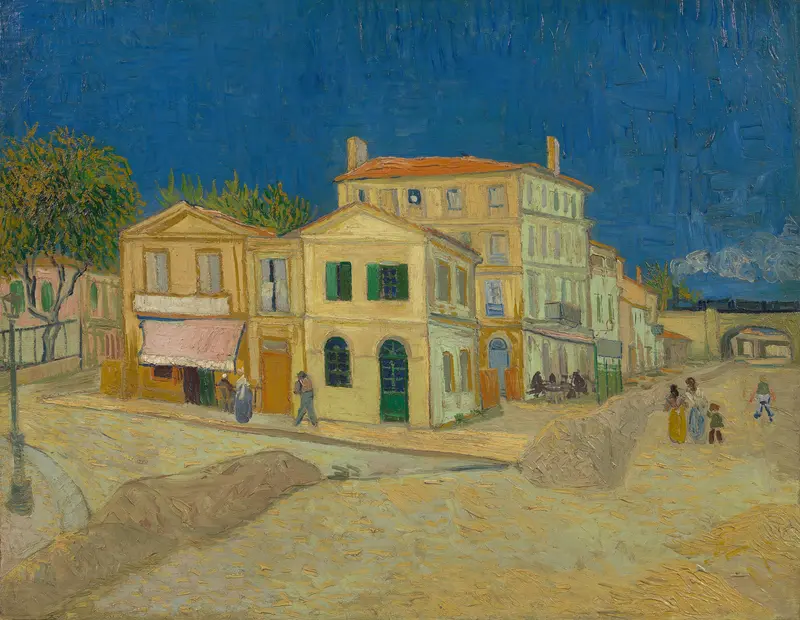
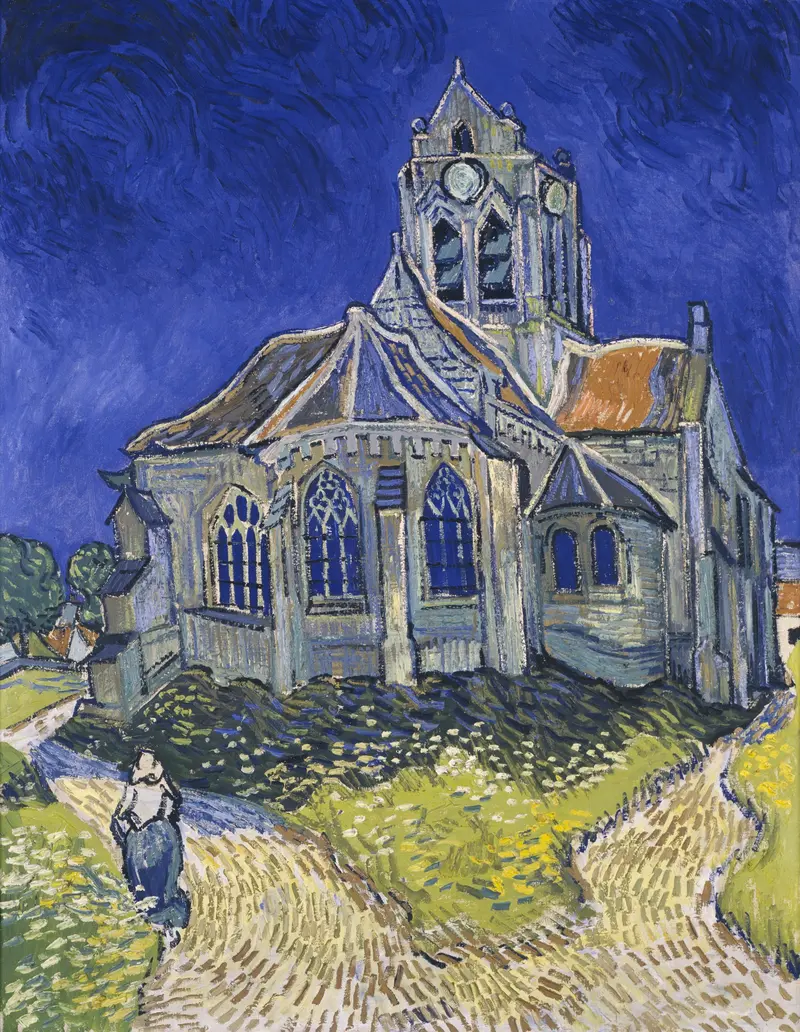
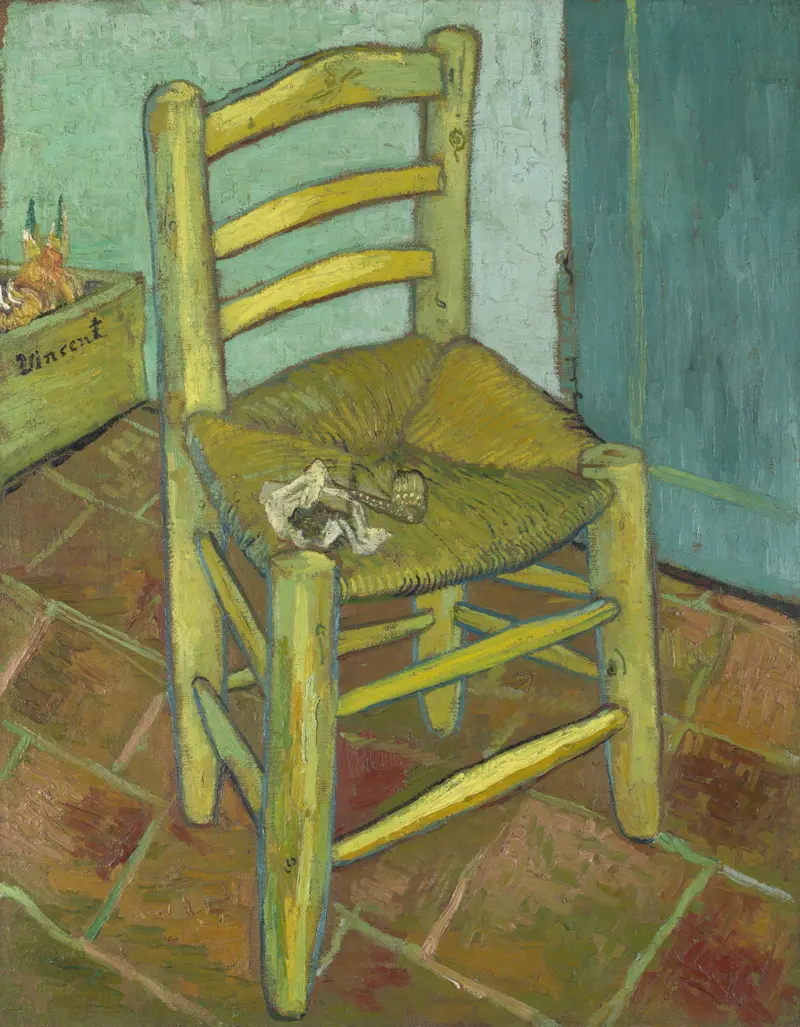
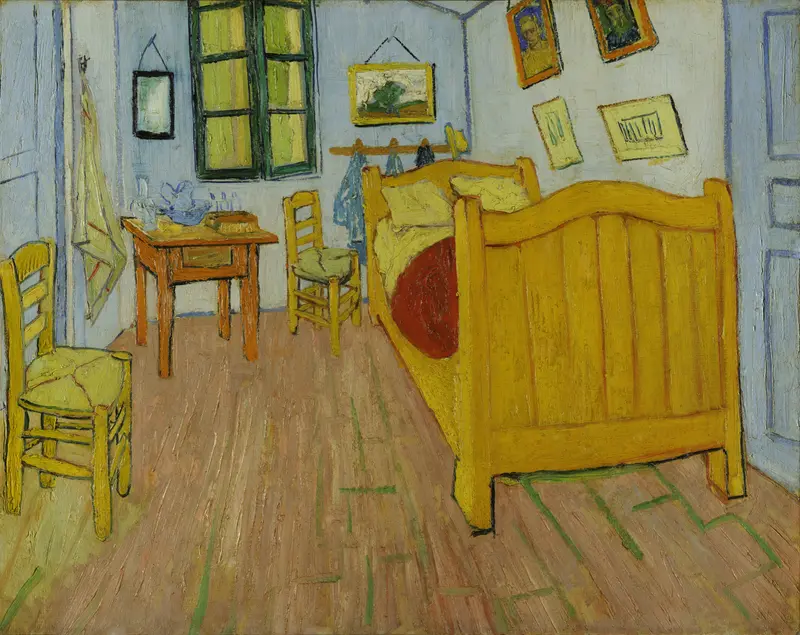
Landscapes, everyday scenes, portraits, seascapes and still lifes. All public domain, free to download.


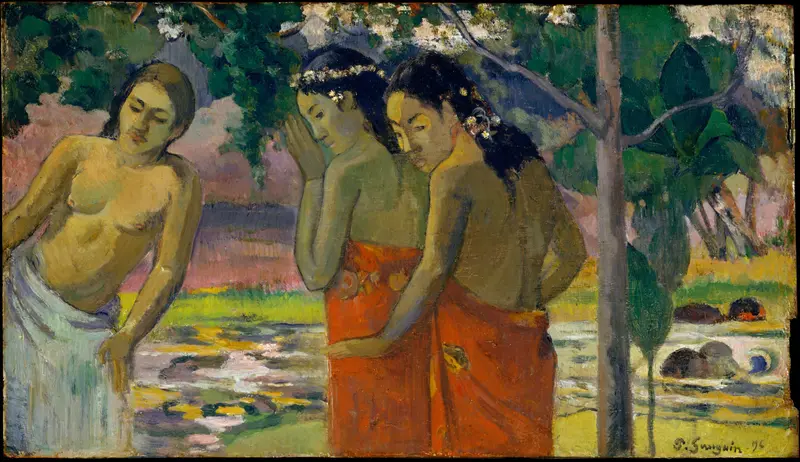
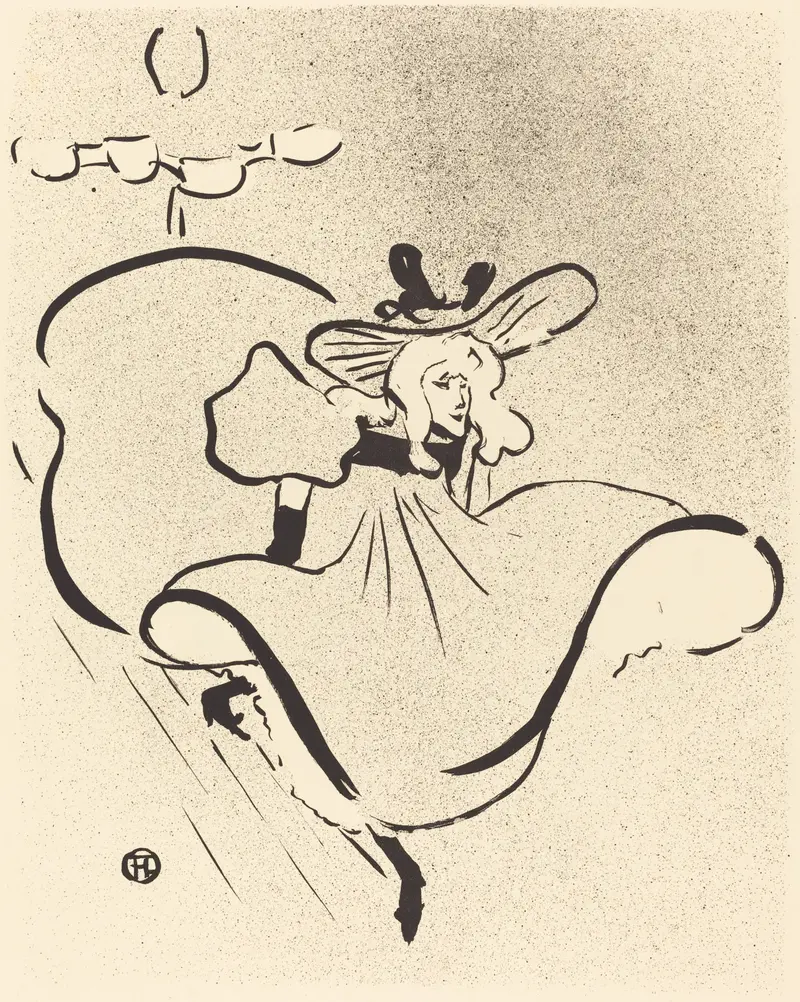
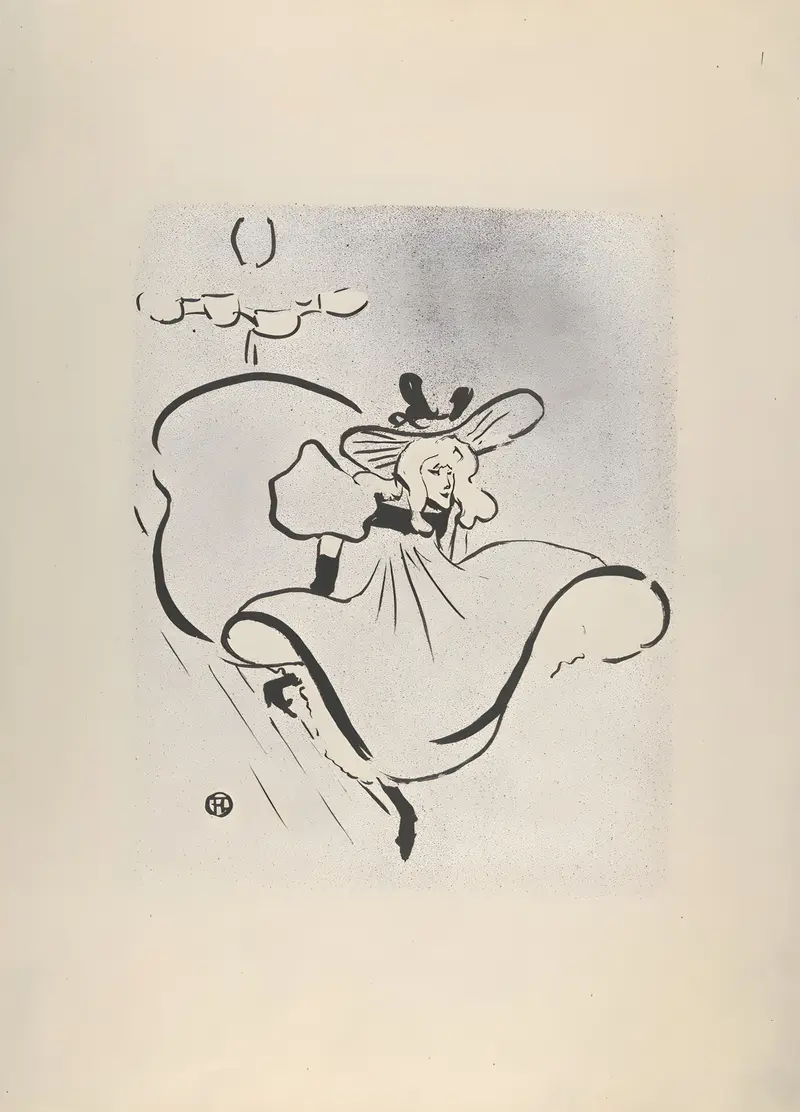
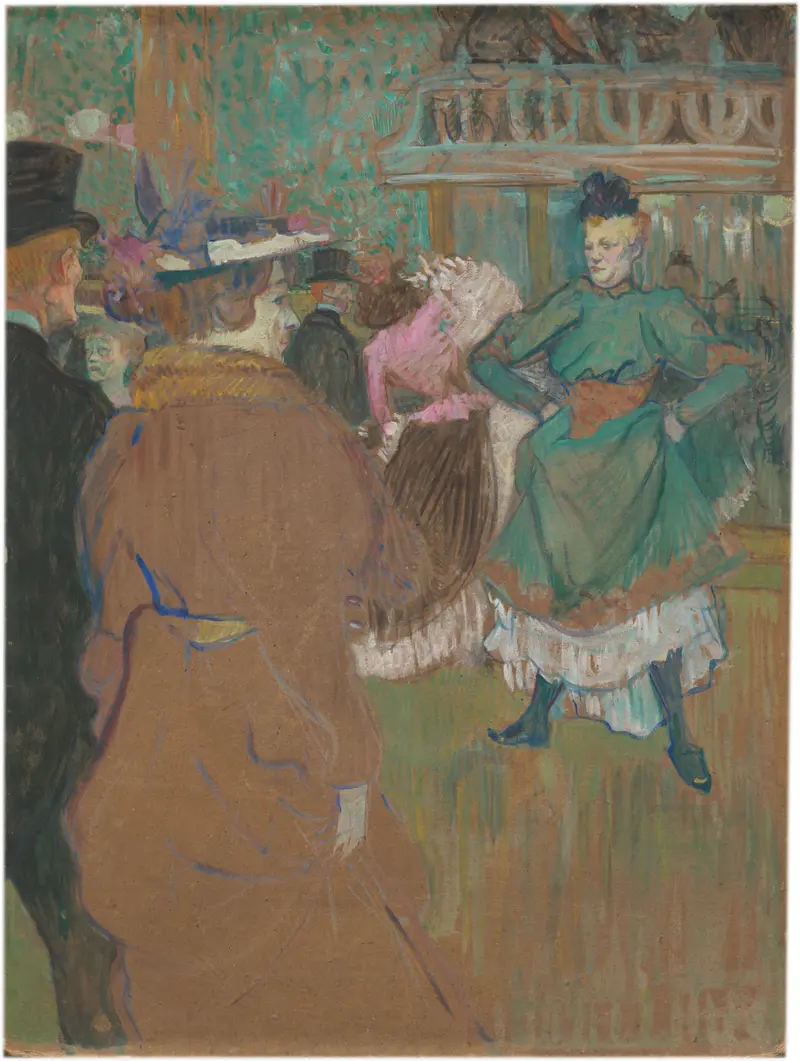

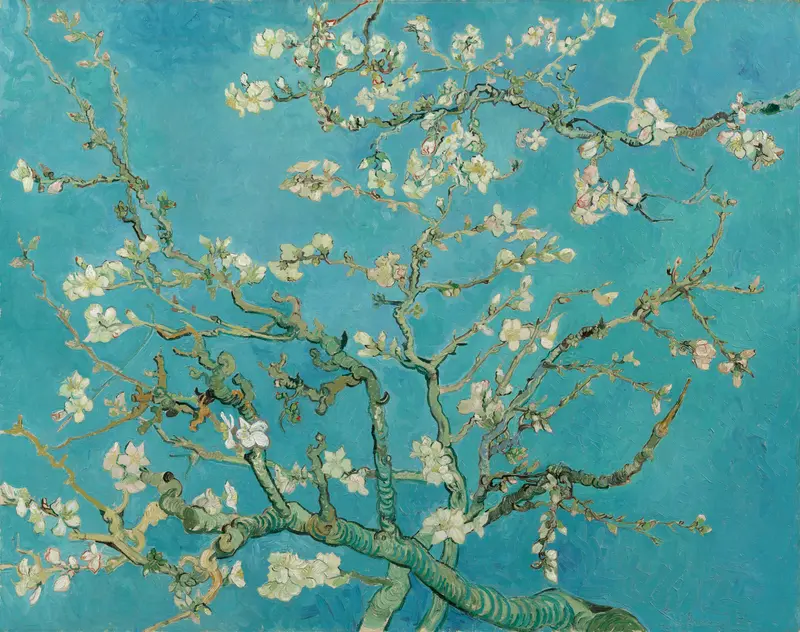
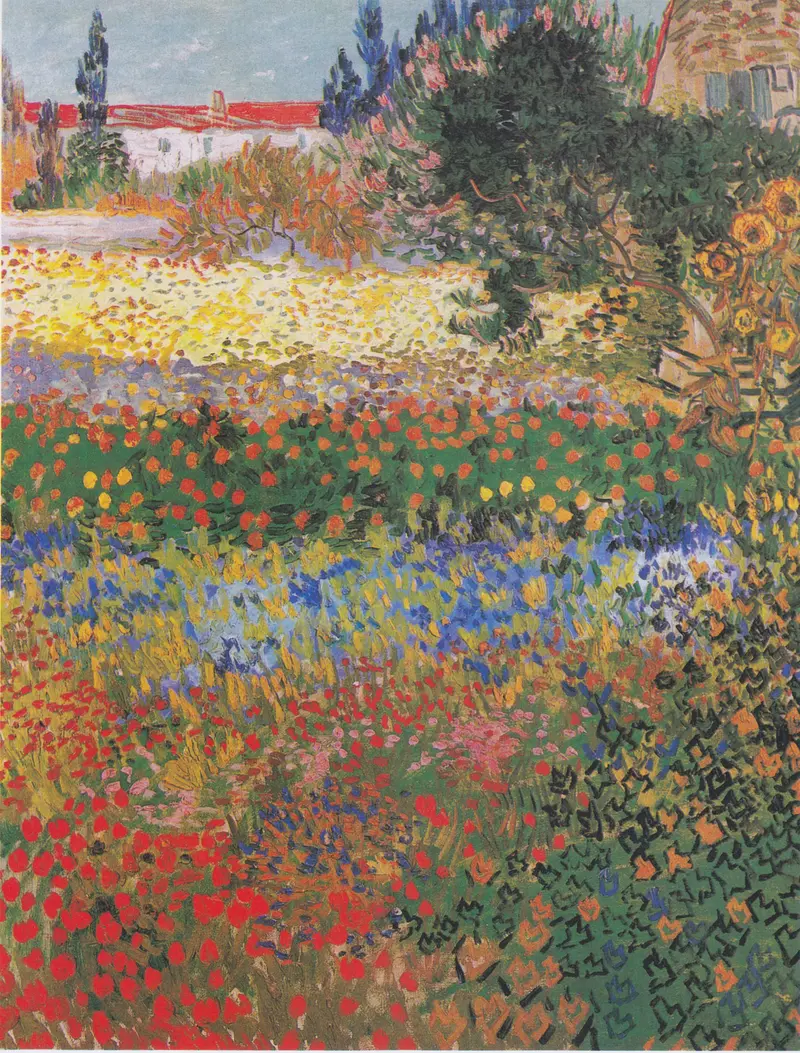
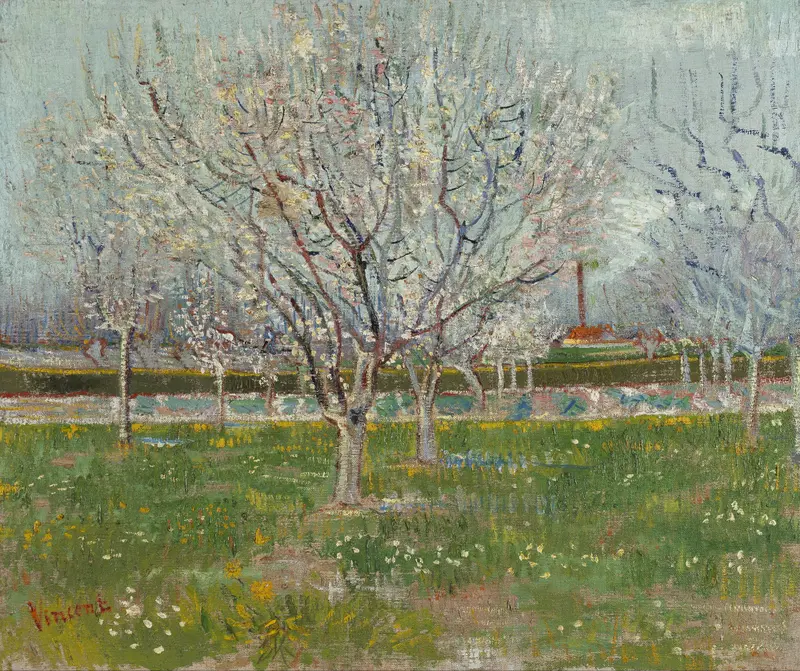
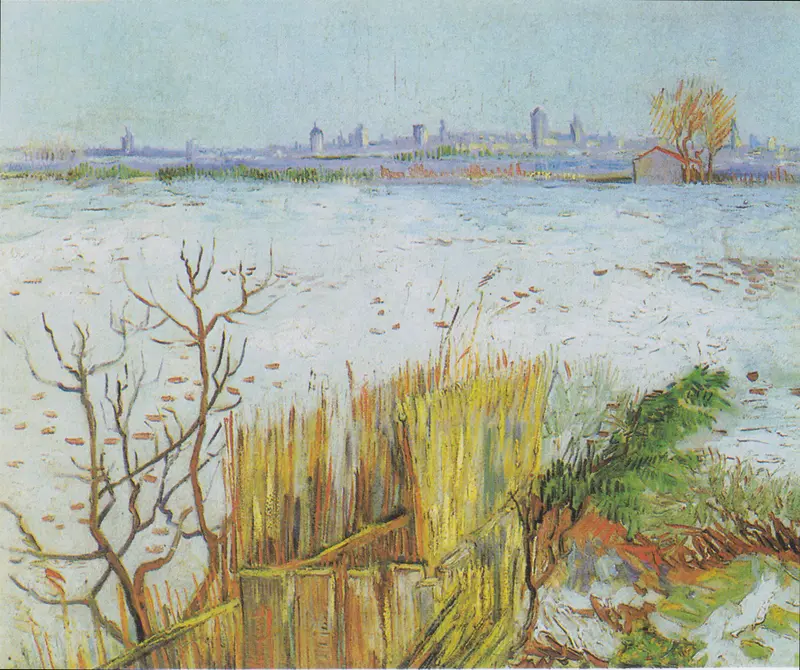
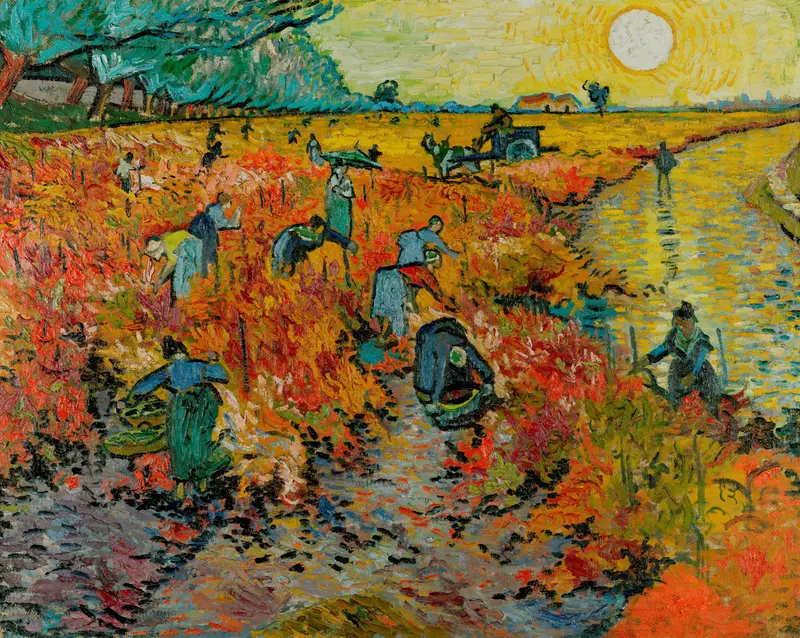
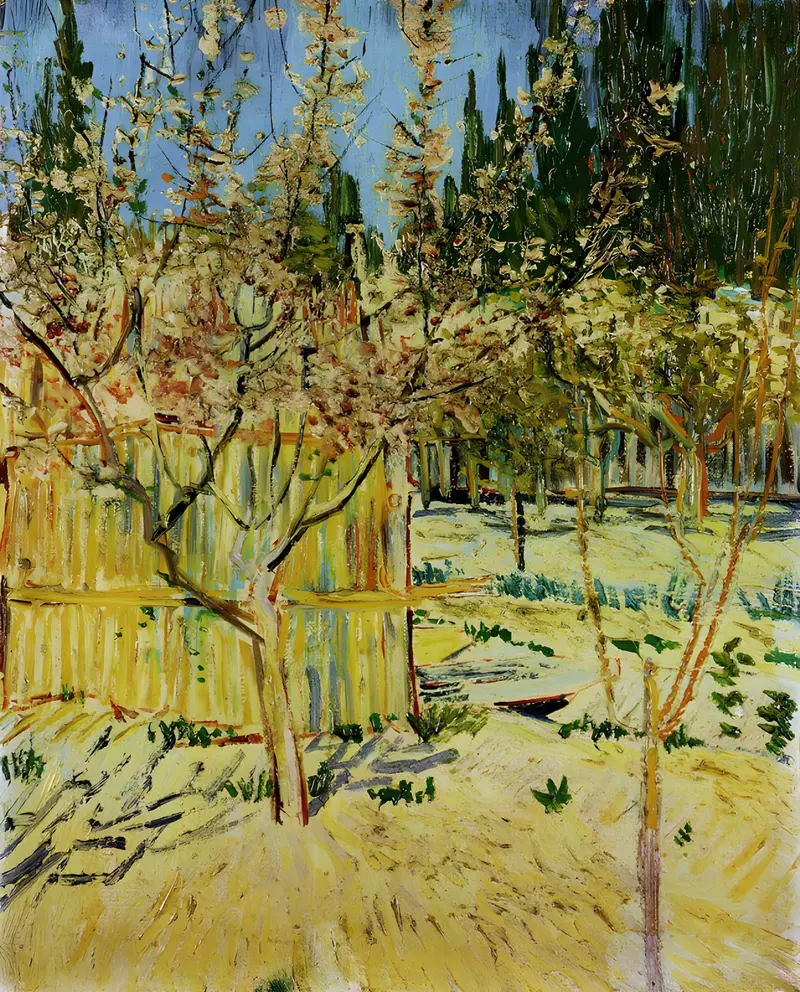
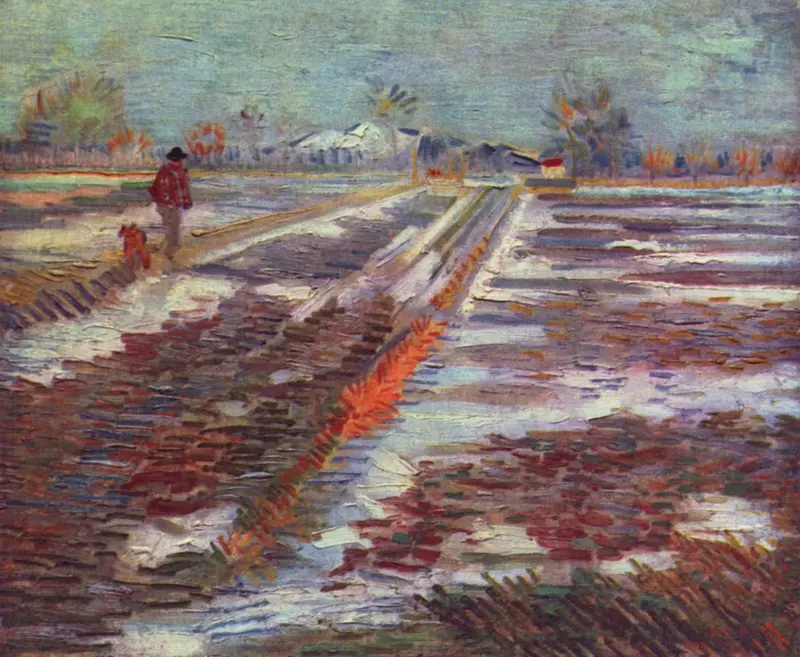
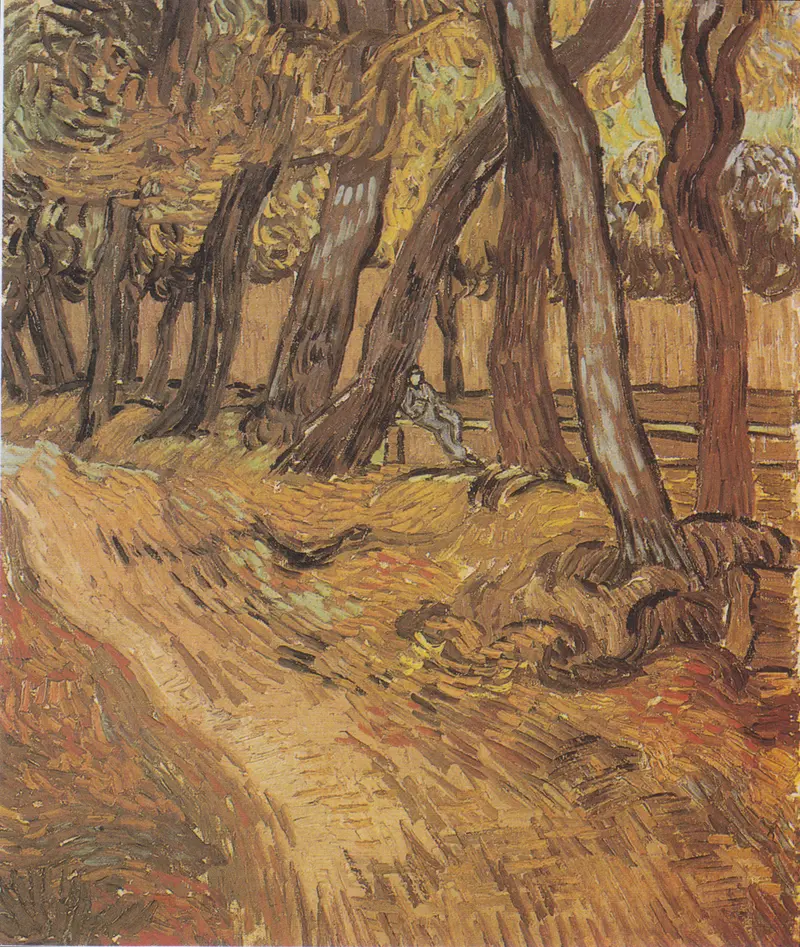
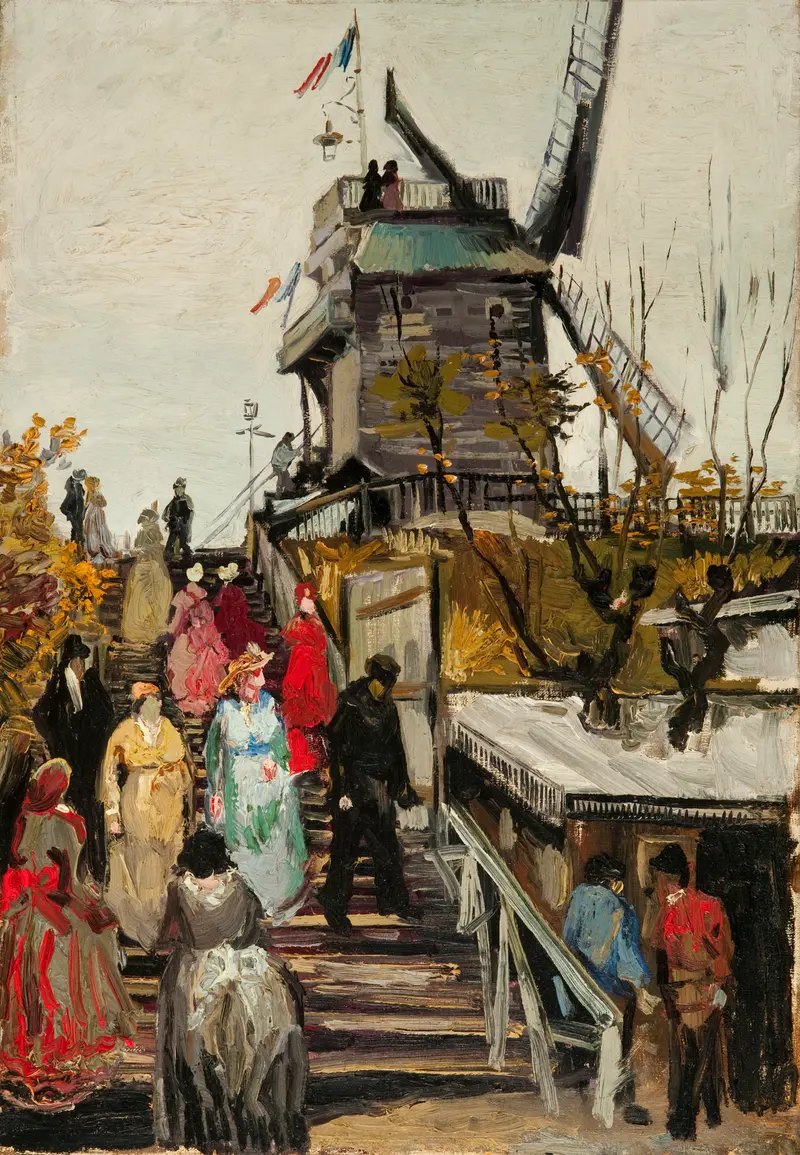
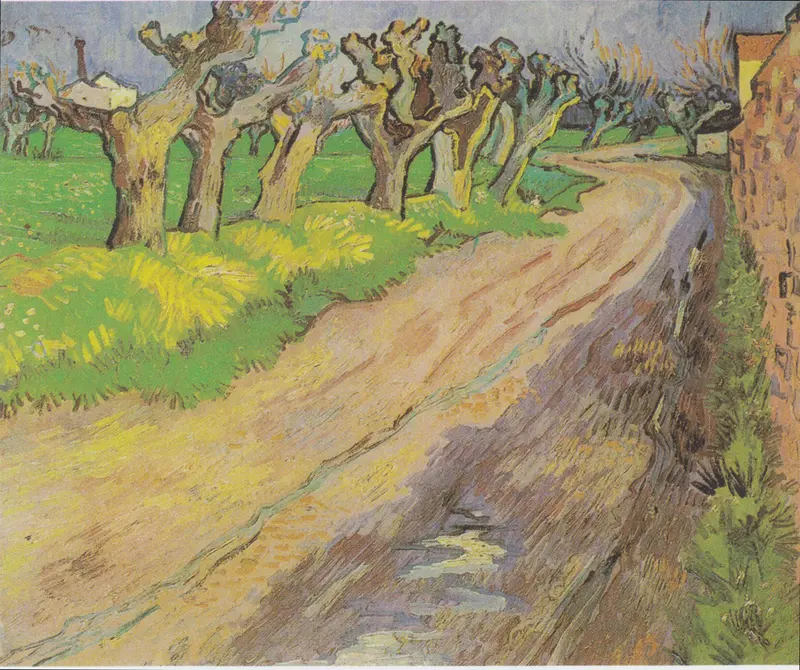


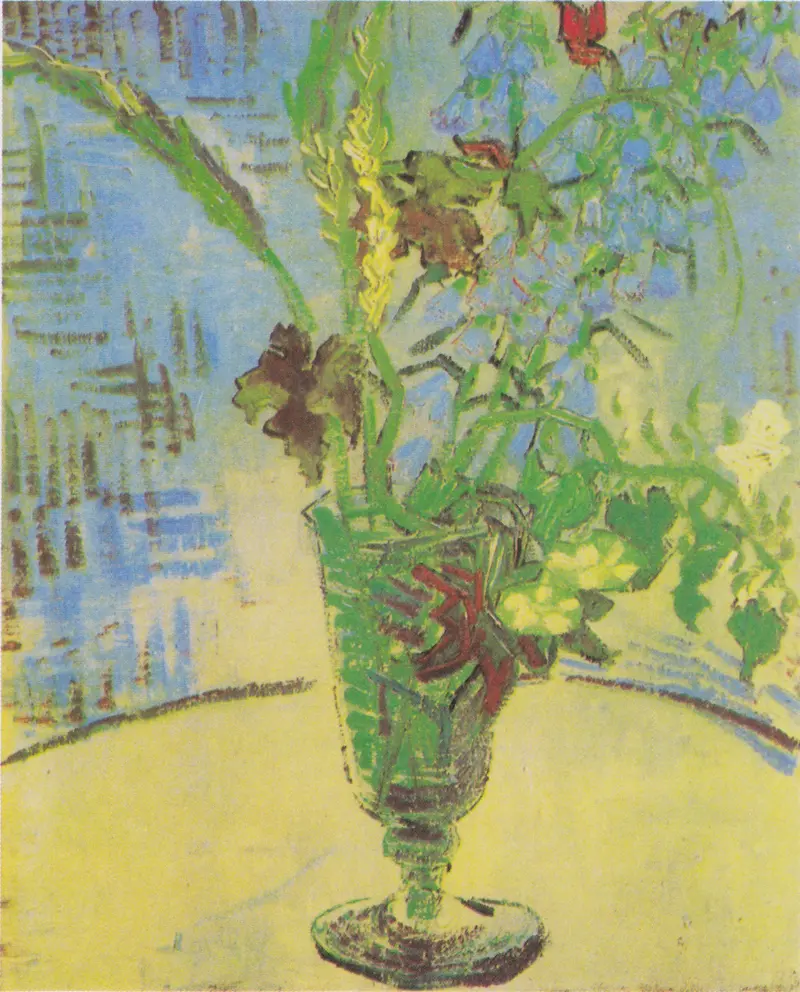
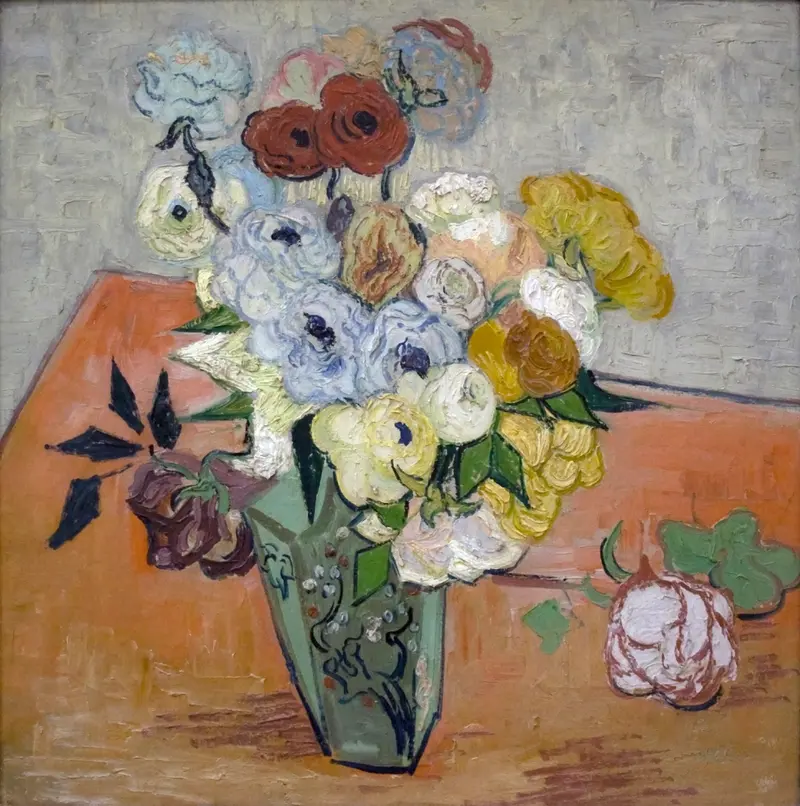
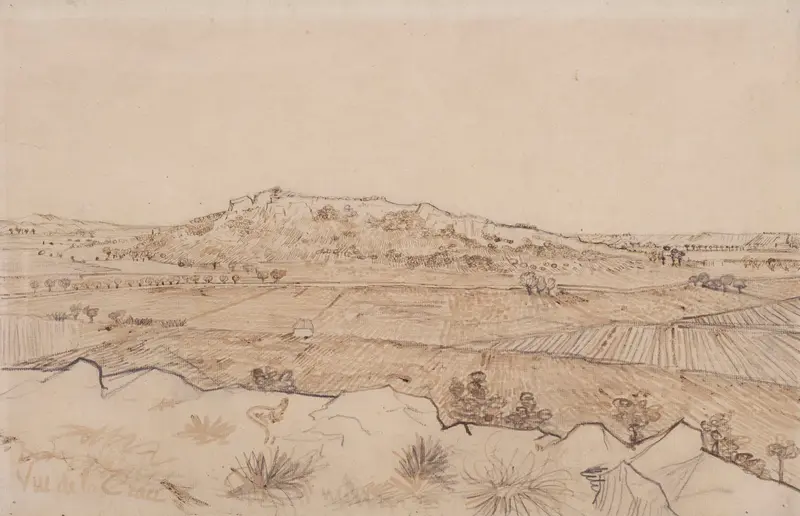
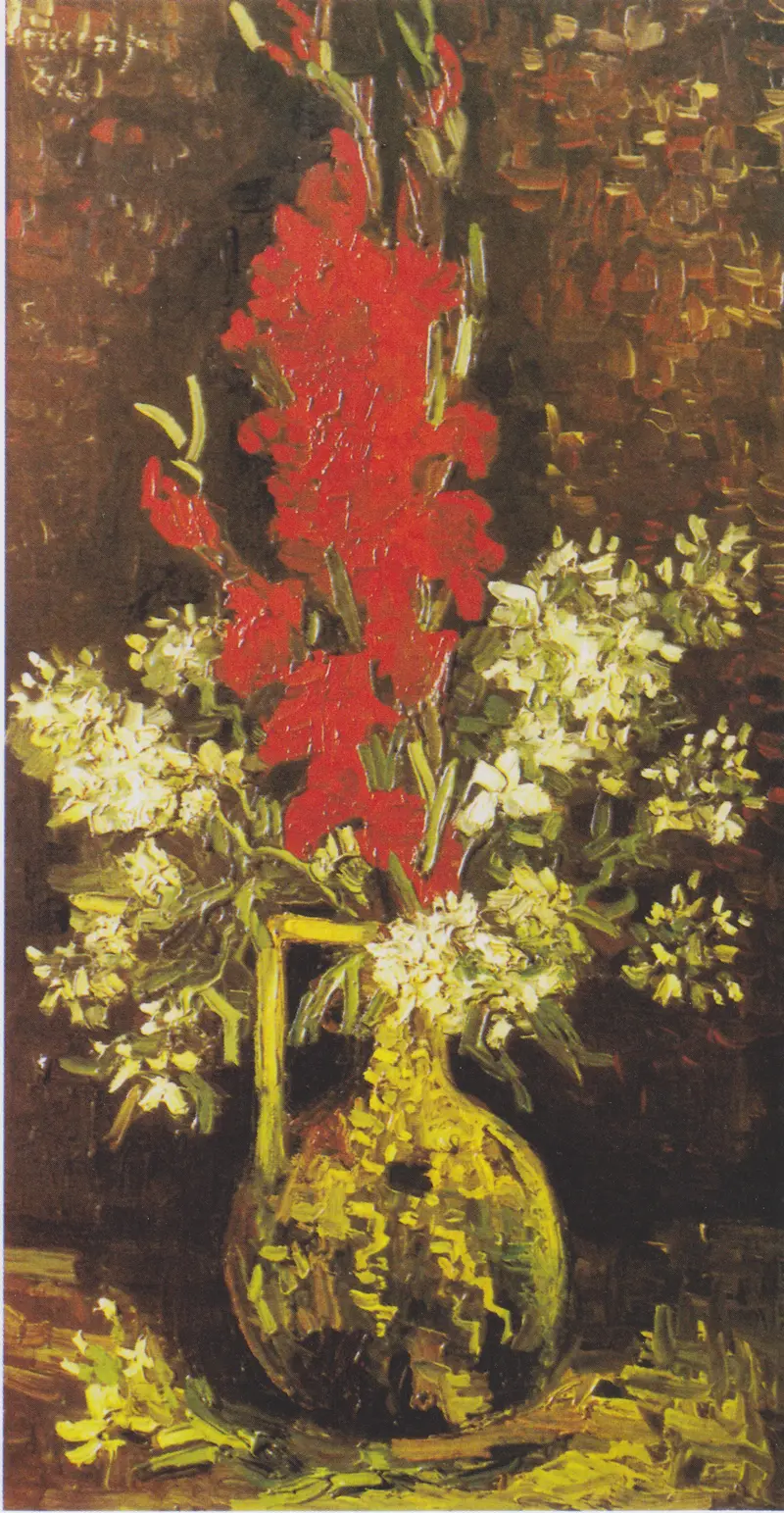
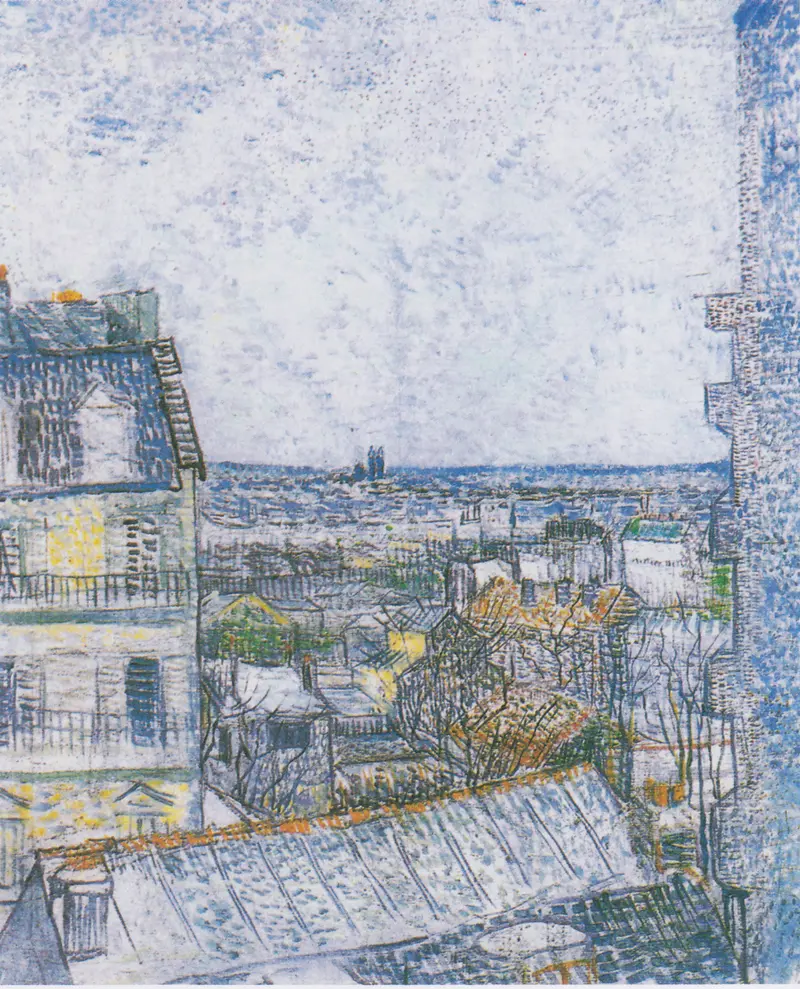
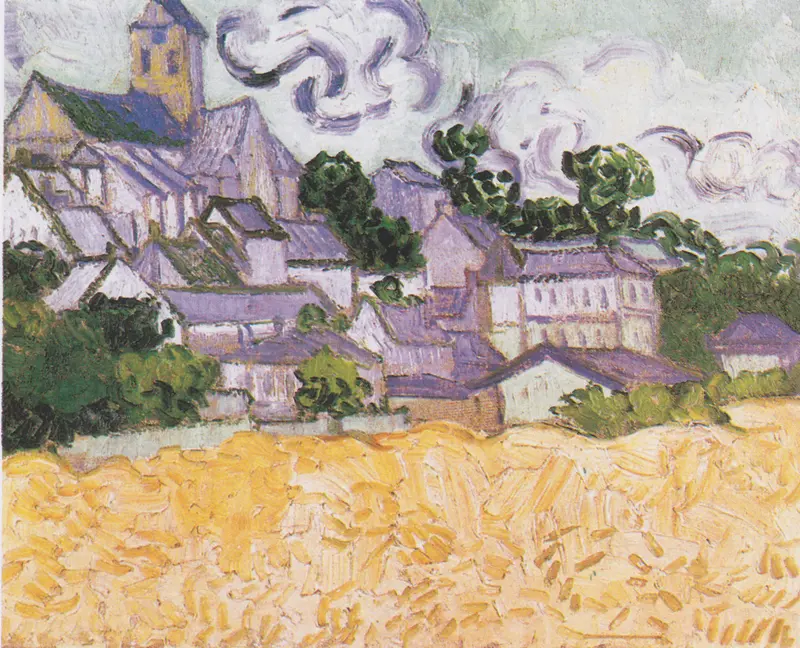
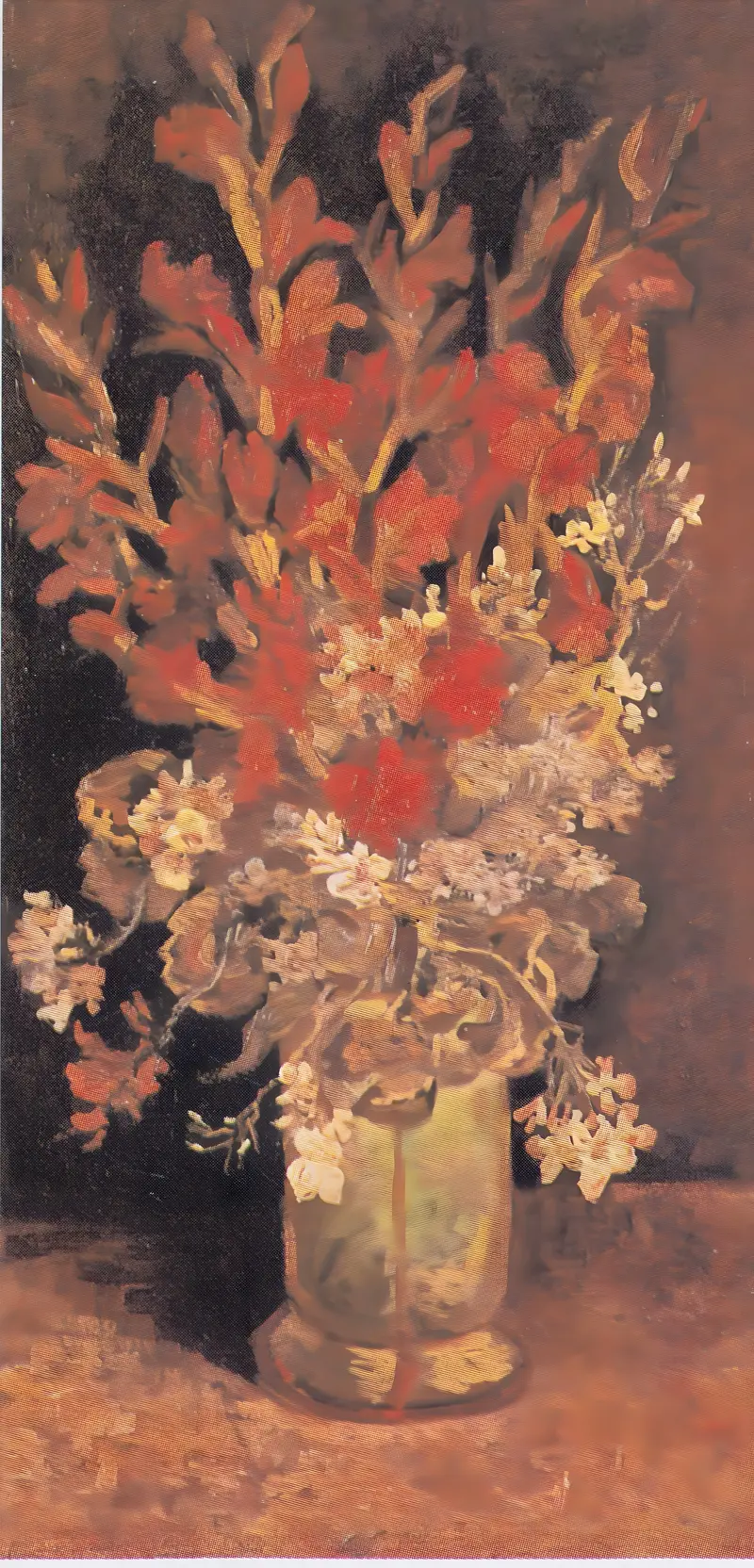
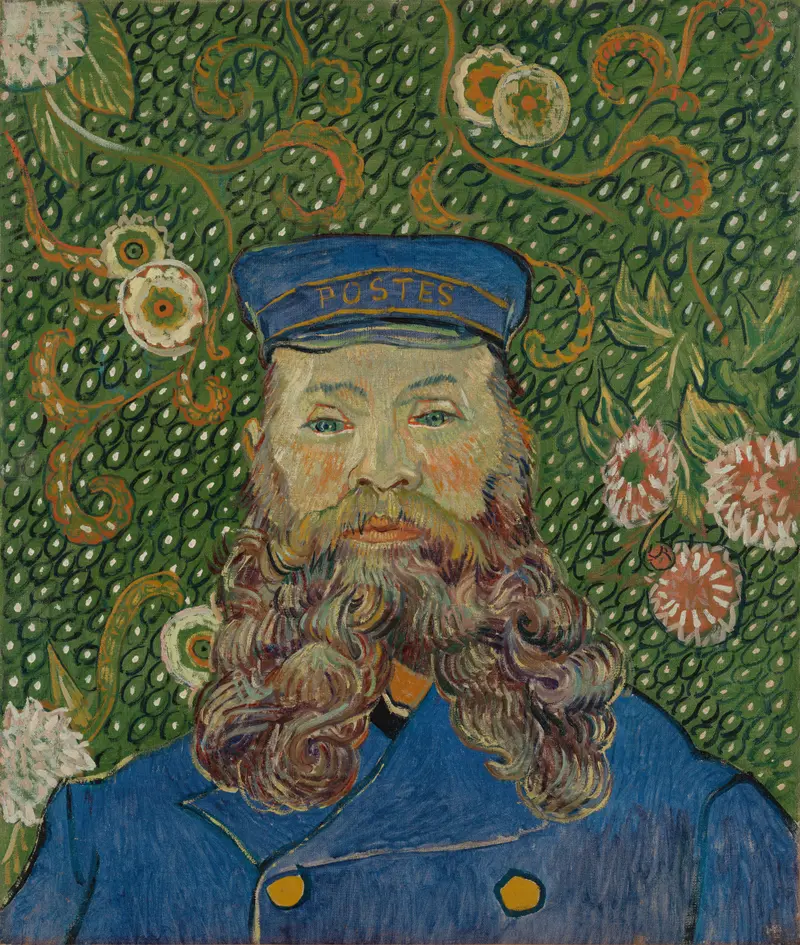
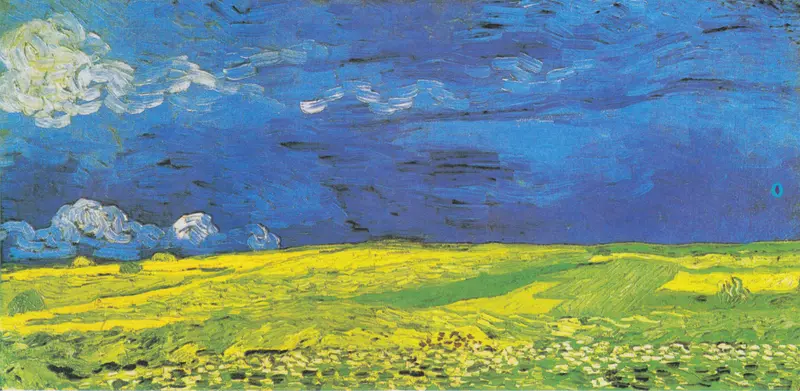
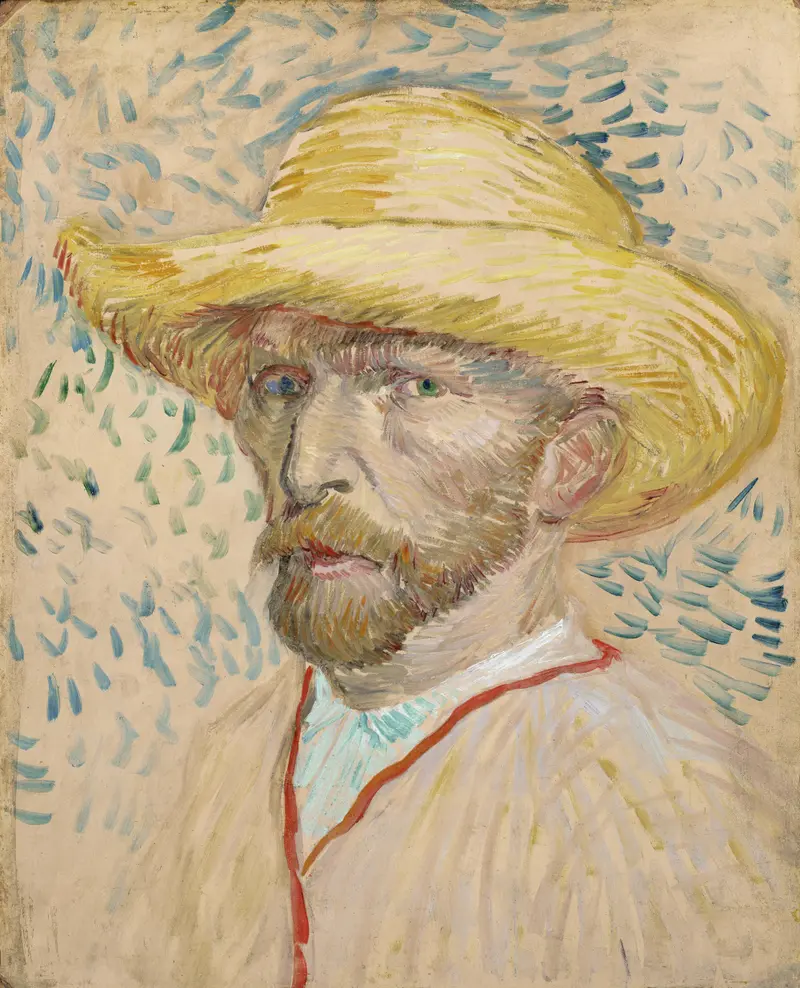

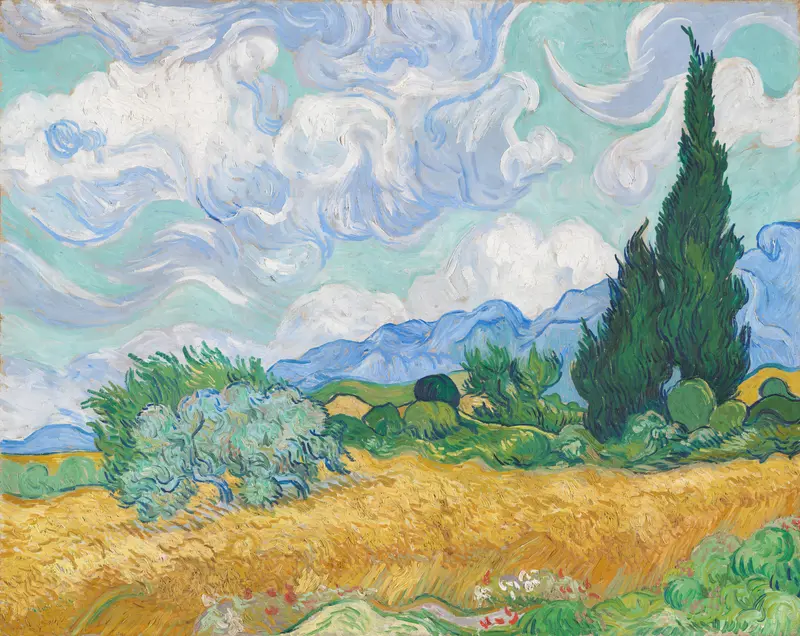
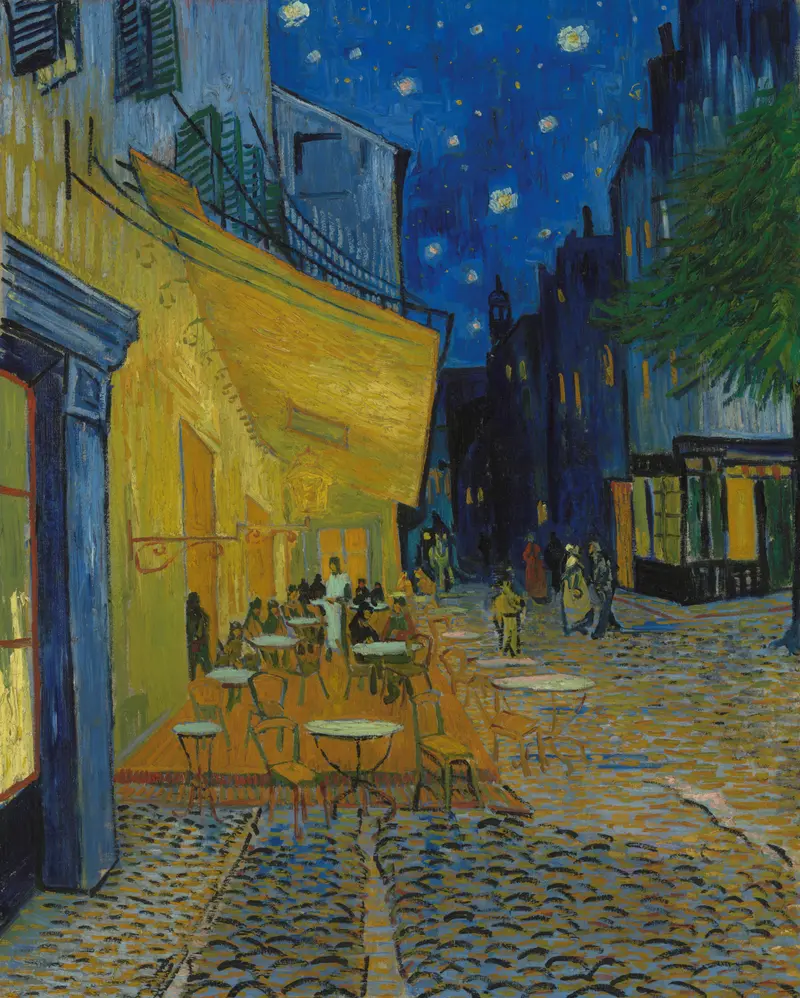
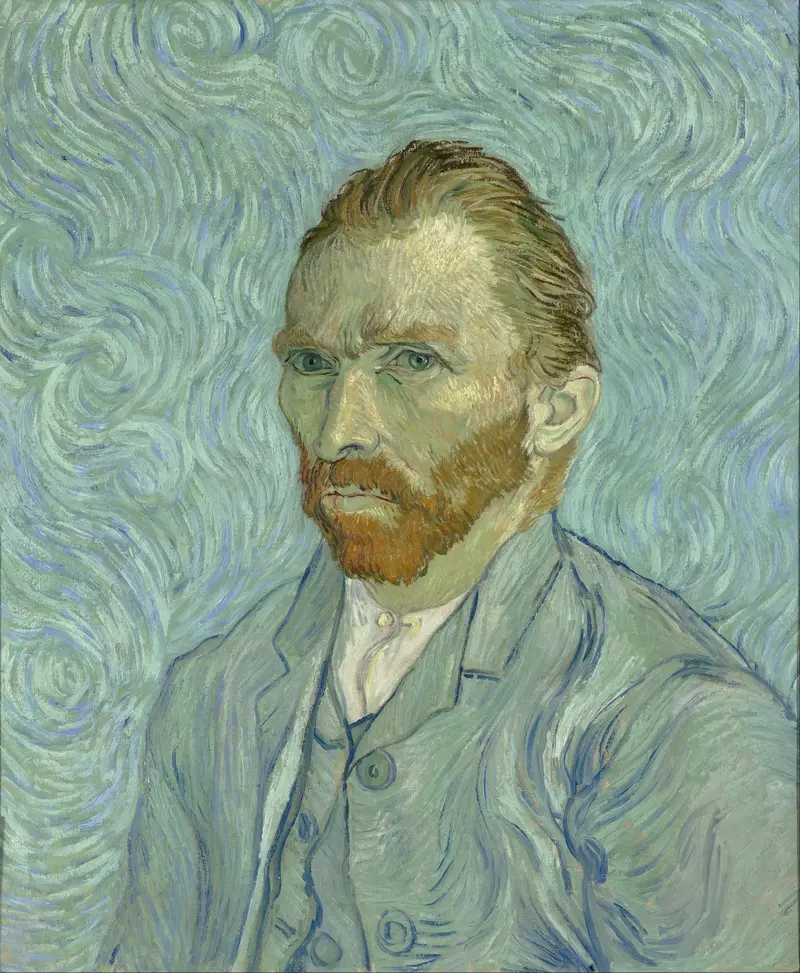
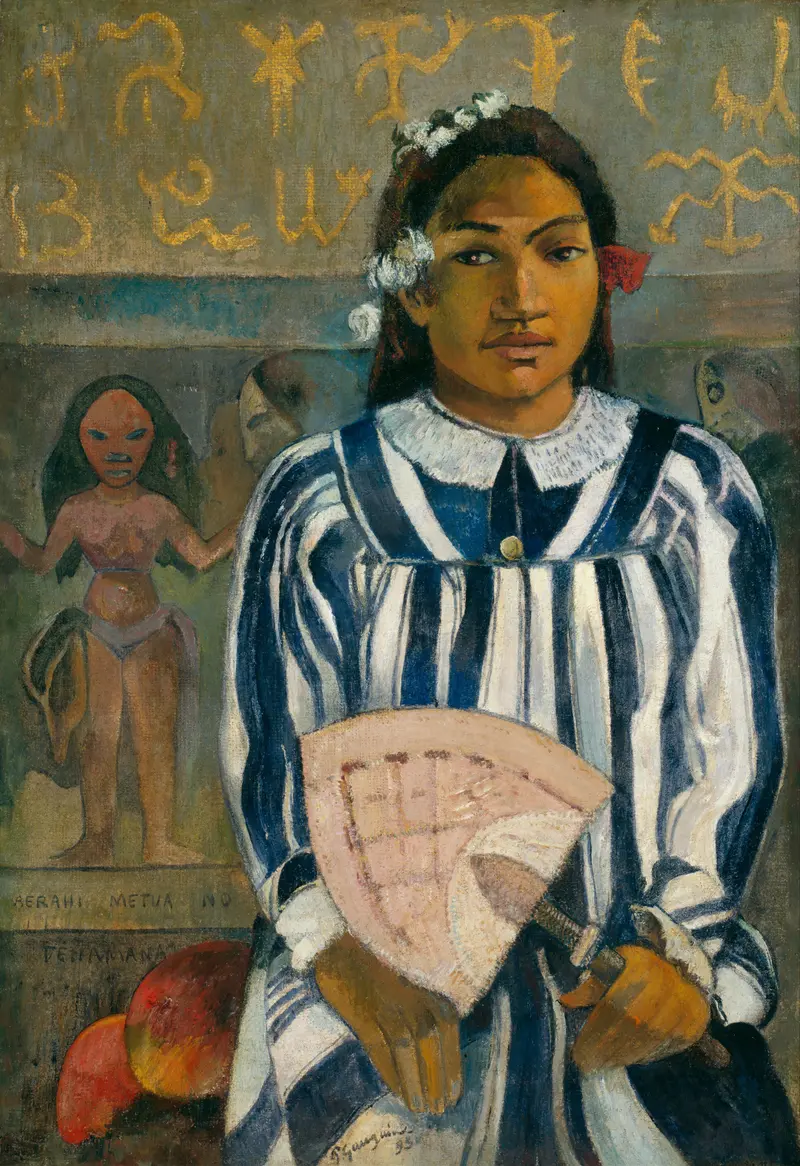
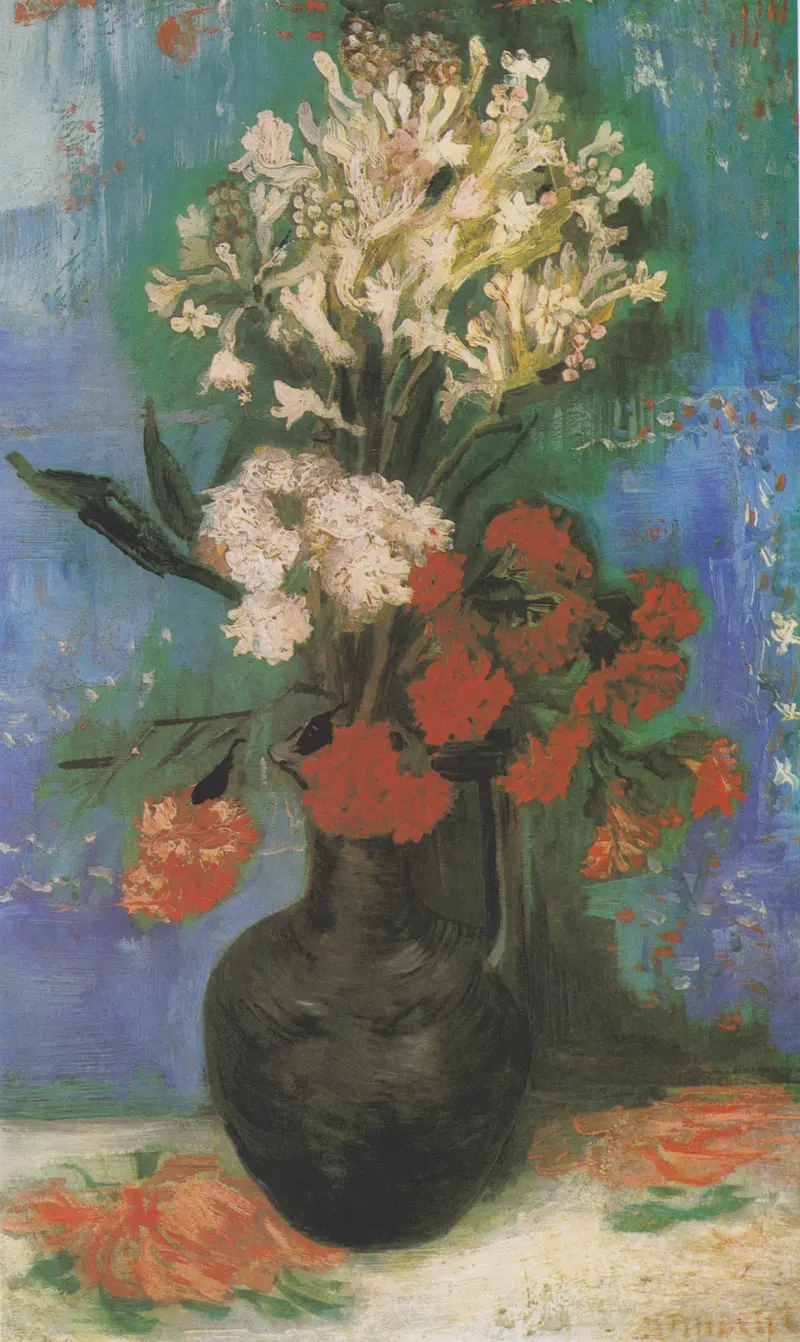
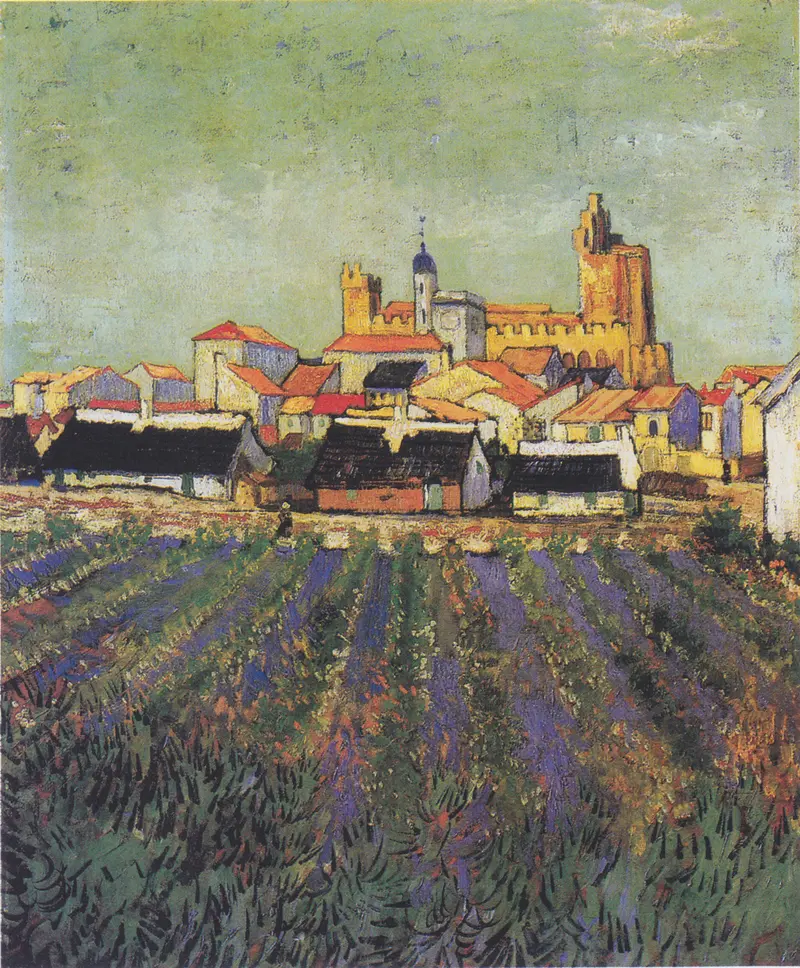
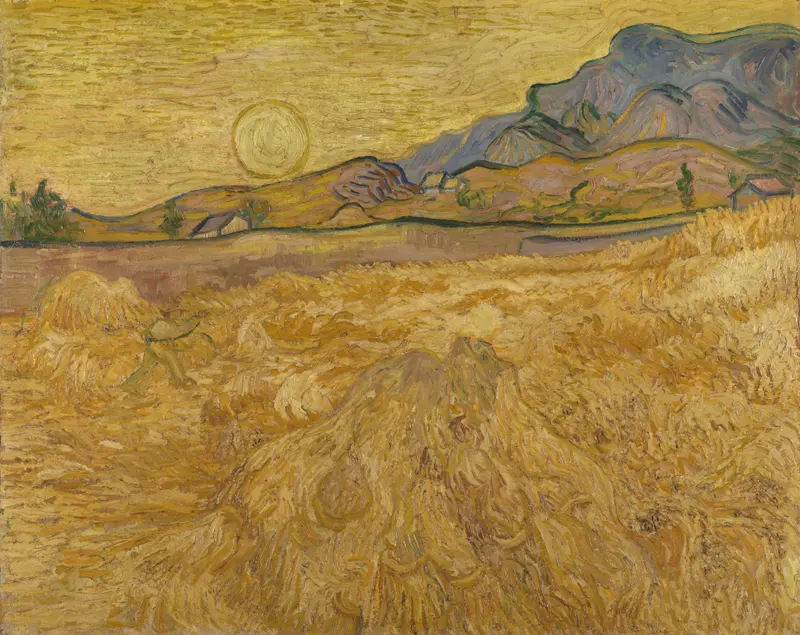
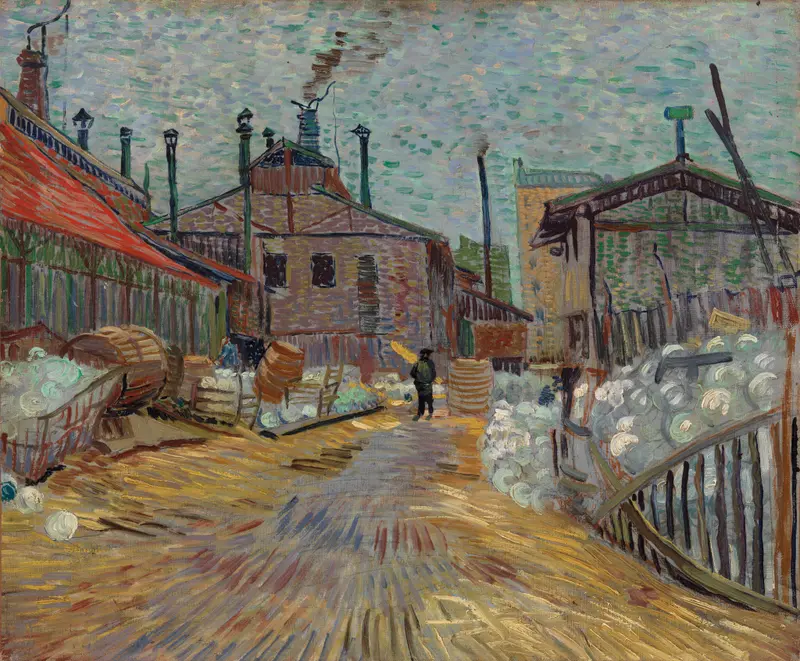
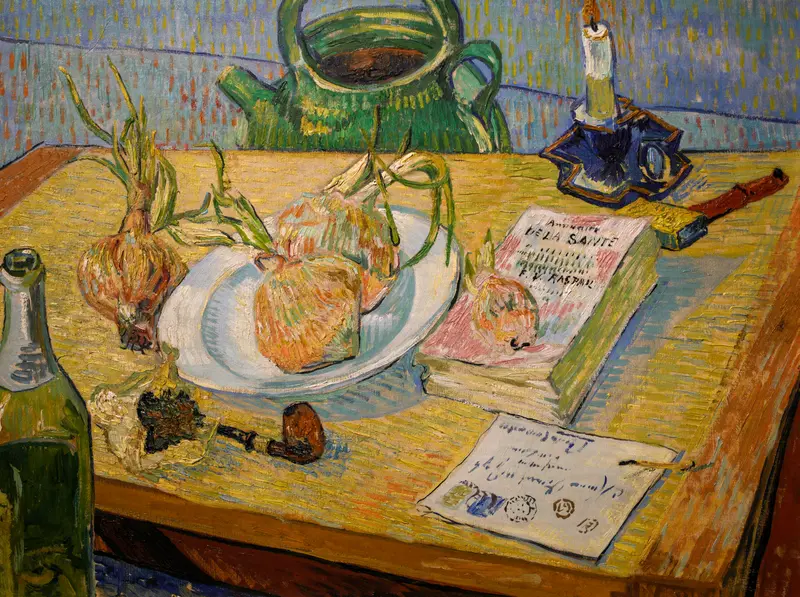
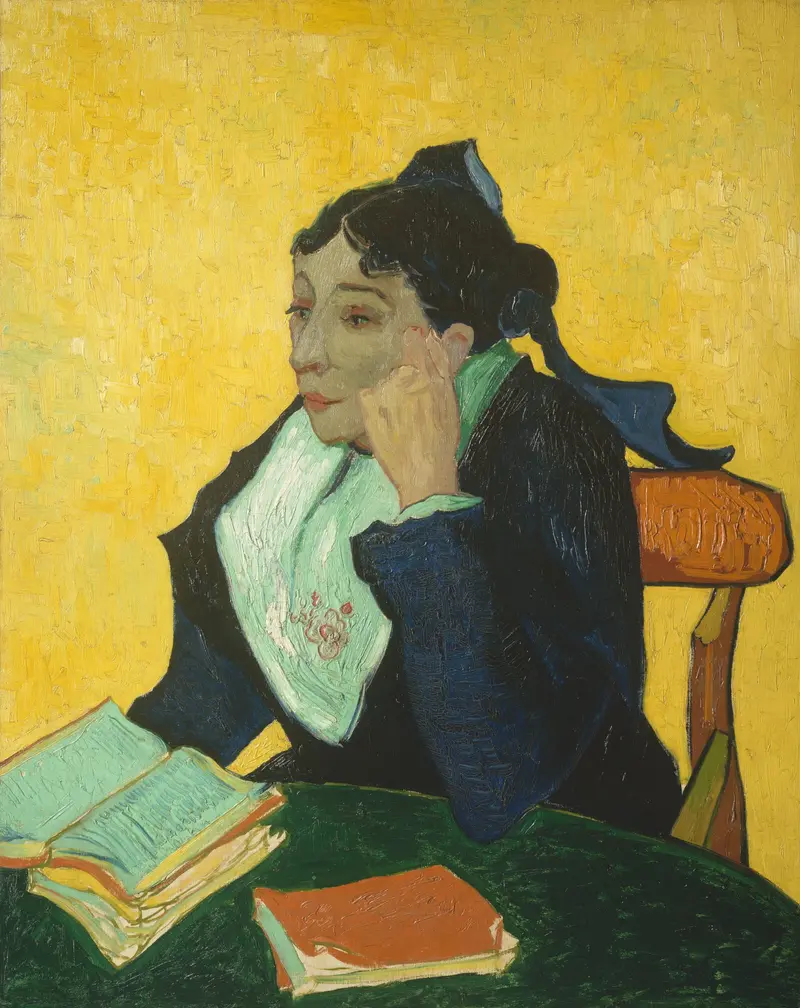
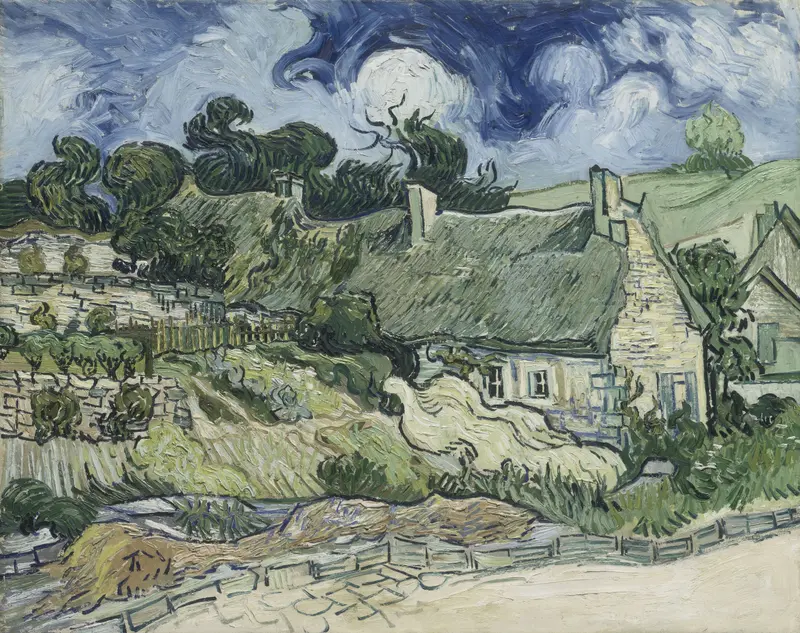




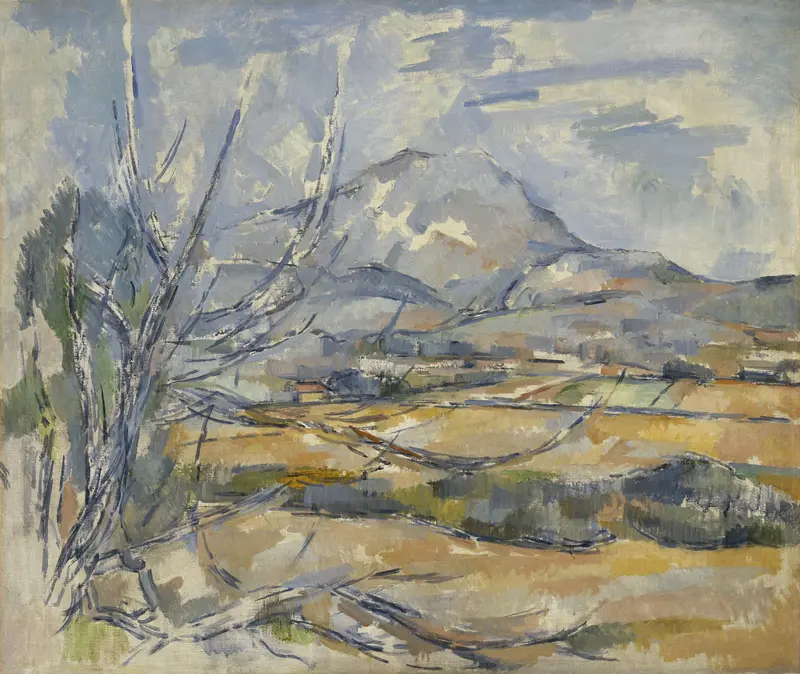

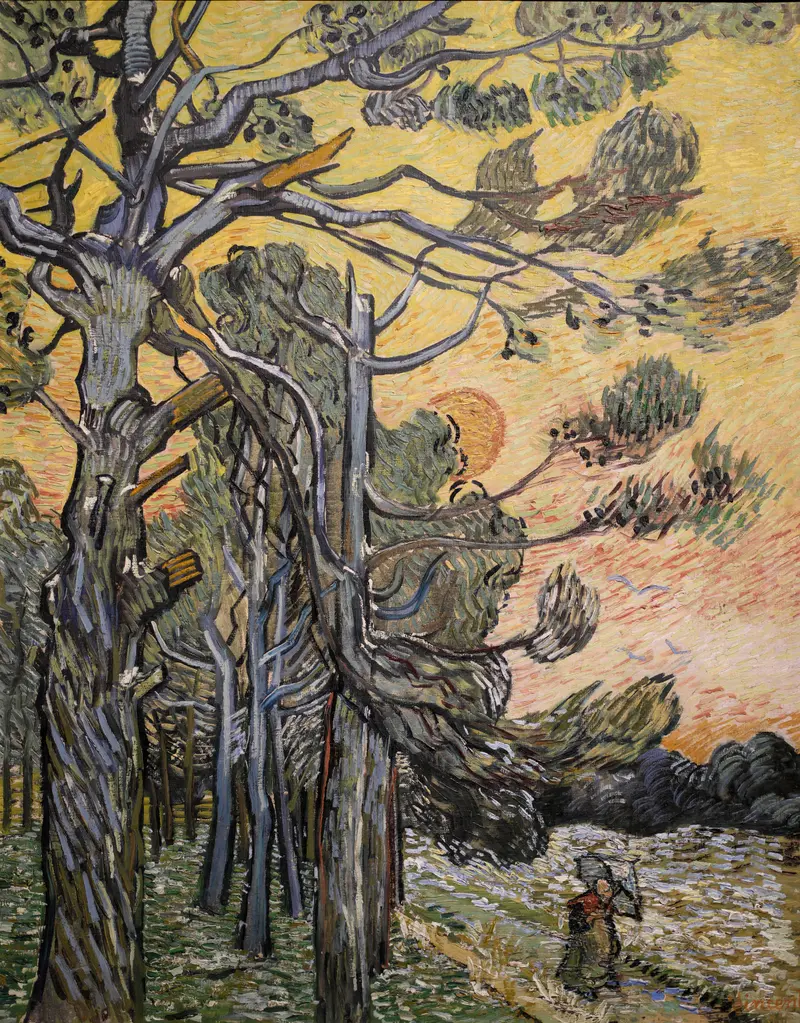

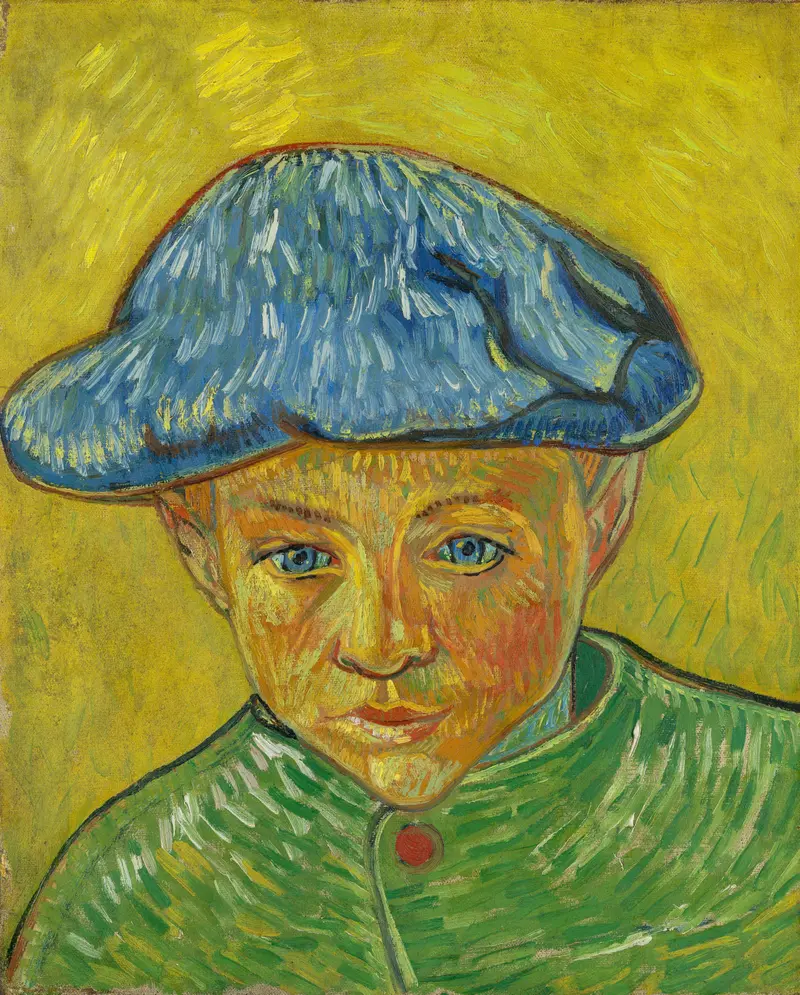
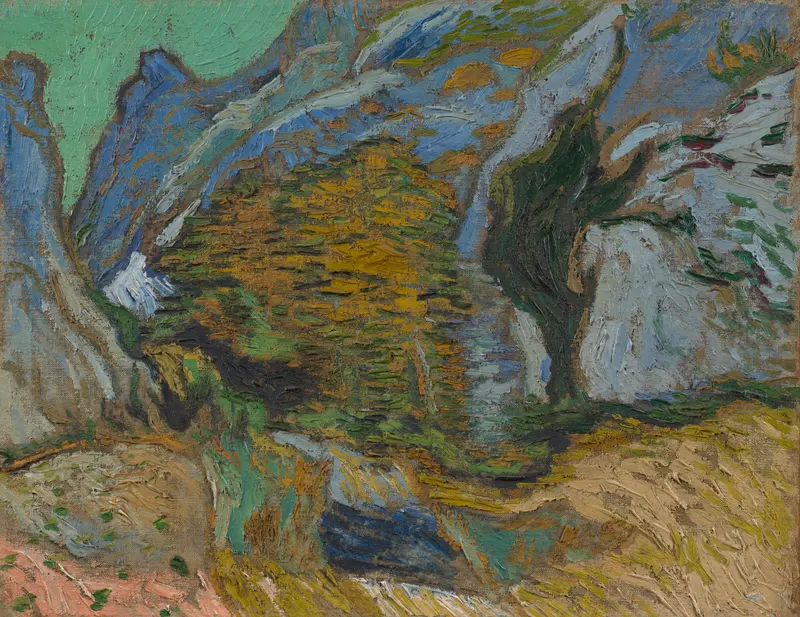
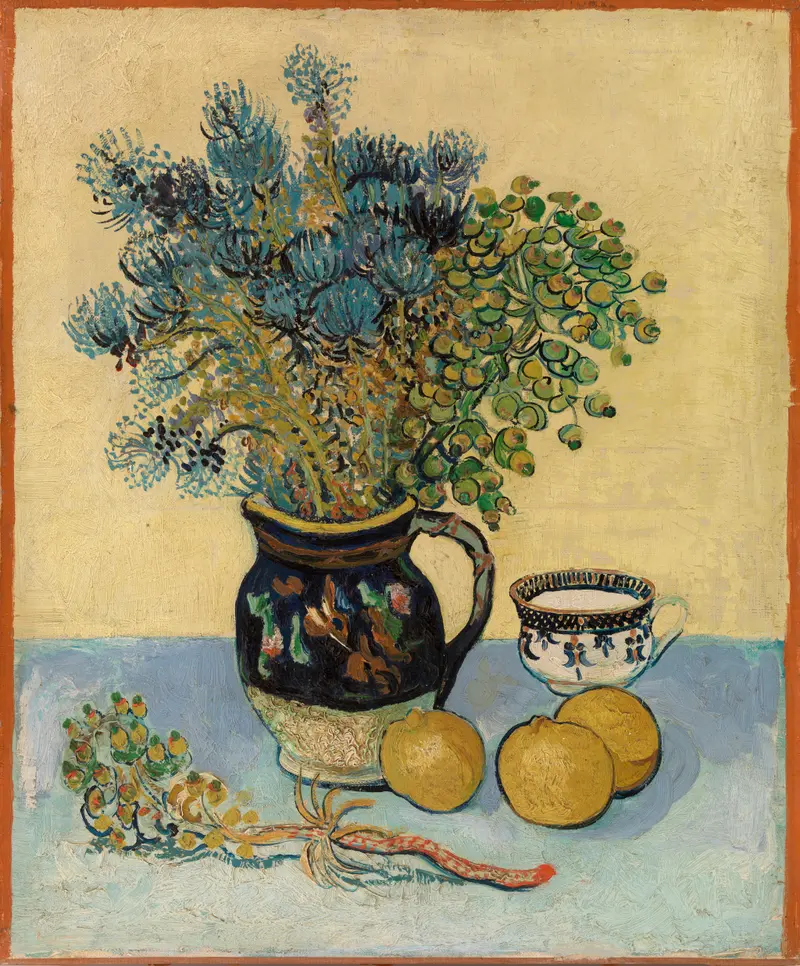
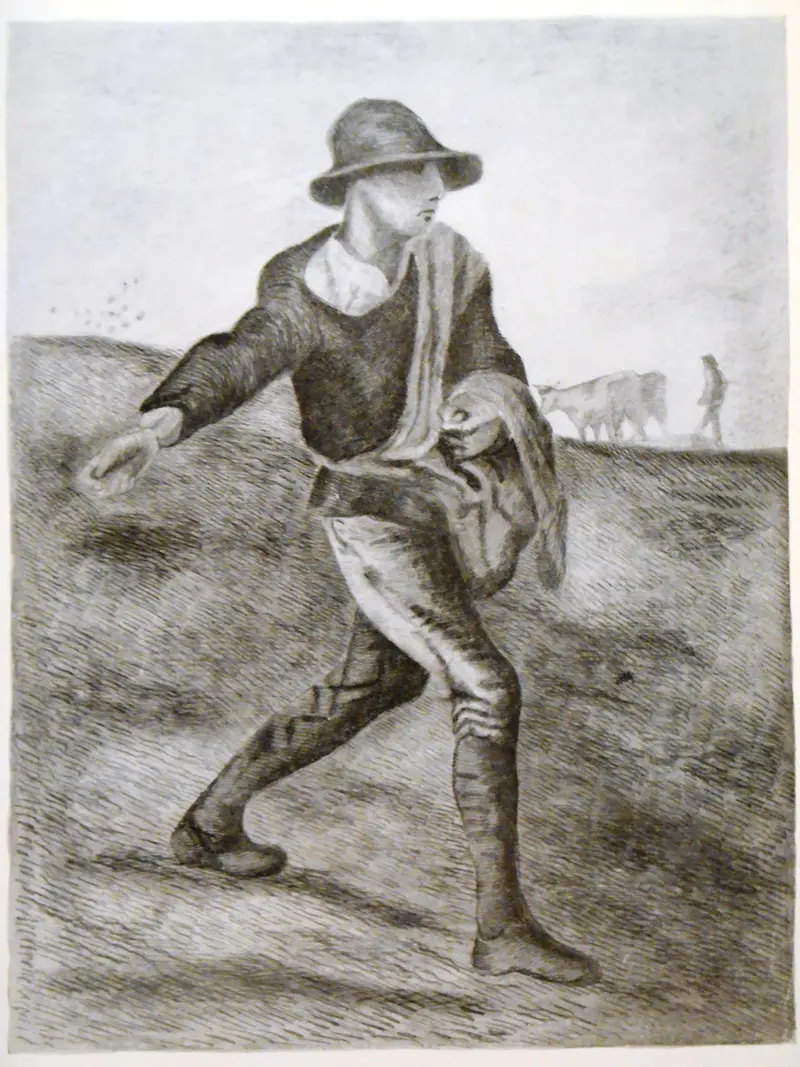
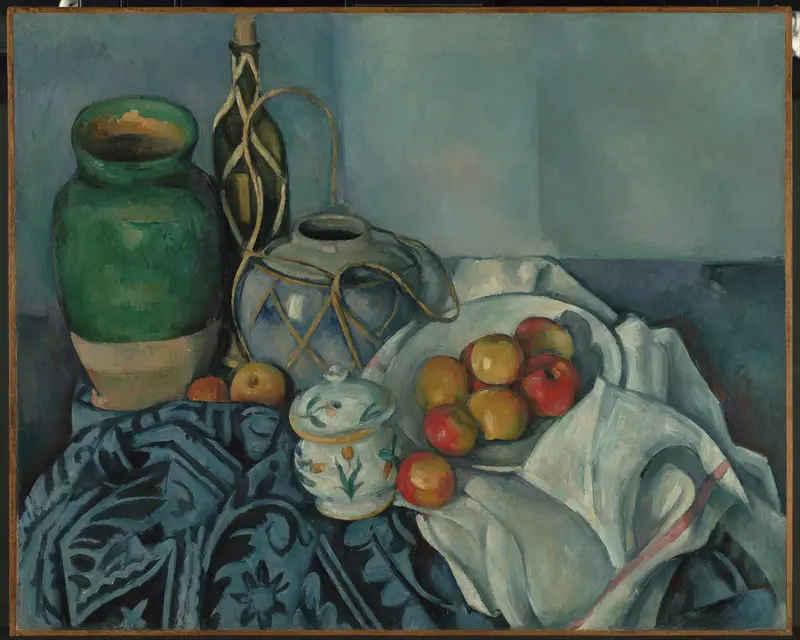
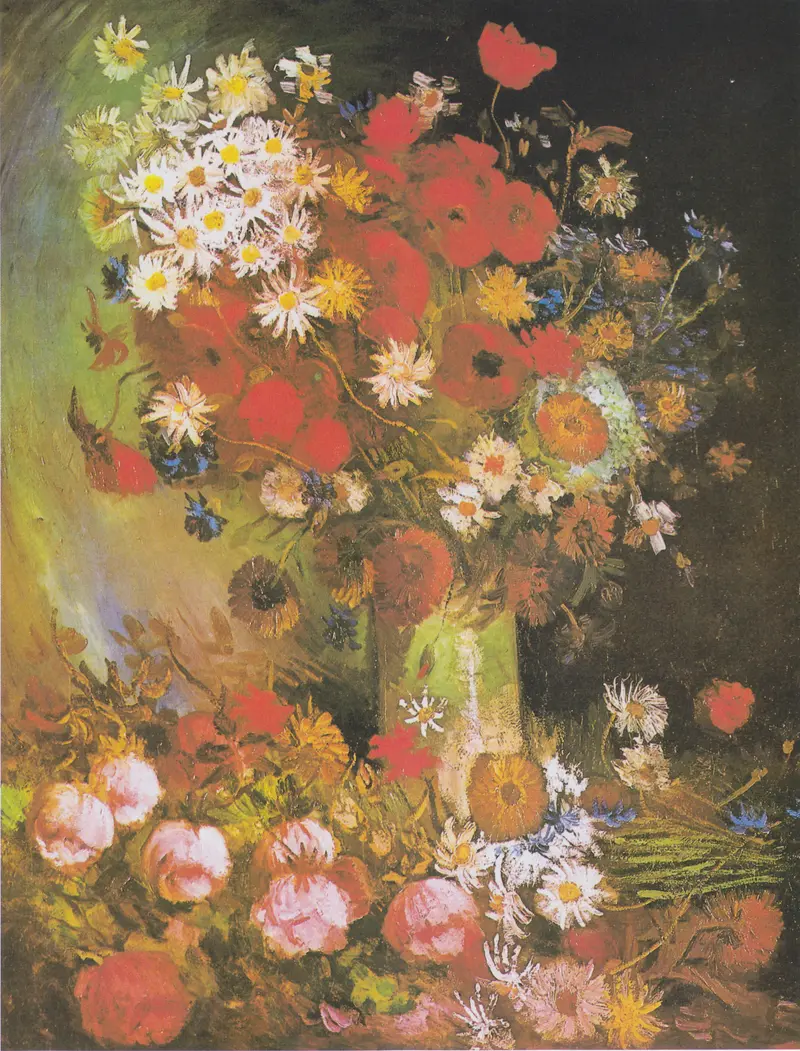
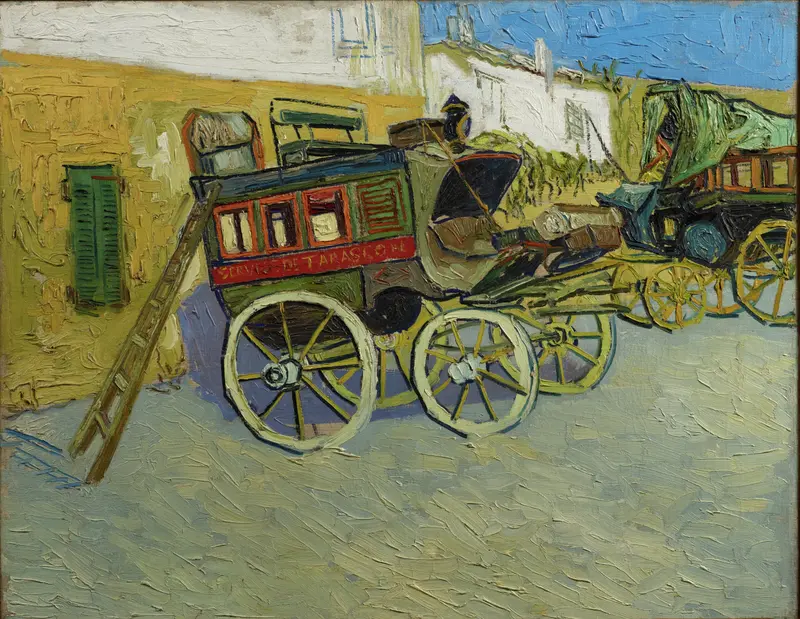
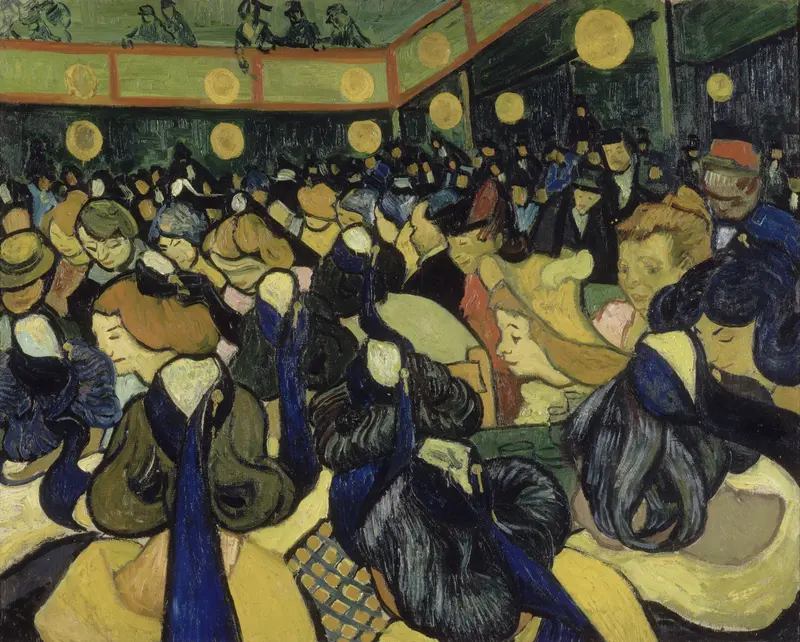
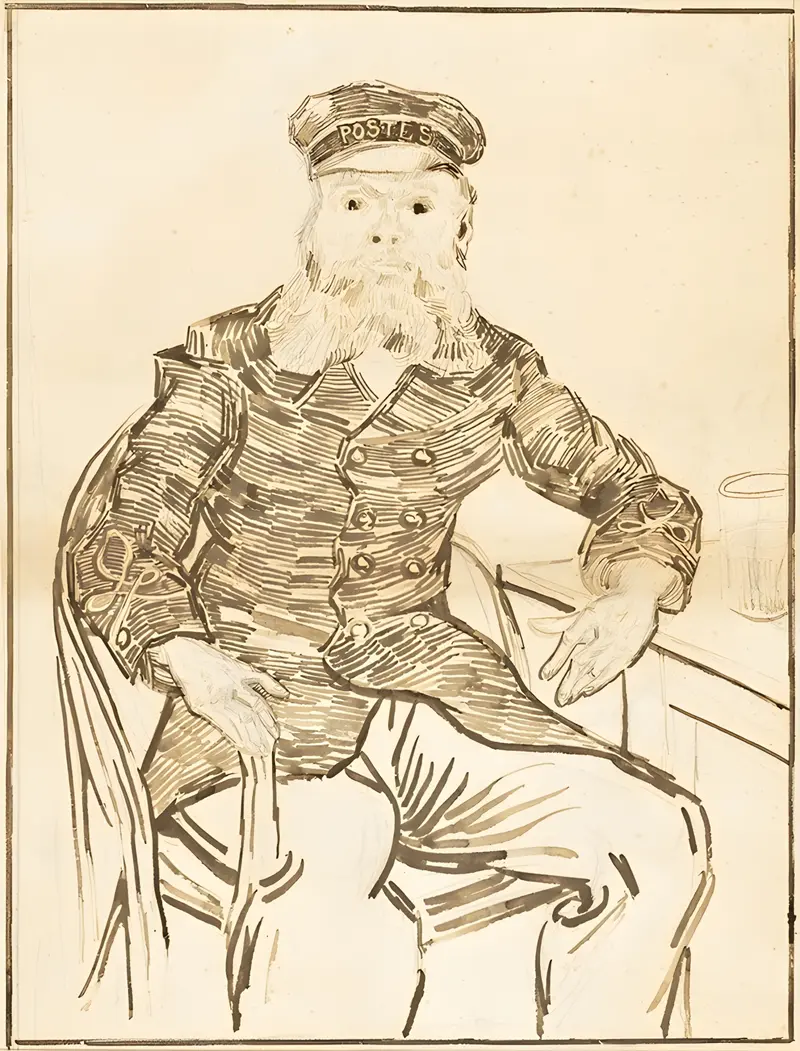
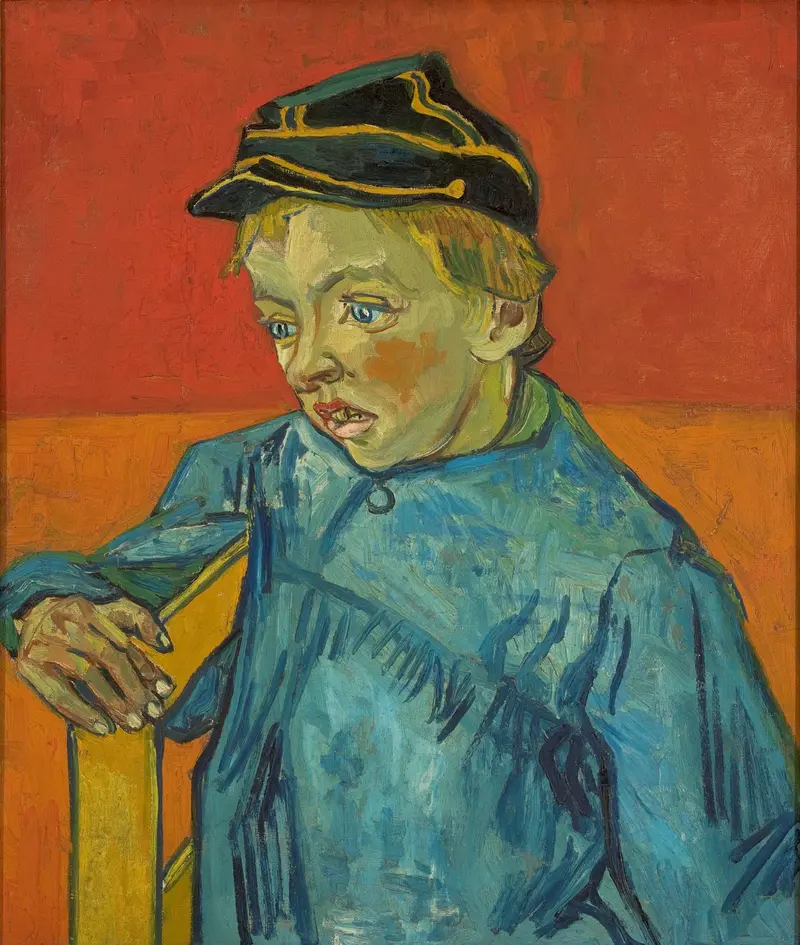
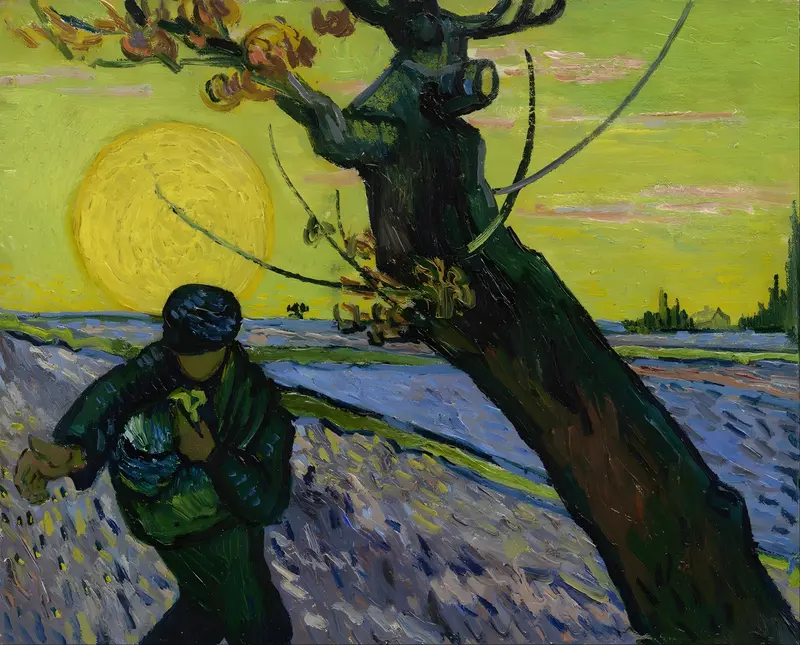
Famous Post-Impressionist paintings
The best-known Post-Impressionist paintings. Click any painting to see it up close and download it free.
 The Starry NightVincent van Gogh
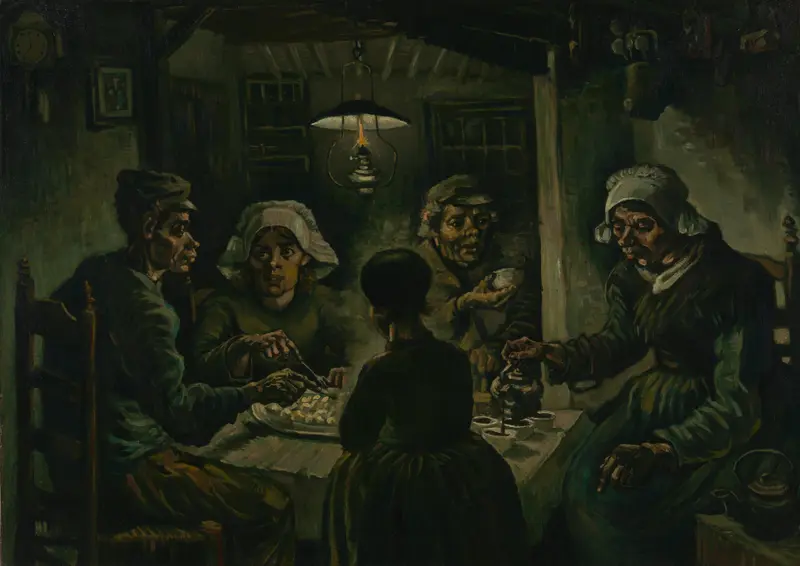 The Potato EatersVincent van Gogh
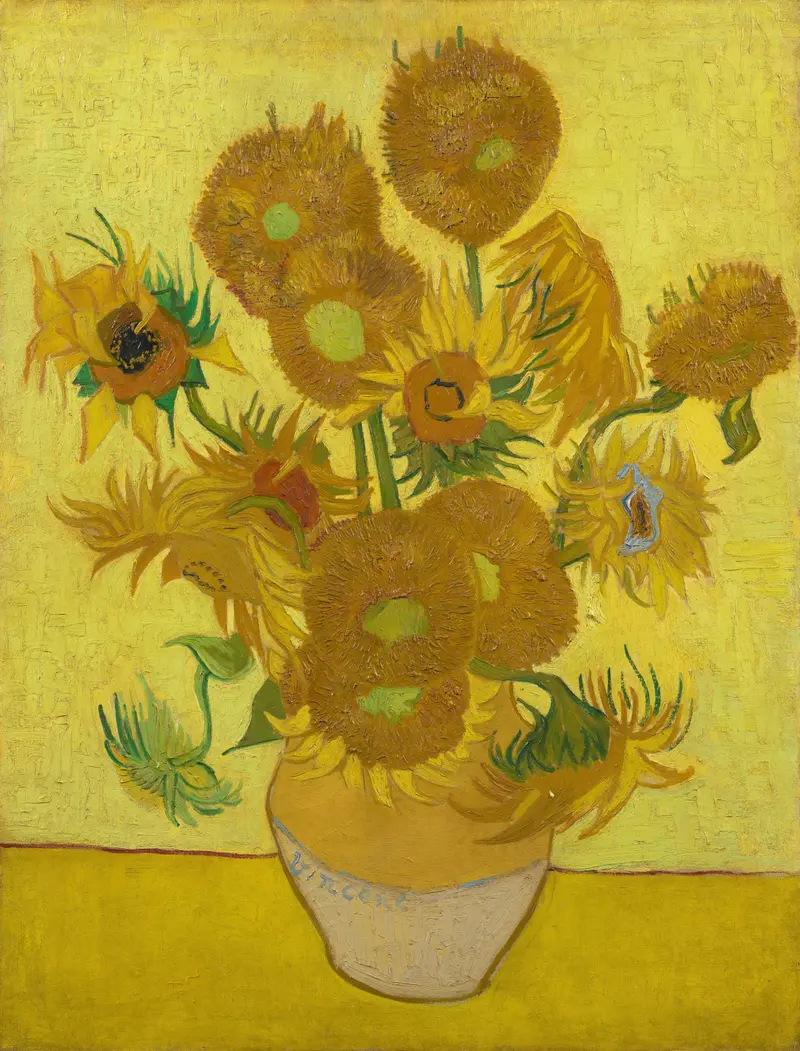
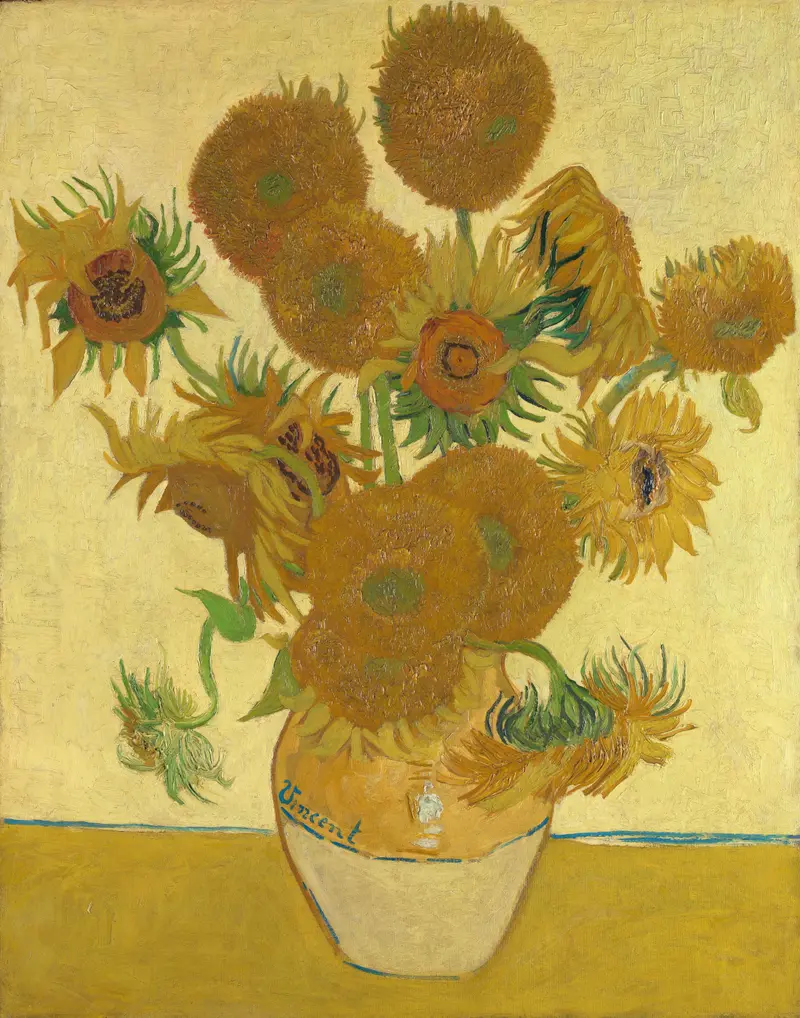 SunflowersVincent van Gogh
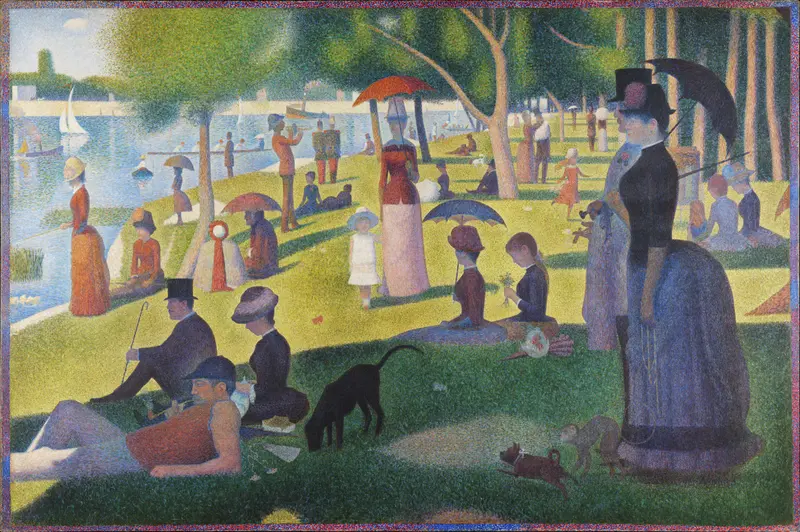 A Sunday on La Grande Jatte — 1884Georges Seurat
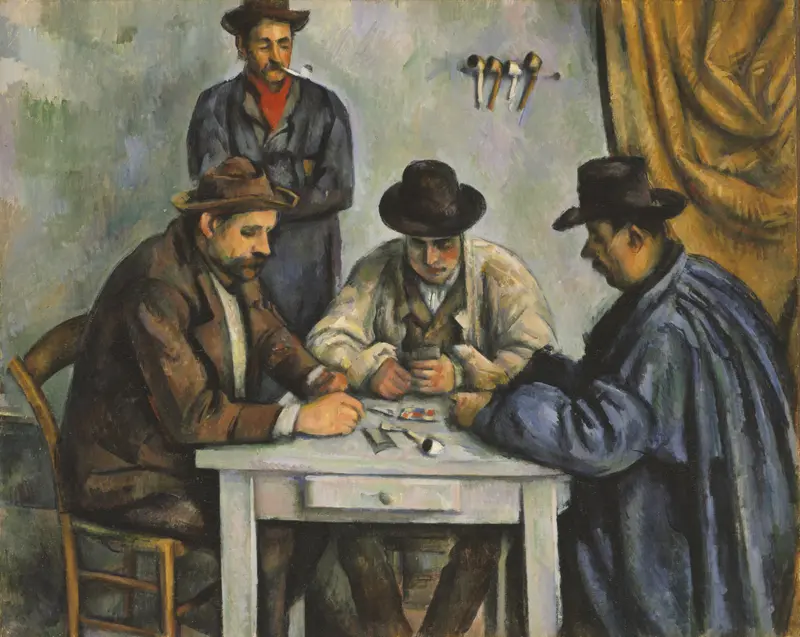 The Card PlayersPaul Cézanne
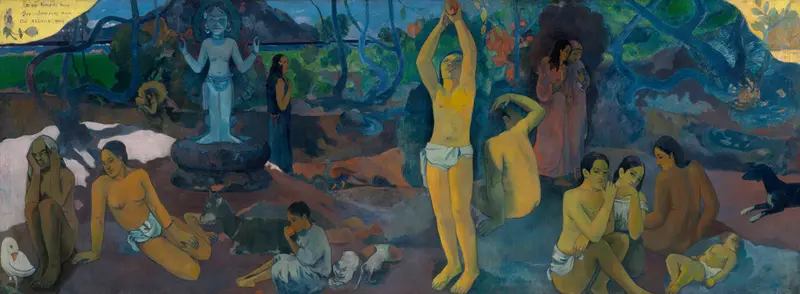 Where Do We Come From? What Are We? Where Are We Going?Paul Gauguin
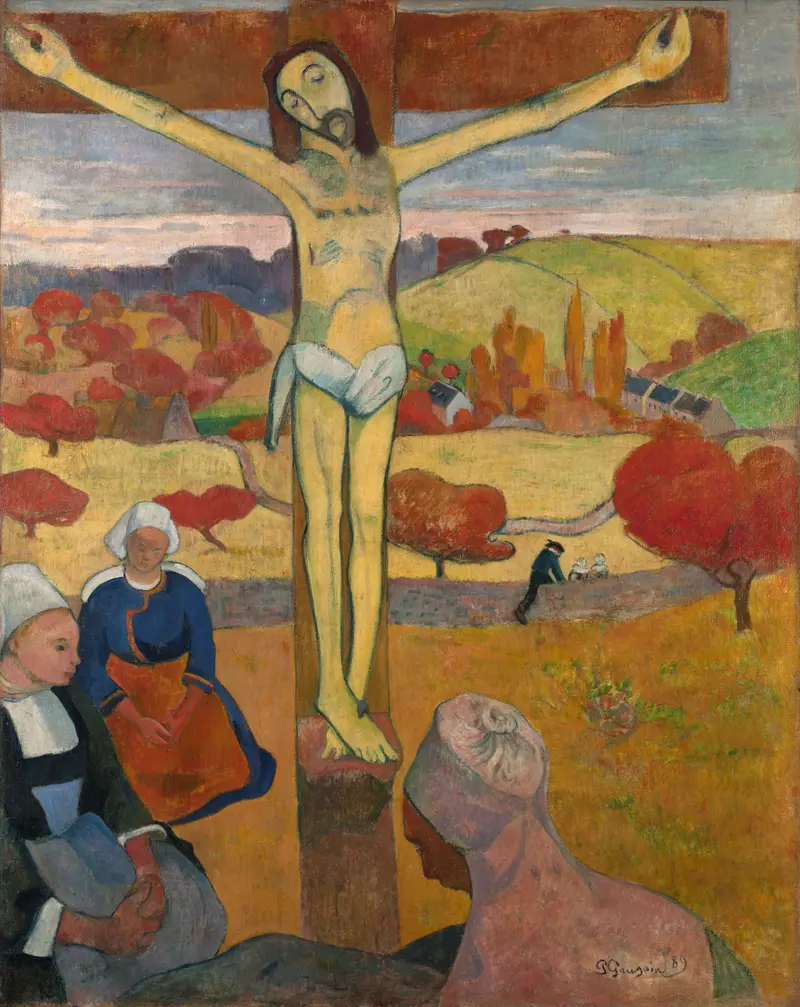 The Yellow ChristPaul Gauguin
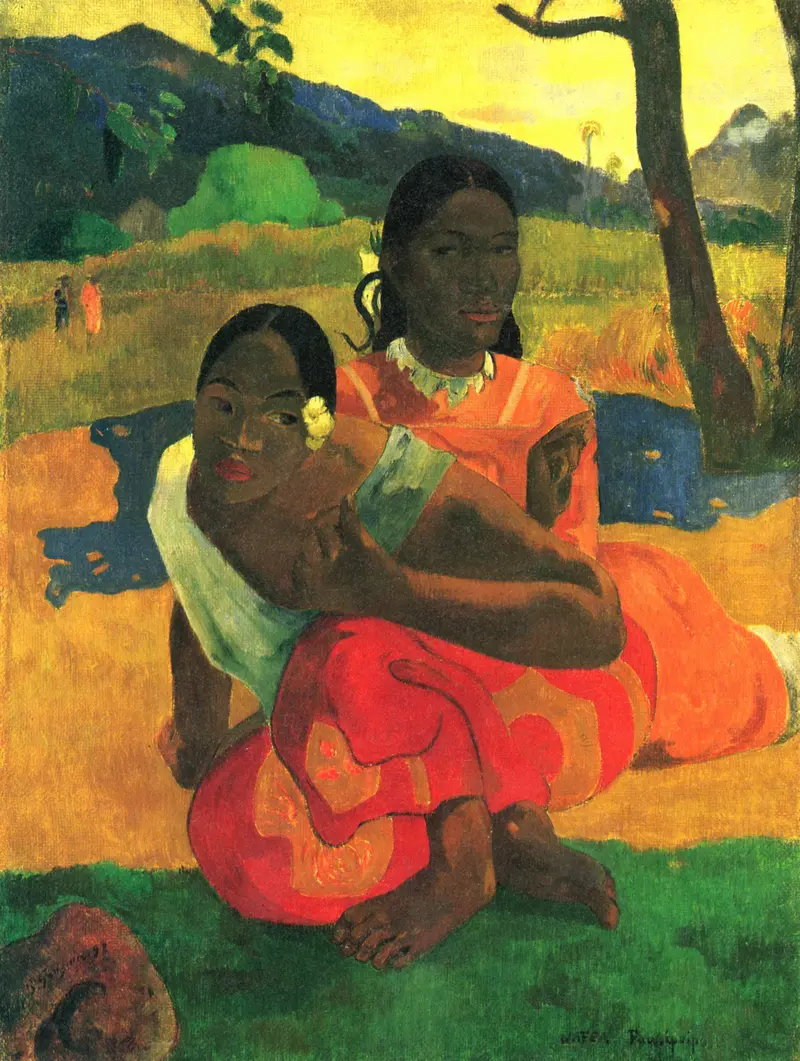 When Will You Marry? (Nafea Faa Ipoipo?)Paul Gauguin
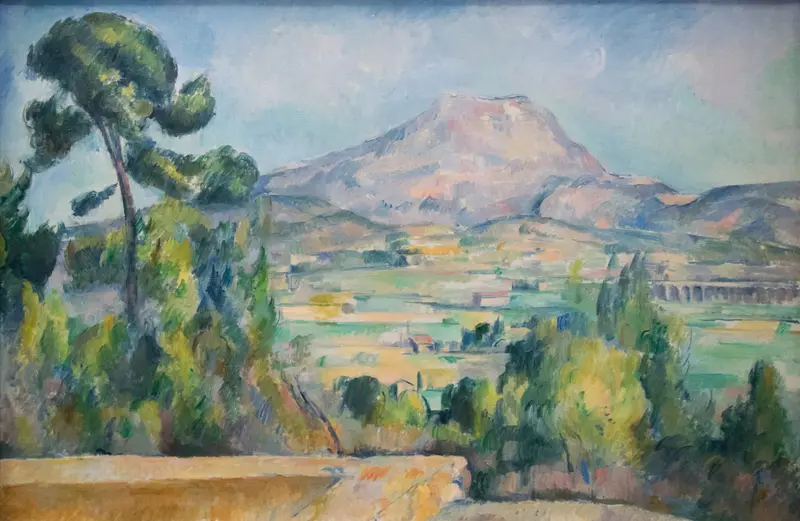
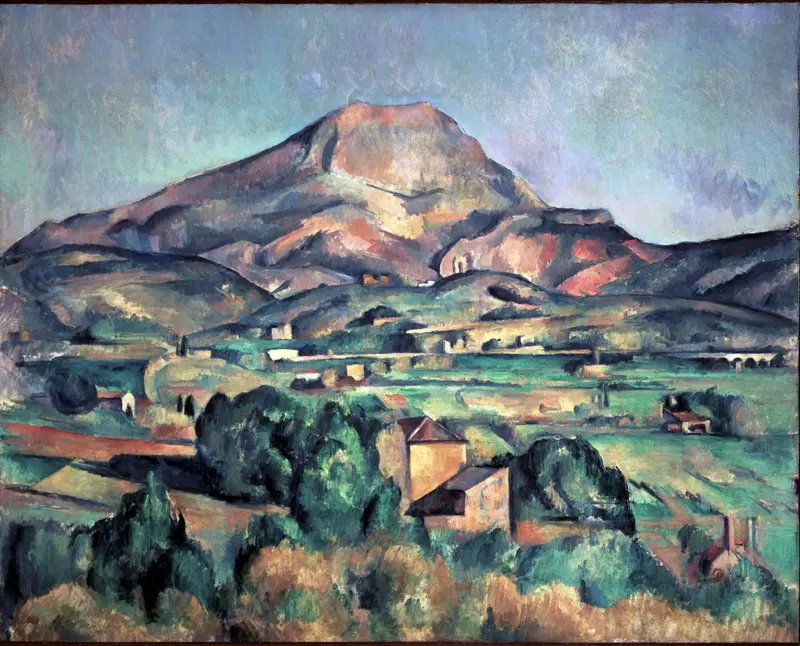 Mont Sainte-VictoirePaul Cézanne
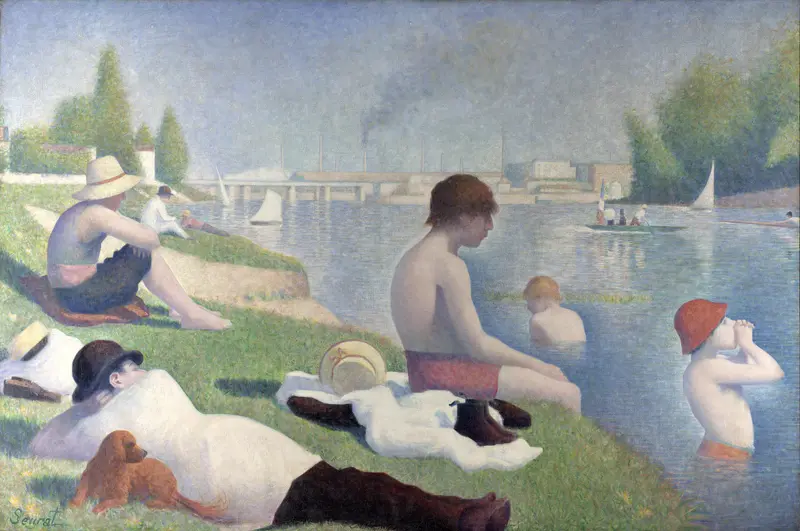 Bathers at AsnièresGeorges Seurat
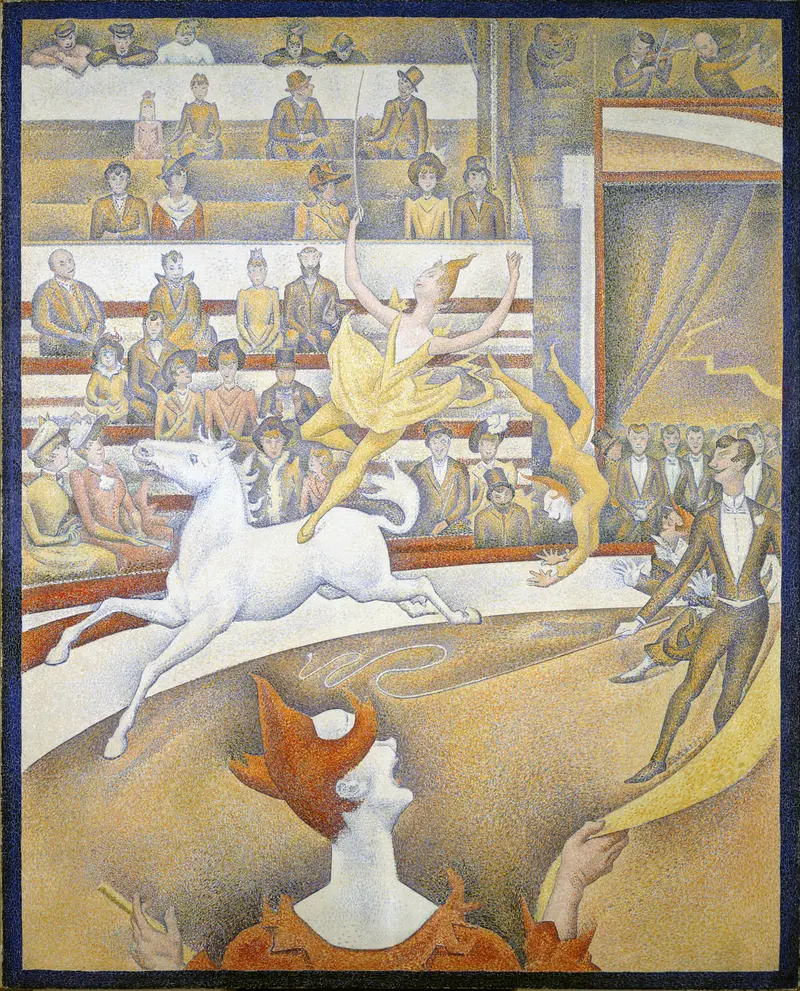 The CircusGeorges Seurat
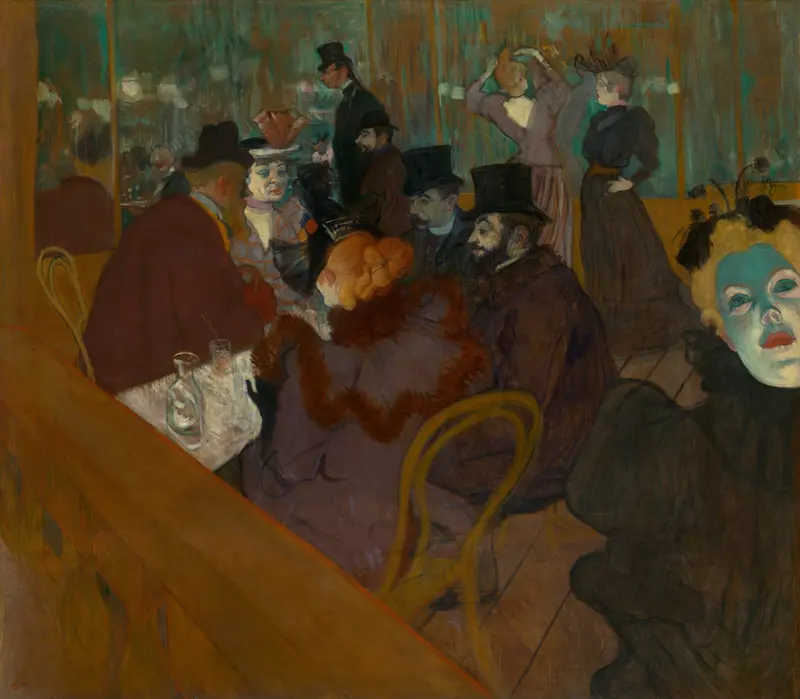 At the Moulin RougeHenri de Toulouse-Lautrec
Famous Post-Impressionist artists
Ten painters at the heart of Post-Impressionism, from Van Gogh, Cézanne, Gauguin and Seurat to the Neo-Impressionists and the Nabis. Each link opens all their paintings.
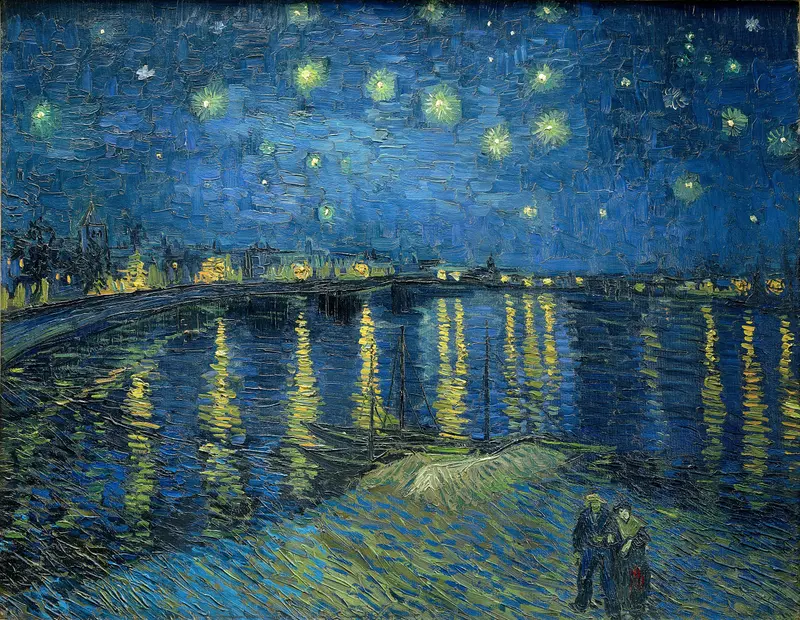 Vincent van Gogh1853–1890. Dutch painter whom the National Gallery in London calls one of the most popular Post-Impressionists, famed for brilliant color and energetic, thickly applied paint; he painted in Arles and Saint-Rémy in his last years.
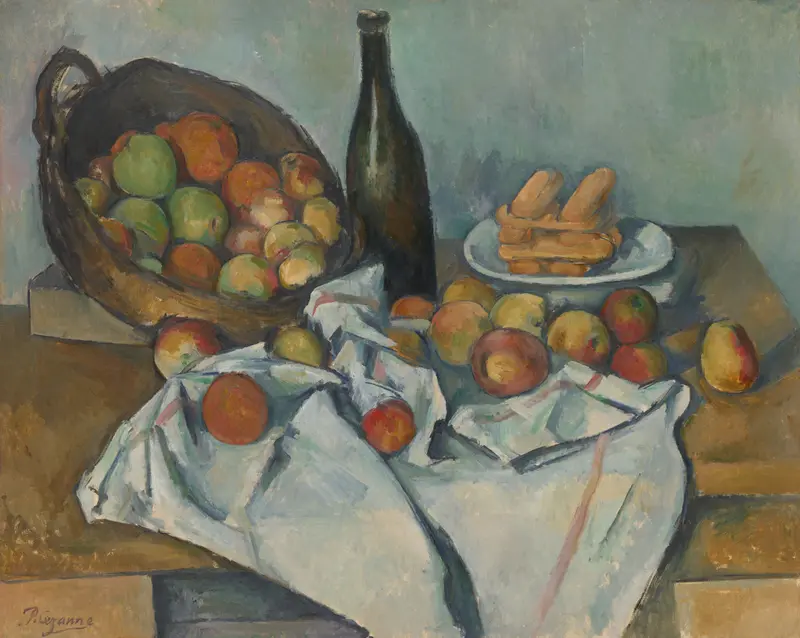 Paul Cézanne1839–1906. Wanted to make Impressionism “something solid and durable”; he painted Mont Sainte-Victoire and his native Provence again and again, and influenced Picasso and 20th-century art.
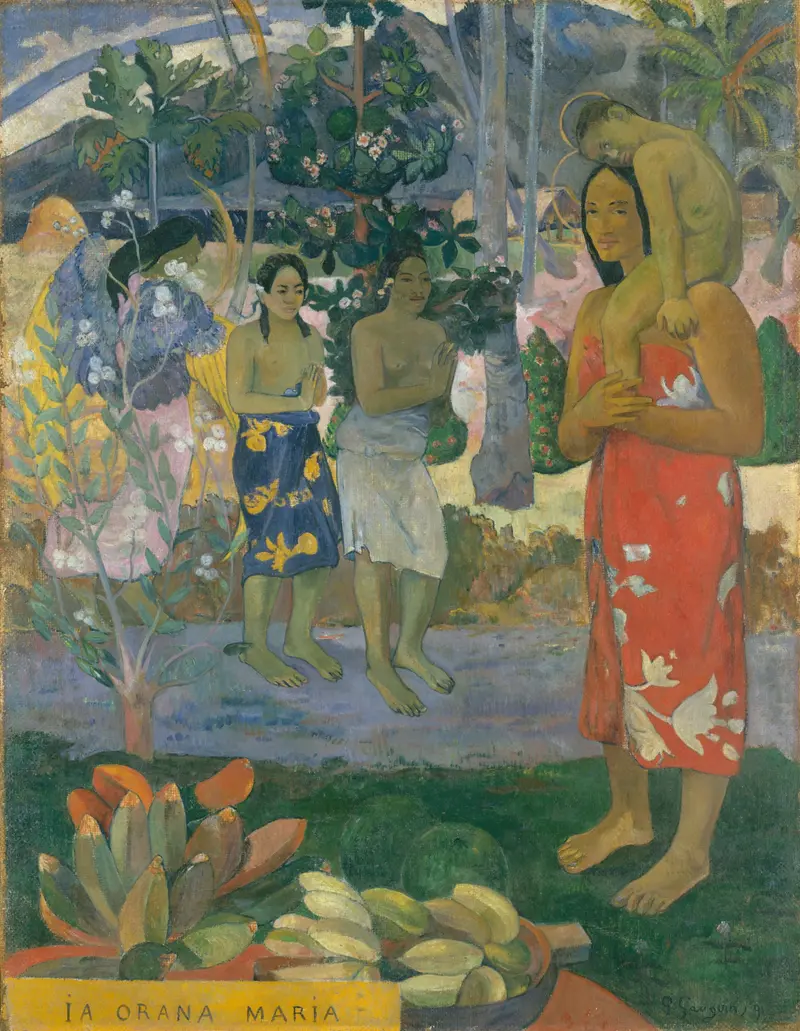
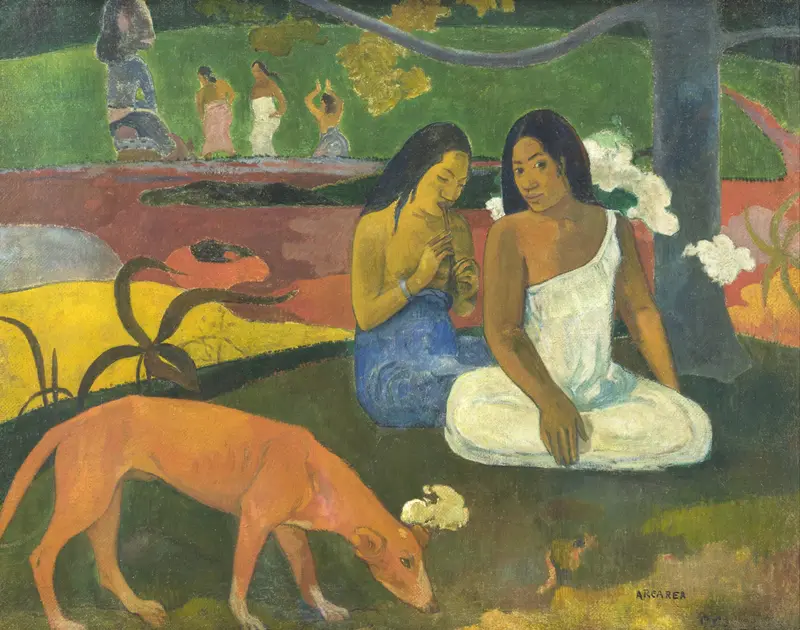
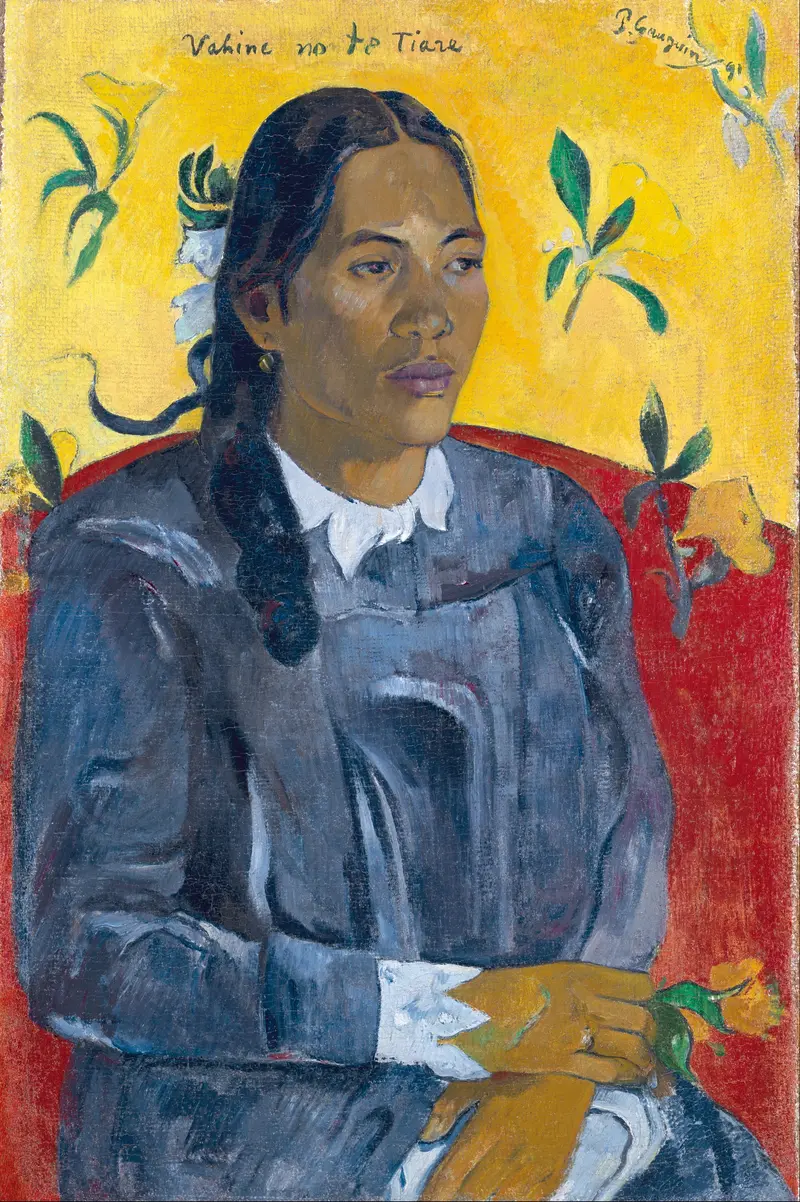
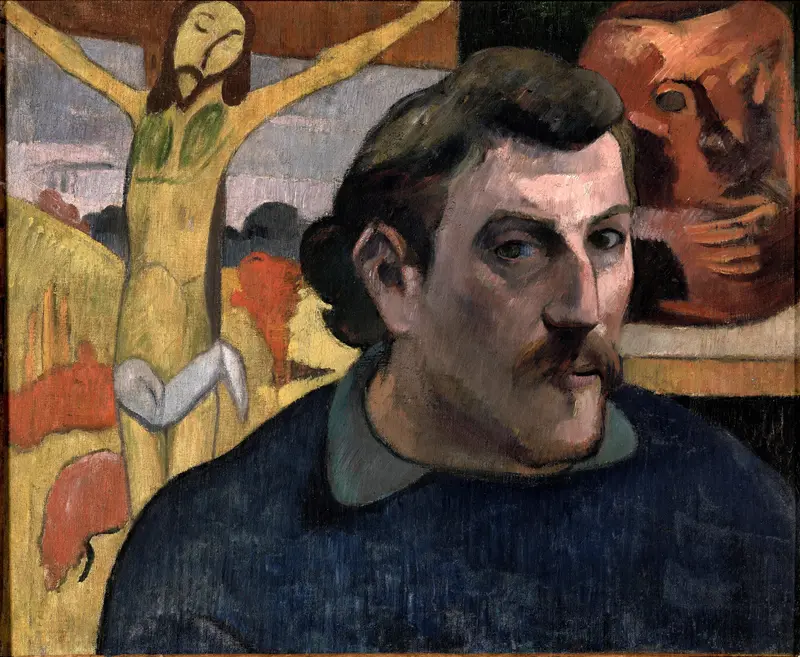 Paul Gauguin1848–1903. A stockbroker turned painter who developed Synthetism at Pont-Aven in Brittany and made many of his best-known works in Tahiti, where he went in 1891.
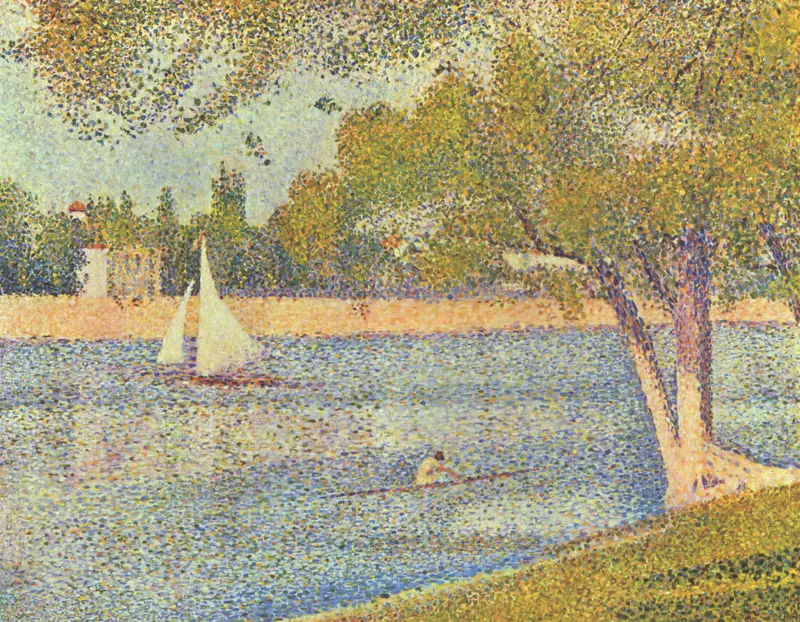 Georges Seurat1859–1891. Replaced the spontaneity of Impressionism with a structured, monumental art built from dots of color; the National Gallery in London calls him one of the most important Post-Impressionist painters.
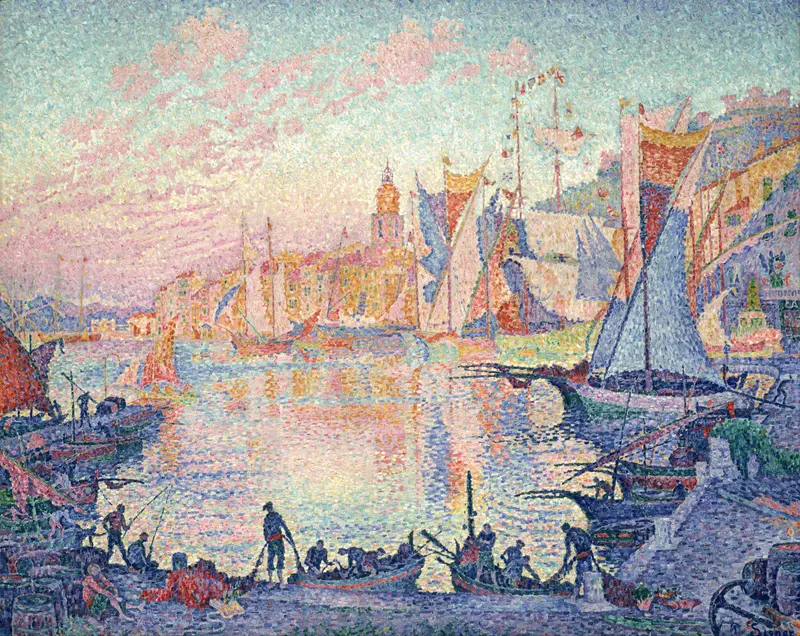
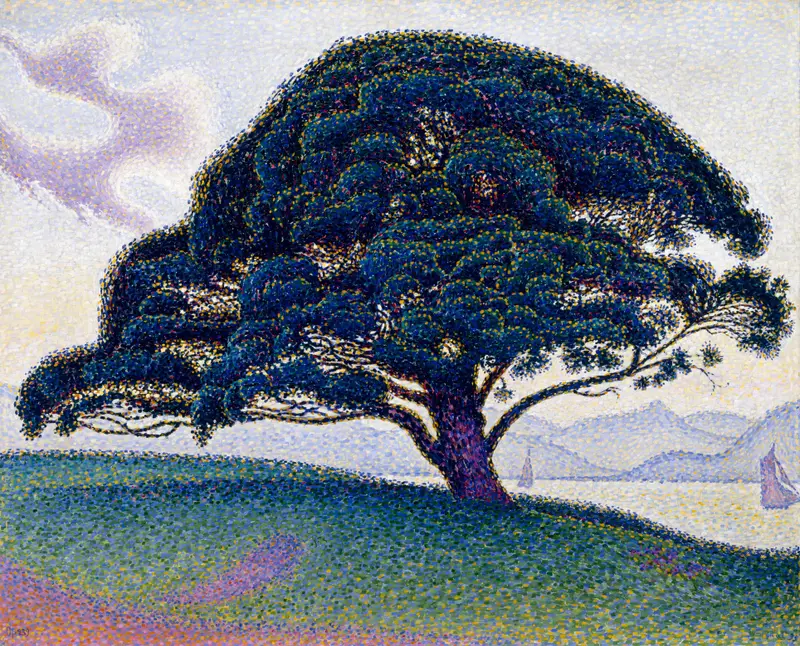 Paul Signac1863–1935. Self-taught; he adopted Seurat's dots of complementary color and, after Seurat's death, promoted Neo-Impressionism in his 1899 book From Delacroix to Neo-Impressionism.
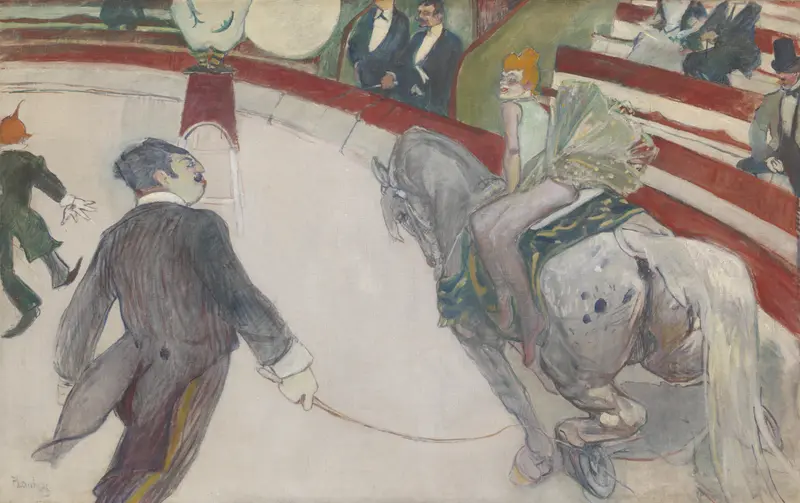 Henri de Toulouse-Lautrec1864–1901. One of the leading Post-Impressionist painters, the National Gallery in London says; from 1885 he painted the life of Montmartre, its dance halls and the Moulin Rouge.
 Émile Bernard1868–1941. A friend of Van Gogh, Gauguin and Cézanne who painted at Pont-Aven in Brittany; with Gauguin he belonged to the groupe synthétiste founded in 1891.
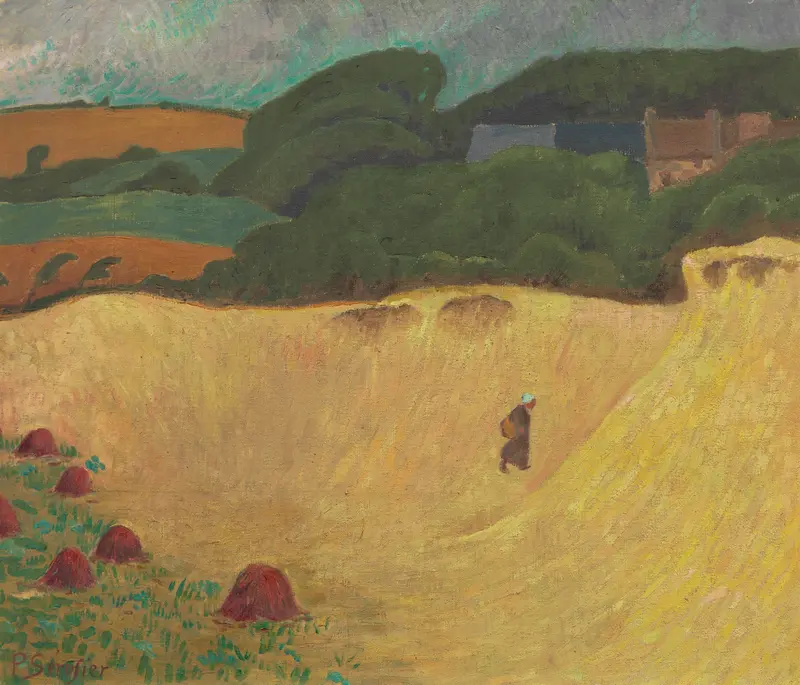 Paul Sérusier1864–1927. Painted The Talisman at Pont-Aven in 1888 under Gauguin's guidance and, Tate says, founded the Nabis in secret.
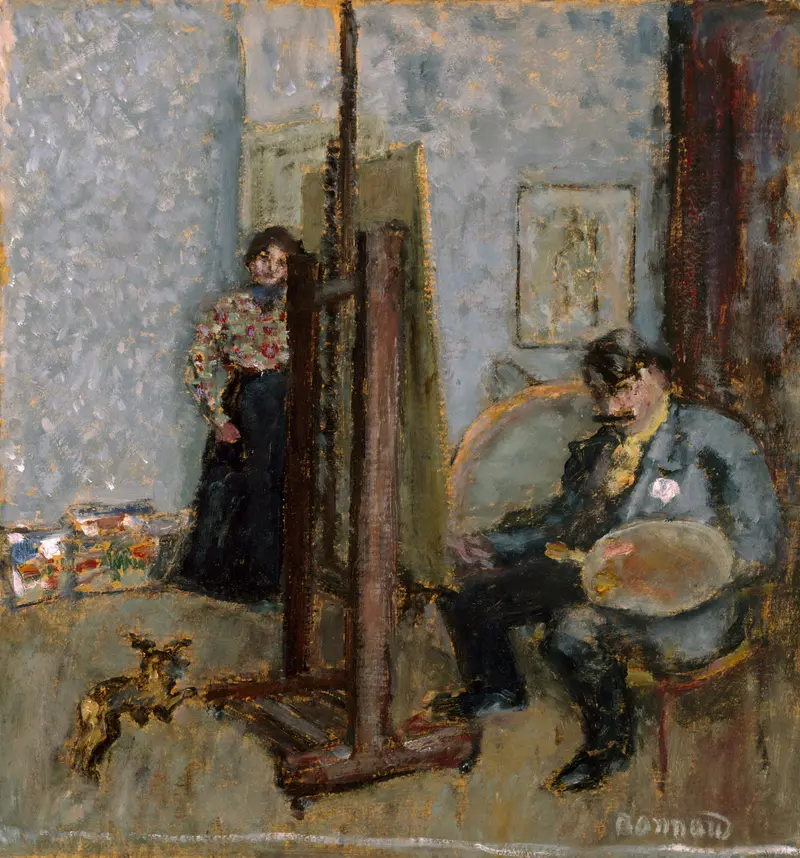 Pierre Bonnard1867–1947. A member of the Nabis whose early paintings, like Women with a Dog, use the flat patterns and outlines of Gauguin and Japanese prints, the Clark Art Institute says.
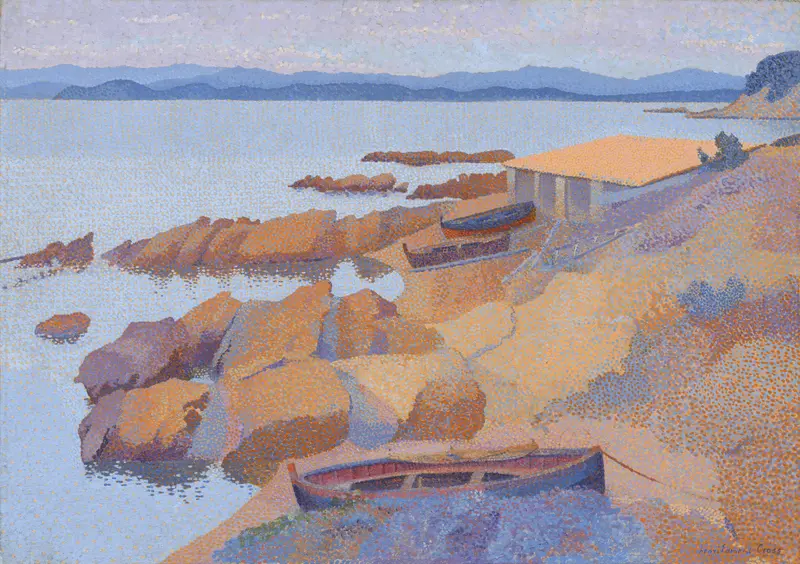
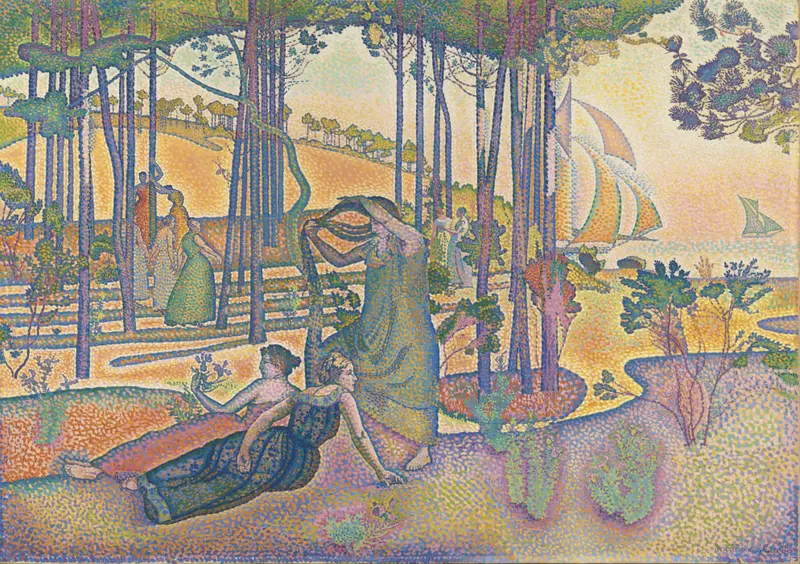 Henri-Edmond Cross1856–1910. One of the painters the National Gallery in London names as Neo-Impressionists; his Evening Air, in the Musée d'Orsay, is painted in dabs of pure color.
Pointillism artists and Neo-Impressionism
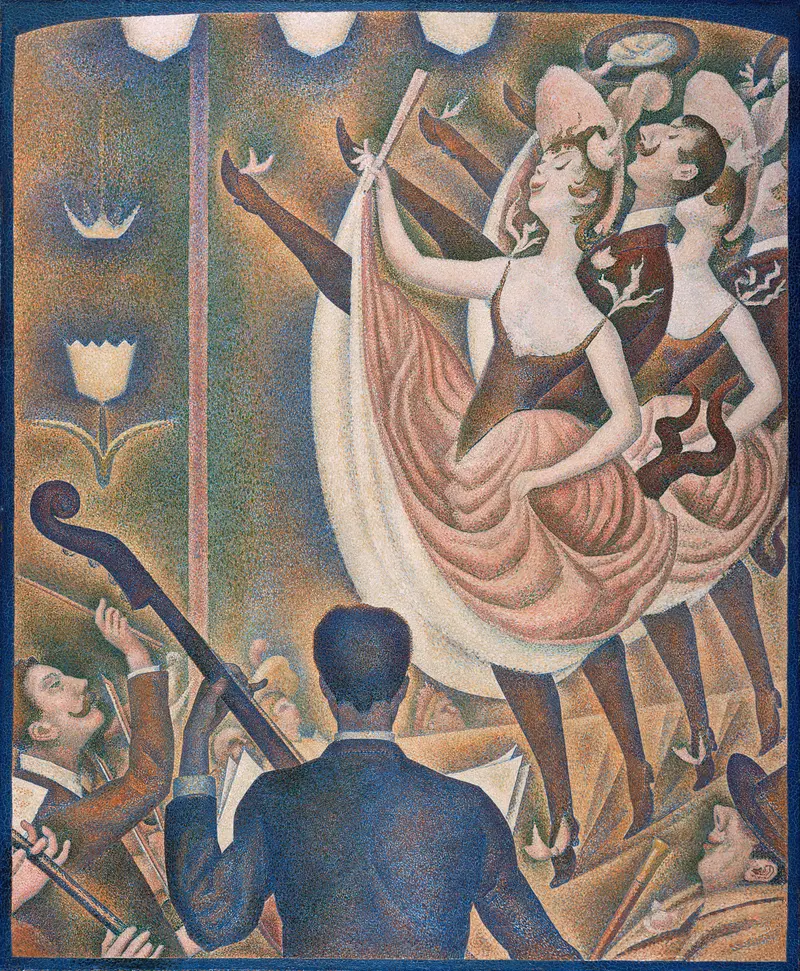
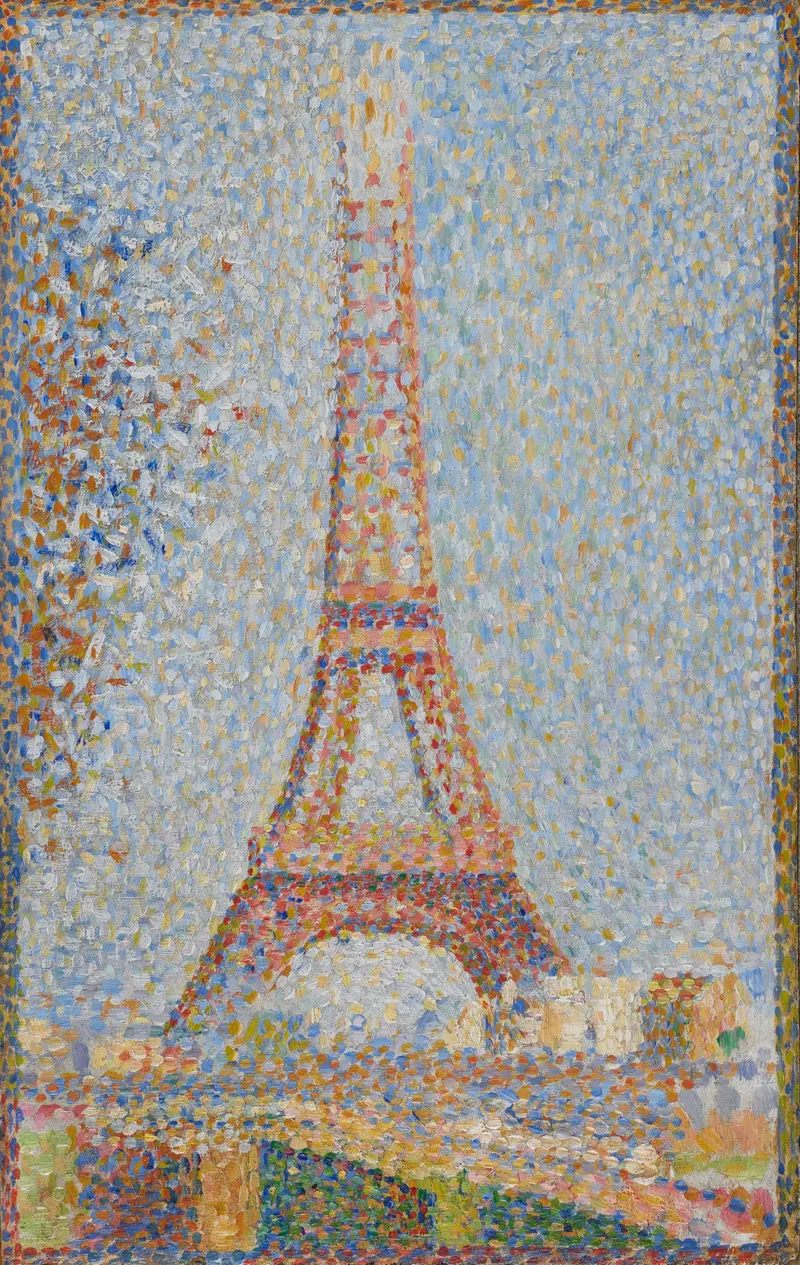
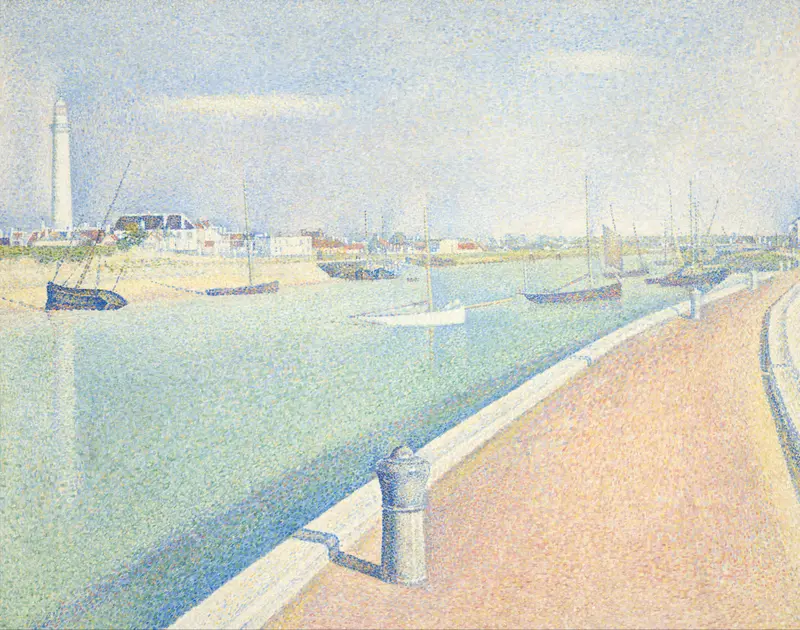
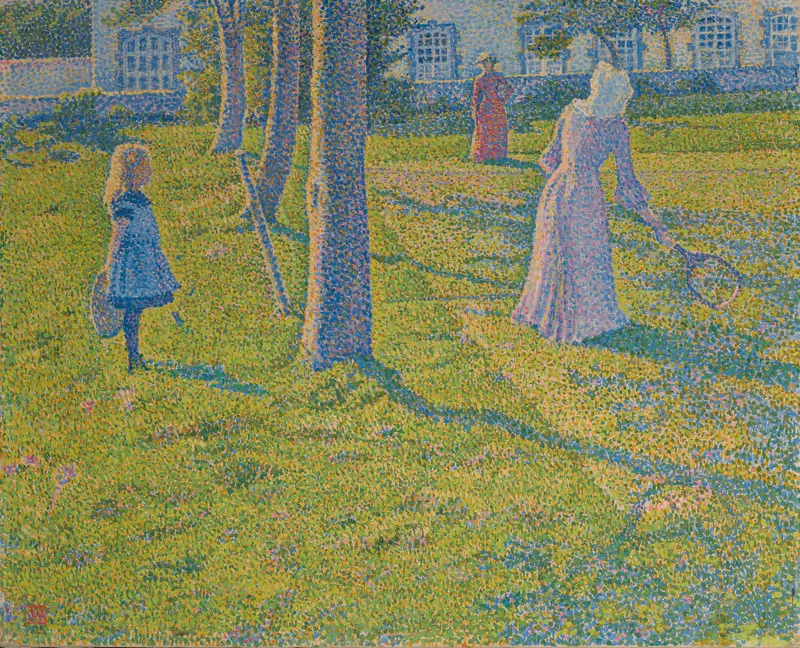
Seurat, Signac and their followers painted in tiny adjacent dabs of pure color meant to mix in the viewer's eye, a method Tate calls divisionism and Signac refused to call pointillism. After Seurat's death in 1891, Signac promoted it in his book From Delacroix to Neo-Impressionism, the National Gallery in London says.
Van Gogh's style
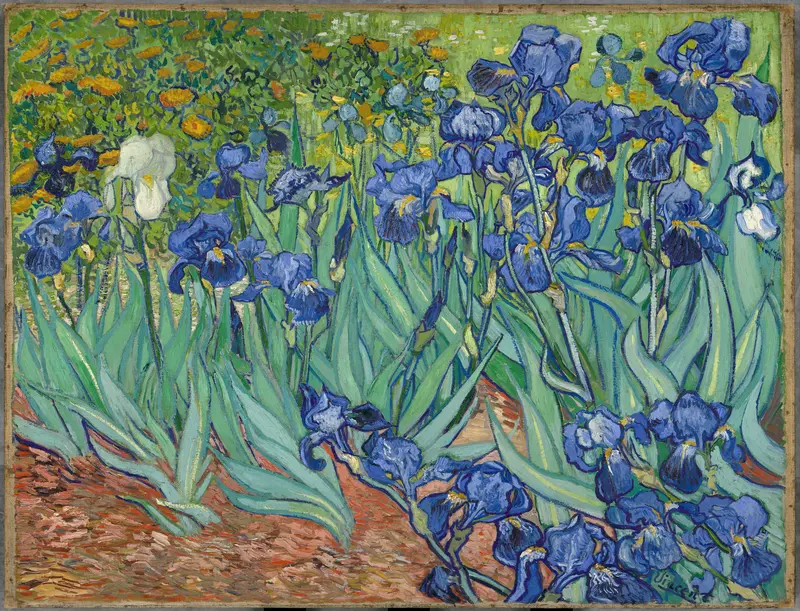
In Paris in 1886 Van Gogh met Degas, Gauguin and Seurat and lightened his colors; in Arles and Saint-Rémy he painted in brilliant color and thick, energetic strokes, the National Gallery in London says. Tate adds that his color and brushwork express his emotional response to his subjects and his inner world.
Gauguin in Brittany and Tahiti
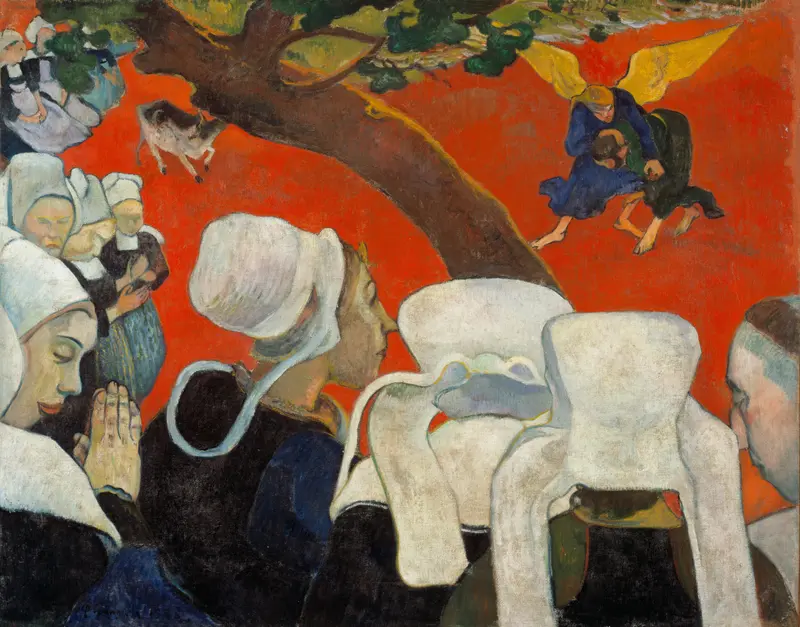
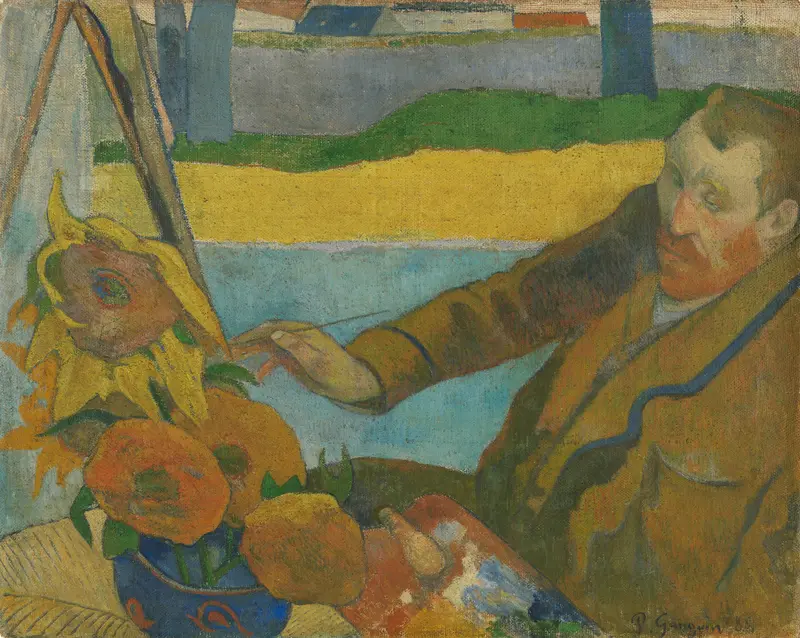
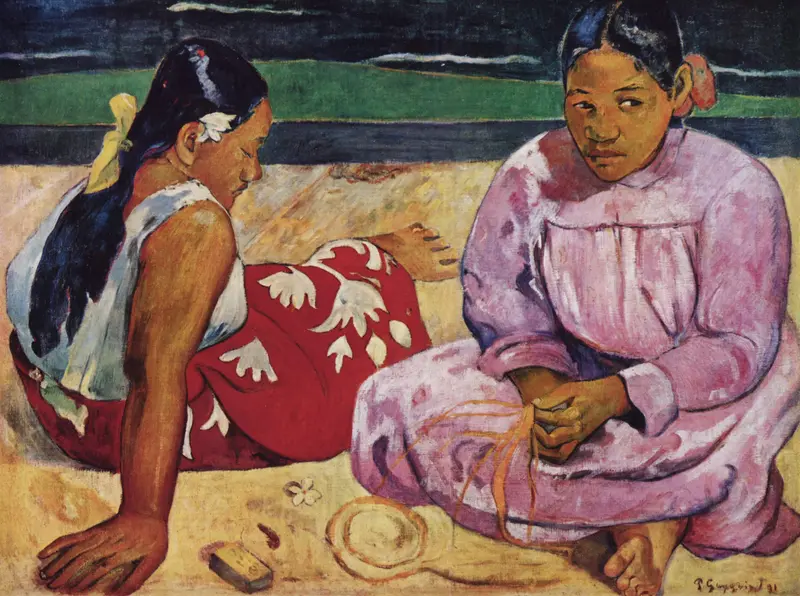
Gauguin developed Synthetism, with flat areas of color and bold outlines, on visits to Pont-Aven in Brittany from 1886 to 1890, and in 1888 worked briefly with Van Gogh in Arles. In 1891 he left Paris for Tahiti, where, the National Gallery in London says, he made many of the paintings he is best known for.
Characteristics of Post-Impressionism: how to recognize it
Color and brushwork that carry feeling
Van Gogh left behind the Impressionists' truth to nature for restless feeling and intense color, MoMA says. His swirling, thickly loaded strokes express his emotional response to what he saw, in Tate's words.
The Starry Night, Vincent van Gogh
Dots of pure color
Seurat set tiny dabs of pure, often complementary colors side by side so that they mix in the viewer's eye. Tate calls the method divisionism; it is popularly known as pointillism.
A Sunday Afternoon on the Island of La Grande Jatte, Georges Seurat
Solid, simplified forms
Cézanne wanted to make Impressionism “something solid and durable like the art of museums,” the National Gallery in London says. The Courtauld compares his card players to his views of Mont Sainte-Victoire: timeless and monumental.
The Card Players, Paul Cézanne
Flat color and bold outlines
Gauguin and his followers at Pont-Aven painted in flat areas of color held by bold outlines, a style Tate calls synthetism. The yellow of this Christ, the Buffalo AKG Art Museum says, expresses how Gauguin felt rather than what he saw.
The Yellow Christ, Paul Gauguin
Symbols and imagination
Gauguin stopped painting directly from nature and brought back imaginative subjects, Tate says. The National Gallery in London puts it more broadly: the Post-Impressionists cared less about recording what they saw than about what a picture could symbolize or express.
Where Do We Come From? What Are We? Where Are We Going?, Paul Gauguin
Color as an equivalent, not a copy
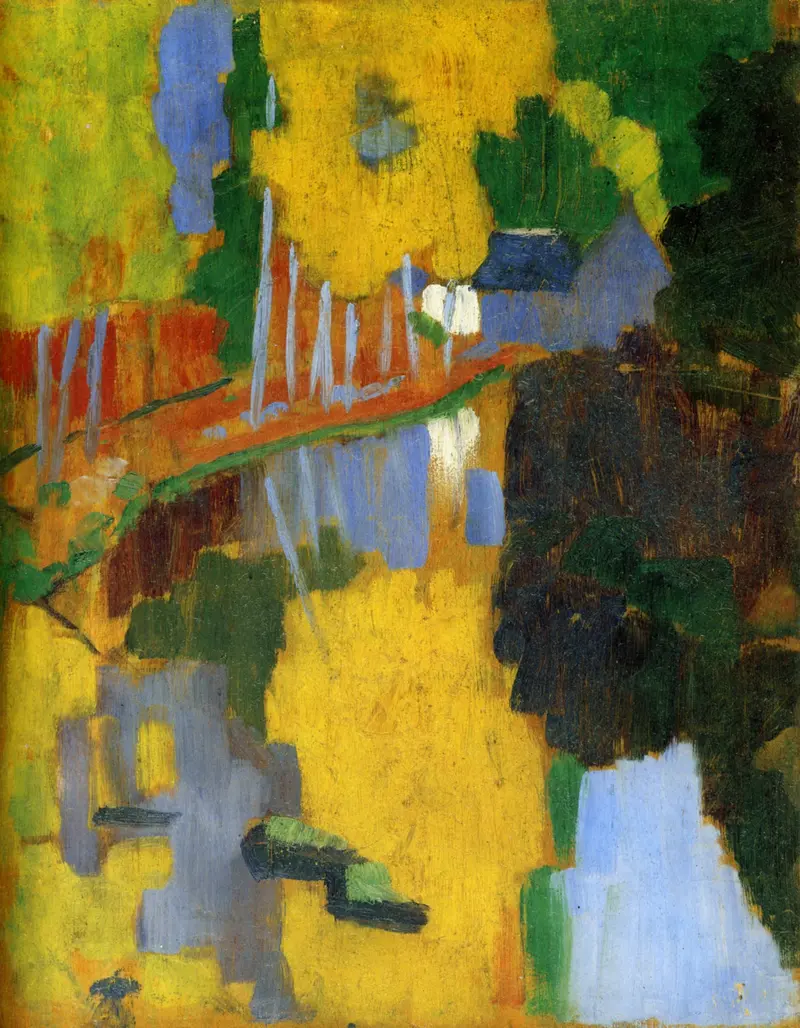
Told by Gauguin to paint the yellow trees with pure yellow, Sérusier turned a riverside view into patches of color. The Musée d'Orsay says later generations saw this small panel as a manifesto of pure, autonomous painting.
The Talisman, Paul Sérusier
Before and after Post-Impressionism
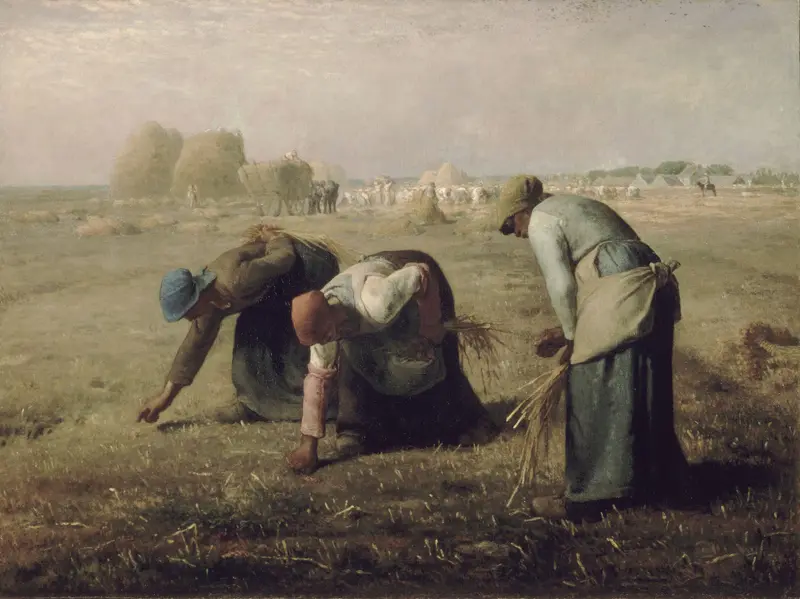 Realismc. 1840–1880
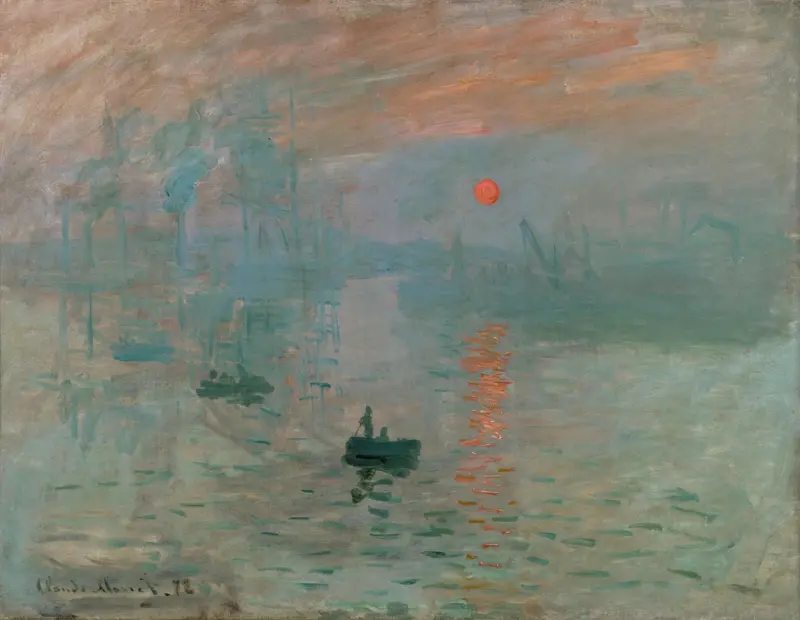 Impressionismc. 1867–1886
- Post-Impressionismc. 1886–1905
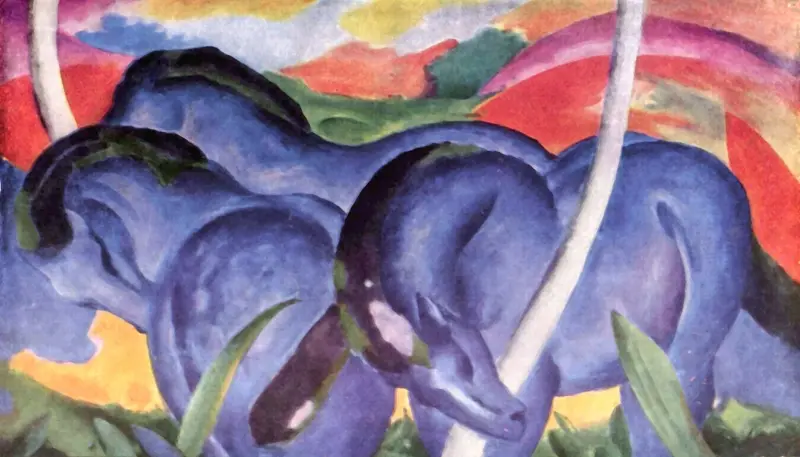 Expressionismc. 1905–1914
 Cubismc. 1907–1914
Post-Impressionism vs Impressionism and Expressionism
| Compared | Impressionism | Post-Impressionism | Expressionism |
|---|---|---|---|
| When | c. 1867–1886 | c. 1886–1905 | c. 1905–1914 |
| Subject | Landscapes and modern city and suburban life | Nature, imaginative subjects, inner feeling | Inner feelings rather than outward appearance |
| Aim | The fleeting effects of light and weather | Structure, science, imagination or emotion | Strong emotion, through intense, unnatural color |
| Brushwork | Rapid, broken into separate dabs | Ordered dots (Seurat) or expressive strokes (Van Gogh) | Thick, textured paint and distorted forms |
| Famous example | Monet, Impression, Sunrise | Van Gogh, The Starry Night | Marc, The Large Blue Horses |
| Key artists | Monet, Manet, Renoir, Degas, Morisot | Van Gogh, Cézanne, Gauguin, Seurat | Kirchner, Kandinsky, Marc |
List of famous Post-Impressionist paintings and their artists
The famous Post-Impressionist paintings: who painted them, when, and which museum holds each one.
Show the listHide the list
| Painting | Painted by | Year | Medium | Size | Located in | City |
|---|---|---|---|---|---|---|
| The Starry Night | Vincent van Gogh | 1889 | Oil on canvas | 73.7 × 92.1 cm (29 × 36.3 in) | MoMA | New York |
| The Potato Eaters | Vincent van Gogh | 1885 | Oil on canvas | 82 × 114 cm (32.3 × 44.9 in) | Van Gogh Museum | Amsterdam |
| Sunflowers | Vincent van Gogh | 1888 | Oil on canvas | 92.1 × 73 cm (36.3 × 28.7 in) | National Gallery London | London |
| A Sunday on La Grande Jatte — 1884 | Georges Seurat | 1884–1886 | Oil on canvas | 207.5 × 308.1 cm (81.7 × 121.3 in) | Art Institute of Chicago | Chicago |
| The Card Players | Paul Cézanne | 1890–1892 | Oil on canvas | 65.4 × 81.9 cm (25.7 × 32.2 in) | Metropolitan Museum of Art | New York |
| Where Do We Come From? What Are We? Where Are We Going? | Paul Gauguin | 1897–1898 | Oil on canvas | 139.1 × 374.6 cm (54.8 × 147.5 in) | Museum of Fine Arts Boston | Boston |
| The Yellow Christ | Paul Gauguin | 1889 | Oil on canvas | 92.1 × 73.3 cm (36.3 × 28.9 in) | Buffalo AKG Art Museum | Buffalo |
| When Will You Marry? (Nafea Faa Ipoipo?) | Paul Gauguin | 1892 | Oil on canvas | 101 × 77 cm (39.8 × 30.3 in) | Private collection | |
| Mont Sainte-Victoire | Paul Cézanne | 1892–1895 | Oil on canvas | 73 × 92 cm (28.7 × 36.2 in) | Barnes Foundation | Philadelphia |
| Bathers at Asnières | Georges Seurat | 1884 | Oil on canvas | 201 × 300 cm (79.1 × 118.1 in) | National Gallery London | London |
| The Circus | Georges Seurat | 1891 | Oil on canvas | 185 × 152 cm (72.8 × 59.8 in) | Musee d'Orsay | Paris |
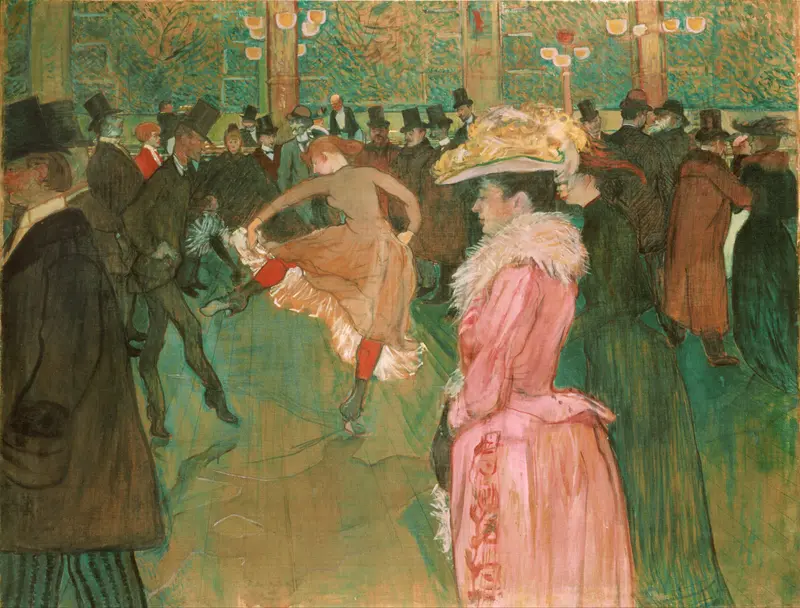
| At the Moulin Rouge | Henri de Toulouse-Lautrec | 1892–1895 | Oil on canvas | 123 × 141 cm (48.4 × 55.5 in) | Art Institute of Chicago | Chicago |
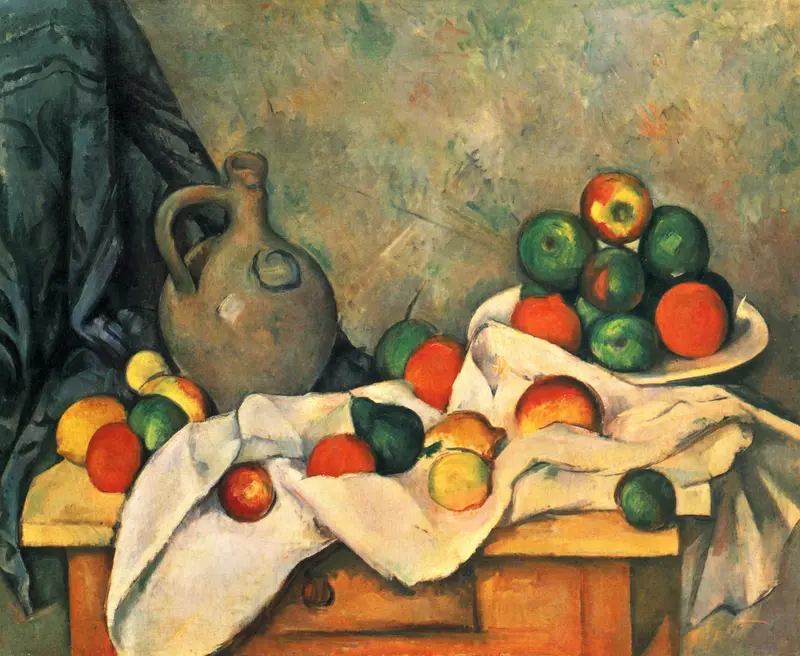
| Mardi Gras (Pierrot and Harlequin) | Paul Cézanne | 1888 | Oil on canvas | 102 × 81 cm (40.2 × 31.9 in) | Pushkin Museum of Fine Arts | Moscow |
| Luxe, Calme et Volupté | Henri Matisse | 1904 | Oil on canvas | 98.5 × 118.5 cm (38.8 × 46.7 in) | Musee d'Orsay | Paris |
| At the Moulin Rouge: The Dance | Henri de Toulouse-Lautrec | 1889–1890 | Oil on canvas | 115.5 × 150 cm (45.5 × 59.1 in) | Philadelphia Museum of Art | Philadelphia |
| La Toilette (Rousse) | Henri de Toulouse-Lautrec | 1889 | Oil on cardboard | 67 × 54 cm (26.4 × 21.3 in) | Musee d'Orsay | Paris |
| Homage to Cézanne | Maurice Denis | 1900 | Oil on canvas | 182 × 243.5 cm (71.7 × 95.9 in) | Musee d'Orsay | Paris |
| Portrait of Félix Fénéon (Opus 217) | Paul Signac | 1890 | Oil on canvas | 73.5 × 92.5 cm (28.9 × 36.4 in) | MoMA | New York |
| Entrance to the Grand Canal, Venice | Paul Signac | 1905 | Oil on canvas | 73.5 × 92.1 cm (28.9 × 36.3 in) | Toledo Museum of Art | Toledo |
| Capo di Noli | Paul Signac | 1898 | Oil on canvas | 93.5 × 75 cm (36.8 × 29.5 in) | Wallraf–Richartz Museum | Cologne |
| The Red Room | Félix Vallotton | 1898 | Tempera on cardboard | 50 × 68.5 cm (19.7 × 27 in) | Musée cantonal des Beaux-Arts de Lausanne | Lausanne |
| The Quai Saint-Michel and Notre-Dame | Maximilien Luce | 1901 | Oil on canvas | 73 × 60 cm (28.7 × 23.6 in) | Musee d'Orsay | Paris |
| The Ball | Félix Vallotton | 1899 | Oil on card mounted on wood | 48 × 61 cm (18.9 × 24 in) | Musee d'Orsay | Paris |
| The Talisman | Paul Sérusier | 1888 | Oil on wood | 27 × 21 cm (10.6 × 8.3 in) | Musee d'Orsay | Paris |
| A Street in Paris in May 1871 | Maximilien Luce | 1903–1906 | Oil on canvas | 151 × 225 cm (59.4 × 88.6 in) | Musee d'Orsay | Paris |
Post-Impressionism: questions and answers
What does Post-Impressionism mean in art?
In art, Post-Impressionism means the work of painters who learned from Impressionism and then pushed beyond it, in France from about 1886. Tate dates it from the last Impressionist group show in 1886 and usually limits the term to four painters, Cézanne, Gauguin, Seurat and Van Gogh, who each extended Impressionism in a different direction. The National Gallery in London says the Post-Impressionists were less concerned with recording optically accurate appearances than with what a picture could symbolize or express.
Sources: Tate: Post-impressionism · National Gallery: Post-Impressionist (glossary)
What are the characteristics of Post-Impressionism?
Post-Impressionist paintings share no single style; what they have in common is a move from recording light toward structure, color theory, symbols and emotion. Tate describes four directions: Cézanne kept painting from nature but more rigorously; Seurat put Impressionist color on a scientific basis with tiny dabs of pure color; Gauguin kept intense color but painted from imagination; and Van Gogh used color and brushwork to express his emotional response. Gauguin's followers at Pont-Aven added flat areas of color and bold outlines, which Tate calls synthetism.
Sources: Tate: Post-impressionism · Tate: Neo-impressionism · Tate: Synthetism
Who coined the term Post-Impressionism?
The British artist and critic Roger Fry coined the term Post-Impressionism in 1910, when he organized the exhibition Manet and the Post-Impressionists, Tate and the National Gallery in London say. He showed Cézanne, Van Gogh, Gauguin and Seurat, so the name was given years after most of their paintings were made; Tate's archive also holds the catalogue of a Second Post-Impressionist Exhibition at the Grafton Galleries in London. The Getty's art vocabulary credits the term to Fry, Clive Bell and other critics.
Sources: Tate: Post-impressionism · National Gallery: Post-Impressionist (glossary) · Getty AAT: Post-Impressionist
When did Post-Impressionism start and end?
Post-Impressionism started around 1886 and lasted until about 1905. Tate dates it from 1886, the year of the last Impressionist group show in Paris, and the National Gallery in London places its painters in France in the 1880s, immediately after the Impressionists. By about 1905 younger painters had moved on to Fauvism, which Tate calls an extreme extension of Van Gogh's Post-Impressionism and Seurat's Neo-Impressionism. Van Gogh died in 1890, Seurat in 1891, Gauguin in 1903 and Cézanne in 1906.
Sources: Tate: Post-impressionism · National Gallery: Post-Impressionist (glossary) · Tate: Fauvism · National Gallery: Vincent van Gogh · National Gallery: Georges Seurat · National Gallery: Paul Gauguin · National Gallery: Paul Cezanne
What is the difference between Impressionism and Post-Impressionism?
Impressionism set out to catch fleeting light and modern life as the eye saw it; Post-Impressionism, which followed from about 1886, used the same bright colors for structure, science, symbols or emotion. The National Gallery in London says the Post-Impressionists were less concerned with recording optically accurate appearances than the Impressionists had been. MoMA says Van Gogh left behind “the Impressionist doctrine of truth to nature” for restless feeling and intense color, and Cézanne, the National Gallery says, wanted to make Impressionism “something solid and durable.”
Sources: National Gallery: Post-Impressionist (glossary) · Museum of Modern Art, New York (Google Arts & Culture) · National Gallery: Paul Cezanne · Tate: Impressionism
Who are the famous Post-Impressionist artists?
The four major Post-Impressionist artists are Vincent van Gogh, Paul Cézanne, Paul Gauguin and Georges Seurat, the painters to whom Tate usually limits the term. The National Gallery in London also calls Henri de Toulouse-Lautrec one of the leading Post-Impressionist painters. Around them worked Paul Signac and the other Neo-Impressionists, Émile Bernard and the painters of Pont-Aven, and the Nabis, among them Paul Sérusier, Pierre Bonnard and Édouard Vuillard.
Sources: Tate: Post-impressionism · National Gallery: Henri de Toulouse-Lautrec · Tate: Neo-impressionism · Tate: Nabis
Who is the father of Post-Impressionism?
No single painter founded Post-Impressionism: the critic Roger Fry gave the name in 1910 to the work of several painters who had each gone their own way after Impressionism. Of the four Tate names, Cézanne was the eldest, born in 1839, and had the longest reach: the National Gallery in London says his work had a significant influence on Picasso and on the development of 20th-century art, and Tate says Cubism was partly influenced by his late work.
Sources: Tate: Post-impressionism · National Gallery: Paul Cezanne · Tate: Cubism
What is Pointillism?
Pointillism is the popular name for the technique of Georges Seurat, Paul Signac and the other Neo-Impressionists, who painted in small dots of pure color that blend in the viewer's eye. Tate explains that instead of mixing colors on the palette, which reduces their intensity, they placed the components side by side so that they would mix optically and give greater luminosity; Signac rejected the word pointillism and preferred divisionism. The National Gallery in London names Seurat, Signac, Anna Boch, Jan Toorop and Henri-Edmond Cross among the painters who used it.
Sources: Tate: Neo-impressionism · Tate: Divisionism · National Gallery: Neo-Impressionism (glossary) · National Gallery: Pointillist (glossary)
What was Van Gogh's painting style?
Van Gogh painted in brilliant, expressive color and thick, energetic brushstrokes, the National Gallery in London says. He began with dark earth colors in the Netherlands, as in The Potato Eaters, and lightened his palette in Paris in 1886 after meeting Degas, Gauguin and Seurat. In Arles and Saint-Rémy he used color and brushwork to express, in Tate's words, his emotional response to his subjects and his inner world; MoMA says he left behind truth to nature for restless feeling and intense color.
Sources: National Gallery: Vincent van Gogh · Van Gogh Museum · Tate: Post-impressionism · Museum of Modern Art, New York (Google Arts & Culture)
What was Paul Gauguin's painting style?
Gauguin painted in flat areas of strong color with bold outlines, chosen to express feeling rather than to copy nature. The National Gallery in London says he developed this style, known as Synthetism, on visits to Pont-Aven in Brittany between 1886 and 1890, and Tate says he kept the intense color of Impressionism but rejected painting from nature and brought back imaginative subjects. In Tahiti, from 1891, he used it for scenes of island life and for large symbolic works such as Where Do We Come From? What Are We? Where Are We Going?
Sources: National Gallery: Paul Gauguin · Tate: Post-impressionism · Tate: Synthetism · Museum of Fine Arts, Boston: Visiting Masterpieces
Who were the Nabis?
The Nabis were a group of young Post-Impressionist painters active in Paris from 1888 to 1900, among them Paul Sérusier, Pierre Bonnard, Édouard Vuillard and Maurice Denis. Tate says Sérusier founded the group in secret, that its name comes from the Hebrew word for prophet, and that its flat patches of color, bold contours and simplified drawing were inspired by Gauguin's synthetism. Their starting point was The Talisman, a small landscape Sérusier painted at Pont-Aven in 1888 on Gauguin's advice and showed to his friends in Paris, the Musée d'Orsay says.
Sources: Tate: Nabis · Musée d'Orsay (Google Arts & Culture)
What came after Post-Impressionism?
Fauvism, Expressionism and Cubism came after Post-Impressionism, and each grew out of it. Tate calls Fauvism, from about 1905, an extreme extension of Van Gogh's Post-Impressionism combined with Seurat's Neo-Impressionism; it says the German Expressionists took cues from the dramatic paintings of Van Gogh and Edvard Munch, and that Cubism was partly influenced by Cézanne's late work. The Museum of Fine Arts, Boston, says Gauguin's Where Do We Come From? and Cézanne's Large Bathers influenced a generation of modern artists, including Picasso and Matisse.
Sources: Tate: Fauvism · Tate: Expressionism · Tate: Cubism · Museum of Fine Arts, Boston: Visiting Masterpieces
Where can you see famous Post-Impressionist paintings?
Many famous Post-Impressionist paintings are in Paris, Amsterdam, London and the United States. The Musée d'Orsay in Paris holds Seurat's The Circus, Sérusier's The Talisman and Toulouse-Lautrec's La Toilette; the Van Gogh Museum in Amsterdam holds The Potato Eaters; and the National Gallery in London holds Van Gogh's Sunflowers and Seurat's Bathers at Asnières. In the United States, The Starry Night is at MoMA in New York, A Sunday on La Grande Jatte and At the Moulin Rouge are at the Art Institute of Chicago, and Gauguin's Where Do We Come From? is at the Museum of Fine Arts, Boston.
Sources: Musée d'Orsay (Google Arts & Culture) · Van Gogh Museum · National Gallery, London · Museum of Modern Art, New York (Google Arts & Culture) · Art Institute of Chicago · Museum of Fine Arts, Boston: Visiting Masterpieces
Is Post-Impressionist art in the public domain, and can I download it free?
Yes. Every painting on this page was made before 1910, and every painter on it died by 1954, more than 70 years ago, so their paintings are in the public domain in the United States and in countries where copyright ends 70 years after the artist's death. You can download them free and use them for anything, including commercial projects. A few countries have their own rules on photographs of artworks, so check them if you publish outside the U.S.
Sources: Cornell University Library: Copyright Term and the Public Domain
How we chose the famous paintings
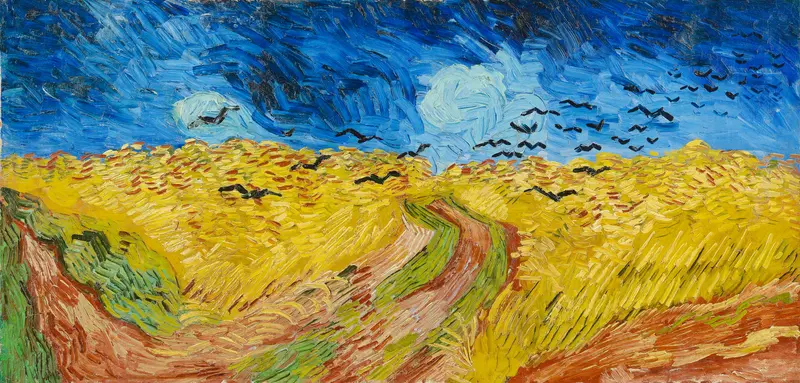
The famous paintings on this page are the Post-Impressionist paintings known most widely around the world, measured by the number of languages that have an encyclopedia entry about each one, checked in November 2026. No painter has more than three of them, which is why Van Gogh's Café Terrace at Night, Irises and Wheatfield with Crows appear in their own row further down. Sunflowers, The Card Players and Mont Sainte-Victoire are series of several canvases, so we show one version of each.
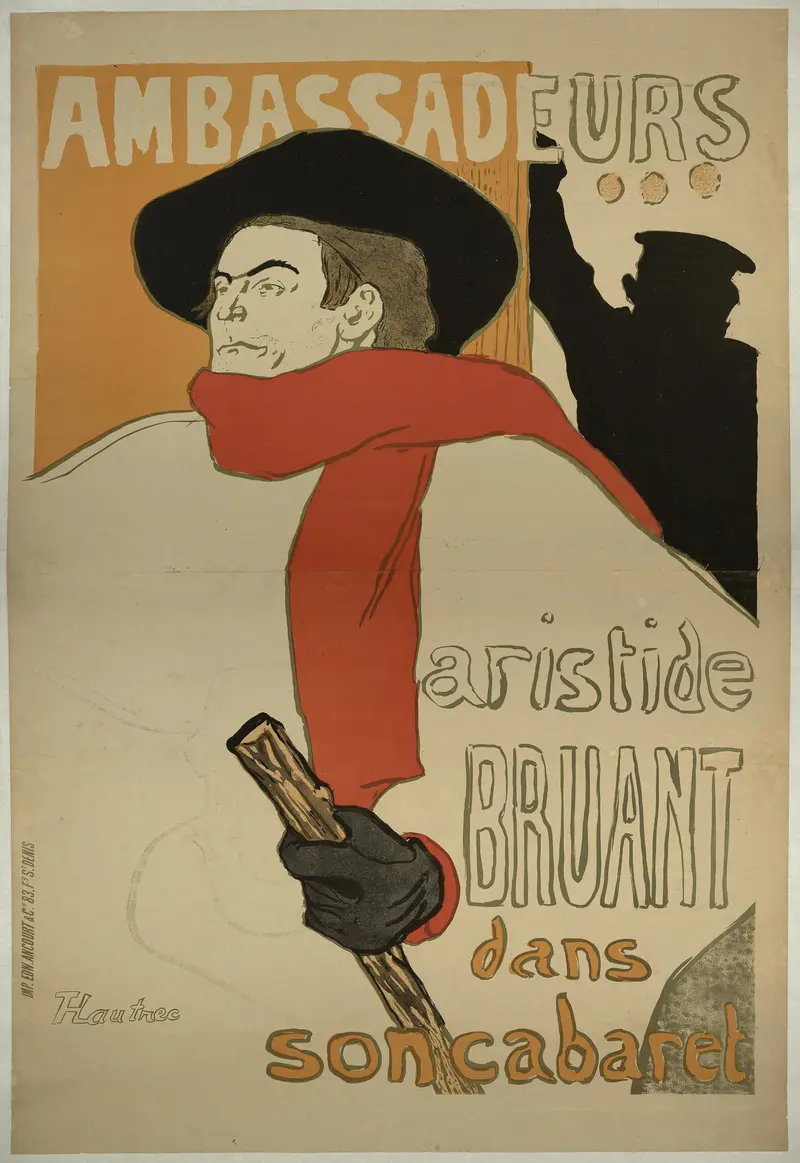
We include paintings made between the mid-1880s and about 1906 that the holding museum, Wikidata or our own catalogue classes as Post-Impressionist, including its branches: Neo-Impressionism, the painters of Pont-Aven and the Nabis. Matisse's Luxe, Calme et Volupté is here because he painted it in Seurat and Signac's technique. Henri Rousseau, often shown beside them, is usually classed as a naïve painter, and Toulouse-Lautrec's posters are on our Art Nouveau page. Only the best-known paintings have encyclopedia entries in many languages; where several had the same small number, we list first the ones whose images appear in the most encyclopedia languages.
Dates, sizes and locations come from the museums' own records and from Wikidata.
Spotted a mistake? Tell us and we will correct it.