
发现这件艺术品的见解
3 Bll. aus ‘Los Proverbios’ — 历史与趣闻
3 Bll. aus ‘Los Proverbios’ 展示了一系列插图,描绘了各种谚语,常常带有幽默的转折。场景中人物的姿势和表情夸张,展现了西班牙社会的独特之处。色彩柔和,以土色调为主,这增强了整体的讽刺语气。每幅图像都经过精心设计,以传达一个信息或道德,让观众思考所描绘的场景。 仔细观察,你会发现人物服装和面部表情中的复杂细节,增强了每个场景的幽默感。蚀刻技术允许细线条和纹理,营造出图像的深度感。每个谚语都有视觉表现,鼓励观众思考作品背后的意义。这个系列邀请你享受戈雅对人性的观察所展现的智慧。 弗朗西斯科·戈雅 在18世纪末和19世纪初创作了这部作品,那时他通过艺术积极参与社会评论。戈雅以其将现实主义与讽刺结合的能力而闻名,常常反映西班牙生活的复杂性。关于这个系列的一个有趣事实是,它灵感来自西班牙传统谚语,戈雅将其转化为视觉叙事。今天,这些插图仍然具有相关性,因为它们继续引发对社会规范的思考和讨论。
更多作品 Francisco de Goya
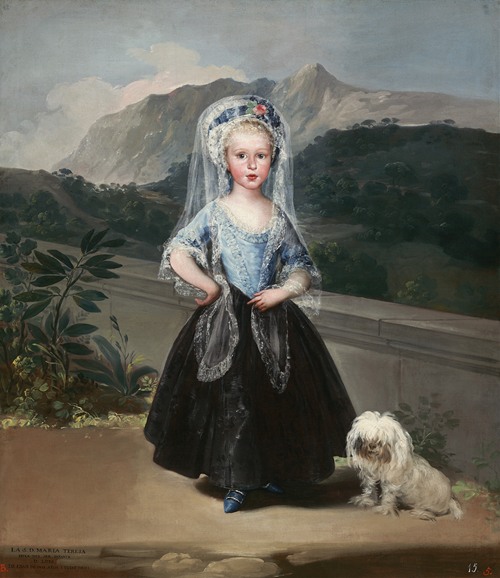
María Teresa de Borbón y Vallabriga,later Condesa de Chinchón
Francisco de Goya
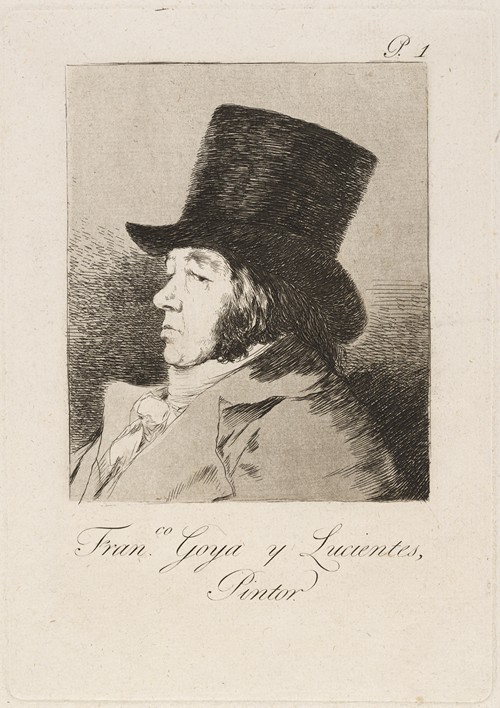
Francisco Goya y Lucientes, Pintor (Francisco Goya y Lucientes, painter)
Francisco de Goya
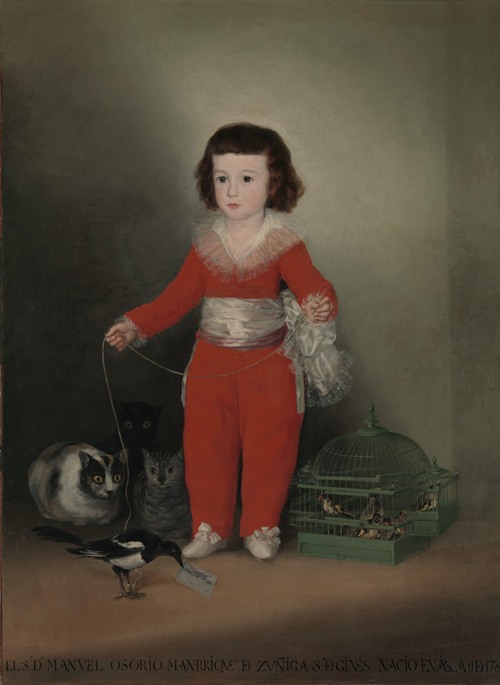
Manuel Osorio Manrique de Zuñiga (1784–1792)
Francisco de Goya
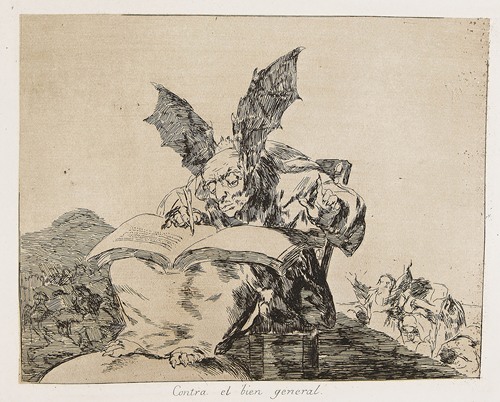
Los desastres de la guerra
Francisco de Goya
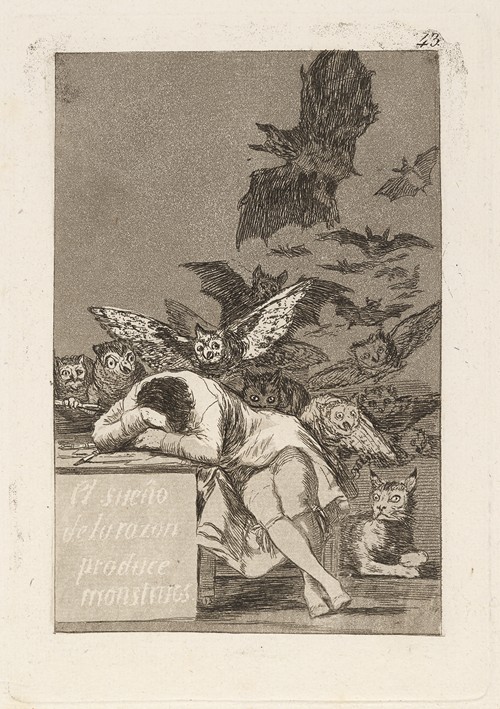
El sueño de la razon produce monstruos. (The sleep of reason produces monsters.)
Francisco de Goya
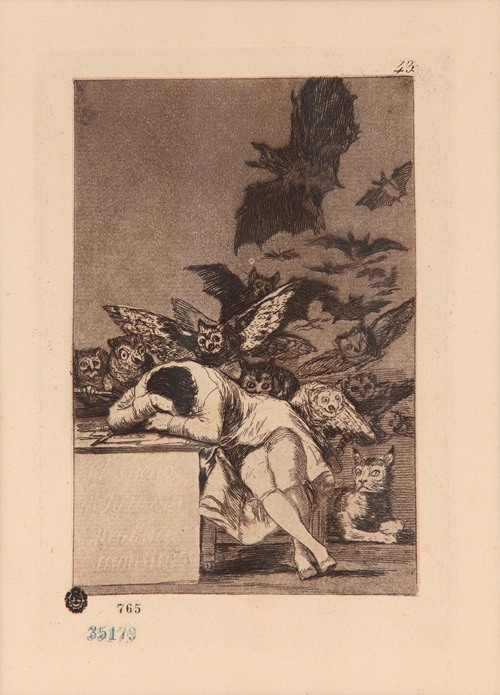
El sueño de la razon produce moustruos (Serie Caprichos)
Francisco de Goya
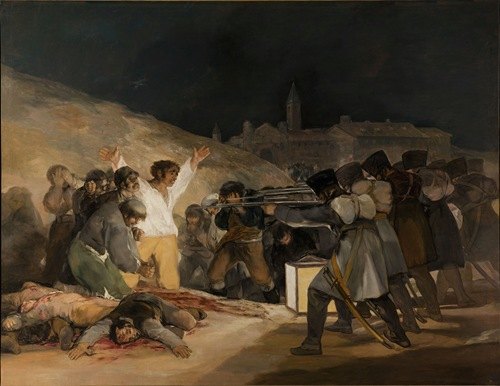
The Third of May
Francisco de Goya
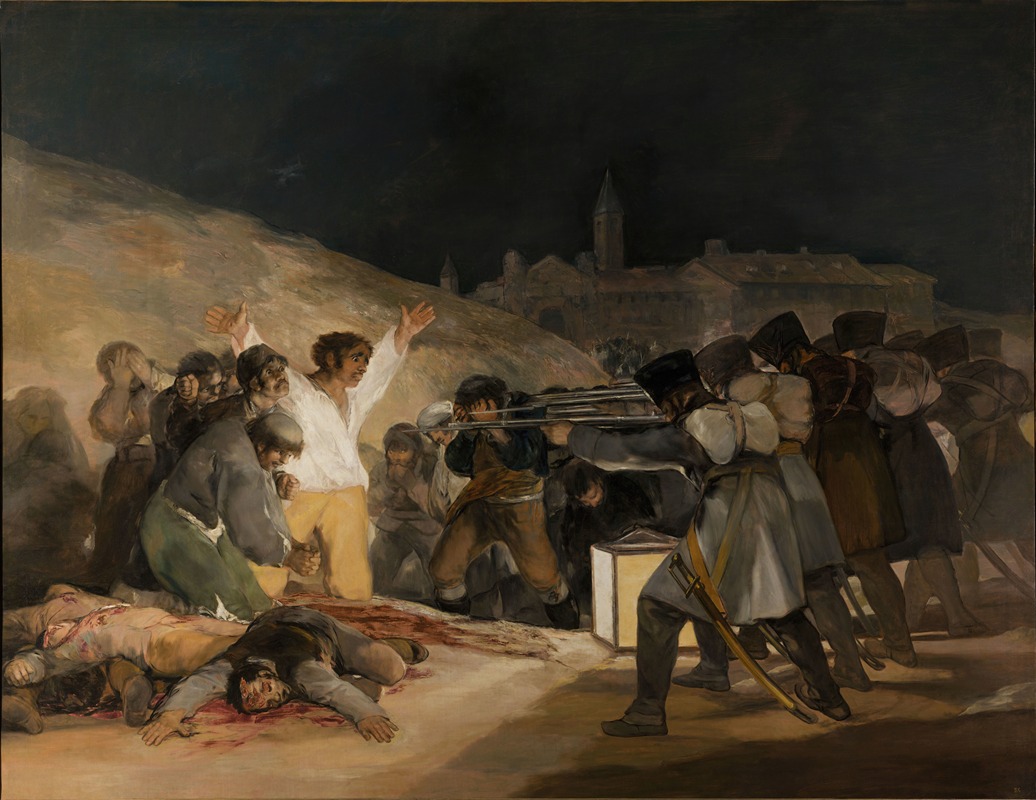
The Third of May 1808
Francisco de Goya
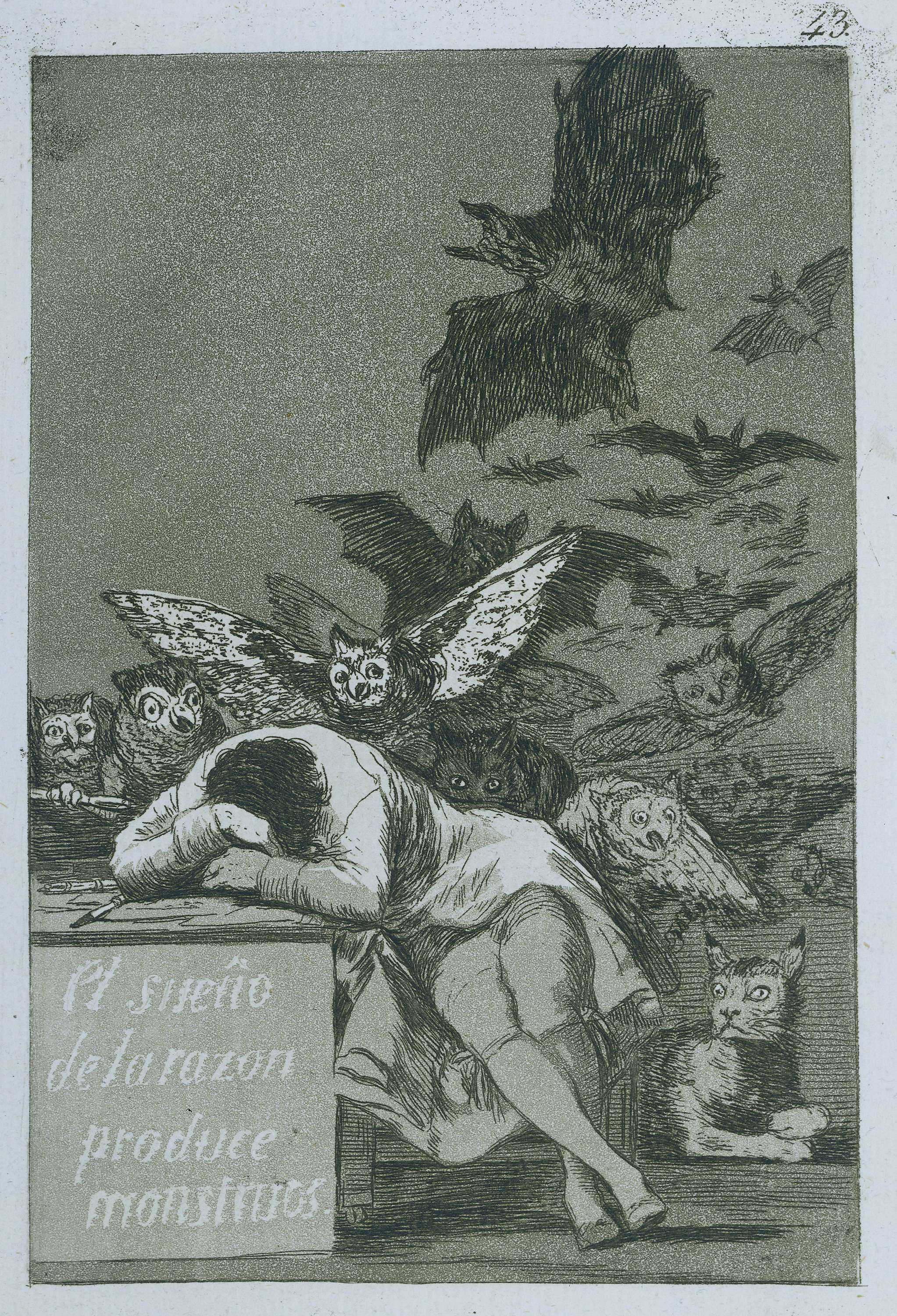
De slaap van de rede brengt monsters voort
Francisco de Goya
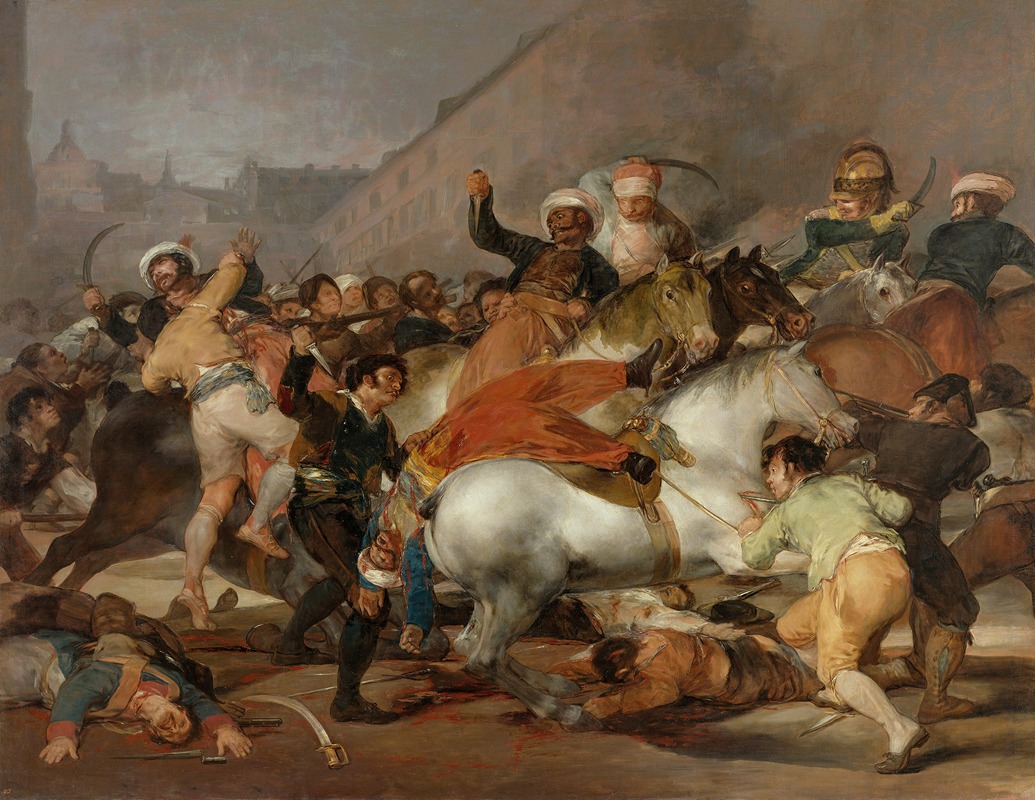
The Charge of the Mamelukes (1814)
Francisco de Goya
更多 插图
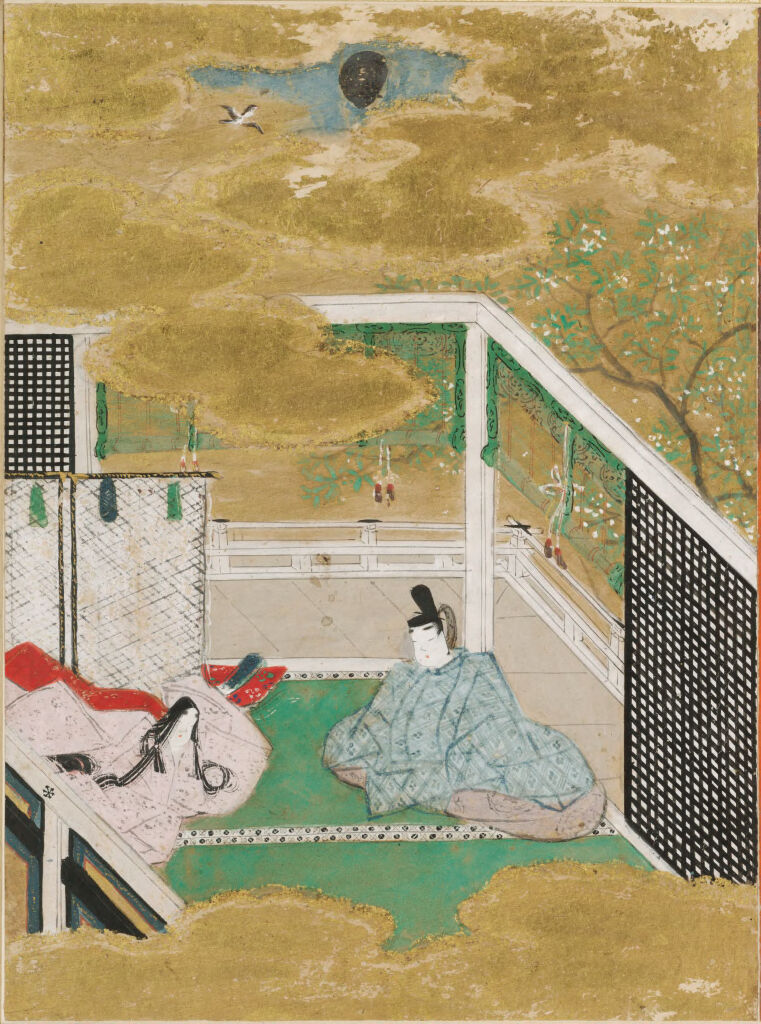
Falling Flowers (Hanachirusato), Illustration to Chapter 11 of the Tale of Genji (Genji monogatari)
Tosa Mitsunobu
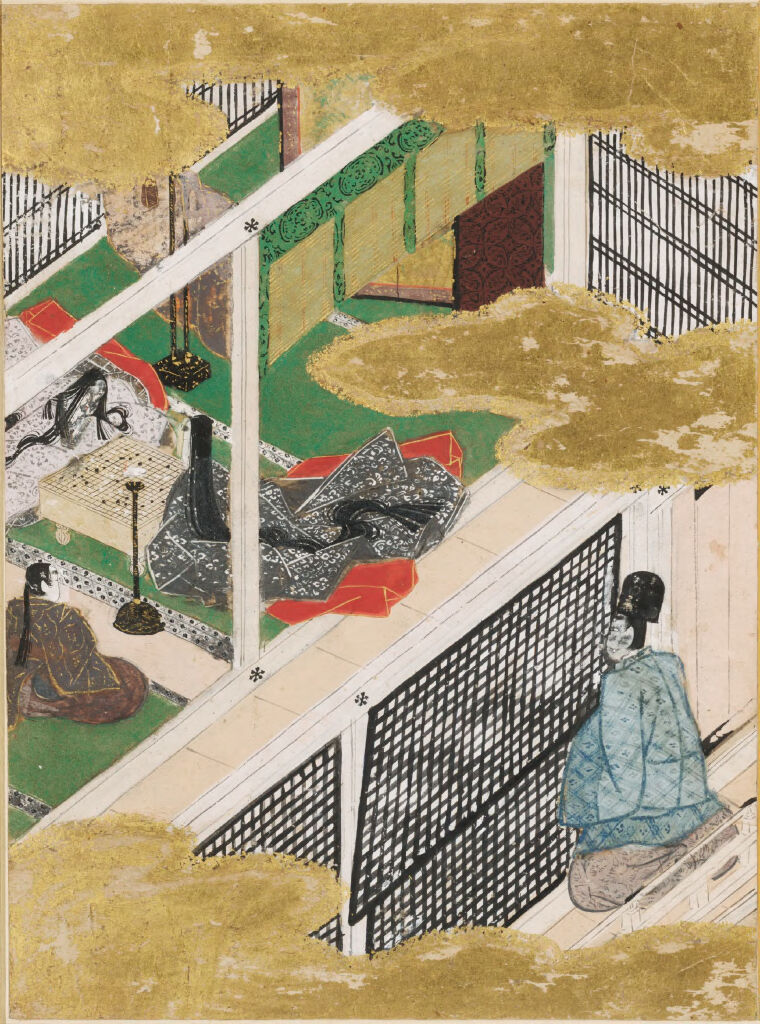
The Cicada Shell (Utsusemi), Illustration to Chapter 3 of the Tale of Genji (Genji monogatari)
Tosa Mitsunobu
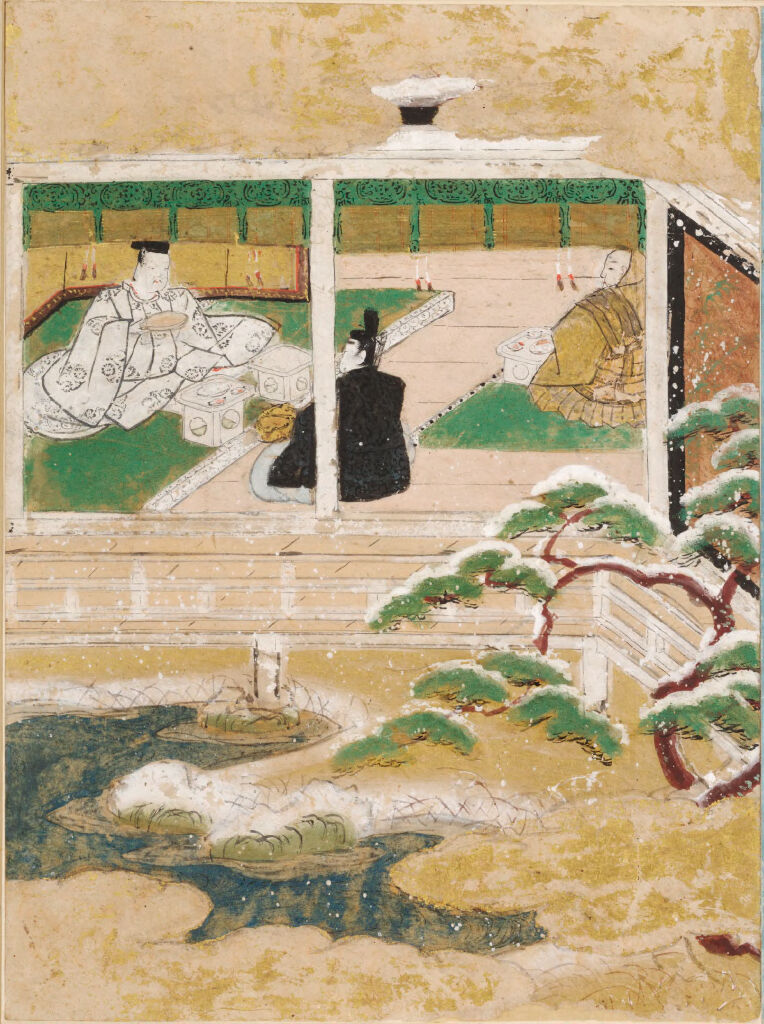
The Seer (Maboroshi), Illustration to Chapter 41 of the Tale of Genji (Genji monogatari)
Tosa Mitsunobu
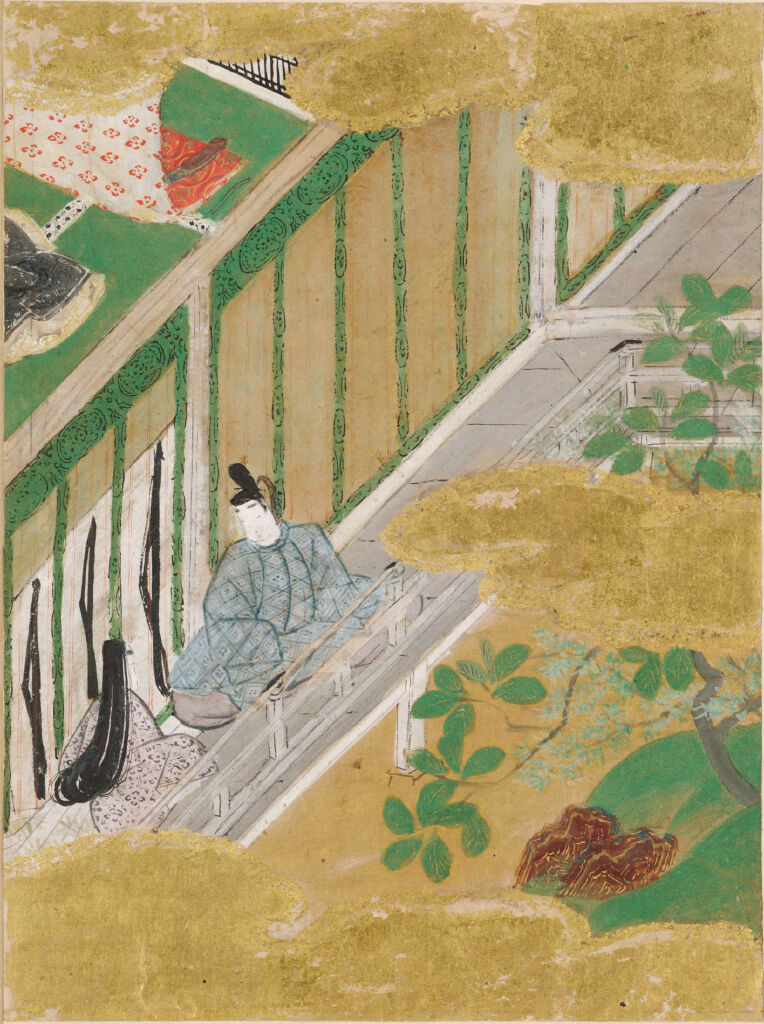
The Oak Tree (Kashiwagi), Illustration to Chapter 36 of the Tale of Genji (Genji monogatari)
Tosa Mitsunobu
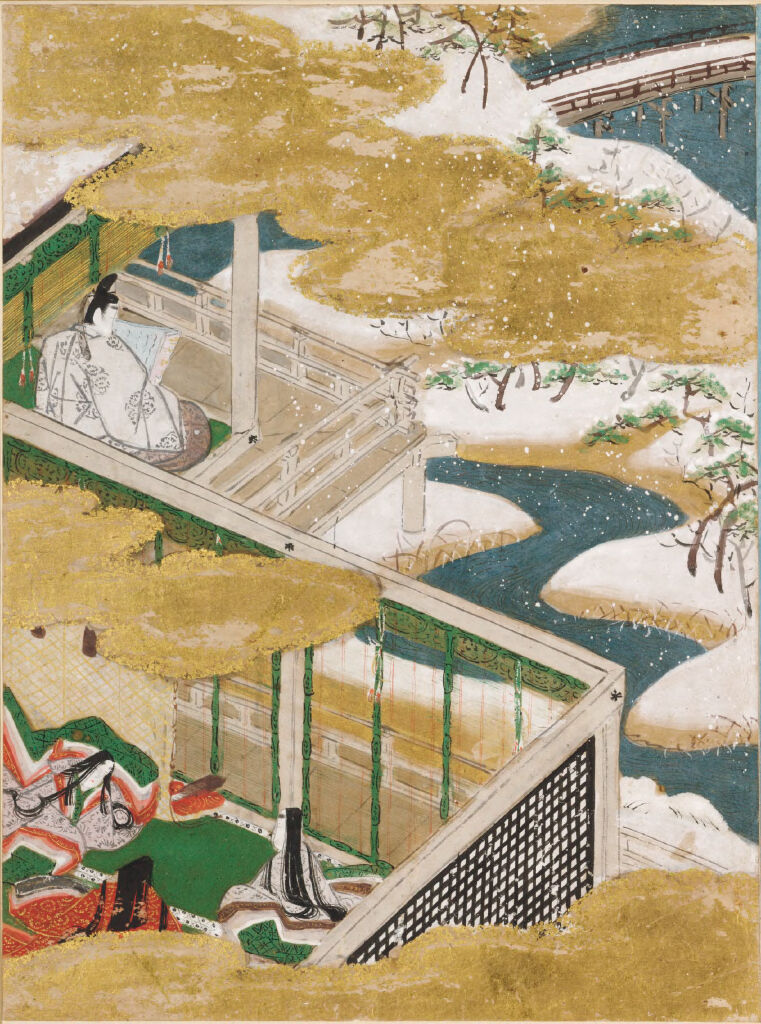
Beneath the Oak (Shiigamoto), Illustration to Chapter 46 of the Tale of Genji (Genji monogatari)
Tosa Mitsunobu
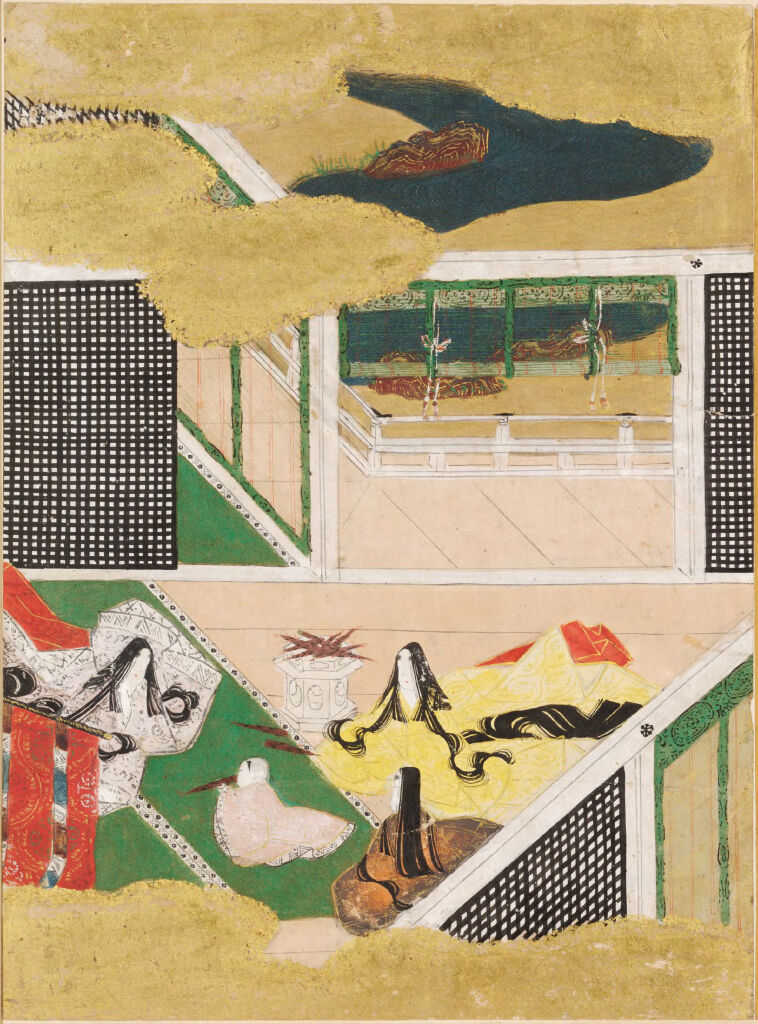
The Flute (Yokobue), Illustration to Chapter 37 of the Tale of Genji (Genji monogatari)
Tosa Mitsunobu