
发现这件艺术品的见解
Allegory of the Arts — 历史与趣闻
美丽能在没有悲伤的情况下存在吗?在《艺术的寓言》中,一种萦绕在生动艺术表现之下的幽 haunting 空虚感,邀请人们思考创造与绝望的二元性。 请看构图的中心,一群人物在和谐而又忧郁的集会中聚集。注意光线如何轻柔地照耀他们的身影,照亮他们披挂的丰富色彩,而阴影则在他们周围编织出一层内省的面纱。精心安排的元素将目光从艺术家调色板的焦点——创造力的象征——引向上方的空灵人物,代表着如灵魂般悬浮的艺术,展示了灵感与虚无之间的微妙平衡。 在表面美丽之下,展开了一段深刻的叙事。生动人物与艺术的幽灵表现的对比暗示了创造过程中的快乐是短暂的。每位工匠在从事自己的工艺时,似乎都意识到潜在的忧伤,暗示创造的行为与失落感交织在一起。构图中的空白空间引发了对艺术试图填补的虚无的深刻反思,强化了美丽往往源于悲伤的观念。 在1675年至1683年间,杰拉尔德·德·莱尔斯在荷兰一个繁荣而动荡的艺术场景中创作了这幅作品,标志着对寓言画日益增长的需求。艺术家在追求古典理想与个人表达的综合时,既经历了艺术雄心的巅峰,也经历了个人挑战的深渊,这一切都影响了这幅寓言画中所蕴含的情感复杂性。
更多作品 Gerard de Lairesse
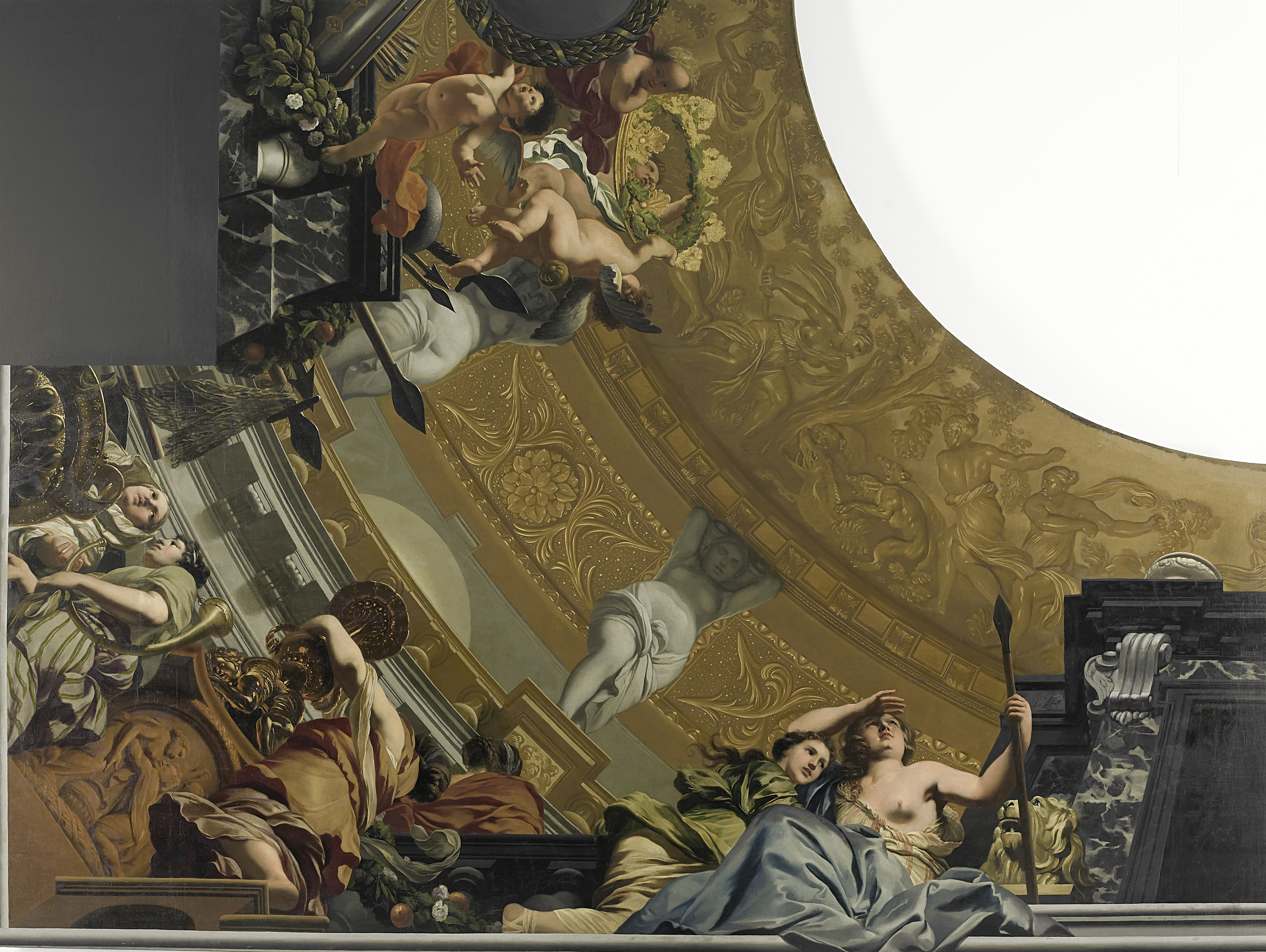
Ceiling painting with Diana and her companions
Gerard de Lairesse
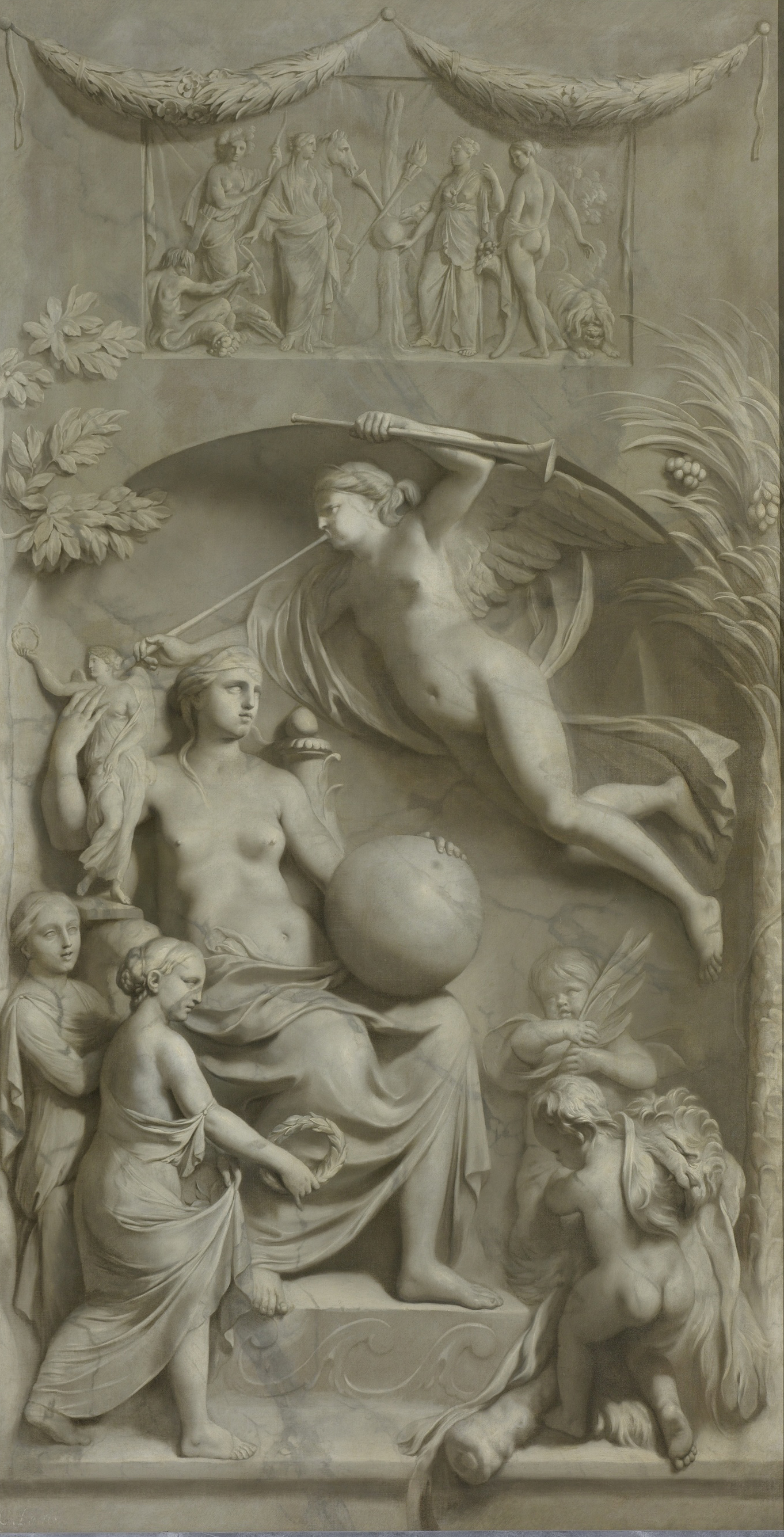
Allegory of Fame
Gerard de Lairesse
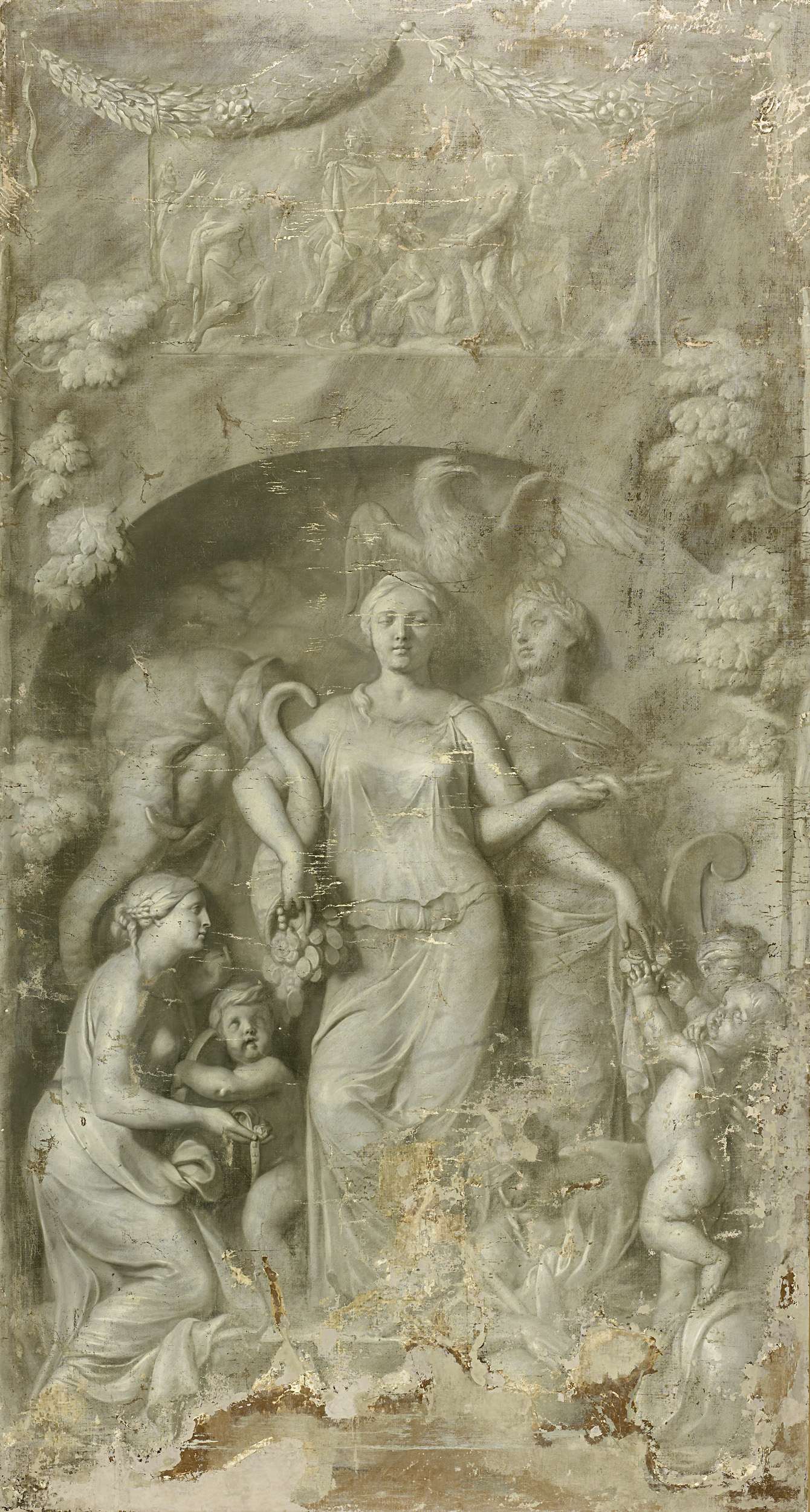
Allegory of Charity
Gerard de Lairesse
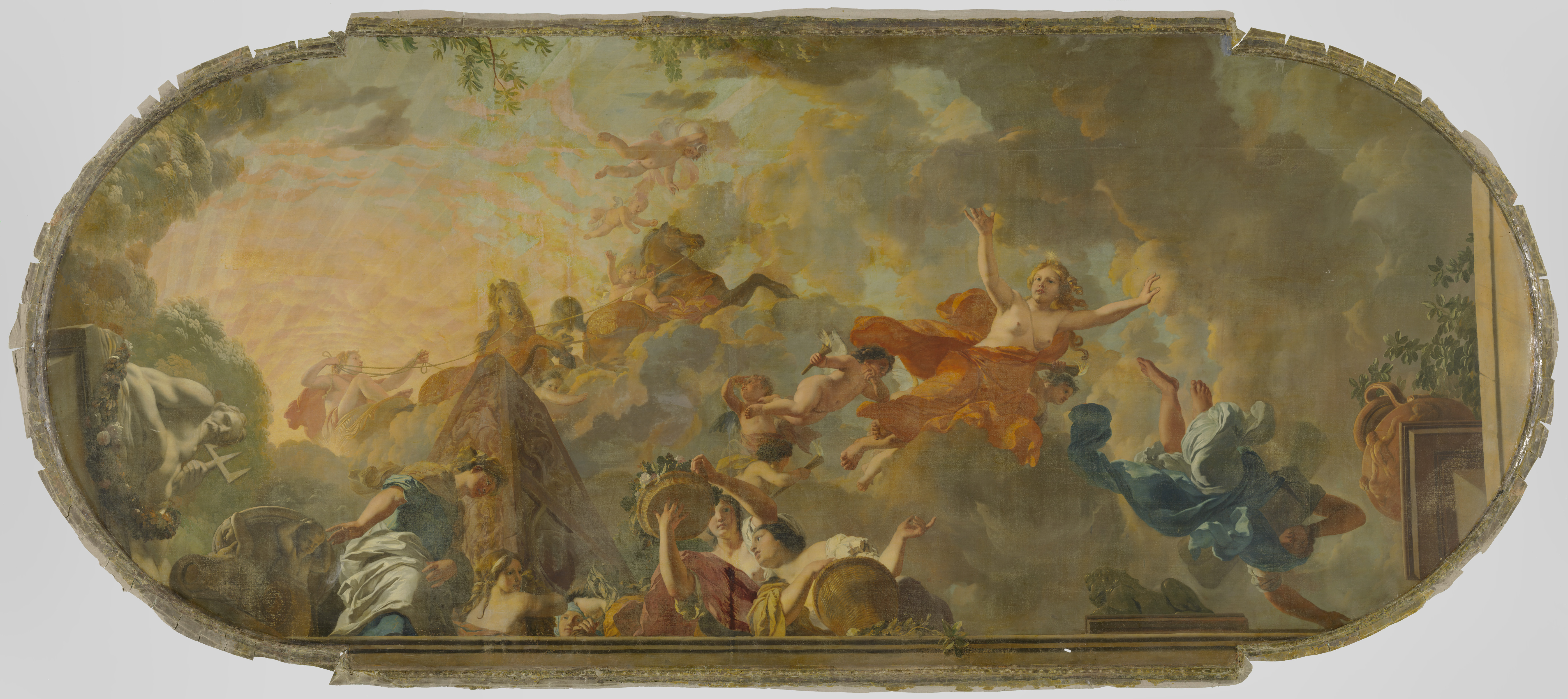
Allegory of Dawn
Gerard de Lairesse
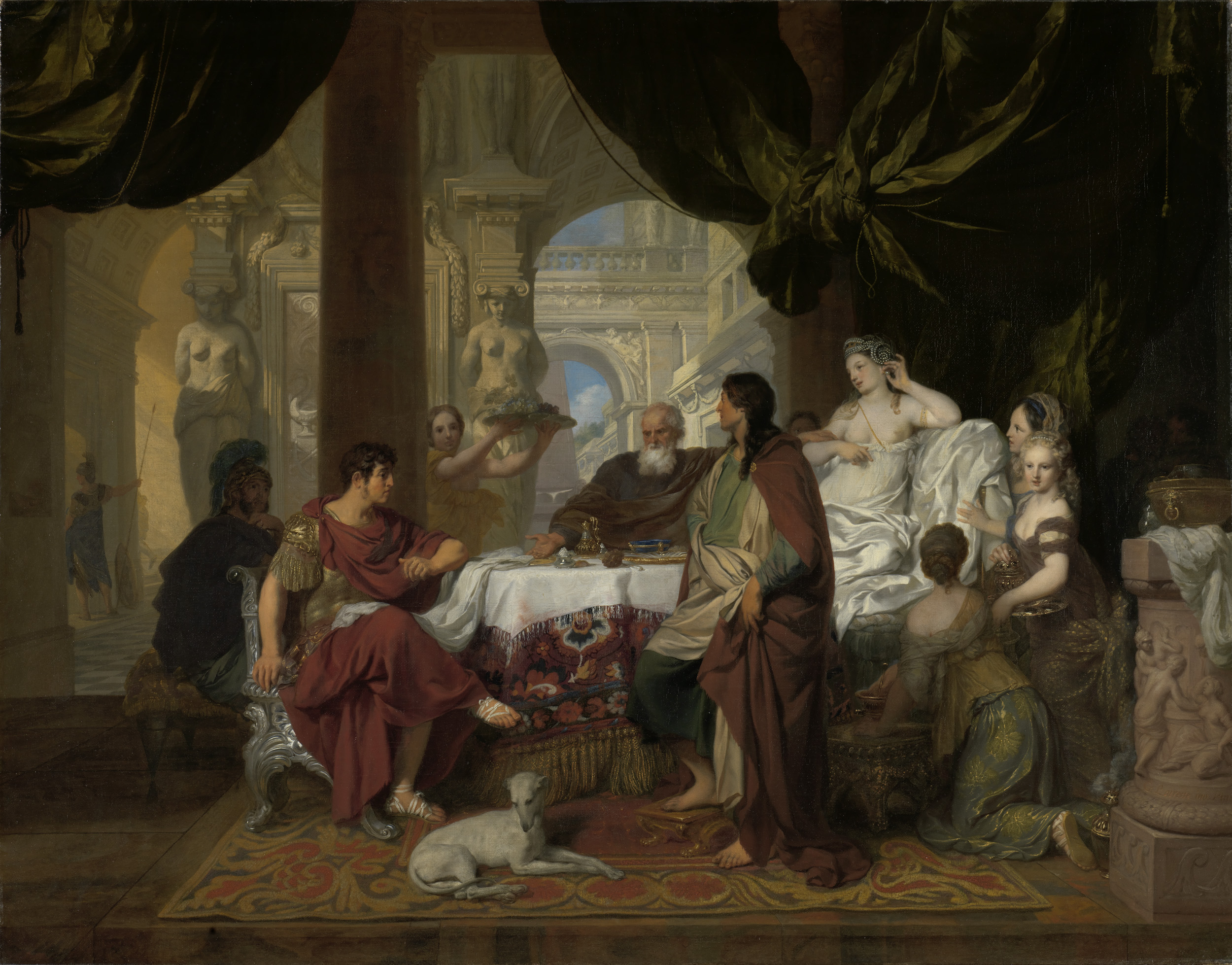
Cleopatra’s Banquet
Gerard de Lairesse
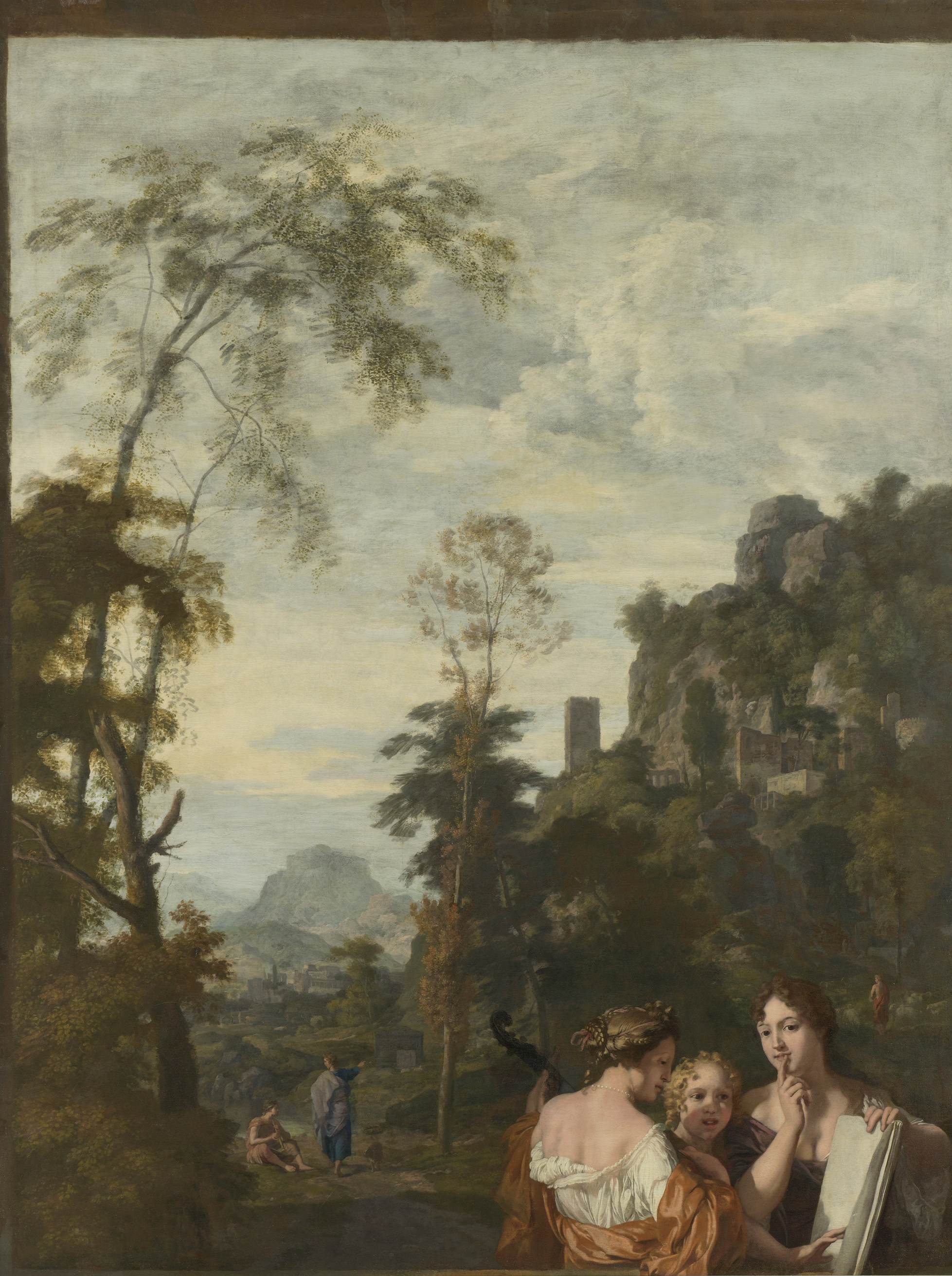
Italian Landscape with three Women Making Music
Gerard de Lairesse
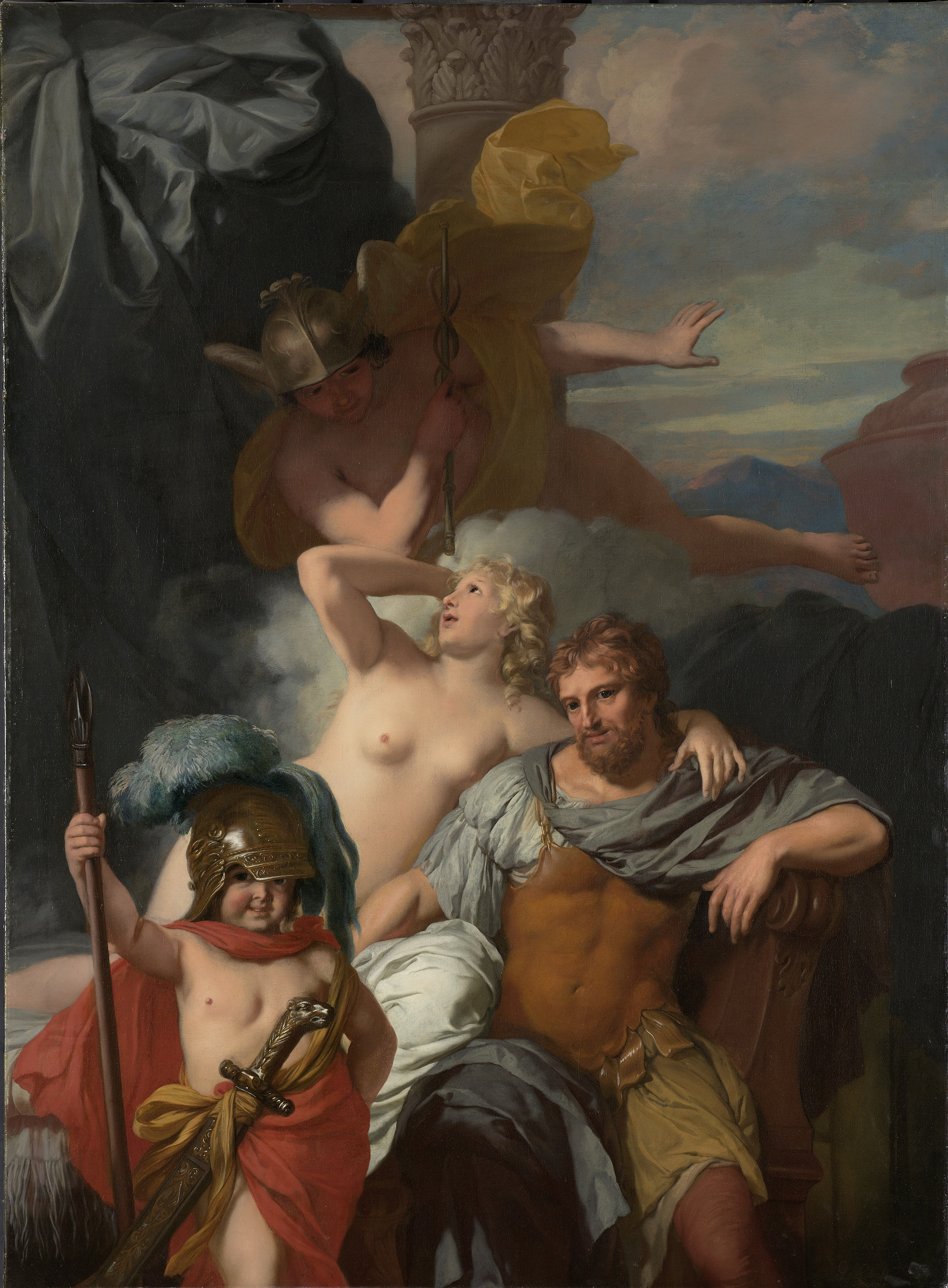
Mercury Ordering Calypso to Release Odysseus
Gerard de Lairesse
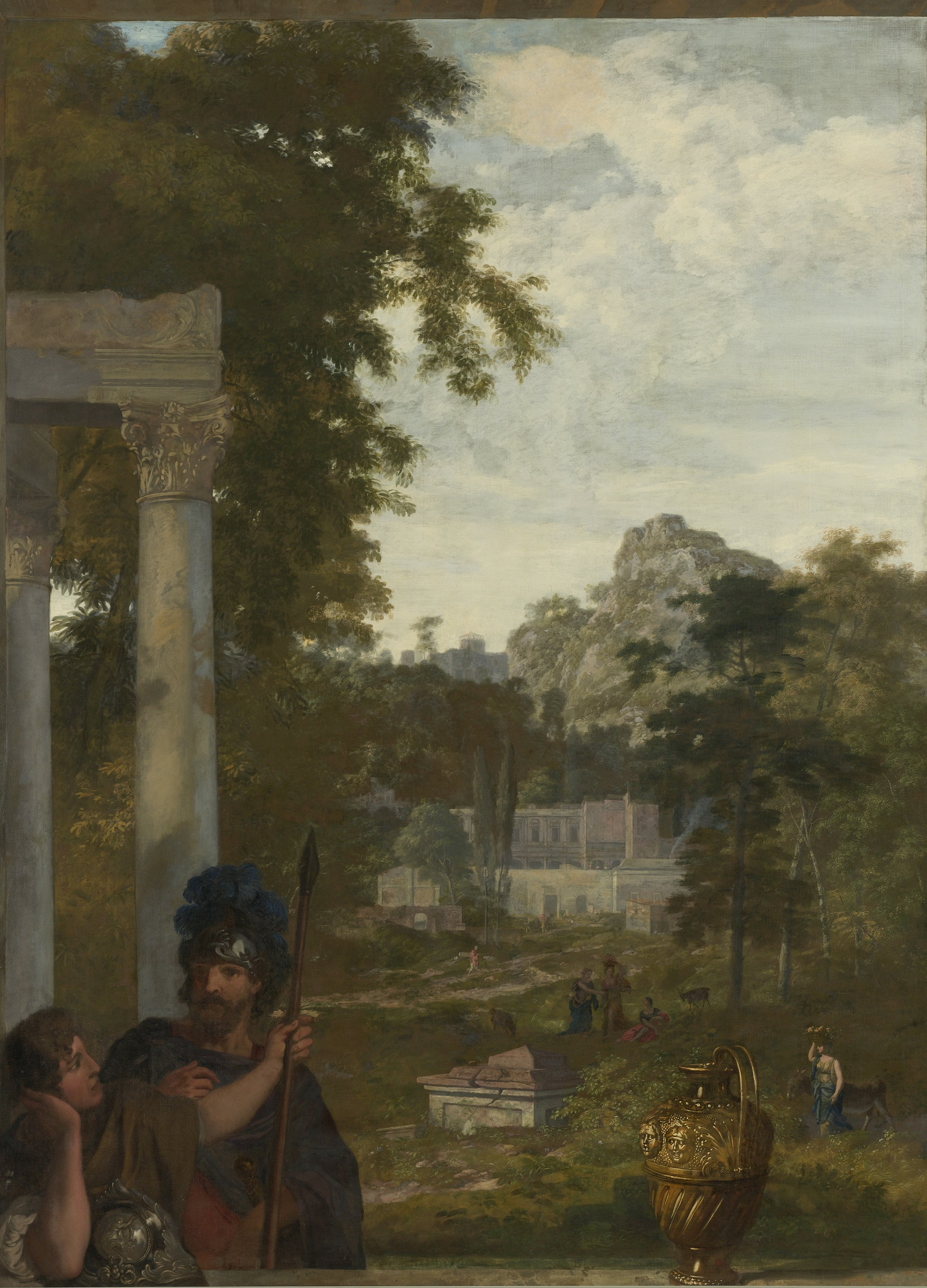
Italian Landscape with two Roman Soldiers
Gerard de Lairesse
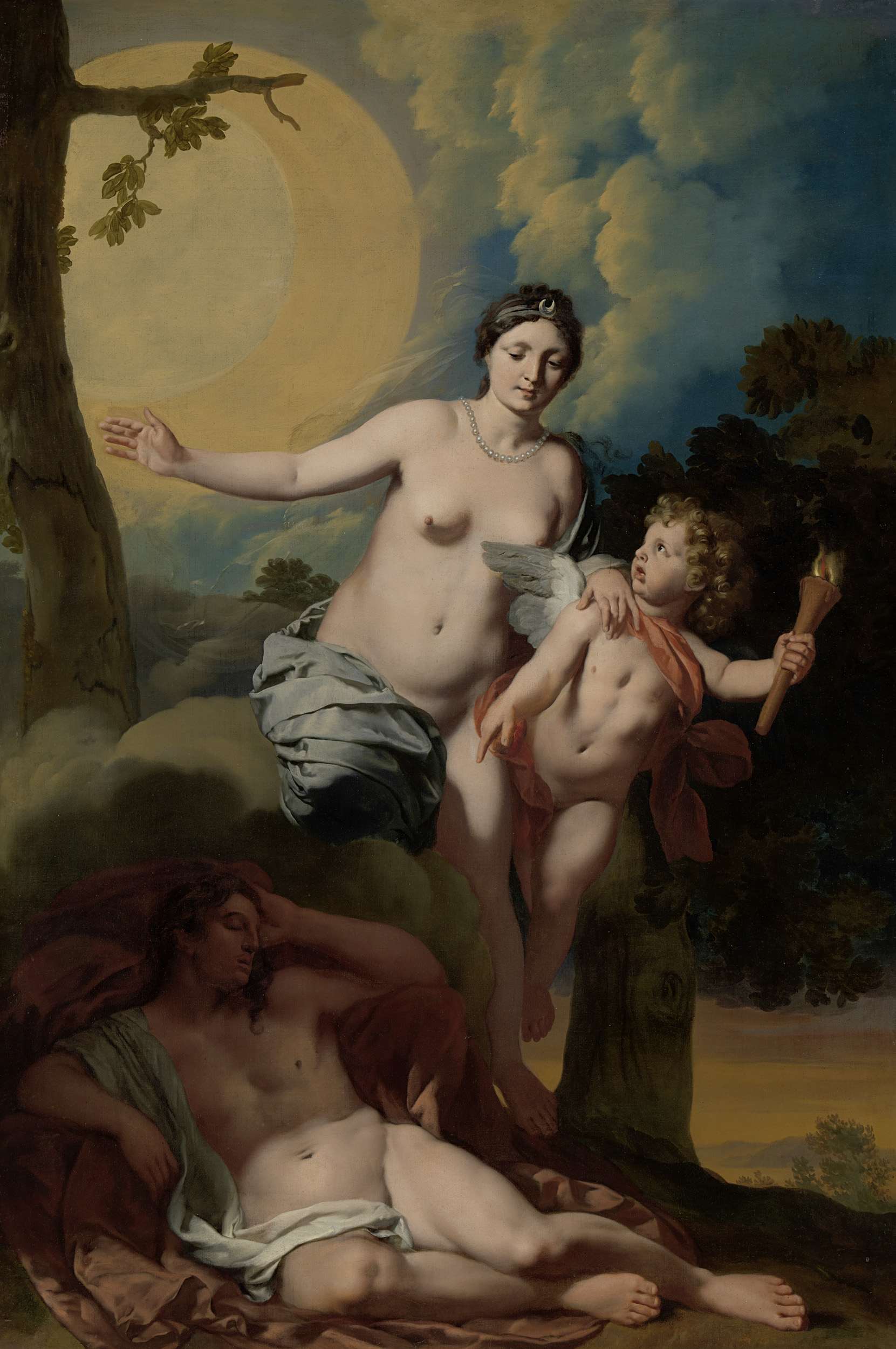
Selene and Endymion
Gerard de Lairesse
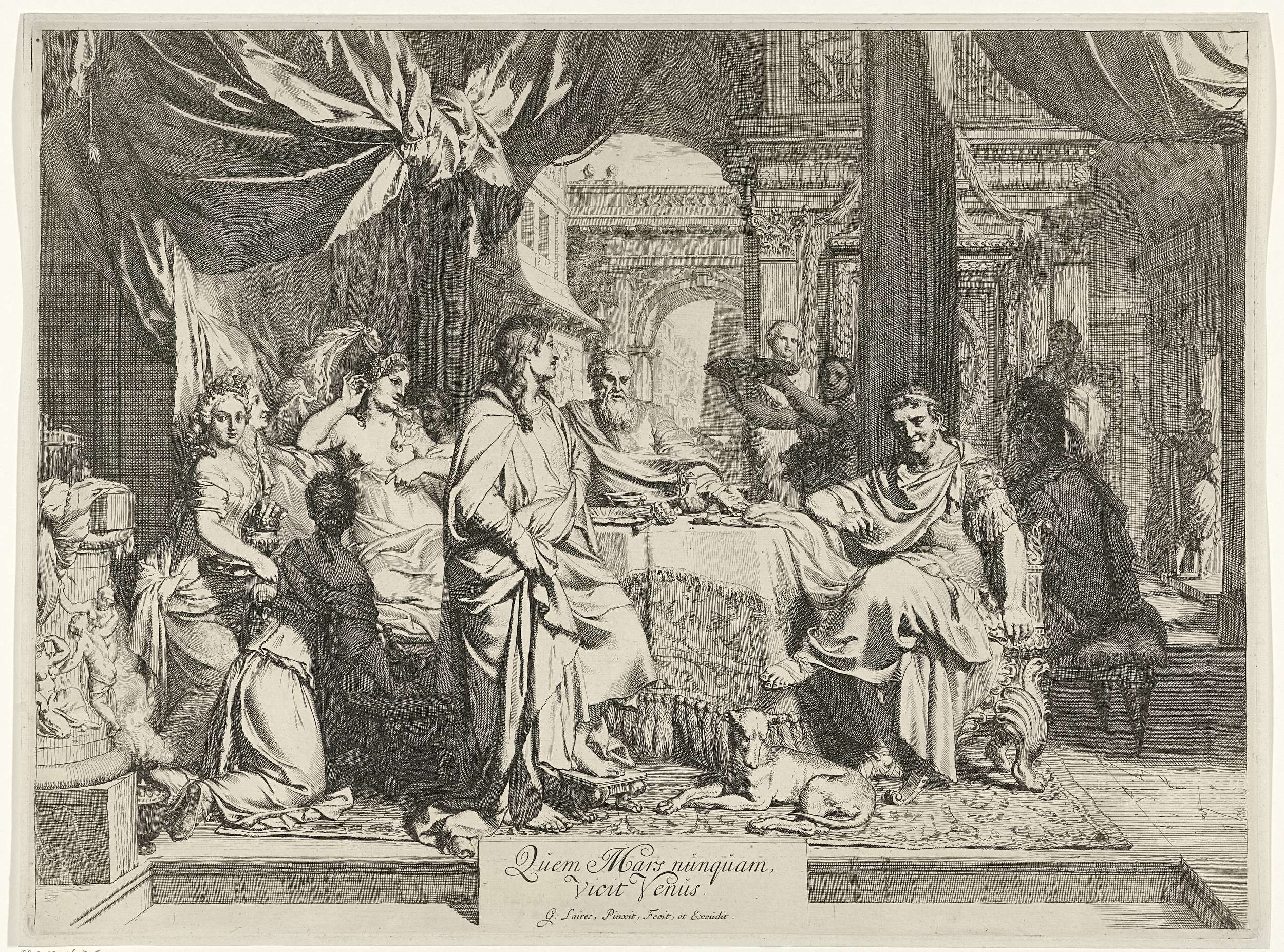
Feestmaal van Cleopatra
Gerard de Lairesse
更多 寓言
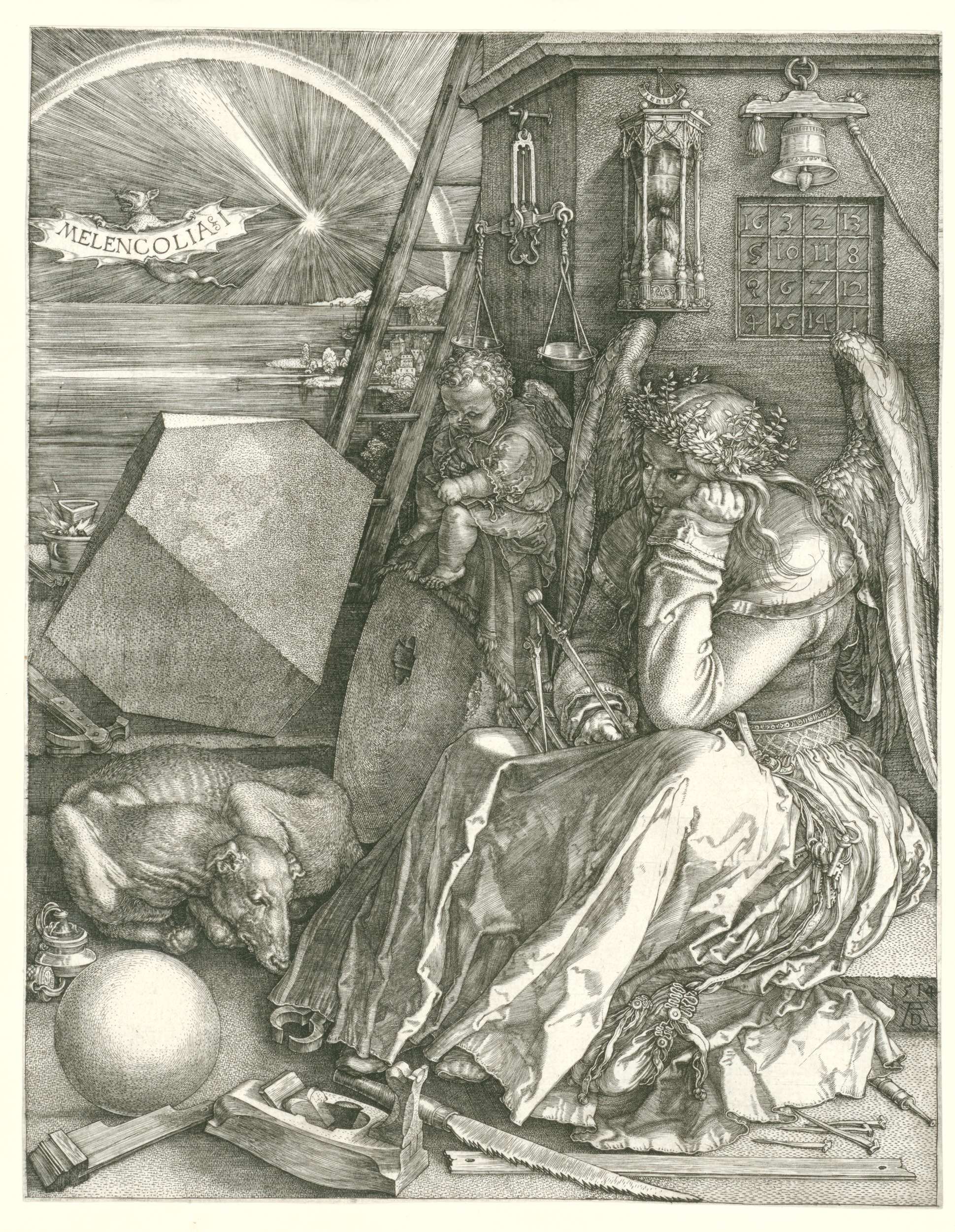
Melancholia
Albrecht Dürer
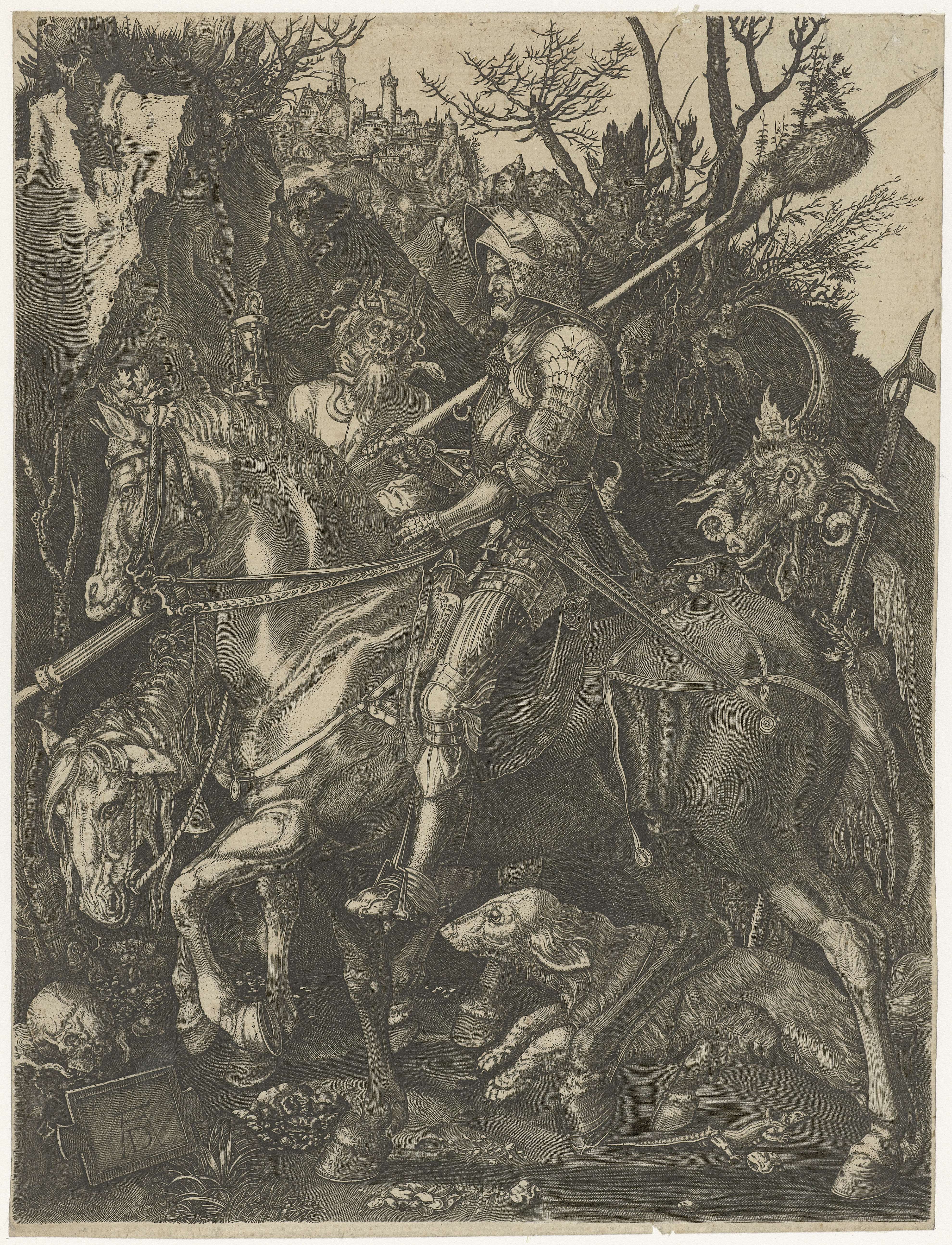
Ridder, Dood en Duivel
Unknown Artist
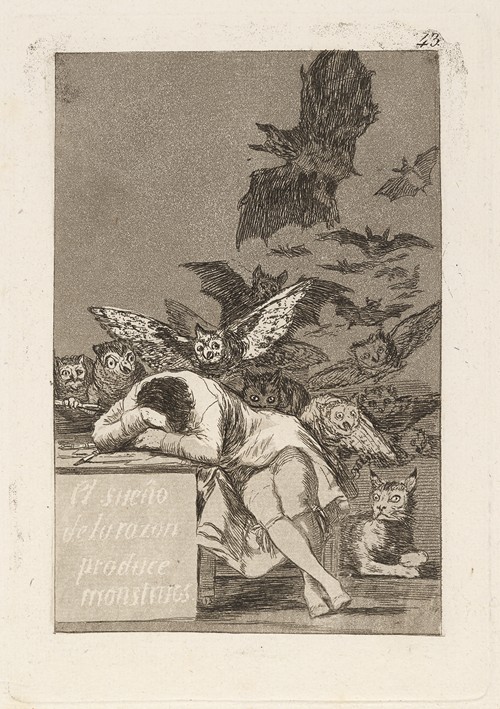
El sueño de la razon produce monstruos. (The sleep of reason produces monsters.)
Francisco de Goya
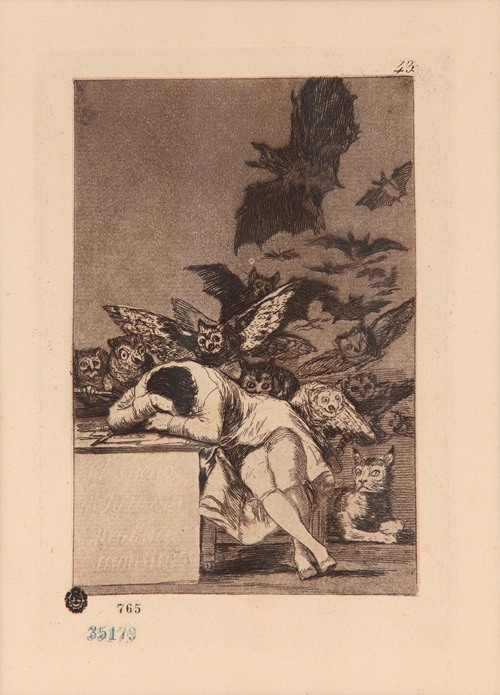
El sueño de la razon produce moustruos (Serie Caprichos)
Francisco de Goya
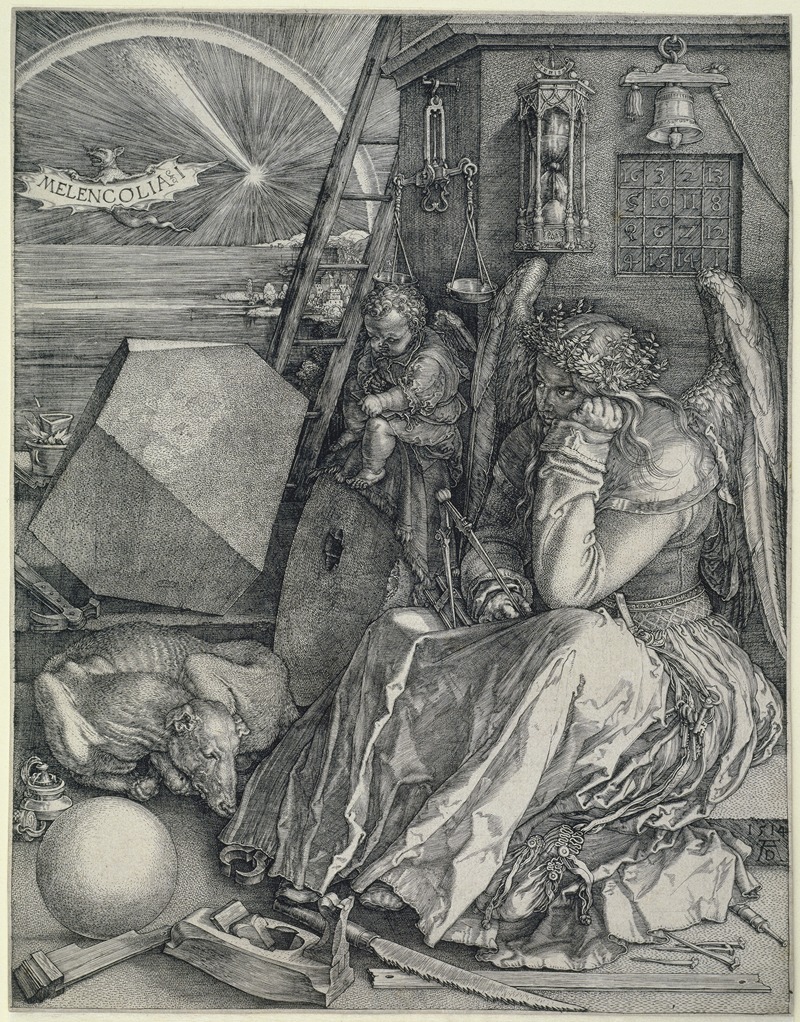
Melencolia I (The Melancholy)
Albrecht Dürer
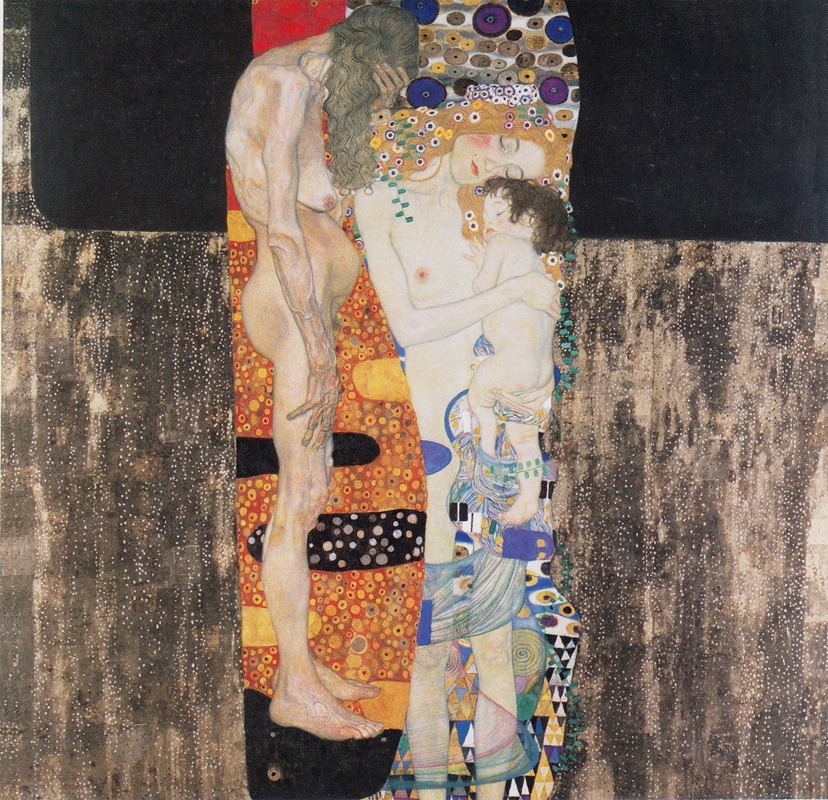
The Three Ages of the Woman
Gustav Klimt