发现这件艺术品的见解
Dresses of Mexican. — 历史与趣闻
美丽能在没有悲伤的情况下存在吗?在《墨西哥的裙子》中,C. 卡斯特罗通过文化服饰的生动织锦,探索了快乐与忧郁之间的复杂舞蹈。 向右看,裙子的流动面料,每种色调都充满活力——浓烈的红色、深邃的蓝色和阳光照耀的黄色。注意到服装的运动,捕捉到摇摆中的瞬间,为构图注入了一种动态感。光线在面料上的变化突显了复杂的图案和细腻的质感,强调了所涉及的技巧和艺术性,而背景则柔和地褪去,将焦点吸引到人物及其所穿的服装上。 在表面之下,裙子象征的不仅仅是时尚;它们体现了遗产和身份的重负。观众可以感受到优雅姿态中的渴望,鲜艳的色彩与人物的低调表情形成对比,暗示着历史和个人经历的无声叙事。这种二元性引发了一种深刻的紧张感,观众在庆祝与克制的文化表达之间的互动中挣扎。 C. 卡斯特罗于1869年创作了《墨西哥的裙子》,那是一个墨西哥政治动荡和社会变革的时期。当国家在外部影响中寻求自我定义时,艺术家从国家丰富的文化遗产中汲取灵感。这幅作品出现在艺术不断发展的时期,艺术家们在拥抱自己的根源的同时,驾驭现代性的复杂性。
更多作品 C. Castro
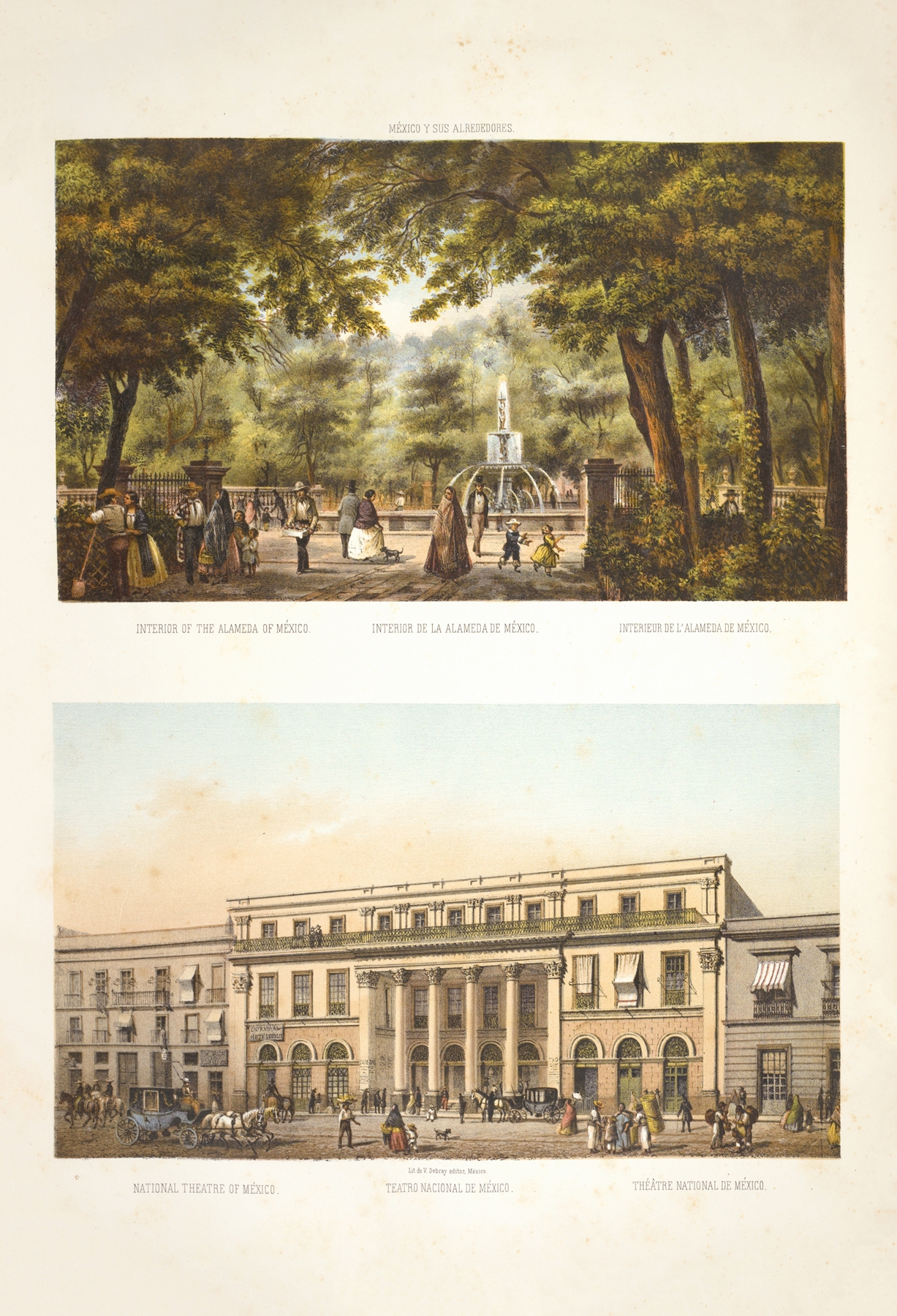
Interior of the Alameda of Mexico ; National Theatre of Mexico.
C. Castro
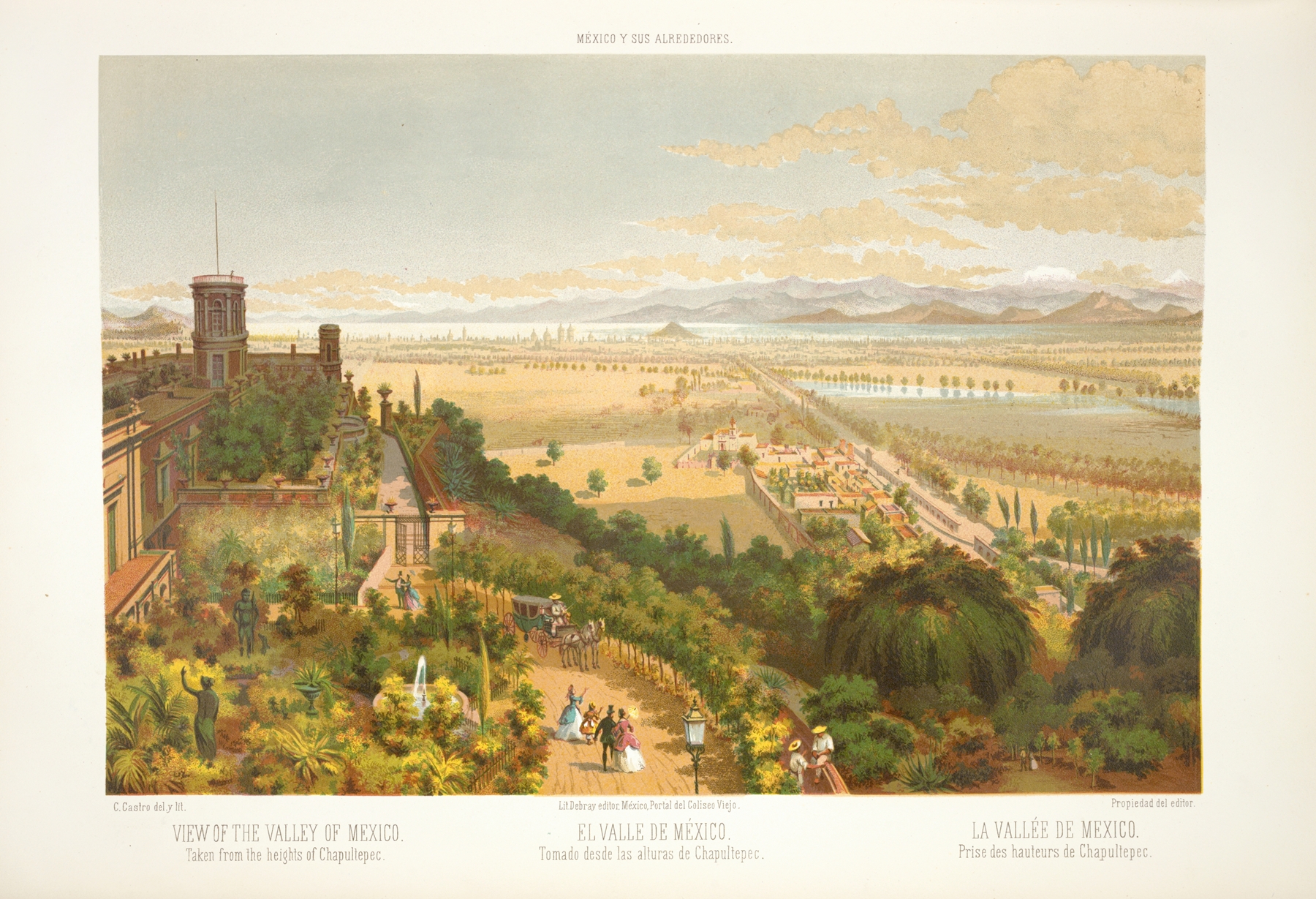
View of the Valley of Mexico, taken from the heights of Chapultepec.
C. Castro
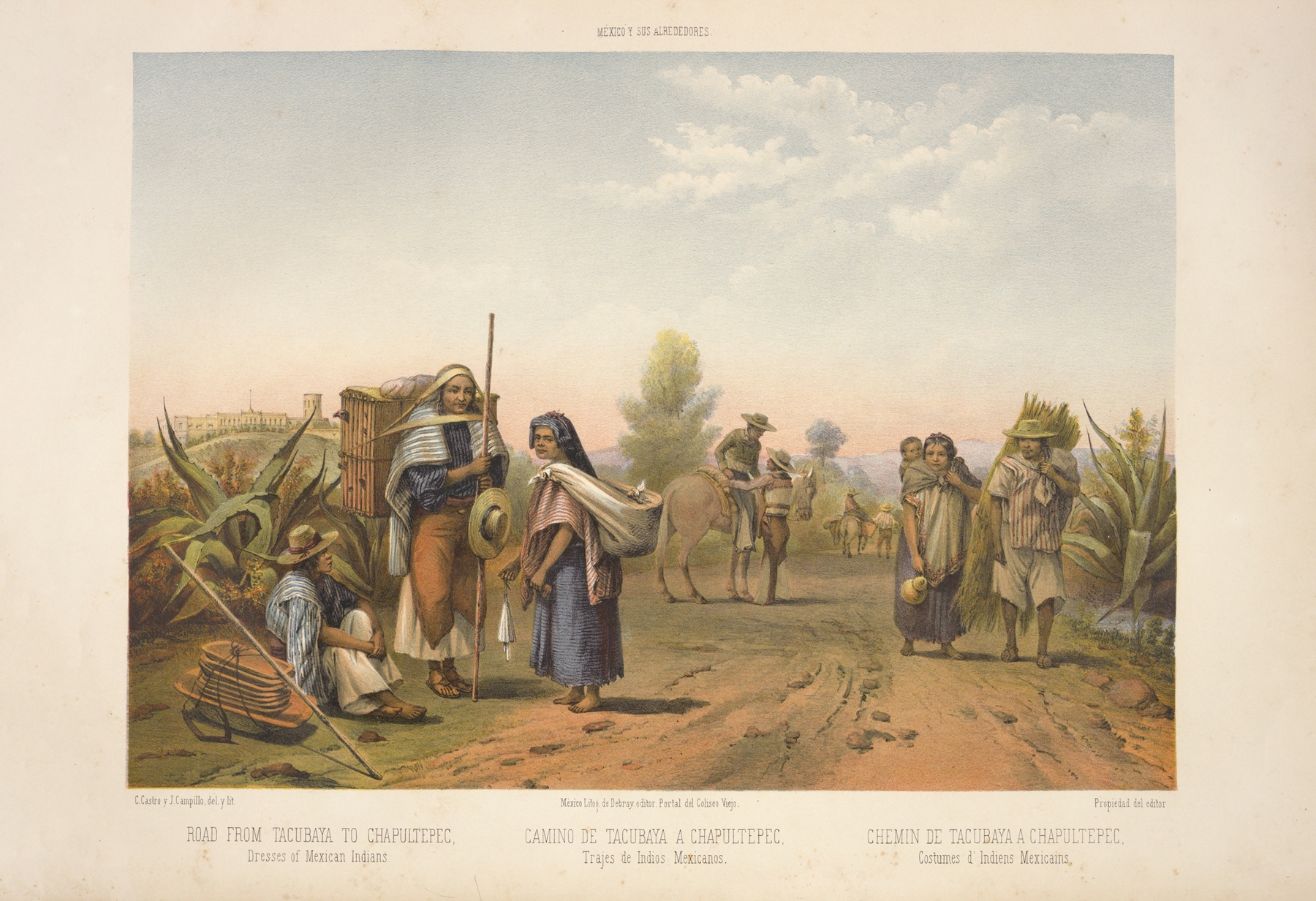
Road from Tacubaya to Chapultepec, dresses of Mexican Indians.
C. Castro
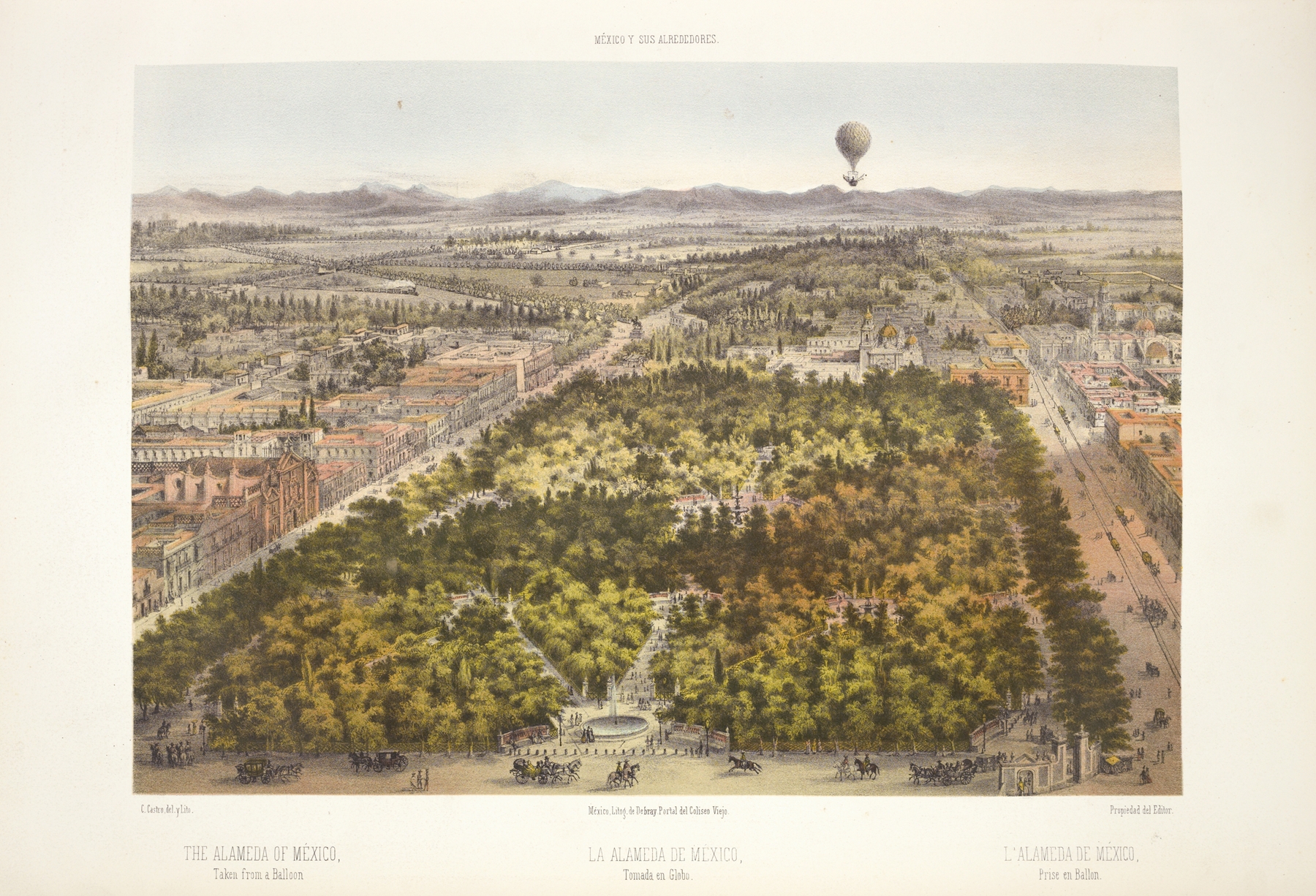
The Alameda of Mexico, taken from a balloon.
C. Castro
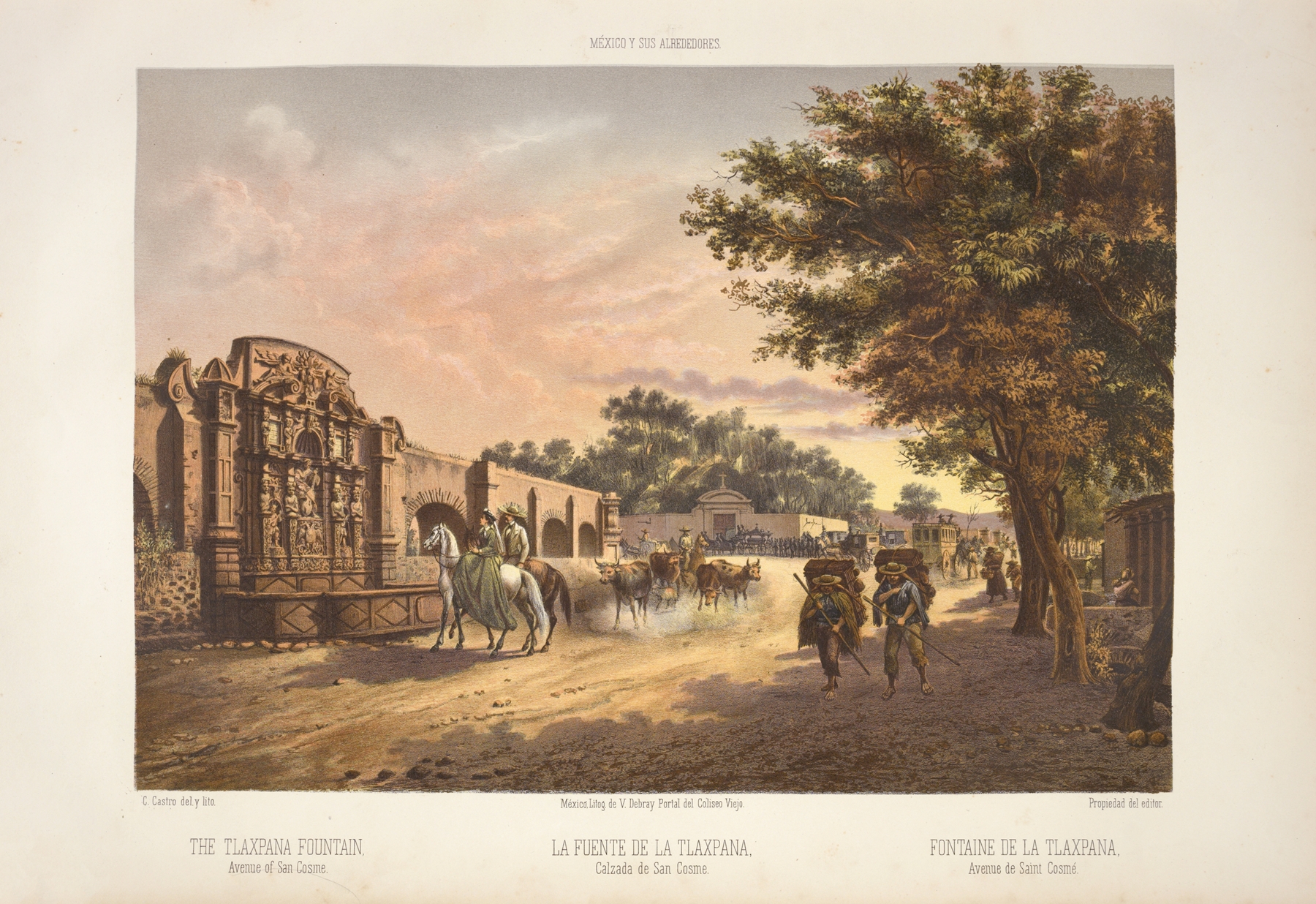
The Tlaxpana fountain, Avenue of San Cosme.
C. Castro
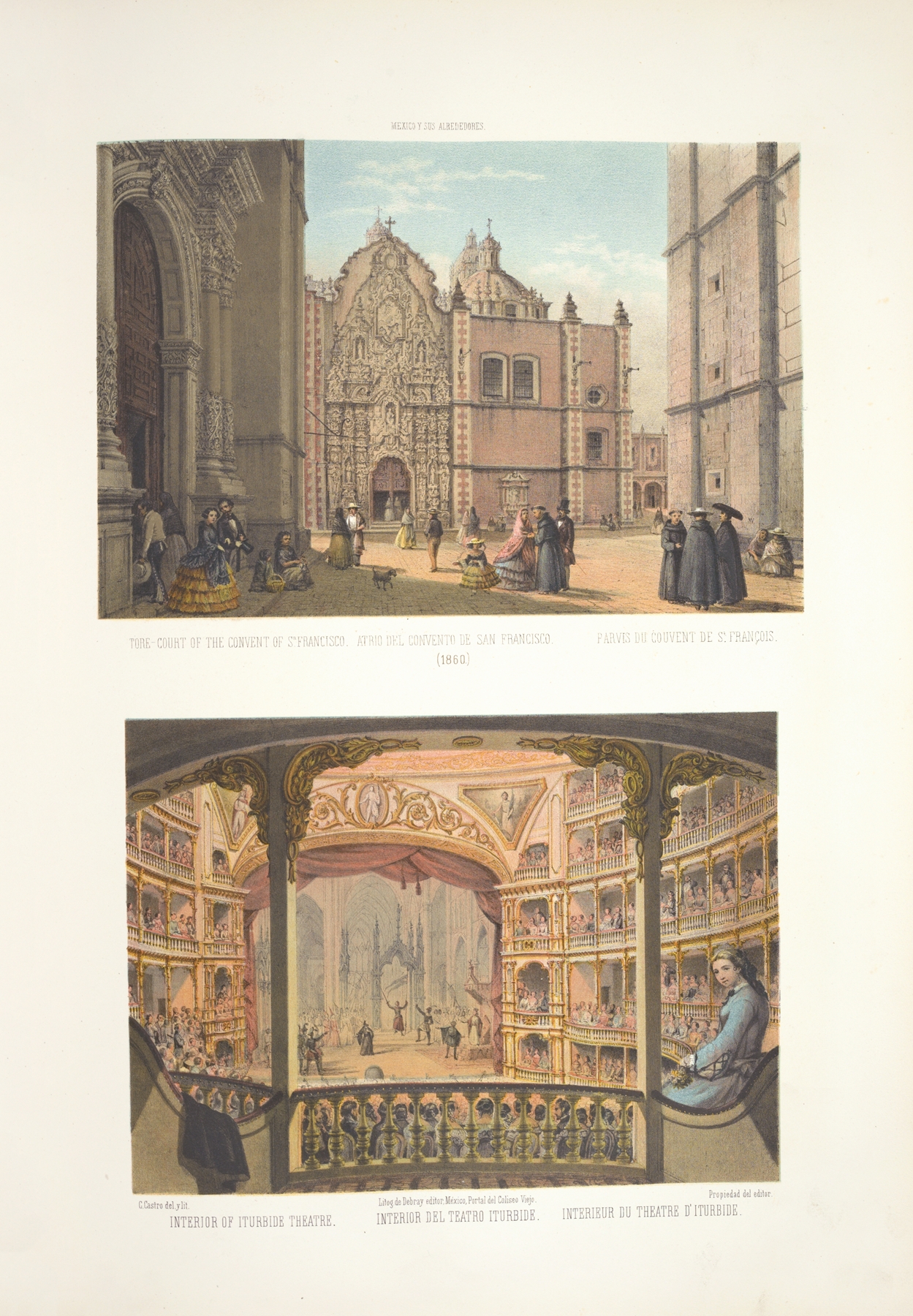
Tore-court of the convent of St. Francisco ; Interior del Teatro Iturbide
C. Castro
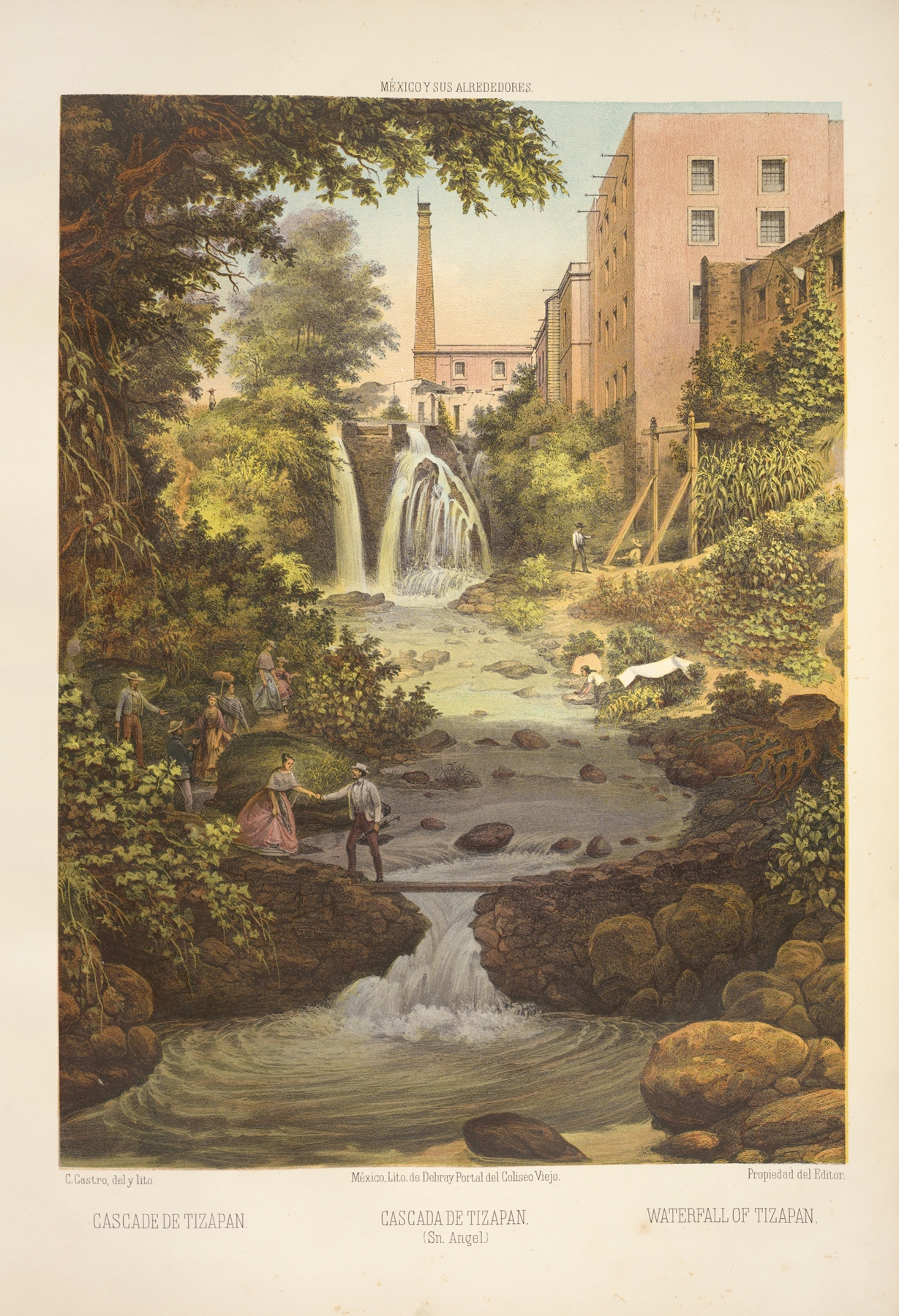
Waterfall of Tizapan
C. Castro
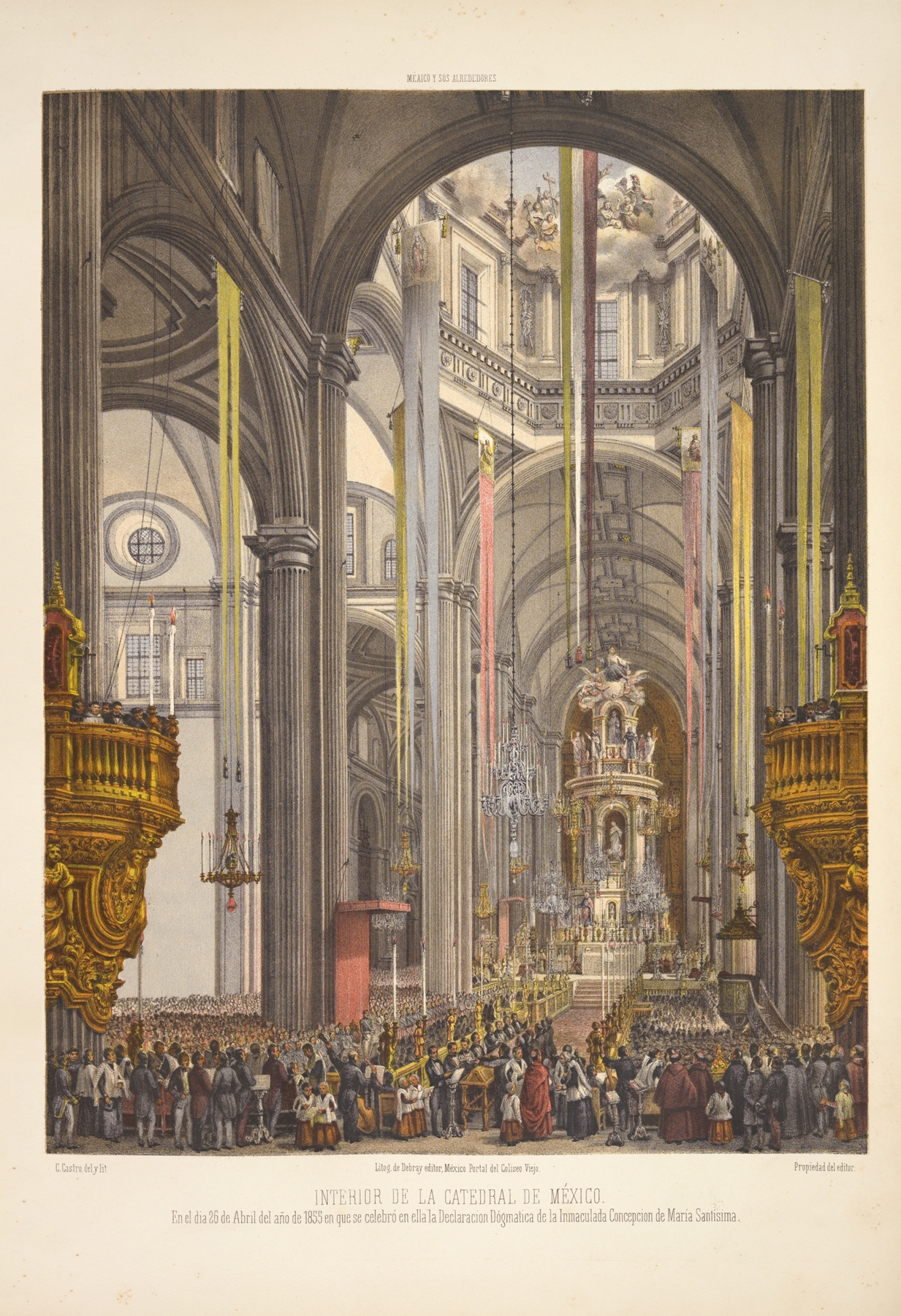
Interior de la Catedral de México. En el dia 26 de Abril del año de 1855 en que se celebró en ella la Declaracion Dógmatica de la Inmaculada Concepcion de María Santisima.
C. Castro
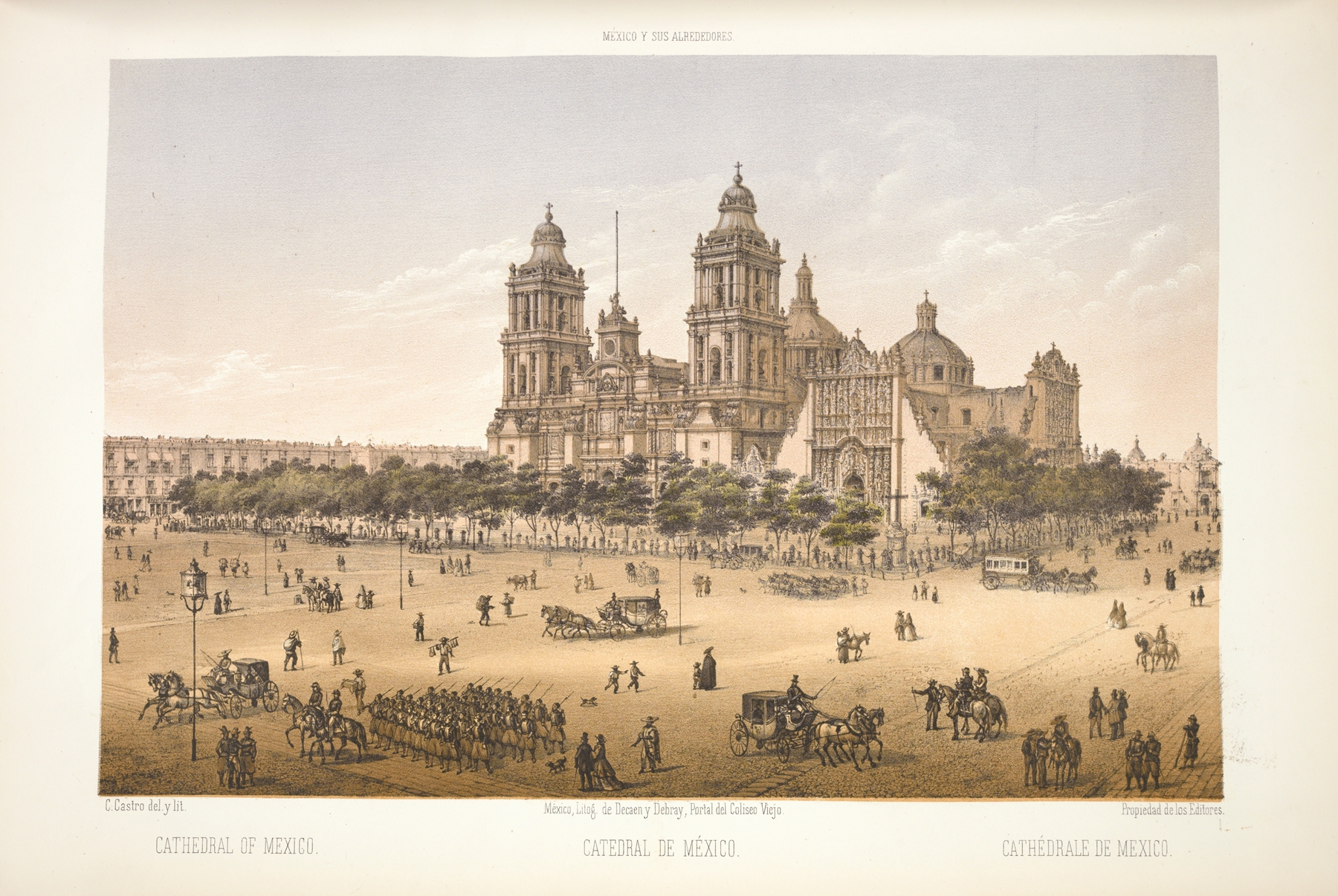
Cathedral of Mexico.
C. Castro
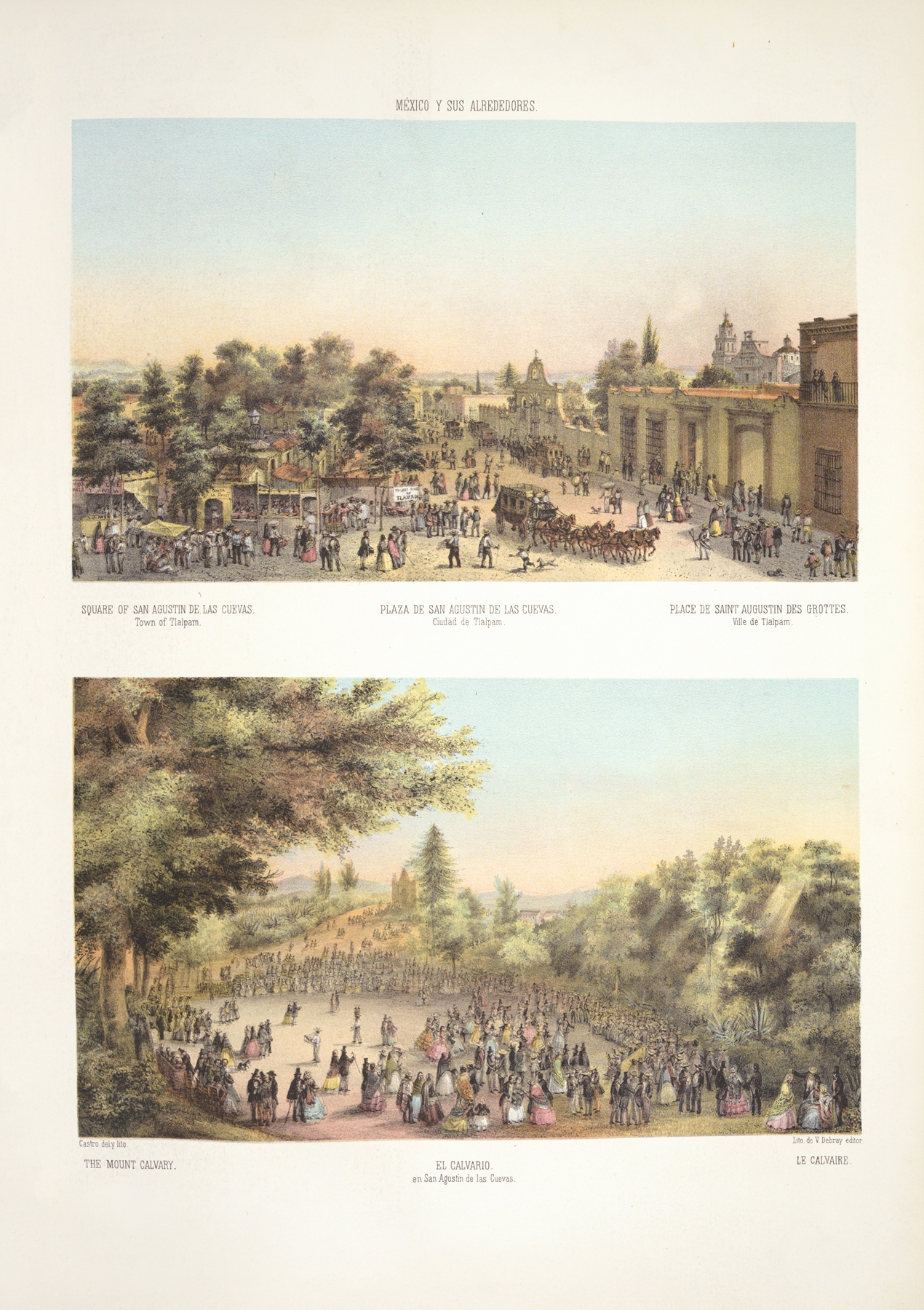
Square of San Agustin de las Cuevas, town of Tlalpam ; The Mount Calvary.
C. Castro