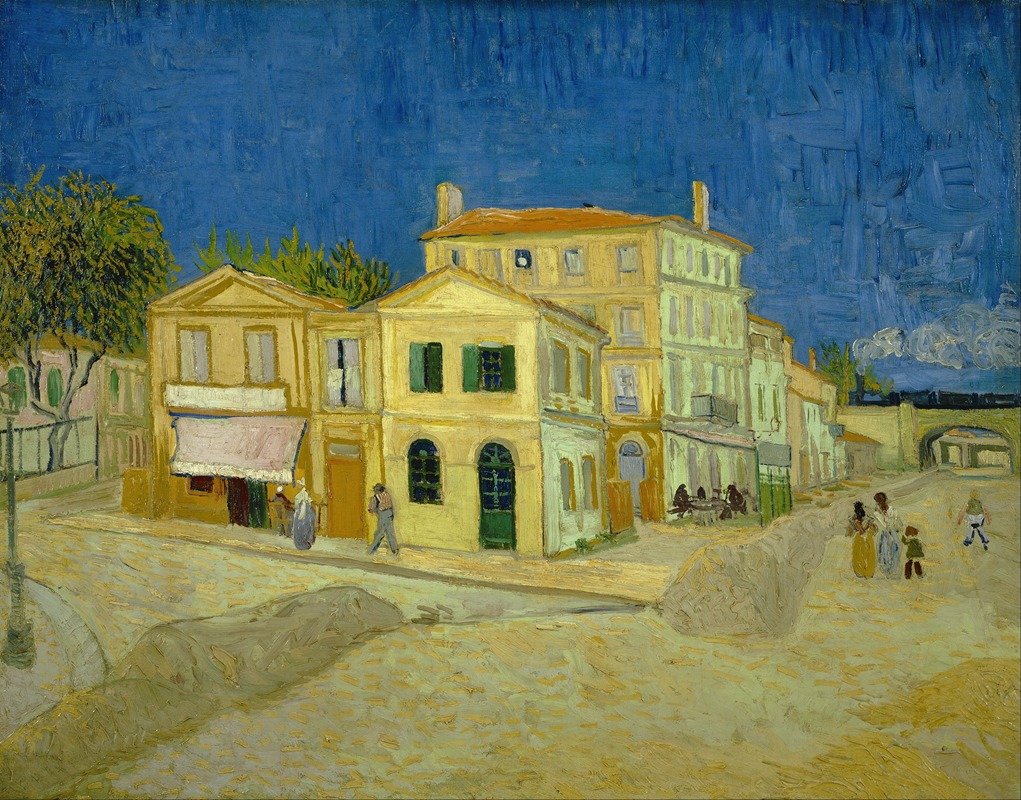
发现这件艺术品的见解
Emperor Iturbide’s house, now general stages hotel. — 历史与趣闻
在混乱的世纪中,美丽能否生存?在历史与命运的脆弱平衡中,艺术作为韧性的见证而存在。 请看构图的中心,昔日皇宫的庄严建筑在时间的流逝中依然显得威严。艺术家细致的笔触揭示了风化外立面的质感,土色调反映出一个已逝的时代。注意光线如何在表面上舞动,为赭石和土黄增添温暖,邀请观众探索曾经迎接尊贵客人的窗户和门道的复杂细节。 然而,超越建筑的宏伟,一种忧郁的感觉弥漫开来。建筑与其当代环境的对比暗示着过去与现在的冲突,突显了荣耀的短暂。细微的衰败迹象,如边缘的蔓藤,唤起了自然重新夺回人类所建之物的深刻提醒,编织出一种失落与延续的叙事,触动我们共同经历的心灵。 C. Castro于1869年创作了这幅作品,那时墨西哥正面临国家认同和文化动荡的挑战。艺术家反映了一个转型社会的复杂性,捕捉了对遗产的自豪感与对未来的不确定性。这一历史时刻,标志着政治斗争和社会变革,深刻影响了他的作品,促成了过去遗迹与不断演变的现在之间的对话。
更多作品 C. Castro
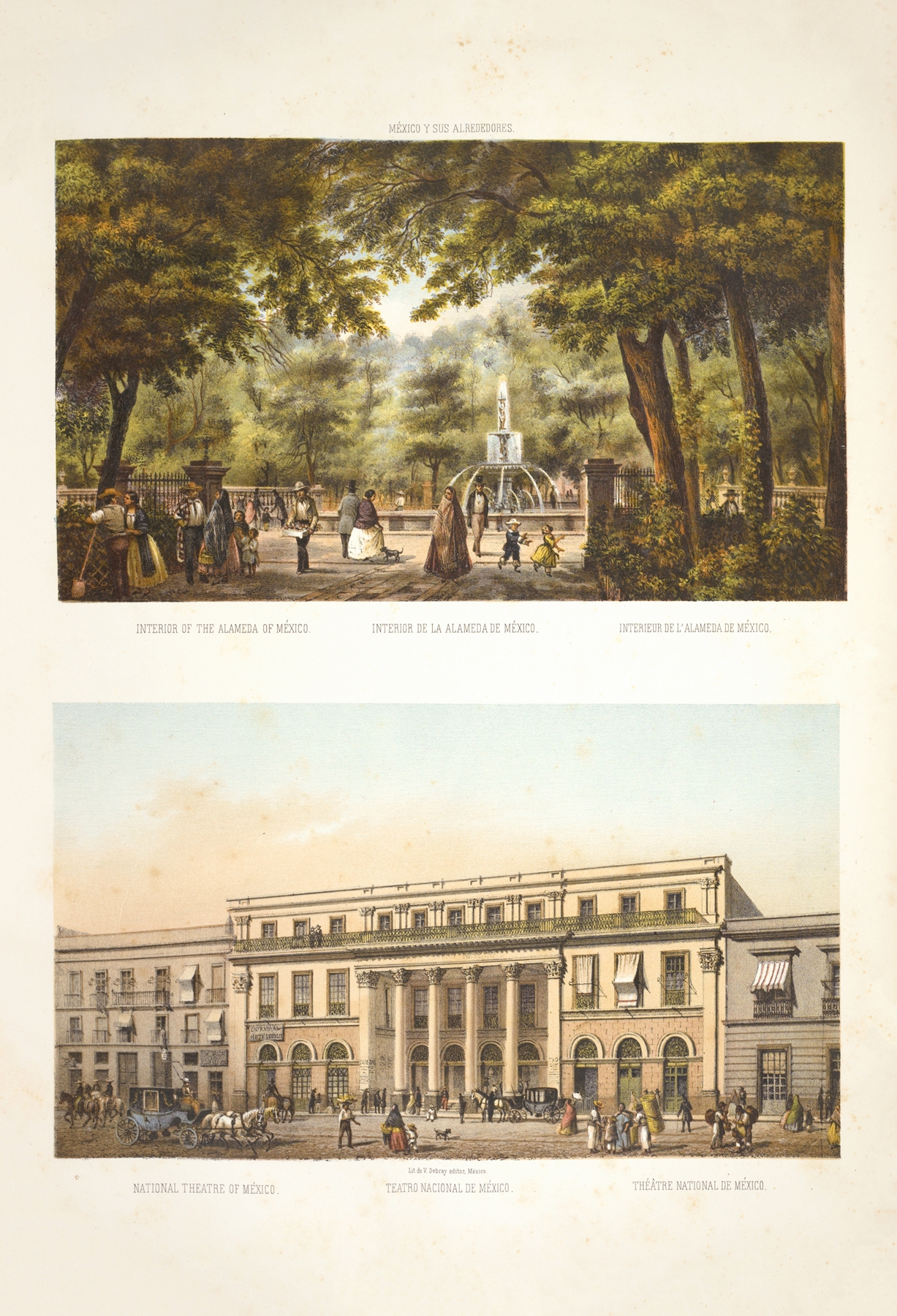
Interior of the Alameda of Mexico ; National Theatre of Mexico.
C. Castro
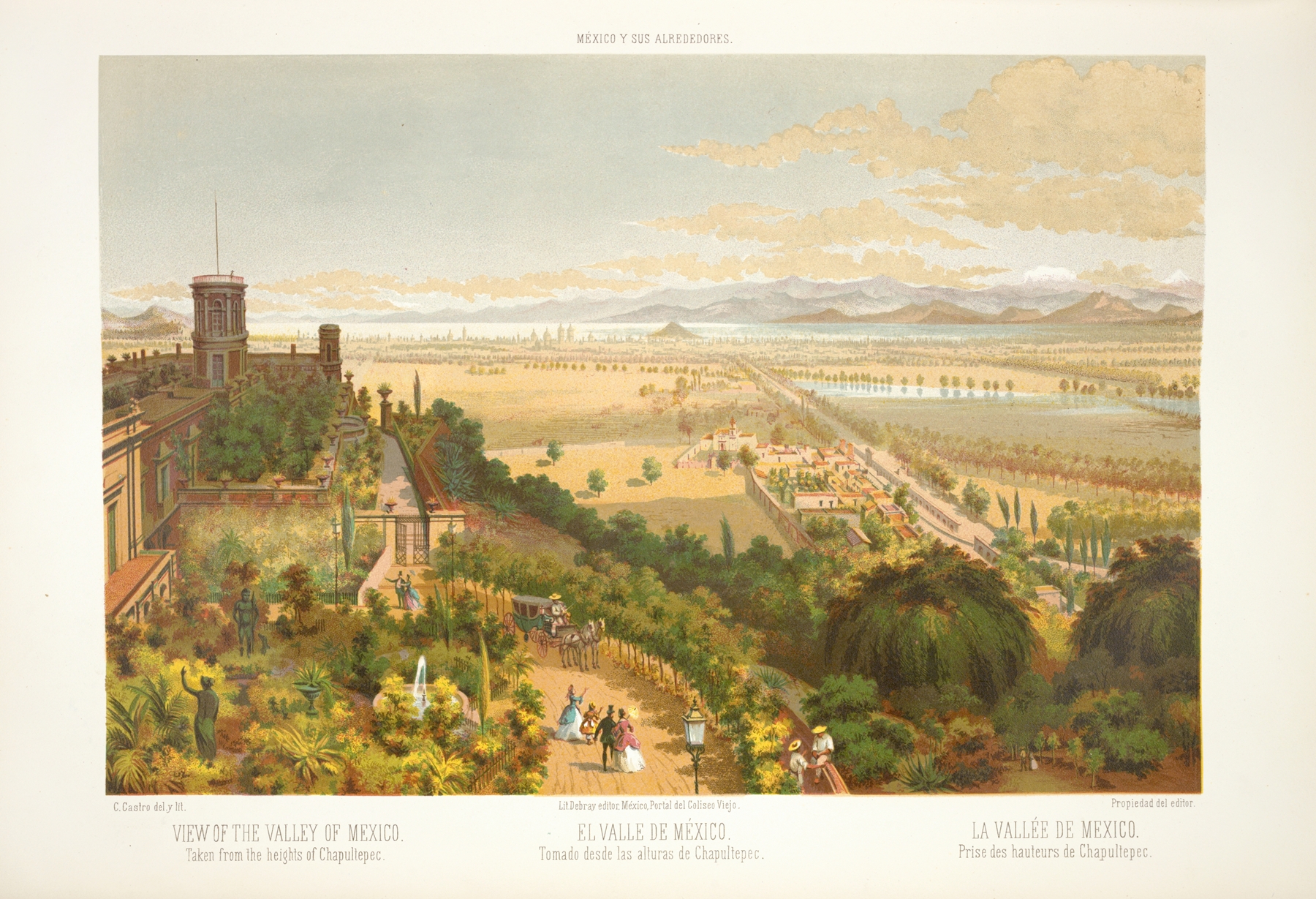
View of the Valley of Mexico, taken from the heights of Chapultepec.
C. Castro
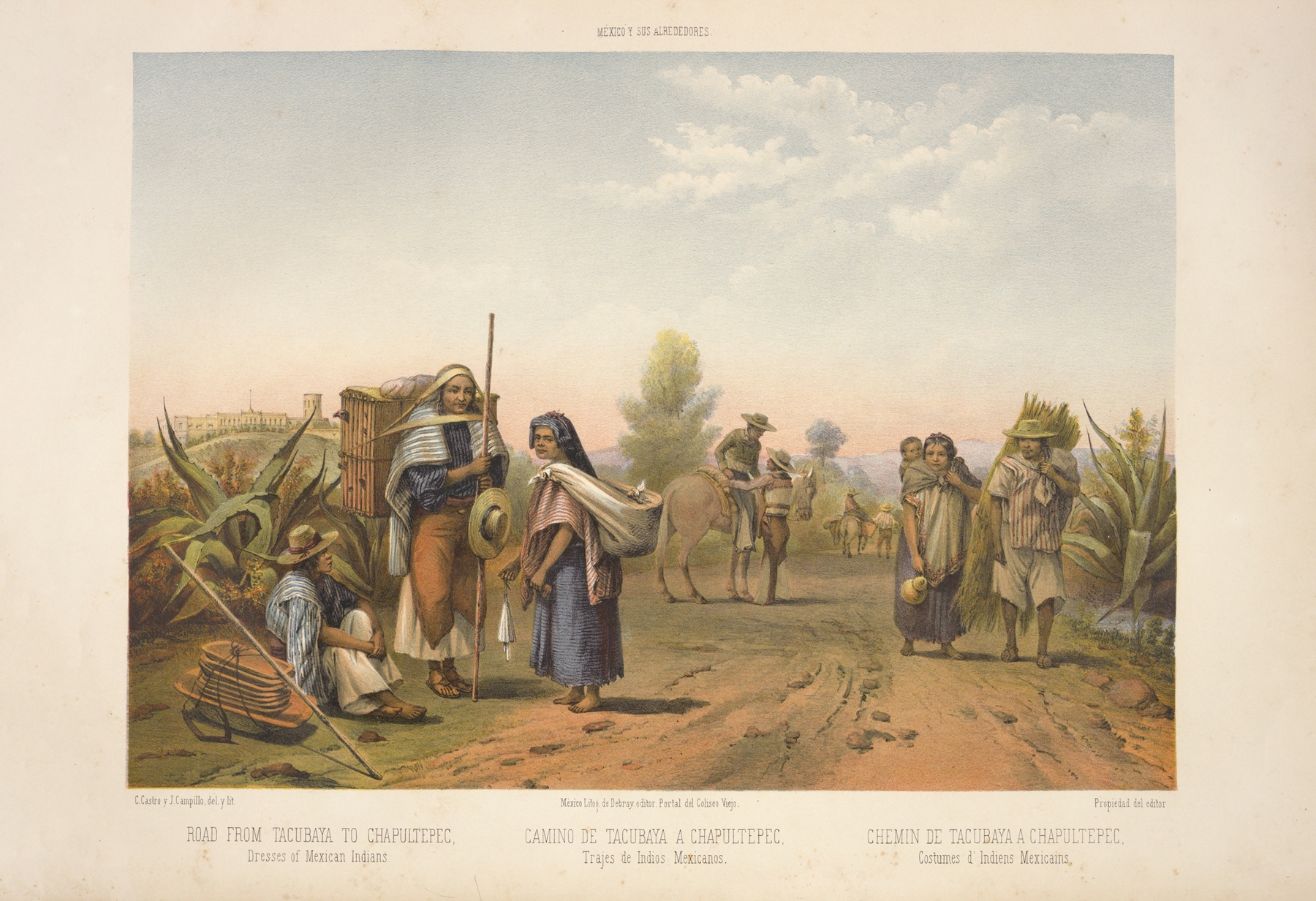
Road from Tacubaya to Chapultepec, dresses of Mexican Indians.
C. Castro
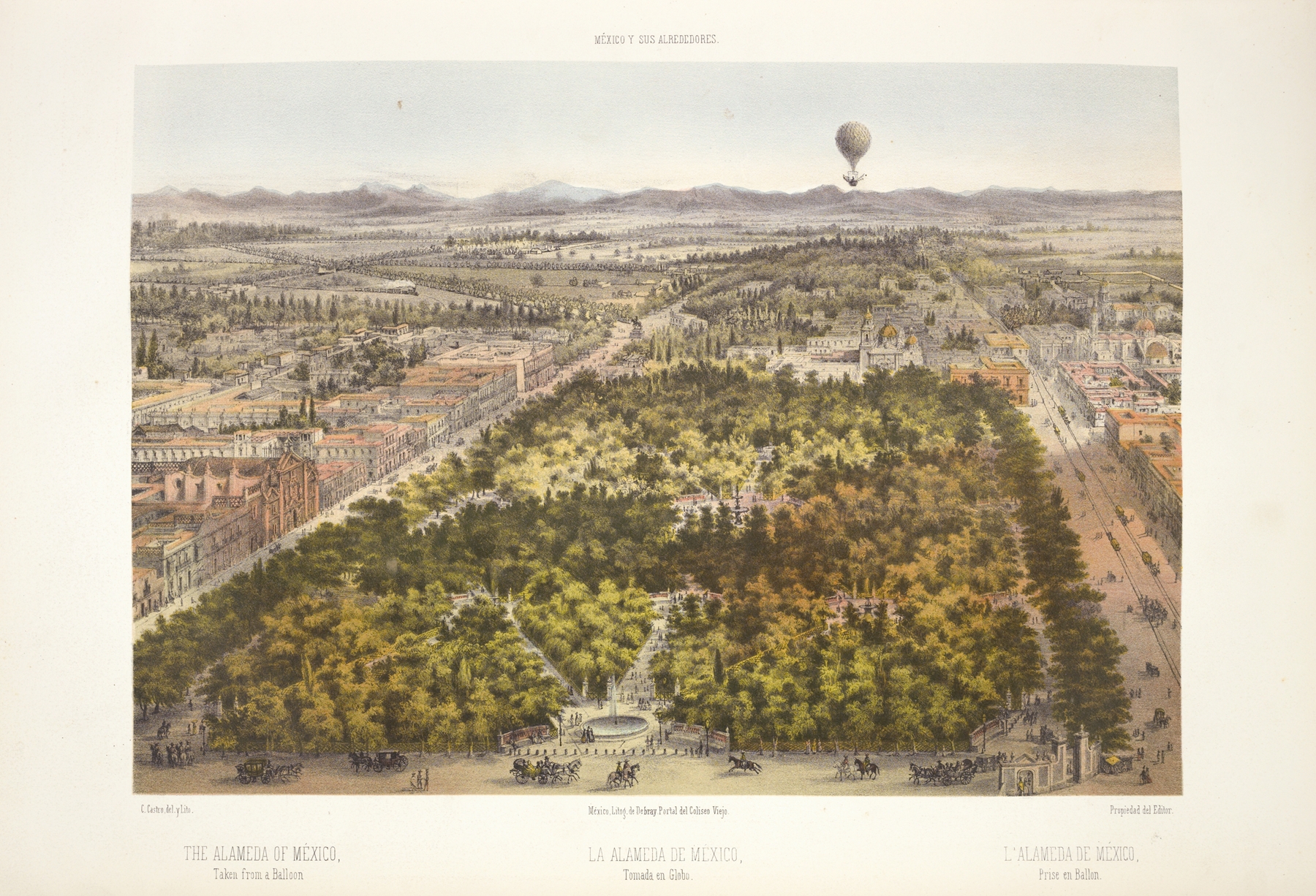
The Alameda of Mexico, taken from a balloon.
C. Castro
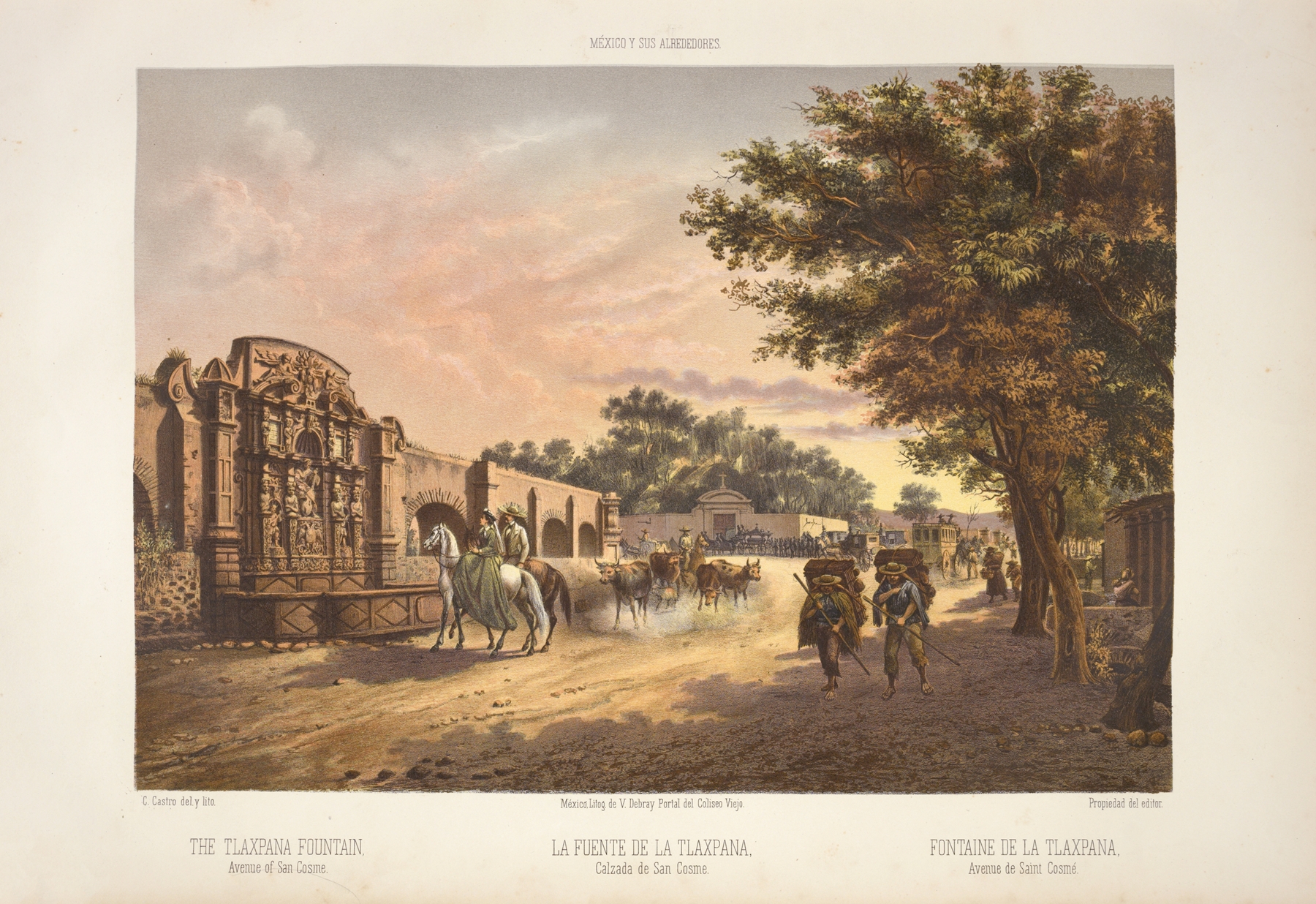
The Tlaxpana fountain, Avenue of San Cosme.
C. Castro
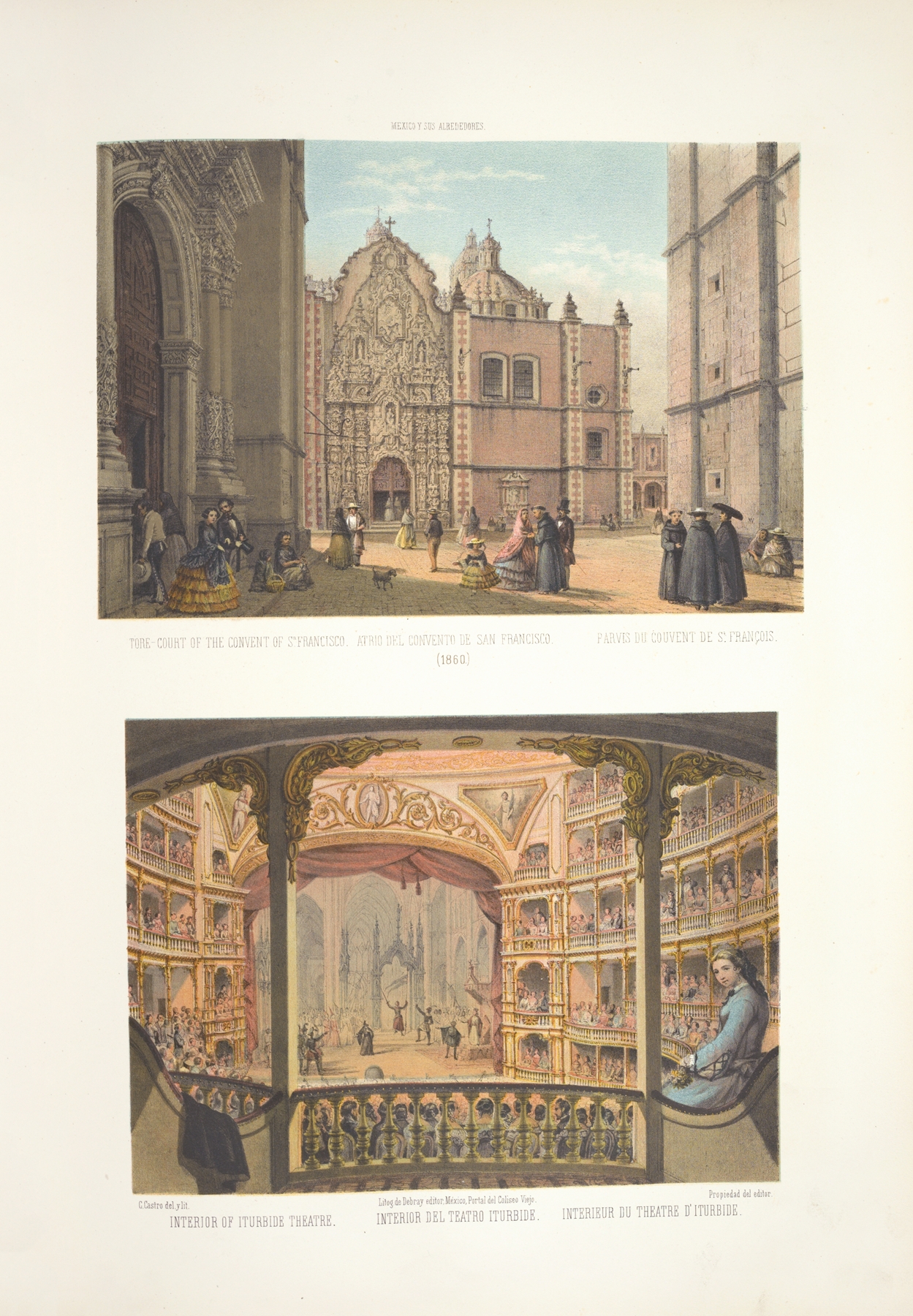
Tore-court of the convent of St. Francisco ; Interior del Teatro Iturbide
C. Castro
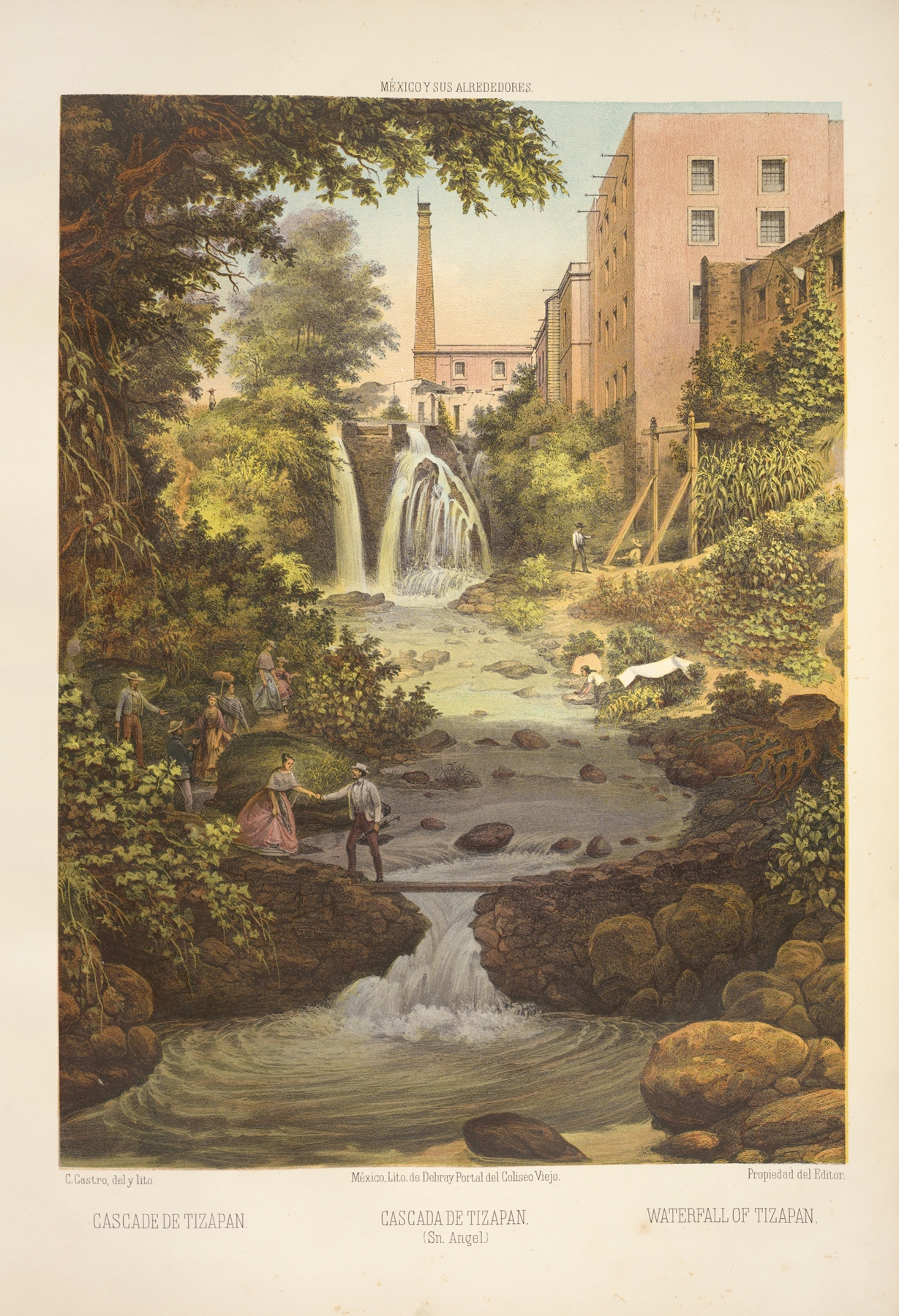
Waterfall of Tizapan
C. Castro
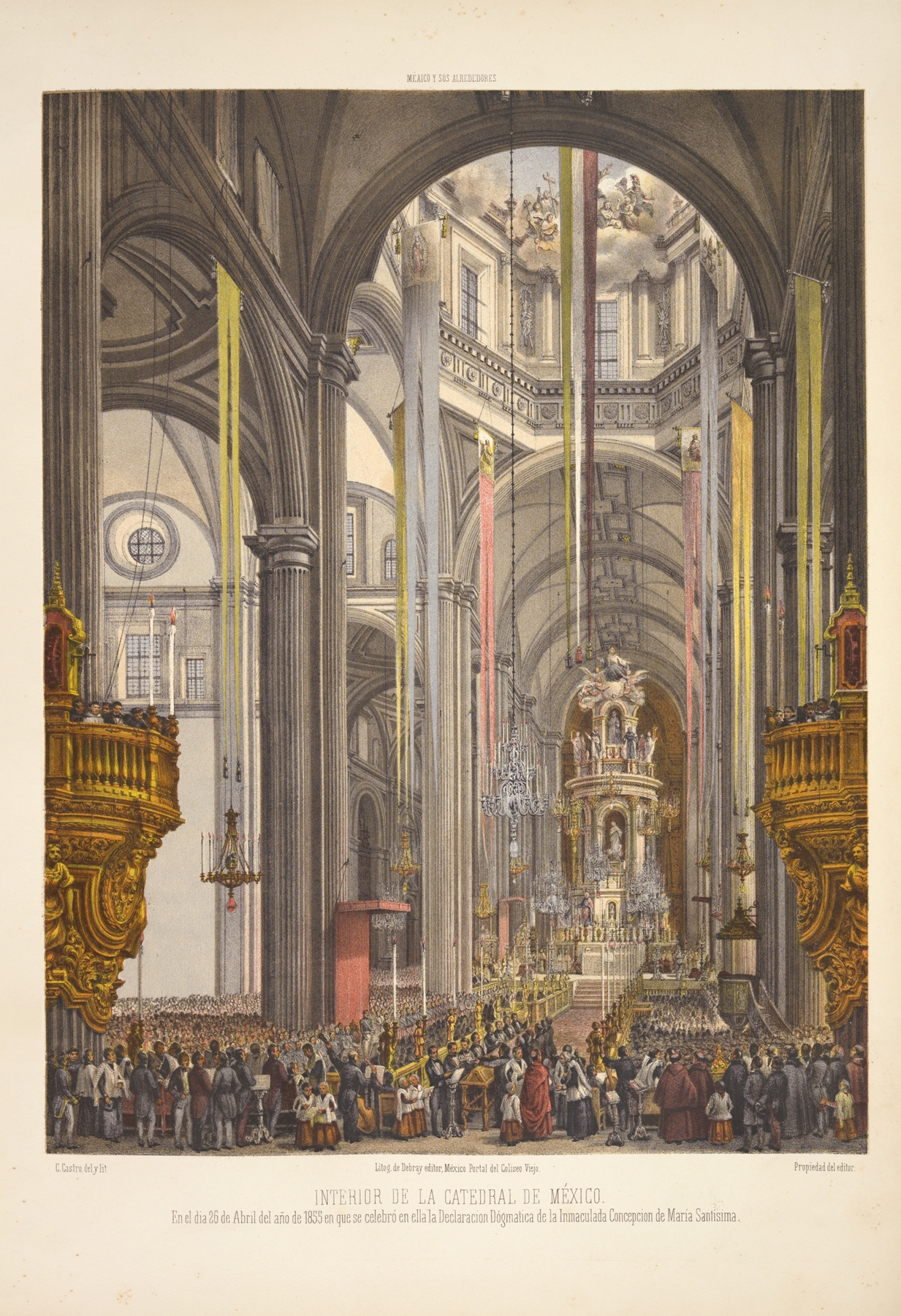
Interior de la Catedral de México. En el dia 26 de Abril del año de 1855 en que se celebró en ella la Declaracion Dógmatica de la Inmaculada Concepcion de María Santisima.
C. Castro
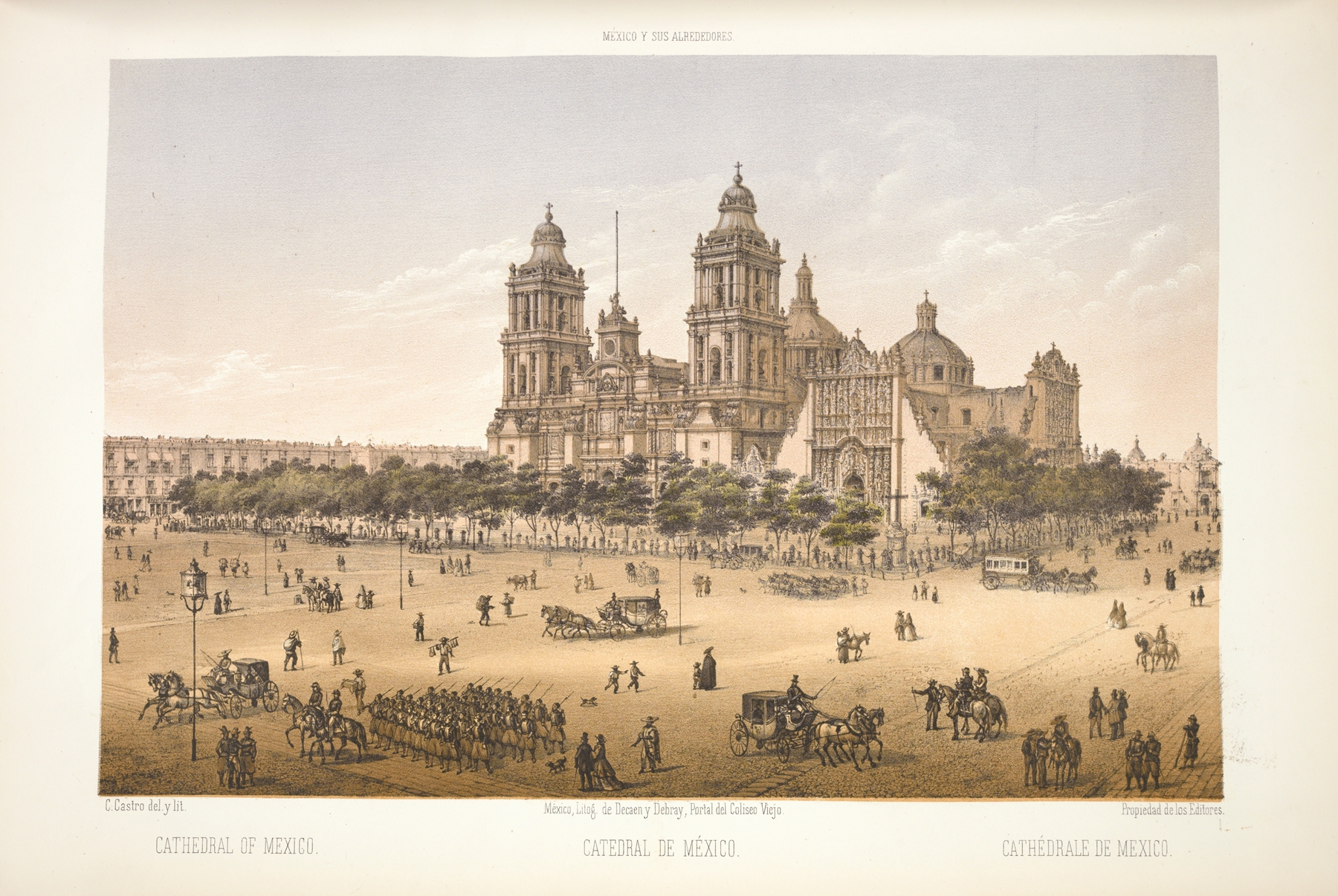
Cathedral of Mexico.
C. Castro
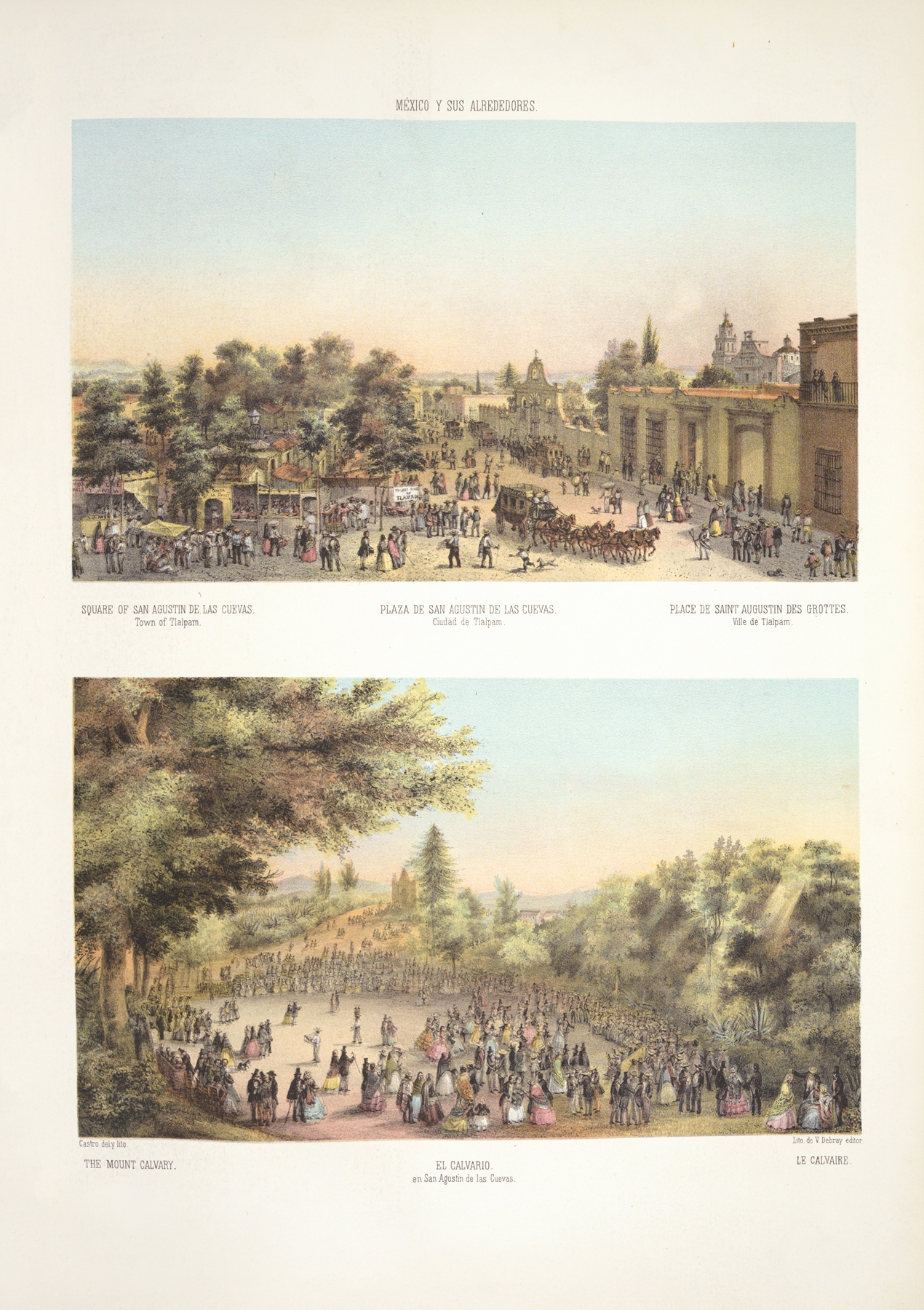
Square of San Agustin de las Cuevas, town of Tlalpam ; The Mount Calvary.
C. Castro