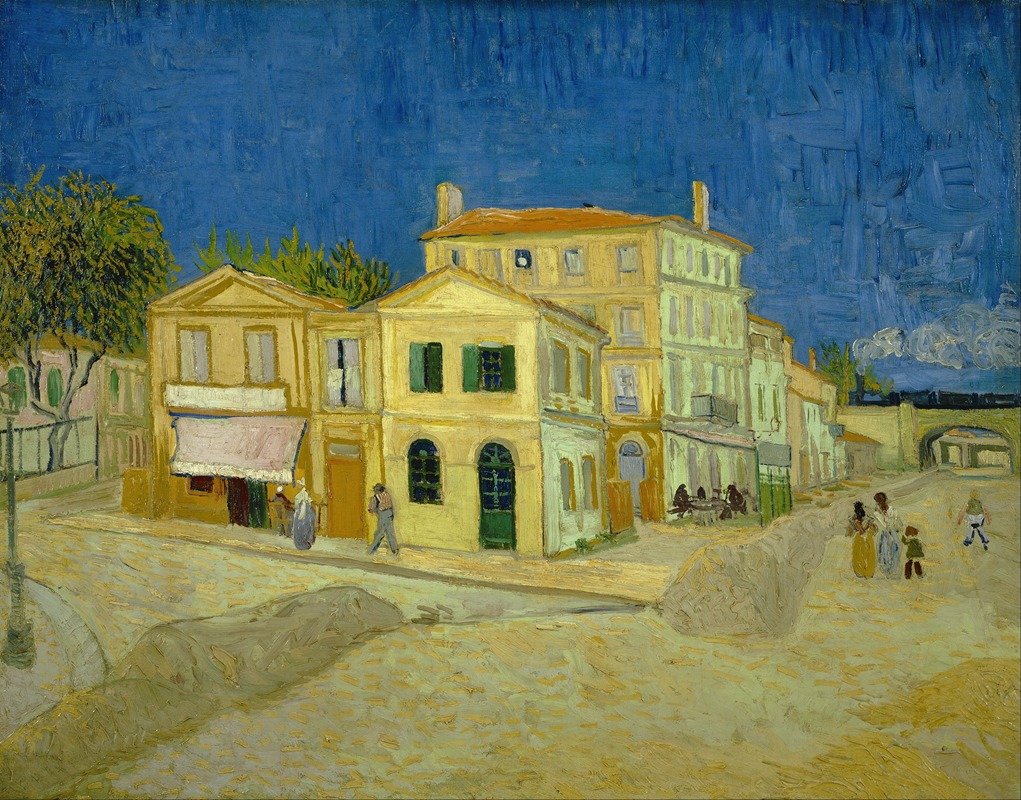
发现这件艺术品的见解
Entrance to the Grand Canal from the Molo,Venice — 历史与趣闻
当艺术诉说沉默时,谁在倾听?在《从莫洛进入大运河》中,卡纳莱托捕捉到了笼罩在这个以繁忙水道为特征的城市上的神圣宁静。左侧那宏伟华丽的建筑高耸于场景之上,其精致的细节在正午柔和的光辉中熠熠生辉。焦点引导你注意到温柔拍打水面的闪烁倒影,船只懒洋洋地停靠着,暗示着它们自己的故事。注意温暖的赭石色和丰富的土色与天空的冷蓝色之间的对比,创造出一种宁静而又充满活力的氛围,邀请人们沉思和欣赏。深入探讨画作的细微之处,场景的静谧与威尼斯的生机形成鲜明对比。孤独的人物在周围环境中显得渺小,唤起了在宏伟中孤独的感觉。这种对比深刻地表达了人与城市神圣建筑之间的关系,暗示着尘世与天界之间的永恒对话,在这里,宁静的时刻可以反映出超越的美。卡纳莱托在1742年至1744年间在威尼斯创作了这幅杰作,那时这座城市既是繁荣的文化中心,又在旅游和商业的推动下经历着变革。当艺术家捕捉到大运河的本质时,他正处于职业生涯的巅峰,因其能够传达威尼斯生活的生机与静谧而备受喜爱,这证明了他在艺术发展高峰时期对光线和透视的熟练掌控。
更多作品 Canaletto
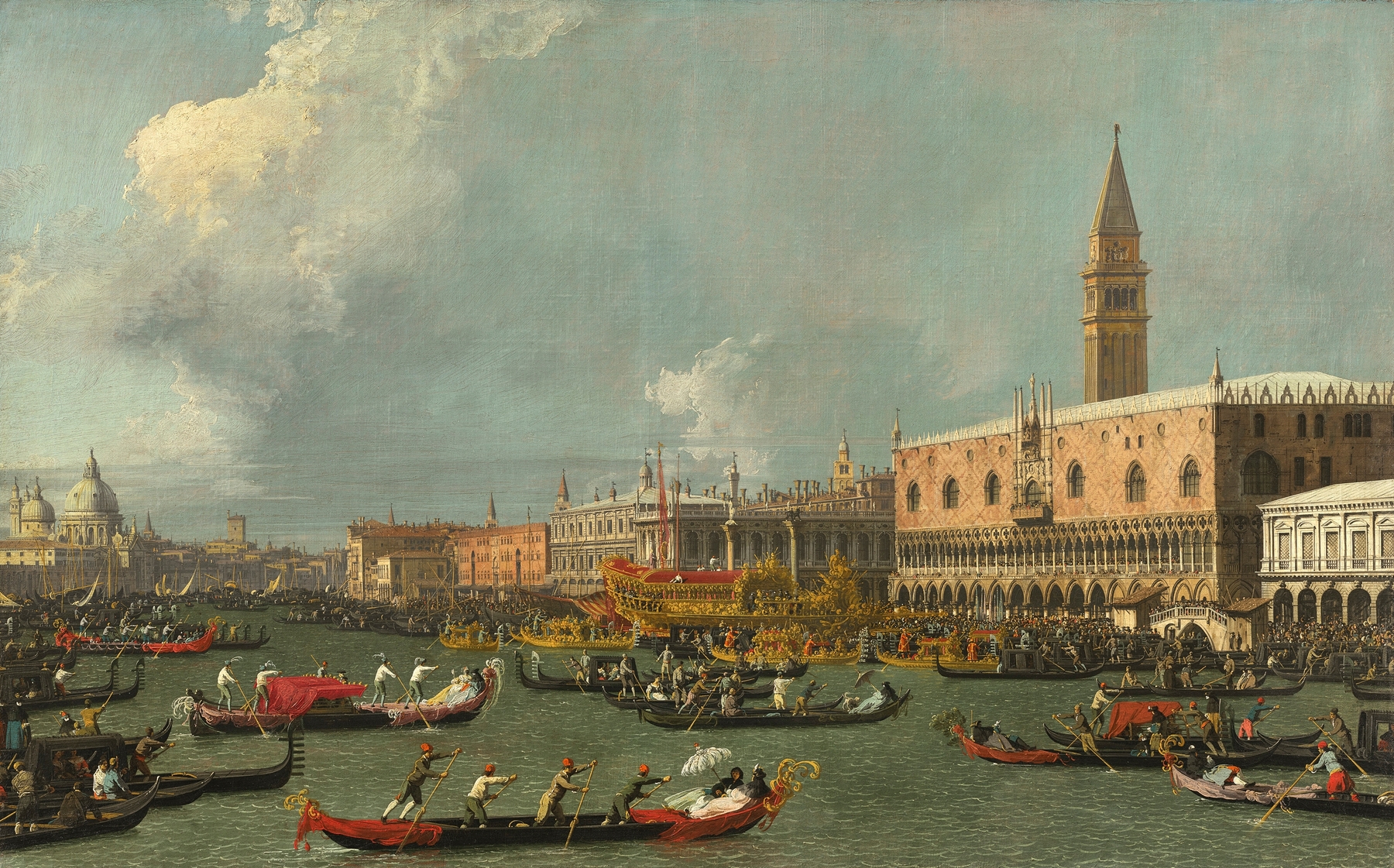
Venice, the Return of the Bucintoro on Ascension Day
Canaletto
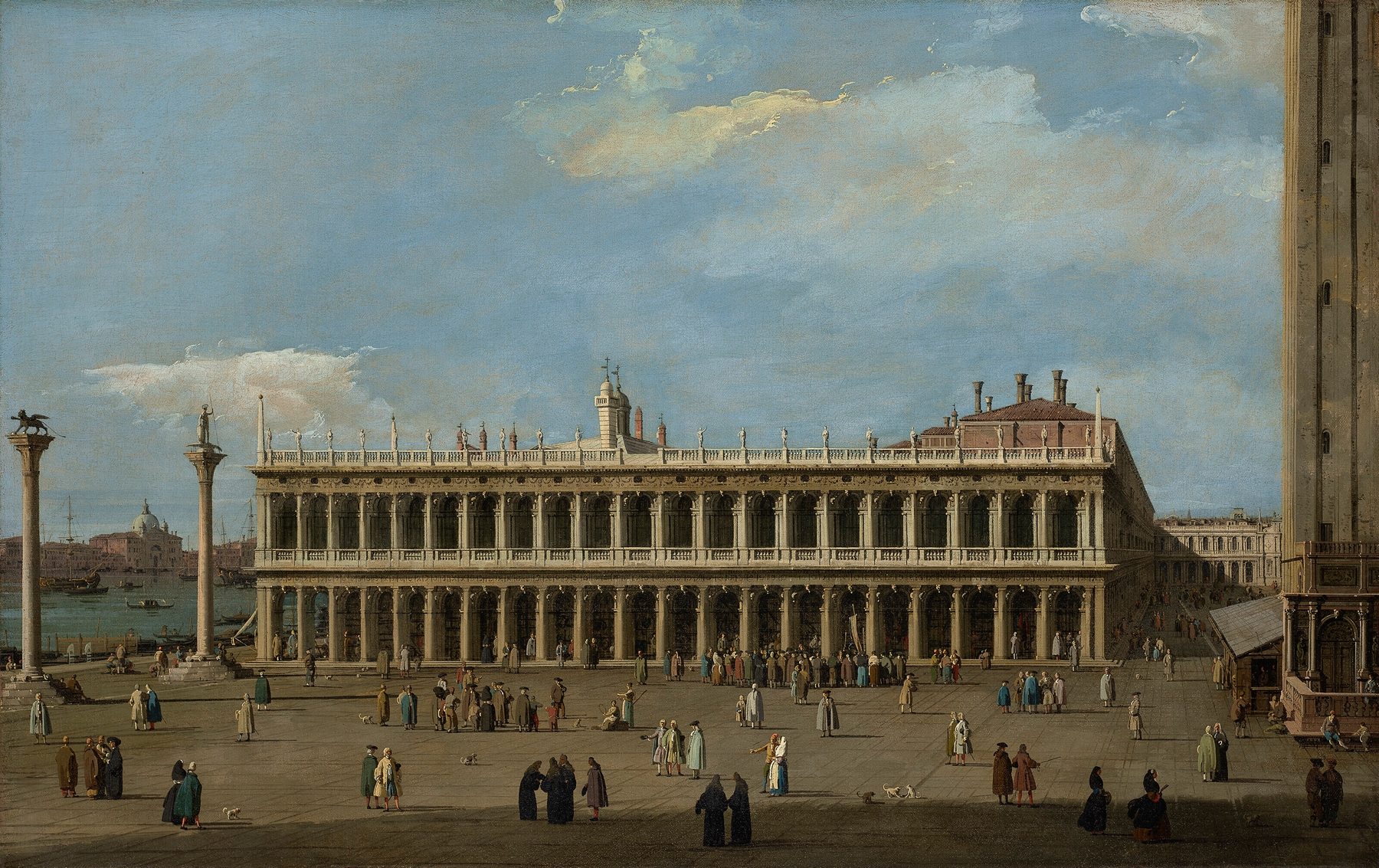
Venice, the Piazzetta, looking west, with the Libreria
Canaletto
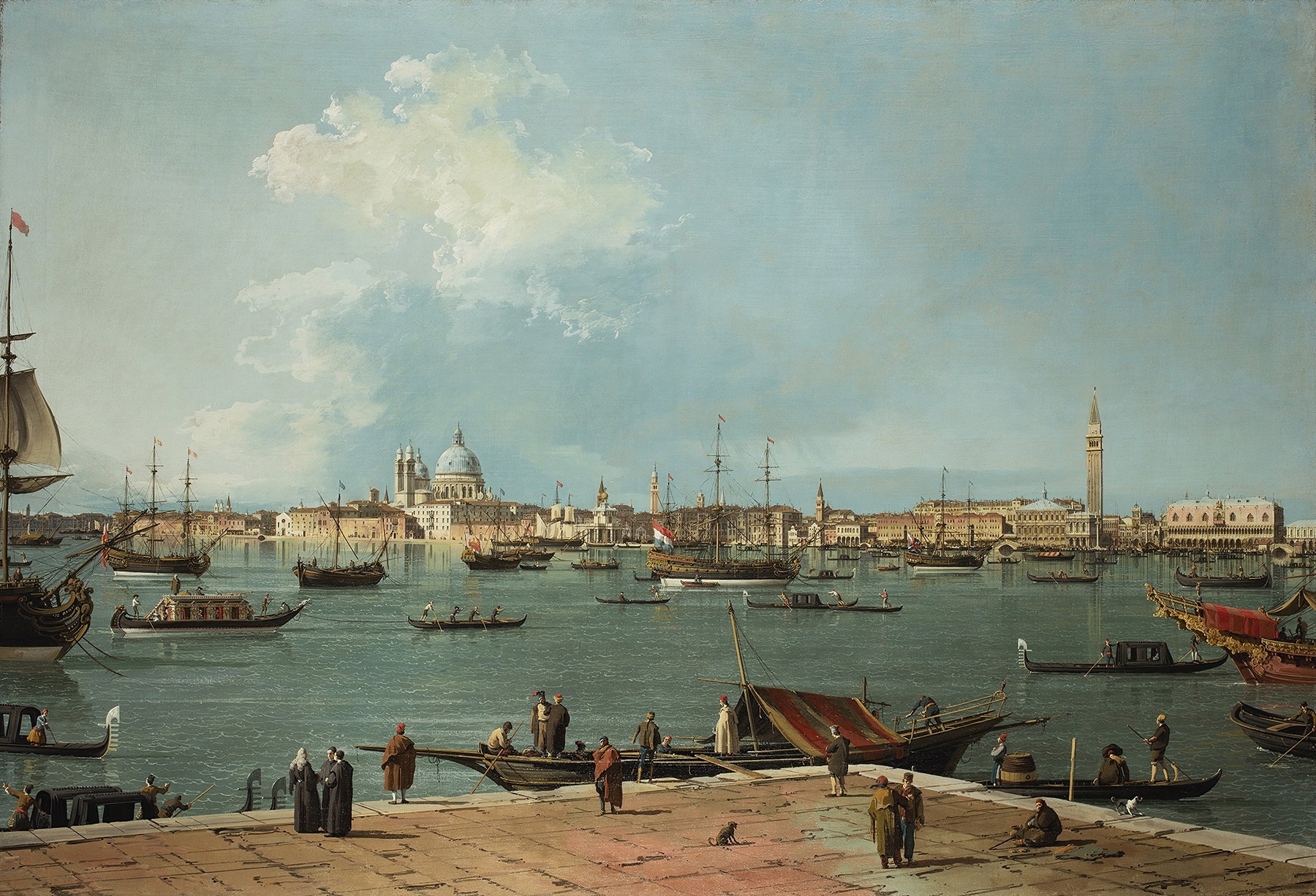
Venice, the Bacino di San Marco from San Giorgio Maggiore
Canaletto
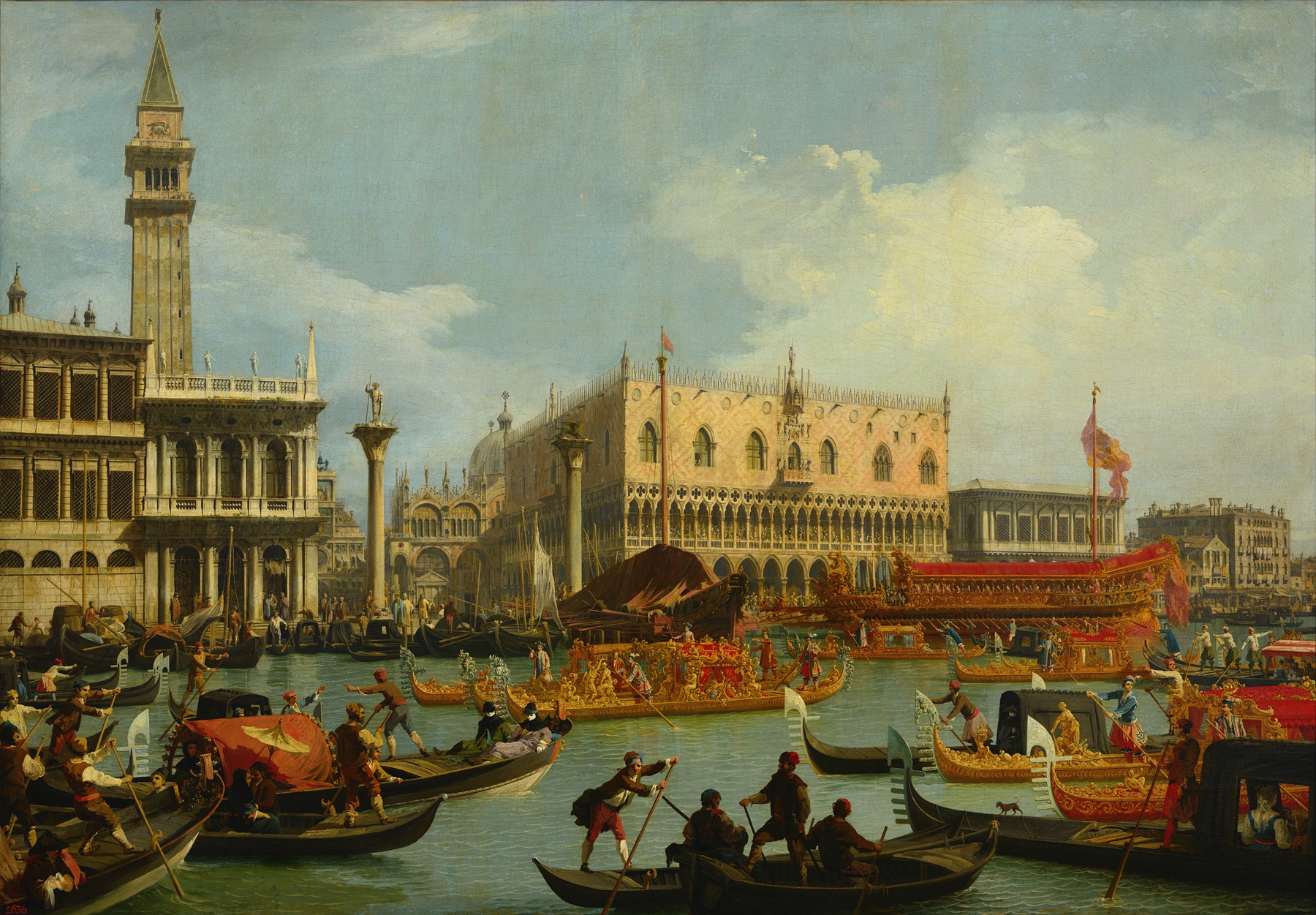
The Bucintore Returning to the Molo on Ascension Day
Canaletto
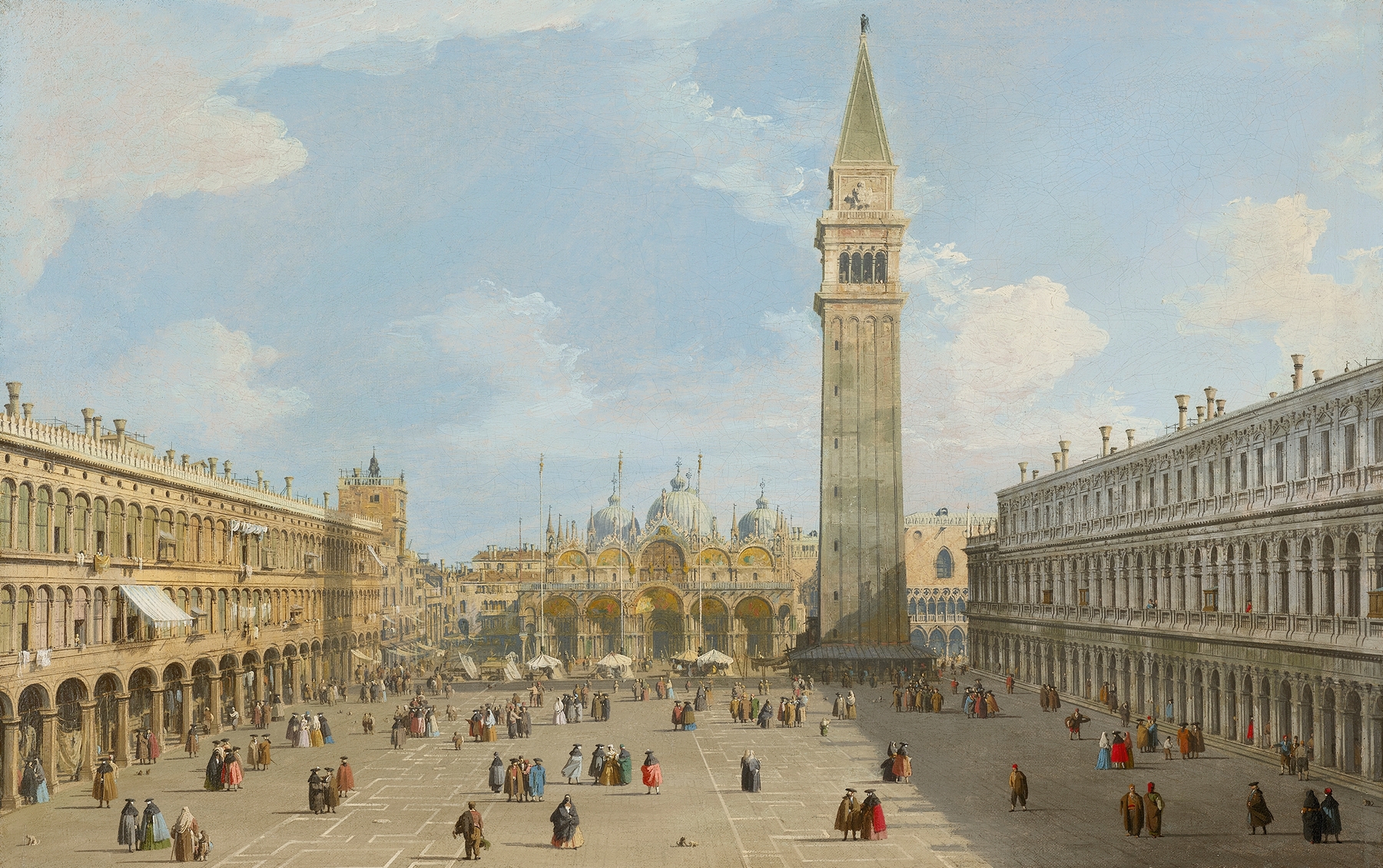
The Piazza San Marco, Venice, looking east towards the basilica
Canaletto
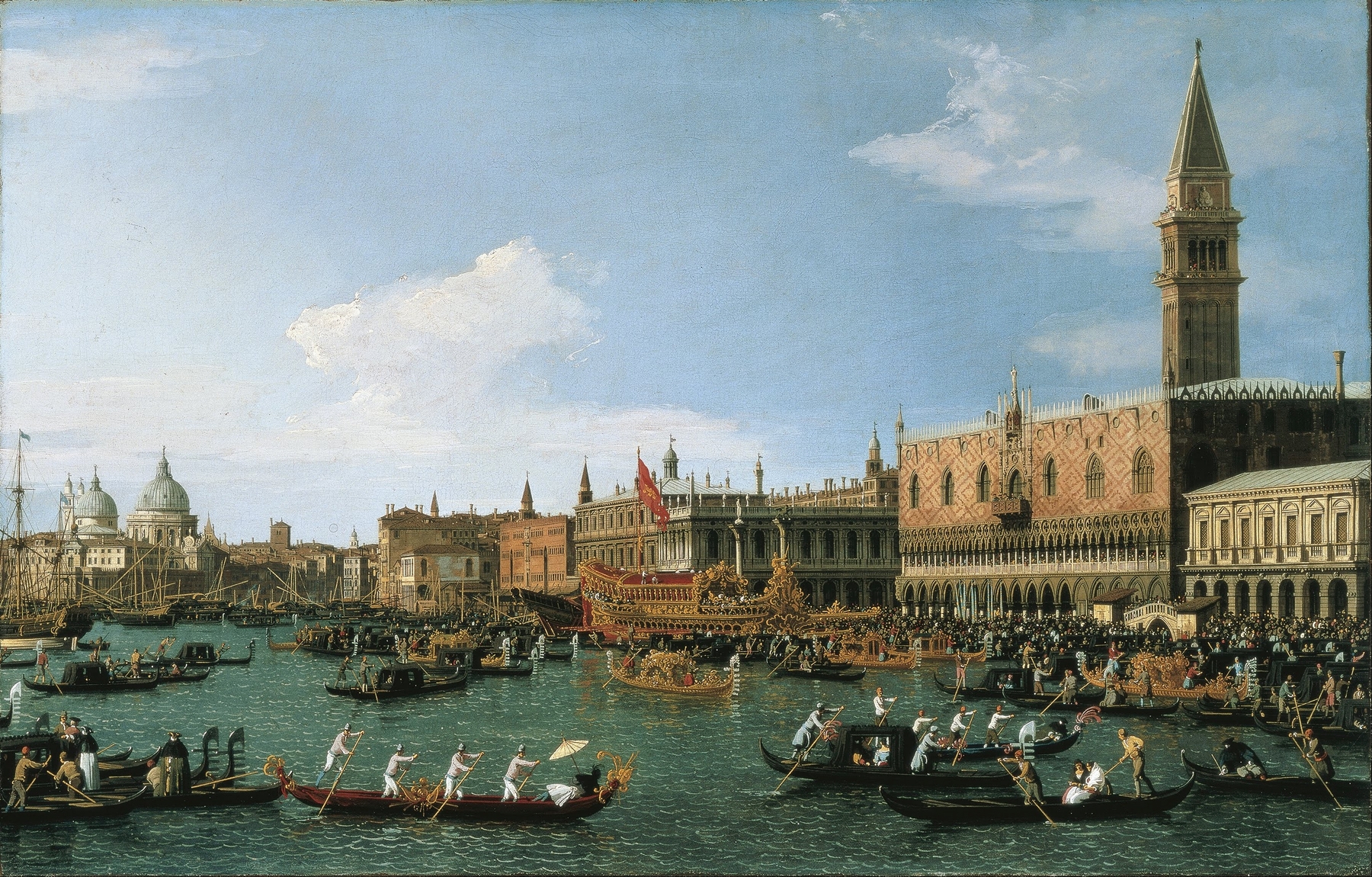
Return of ‘Il Bucintoro’ on Ascension Day
Canaletto
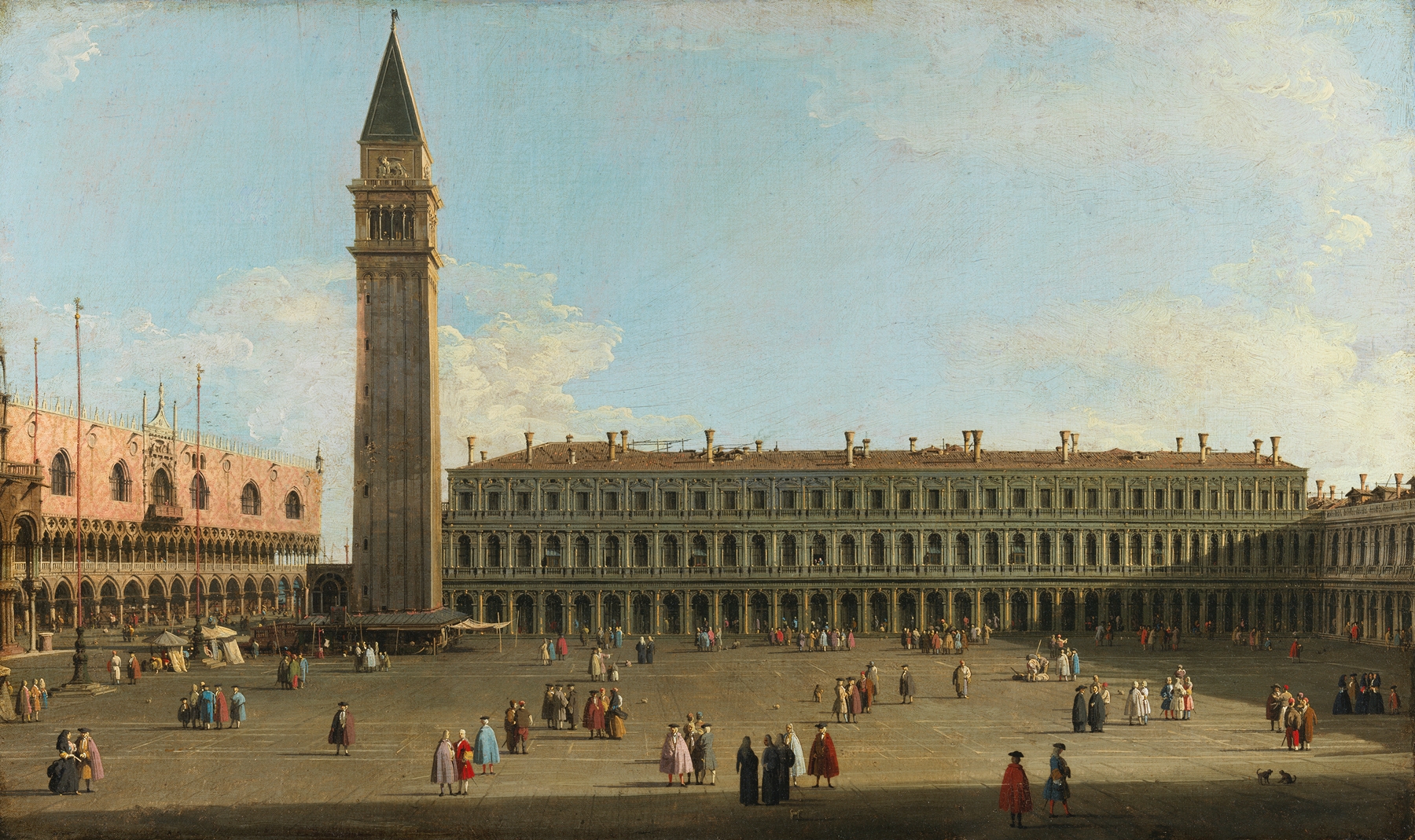
Saint Mark’s Square, Venice
Canaletto
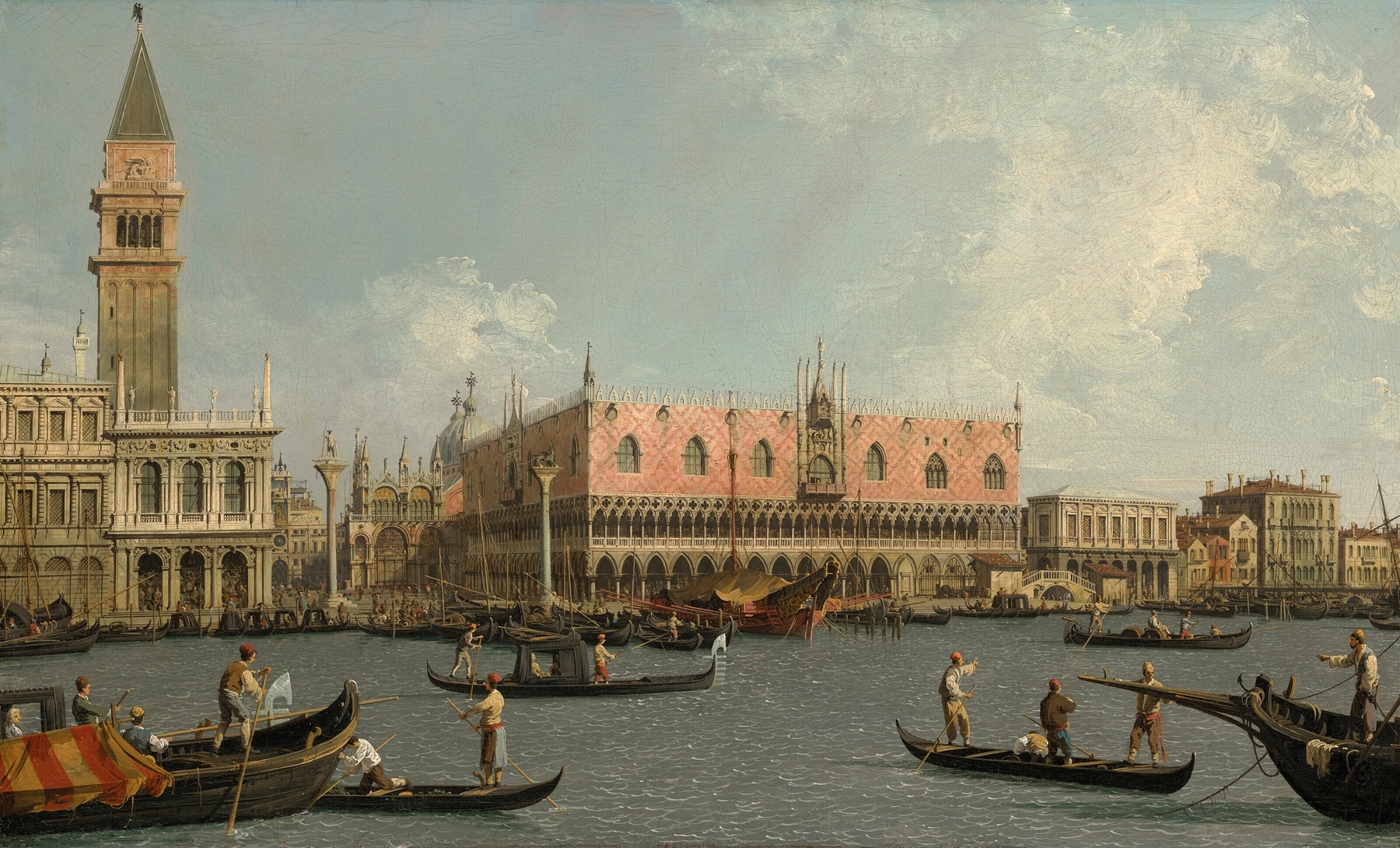
The Molo, with the Piazzetta and the Doge’s Palace, from the Bacino
Canaletto
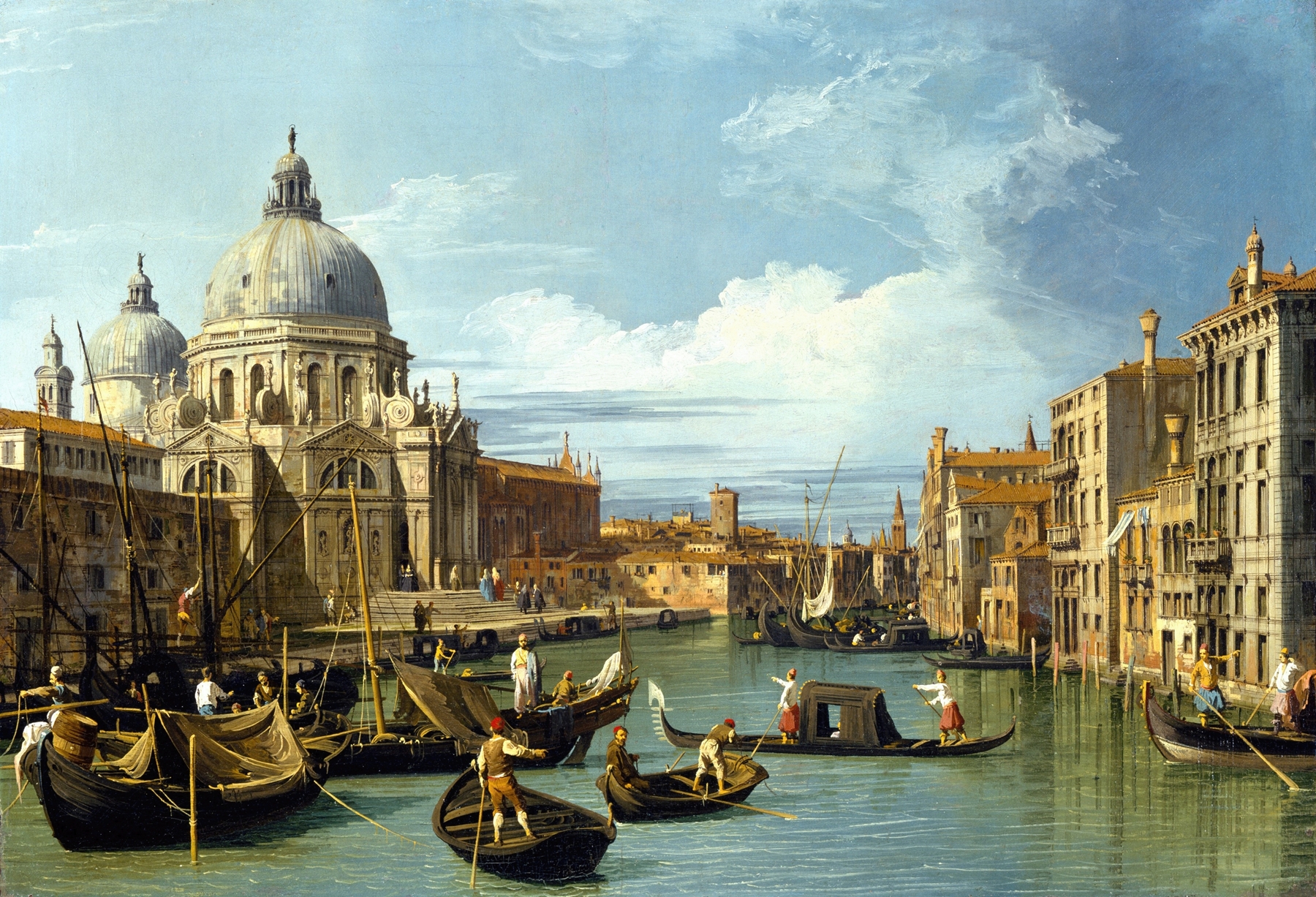
The Entrance to the Grand Canal, Venice
Canaletto
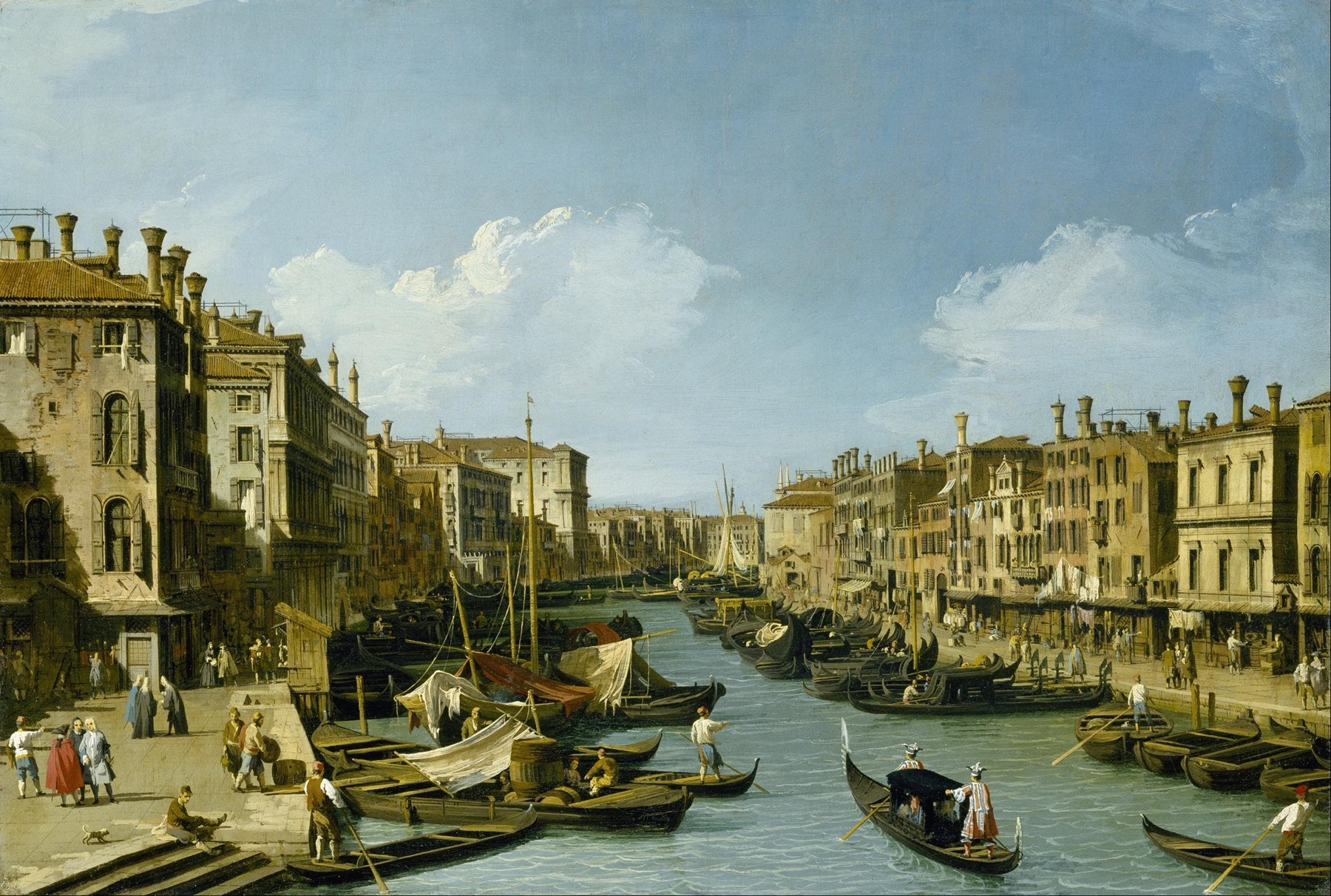
The Grand Canal near the Rialto Bridge, Venice
Canaletto