发现这件艺术品的见解
Fontana di Trevi, gezien vanuit het Westen — 历史与趣闻
画作能否表达出言语无法传达的情感?《特雷维喷泉,从西方看》中的光与影的交织传达了许多,揭示了常常未被言说的情感层次。 请看前景,奔腾的水流捕捉着闪烁的光芒,创造出在水面上舞动的倒影挂毯。生动的笔触赋予石质建筑温暖,而池水的冷色调则形成鲜明对比,邀请观众沉浸于这一场景之中。艺术家的视角选择引导视线向上,通向那些似乎与天空对话的宏伟雕像,完美地连接了尘世与神圣。 在这幅杰作中,历史与短暂之间展开了一场对话。奔流不息的水,虽然在画中永恒流动,却又在其绘制的形式中保持静止,暗示着时间的流逝和我们稍纵即逝的瞬间。每个形象的精致细节唤起了一种敬畏感,而整体构图则指向人类与自然的相互联系,邀请人们思考我们自己的反思和渴望。 维克多-让·尼科尔在1787年至1811年间创作了这一场景,正值新古典主义运动在欧洲蓬勃发展的时期。在此期间,他生活在罗马,受到城市建筑宏伟和街道中丰富历史的影响。这件作品既是他技艺的证明,也是一个热爱过去却渴望未来的时代的反映。
更多作品 Victor-Jean Nicolle
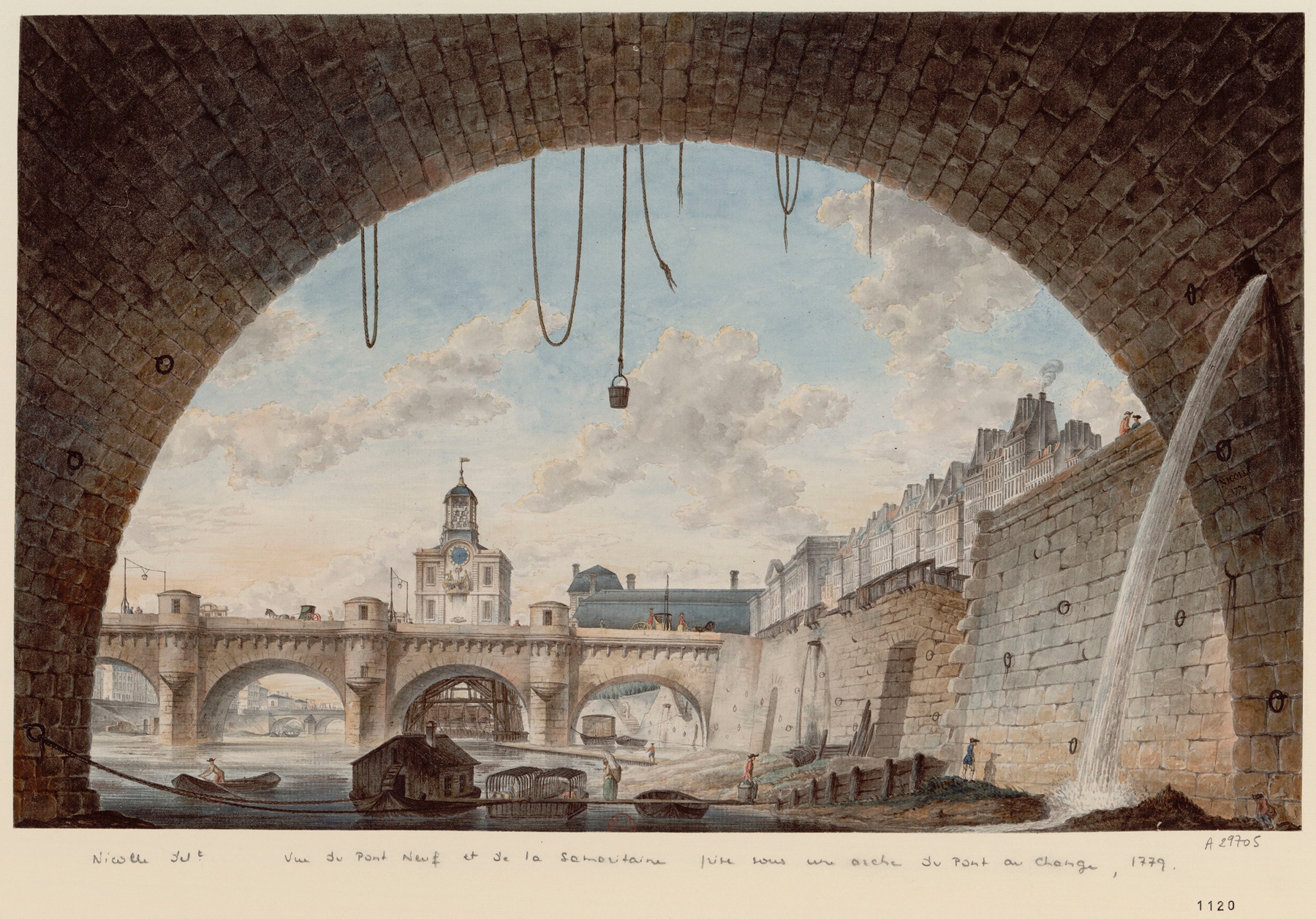
Vue du Pont Neuf et de la Samaritaine prise sous une arche du Pont au Change
Victor-Jean Nicolle
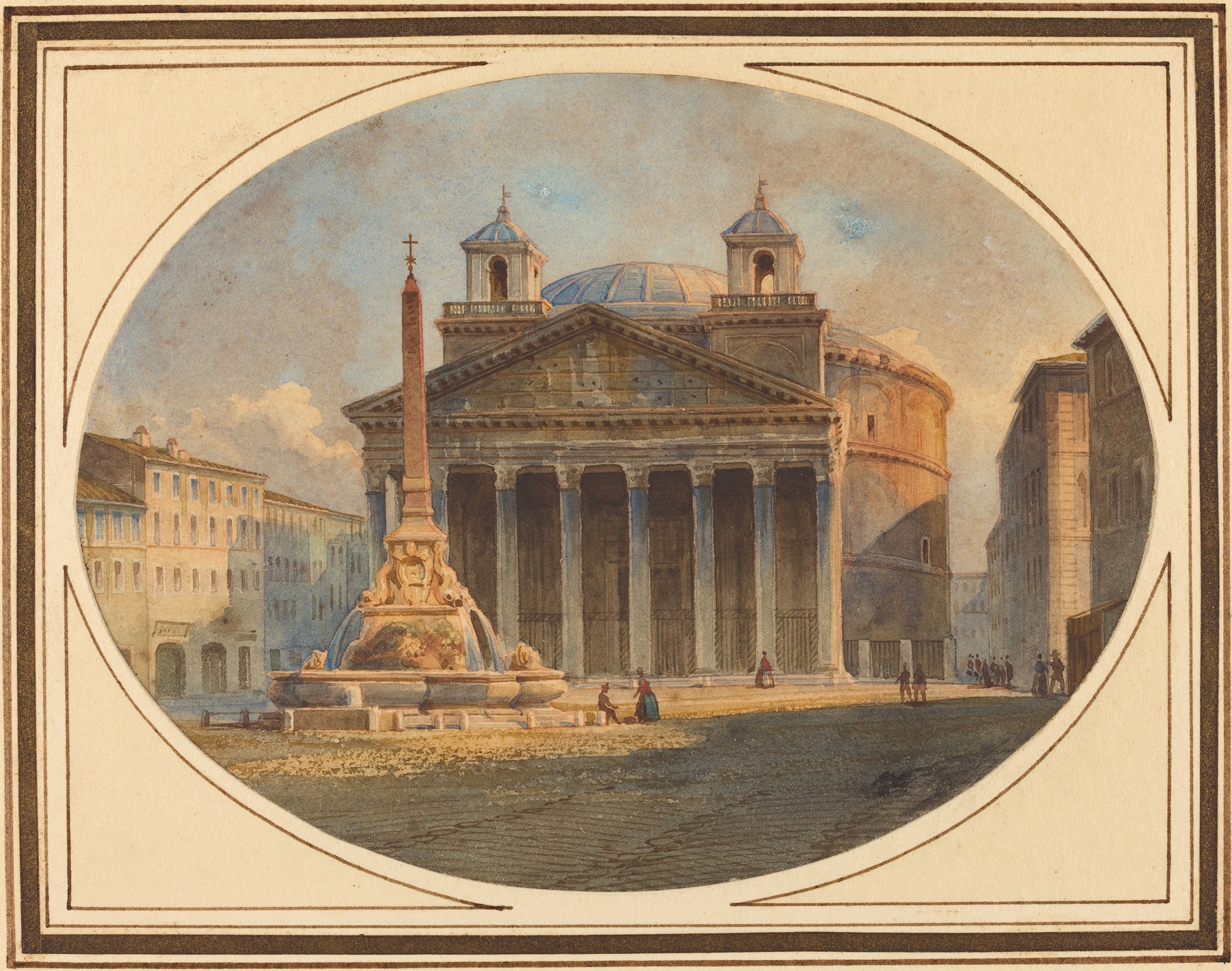
The Pantheon
Victor-Jean Nicolle
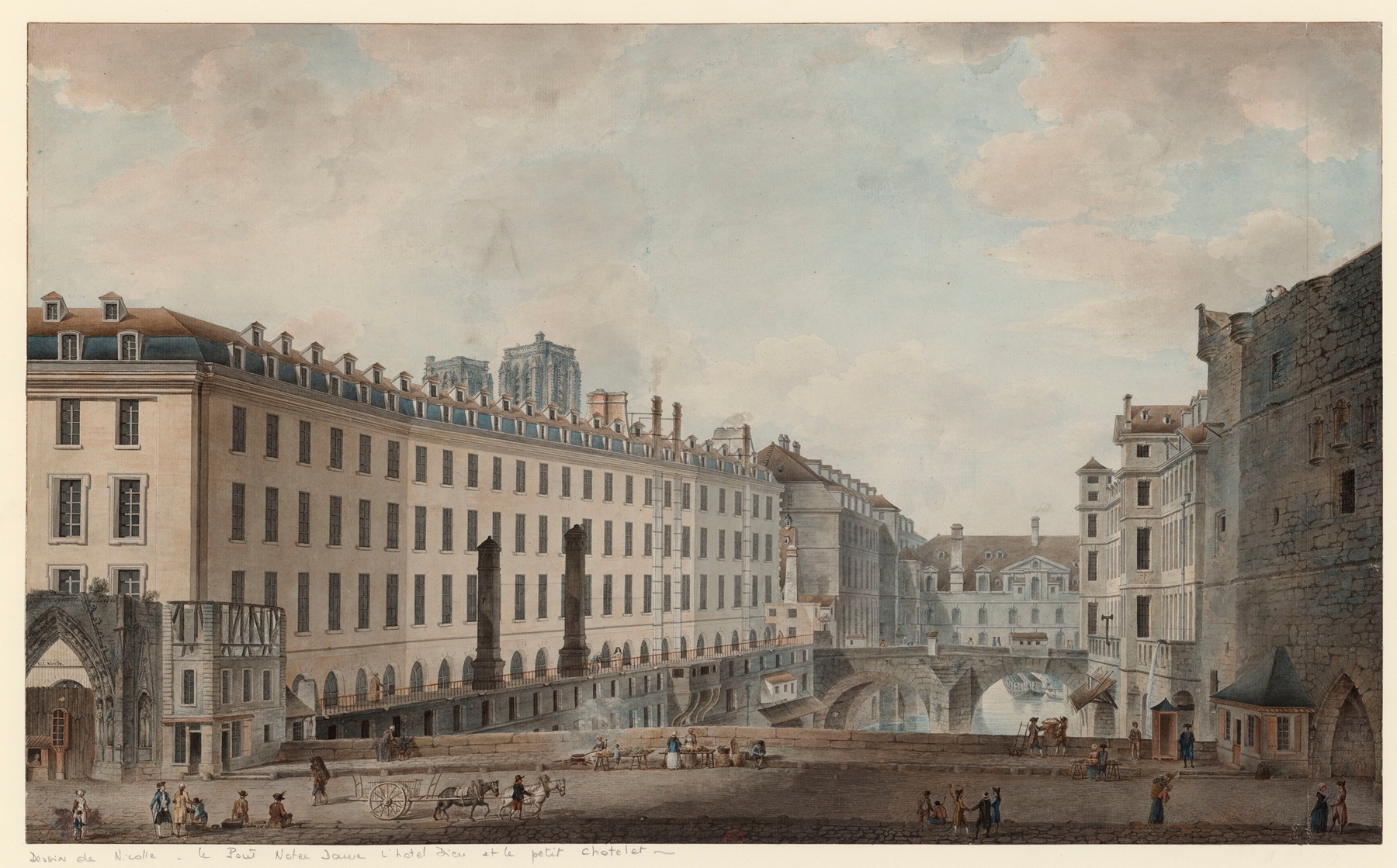
Le Pont au Double, l’Hôtel-Dieu et le Petit Châtelet
Victor-Jean Nicolle
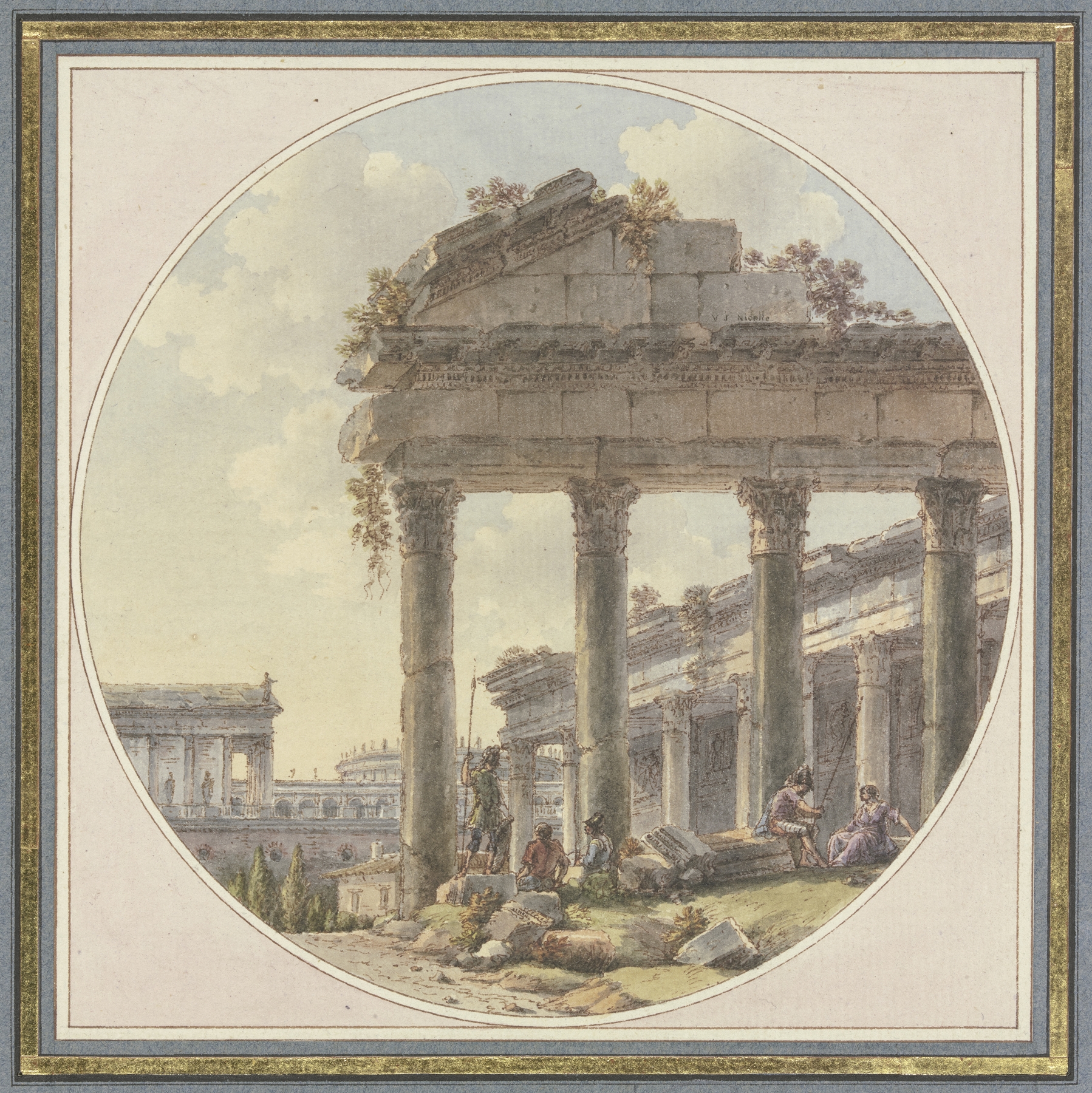
Architektonisches Capriccio; Tempelruine und Figurenstaffage
Victor-Jean Nicolle
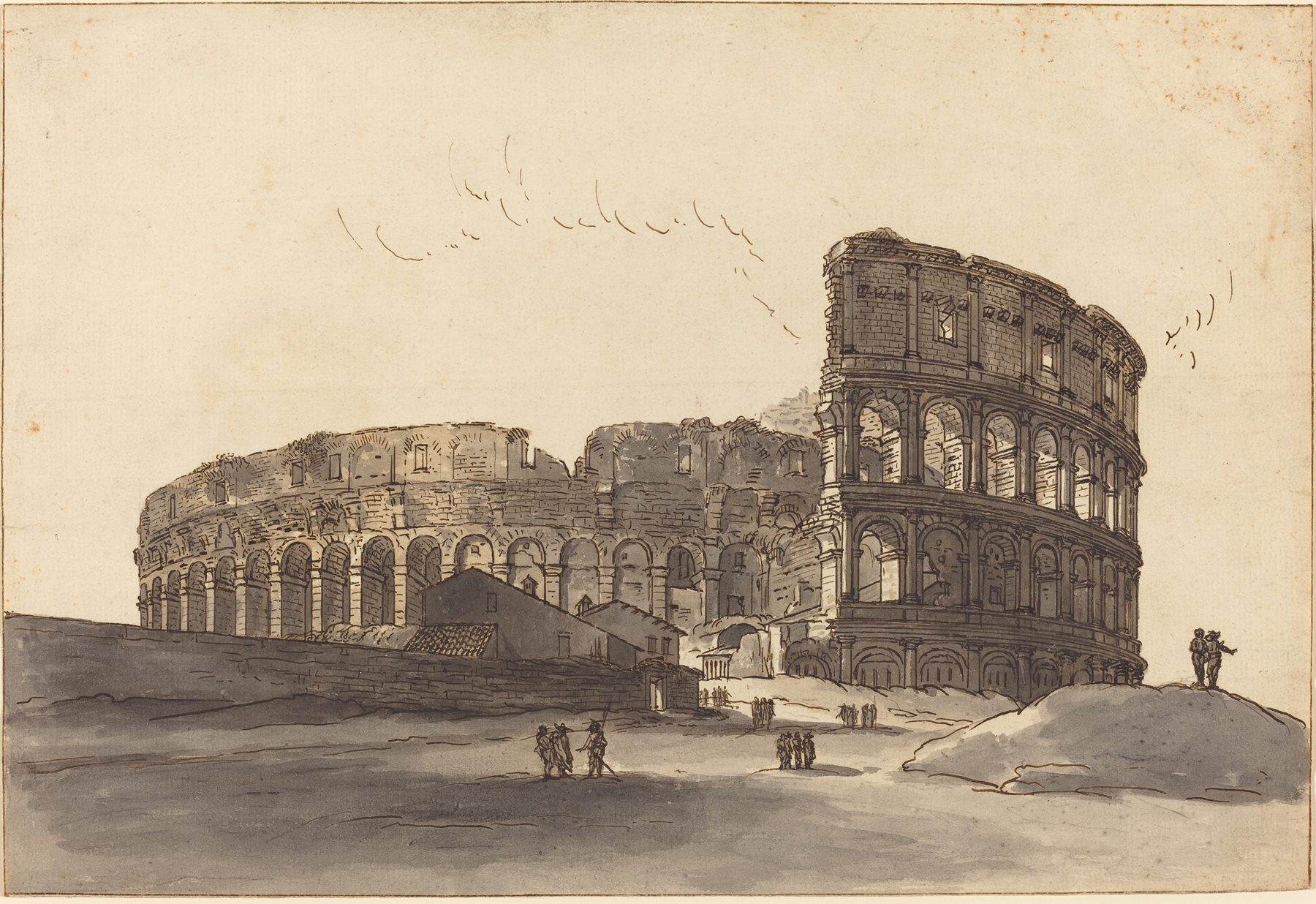
The Colosseum
Victor-Jean Nicolle
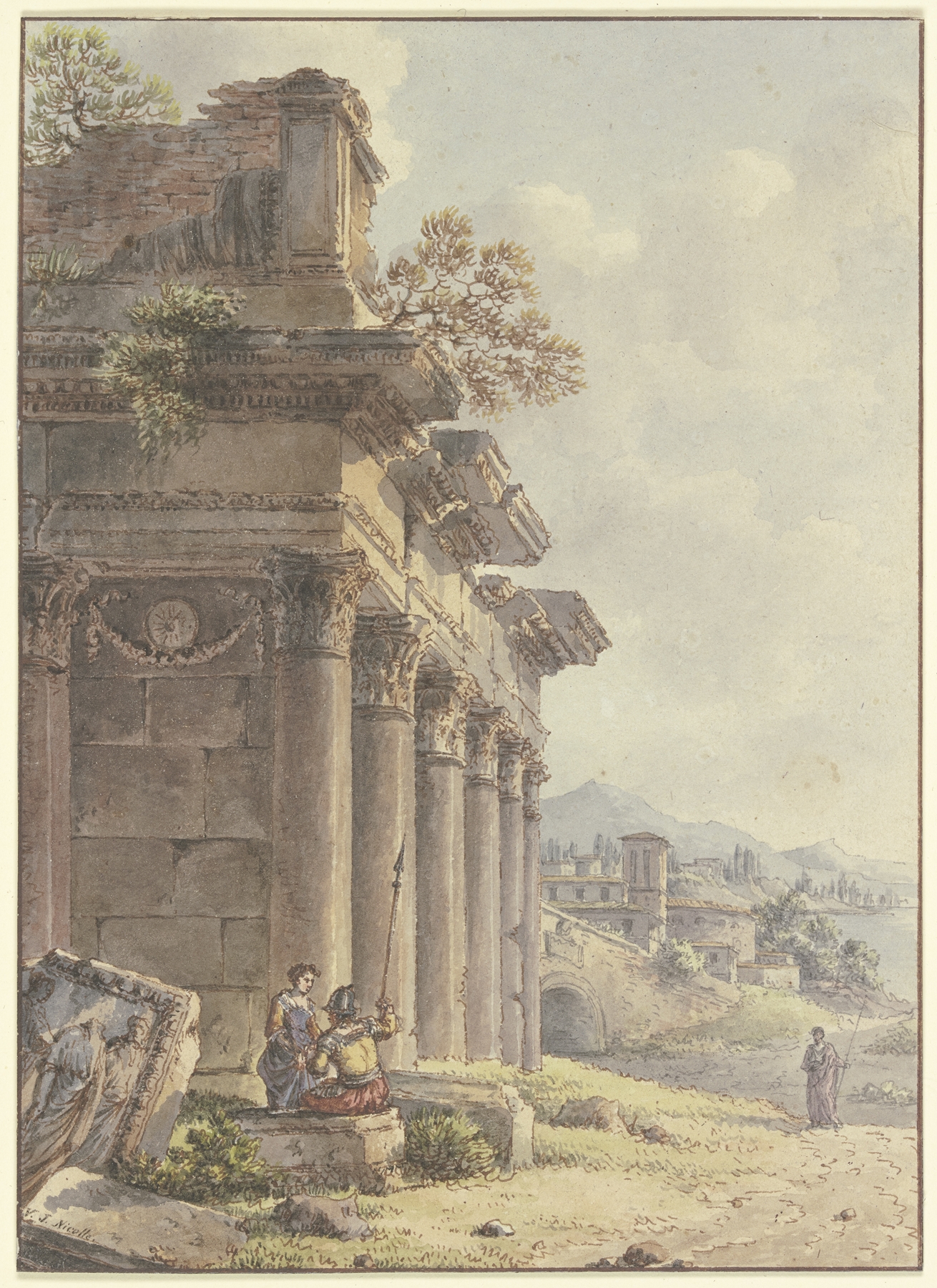
Architektonisches Capriccio; Ruinen einer Tempelfassade, im Hintergrund Landschaft mit Gebäuden und Seebucht
Victor-Jean Nicolle
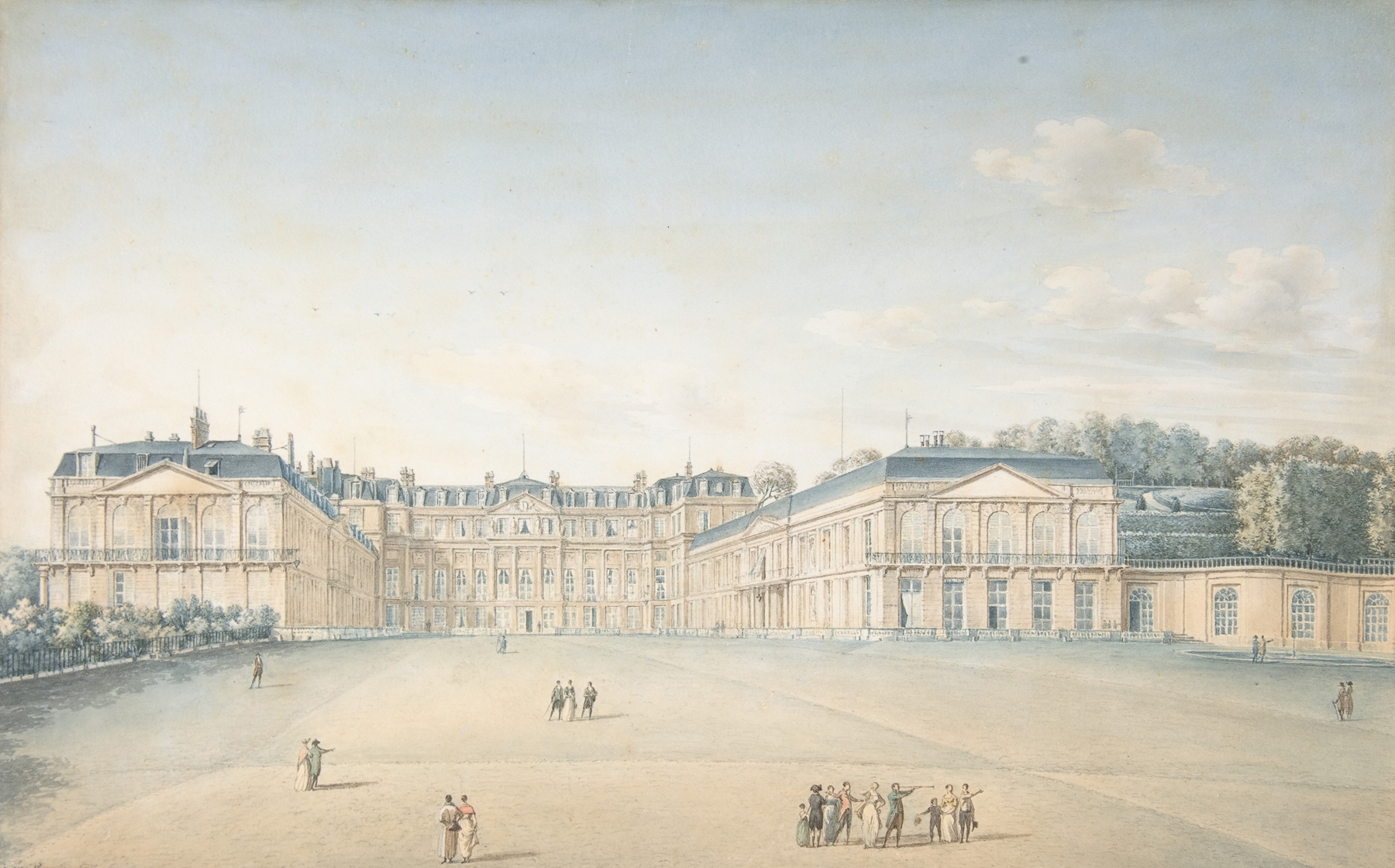
Courtyard of the Chateau de Saint-Cloud
Victor-Jean Nicolle
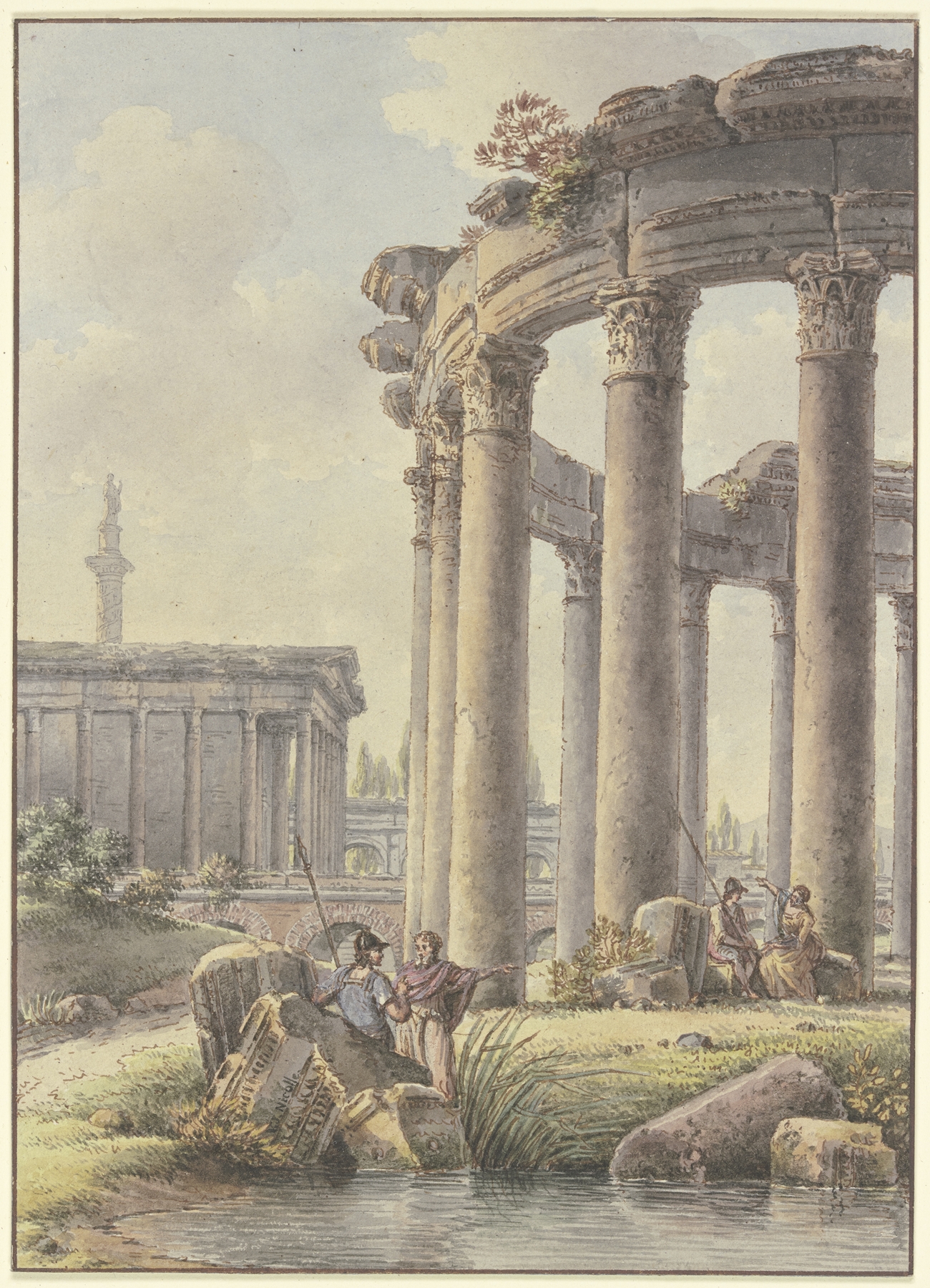
Architektonisches Capriccio; Ruinen eines Rundtempels, im Hintergrund die Trajansäule
Victor-Jean Nicolle
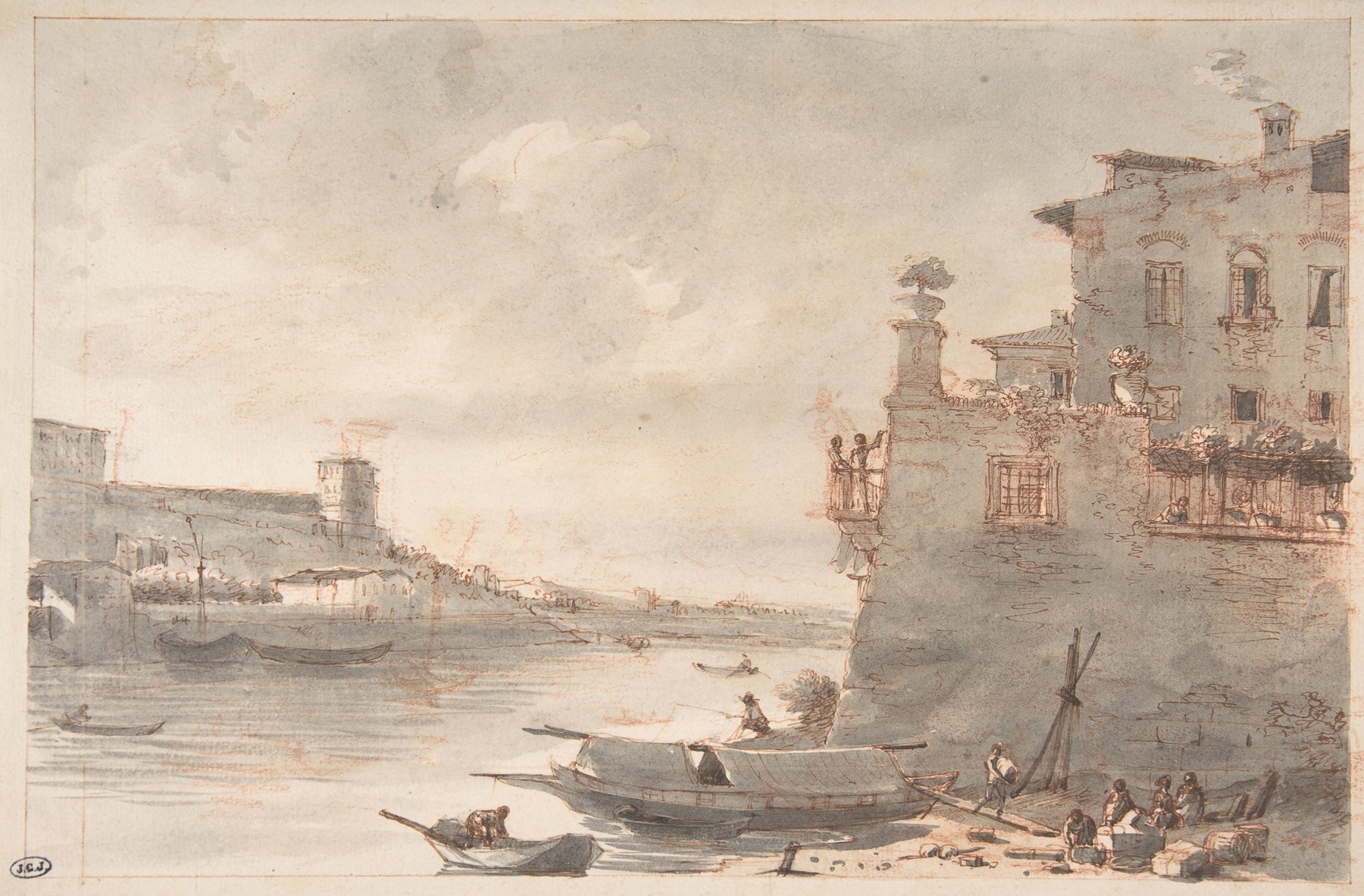
The Tiber at the Outskirts of Rome
Victor-Jean Nicolle
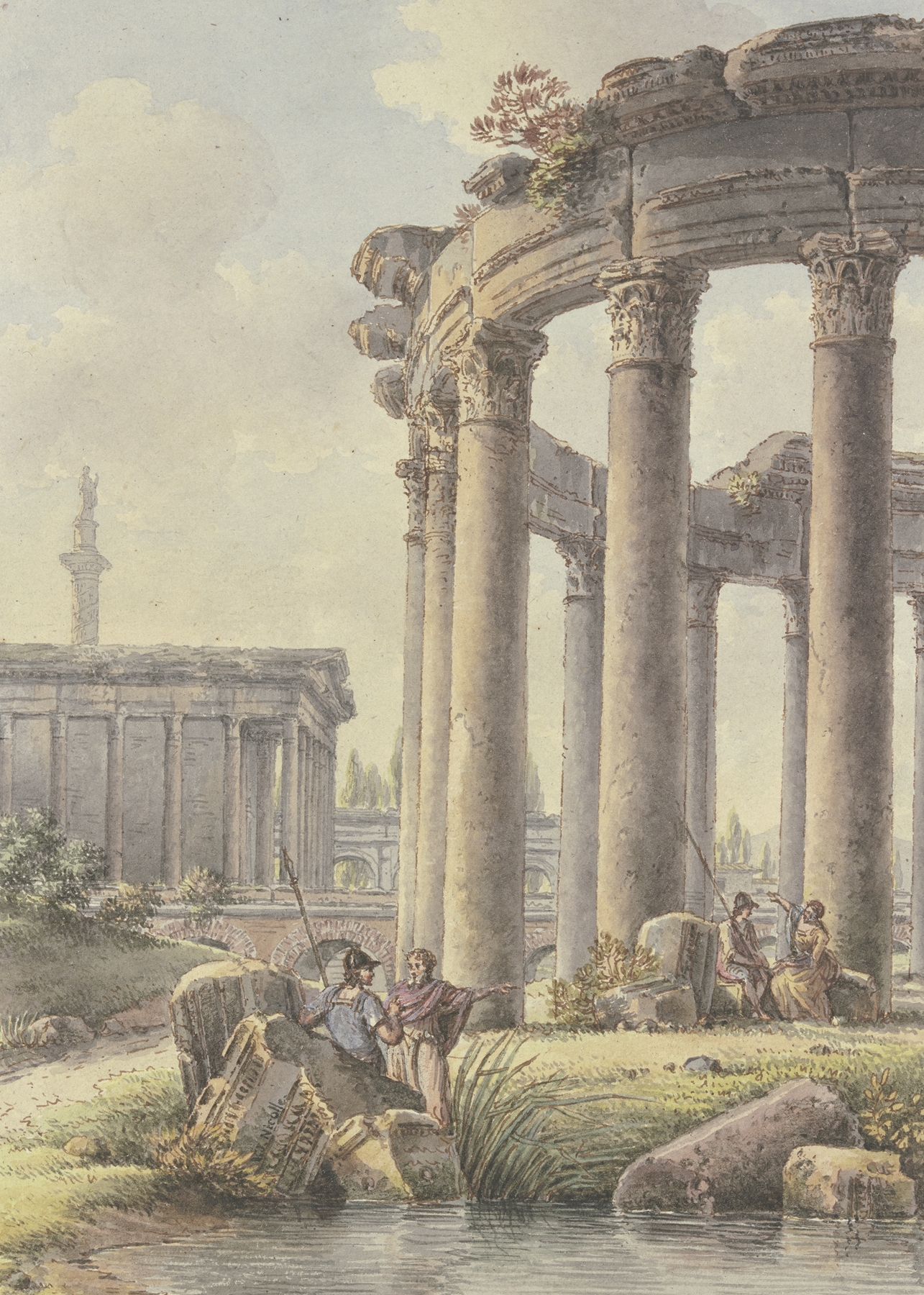
Architektonisches Capriccio, Ruinen eines Rundtempels, im Hintergrund die Trajansäule
Victor-Jean Nicolle