
发现这件艺术品的见解
Frontispiece for L’Illustration Nouvelle – The Burial of the Burin — 历史与趣闻
画布的宁静中隐藏着什么秘密?在墨水与纸张的细腻拥抱中,《新插图的扉页——雕刻刀的埋葬》召唤我们思考创作的神圣性及其短暂的本质。 要真正欣赏这件作品,请仔细观察从背景中浮现的阴郁、阴影中的人物。注意布霍特如何巧妙地运用交叉阴影和点描法来创造深度,引导你的目光向内。位于中心的雕刻刀,作为创作的工具,与看似哀悼其失落的宁静风景形成对比。柔和的土色调唤起了一种怀旧感,增强了这一时刻的庄重感,光线在场景中轻柔地舞动。 雕刻刀的埋葬暗示着一种深刻的转变——对艺术家在创作与衰退不可避免之间斗争的反思。披着黑暗的身影可以被解读为哀悼者和创作者,暗示着艺术与死亡之间那种苦乐参半的关系。每一条线条和阴影都捕捉到一种紧张感:尊重与终结的二元性,邀请观众面对灵感的短暂本质。 1877年,当布霍特沉浸在巴黎充满活力的艺术社区时,他发现自己处于传统与现代技法的交汇点。这个时代以版画家和插画家的实验为特征,布霍特深受艺术发展变化的影响。在文化变迁中,《新插图的扉页》作为他对创作过程的内省的见证,概括了艺术遗产的沉重与其结束时可能伴随的沉默。
更多作品 Félix Hilaire Buhot
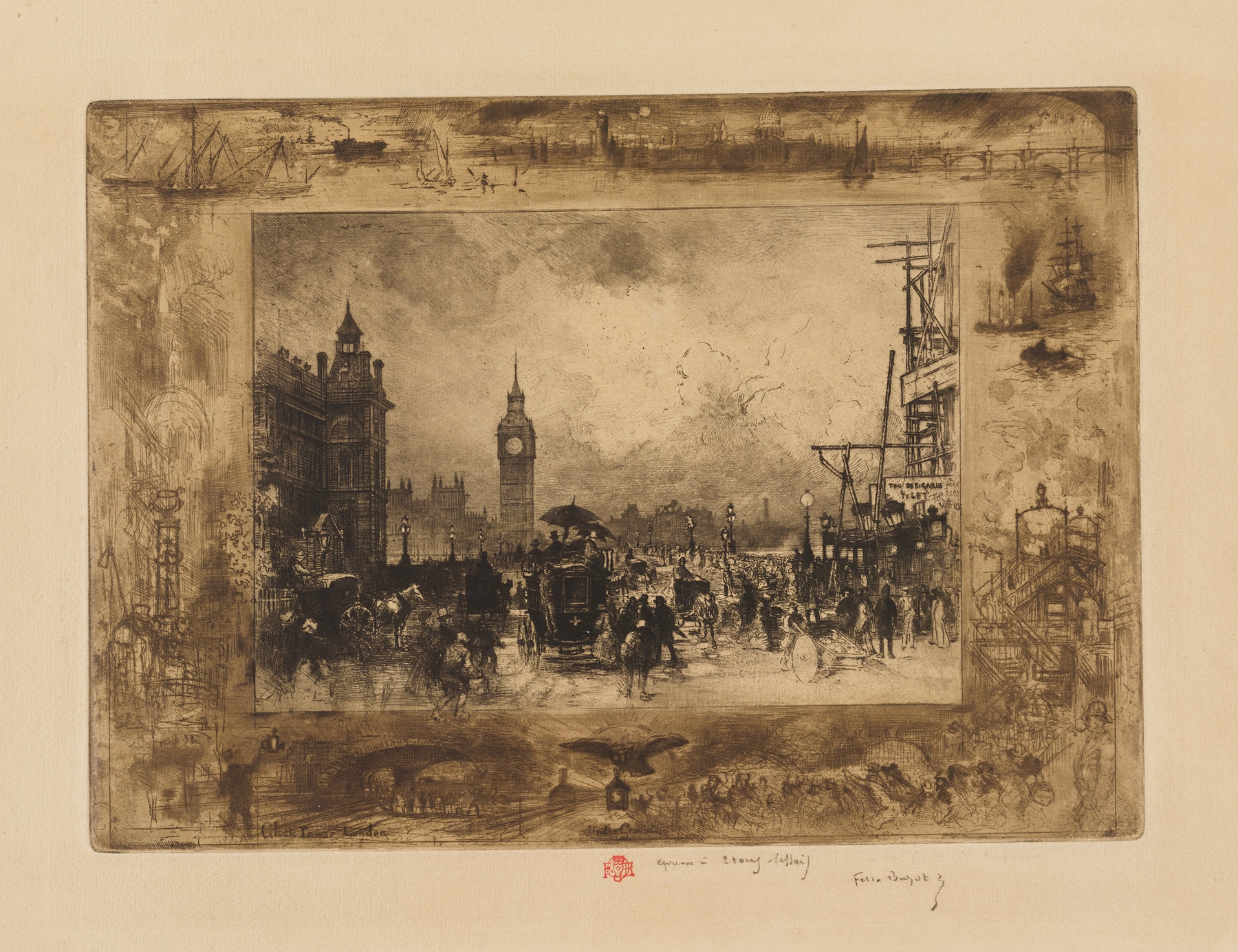
Westminster Bridge, or Westminster Clock Tower
Félix Hilaire Buhot
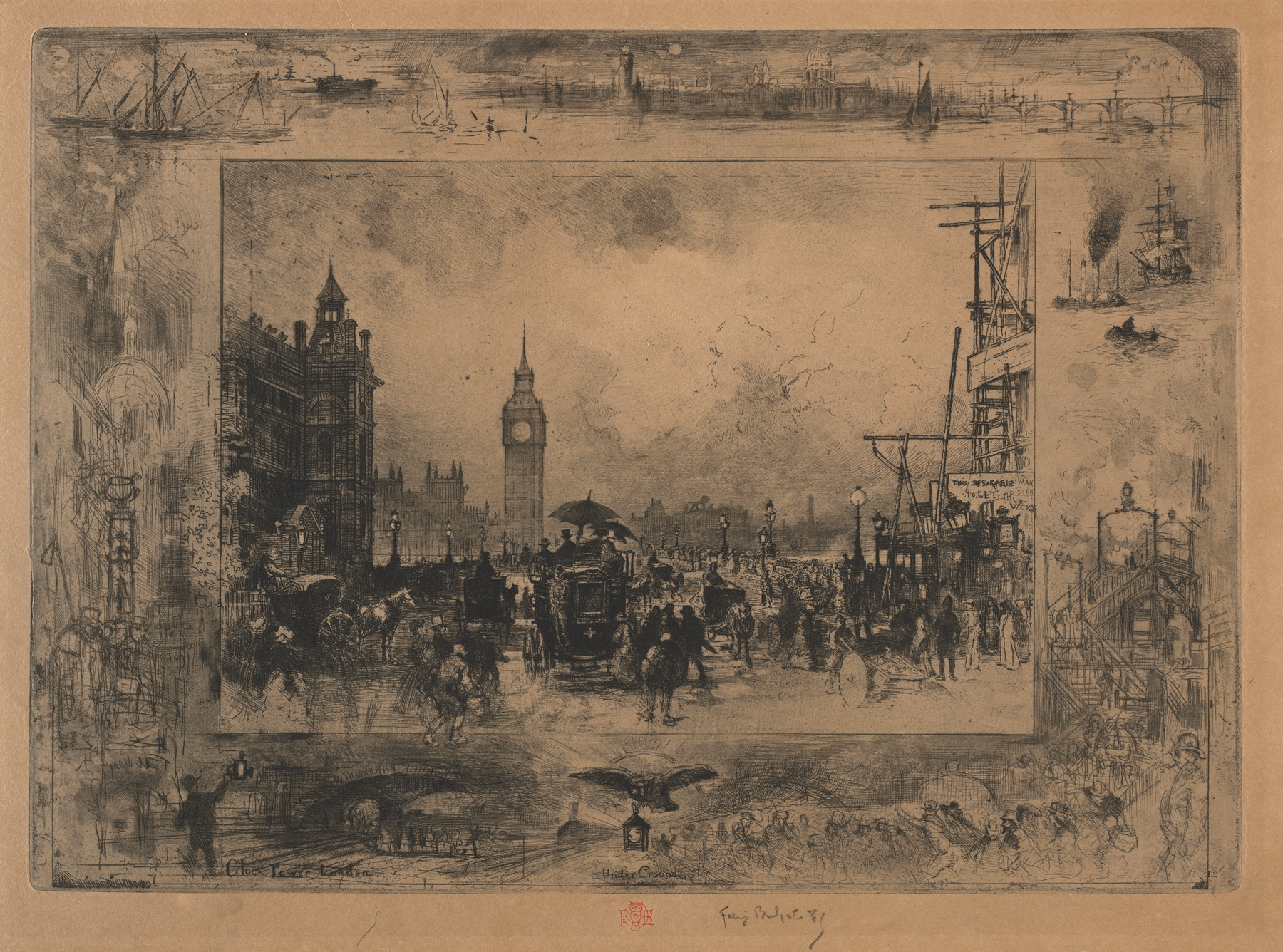
Westminster Bridge, or Westminster Tower
Félix Hilaire Buhot
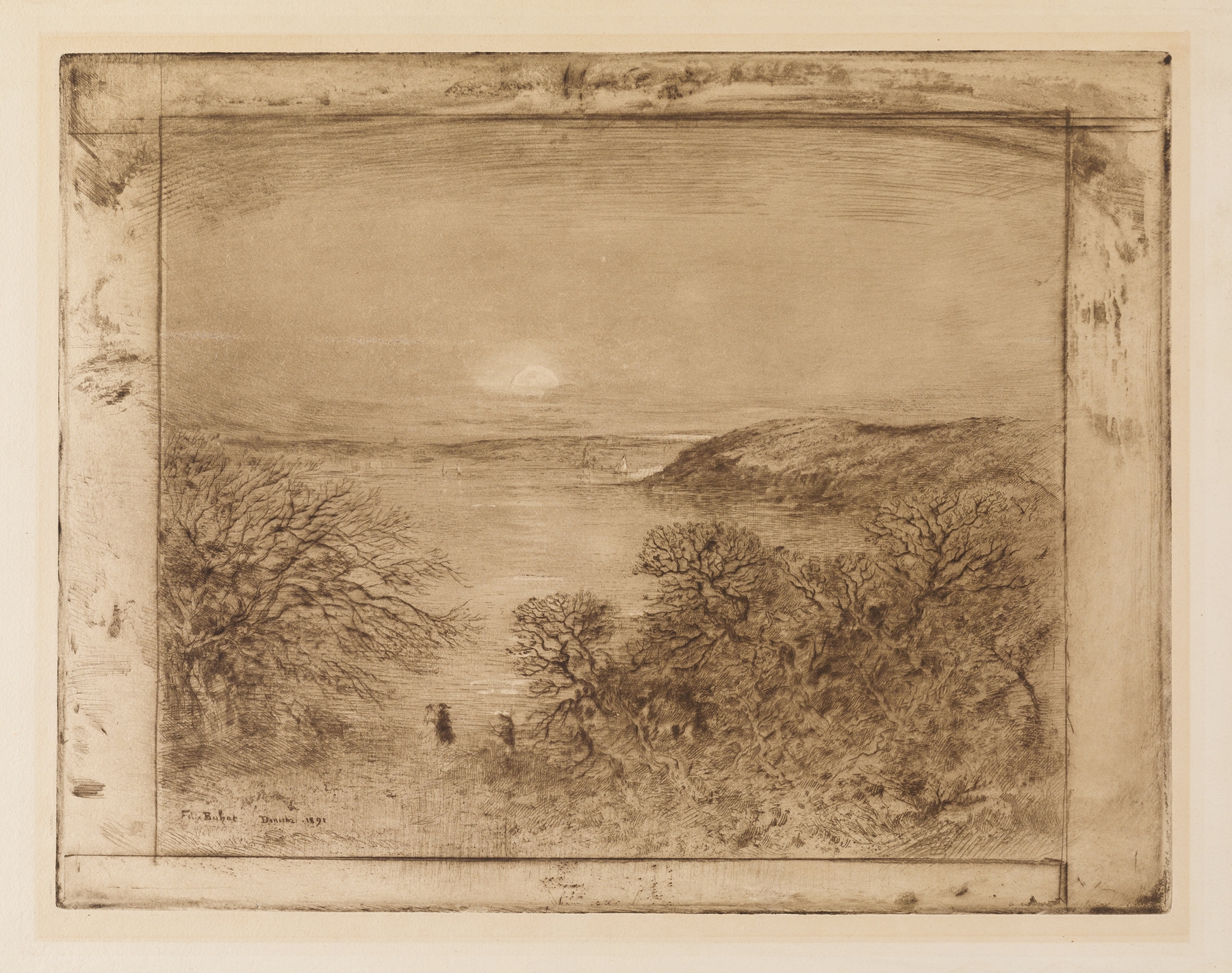
Moonrise at Dinard
Félix Hilaire Buhot
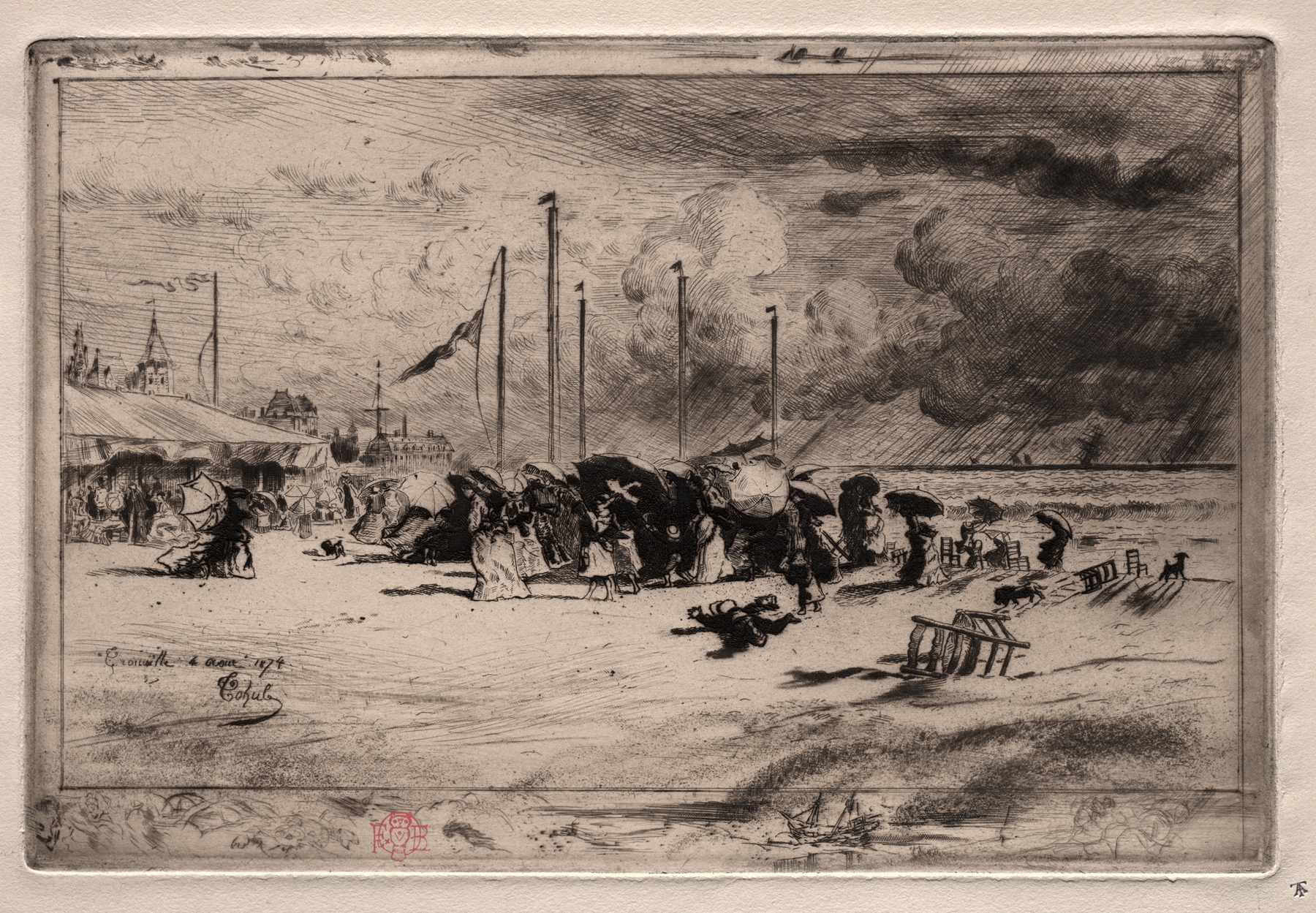
A Squall at Trouville
Félix Hilaire Buhot
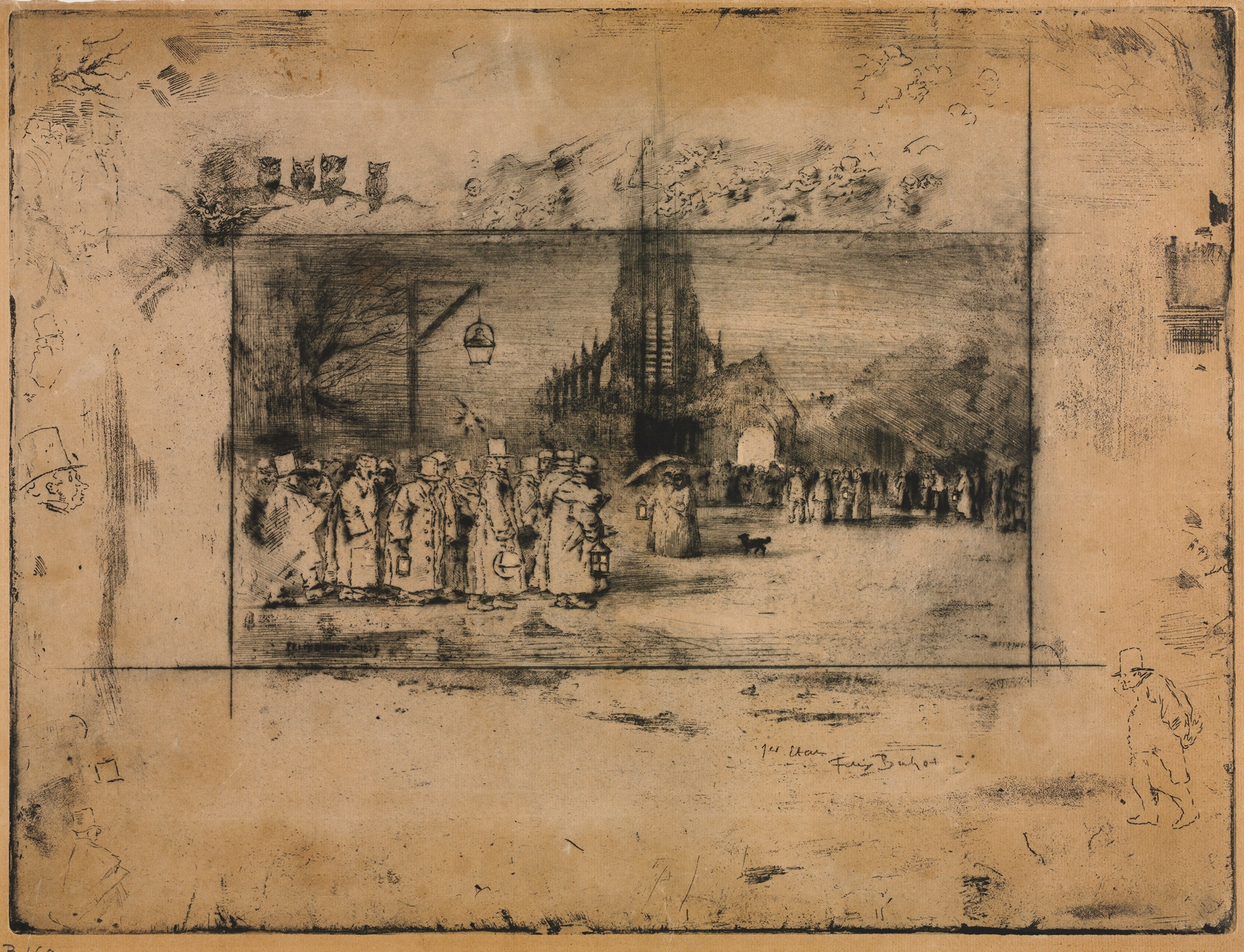
The Midnight Mass
Félix Hilaire Buhot
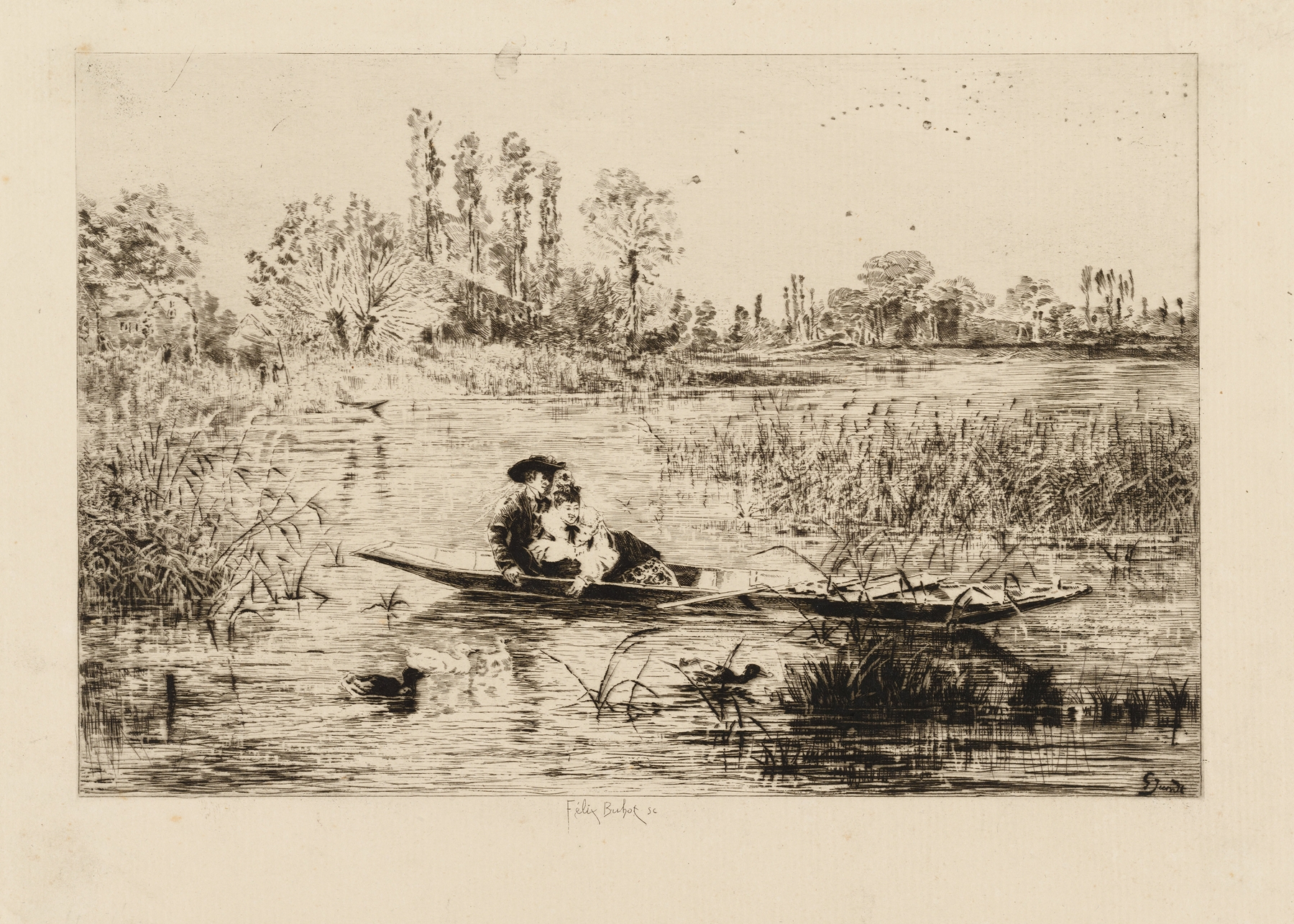
On the Thread of the Water
Félix Hilaire Buhot
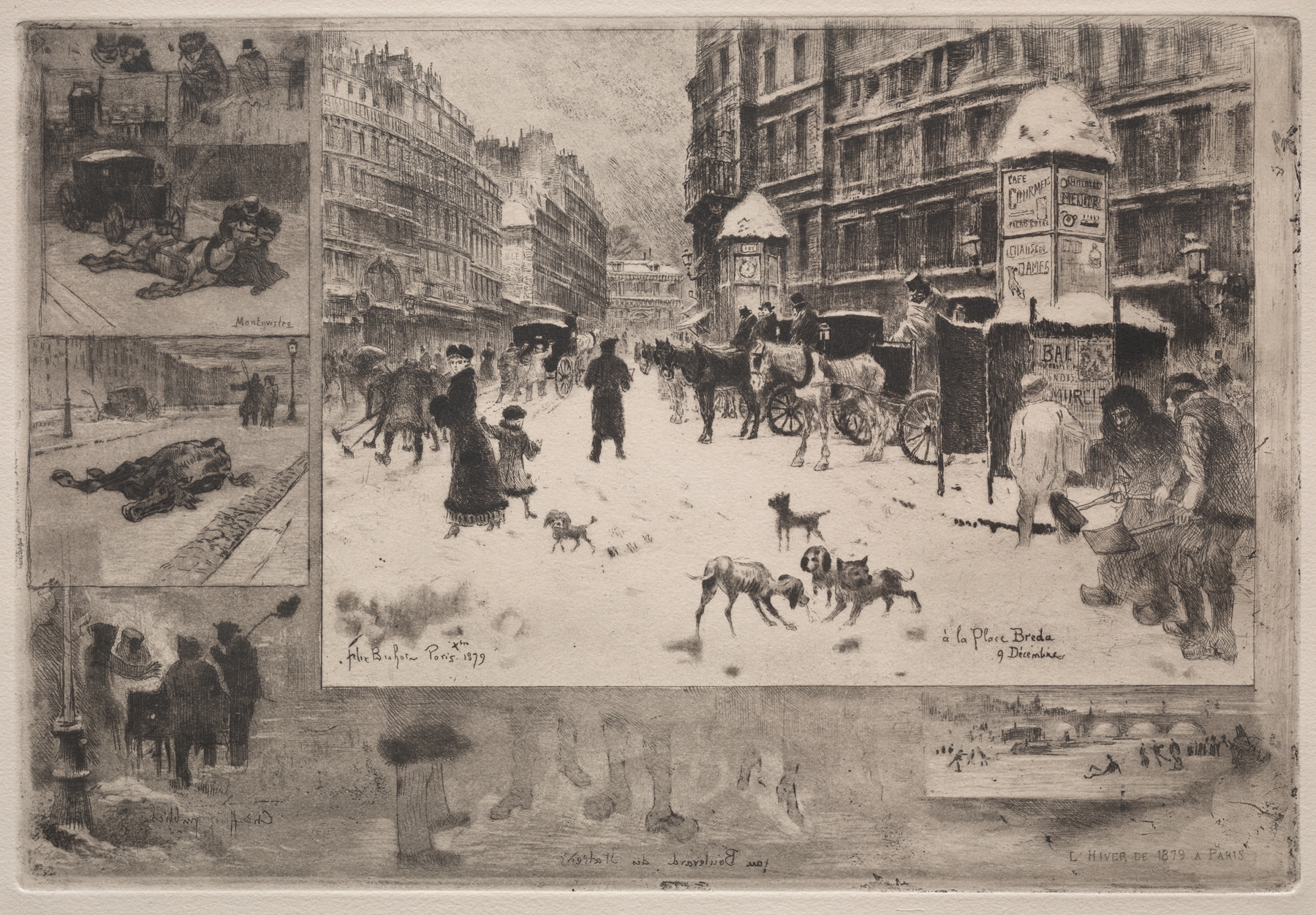
Winter in Paris
Félix Hilaire Buhot
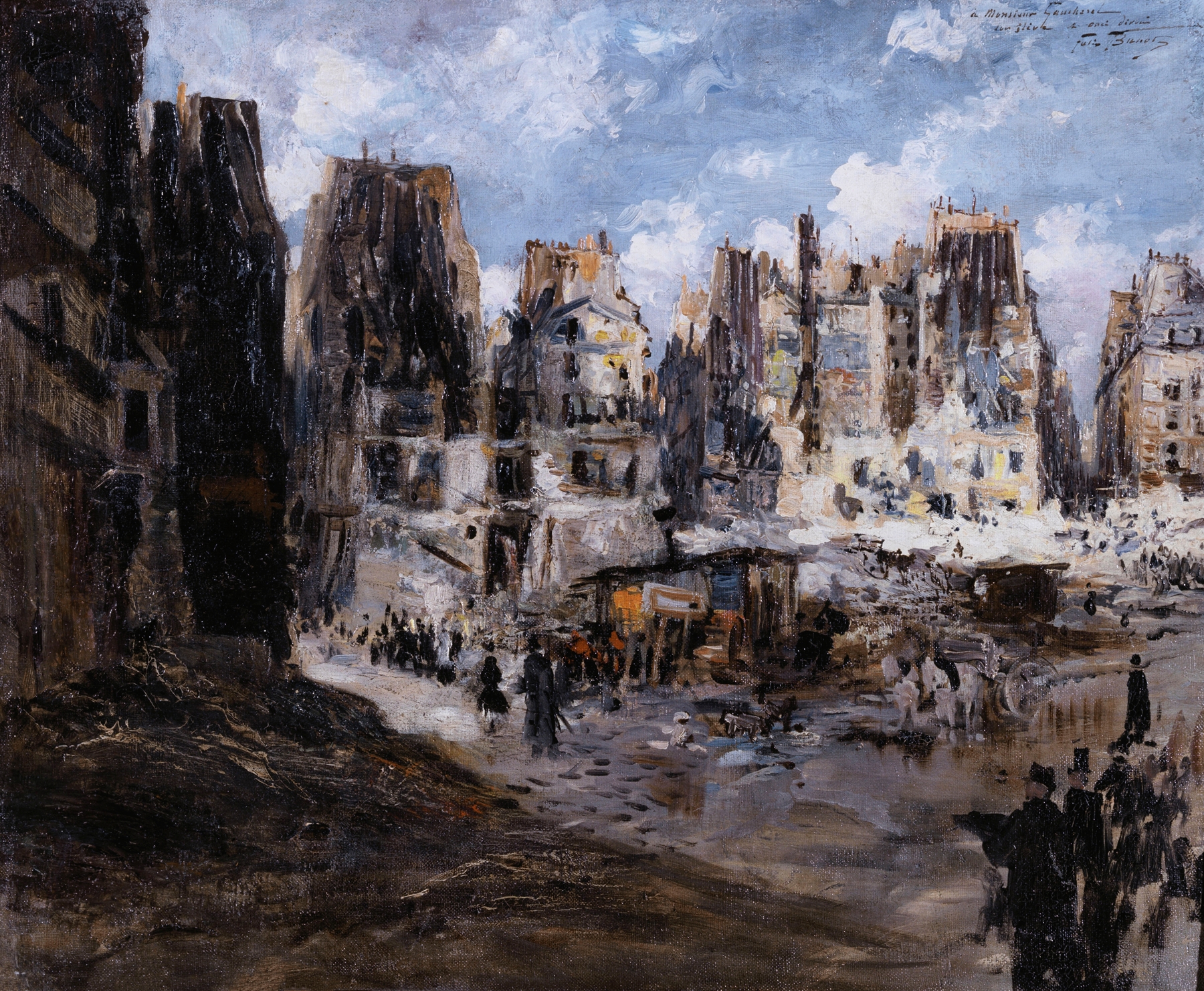
Le percement de l’avenue de l’Opéra.
Félix Hilaire Buhot
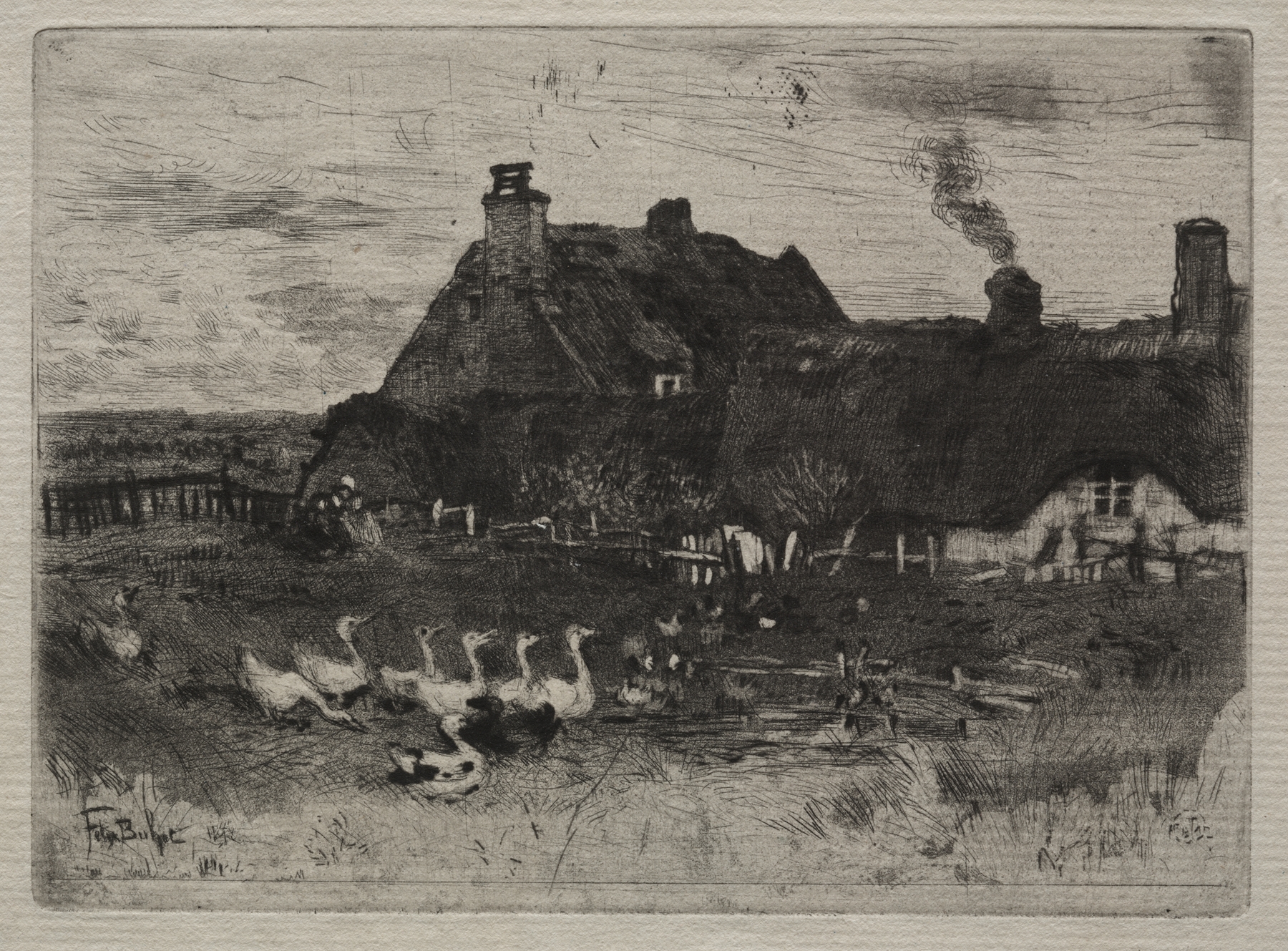
Thatched Cottages
Félix Hilaire Buhot
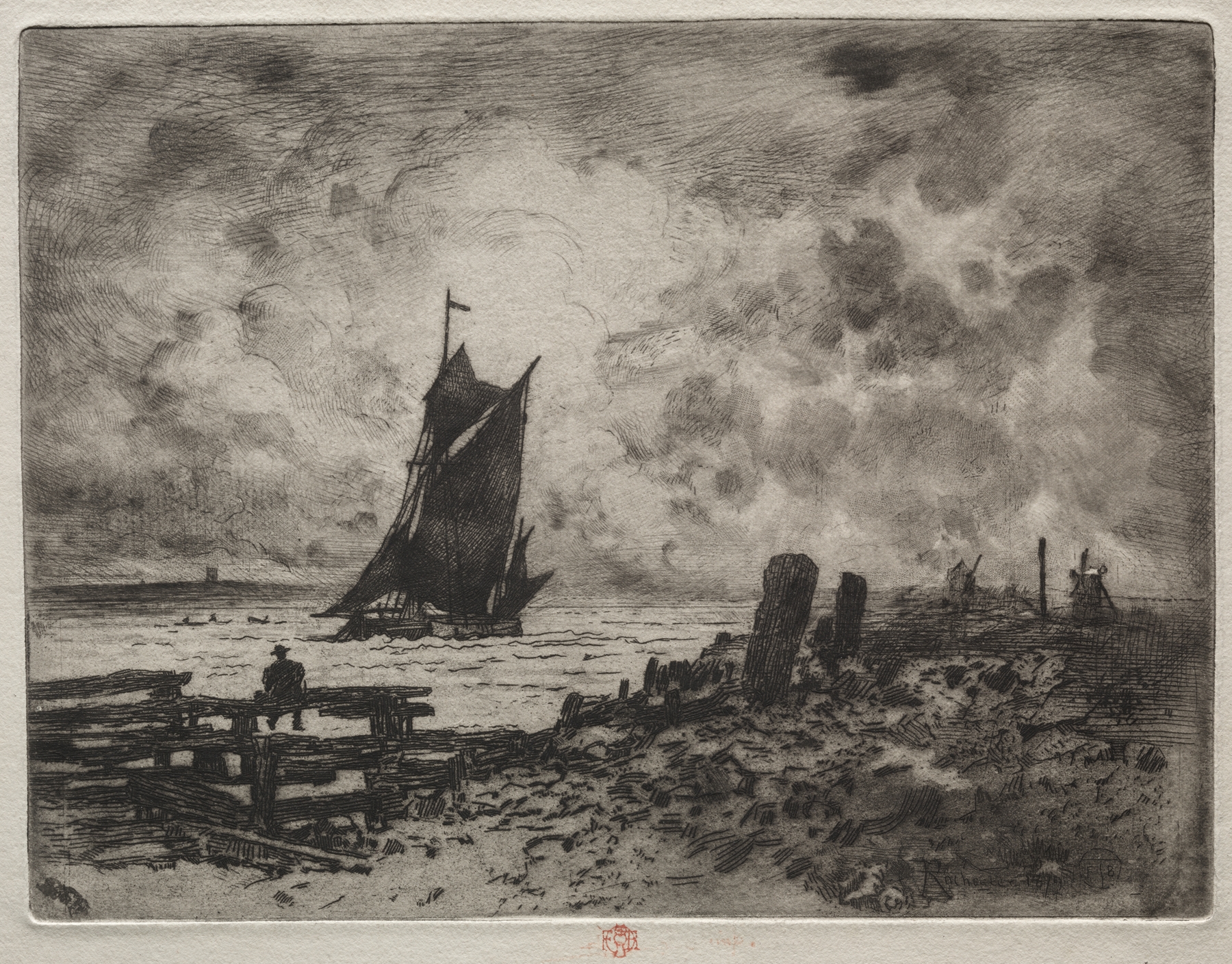
The Little Marine; Souvenir of Medway
Félix Hilaire Buhot
更多 插图
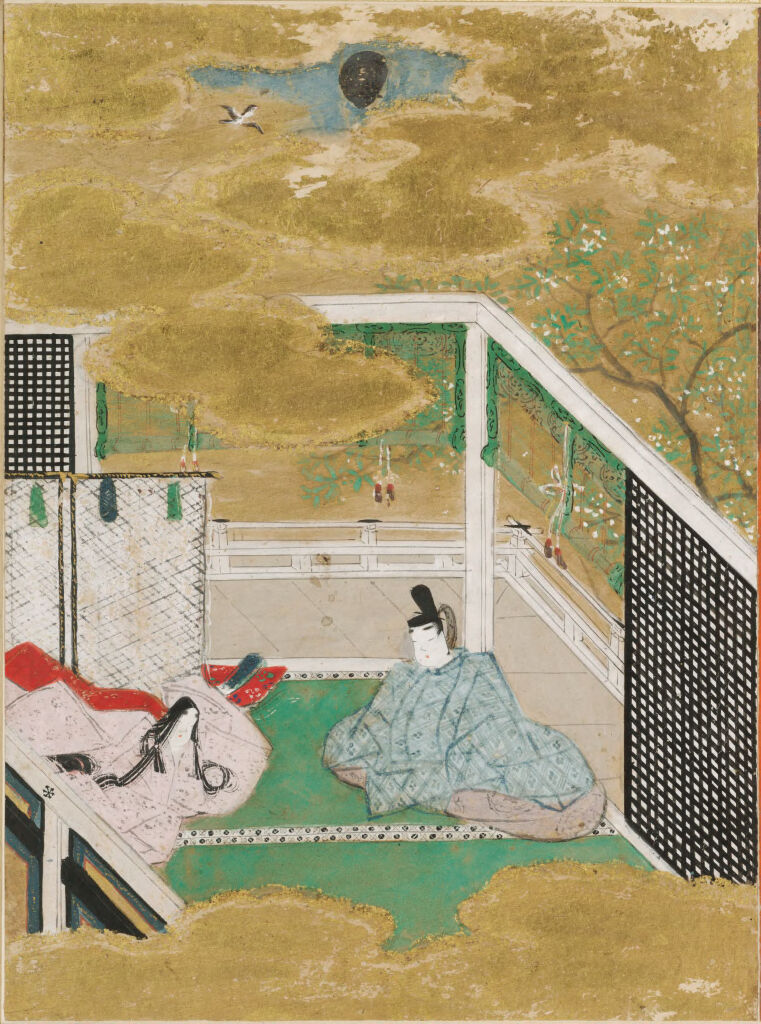
Falling Flowers (Hanachirusato), Illustration to Chapter 11 of the Tale of Genji (Genji monogatari)
Tosa Mitsunobu
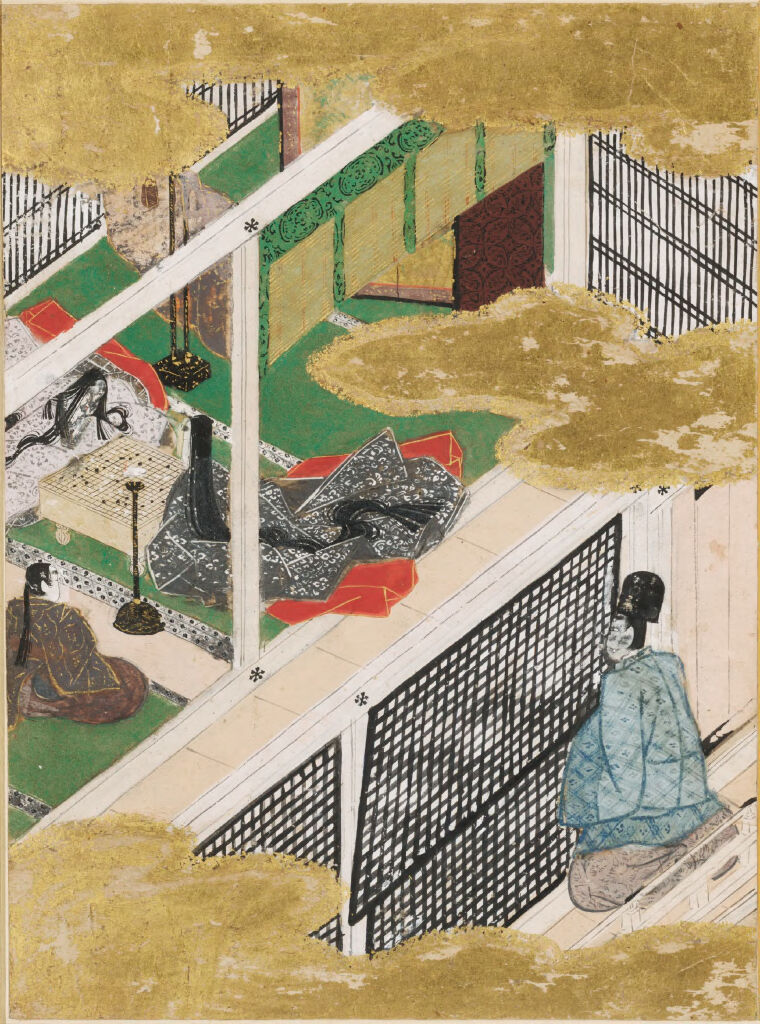
The Cicada Shell (Utsusemi), Illustration to Chapter 3 of the Tale of Genji (Genji monogatari)
Tosa Mitsunobu
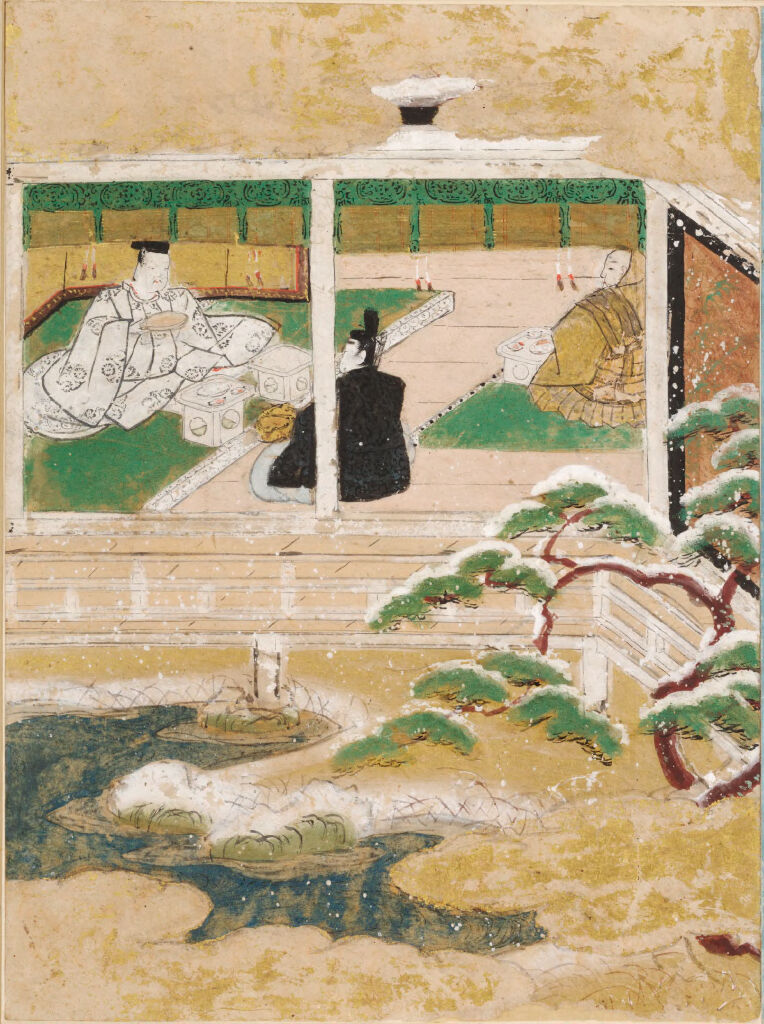
The Seer (Maboroshi), Illustration to Chapter 41 of the Tale of Genji (Genji monogatari)
Tosa Mitsunobu
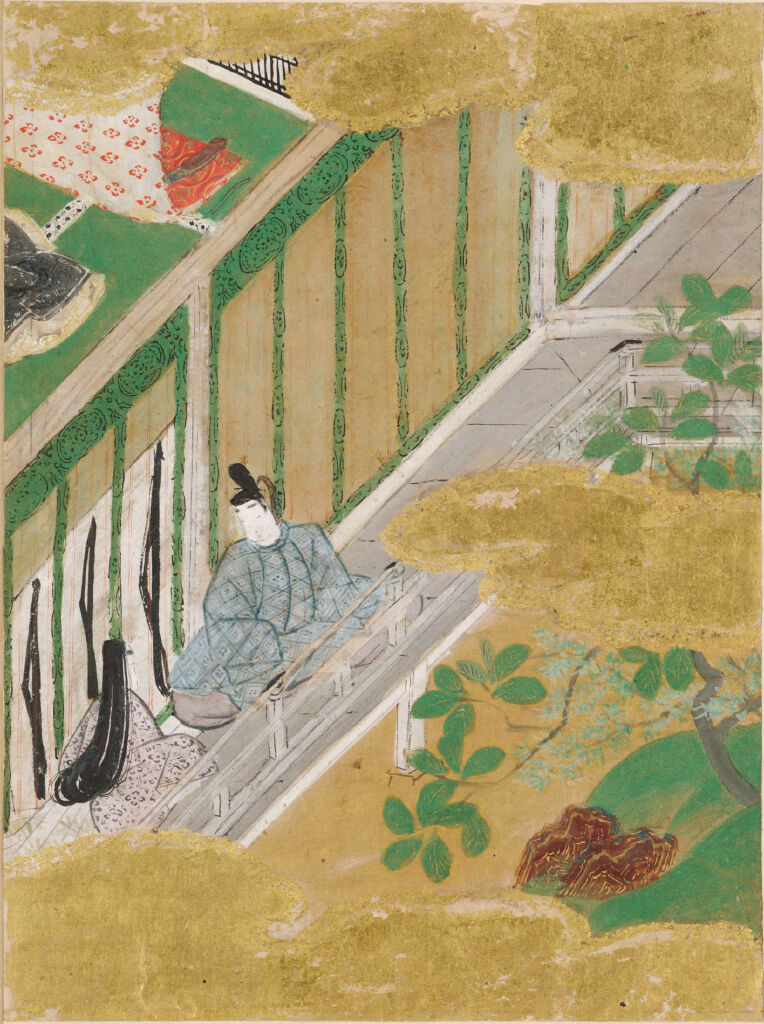
The Oak Tree (Kashiwagi), Illustration to Chapter 36 of the Tale of Genji (Genji monogatari)
Tosa Mitsunobu
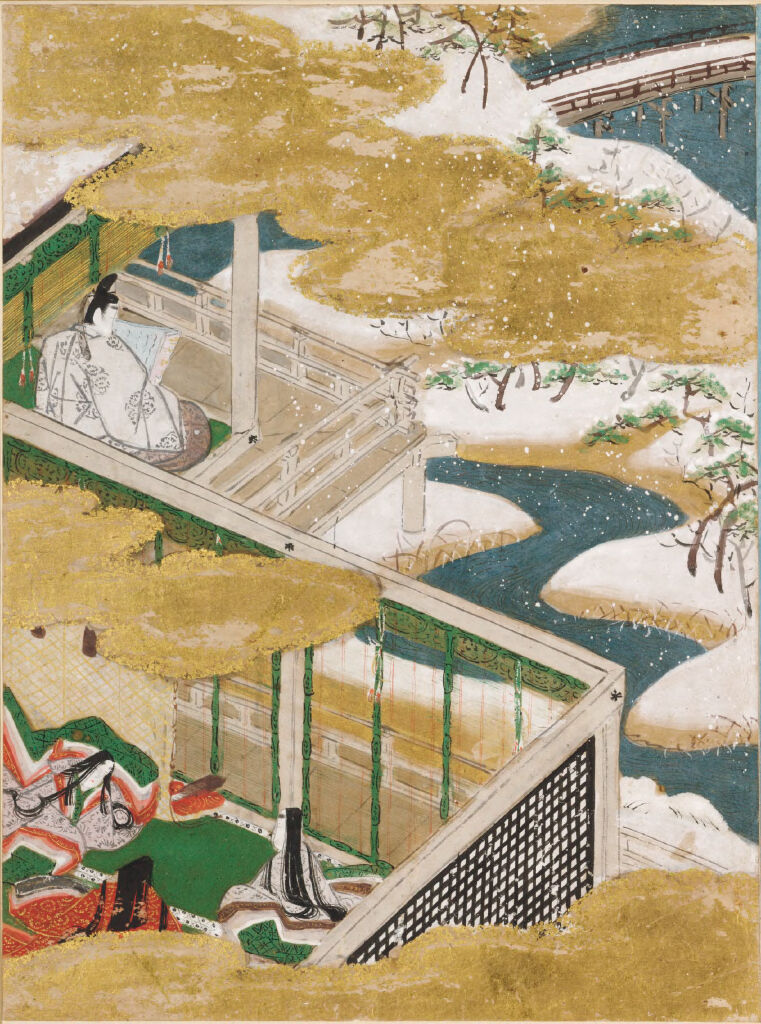
Beneath the Oak (Shiigamoto), Illustration to Chapter 46 of the Tale of Genji (Genji monogatari)
Tosa Mitsunobu
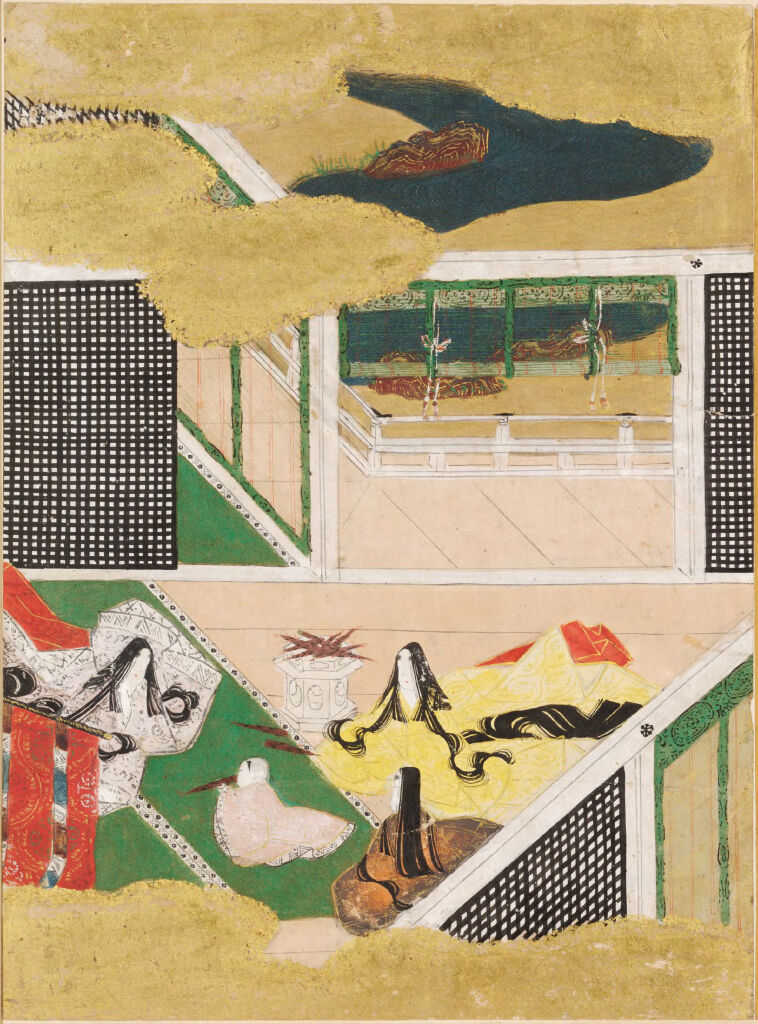
The Flute (Yokobue), Illustration to Chapter 37 of the Tale of Genji (Genji monogatari)
Tosa Mitsunobu