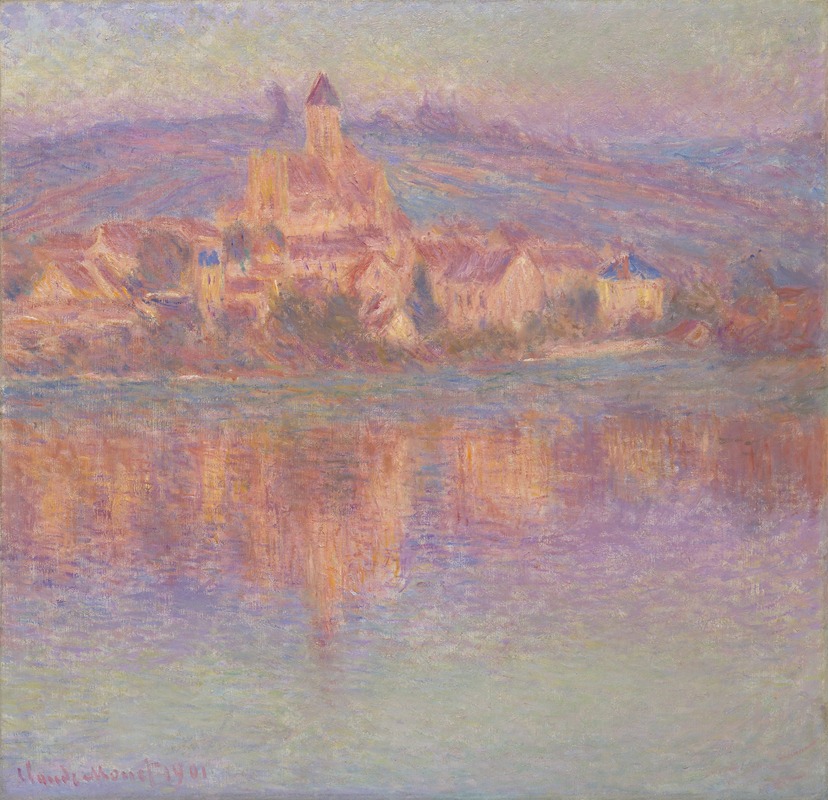
发现这件艺术品的见解
General view of the ruins of Luxor, from the Nile. 1838. — 历史与趣闻
如果美从未注定要完成,会怎样?在一个时间侵蚀甚至最强大纪念碑的世界里,《卢克索遗址全景,来自尼罗河》捕捉了古代文明的幽灵般的衰败和持久的庄严。望向地平线,天空与卢克索高耸的柱子残骸相接,轮廓在柔和的粉彩背景上刻画。笔触既细致又自发,赋予崩溃的石头生命,同时让日落的鲜艳色调笼罩整个场景。注意光线如何在尼罗河上舞动,反射出瞬息万变的美,而阴影则拉得很长,暗示着时间的流逝,这既摧残又神圣了这个历史遗址。在表面之下,情感的张力依然存在——过去的宏伟与现在的脆弱之间。崩溃的建筑唤起了对曾经存在的怀旧感,同时邀请观众思考人类成就的短暂本质。光与影的对比成为我们自身无常的隐喻,温柔地提醒我们,美往往存在于衰败与转变的行为中。在1846年至1849年间,大卫·罗伯茨游历埃及,以惊奇和精准的态度记录他的经历。在此期间,东方的魅力吸引着欧洲,艺术家们试图捕捉其丰富的历史和异国风光。这件作品不仅反映了罗伯茨的艺术视野,也体现了在探索与发现的时代,记录古代遗址日益增长的兴趣。
更多作品 David Roberts
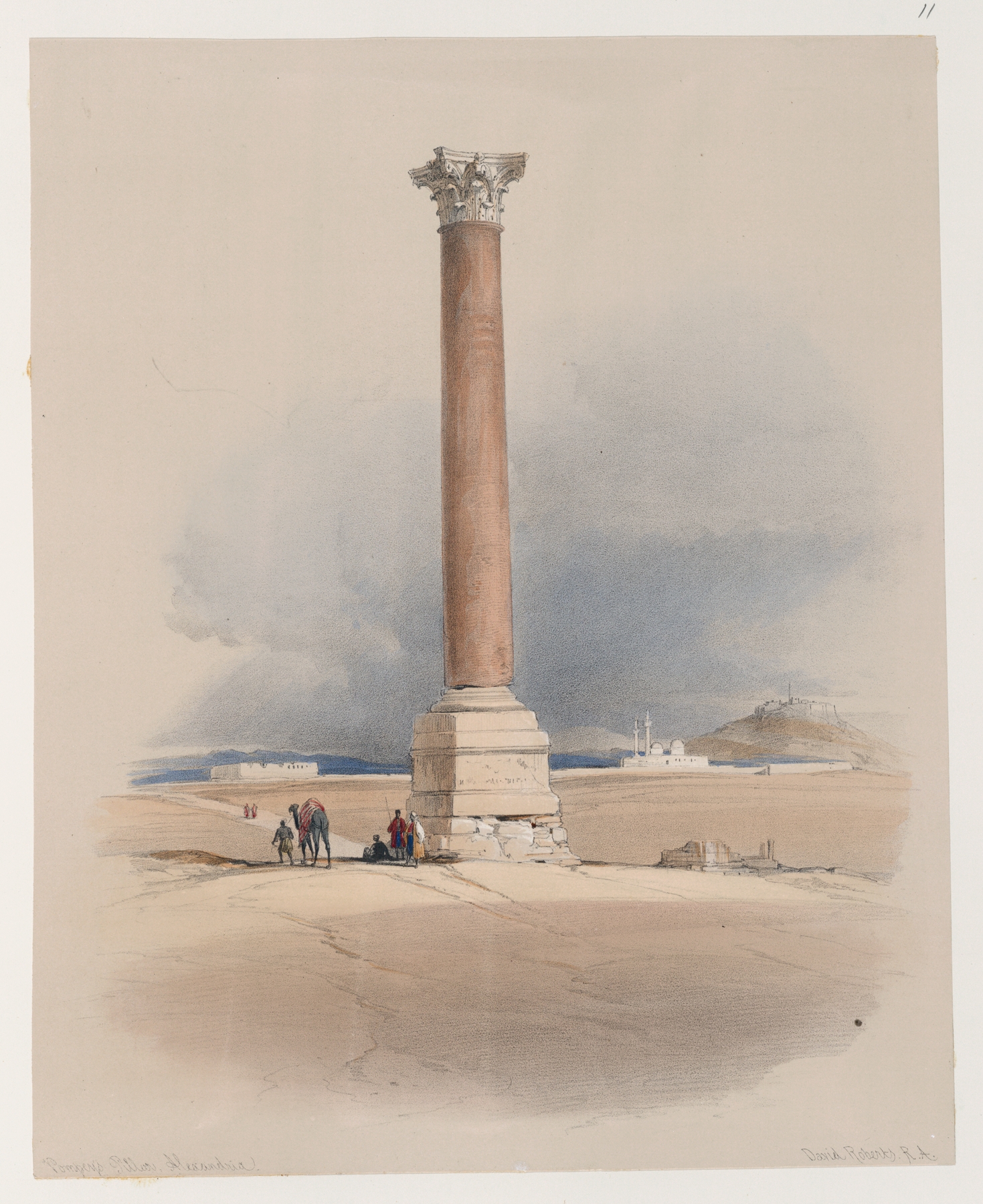
Pompey’s Pillar, Alexandria.
David Roberts
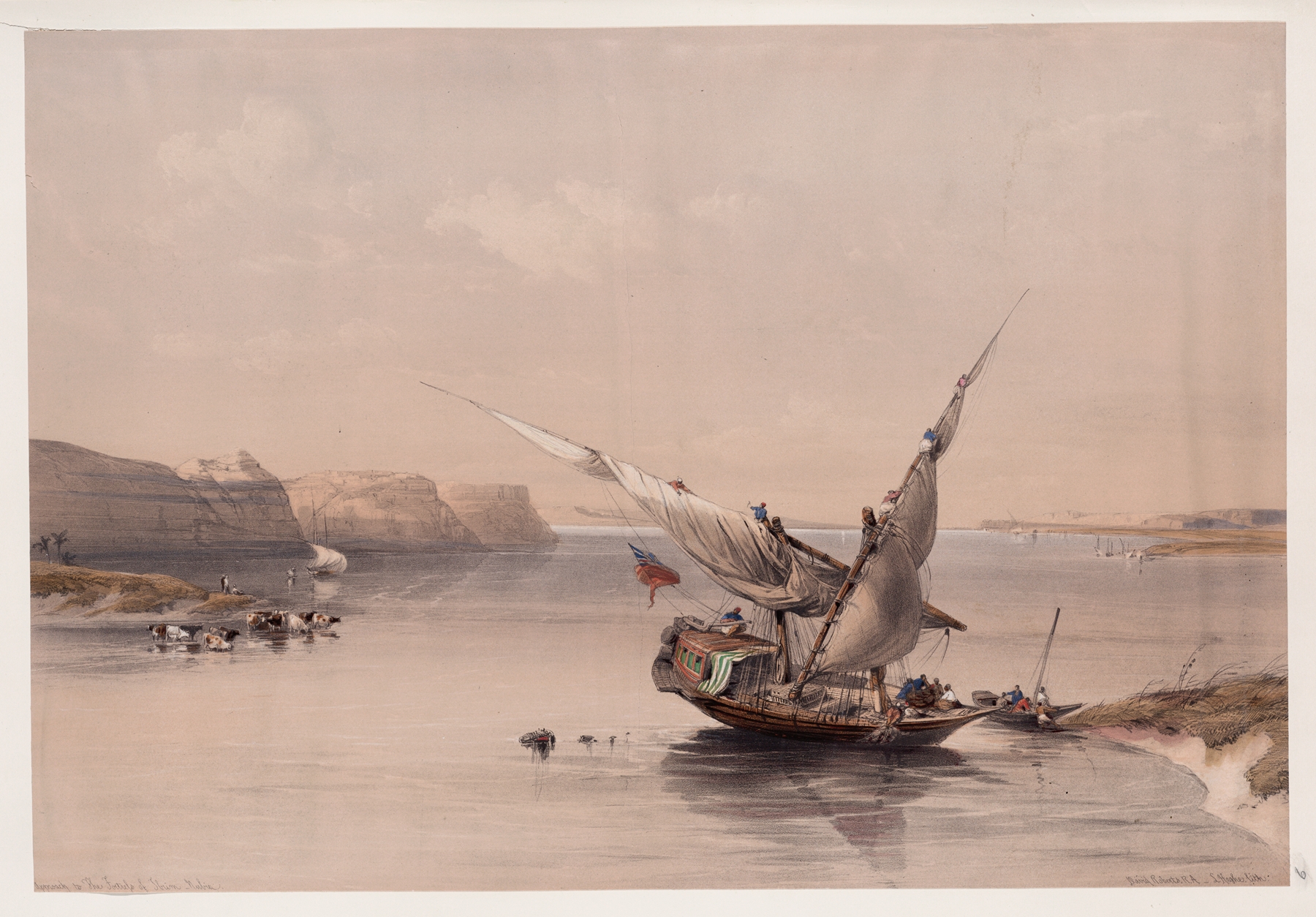
Approach to the Fortress of Ibrim.
David Roberts
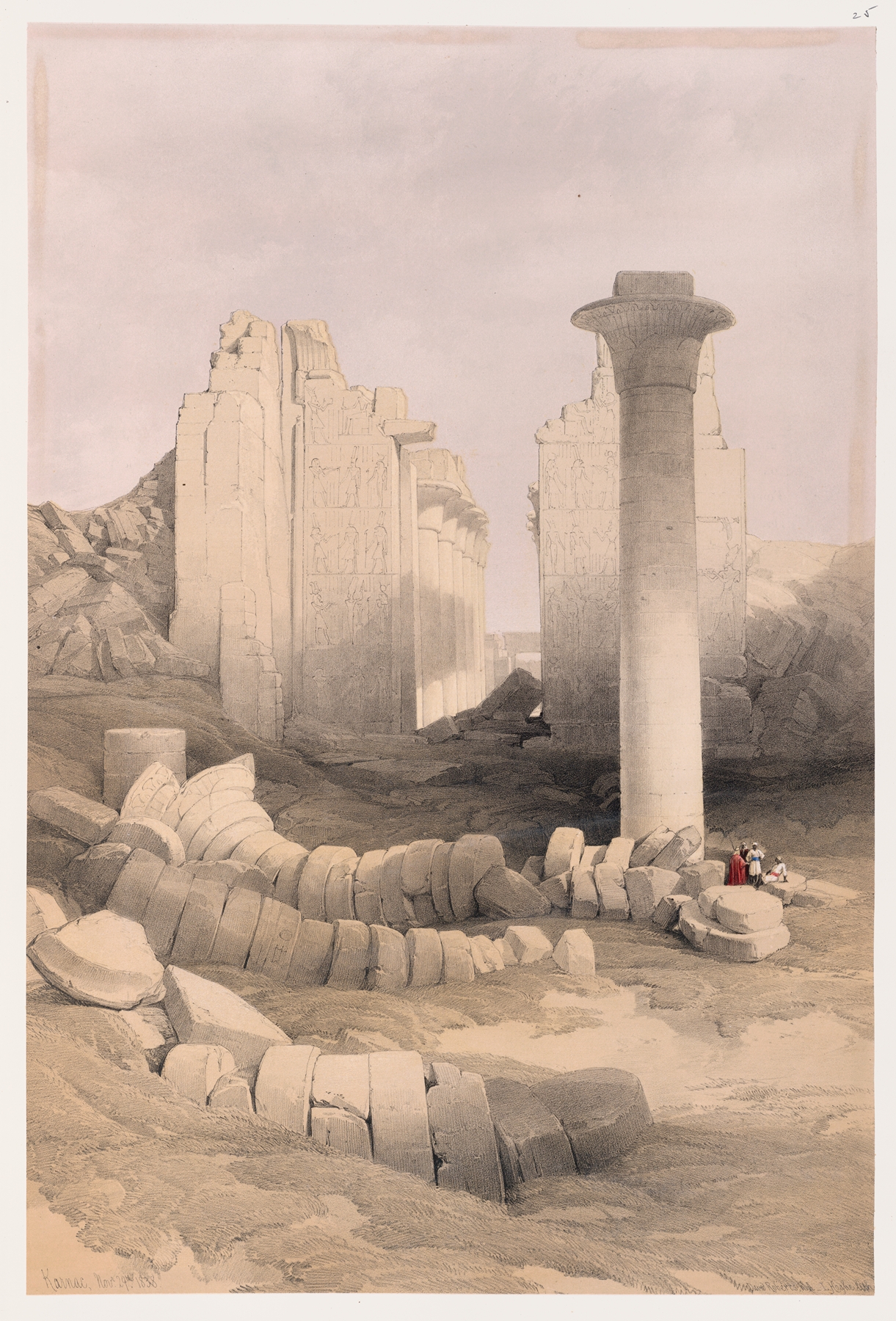
Karnac [Karnak]. Nov. 29th, 1838.
David Roberts
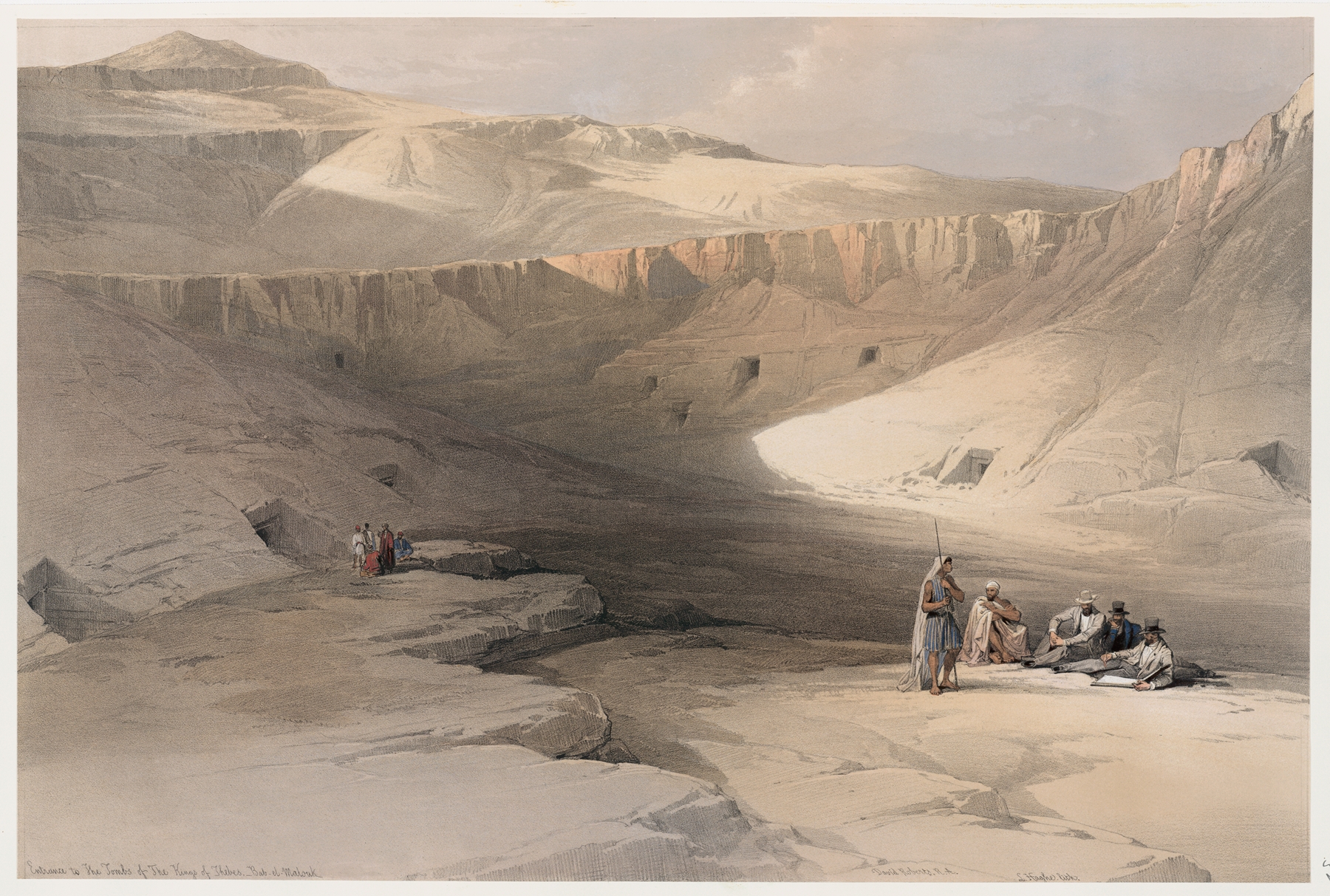
Entrance to the tombs of the kings of Thebes. Bab-el-Malouk [Bîbân al-Mulûk].
David Roberts
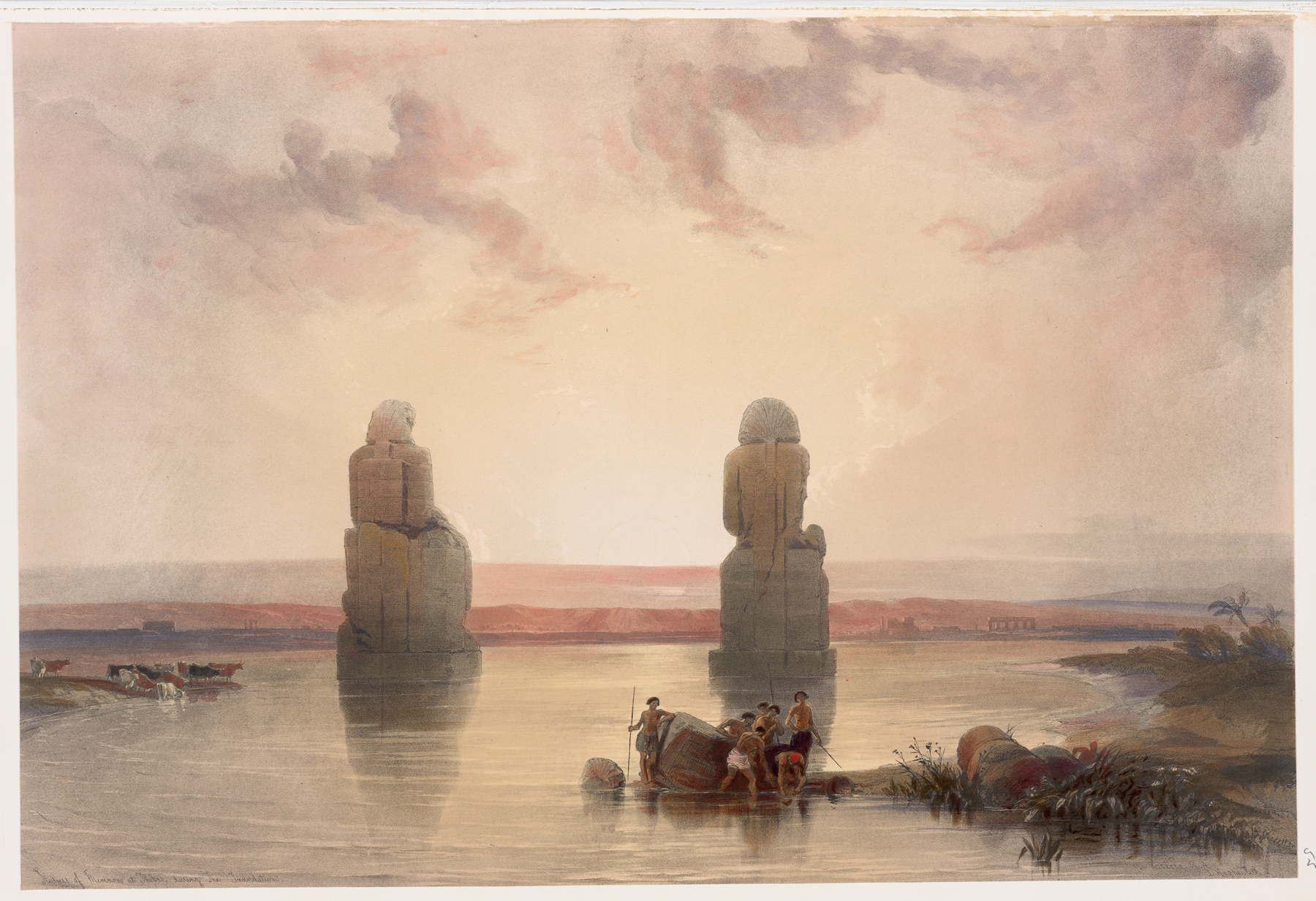
Statues of Memnon at Thebes, during the inundation.
David Roberts
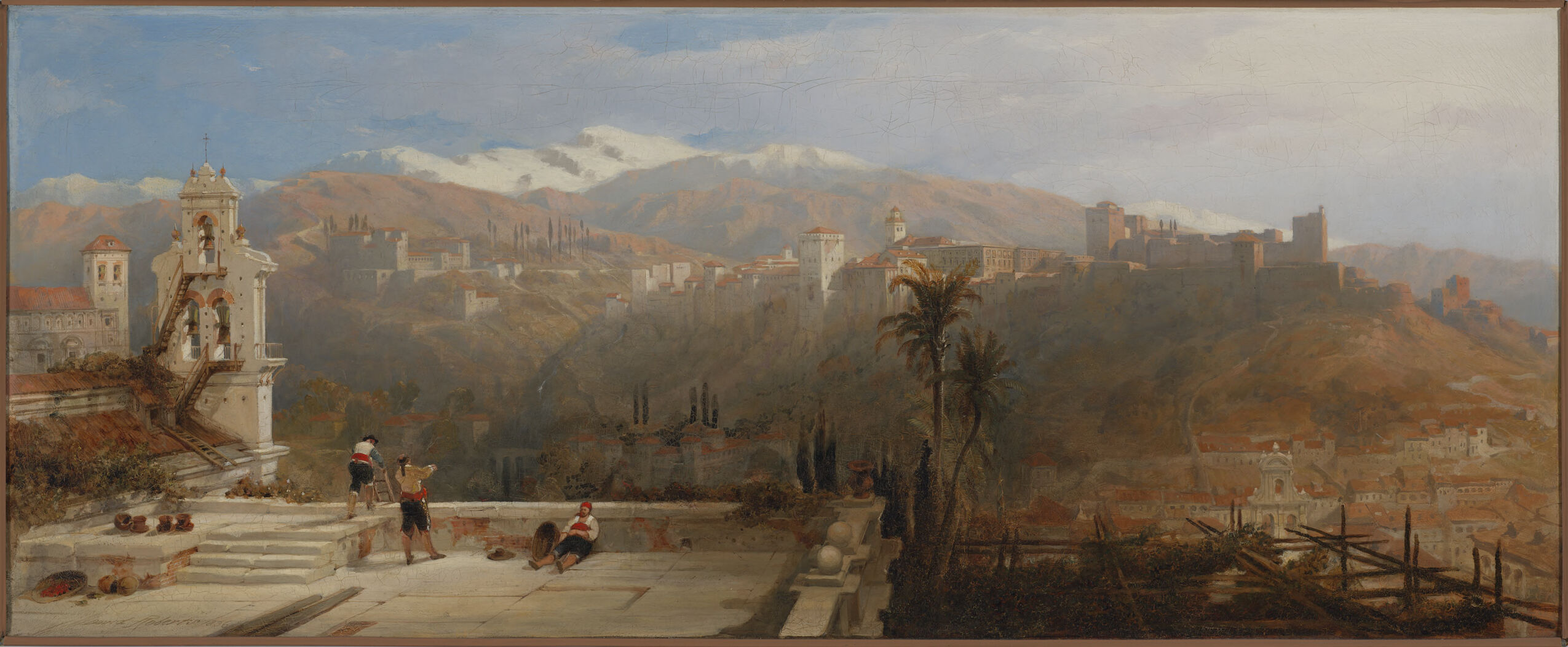
The Fortress of the Alhambra, Granada
David Roberts
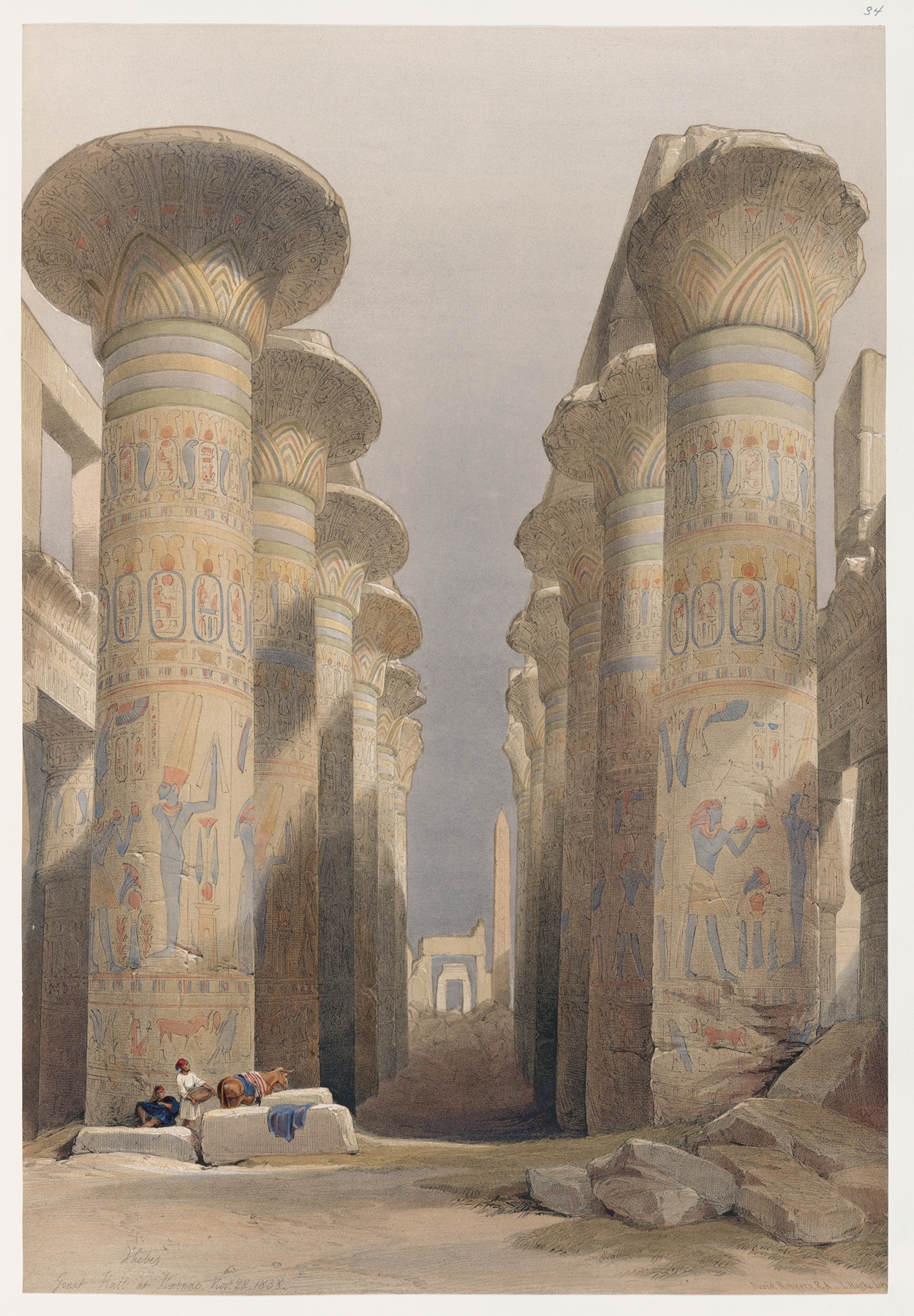
Thebes. Great Hall at Karnak. Nov. 28, 1838.
David Roberts
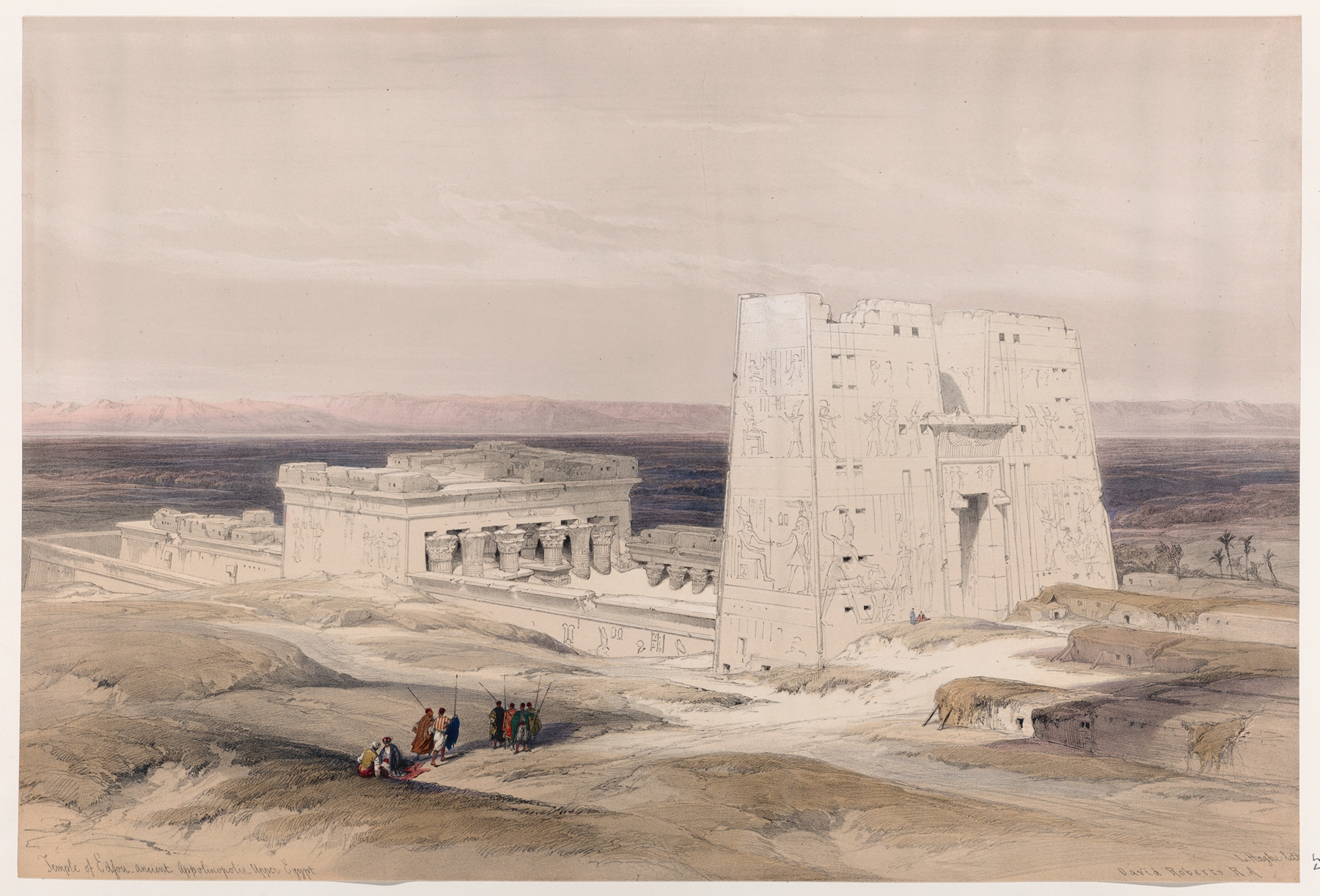
Temple of Edfou [Idfû], ancient Appolinopolis, Upper Egypt.
David Roberts
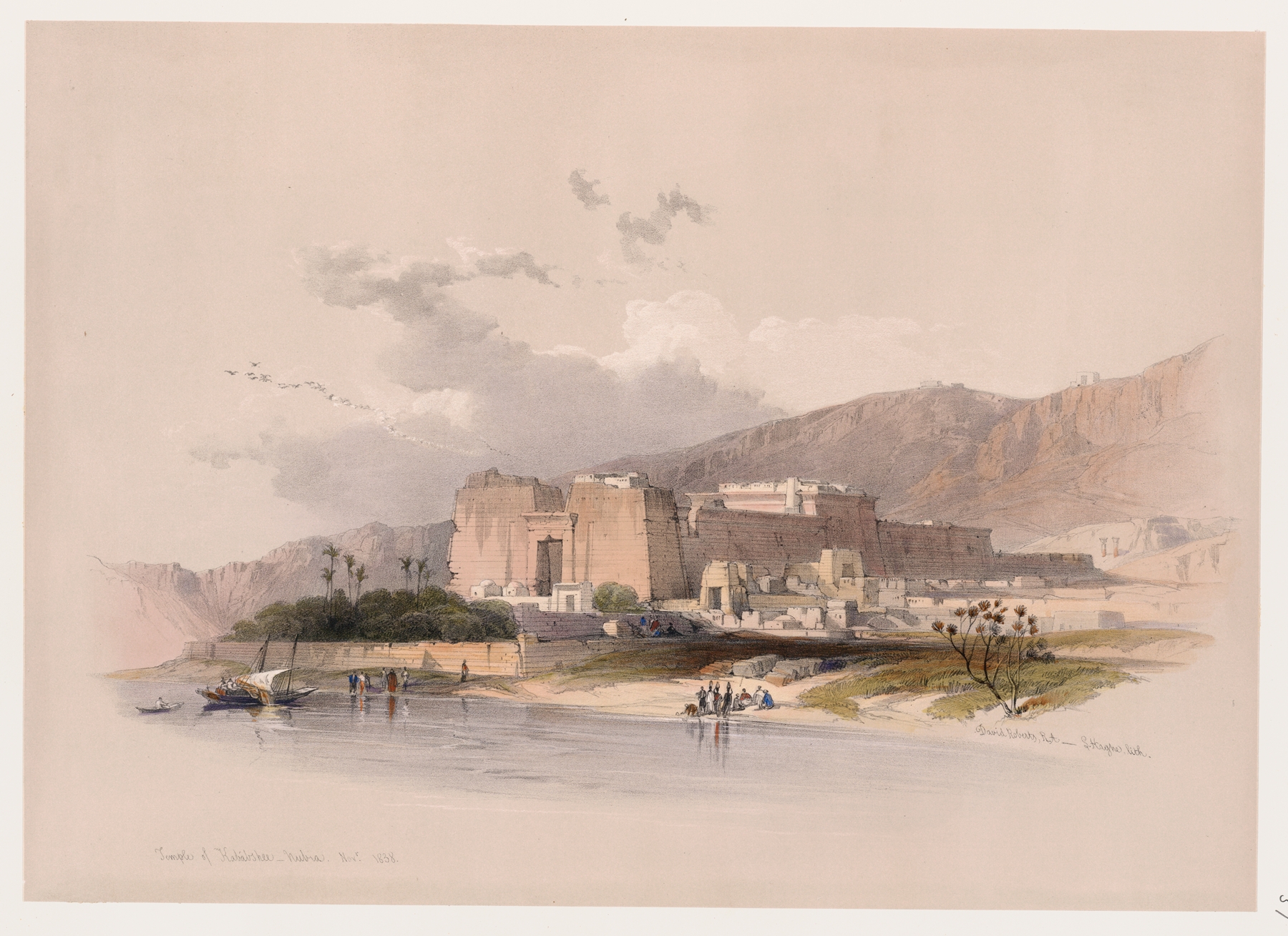
Temple of Kalabshee [Kalabsha, Kalâbishah], Nubia. Nov. 1838.
David Roberts
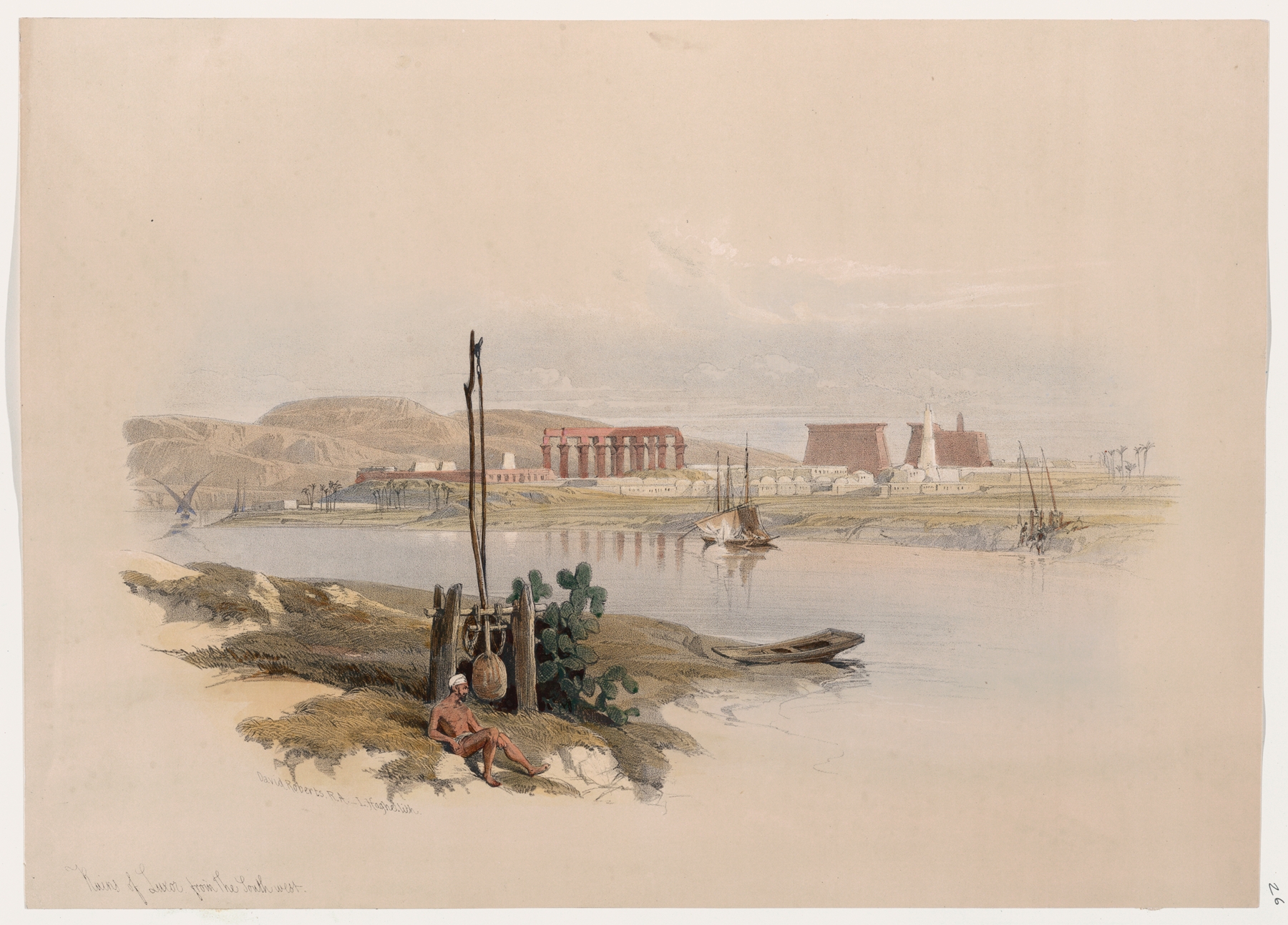
Ruins of Luxor, from the south-west.
David Roberts