发现这件艺术品的见解
Interior of the Nieuwe Kerk in Delft with the Tomb of William the Silent — 历史与趣闻
“绘画就是记住时间希望我们忘记的东西。”在《代尔夫特新教堂内部与威廉·沉默者的墓碑》中,衰败成为时间流逝的无声见证,历史的回声在石头的重压下静静休息。 看向画布中央,宏伟的墓碑高耸,精致的细节被细致地呈现,吸引观众进入一个崇敬与衰退不可避免的领域。注意教堂拱形窗户透过的柔和、弥散的光线,照亮了在空气中漂浮的尘埃颗粒,宛如记忆。丰富而柔和的棕色和金色调唤起一种沉重而反思的氛围,邀请人们思考生死与遗产。 构图揭示了多层含义——墓碑不仅是对一位逝去领袖的致敬,也象征着人类成就的脆弱与时间无情的步伐之间的对比。庄严的建筑与日常生活的零星残余之间的对比突显了永恒与短暂之间的鲜明对比。从破裂的石头到昏暗的灯光,每一个细节都低语着衰败的故事,回响着失落与怀念的情感。 1653年,埃马纽埃尔·德·维特在个人反思和艺术演变的时期创作了这幅作品。生活在一个充满历史和过去阴影的城市代尔夫特,他专注于捕捉光线与建筑空间的相互作用。艺术界正经历荷兰巴洛克的繁荣,而德·维特对室内环境的探索标志着对传统肖像画的背离,将神圣与日常生活融合在一起,形成一种沉思的拥抱。
更多作品 Emanuel de Witte
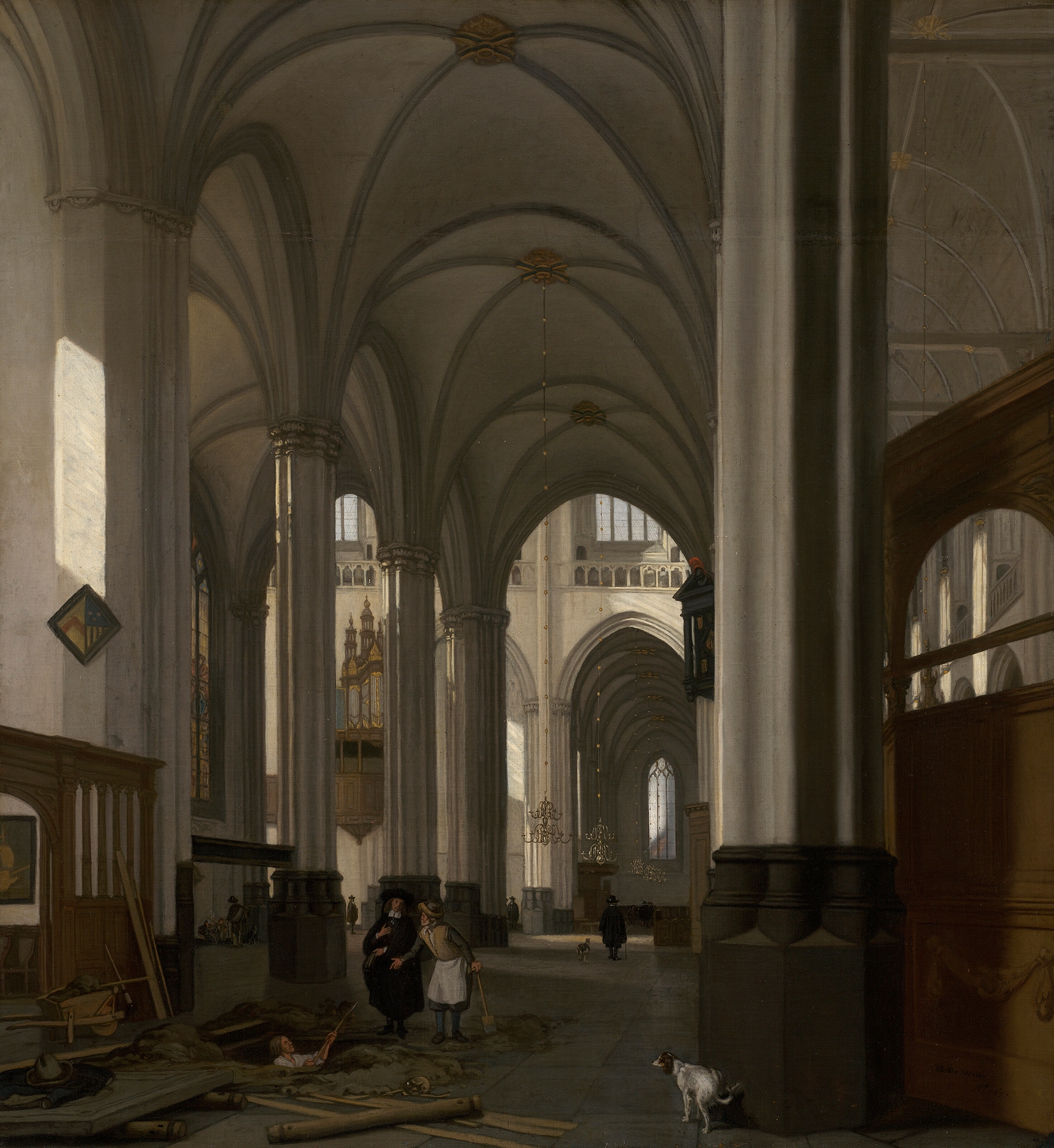
Interior of the Nieuwe Kerk, Amsterdam
Emanuel de Witte
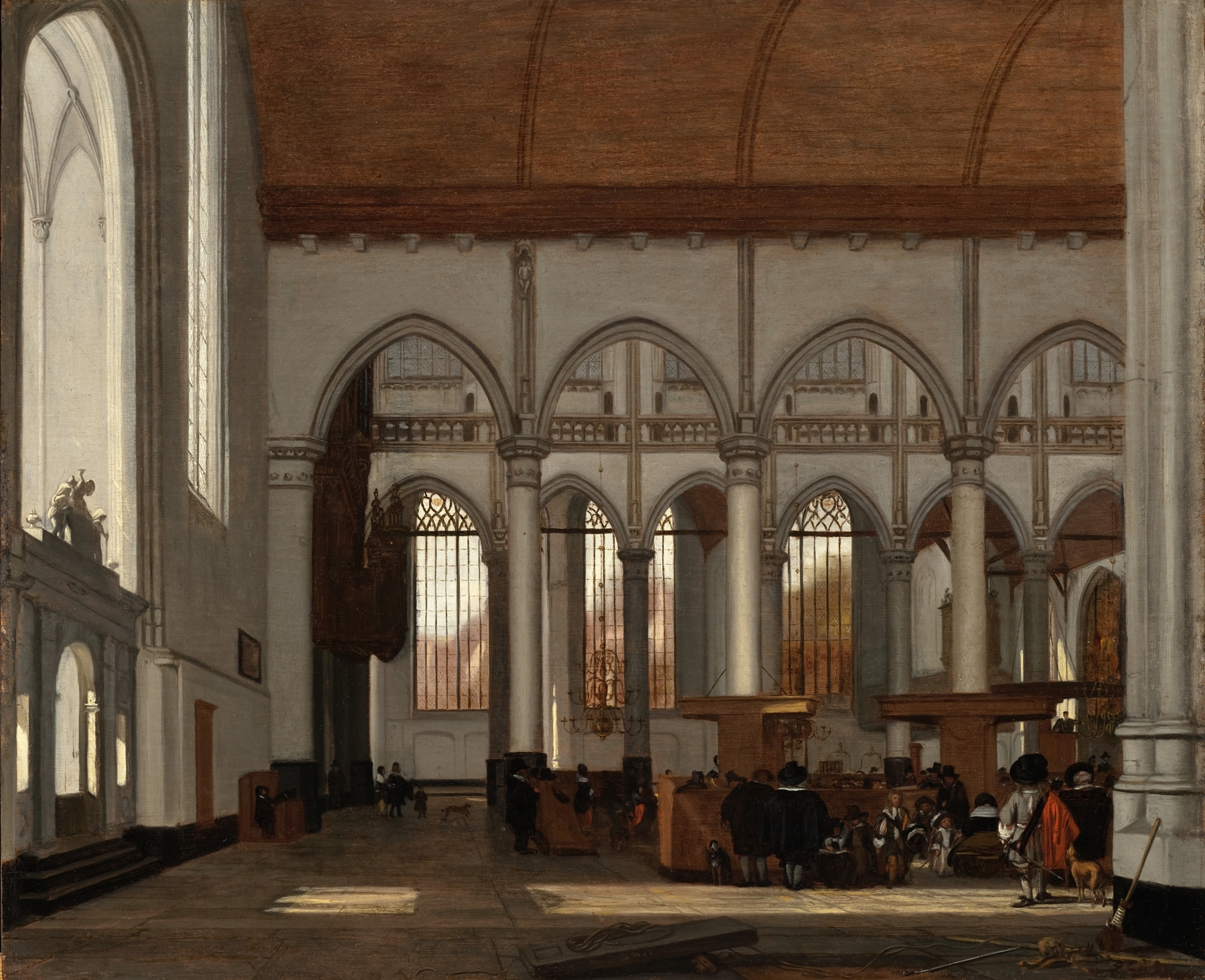
Interior of the Oude Kerk, Amsterdam
Emanuel de Witte
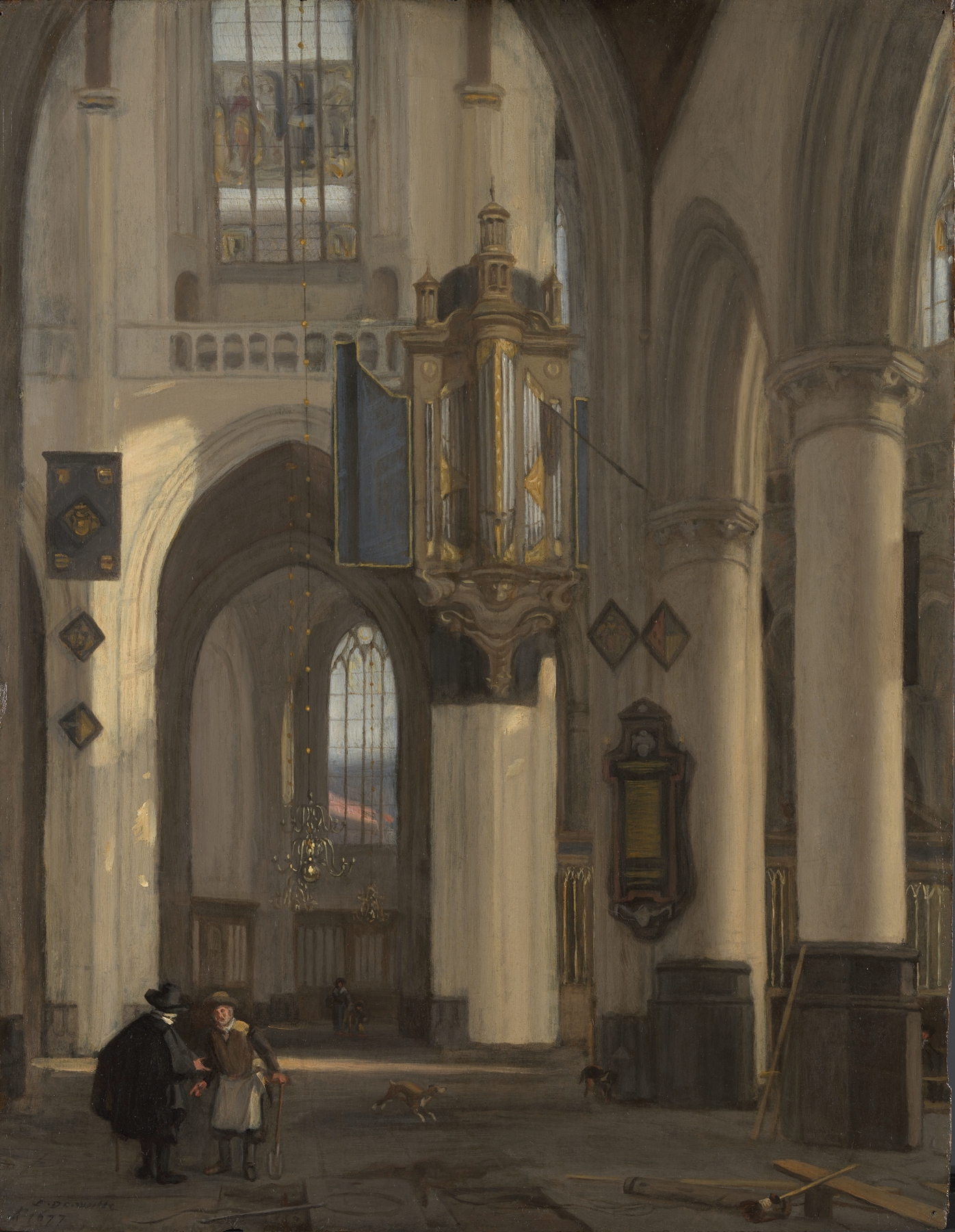
Interior of a Protestant Gothic Church with Motifs from the Oude and Nieuwe Kerk in Amsterdam
Emanuel de Witte
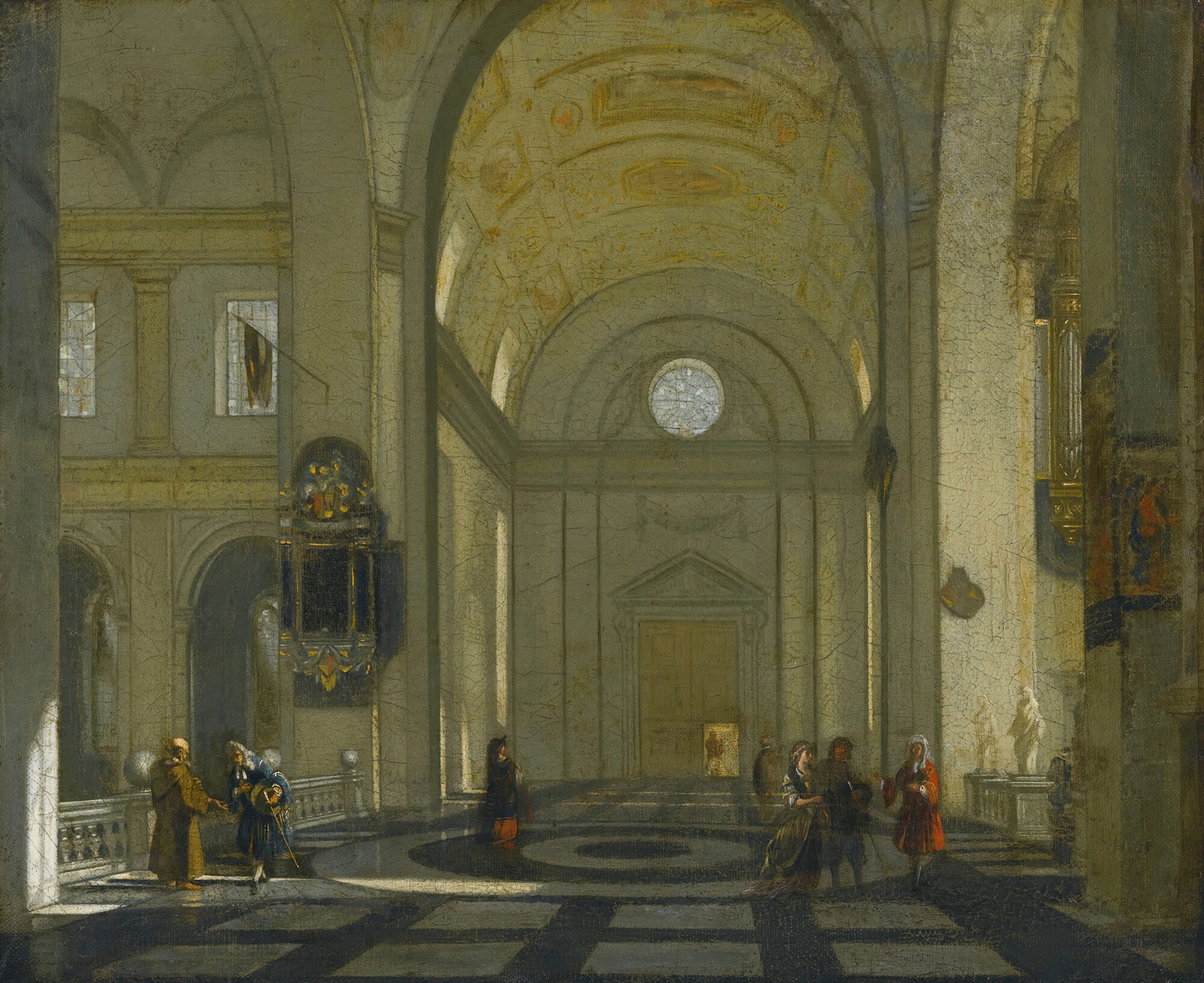
Interior of a Church
Emanuel de Witte
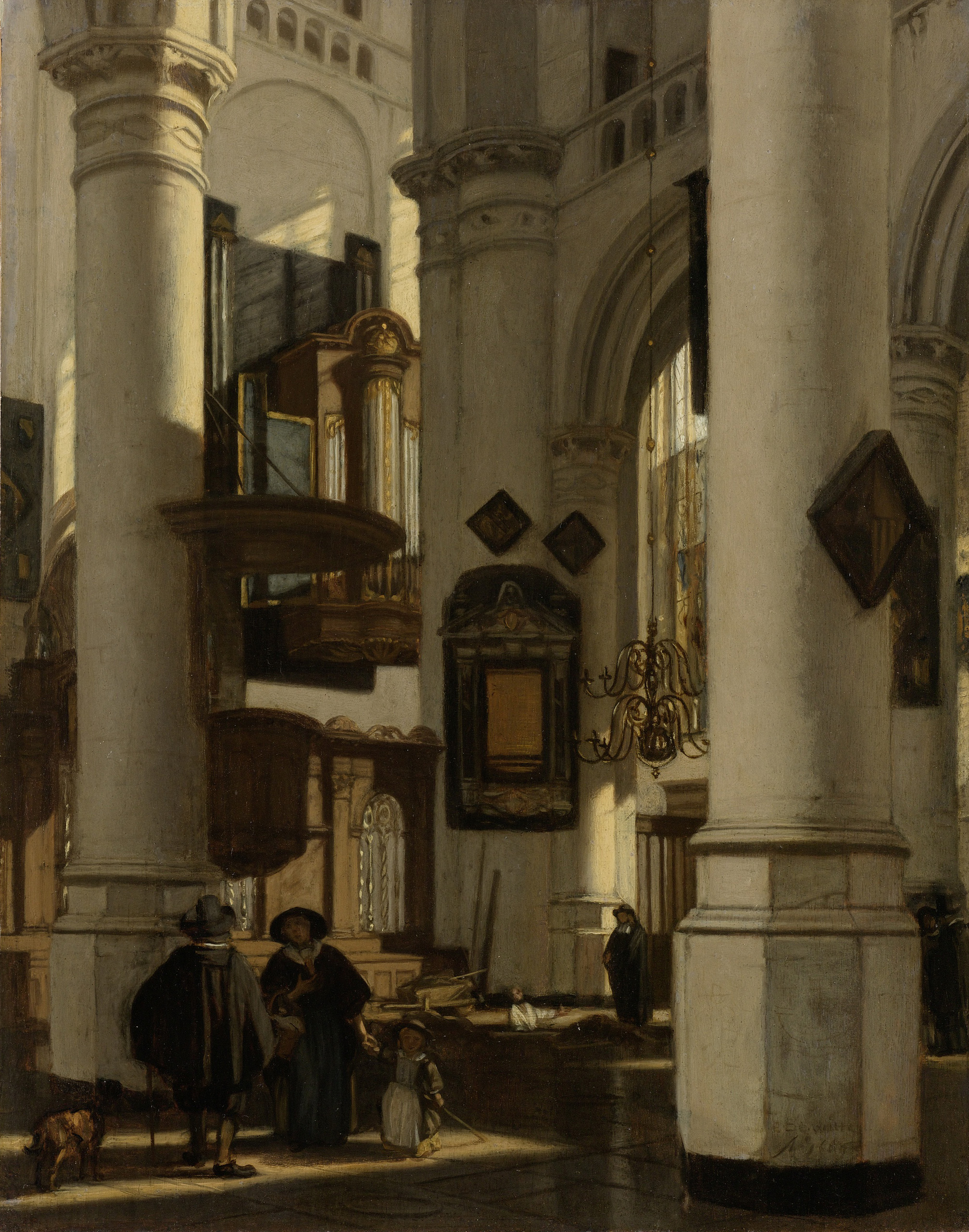
Interior of a Protestant, Gothic Church, with a Gravedigger in the Choir
Emanuel de Witte

Interior of the Oude Kerk, Delft
Emanuel de Witte
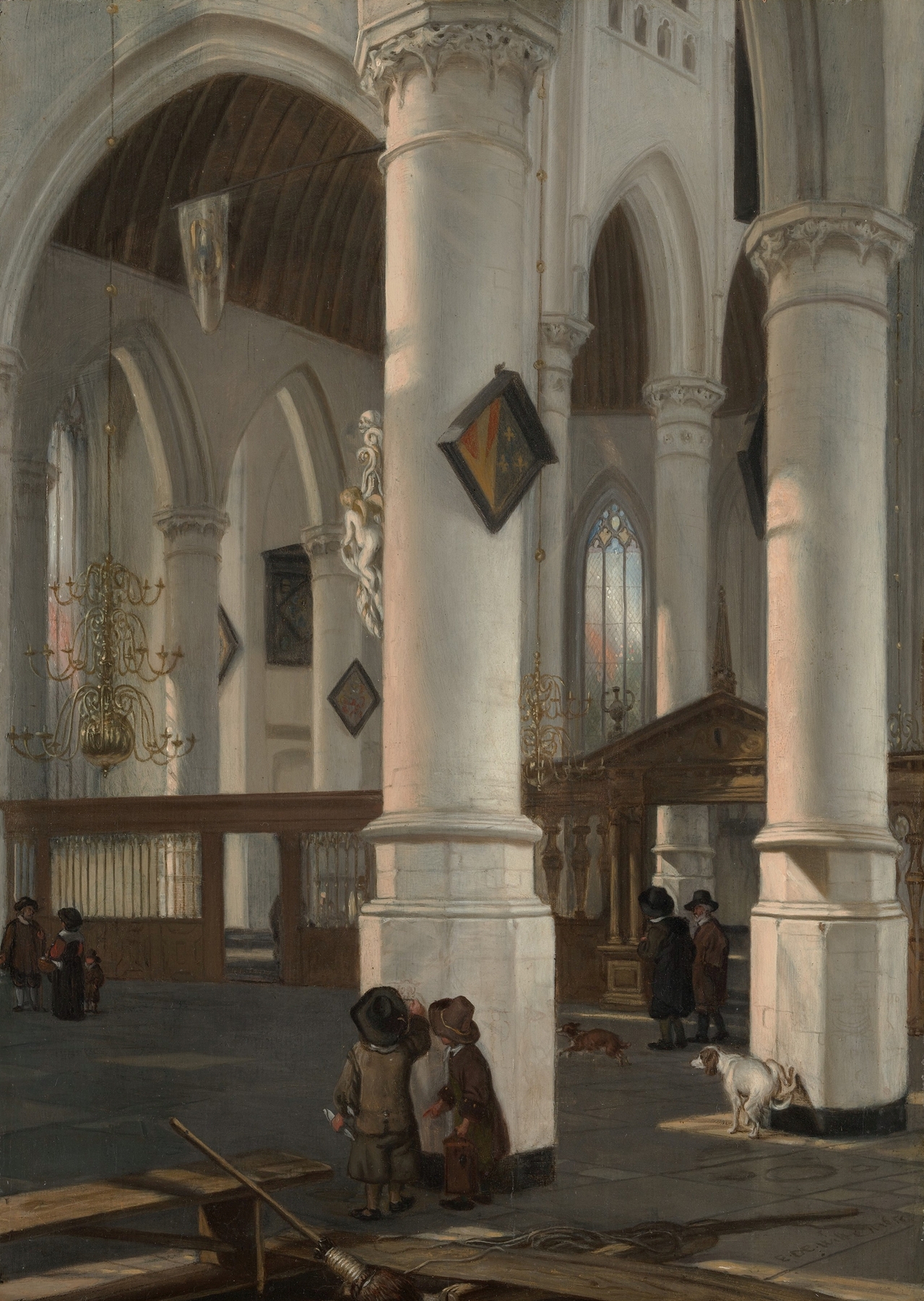
Interior of the Oude Kerk, Delft
Emanuel de Witte
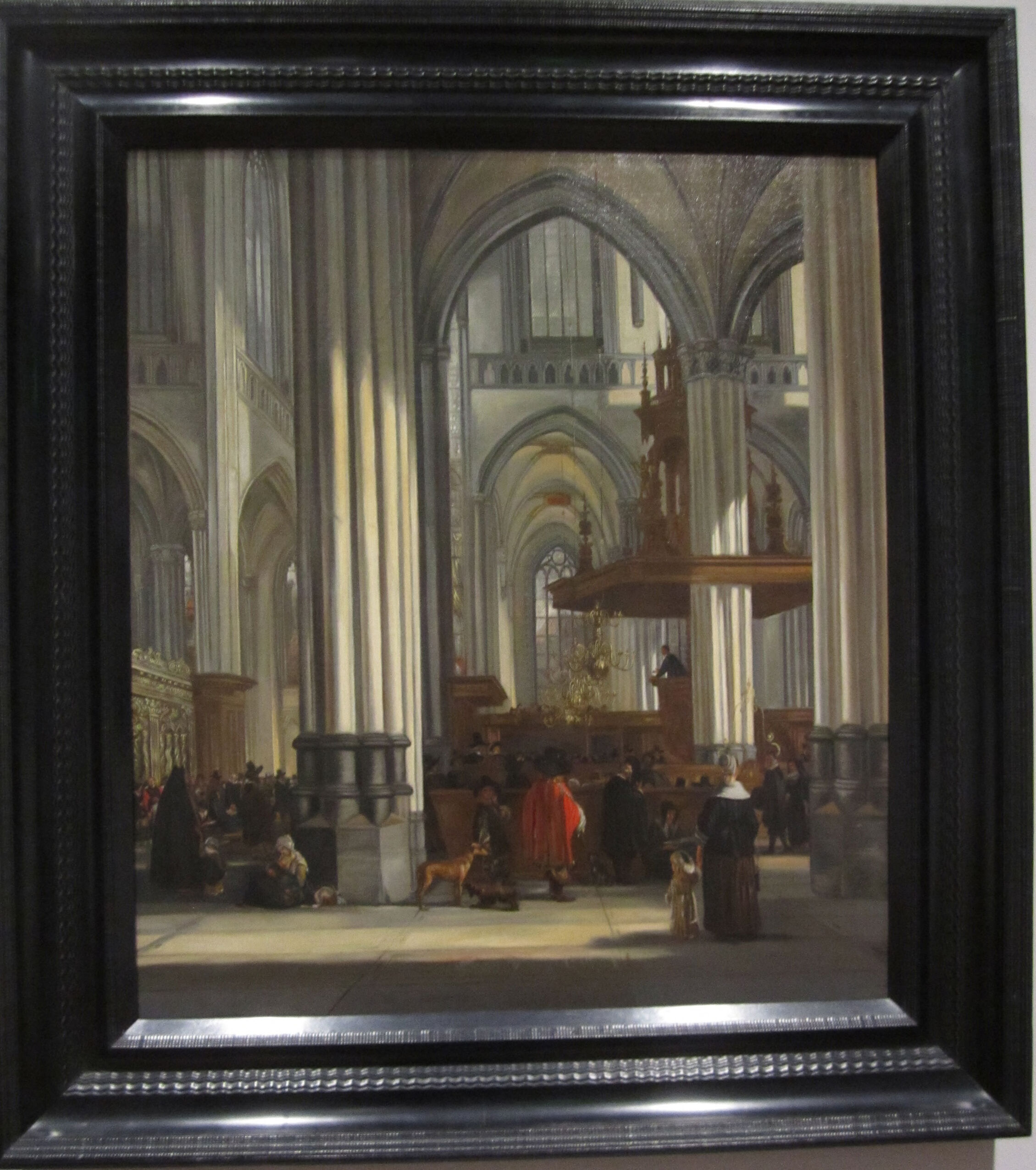
The Interior of the Nieuwe Kerk, Amsterdam, with a Sermon in Progress
Emanuel de Witte
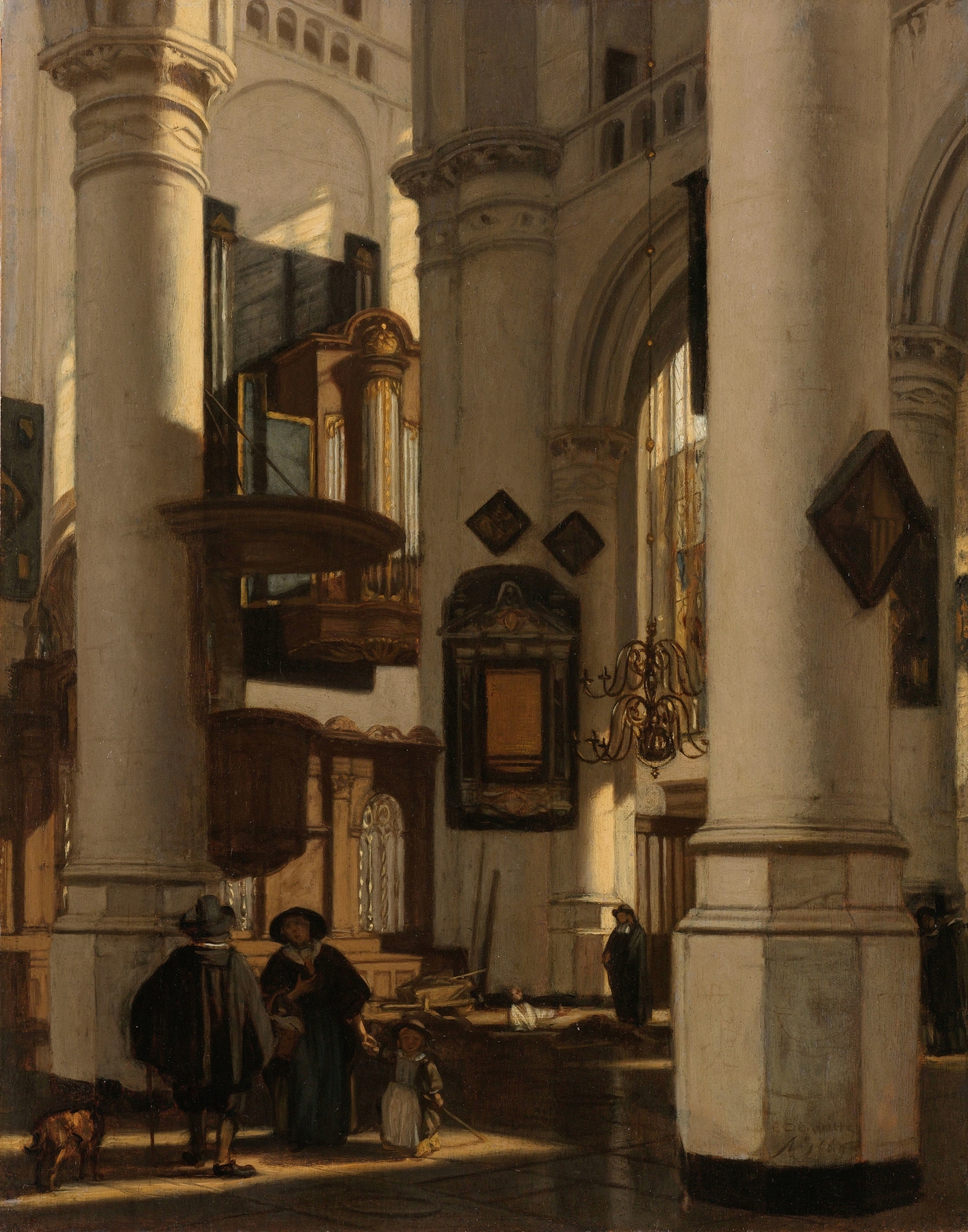
Interior of a Protestant, Gothic Church, with a Gravedigger in the Choir
Emanuel de Witte
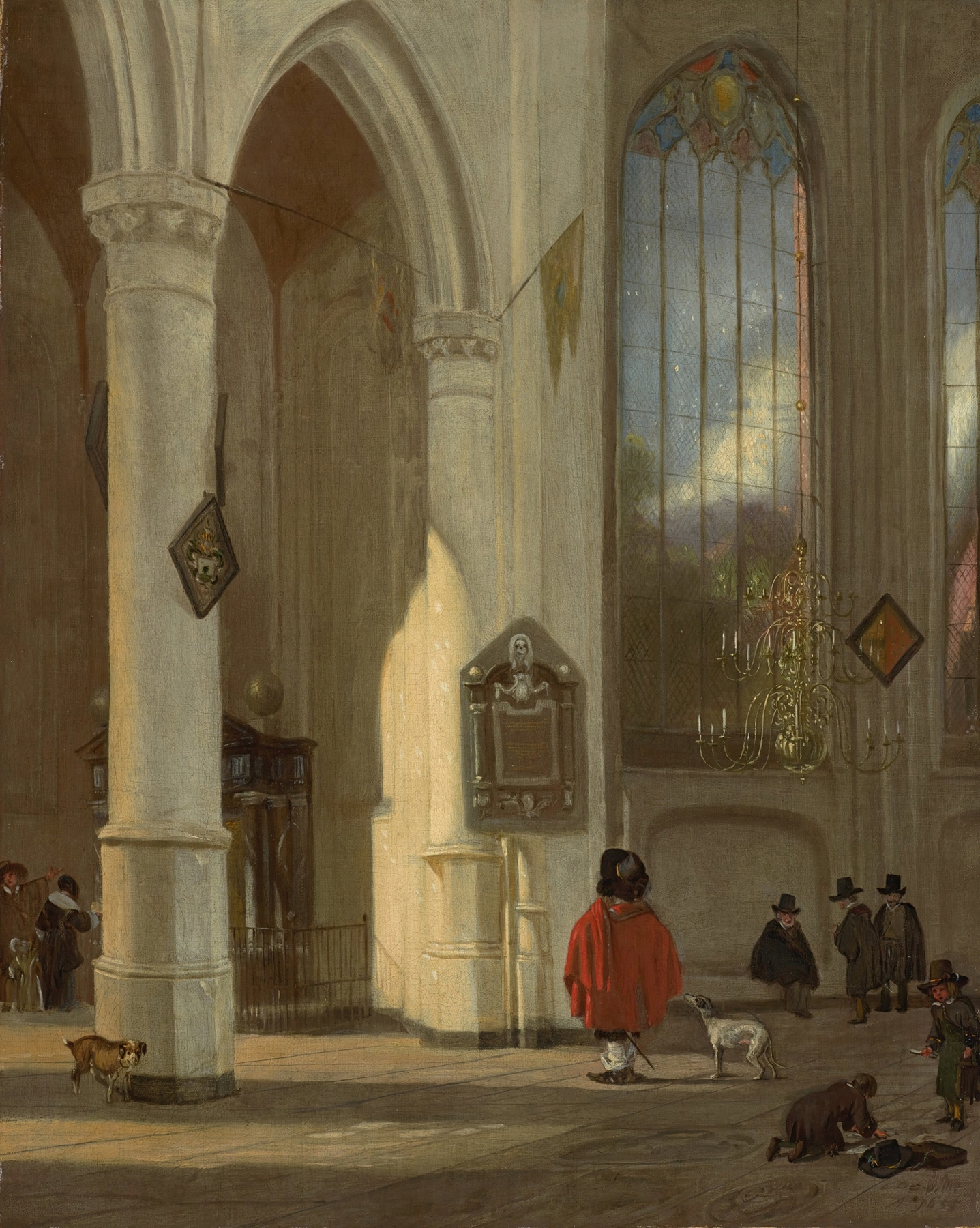
Interior of the Oude Kerk in Delft
Emanuel de Witte