发现这件艺术品的见解
Junction of Slate and Aorere Rivers, Collingwood Goldfields — 历史与趣闻
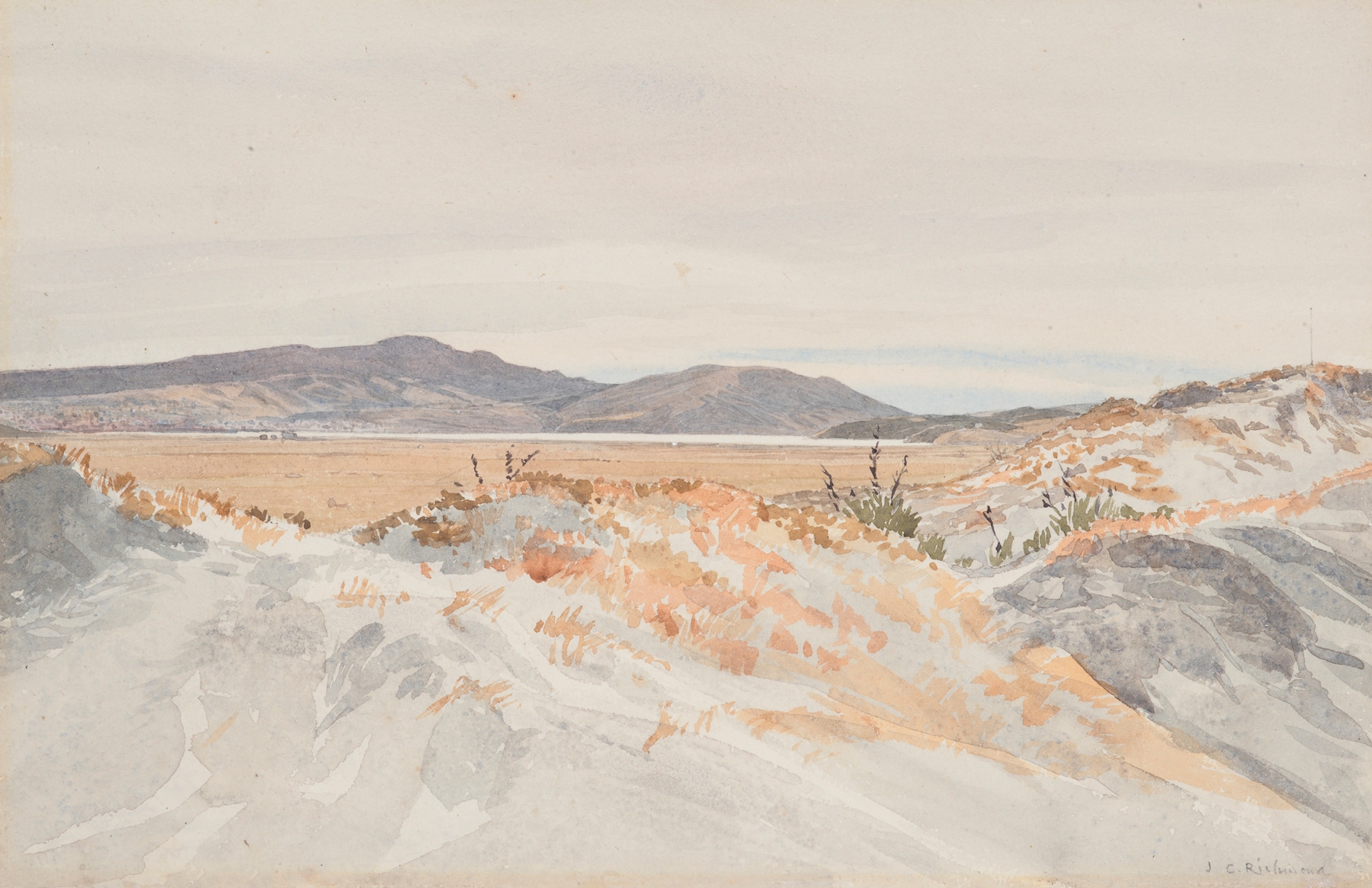
一笔画能否承载永恒?在宁静的广袤风景中,水与土地之间的静谧互动引导观者思考存在的无限本质。 请看画布的中心,那里两条河流交汇,水面在柔和的光线下闪烁。注意艺术家如何巧妙地叠加细腻的绿色和柔和的蓝色,唤起一种包围整个场景的宁静感。笔触并不急促;它们如同河流般流动,每一层涂抹都强调了时间的流动性。地平线沿着上边缘延展,创造出深度感,邀请眼睛探索隐藏在风景中的细节。 当你仔细观察土地的温和起伏时,考虑河岸上生机勃勃的生命与遥远山脉的空虚之间的对比。场景的静谧是显而易见的,但画布未触及的区域中潜藏着微妙的紧张感,暗示着时间的无声流逝。河流象征着连接与延续,而荒凉的背景则暗示着自然的无常,鼓励人们反思美的短暂本质。 1869年,詹姆斯·克劳·里士满在新西兰艺术界重要发展的时期创作了这幅作品。身处科林伍德,他与自然世界深度交融,试图捕捉其短暂的美,同时应对殖民化的影响。这幅画不仅反映了里士满与风景的个人联系,也见证了其创作时的时代变迁。
更多作品 James Crowe Richmond
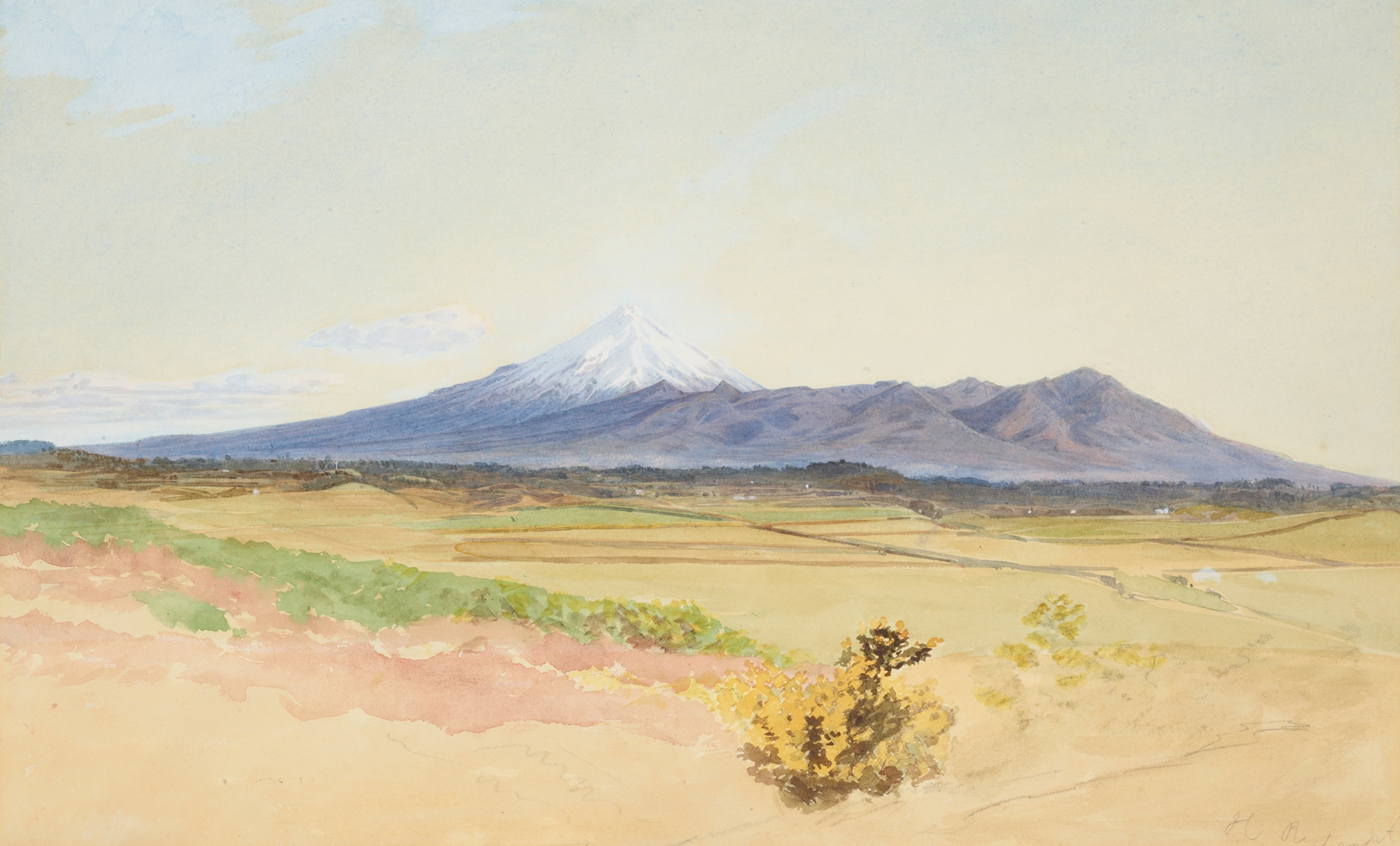
Mount Egmont and Pouakai, from New Plymouth
James Crowe Richmond
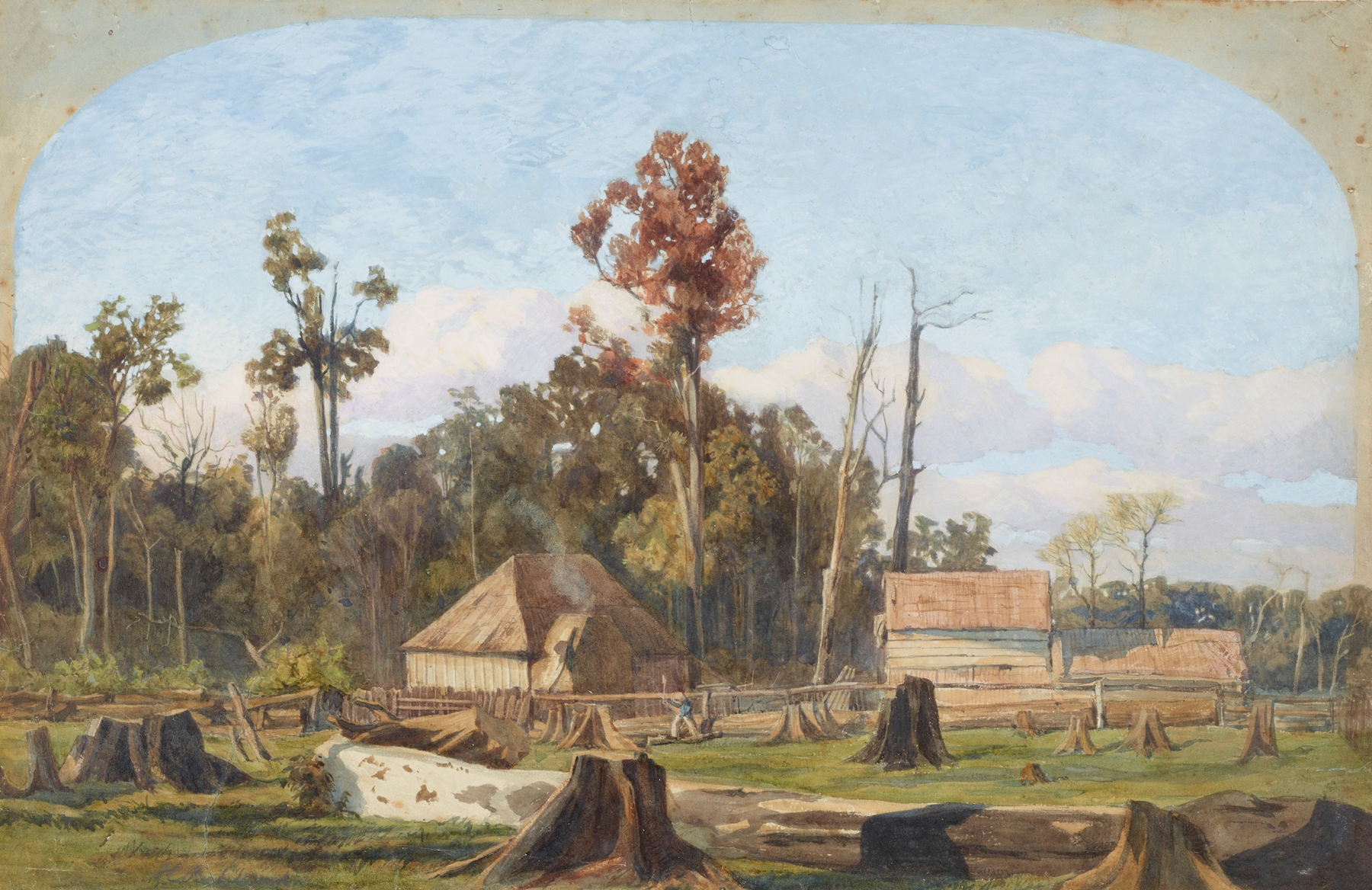
Settler’s home, Merton, near New Plymouth
James Crowe Richmond
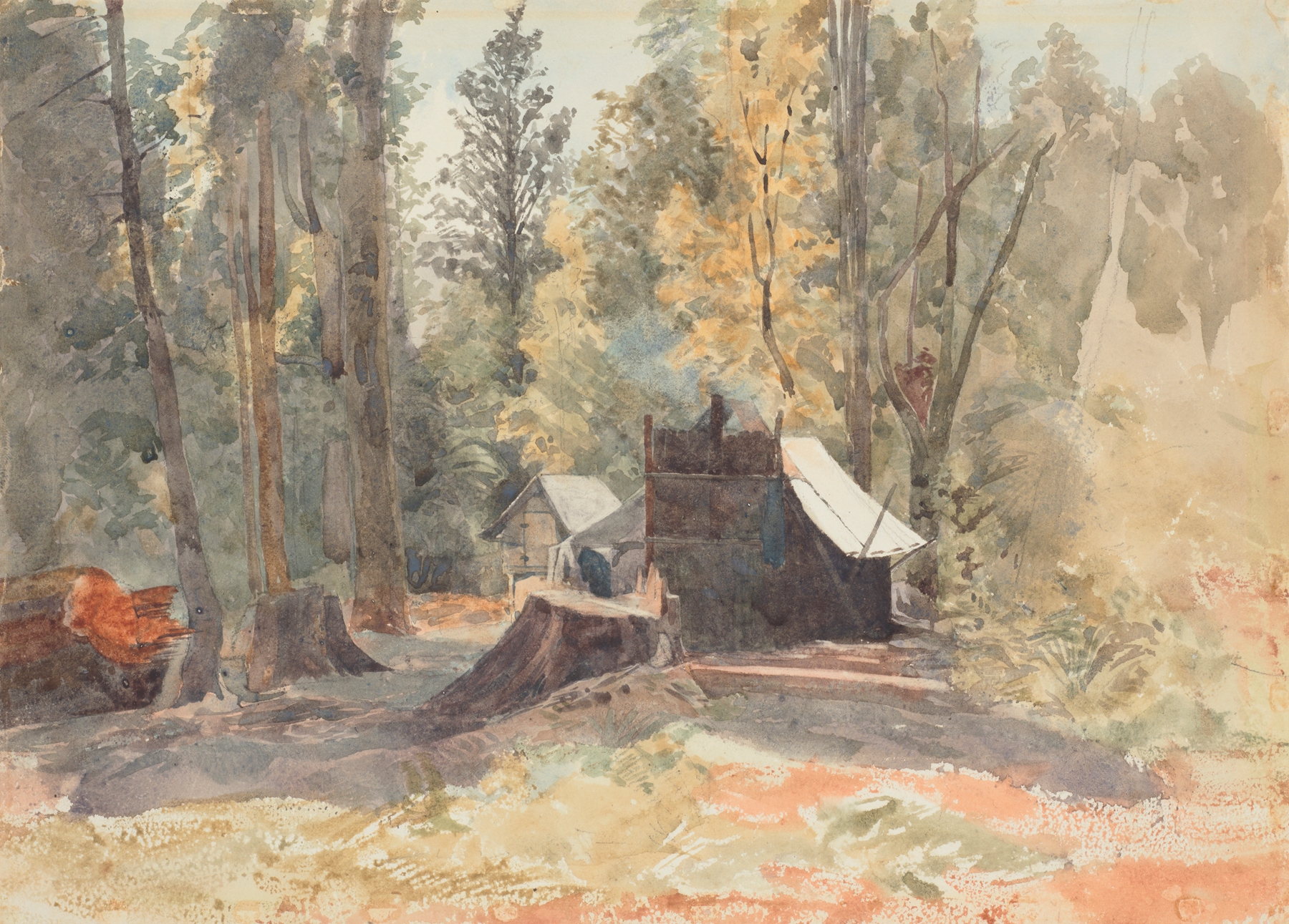
Hut of the ‘Italian party’, old diggings on Buller
James Crowe Richmond
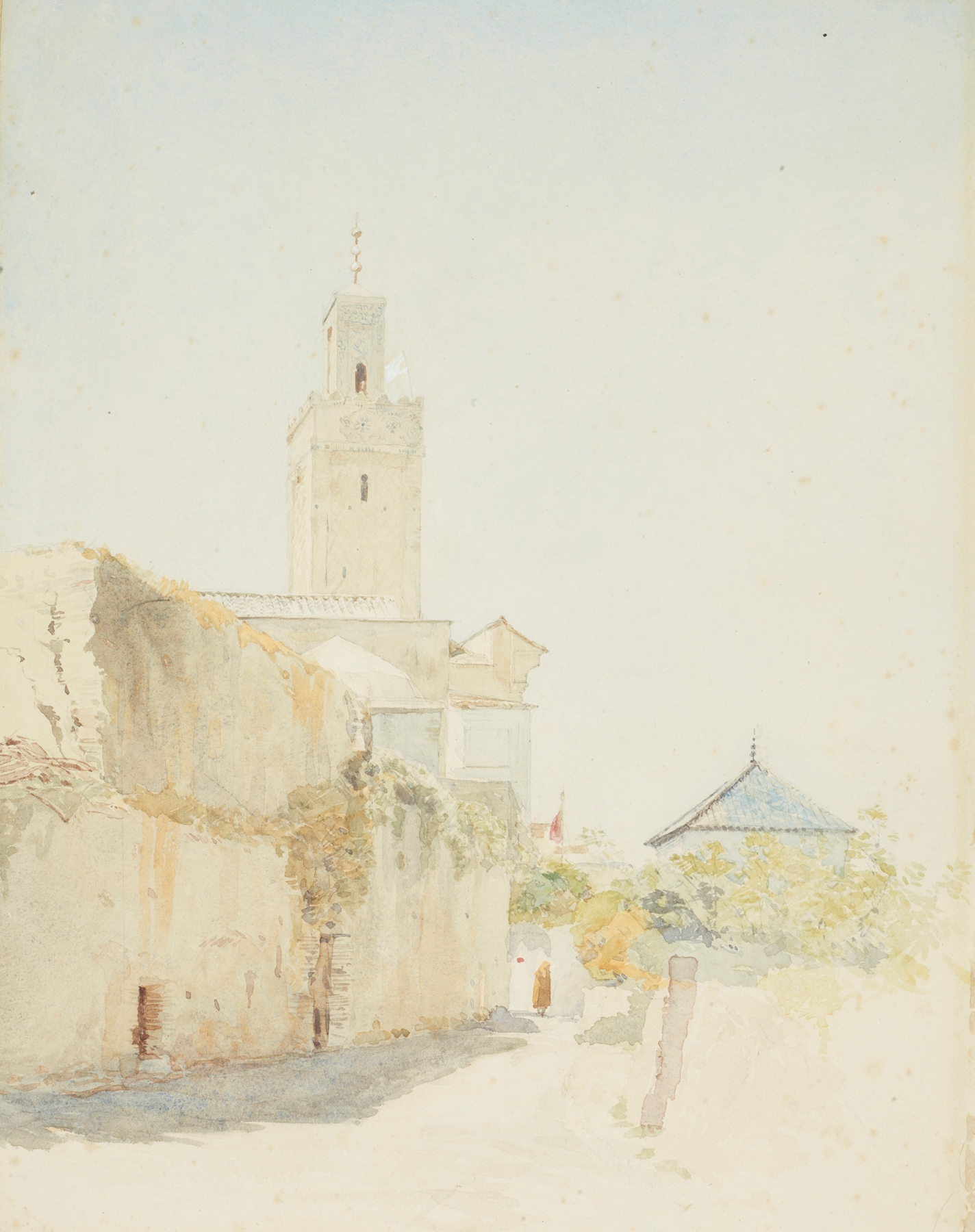
Mosque at Tlemcen
James Crowe Richmond
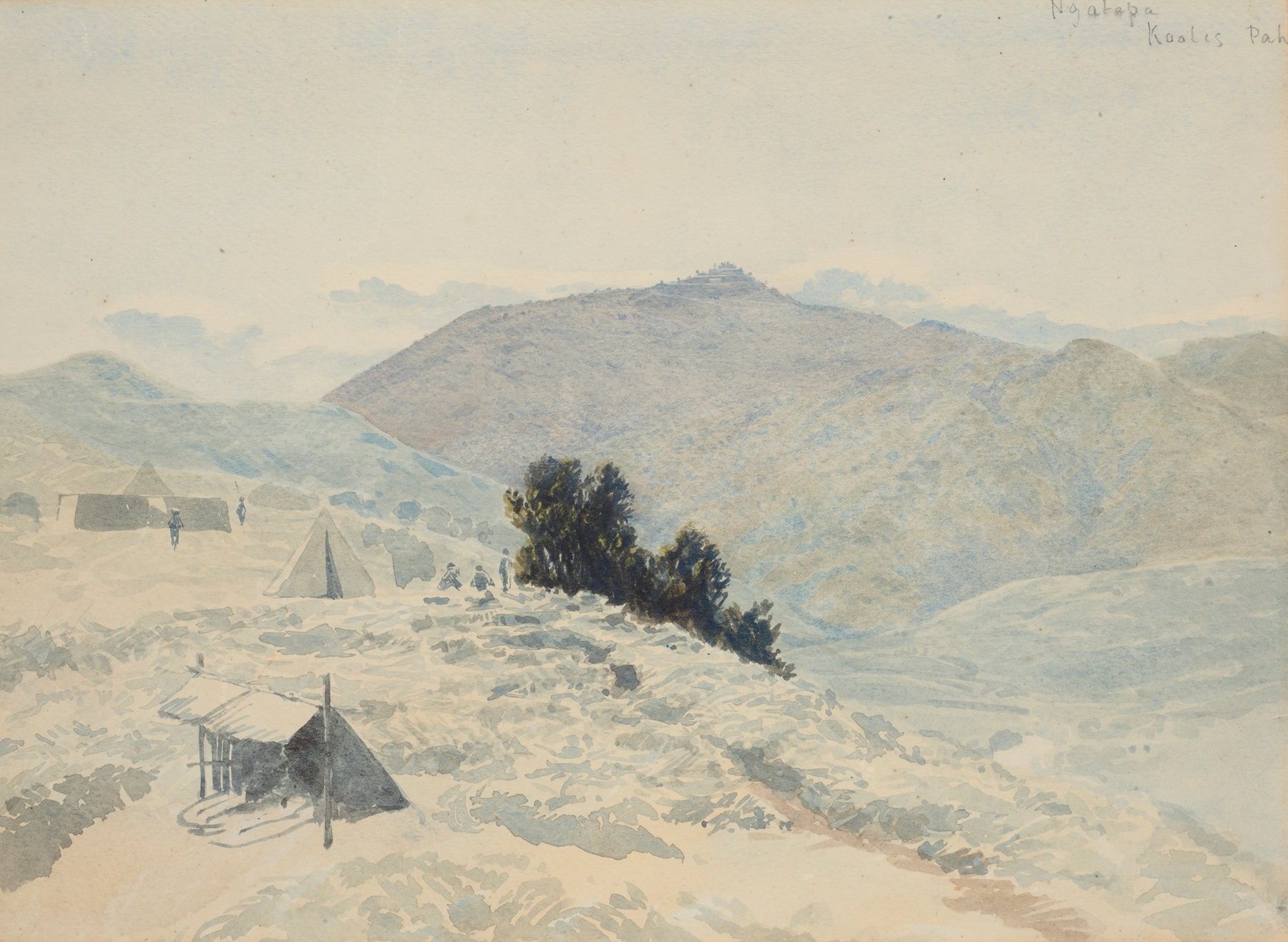
Ngatapa, Te Kooti’s Pa
James Crowe Richmond
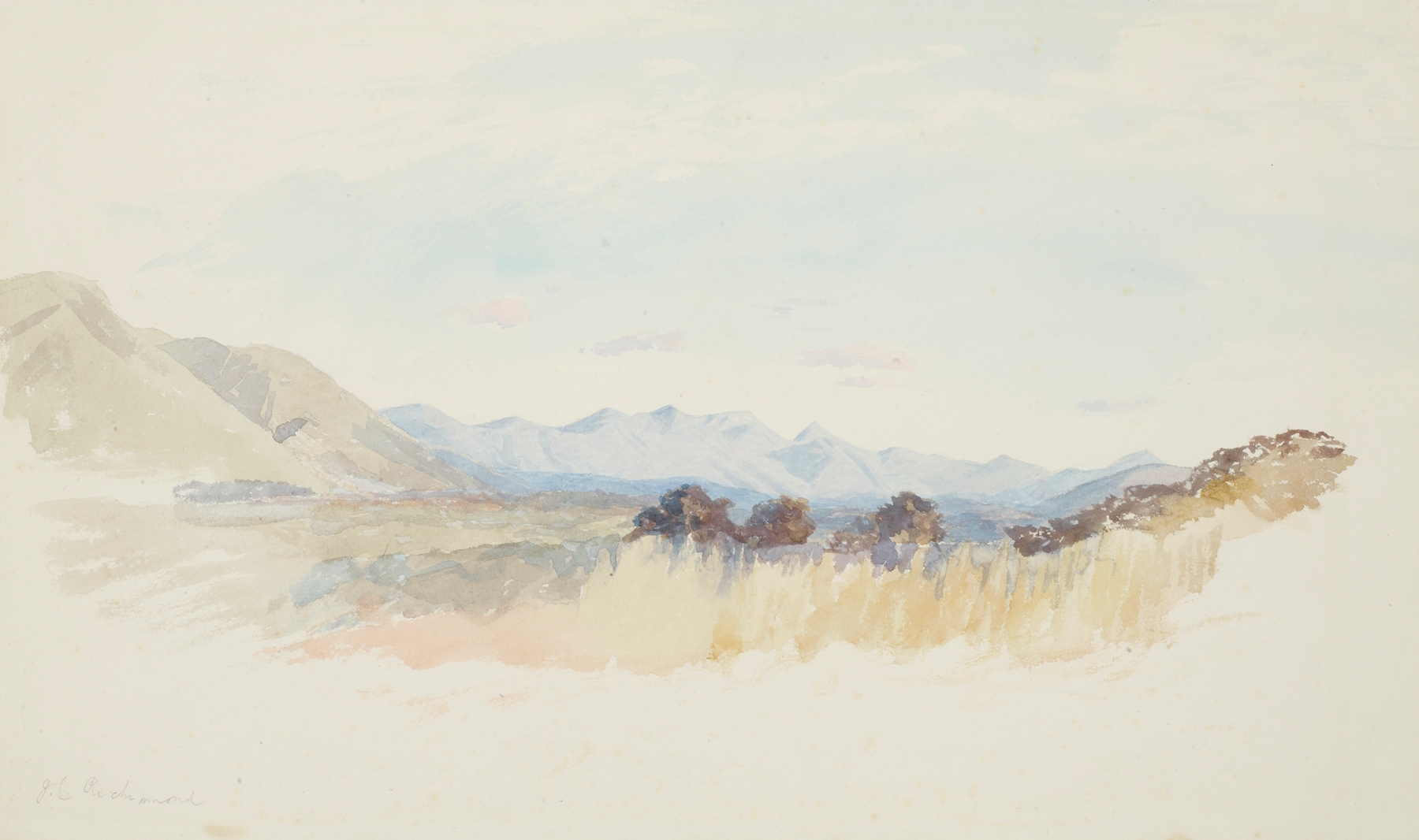
Dividing Range, Riwaka and Takaka
James Crowe Richmond
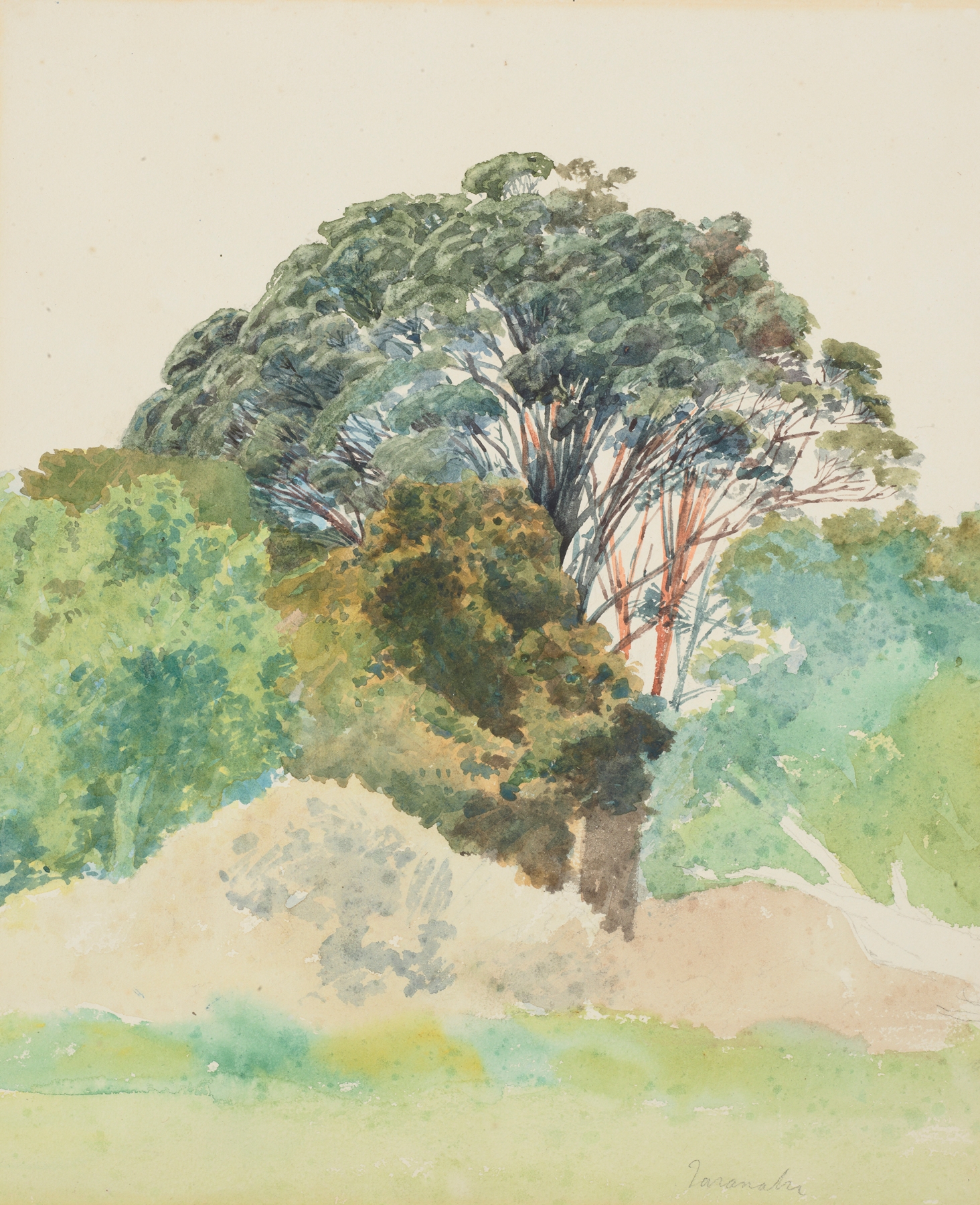
Rata, Taranaki
James Crowe Richmond
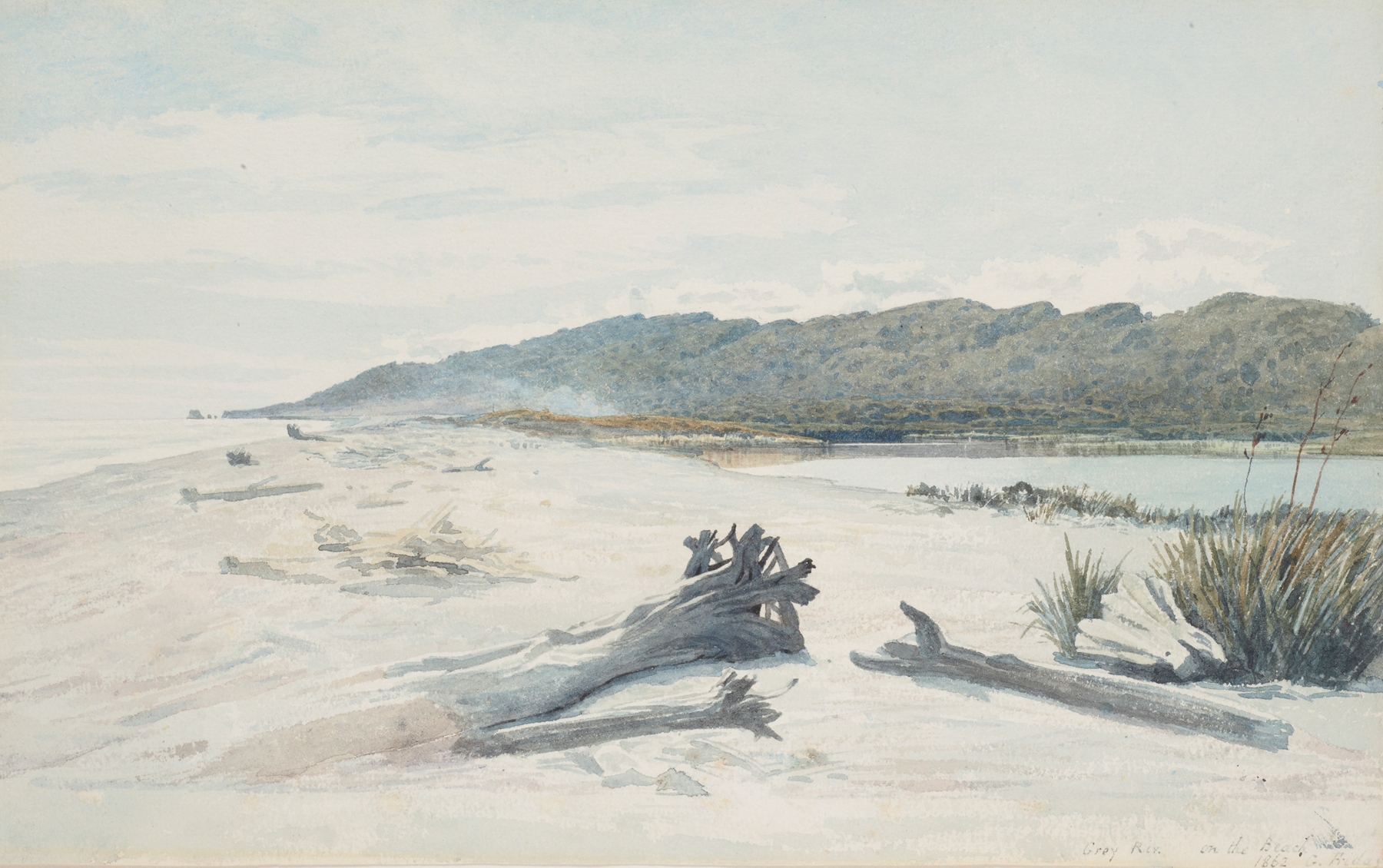
Grey River, on the beach
James Crowe Richmond
Dunedin from the Ocean Beach
James Crowe Richmond

On Collingwood Goldfields
James Crowe Richmond