发现这件艺术品的见解
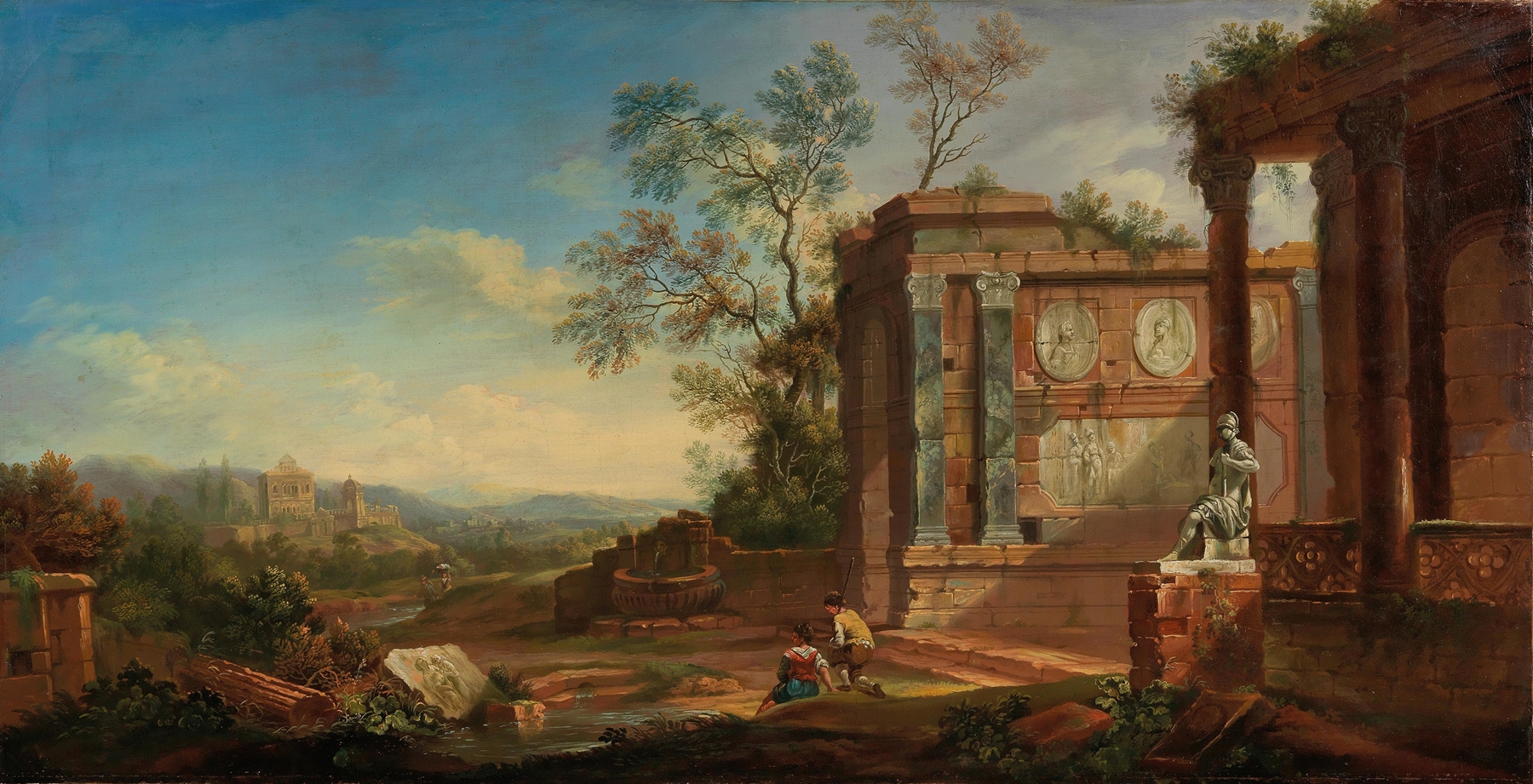
Landscape with Ancient Ruins and a Column — 历史与趣闻
“有时候,美只是痛苦,伪装成金色。”在艺术的领域中,反思不仅揭示了表面,还揭示了与自然优雅交织的人类经验的深度。 看看画作的前景,一根风化的柱子在崩溃的废墟背景下坚定地耸立。艺术家细致的笔触捕捉了石材的纹理,每一道裂缝和缝隙都讲述着时间的故事。注意那郁郁葱葱的绿意如何包围着废墟,丰盈的拥抱突显了衰败与生机的对比。柔和的土色与斑驳的阳光和谐交融,引导观众的目光投向延展在上方的宁静天空,暗示着宁静与忧郁。 仔细观察,人们可能会感知到场景中嵌入的历史层次。这根柱子,作为辉煌的遗物,见证了人类的雄心,而周围的废墟则唤起了文明的短暂。光与影的交错创造了一种对比的舞蹈——过去的光辉片段与逼近的荒野,微妙地提醒着自然的回归力量。这种二元性孕育了紧张感,因为美与失落在反思的单一时刻交汇。 在1756年,克里斯蒂安·乔治·舒茨(Christian Georg Schütz the elder)在德国艺术探索的阶段创作了这幅引人深思的作品,当时洛可可风格正逐渐让位于新古典主义。生活在一个以启蒙时代对知识的追求和对古代的欣赏为标志的时代,舒茨试图传达人类成就的魅力与脆弱,回响着对时间流逝和历史遗产的更广泛文化反思。
更多作品 Christian Georg Schütz the elder
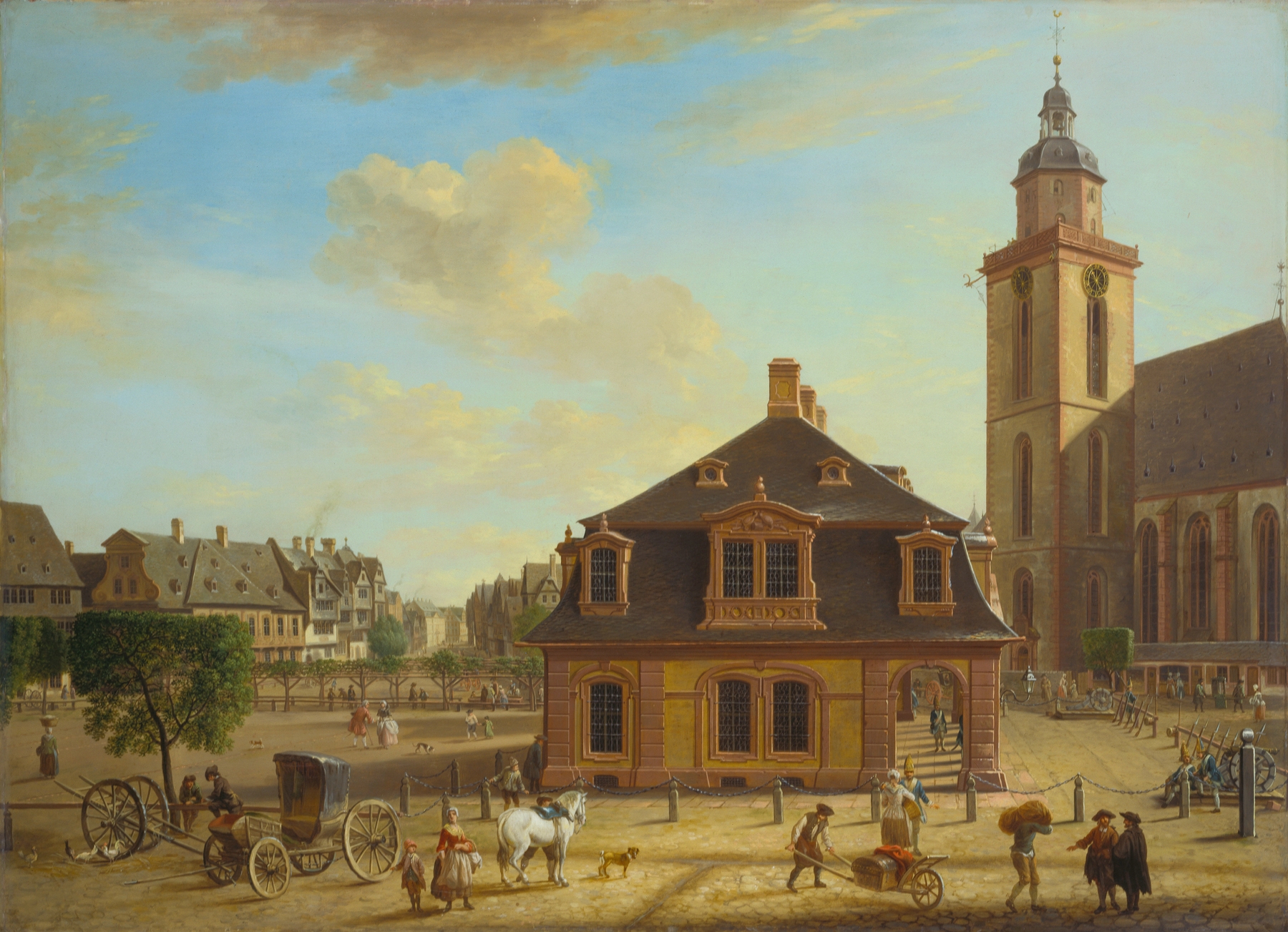
The Rossmarkt in Frankfurt
Christian Georg Schütz the elder
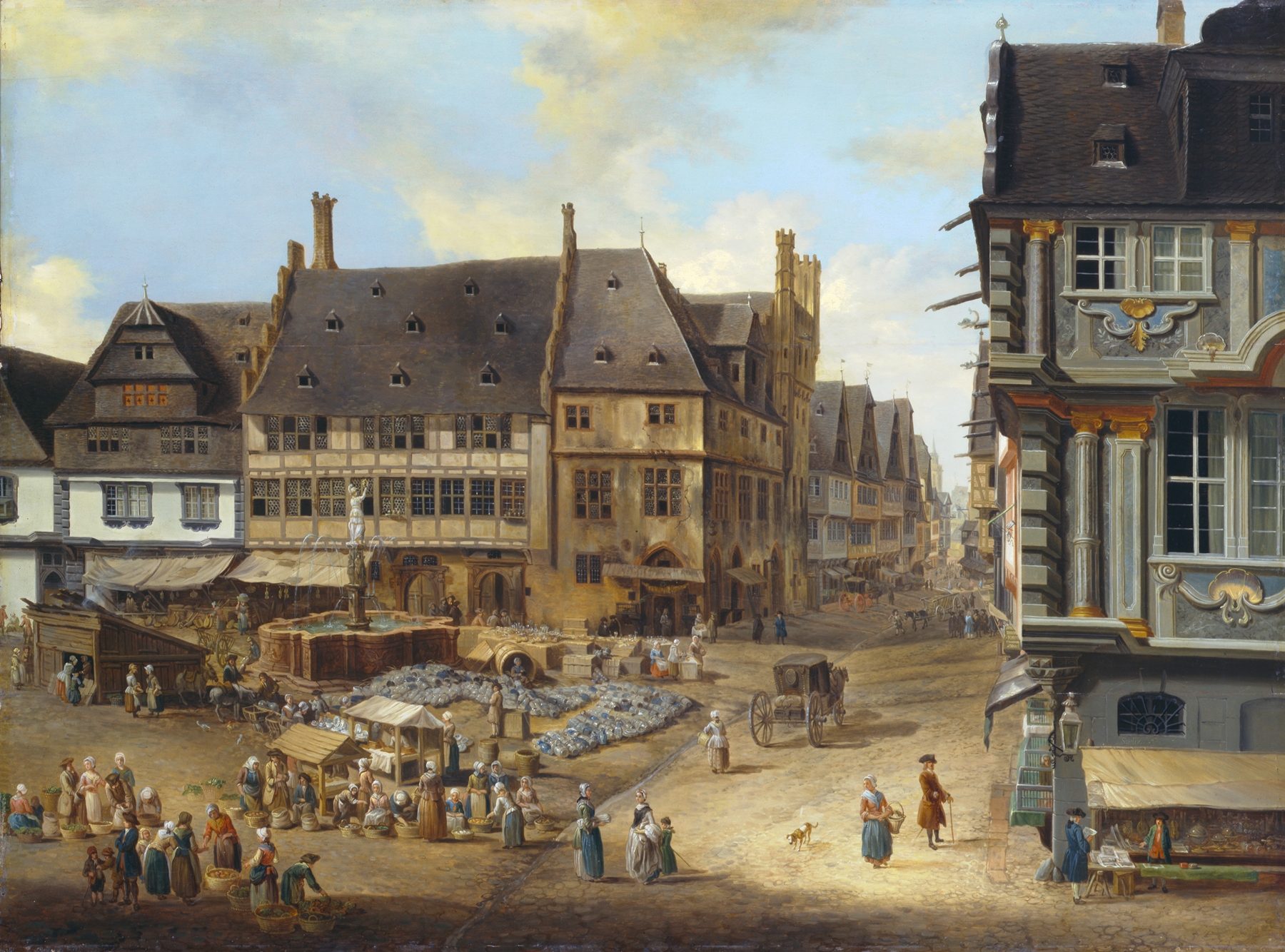
The Liebfrauenberg in Frankfurt
Christian Georg Schütz the elder
Gebirgige Flusslandschaft
Christian Georg Schütz the elder
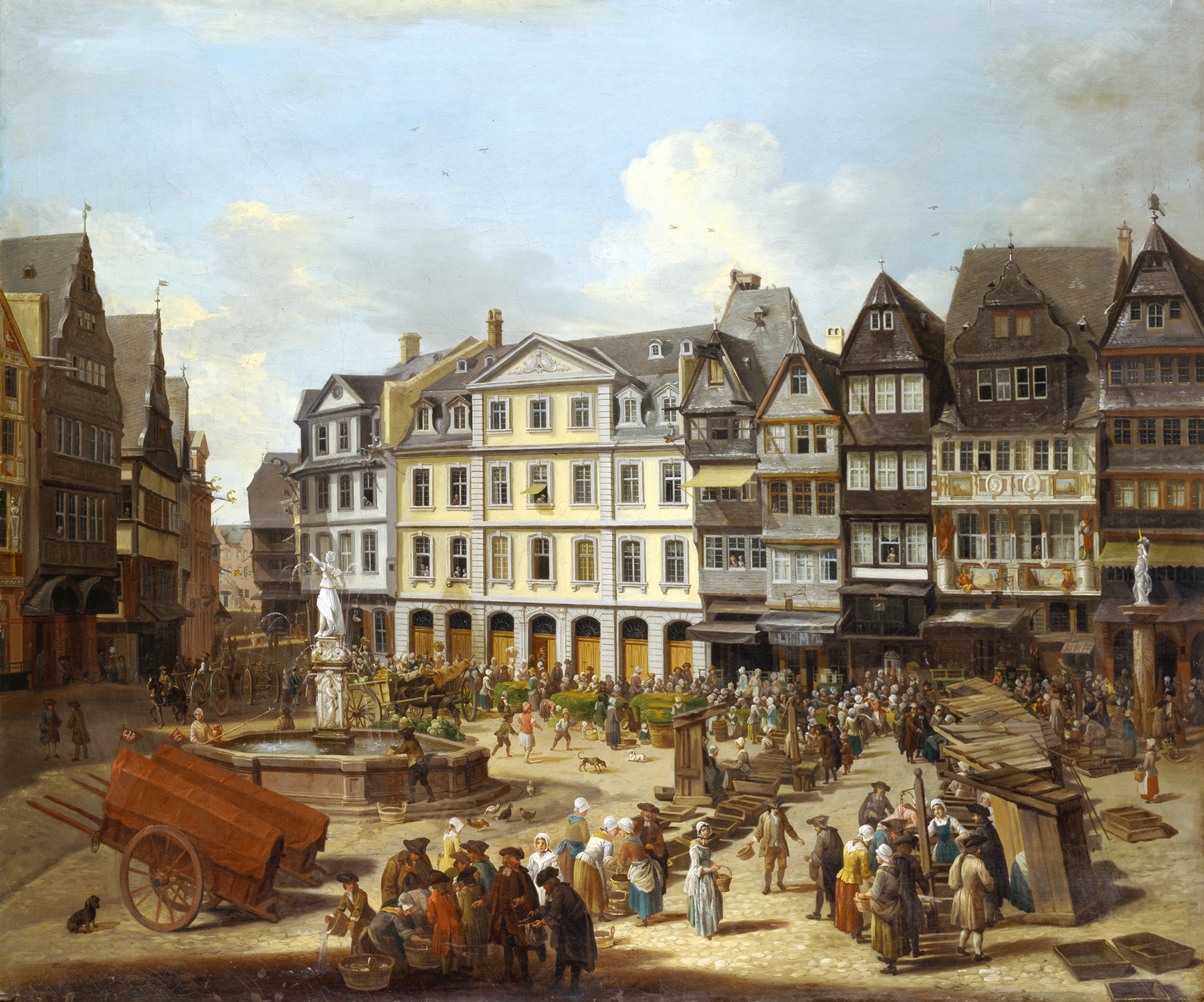
A Market on the Römerberg in Frankfurt
Christian Georg Schütz the elder
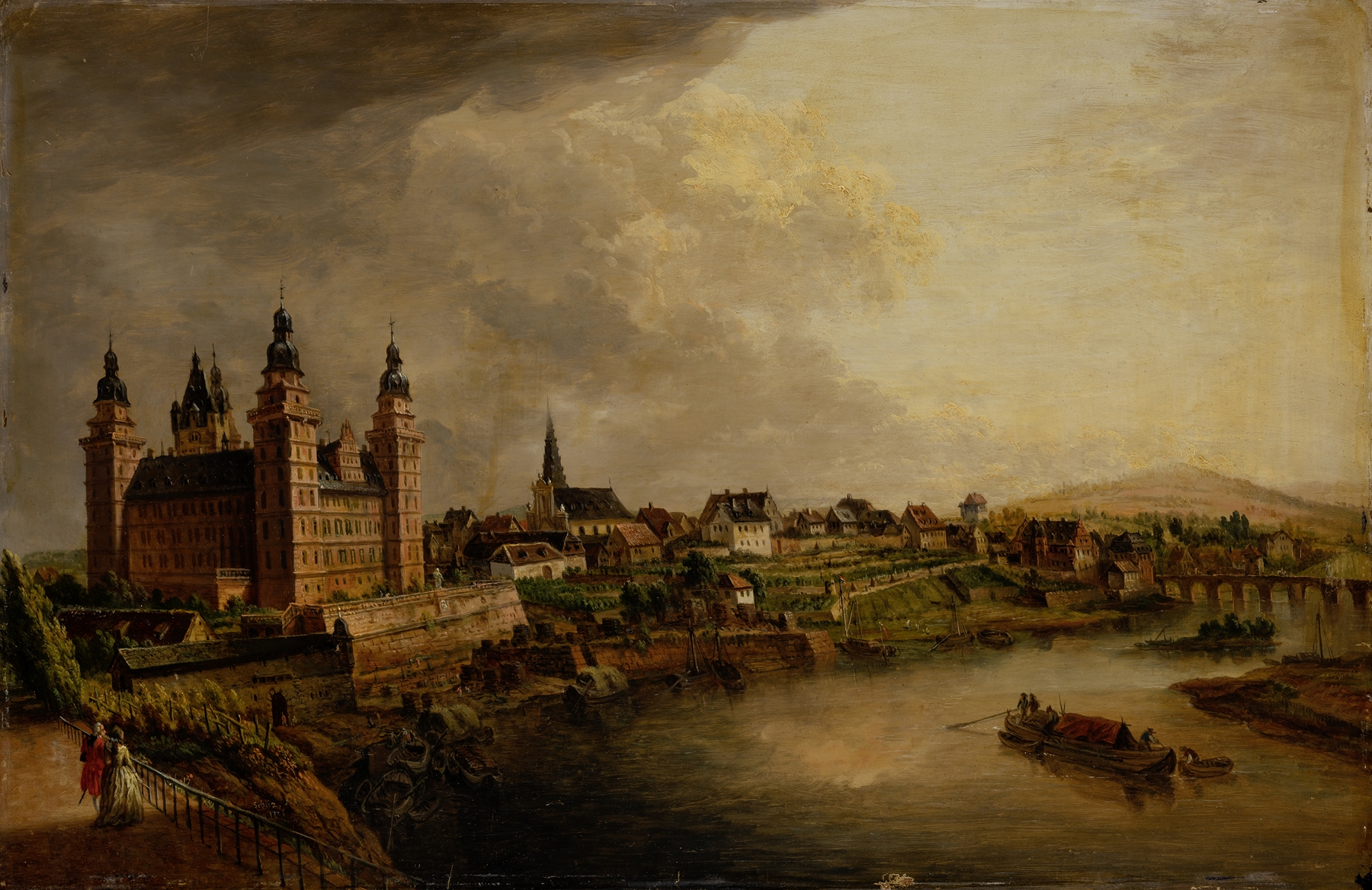
View of Aschaffenburg
Christian Georg Schütz the elder
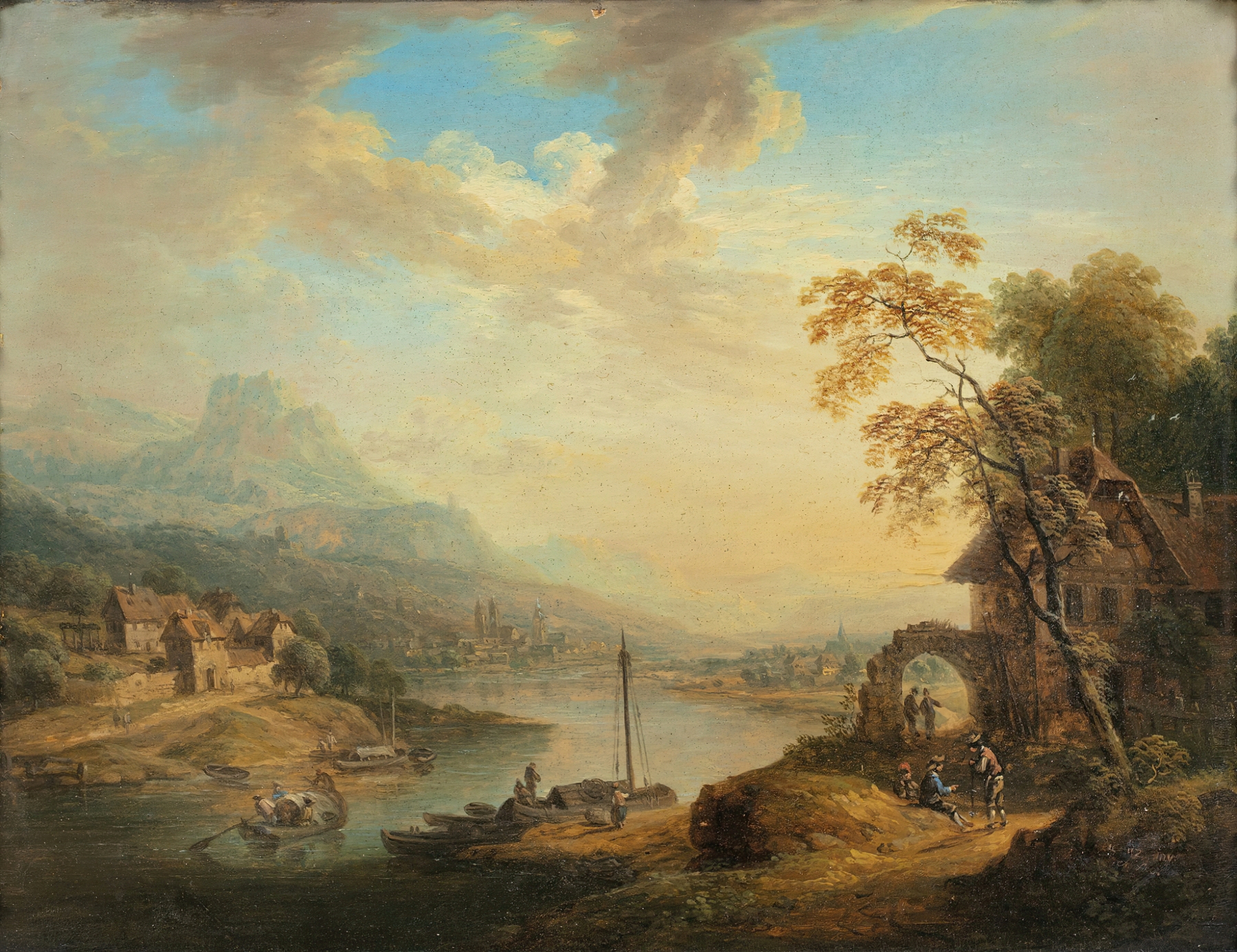
River Landscape
Christian Georg Schütz the elder
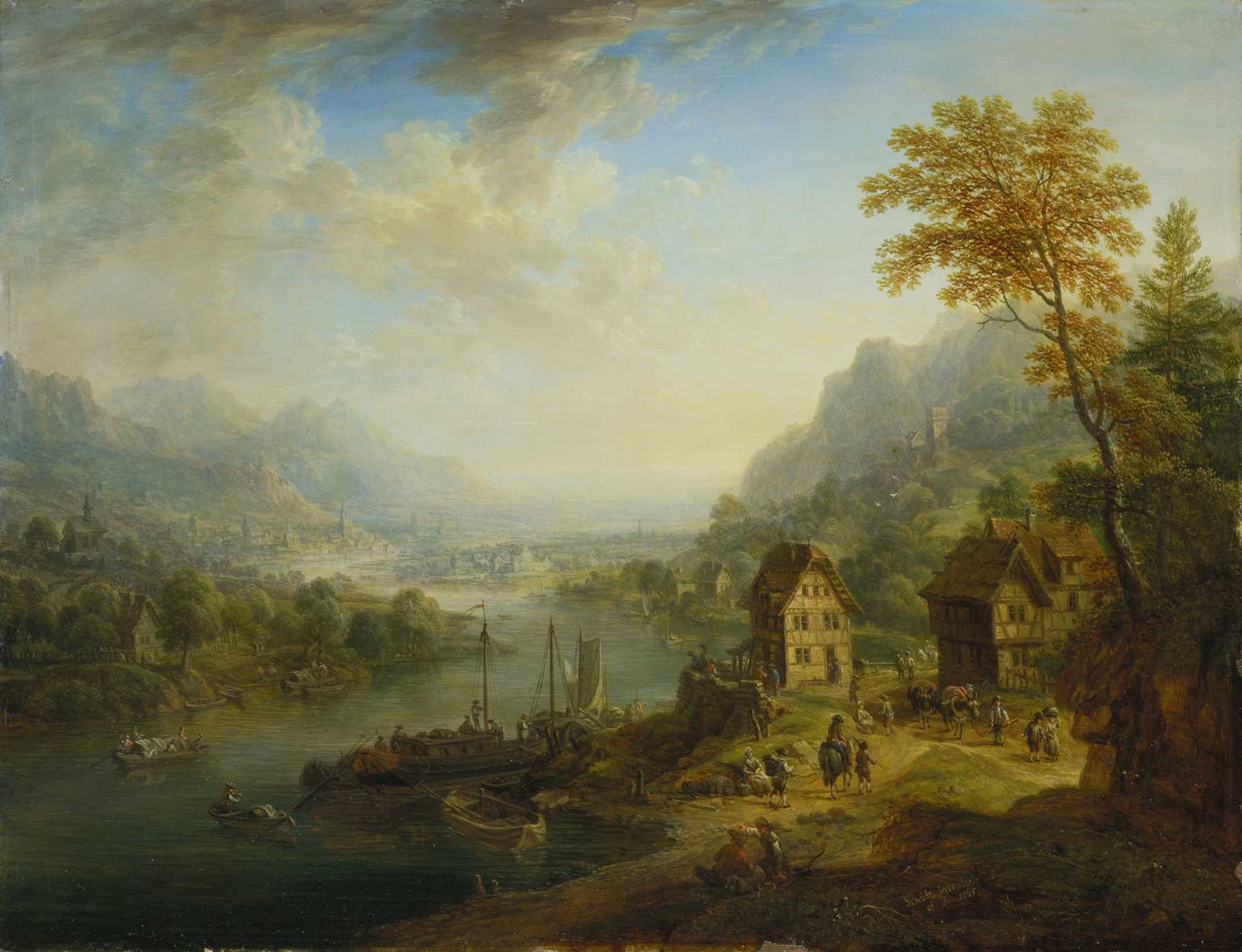
Landscape with River.
Christian Georg Schütz the elder
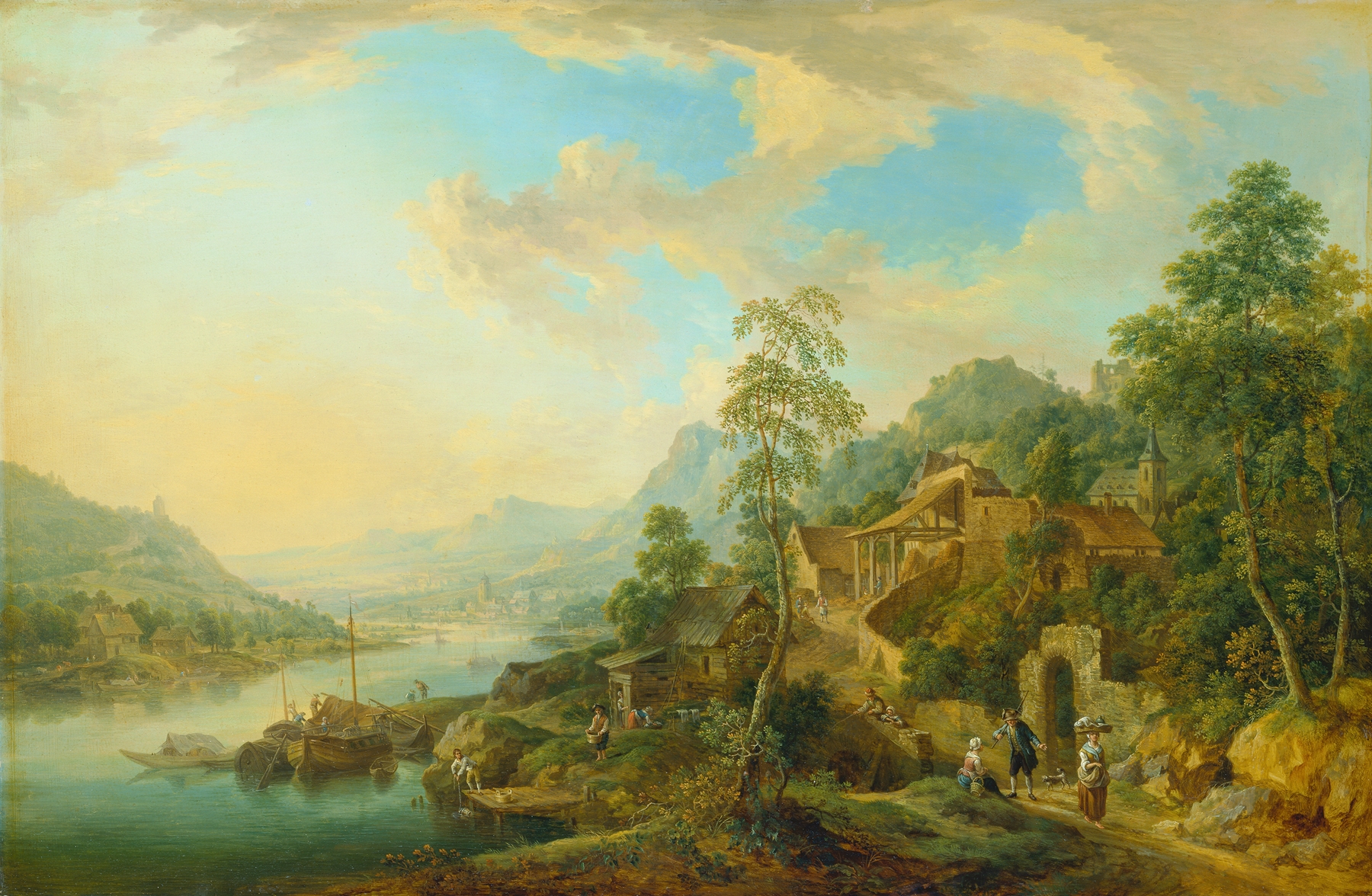
River Landscape in the Morning Light
Christian Georg Schütz the elder
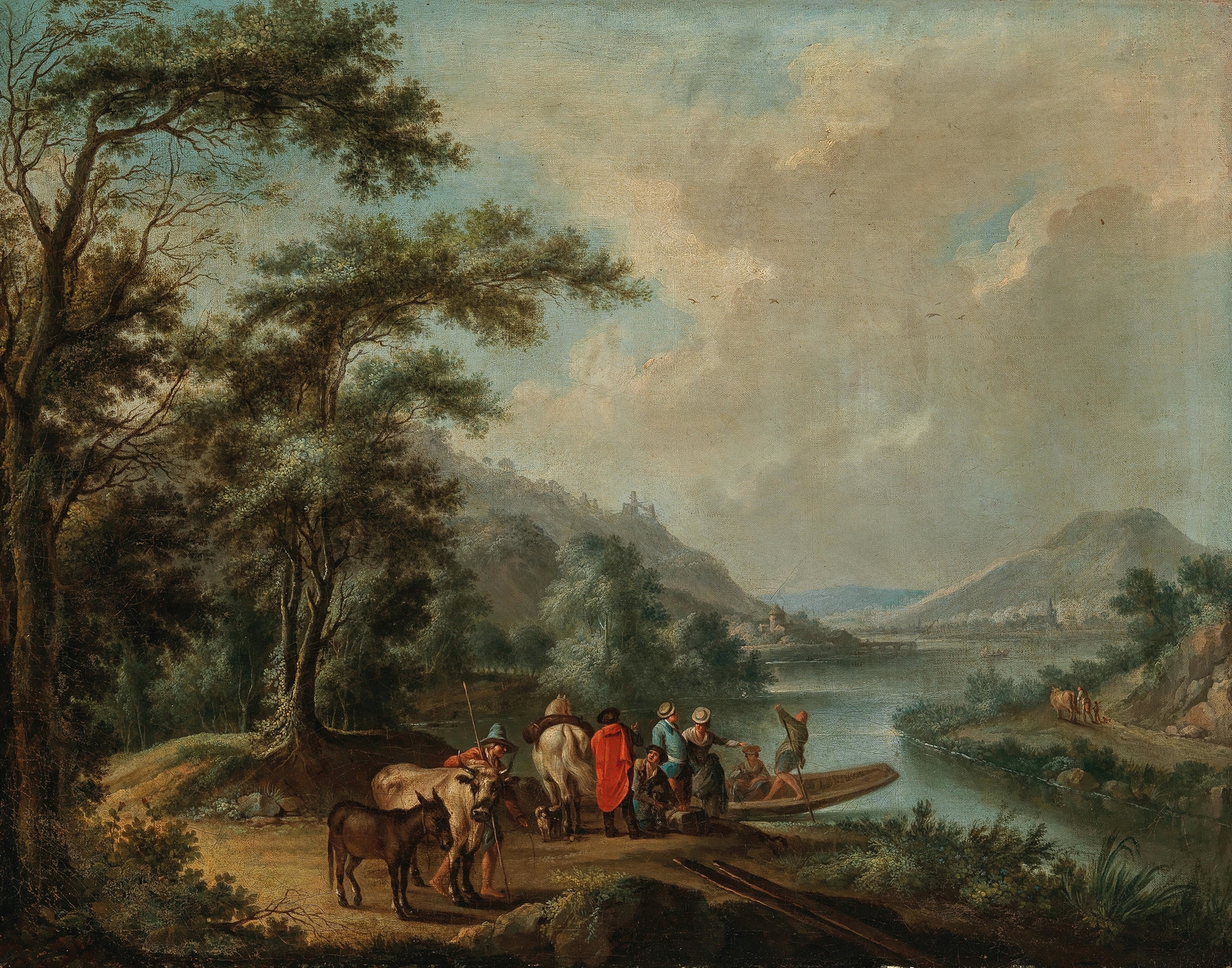
A Rhine landscape with a ferry, near Bonn with the Rolandsbogen, Drachenfels and the island of Nonnenwerth beyond
Christian Georg Schütz the elder

Flooded Woodlands near Oberrad
Christian Georg Schütz the elder