发现这件艺术品的见解
Mexican dresses — 历史与趣闻
“在画笔下,混沌变为优雅。”每一笔油彩都低语着编织成生动织物的记忆,捕捉着一个悬停在时间中的瞬间。 向左看,色彩的瀑布——浓郁的红色和深邃的绿色交融在一起,唤起传统的精神。裙子上的复杂图案似乎在画布上舞动,邀请观众用眼睛追踪那细腻的线条。注意光线如何与质感互动,突出微妙的细微差别,使织物栩栩如生,仿佛每件衣服都有自己的心跳。 在这幅生动的描绘中蕴藏着遗产和身份的故事。鲜艳生动的色彩与柔和的背景之间的对比,体现了充满活力的文化与日常生活中常被忽视的安静方面之间的对比。每一个褶皱和垂坠不仅传达了运动的优雅,还暗示了记忆的重量和穿着这些裙子的人的层叠历史——每一件都是韧性和美的见证。 1869年,C. Castro在墨西哥艺术开始探索更深文化根源的时期创作了这幅作品,反映了在政治动荡中日益增长的国家认同。这是一个艺术家们试图捕捉周围环境本质的时代,将传统元素与当代技法相结合。最终,这件作品作为文化记忆的庆典,优美地封存了墨西哥生活中一个生动的瞬间。
更多作品 C. Castro
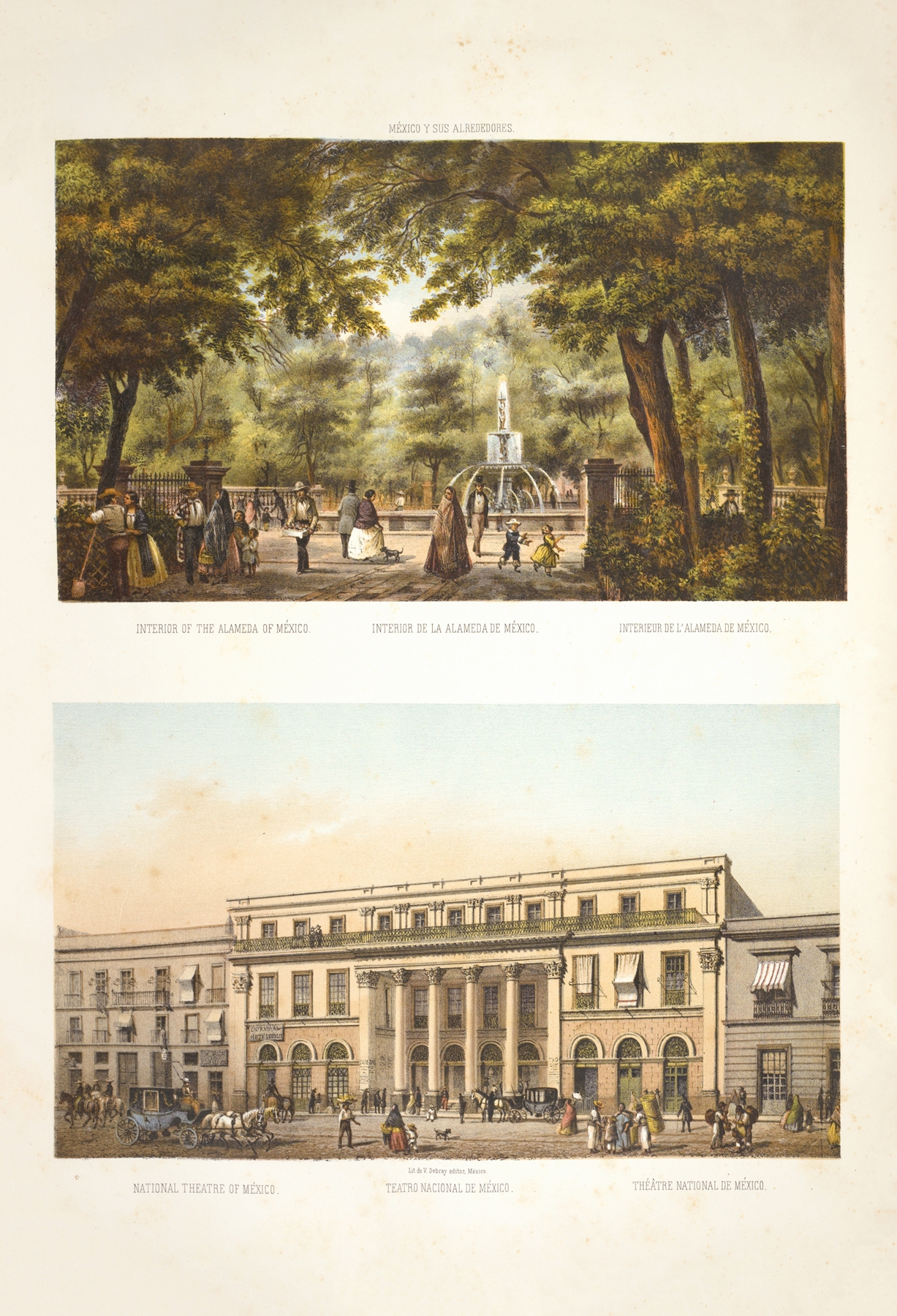
Interior of the Alameda of Mexico ; National Theatre of Mexico.
C. Castro
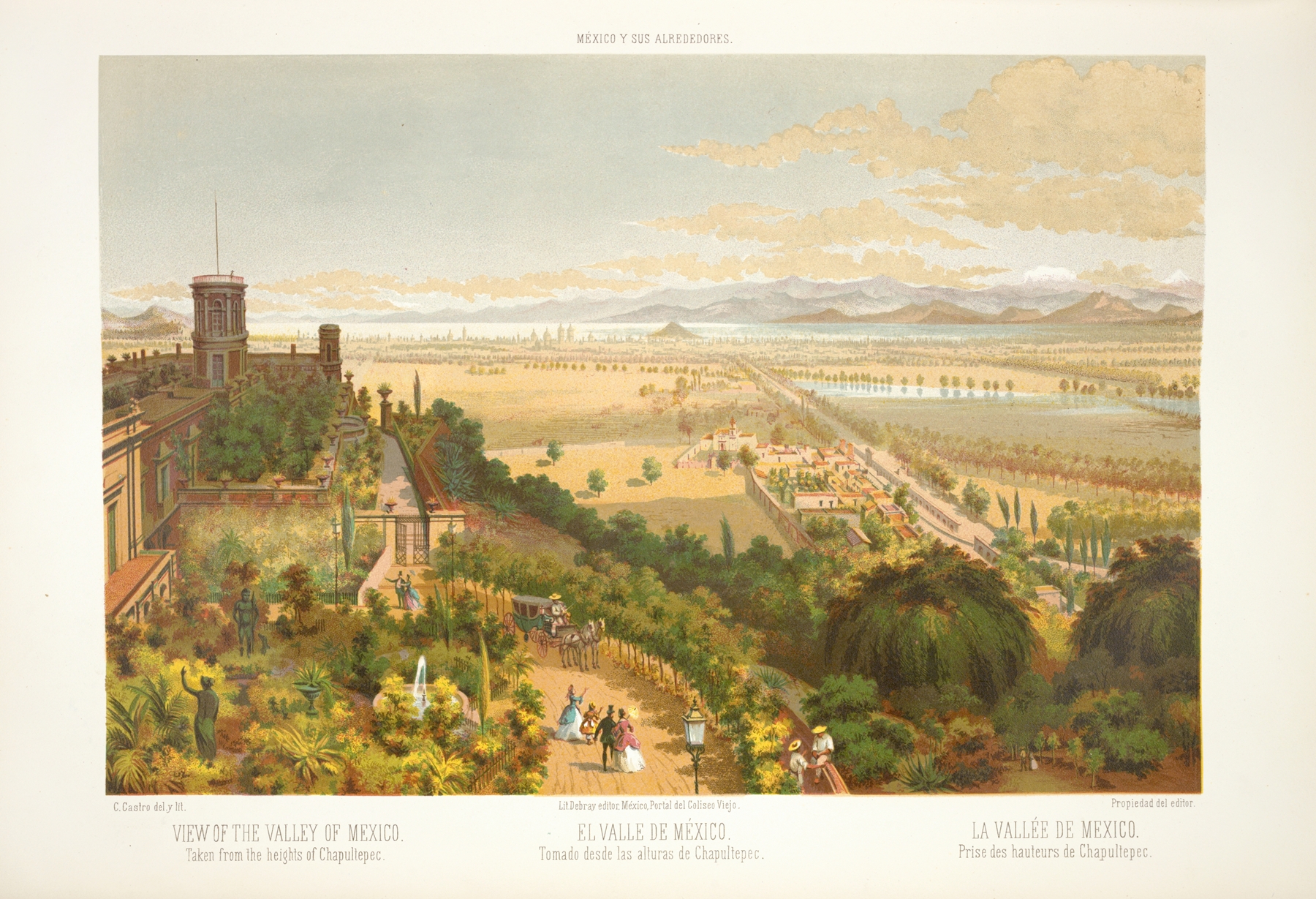
View of the Valley of Mexico, taken from the heights of Chapultepec.
C. Castro
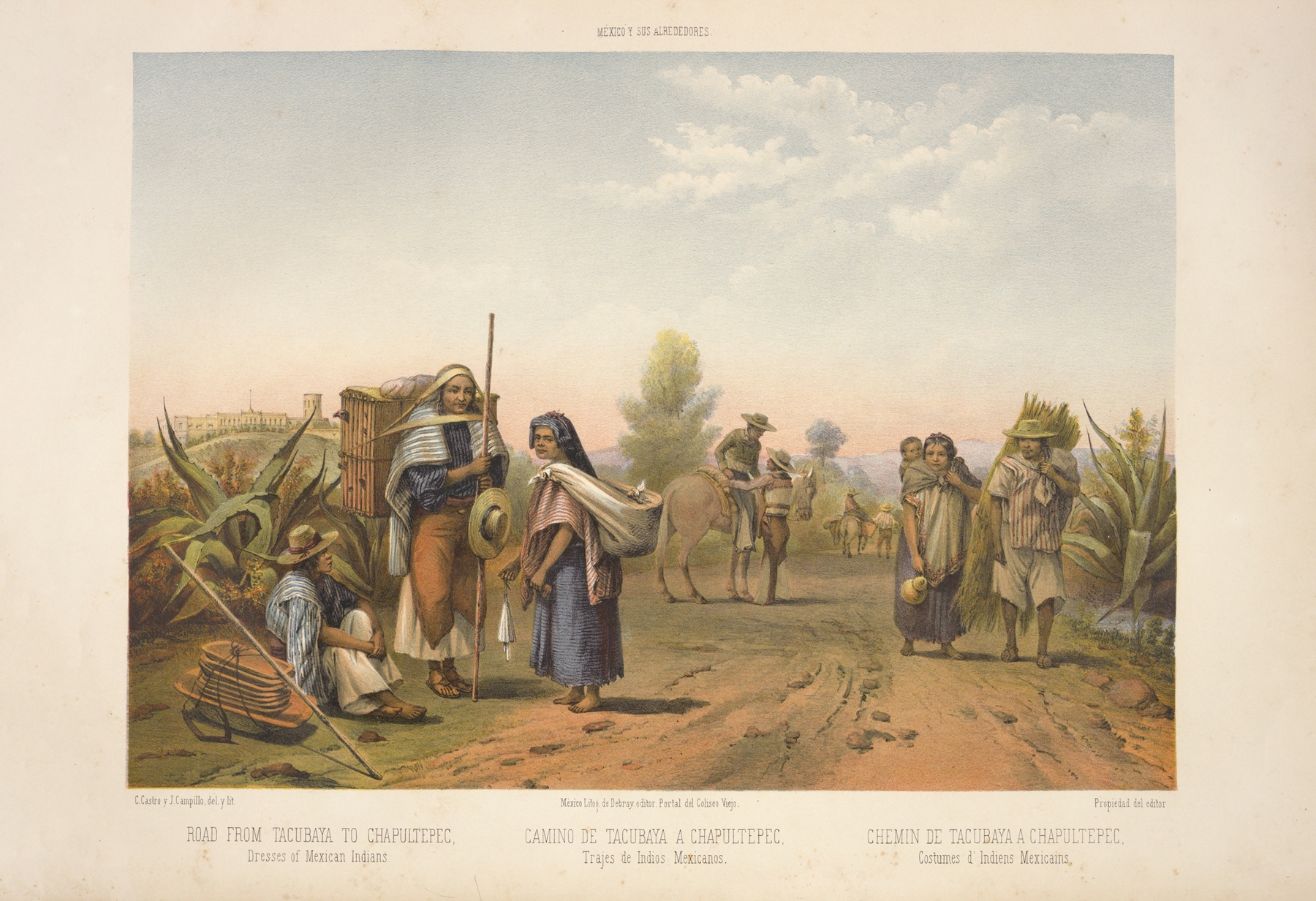
Road from Tacubaya to Chapultepec, dresses of Mexican Indians.
C. Castro
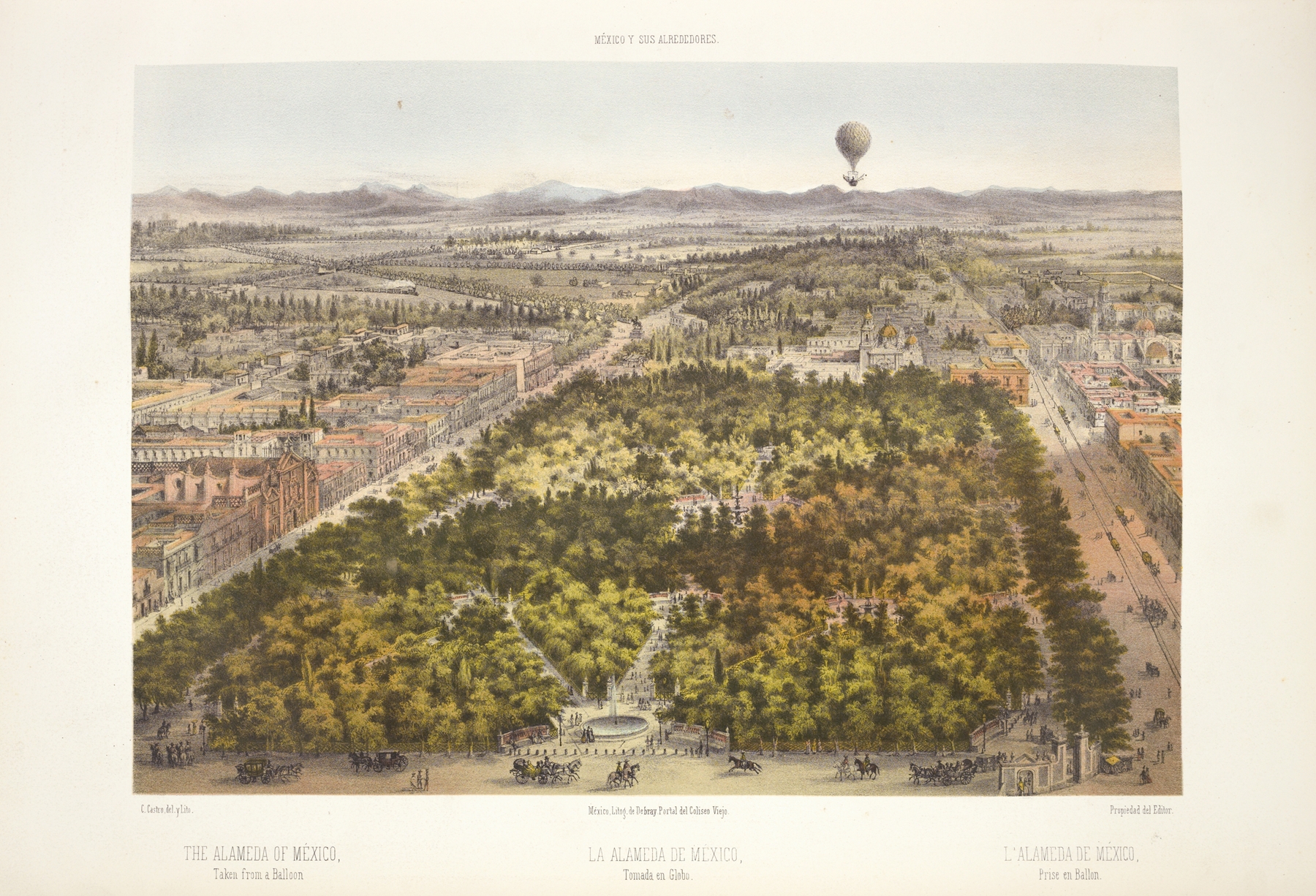
The Alameda of Mexico, taken from a balloon.
C. Castro
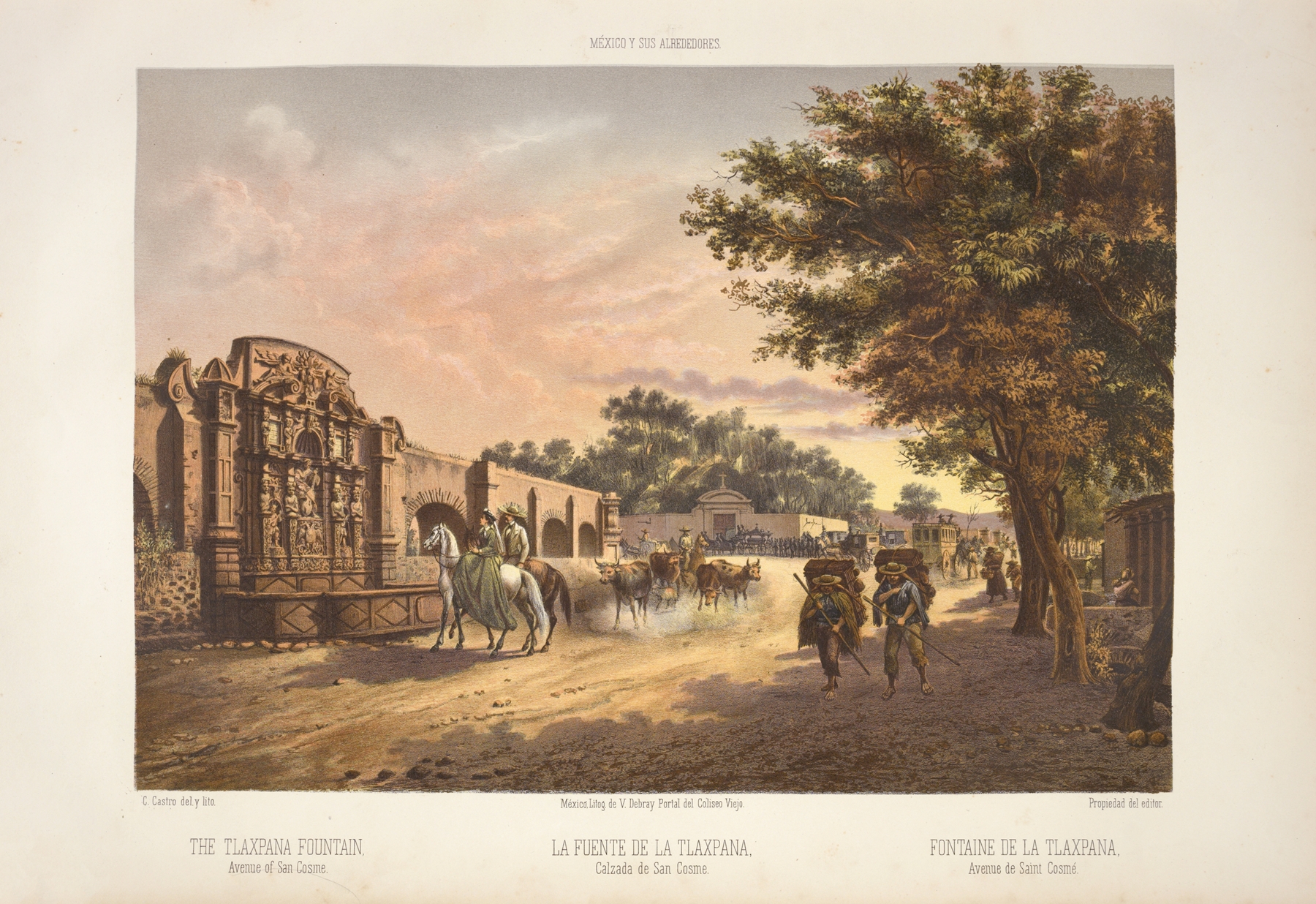
The Tlaxpana fountain, Avenue of San Cosme.
C. Castro
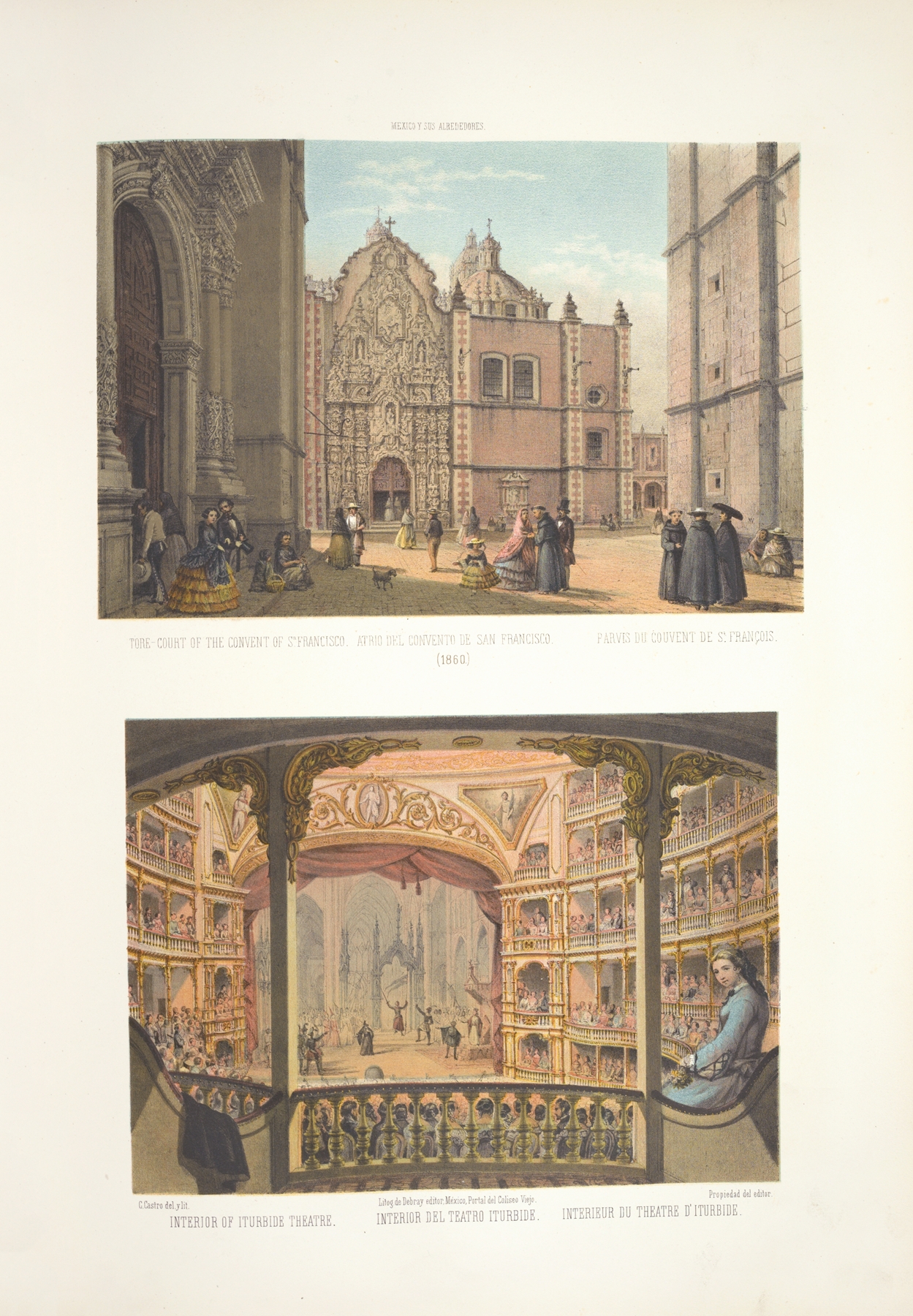
Tore-court of the convent of St. Francisco ; Interior del Teatro Iturbide
C. Castro
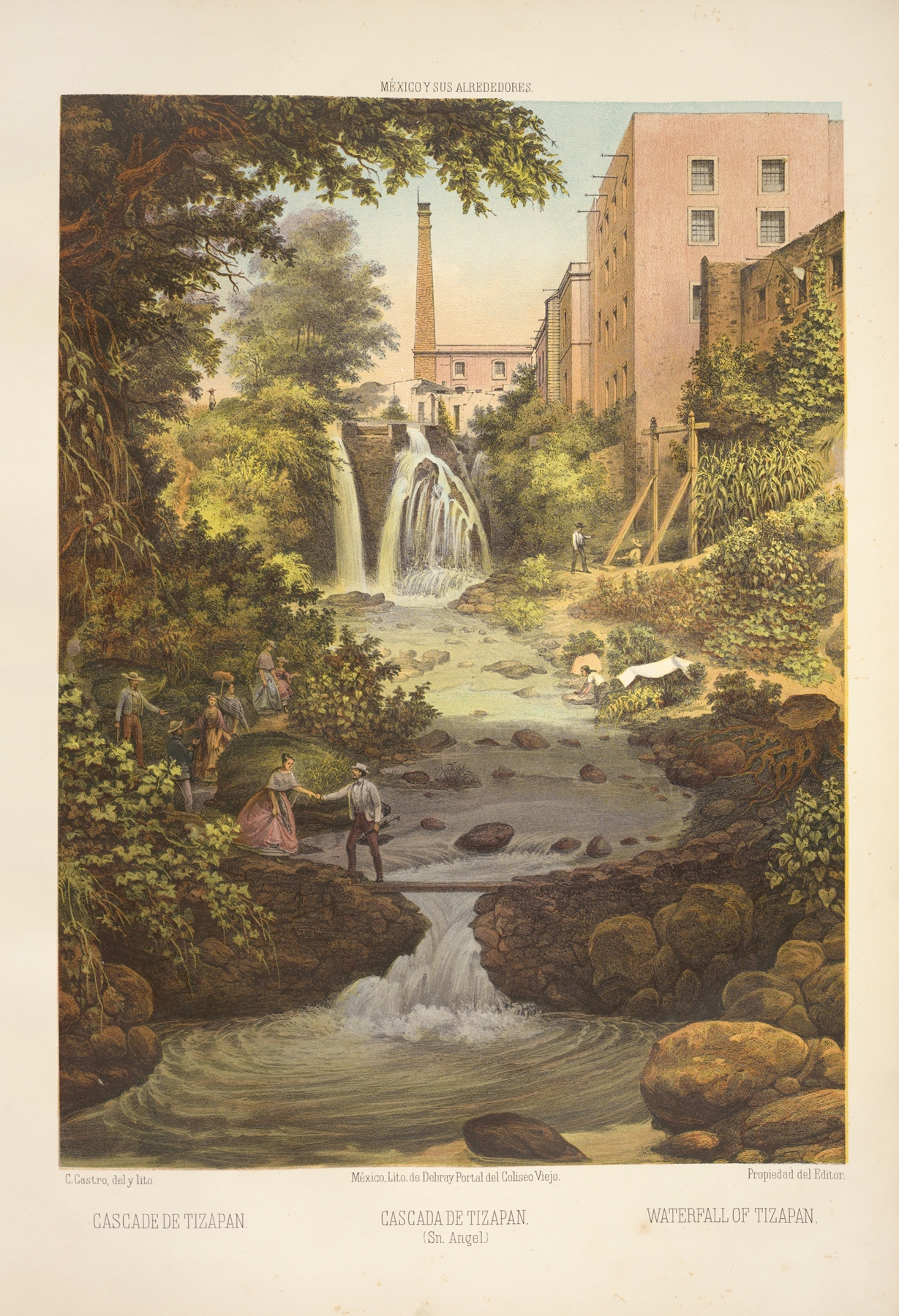
Waterfall of Tizapan
C. Castro
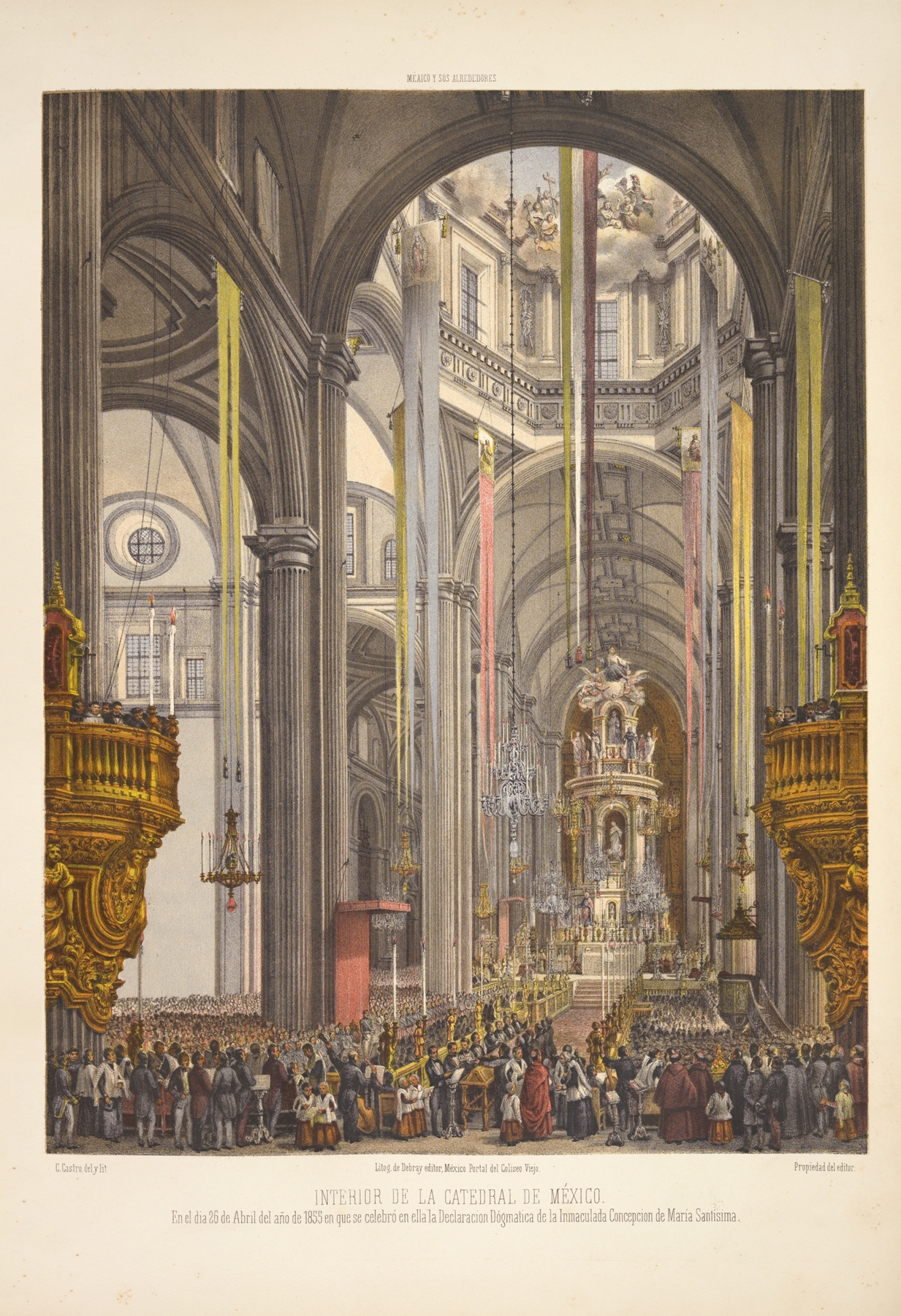
Interior de la Catedral de México. En el dia 26 de Abril del año de 1855 en que se celebró en ella la Declaracion Dógmatica de la Inmaculada Concepcion de María Santisima.
C. Castro
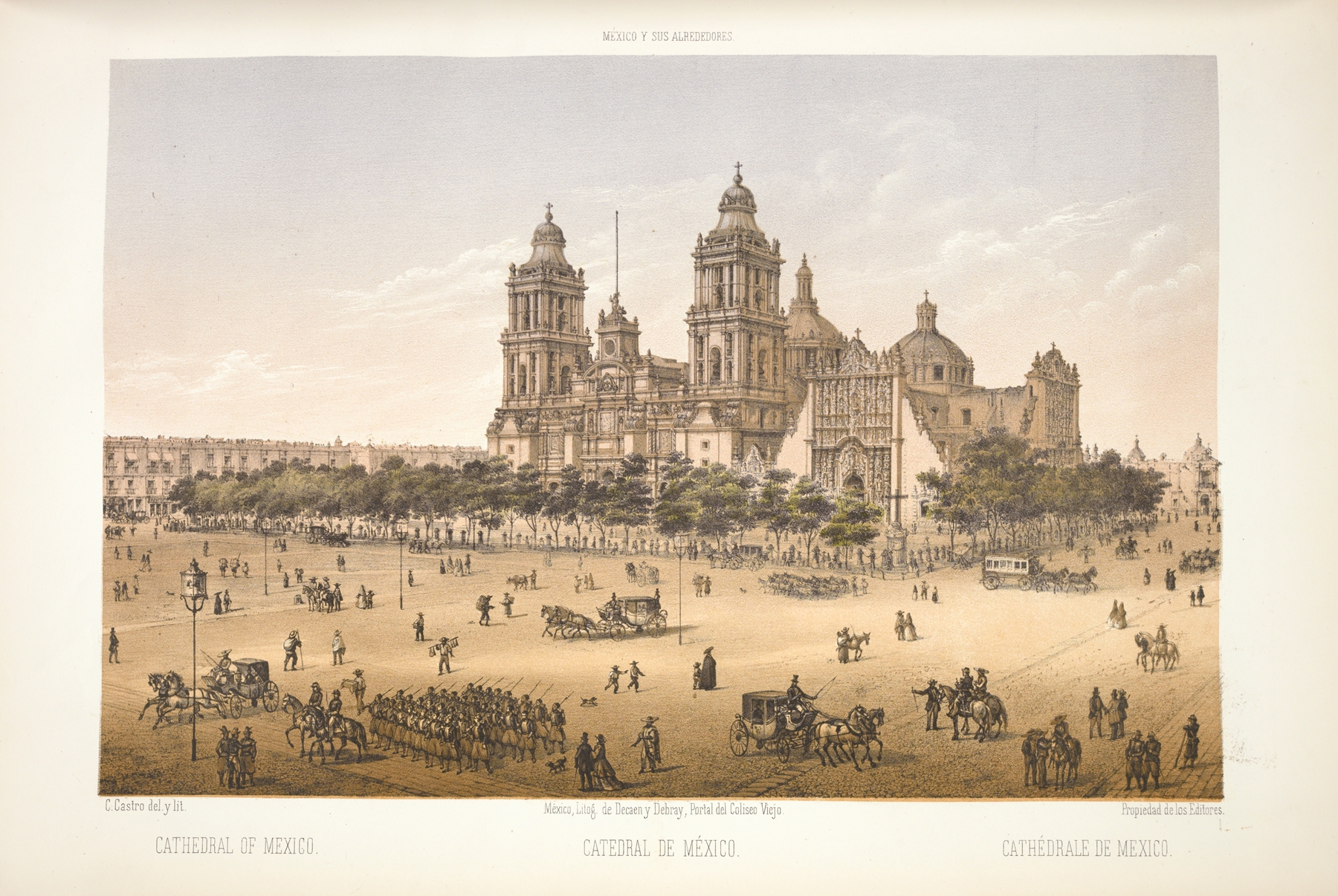
Cathedral of Mexico.
C. Castro
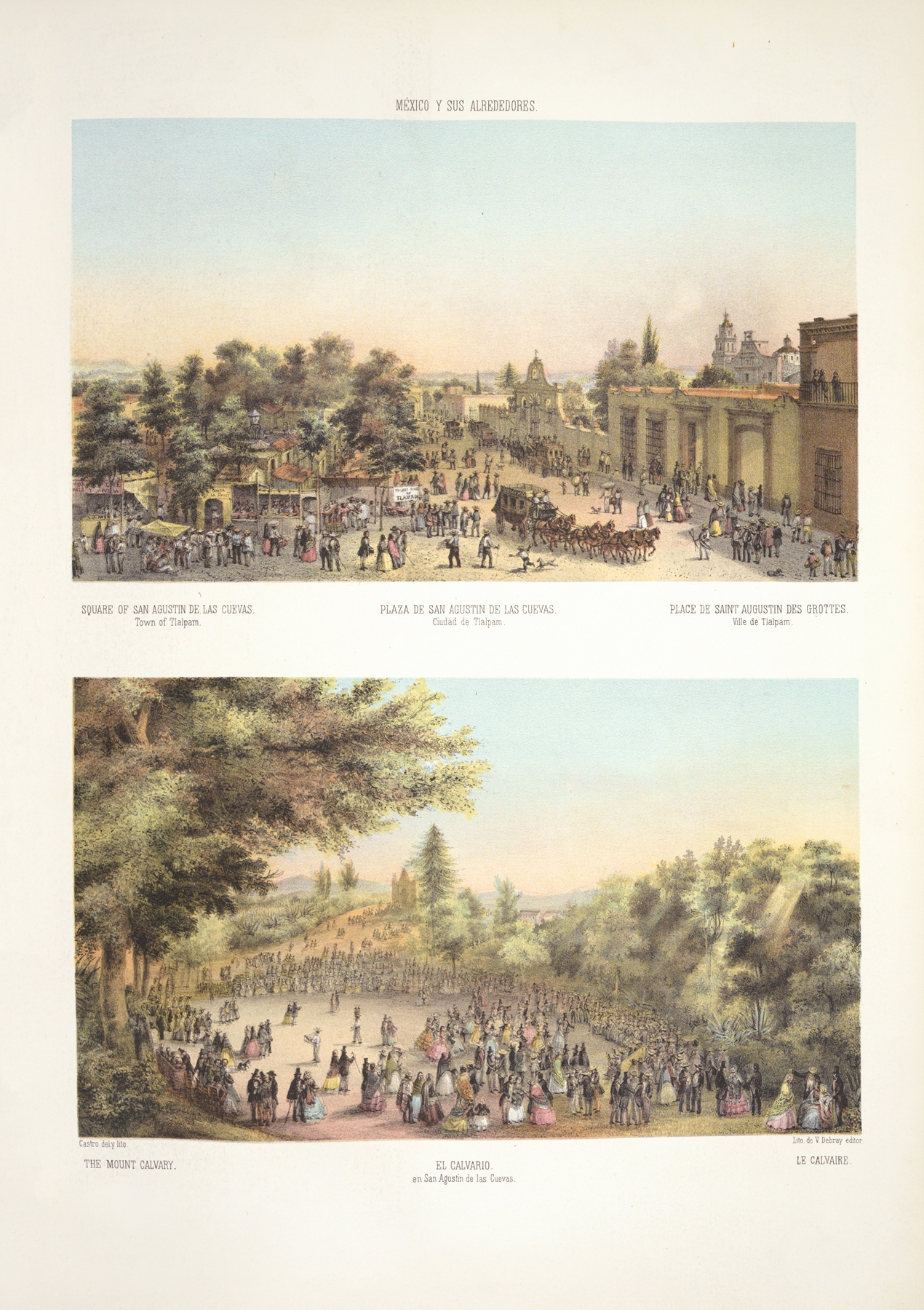
Square of San Agustin de las Cuevas, town of Tlalpam ; The Mount Calvary.
C. Castro