发现这件艺术品的见解
Northeast View of the Back of the Original Altar of St. Barts the Great — 历史与趣闻
颜色何时学会了撒谎?在光与影的交织中,真理与幻觉交融,邀请更深层次的超越。 专注于祭坛的精致细节,眼睛被那些似乎充满生命的细腻雕刻所吸引。木工的柔和、柔和的色调与周围光线的鲜艳光辉形成对比,创造出一种崇敬的氛围。注意光线如何在表面上倾泻,照亮那些低语着信仰与时间故事的复杂图案,将观众引入一个悬浮于尘世与神圣之间的瞬间。 仔细观察,情感的张力源于祭坛华丽装饰与其精神意义的重量之间的对比。每个阴影都承载着历史的分量,而光辉的高光则暗示着神圣启示的时刻。宁静的静谧笼罩着观众,邀请他们反思时间的流逝以及在面对死亡时对超越的持久追求。 约翰·托马斯·史密斯于1811年创作了这幅作品,正值英国艺术转型的重要时期。他以其地形视图和历史表现而闻名,试图将精确与情感相结合,捕捉物质与精神领域的本质。这个时代标志着对自然崇高的日益欣赏,艺术家们开始探索建筑如何传达永恒的感觉。
更多作品 John Thomas Smith
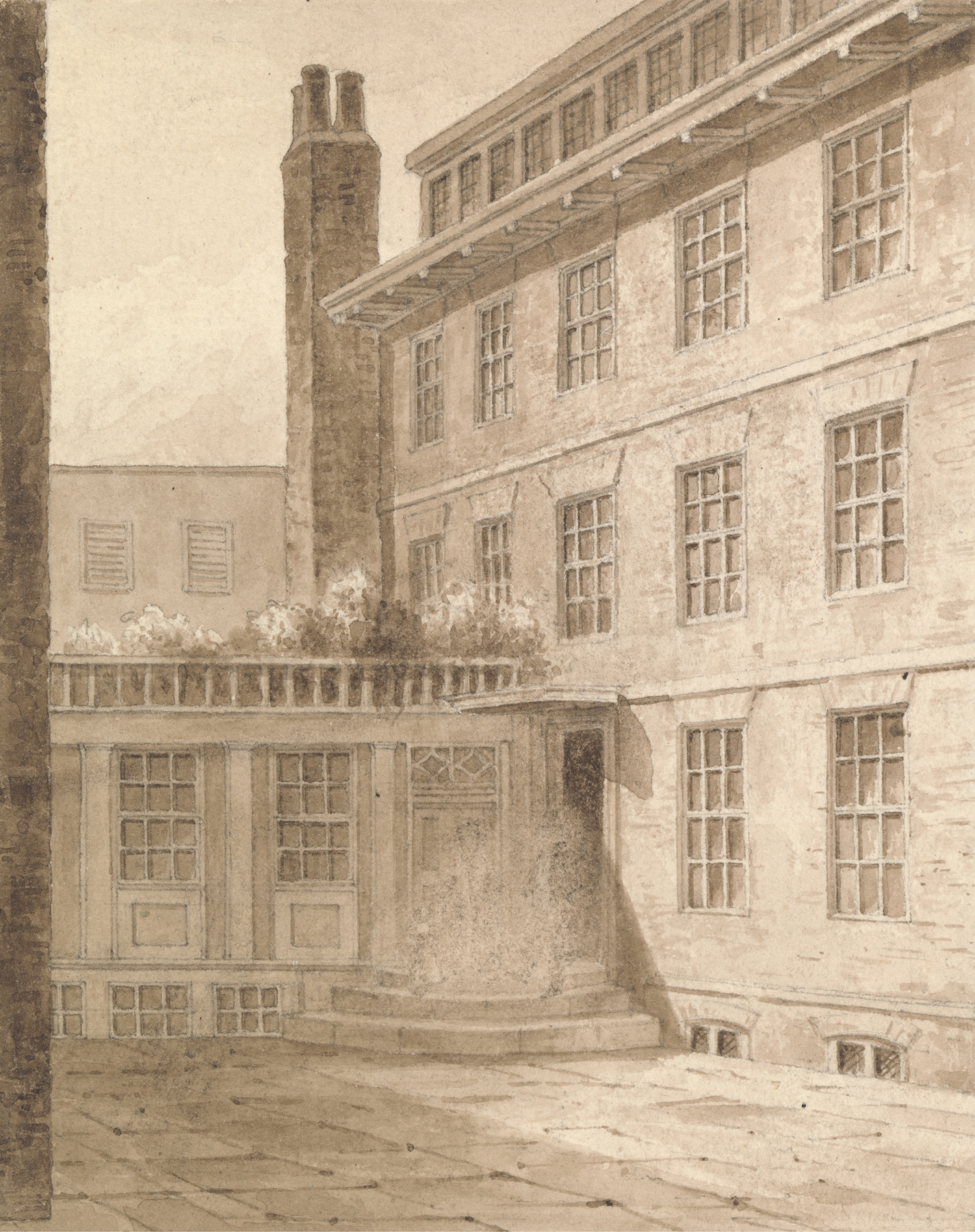
Dr. Johnson’s House in 8 Bolt Court, Fleet Street
John Thomas Smith
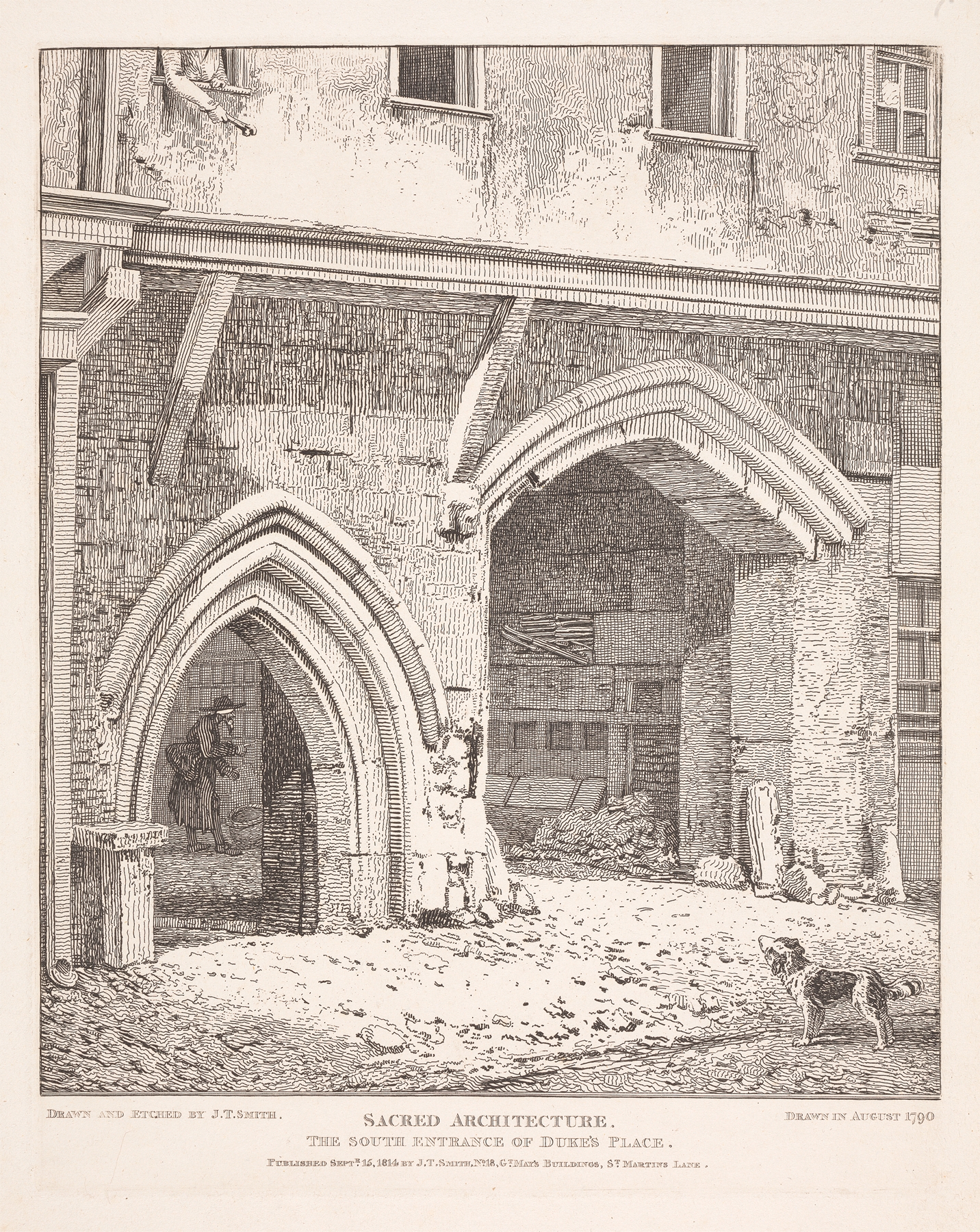
Sacred Architecture; the South Entrance of Dukes Place
John Thomas Smith
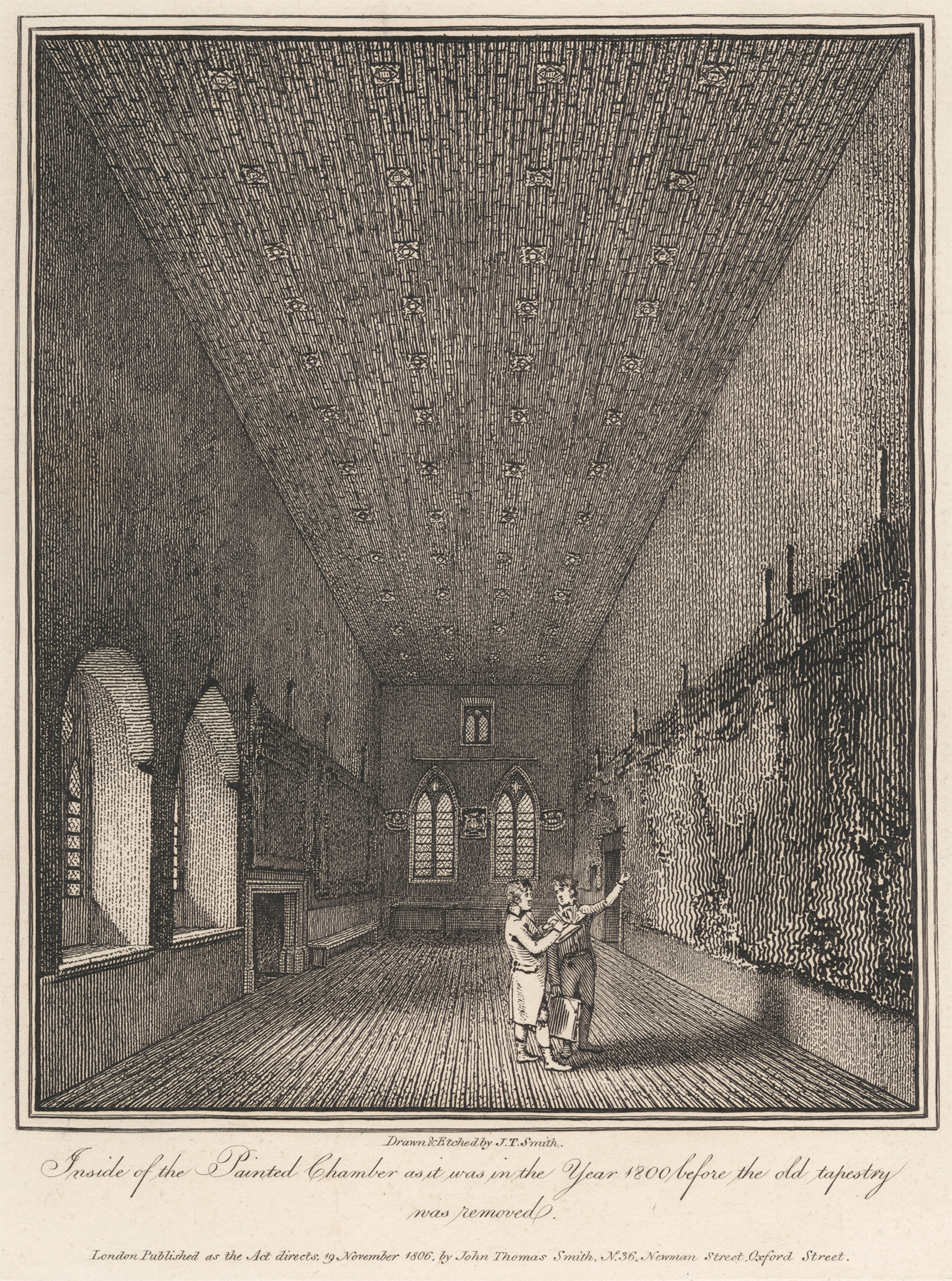
Inside the Painted Chamber as it was in the year 1800 before the old tapestry was removed
John Thomas Smith
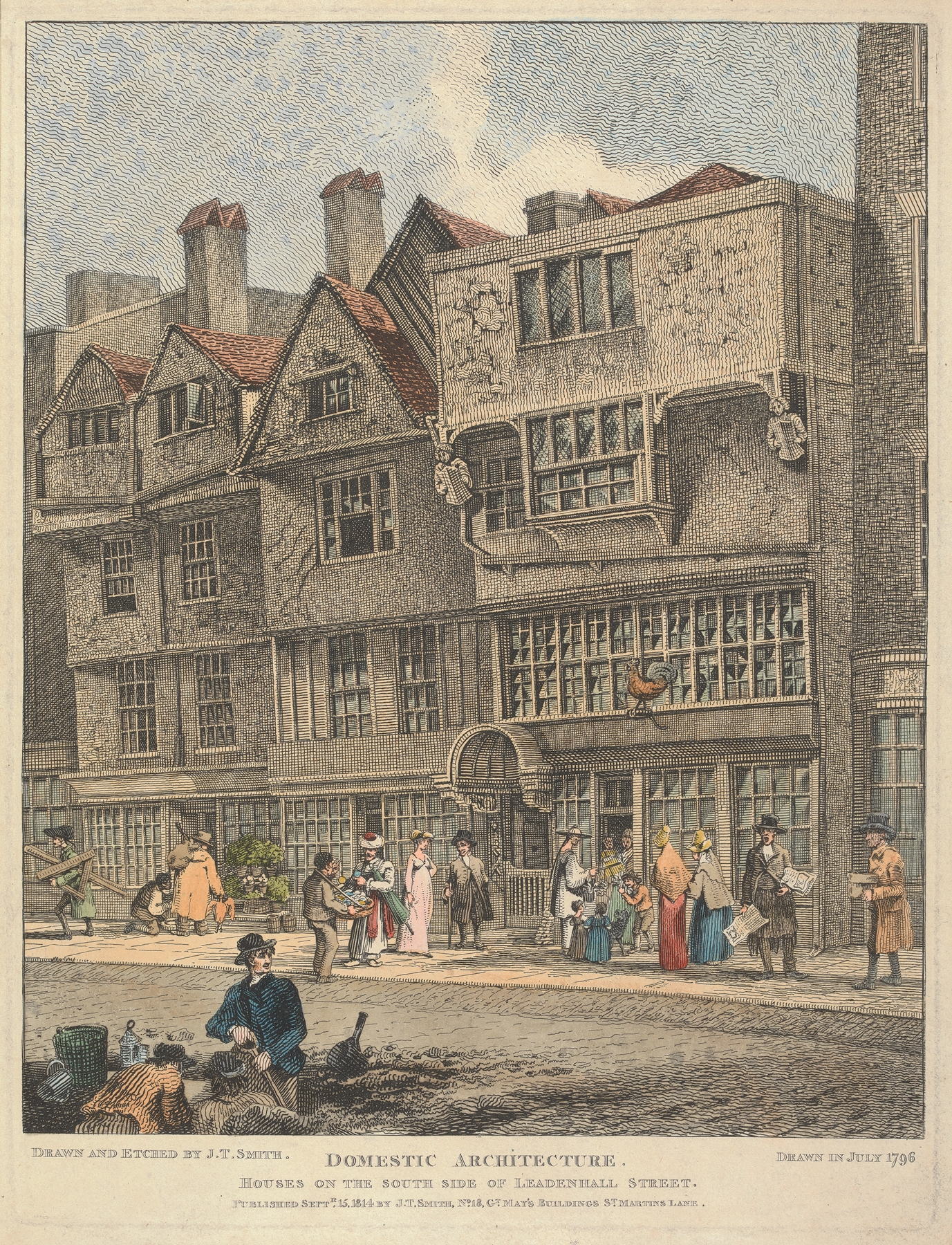
Houses on the South Side of Leadenhall Street
John Thomas Smith
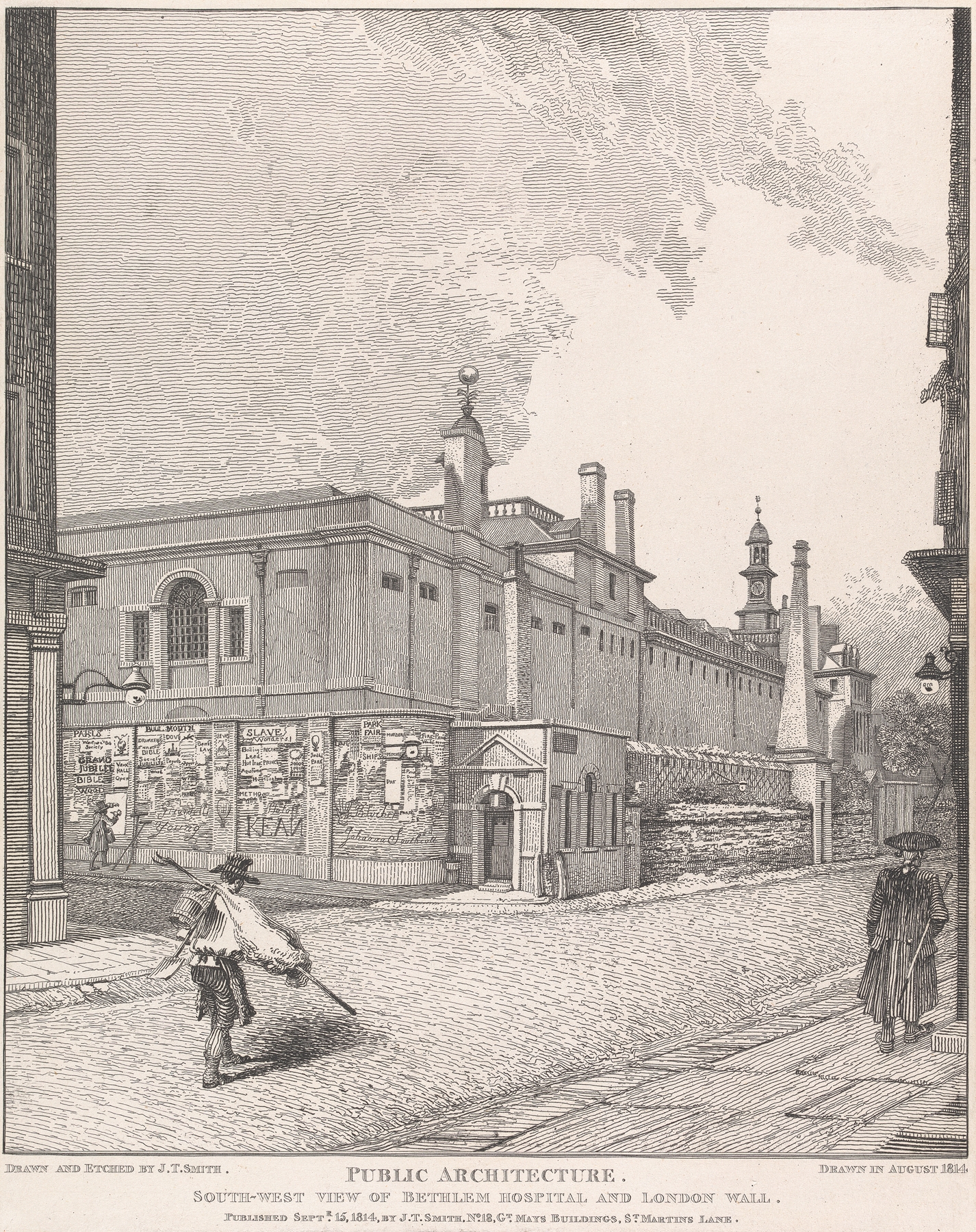
South West View of Bethlem Hospital and London Wall
John Thomas Smith
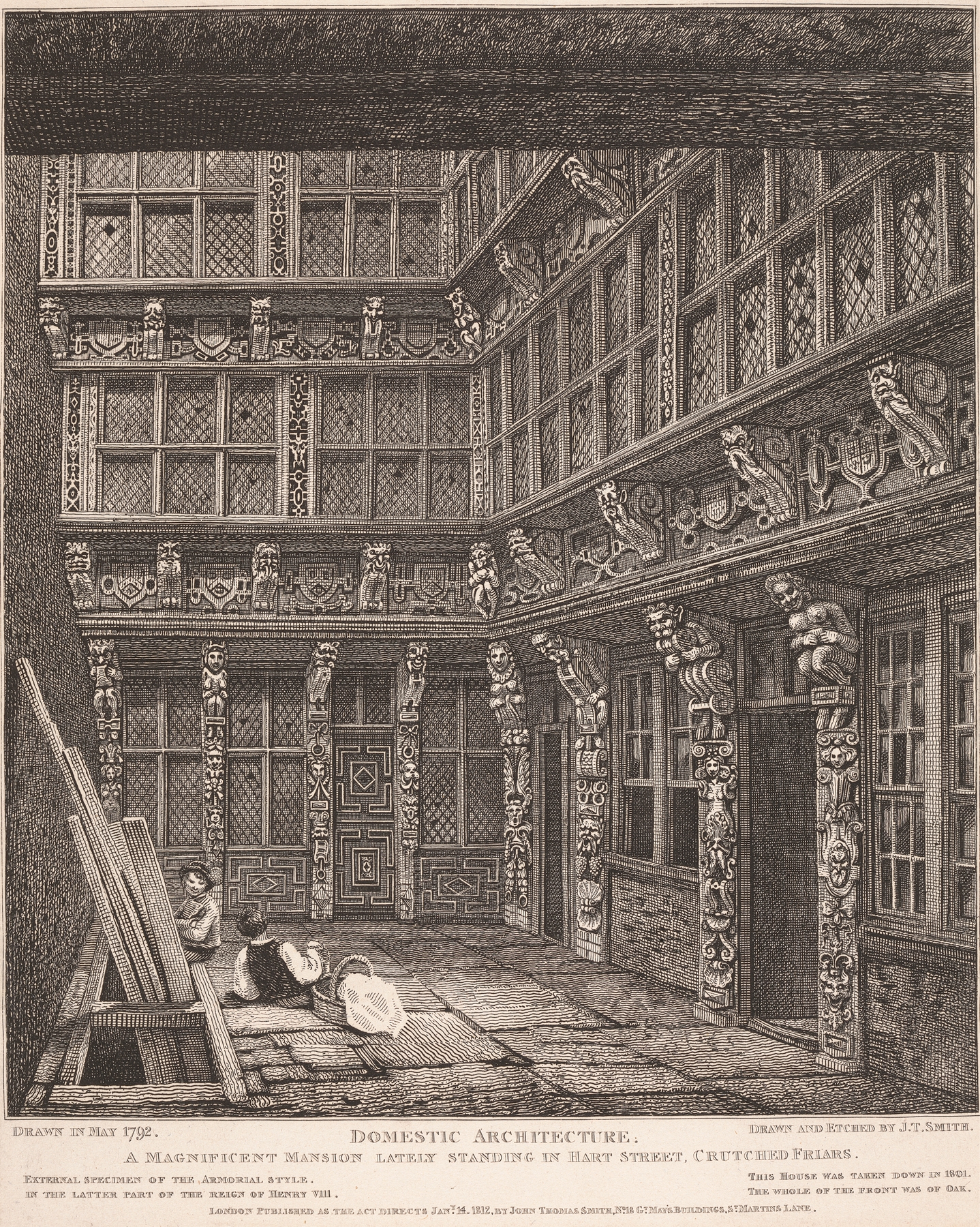
Domestic Architecture, A Magnificent Mansion Lately Standing in Hart Street, Crutched Friars
John Thomas Smith

Winchester Street, London Wall
John Thomas Smith
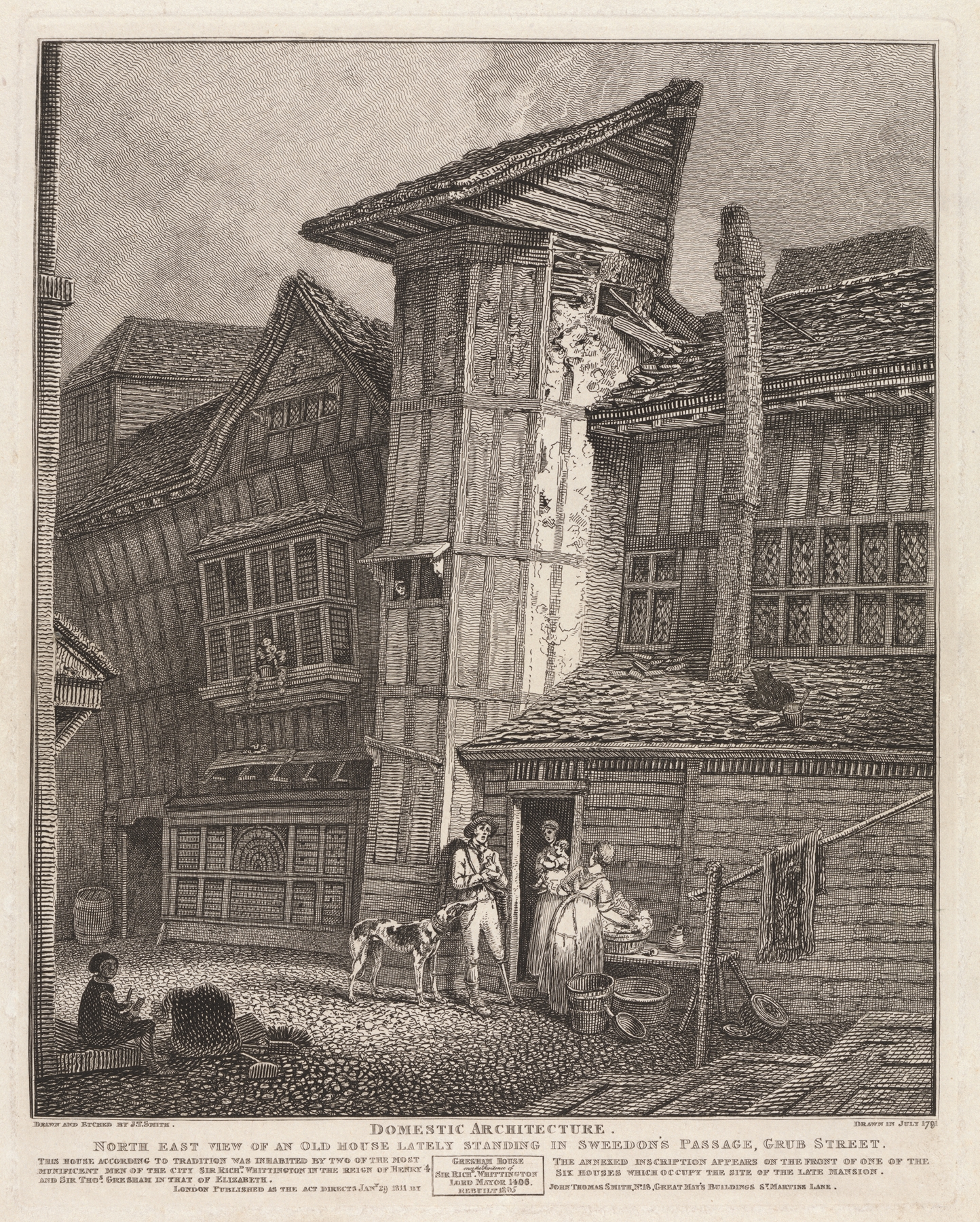
Domestic Architecture – N. E. View of an Old House lately Standing in Sweedon’s Passage, Grub Street
John Thomas Smith
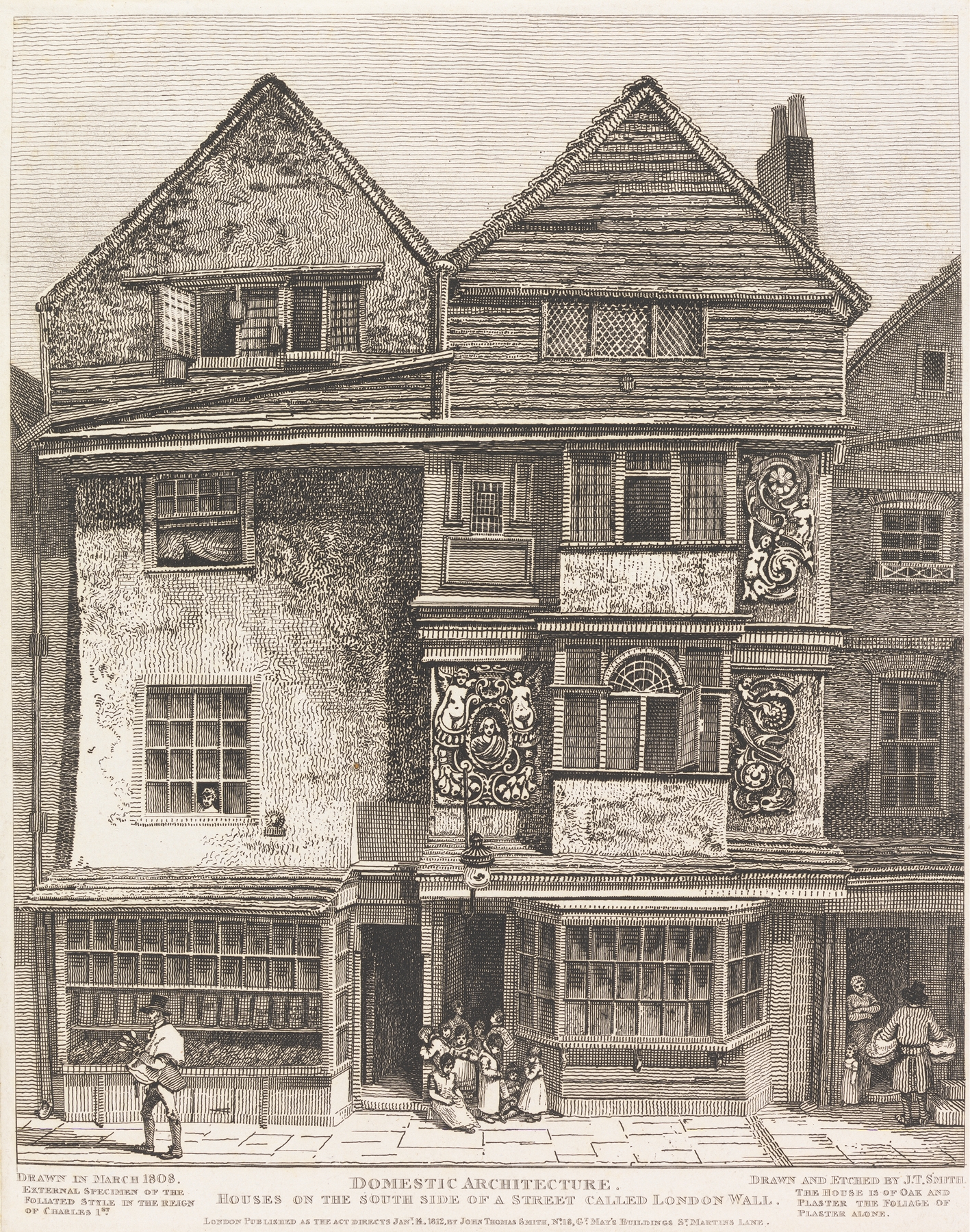
Houses on the South SIde of a Street called London Wall
John Thomas Smith
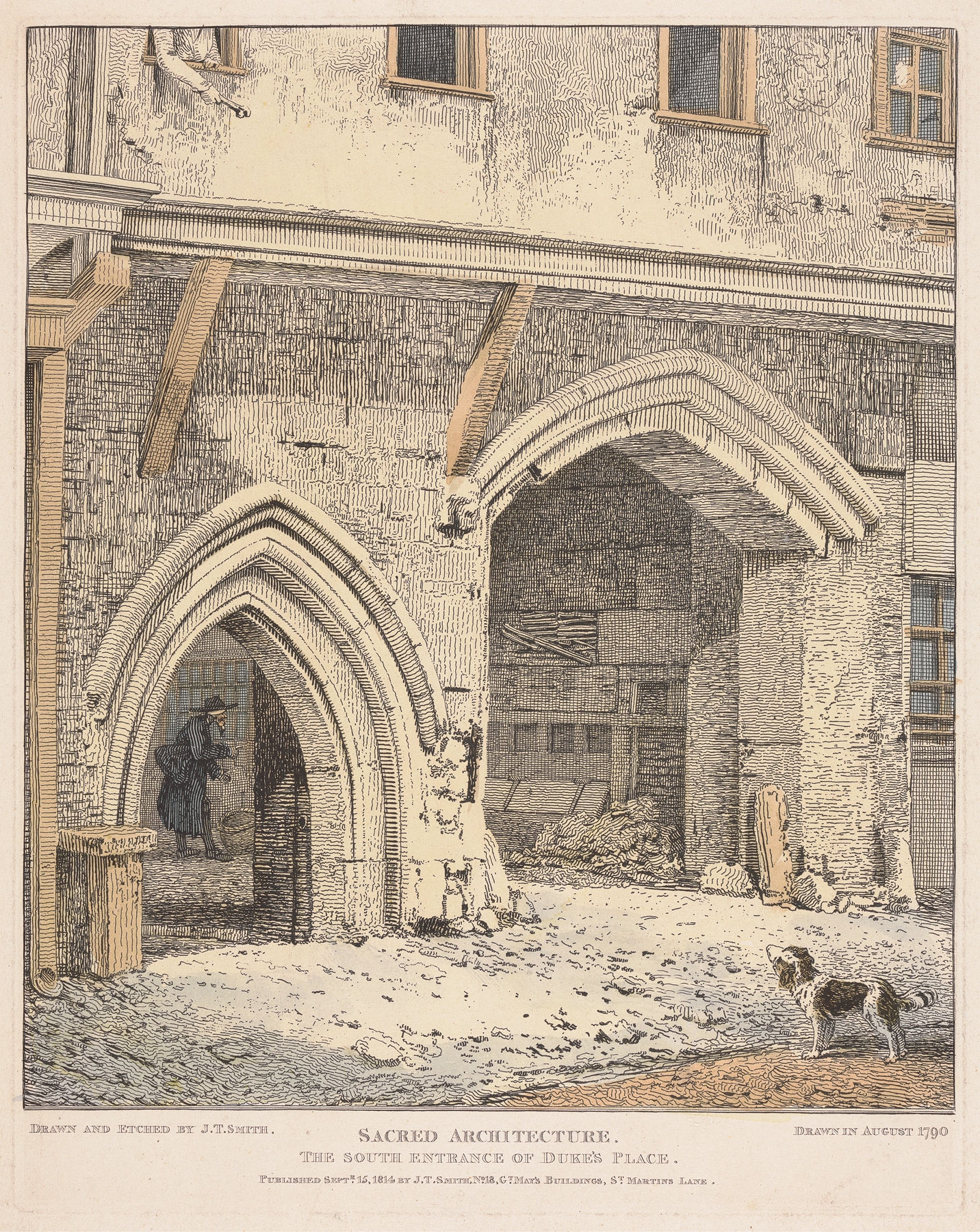
The South Entrance of Duke’s Place
John Thomas Smith