发现这件艺术品的见解
Piazza San Marco, Venice — 历史与趣闻
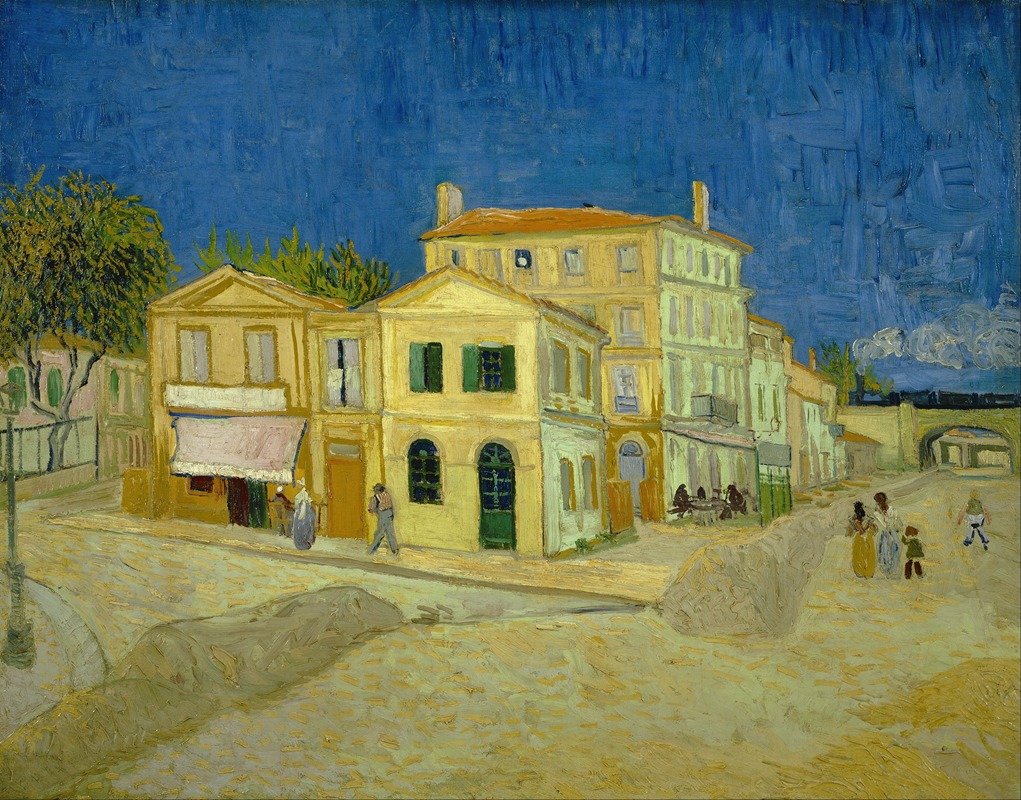
绘画能否表达出语言永远无法传达的情感?在《威尼斯圣马可广场》中,鲜艳的笔触揭示了对光、空间以及充满历史的城市脉动的痴迷。 向左看,耸立的钟楼,阴影在鹅卵石上延展,邀请你的目光投向下面忙碌的人群。建筑的精心排列形成了一种既庄严又诱人的宏伟感,而丰富的蓝色和温暖的赭色无缝融合,唤起了时间停滞的感觉。艺术家的技法捕捉了威尼斯生活的瞬息本质,每一笔都是广场节奏的见证,充满了聚集的人、商贩和游客,他们的动作讲述着连接的故事。 在表面之下,更深层的叙事展开——光与影的对比象征着威尼斯的二元性:它的美丽与衰败,它的魅力与孤独。细致的细节,从飘扬的旗帜到头顶的云彩,暗示着时间的流逝,那一刻历史在广场的宁静中低语。在这个繁忙的场景中,人们可以感受到痴迷的重量——对在一个不断变化、永远短暂的城市中寻求永恒的渴望。 贝尔纳多·贝洛托于1740年左右在威尼斯创作了这幅作品,那时这座城市正处于文化权力和艺术创新的巅峰。贝洛托从德累斯顿迁移过来,试图捕捉这个标志性地点的本质,受到蓬勃发展的幻想与现实相结合的趋势的影响。在这一时期,他对城市景观的细致描绘巩固了他的声誉,架起了巴洛克的宏伟与即将兴起的洛可可风格的轻盈之间的桥梁。
更多作品 Bernardo Bellotto
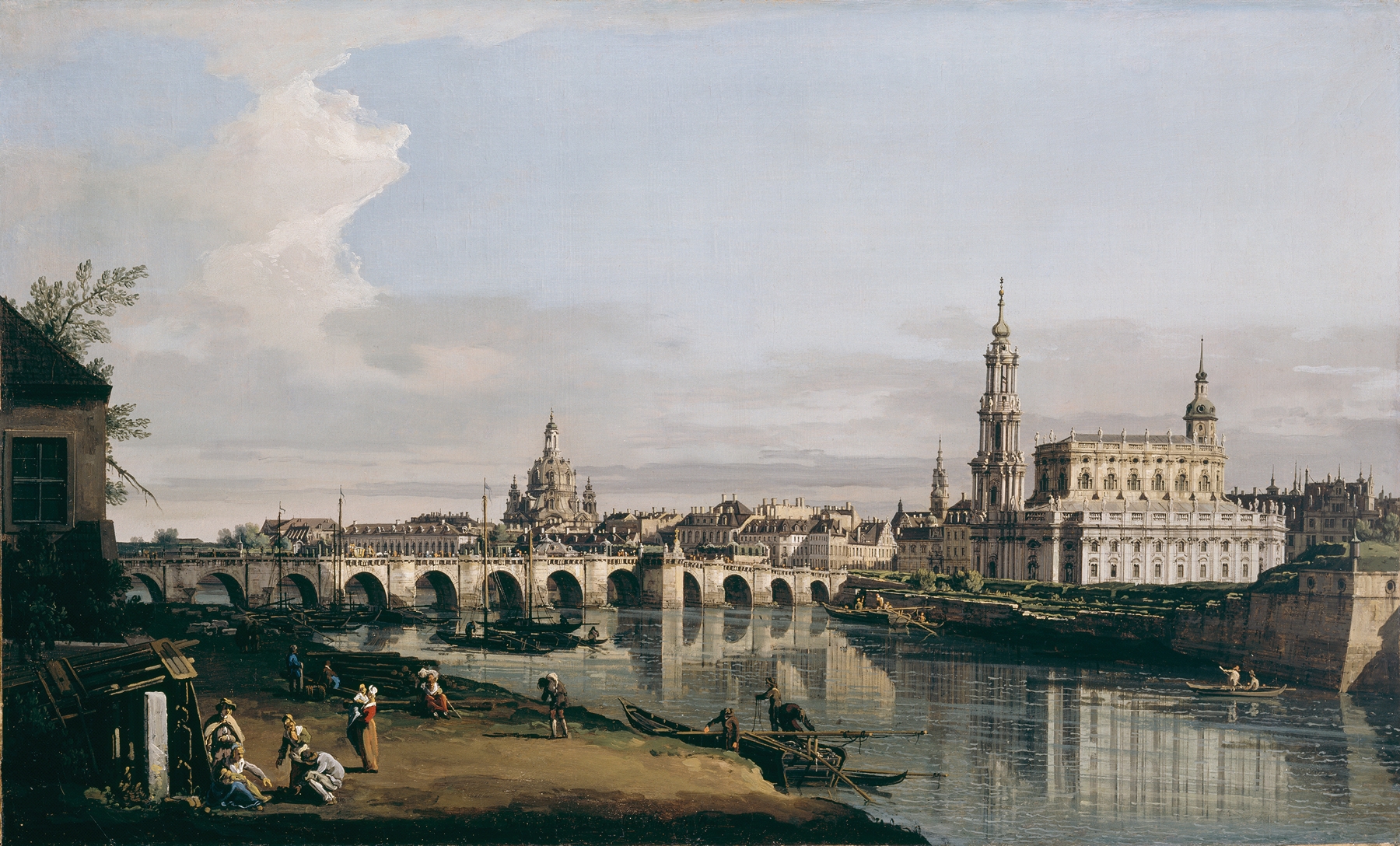
Dresden from the Right Bank of the Elbe, below the Augustus Bridge
Bernardo Bellotto
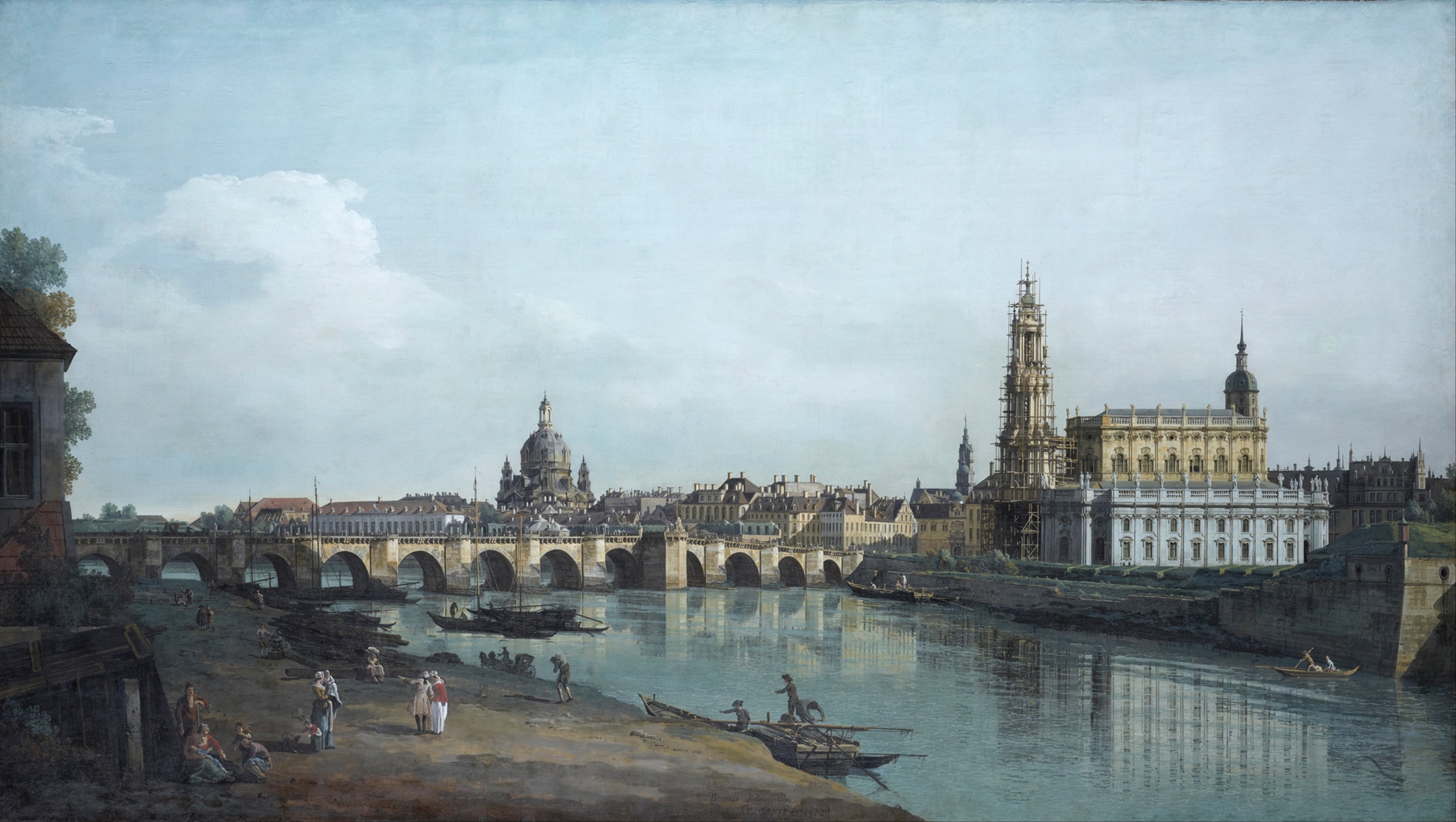
Dresden seen from the Right Bank of the Elbe, beneath the Augusts Bridge
Bernardo Bellotto
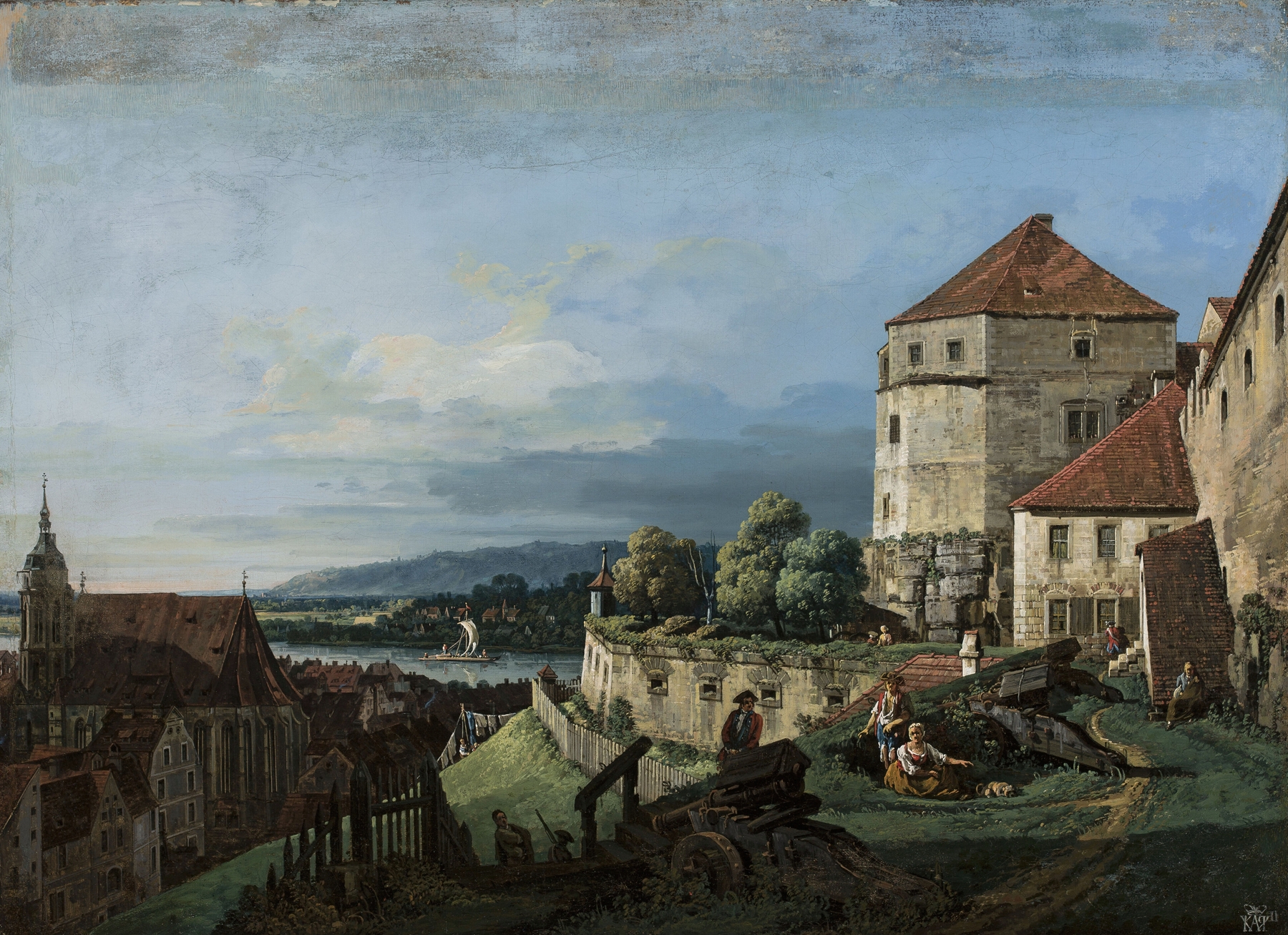
View of Pirna in Saxony
Bernardo Bellotto
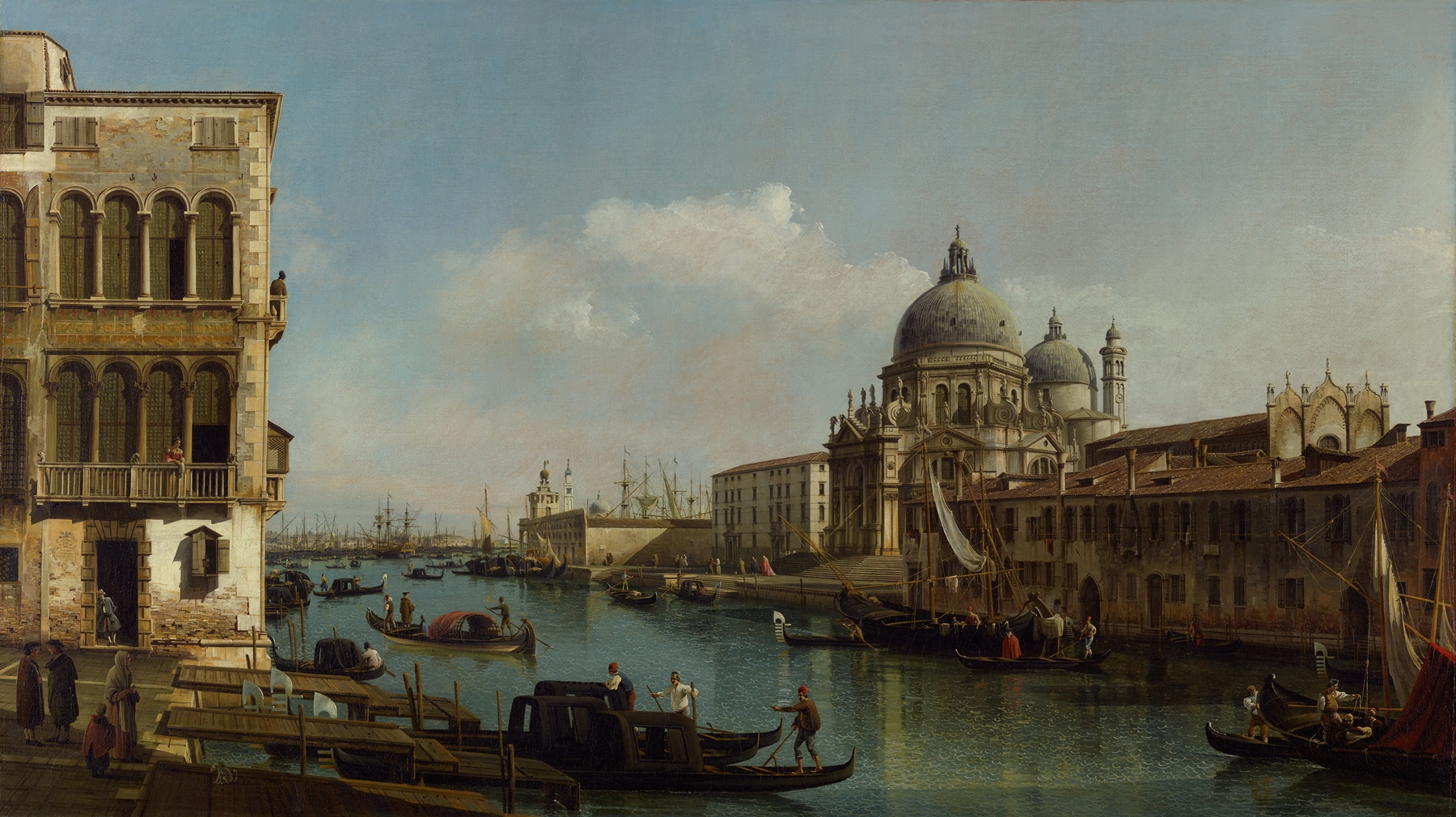
View of the Grand Canal; Santa Maria della Salute and the Dogana from Campo Santa Maria Zobenigo
Bernardo Bellotto
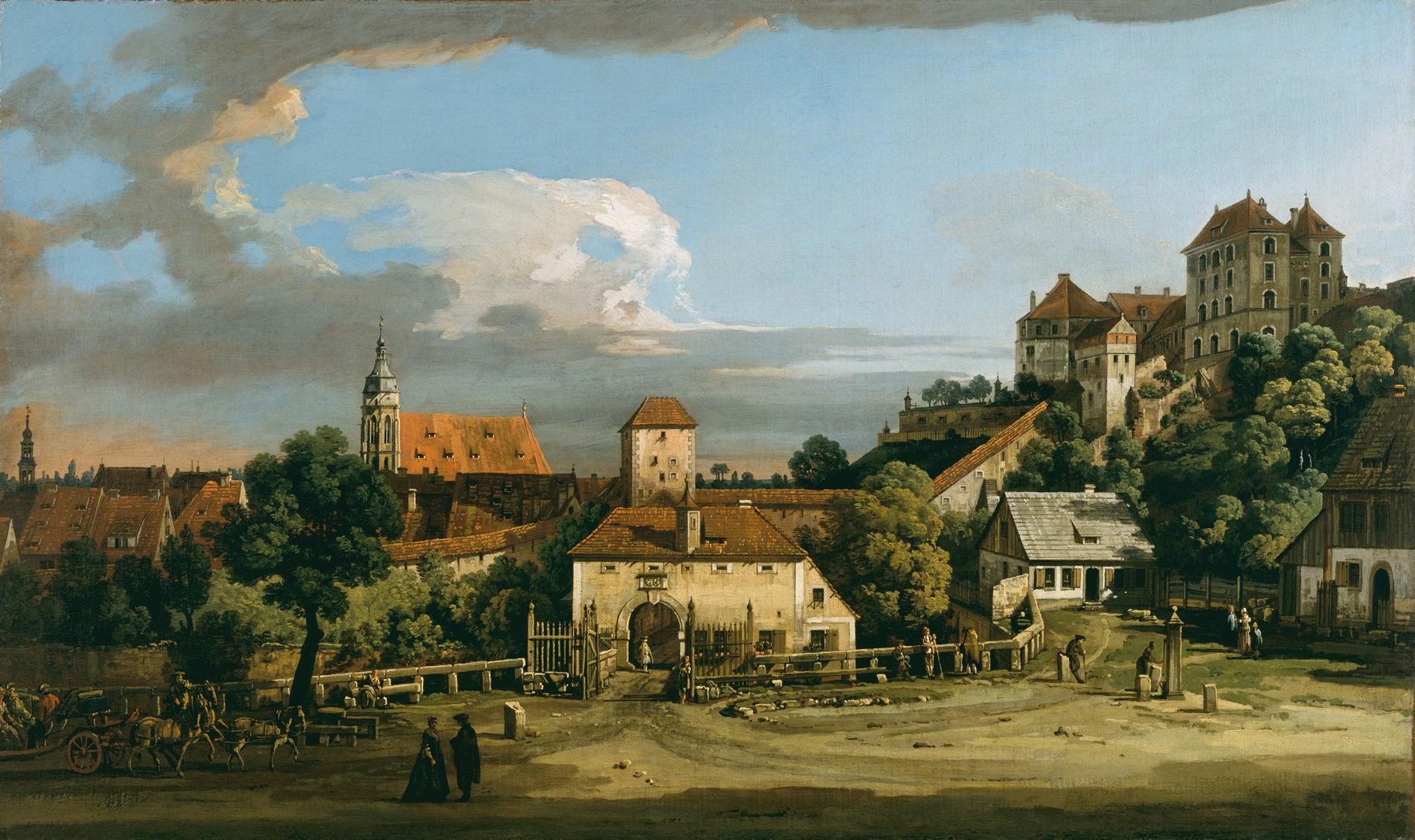
Pirna; The Obertor from the South
Bernardo Bellotto
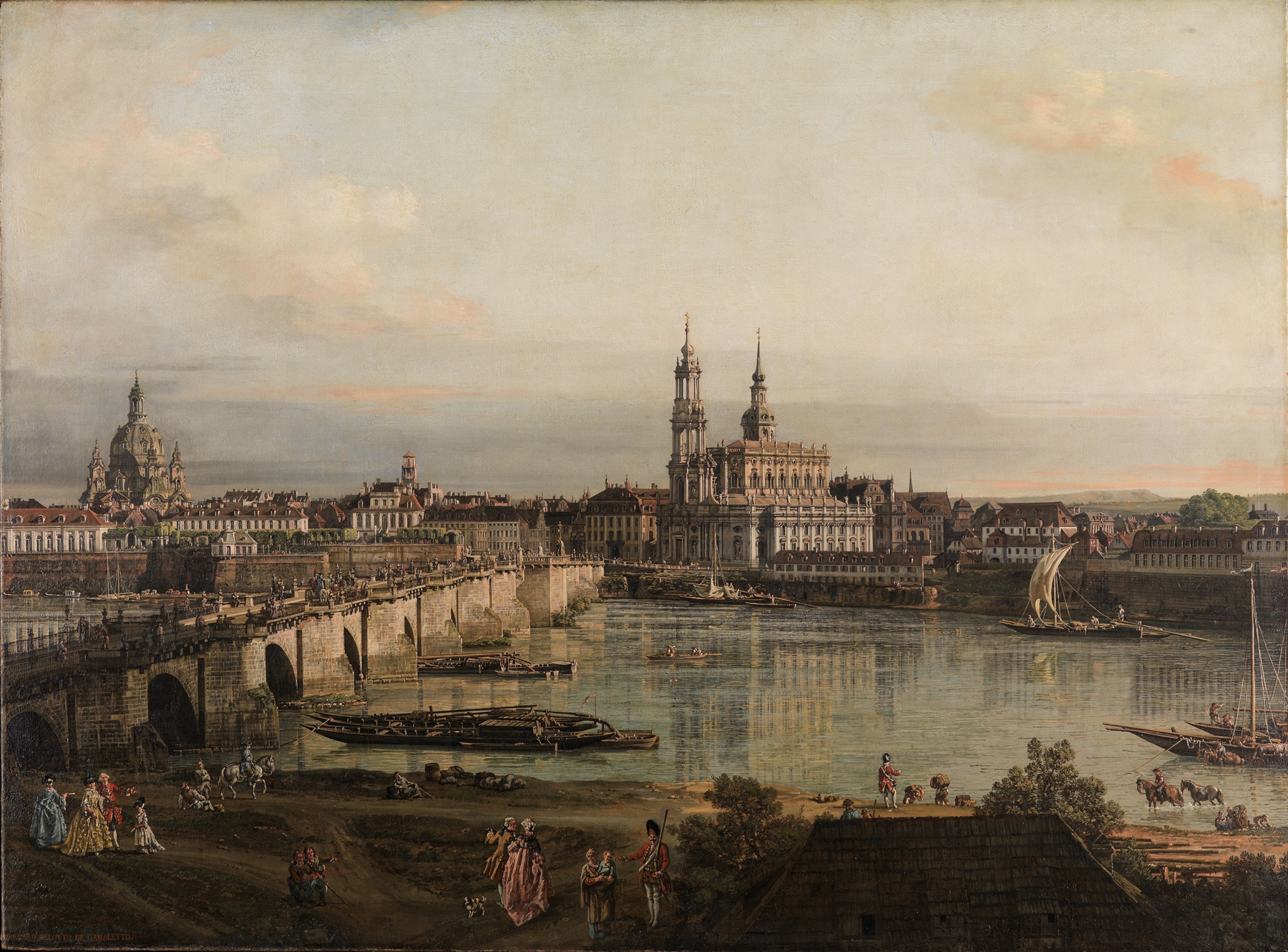
View of Dresden
Bernardo Bellotto
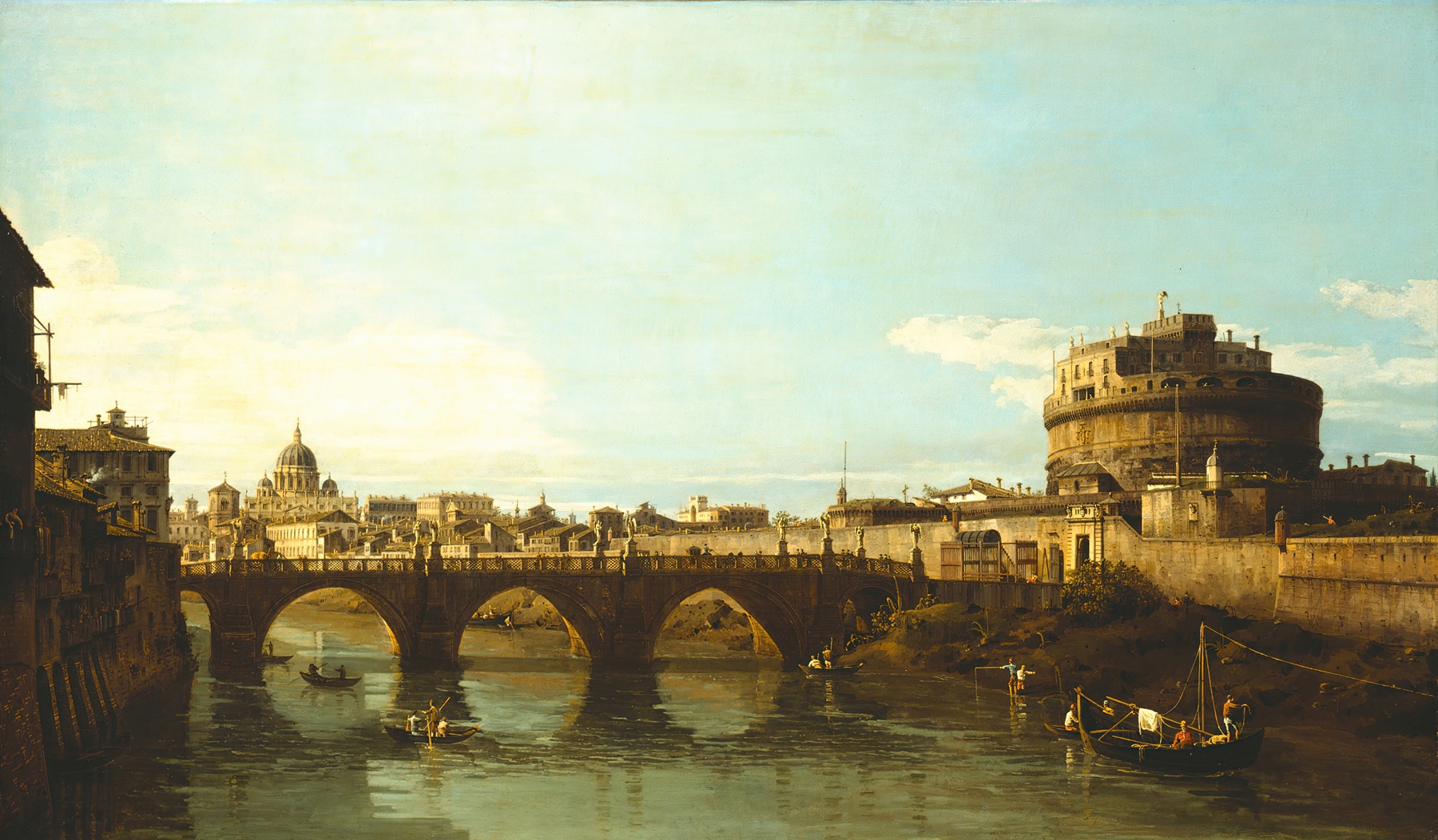
View Of The Tiber In Rome With The Castel Sant’angel
Bernardo Bellotto
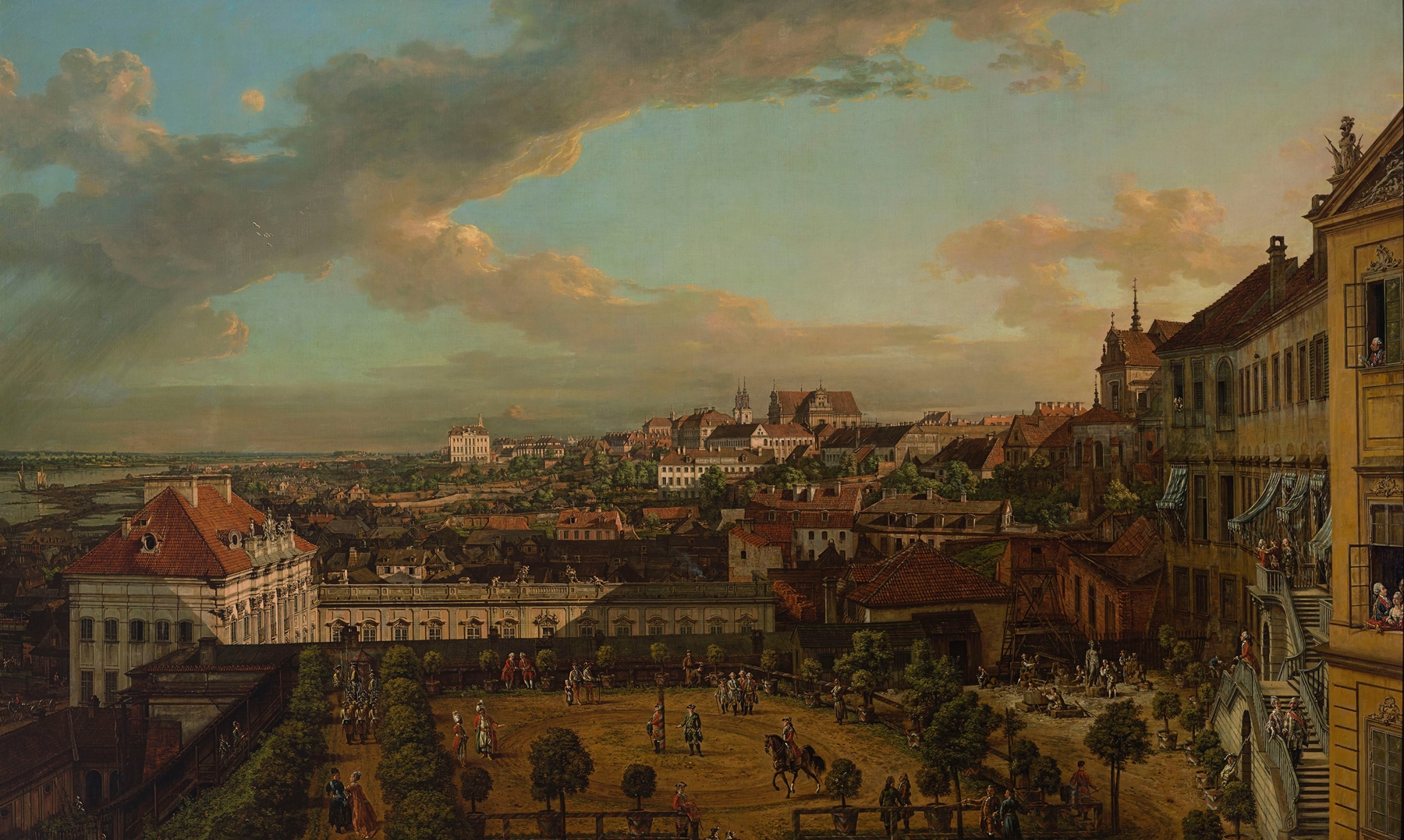
View of Warsaw from the Terrace of the Royal Castle
Bernardo Bellotto
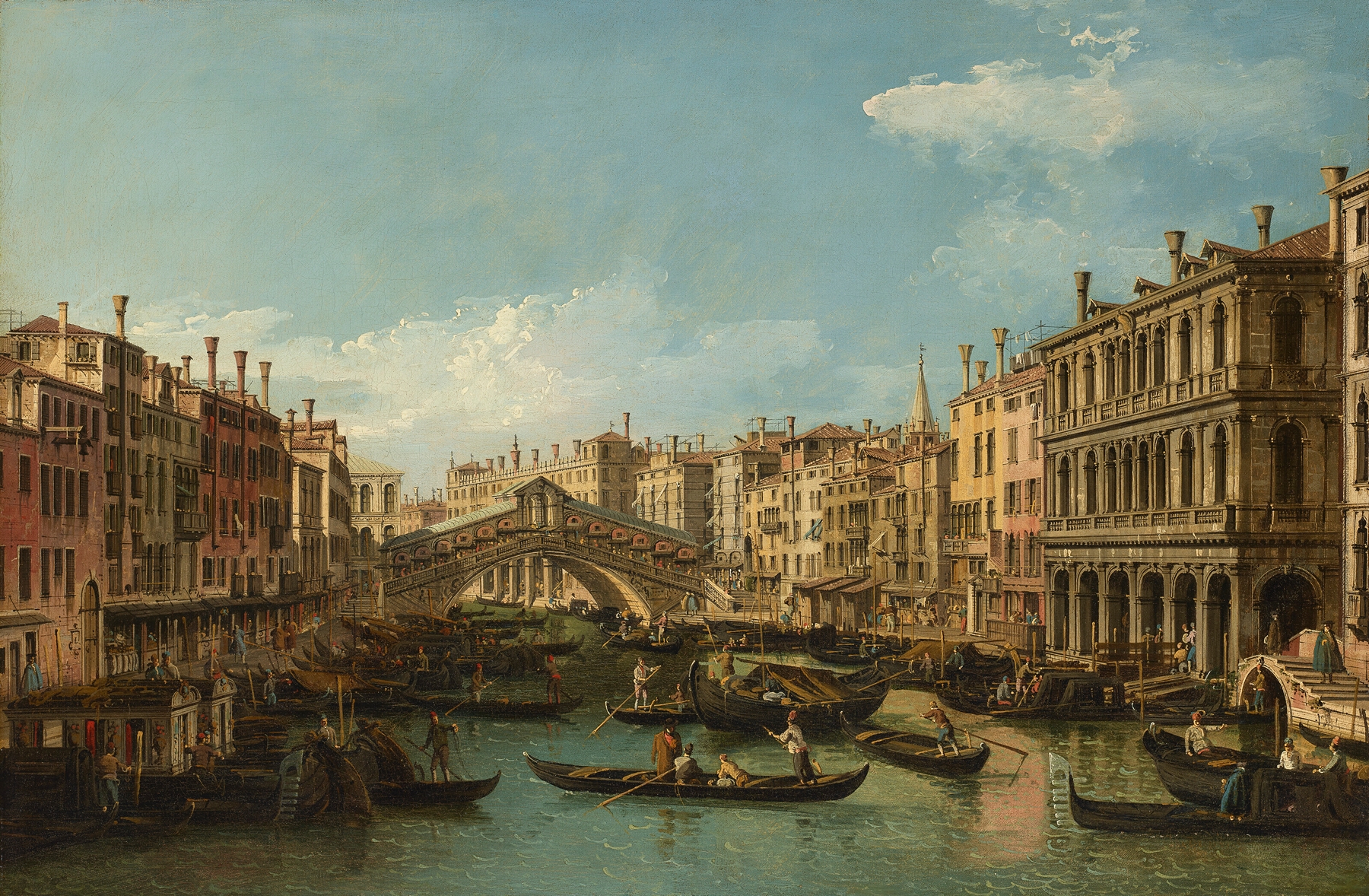
Venice, the Grand Canal with the Rialto Bridge seen from the South
Bernardo Bellotto
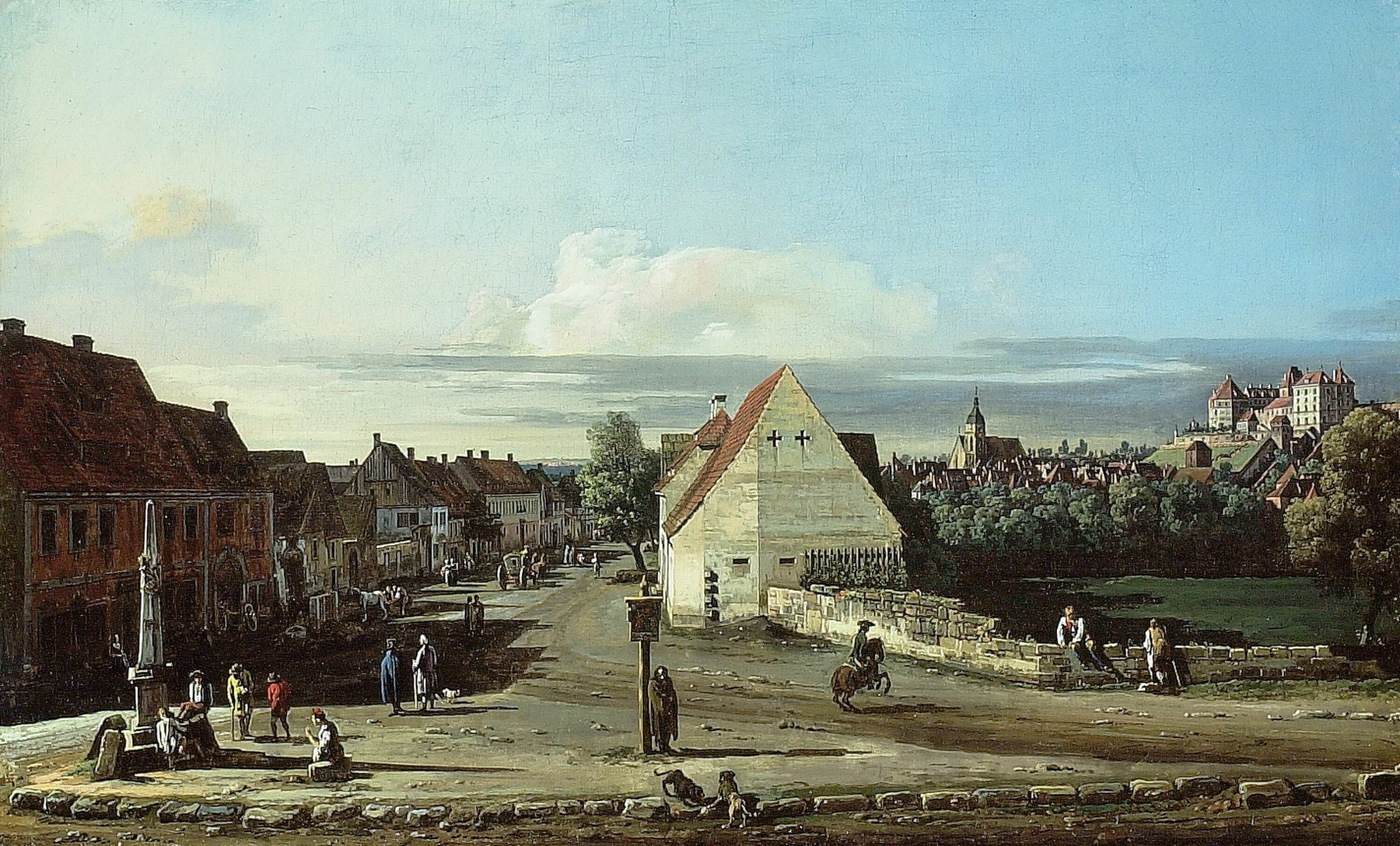
View of Pirna with the Fortress of Sonnenstein
Bernardo Bellotto