
发现这件艺术品的见解
Prang’s progressive studies in water-color painting, Part II – advanced studies, No. 1 — 历史与趣闻
光何时结束,渴望何时开始?在水彩的细腻交织中,脆弱既是一种技巧,也是一种情感,捕捉着我们存在的细腻情感。 专注于轻柔的笔触,它们在纸上舞动,柔和的蓝色和绿色交织在一起。注意光线如何似乎透过层次渗透,创造出一种超凡的品质,邀请人们沉思。构图流畅,曲线优雅,渐变微妙,引导眼睛穿越既熟悉又梦幻的风景,仿佛它们存在于我们触手可及的领域之外。 在表面之下,存在着短暂与永恒之间的紧张关系。透明的洗涤暗示着瞬间的流逝,唤起对已逝时光的怀旧感。然而,在这种脆弱中,蕴藏着力量——提醒我们脆弱常常与韧性共存。色彩与形态的交织映射出人类情感,揭示了美与脆弱如何在一个画面中共存。 在1890年,威尔·S·罗宾逊创作了《普朗的水彩画进阶研究,第二部分 - 高级研究,第1号》,这一时期以艺术技巧的实验为标志。水彩作为一种媒介日益流行,常用于教学和自我表达。当罗宾逊在这个领域中探索时,他试图利用光与色彩的潜力来传达更深层的情感真理,反映出当时艺术的演变动态。
更多作品 Will S. Robinson
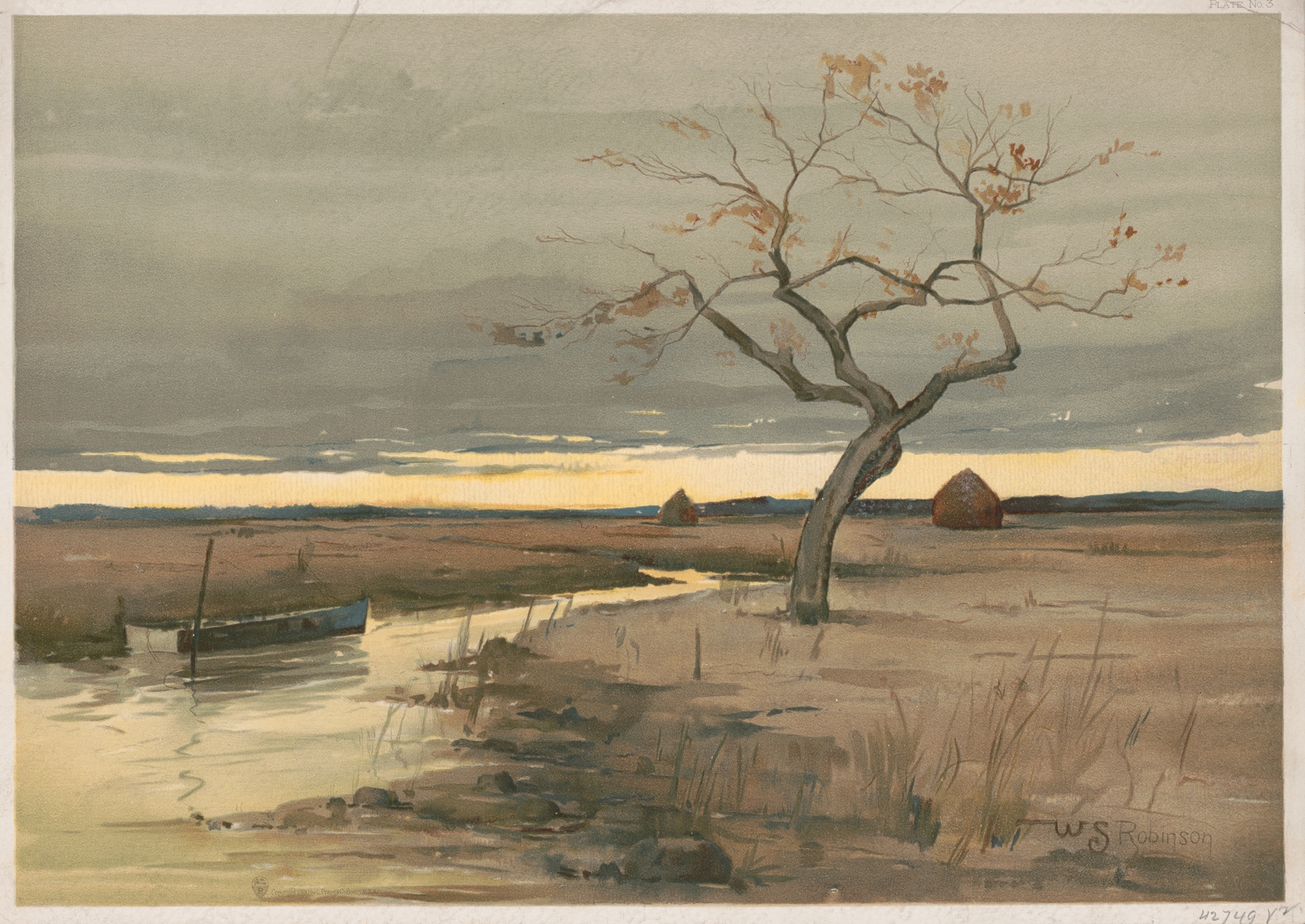
Prang’s progressive studies in water-color painting, Part II – advanced studies, No. 3
Will S. Robinson
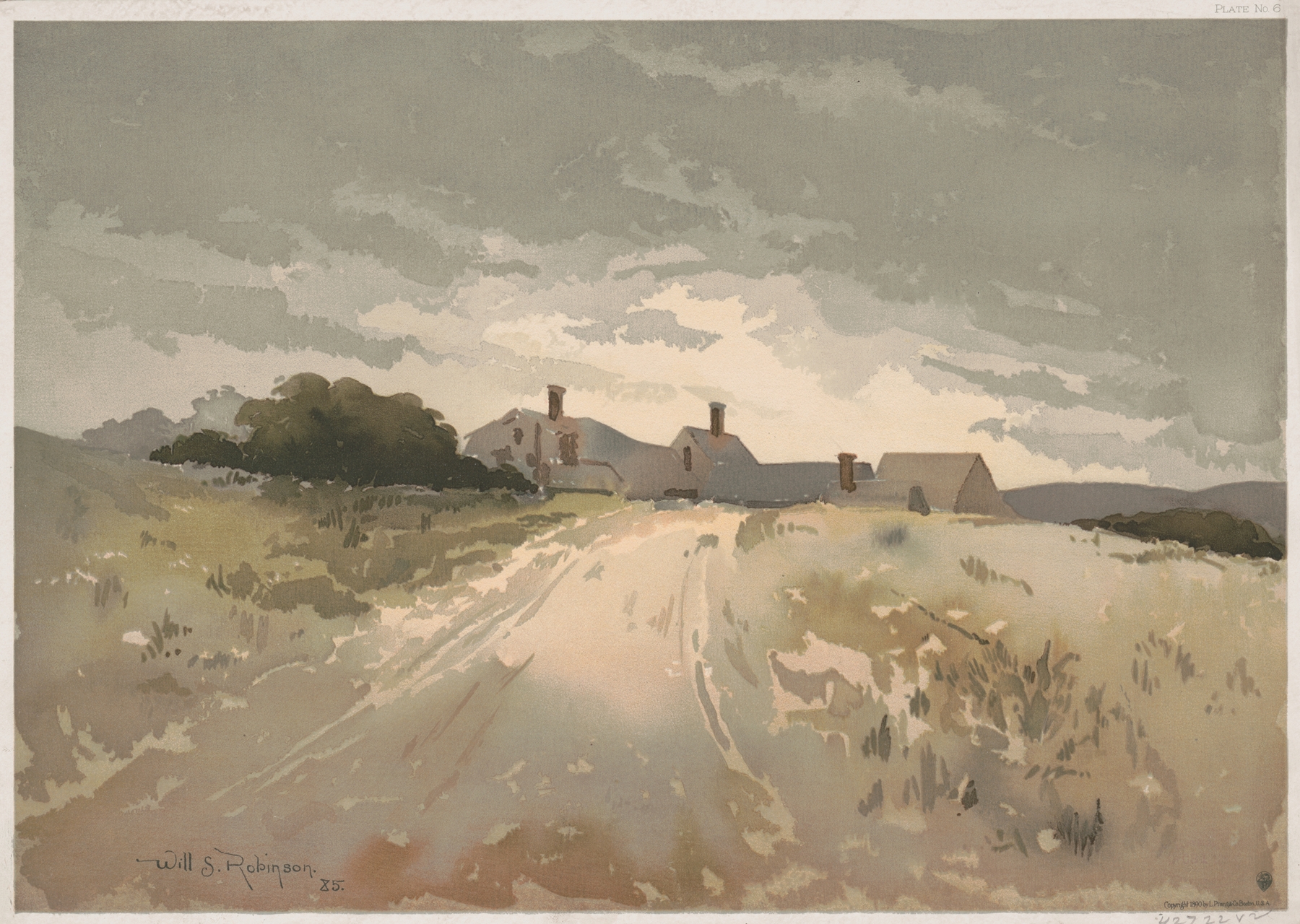
Prang’s progressive studies in water-color painting, Part II – advanced studies, No. 6
Will S. Robinson
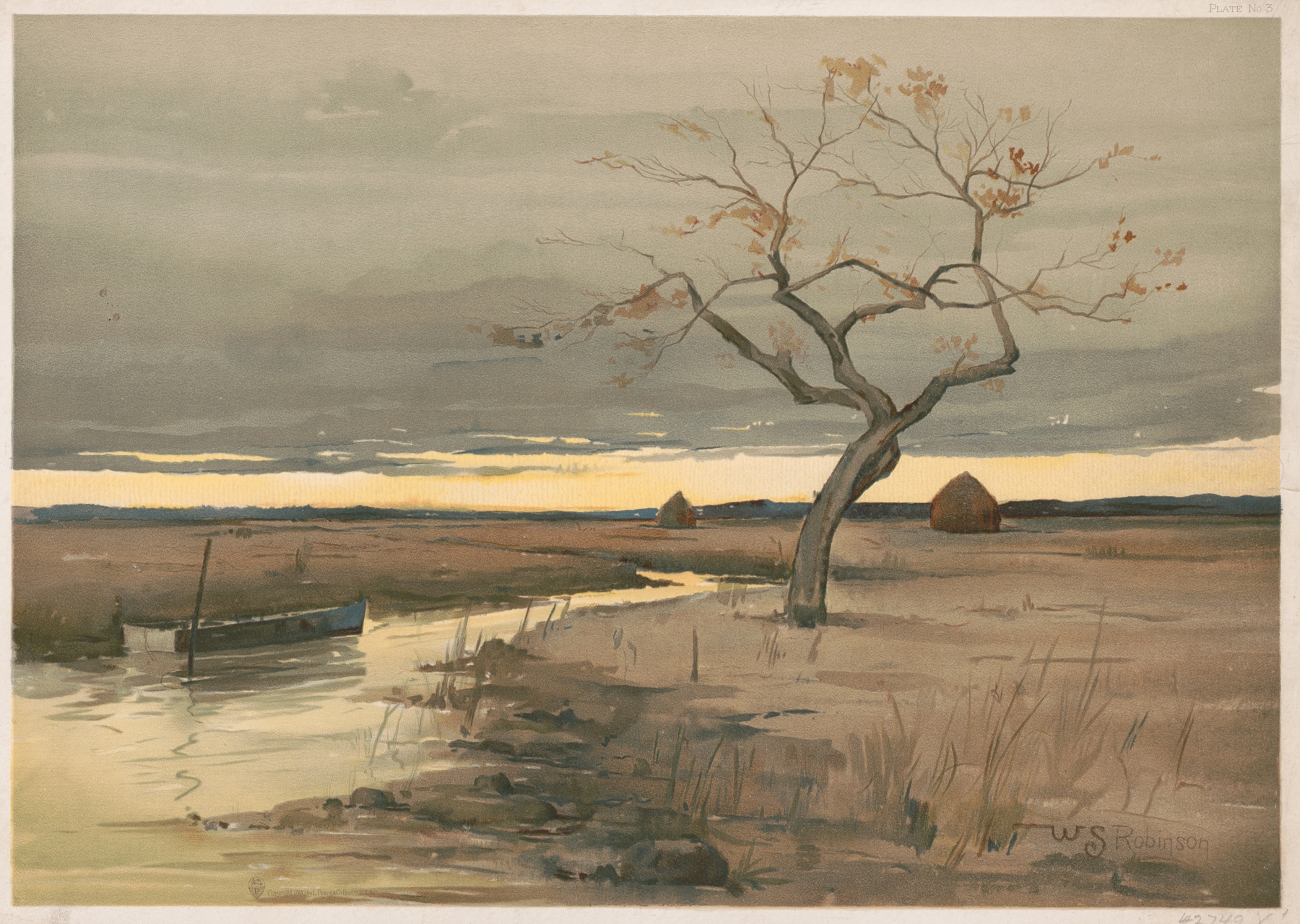
Progressive studies in watercolor painting, no. 3
Will S. Robinson
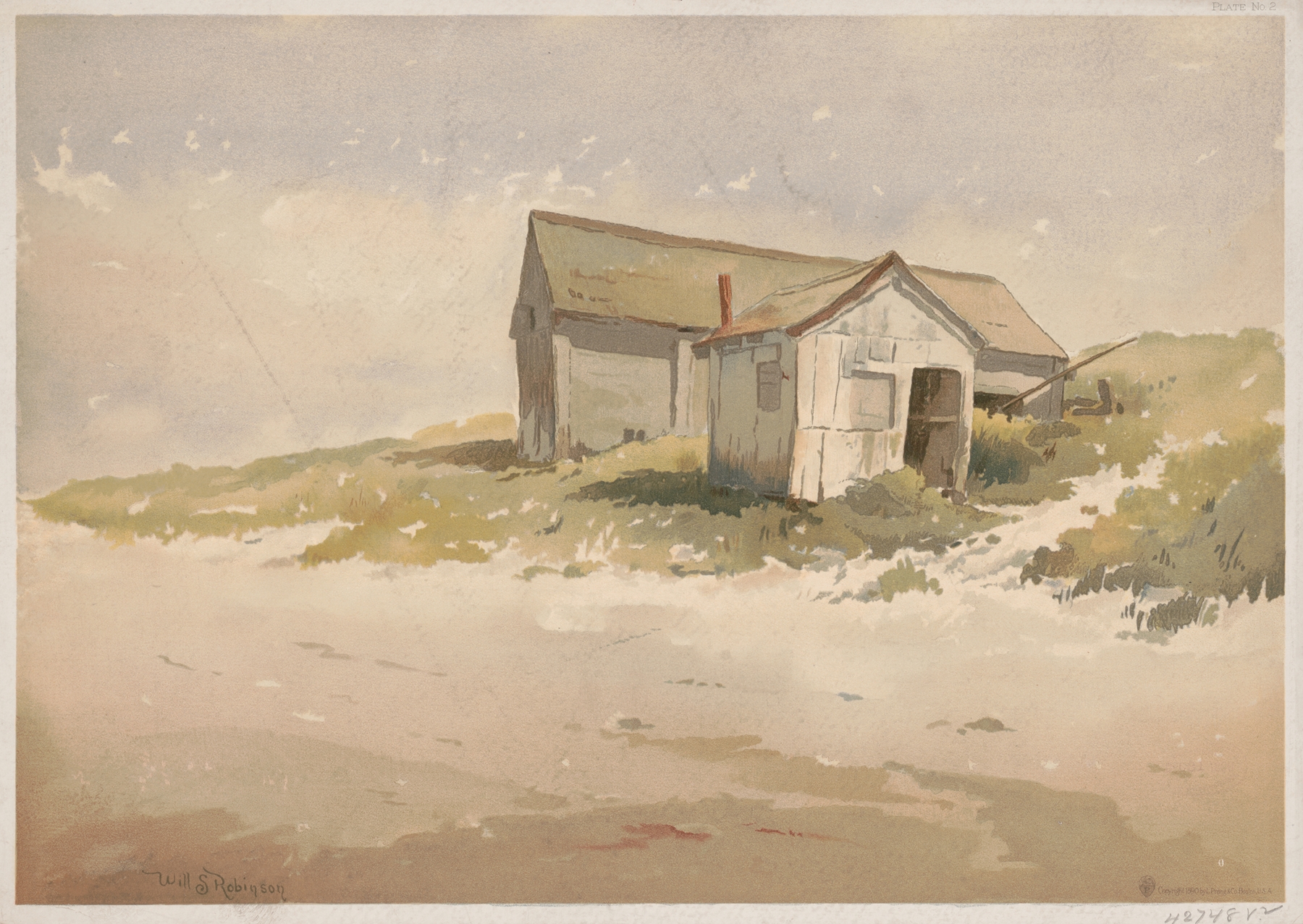
Prang’s progressive studies in water-color painting, Part II – advanced studies, No. 2
Will S. Robinson
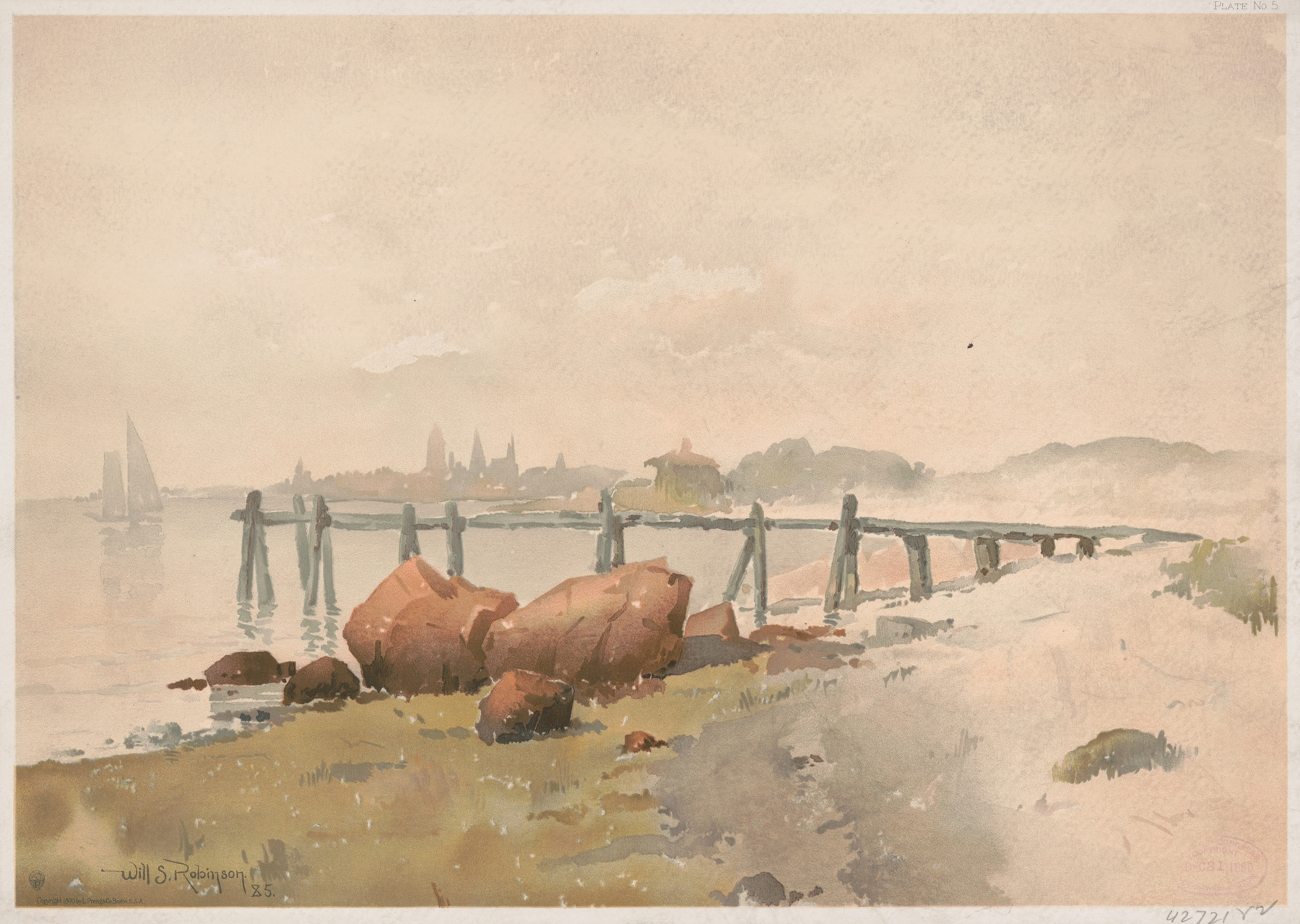
Prang’s progressive studies in water-color painting, Part II – advanced studies, No. 5
Will S. Robinson
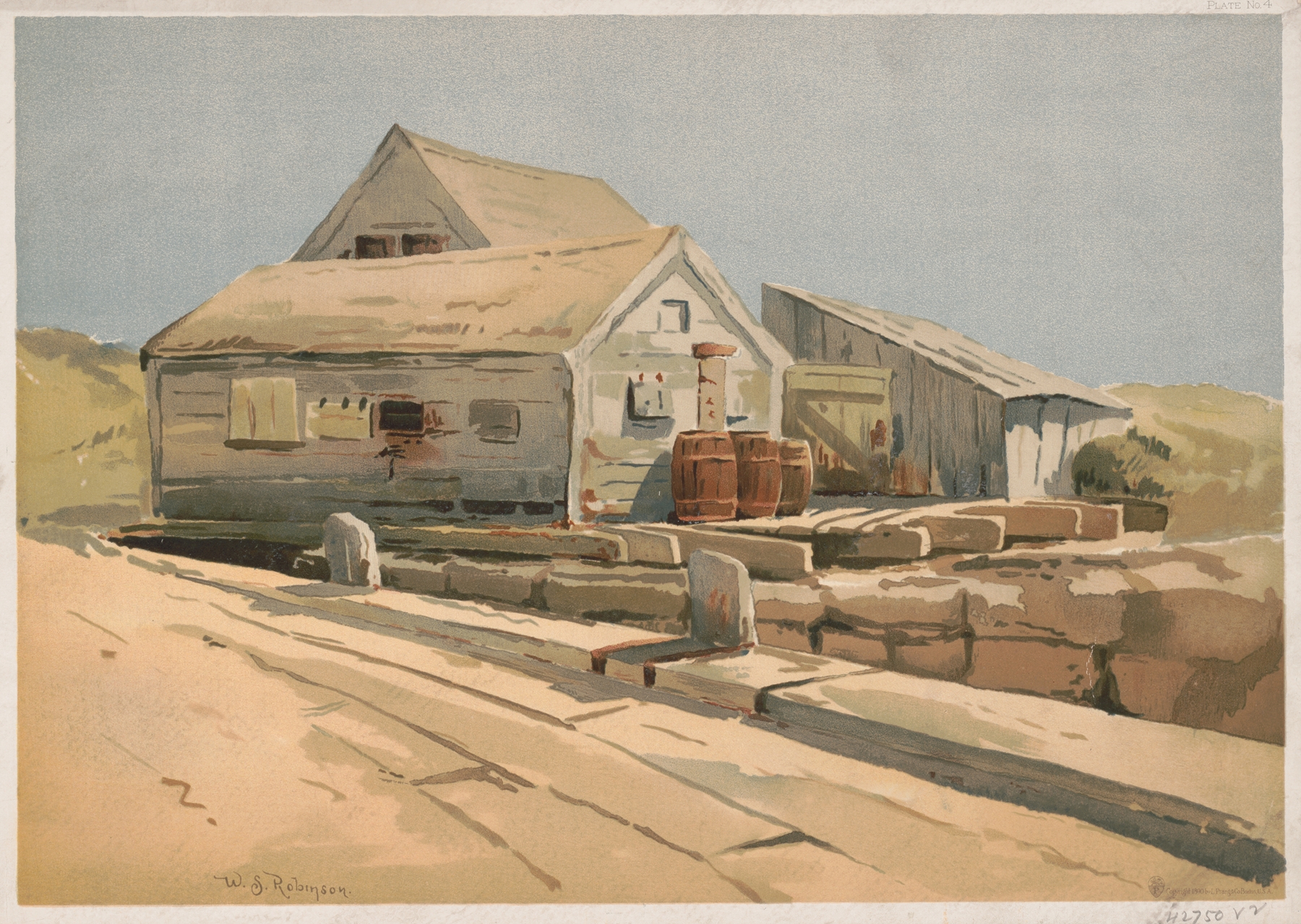
Prang’s progressive studies in water-color painting, Part II – advanced studies, No. 4
Will S. Robinson
更多 插图
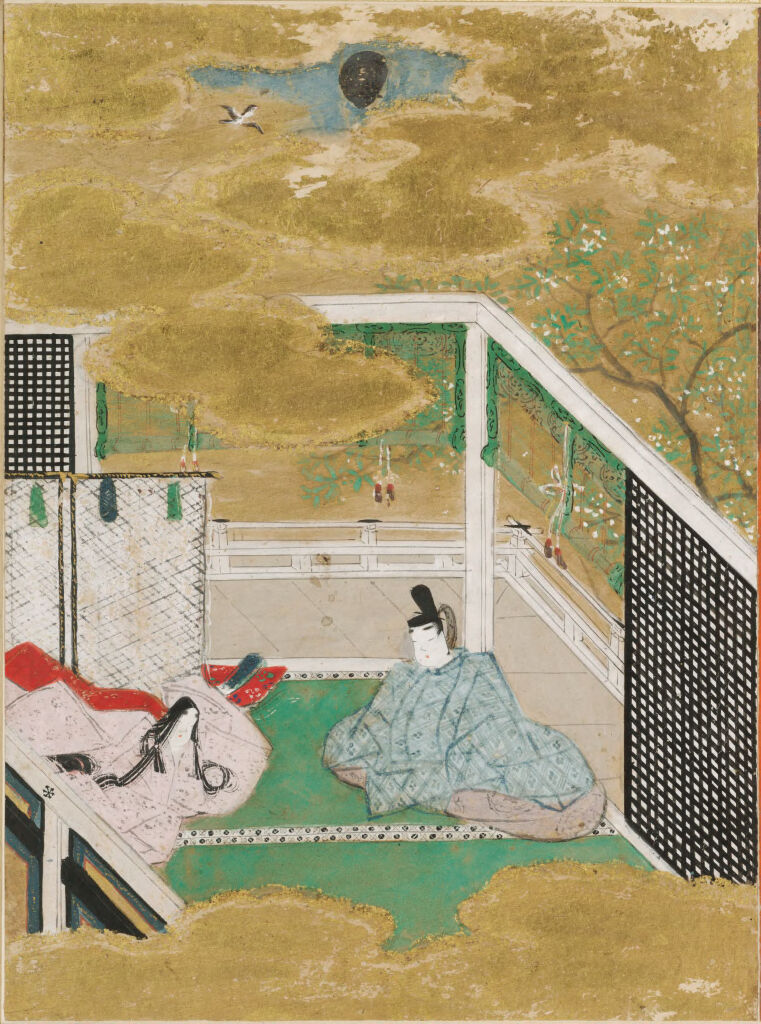
Falling Flowers (Hanachirusato), Illustration to Chapter 11 of the Tale of Genji (Genji monogatari)
Tosa Mitsunobu
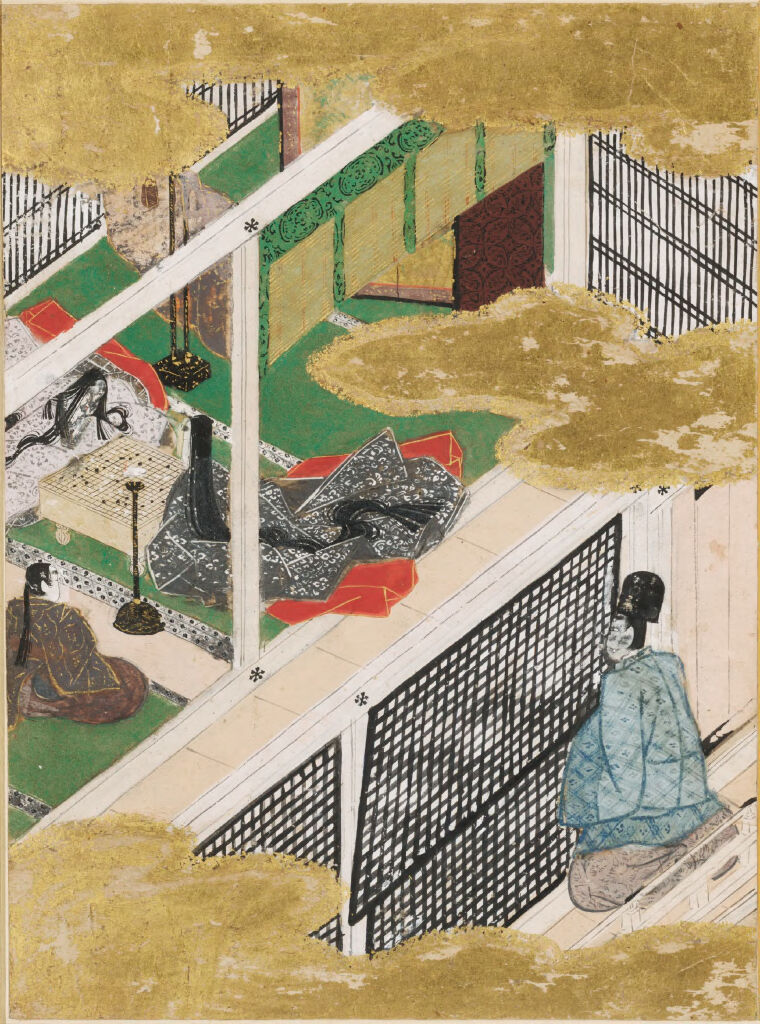
The Cicada Shell (Utsusemi), Illustration to Chapter 3 of the Tale of Genji (Genji monogatari)
Tosa Mitsunobu
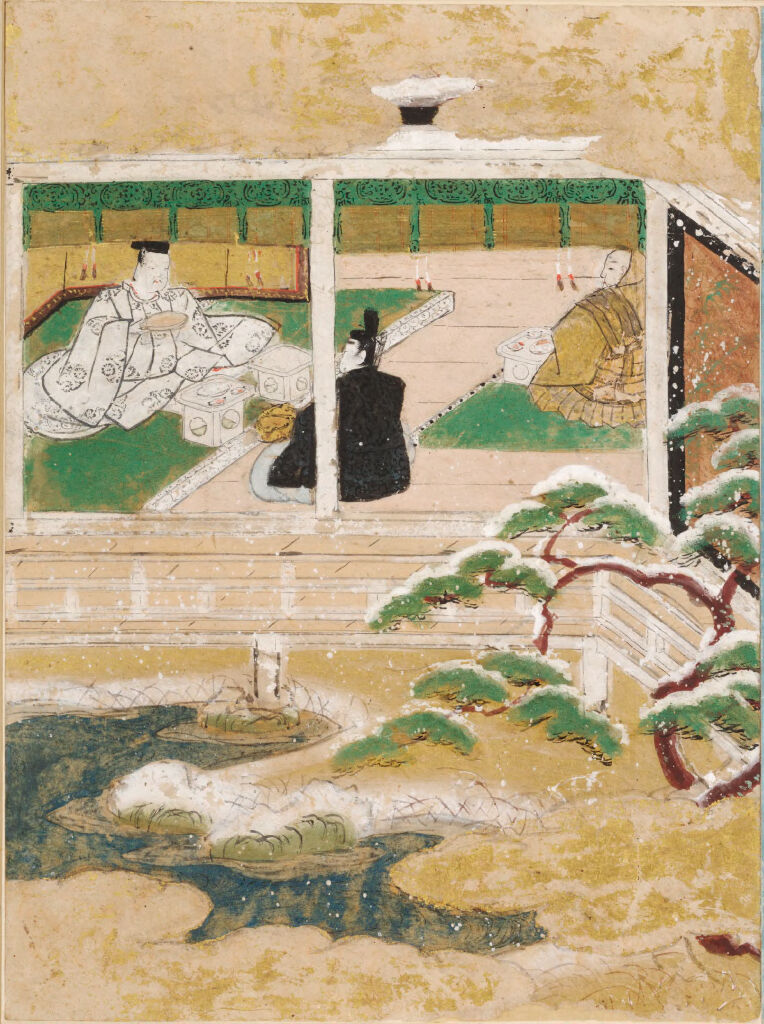
The Seer (Maboroshi), Illustration to Chapter 41 of the Tale of Genji (Genji monogatari)
Tosa Mitsunobu
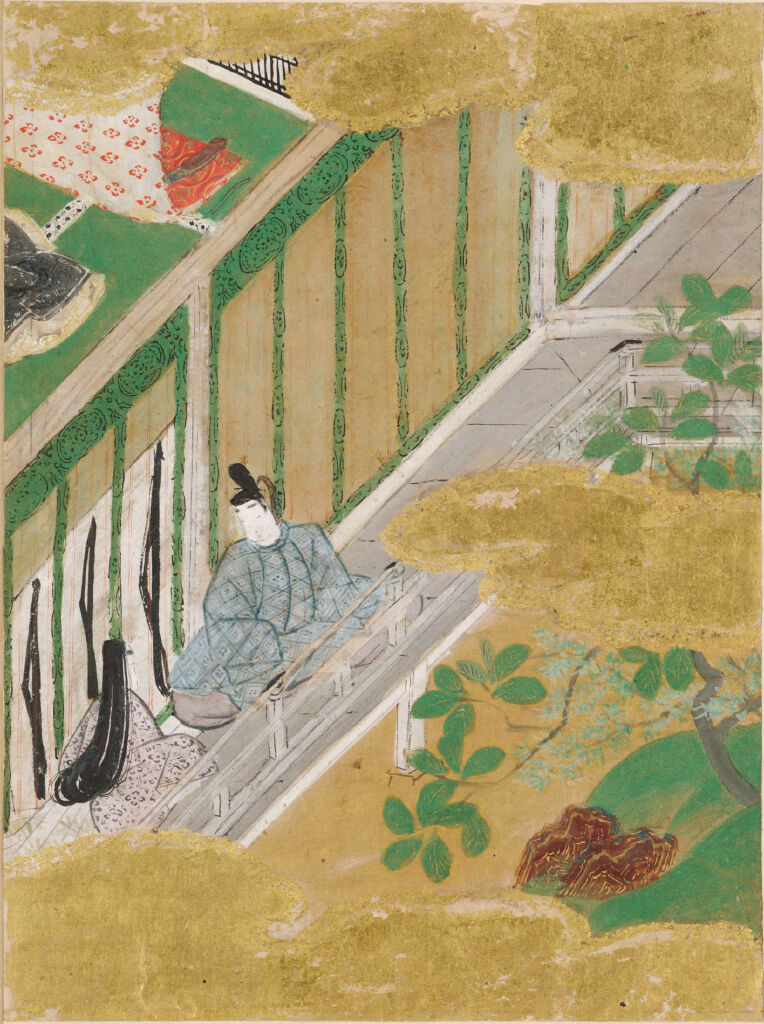
The Oak Tree (Kashiwagi), Illustration to Chapter 36 of the Tale of Genji (Genji monogatari)
Tosa Mitsunobu
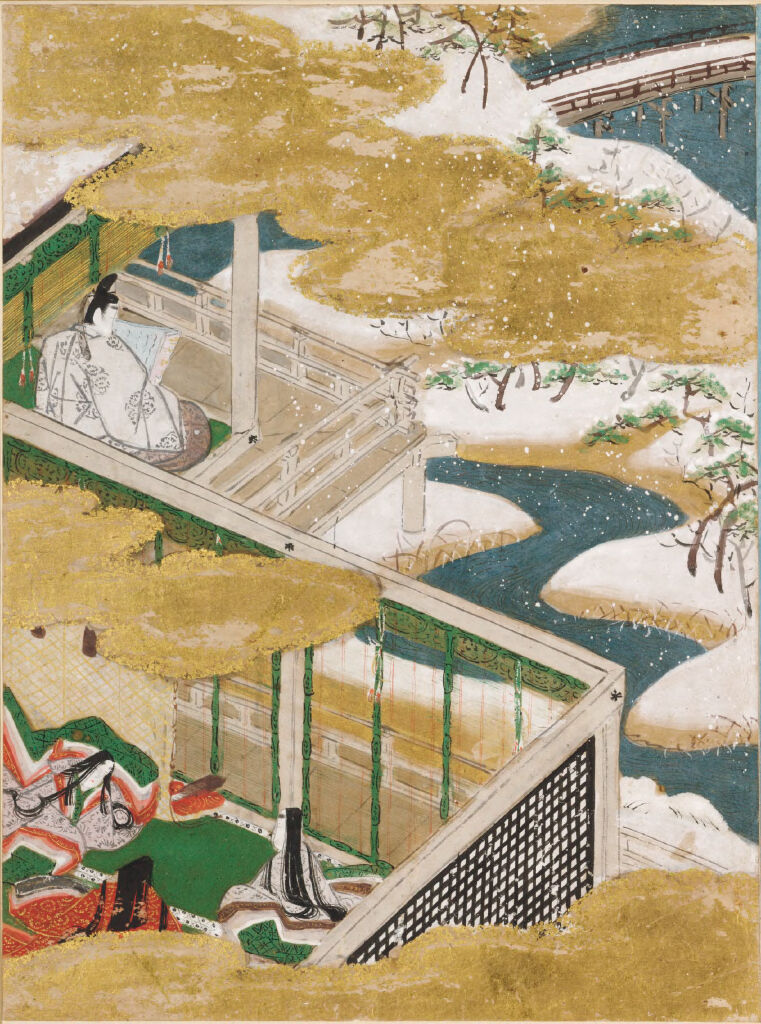
Beneath the Oak (Shiigamoto), Illustration to Chapter 46 of the Tale of Genji (Genji monogatari)
Tosa Mitsunobu
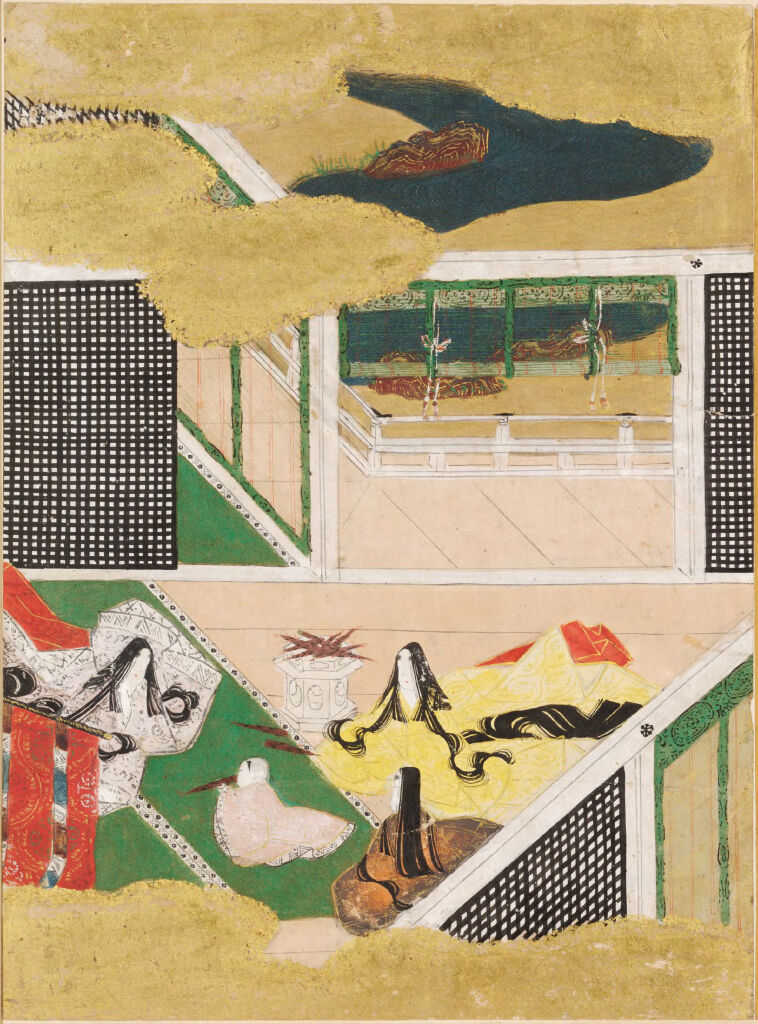
The Flute (Yokobue), Illustration to Chapter 37 of the Tale of Genji (Genji monogatari)
Tosa Mitsunobu