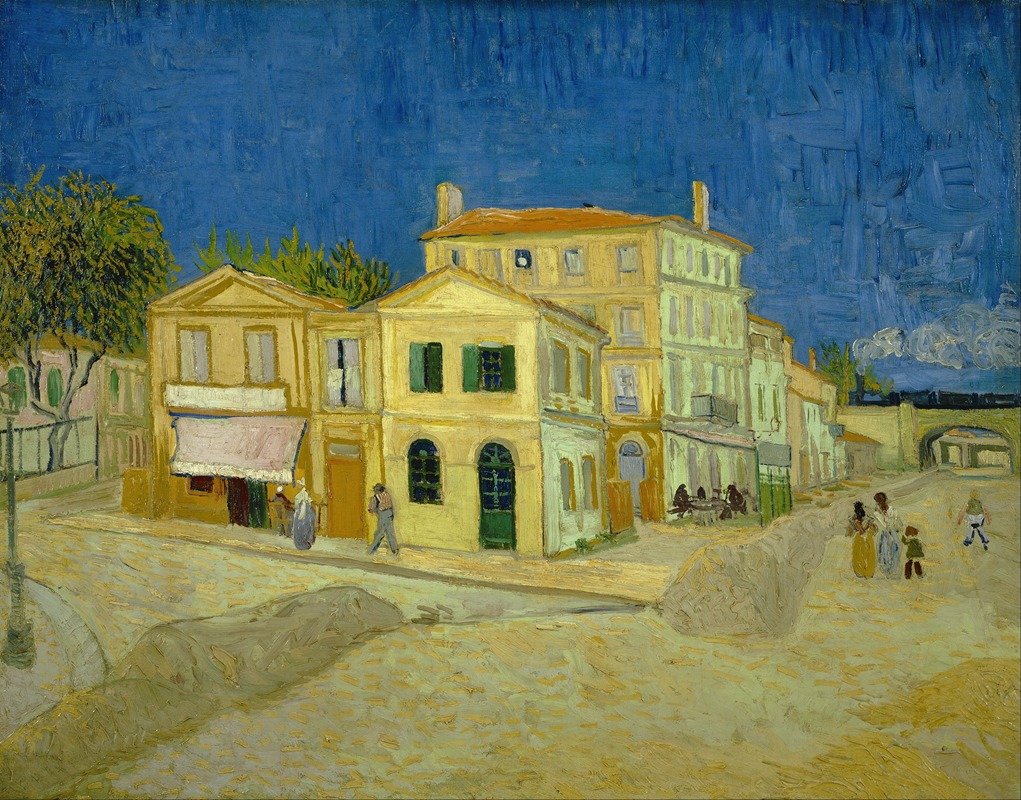
发现这件艺术品的见解
Station of Puebla. — 历史与趣闻
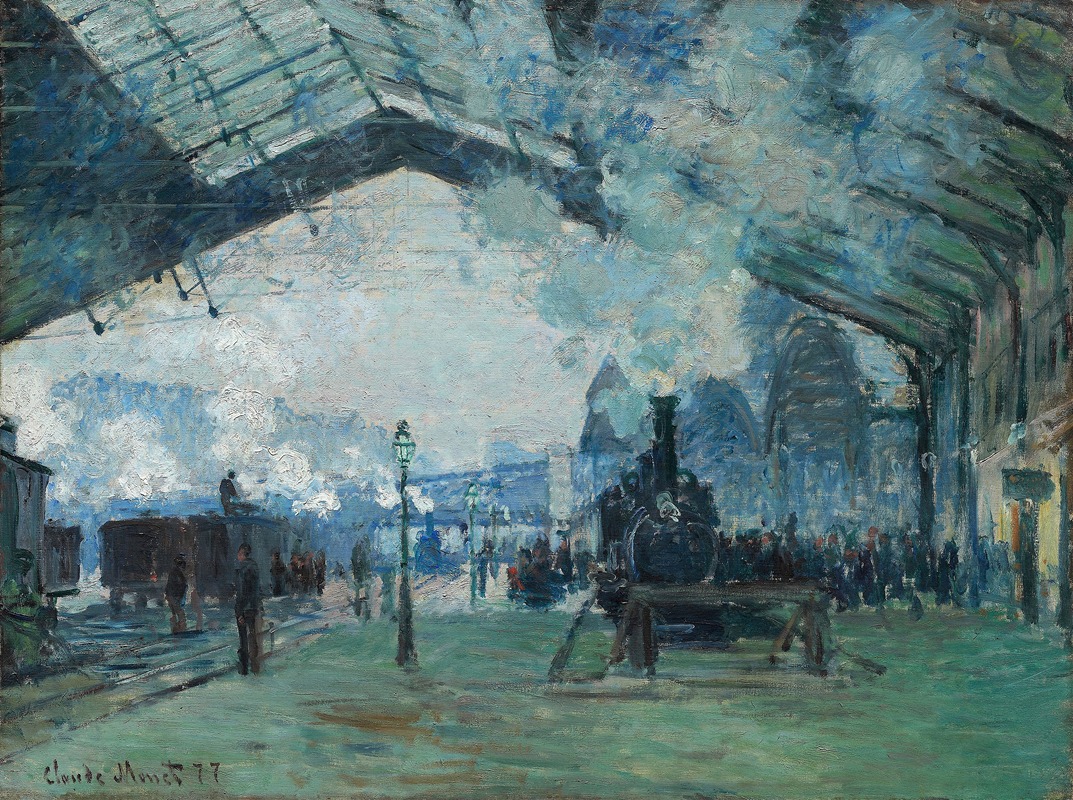
如果美从未注定要完成呢?在《普埃布拉车站》的核心,生活的生动混乱展开,捕捉着狂喜与存在的短暂本质。 看向画布的中心,车站的建筑宏伟吸引着目光。注意光与影的交错,随着光线在精美装饰的柱子上流淌,创造出一种深度感,邀请你走进这个生机勃勃的中心。温暖的土色调与深红色调与阳光普照的氛围相呼应,而那些细致入微的人物则体现了日常活动的脉动——每一个动作都蕴含着无声的故事。 在表面之下,隐藏着丰富的对比织锦:熙熙攘攘的人群与车站的宁静,鲜艳的色彩与柔和的色调并置,暗示着生命的短暂瞬间。每个角色,从优雅着装的旅客到谦逊的摊贩,都诉说着共同的人性,点燃了一种超越时间的联系感。艺术家捕捉的不仅仅是一个物理位置,而是渴望与期待的情感景观——对字面和隐喻之旅的颂歌。 1869年,C. Castro在墨西哥铁路发展的时期创作了《普埃布拉车站》,这一时期改变了交通和通信。身处当时的艺术潮流中,他受到新兴现实主义运动的影响,旨在真实地描绘生活。这幅作品也源于个人探索的地方,反映了艺术家希望永恒化日常时刻的美丽与复杂性。
更多作品 C. Castro
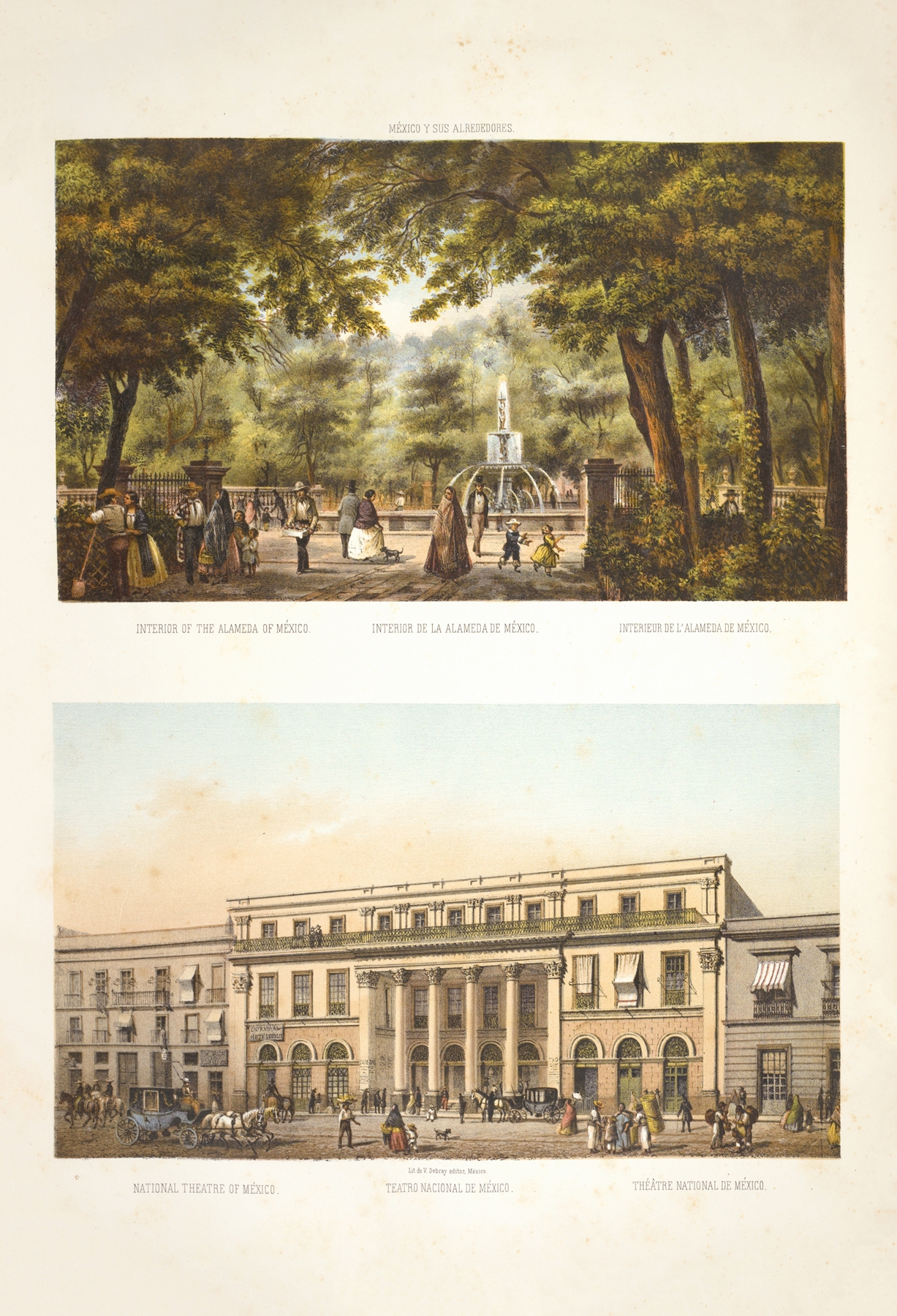
Interior of the Alameda of Mexico ; National Theatre of Mexico.
C. Castro
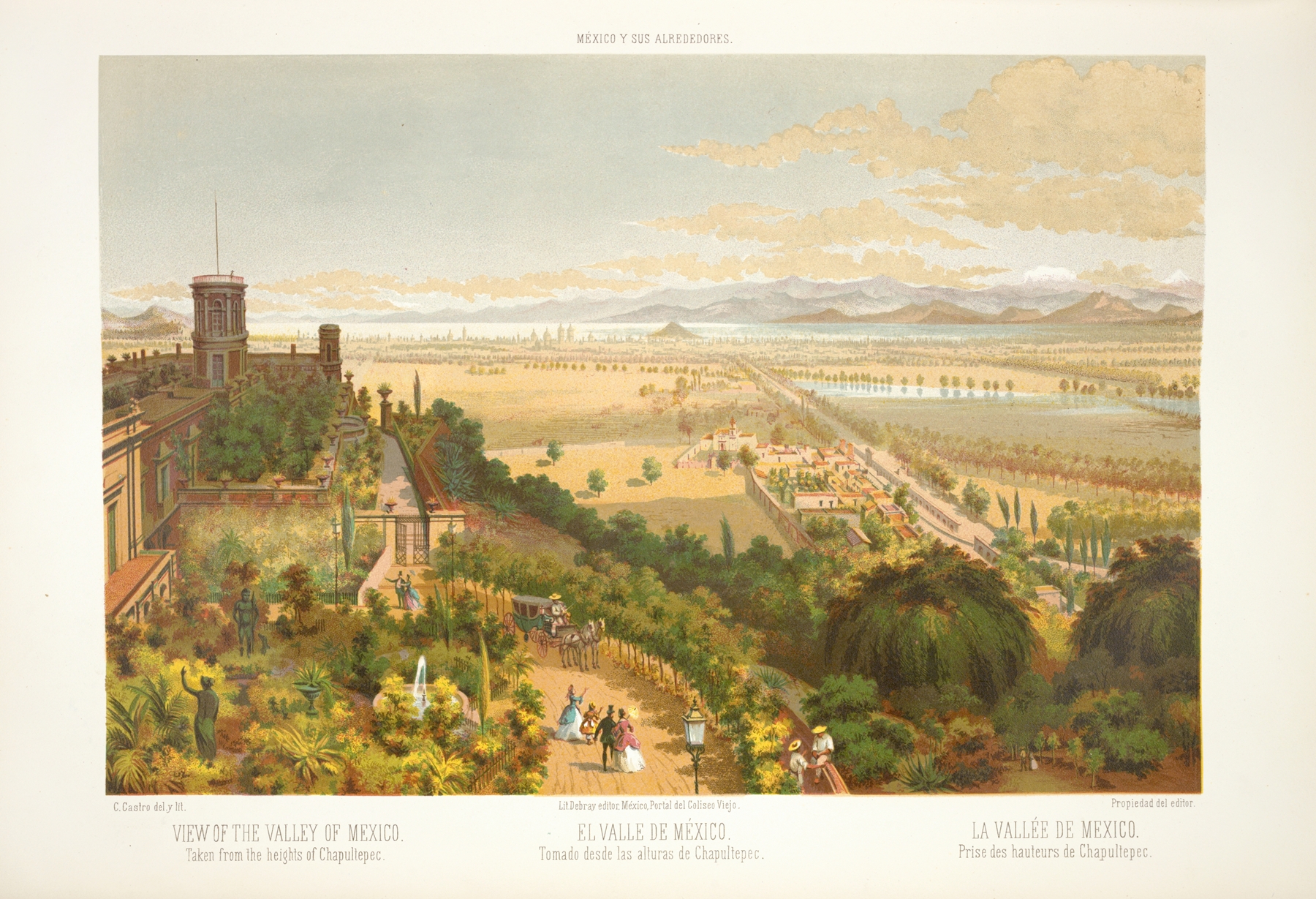
View of the Valley of Mexico, taken from the heights of Chapultepec.
C. Castro
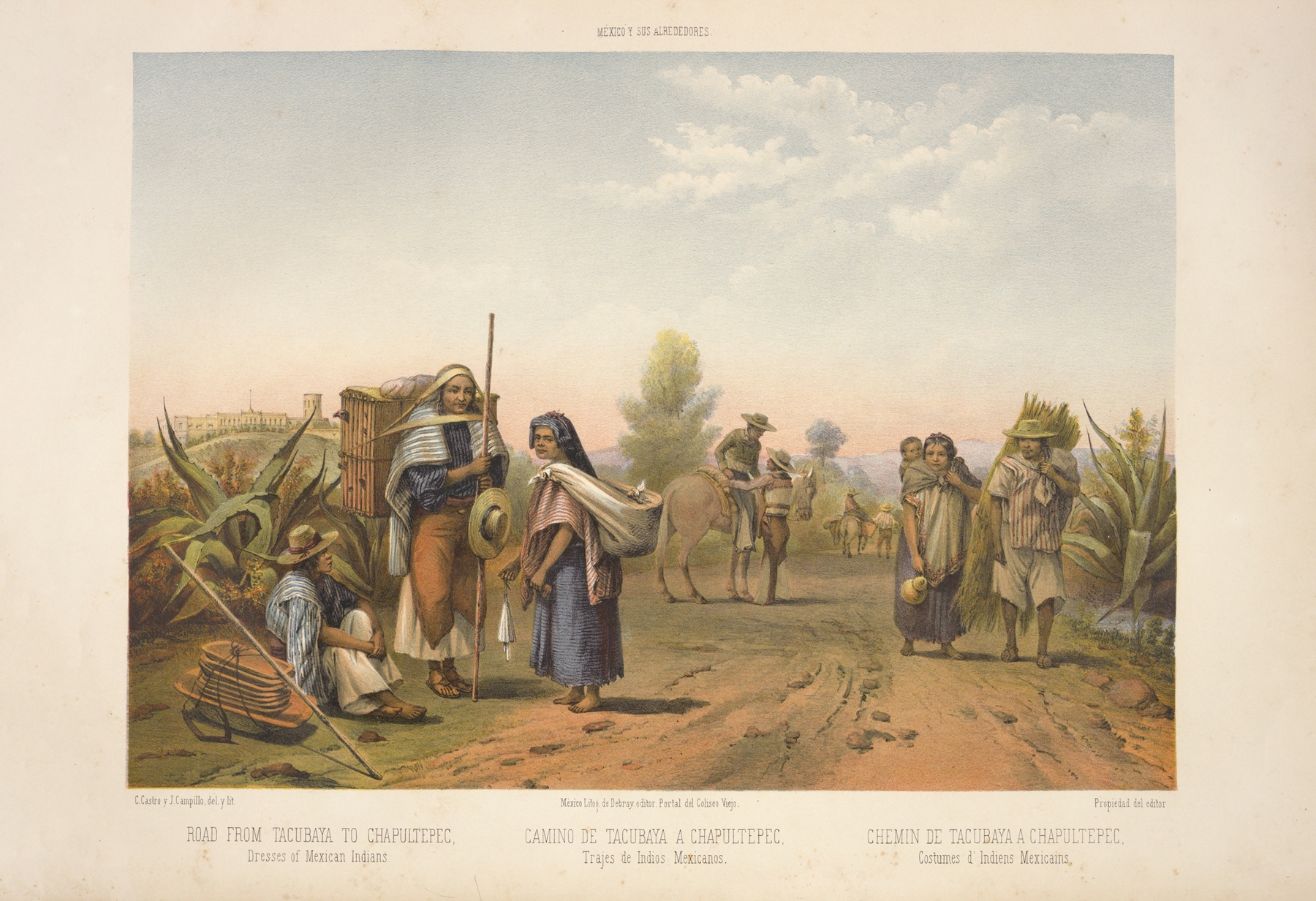
Road from Tacubaya to Chapultepec, dresses of Mexican Indians.
C. Castro
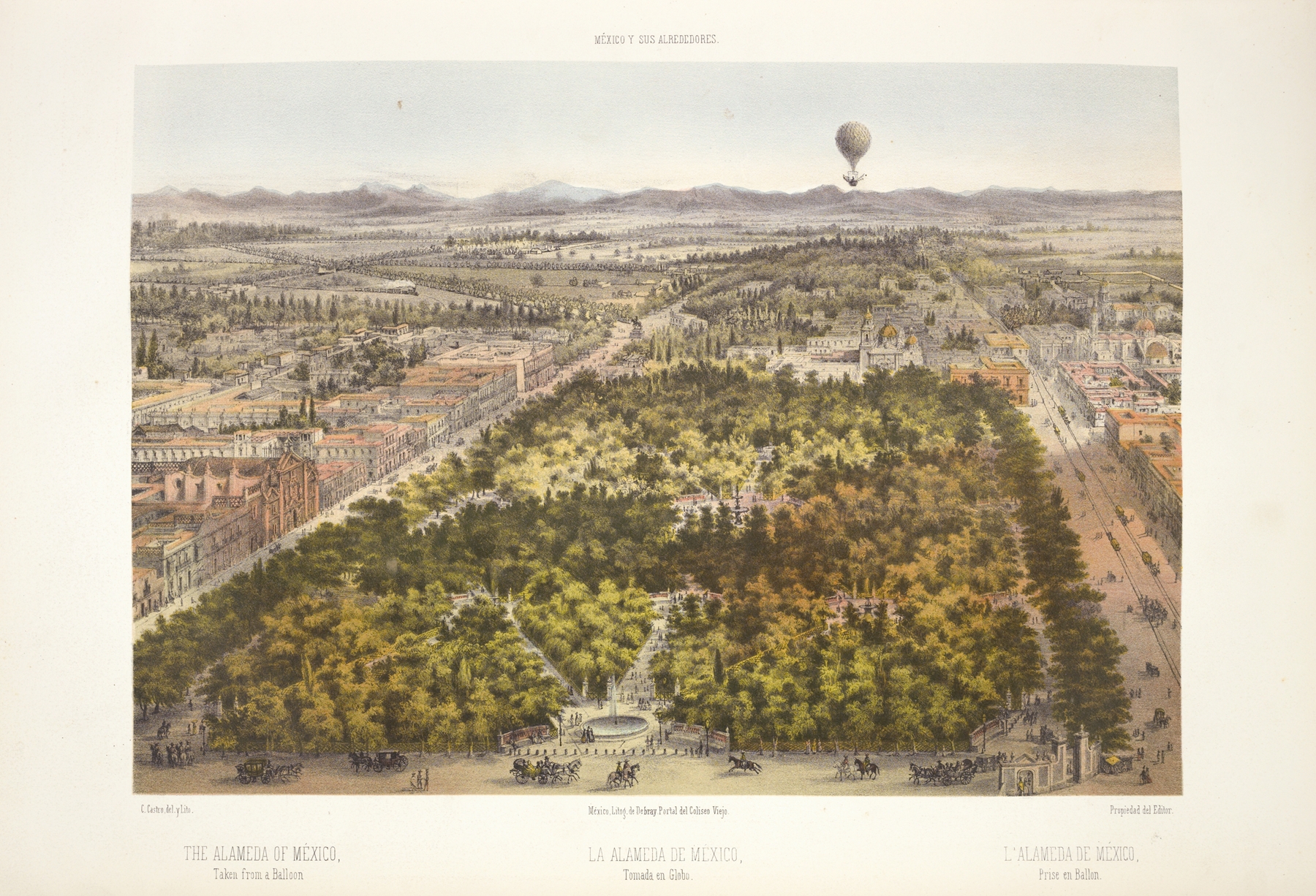
The Alameda of Mexico, taken from a balloon.
C. Castro
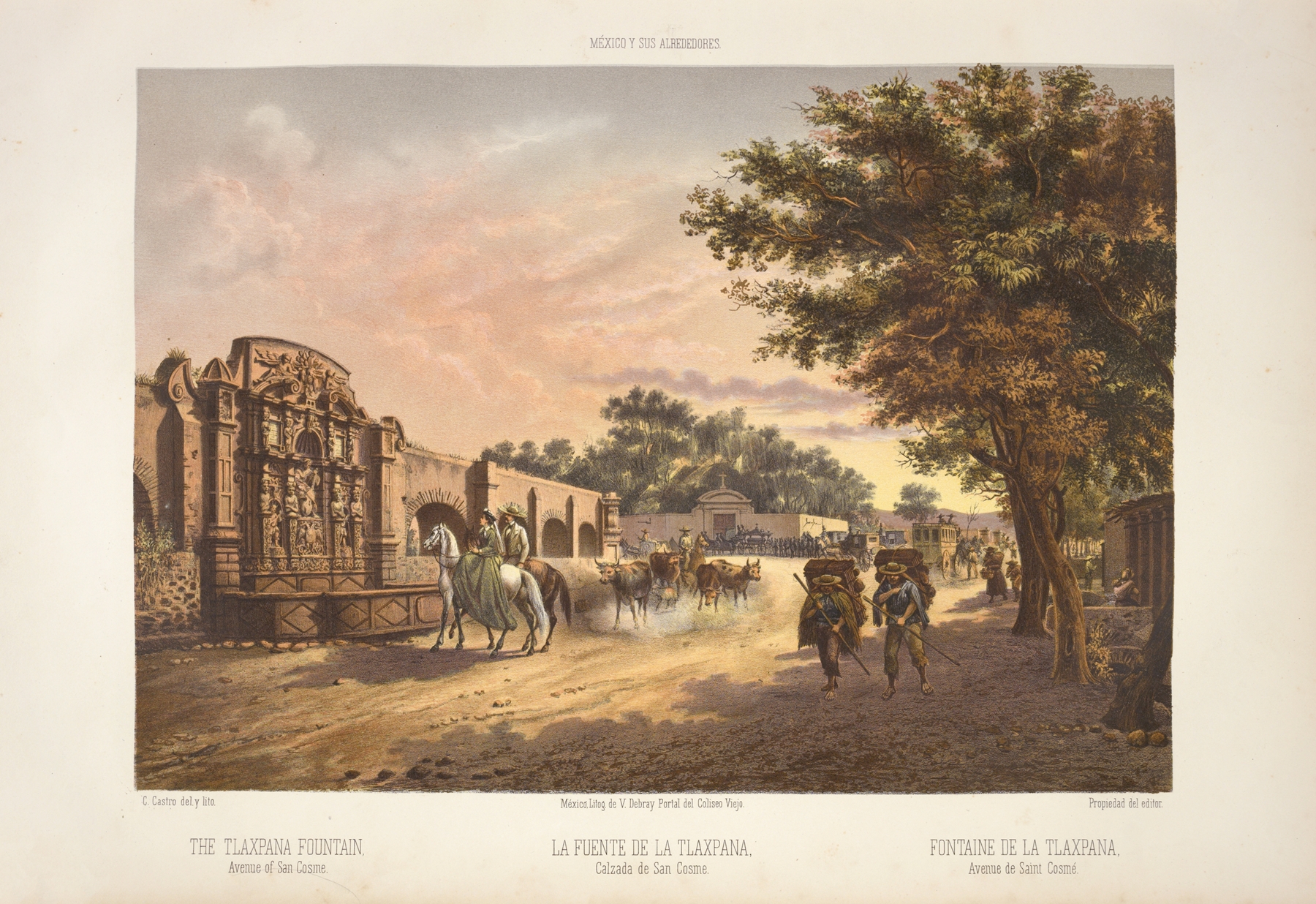
The Tlaxpana fountain, Avenue of San Cosme.
C. Castro
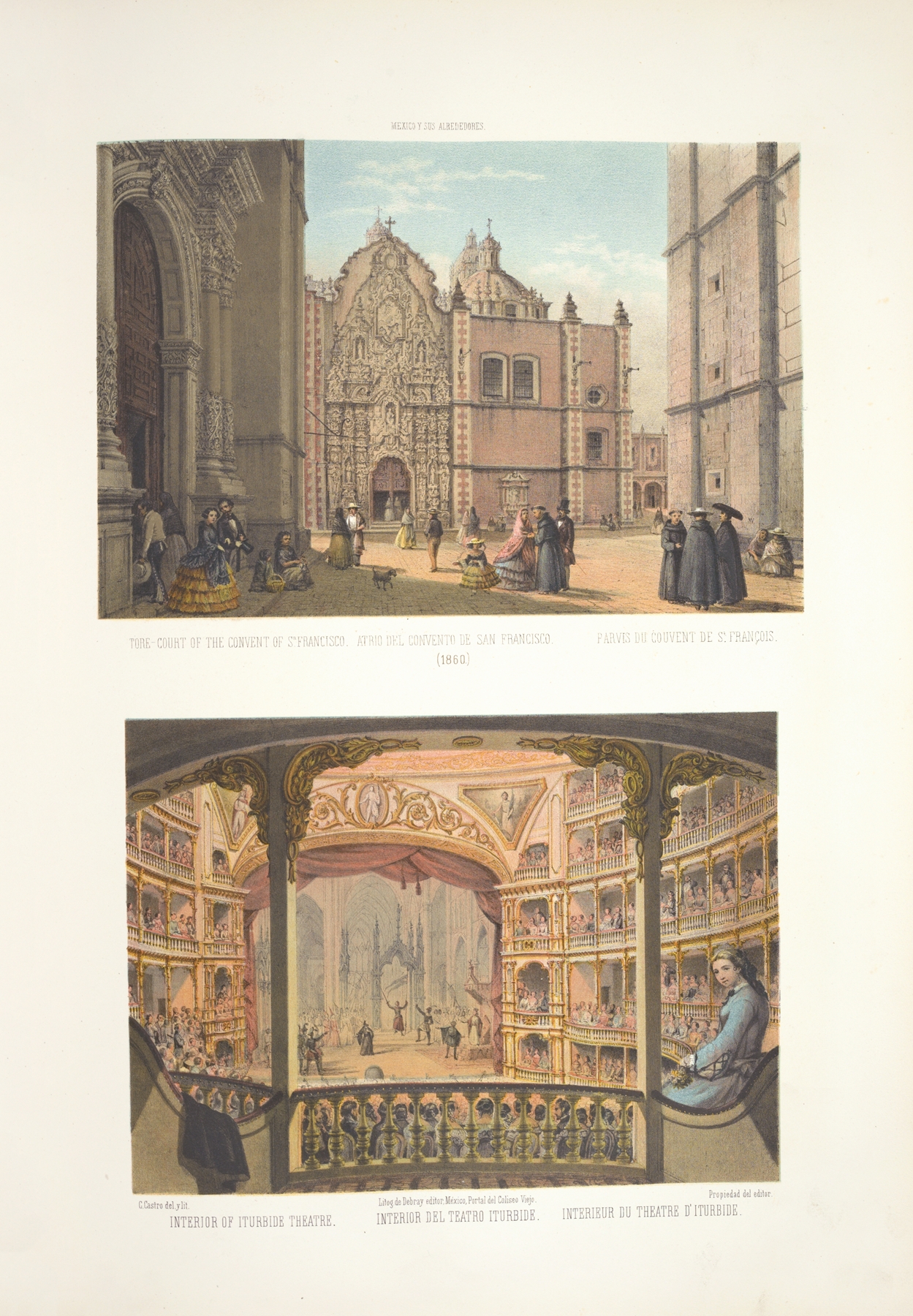
Tore-court of the convent of St. Francisco ; Interior del Teatro Iturbide
C. Castro
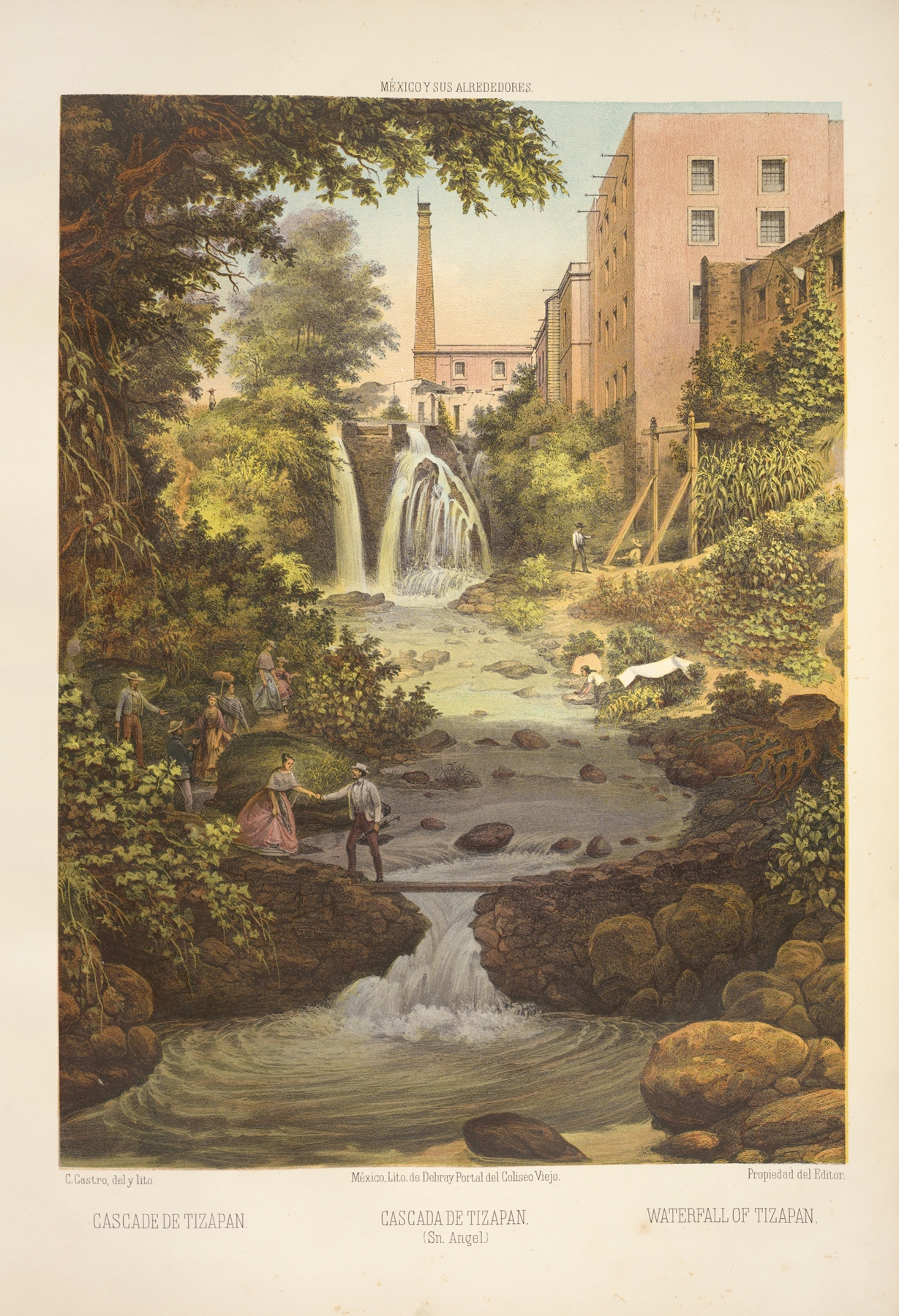
Waterfall of Tizapan
C. Castro
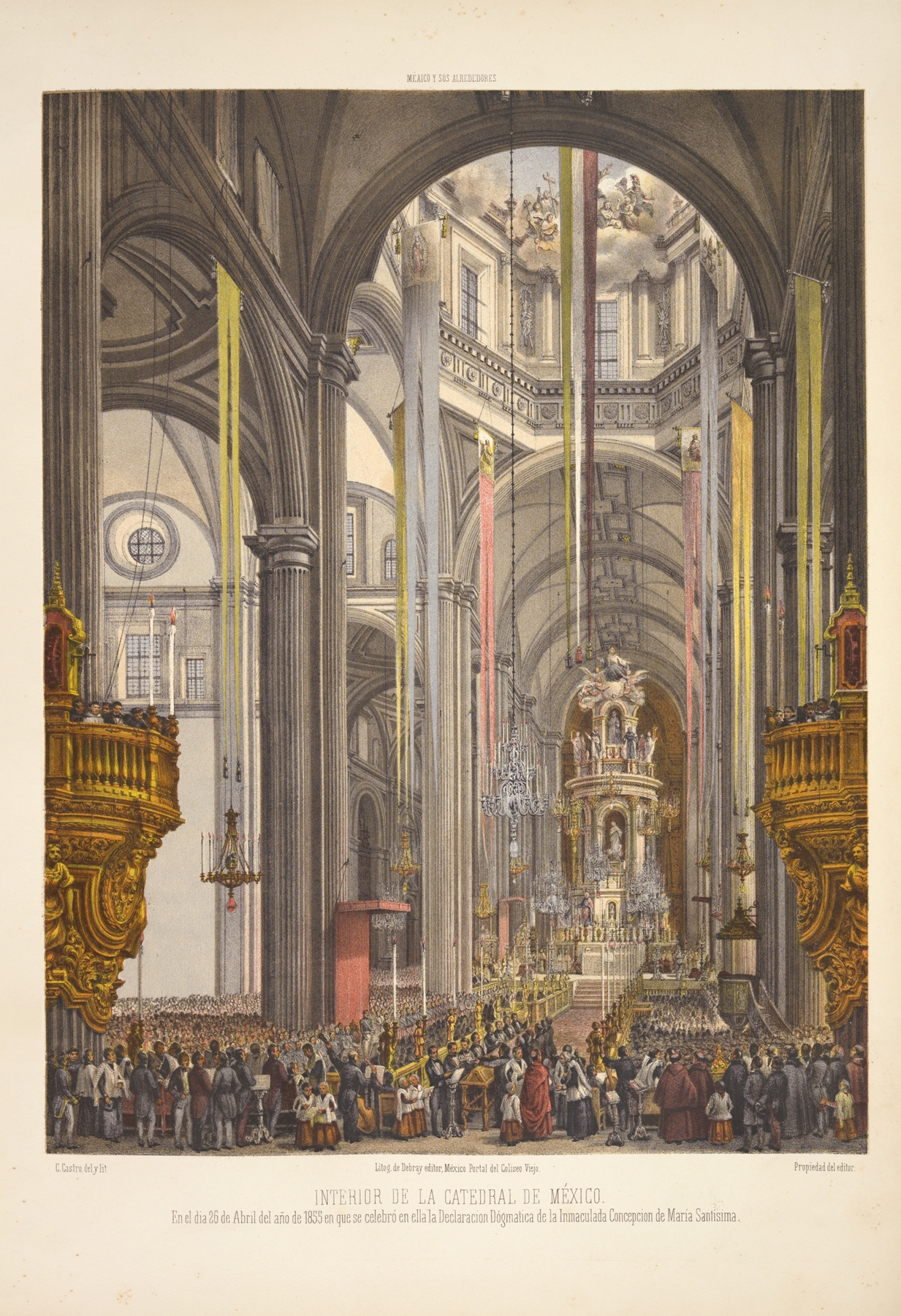
Interior de la Catedral de México. En el dia 26 de Abril del año de 1855 en que se celebró en ella la Declaracion Dógmatica de la Inmaculada Concepcion de María Santisima.
C. Castro
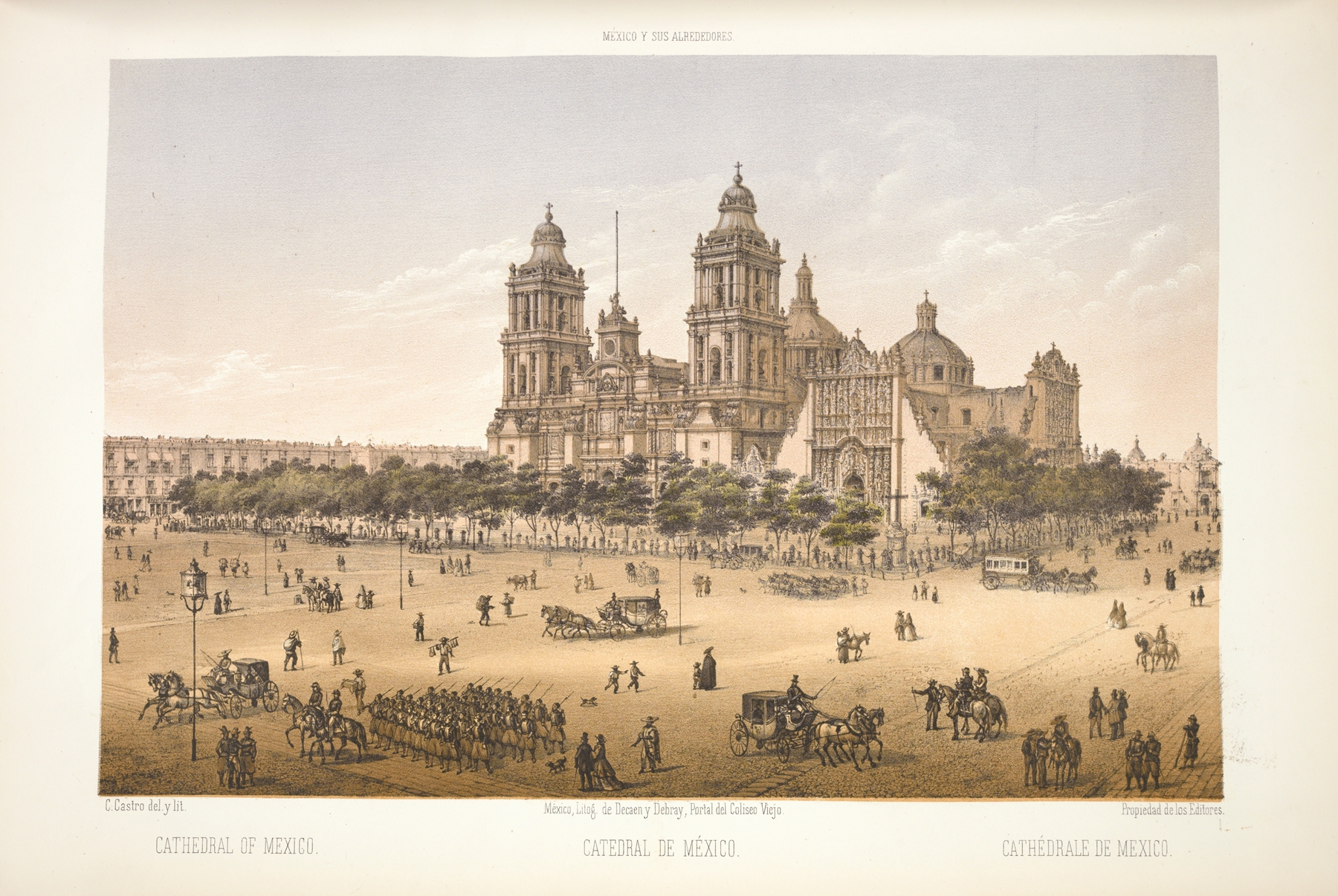
Cathedral of Mexico.
C. Castro
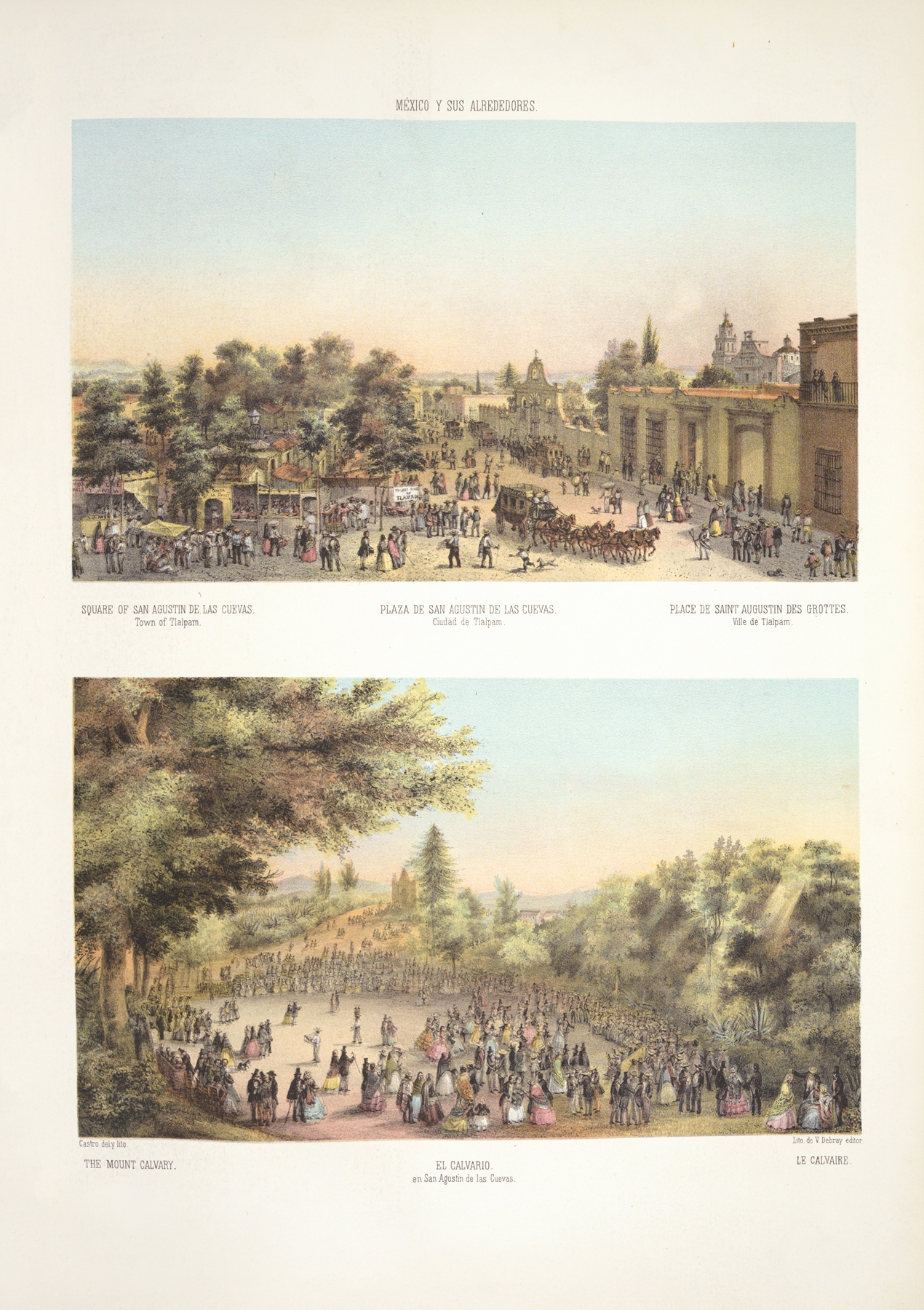
Square of San Agustin de las Cuevas, town of Tlalpam ; The Mount Calvary.
C. Castro