发现这件艺术品的见解
Temple Ruins at Paestum — 历史与趣闻
“每一笔都是记忆中的心跳。”在《佩斯图姆的寺庙遗址》中,狂喜在过去的遗迹中回响,依然向那些敢于倾听的人低语着秘密。 向左看,巍峨的柱子,古老的力量和风化的表面沐浴在温暖的金色光芒中。阴影的细致描绘在石头上顽皮地舞动,突显出它们的宏伟。注意天空高悬,宁静的蓝色与建筑的土色和谐融合,形成一种宁静而强烈的对比,吸引观者的目光更深入场景。 在历史的残余中,情感交织。衰败与美的对比唤起一种渴望,渴望曾经栖息于这些神圣空间的活力。光与影的微妙交错不仅象征着时间的流逝,也象征着在如此宏伟的地方萦绕的喜悦与忧伤。每一个元素都讲述着一个故事,捕捉着创造的狂喜和随之而来的不可避免的衰退。 威利·里维利于1785年在意大利创作了这幅作品,这是一个新古典主义蓬勃发展的关键时期。受到罗马建筑宏伟的影响,他试图捕捉古代遗址的崇高之美,象征着启蒙时代古典思想的文化复兴。这个时期标志着艺术的深刻探索,艺术家们对自然、历史和人类经验之间的关系充满了兴趣。
更多作品 Willey Reveley
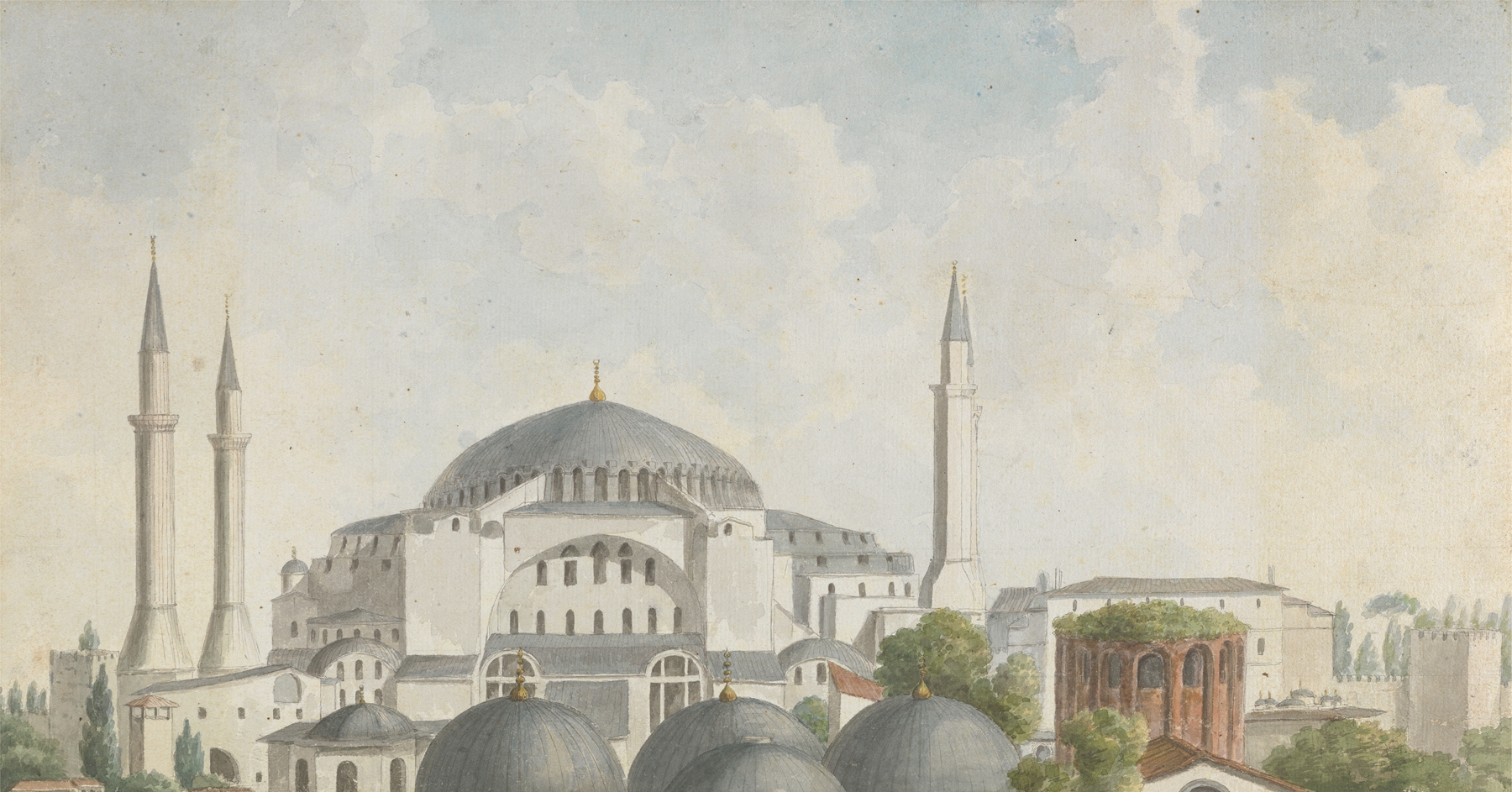
View of the domes and spires of Hagia Sophia, Istanbul
Willey Reveley
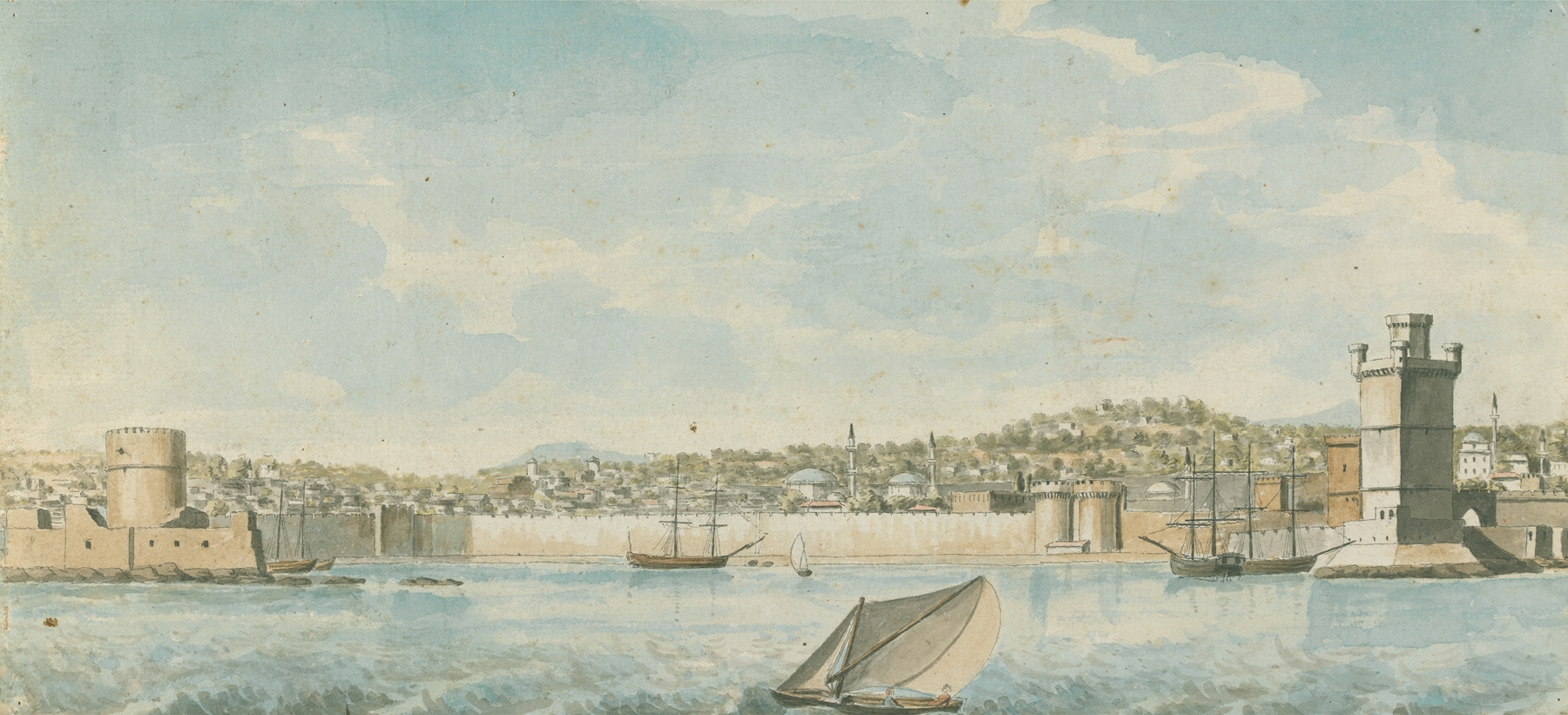
View of a Walled Town and Harbour with Towers Seen From the Sea
Willey Reveley
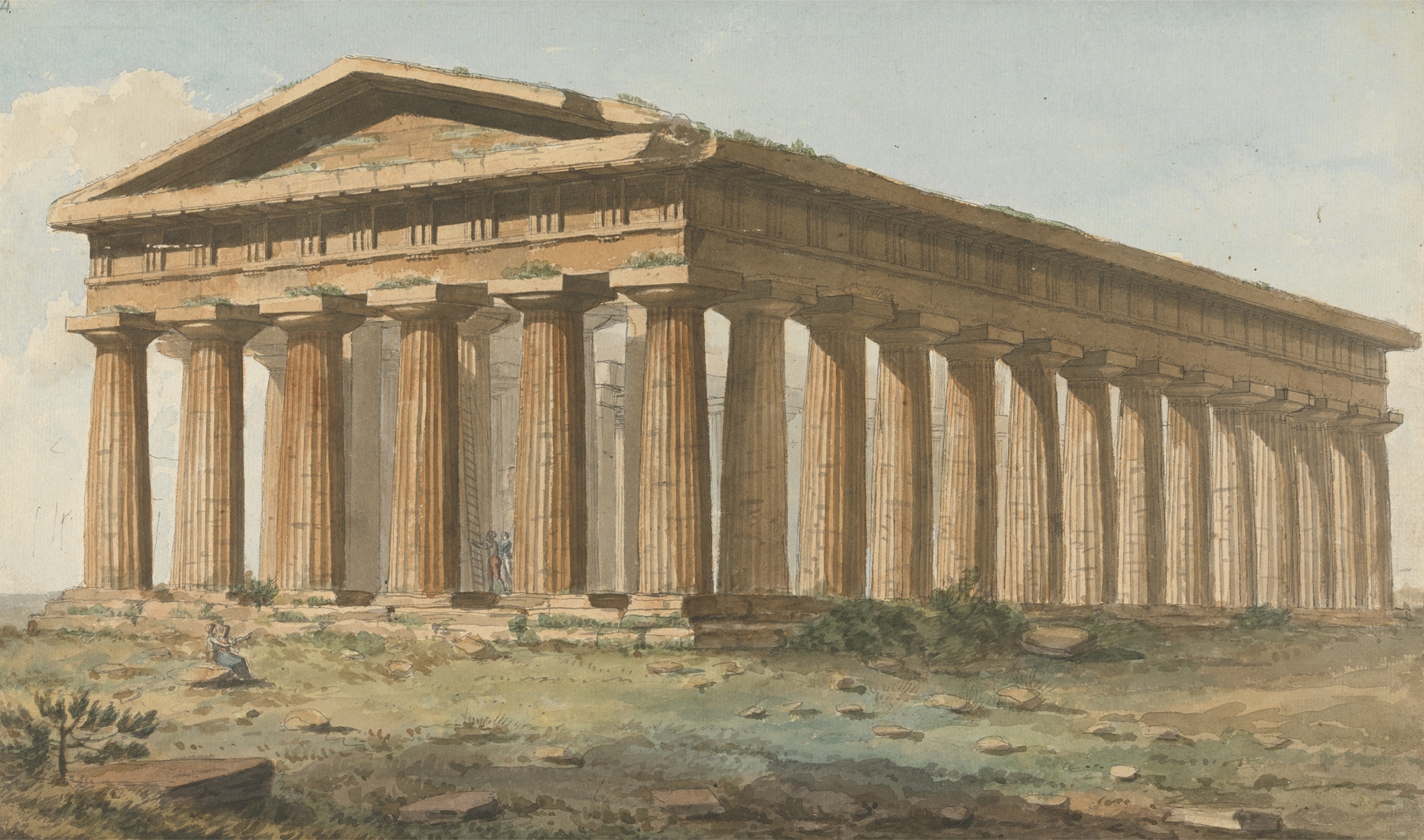
Paestum
Willey Reveley
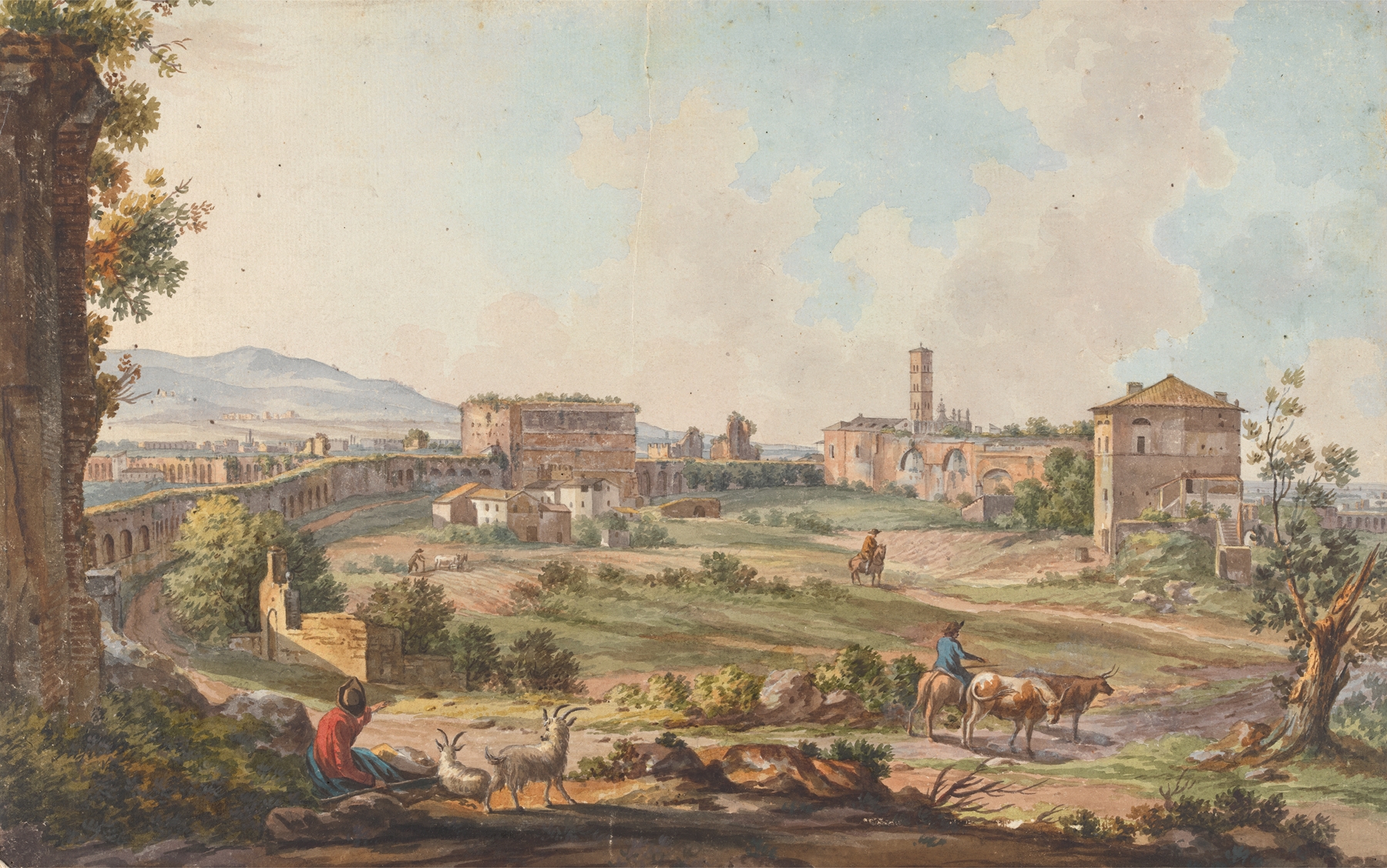
Ruins in Rome with Goats, Cows and Herdsmen
Willey Reveley
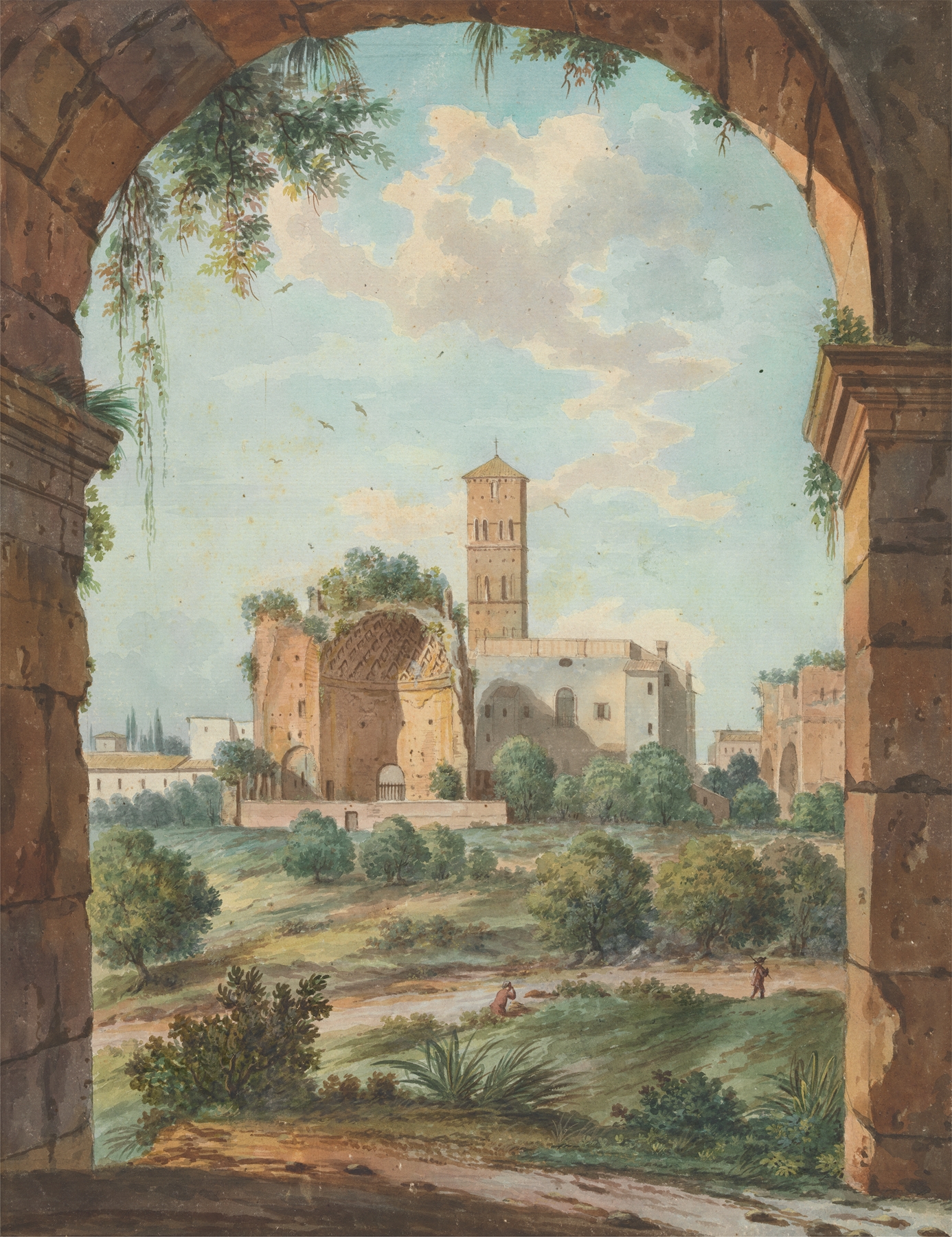
Rome with Ruins seen Through an Archway
Willey Reveley
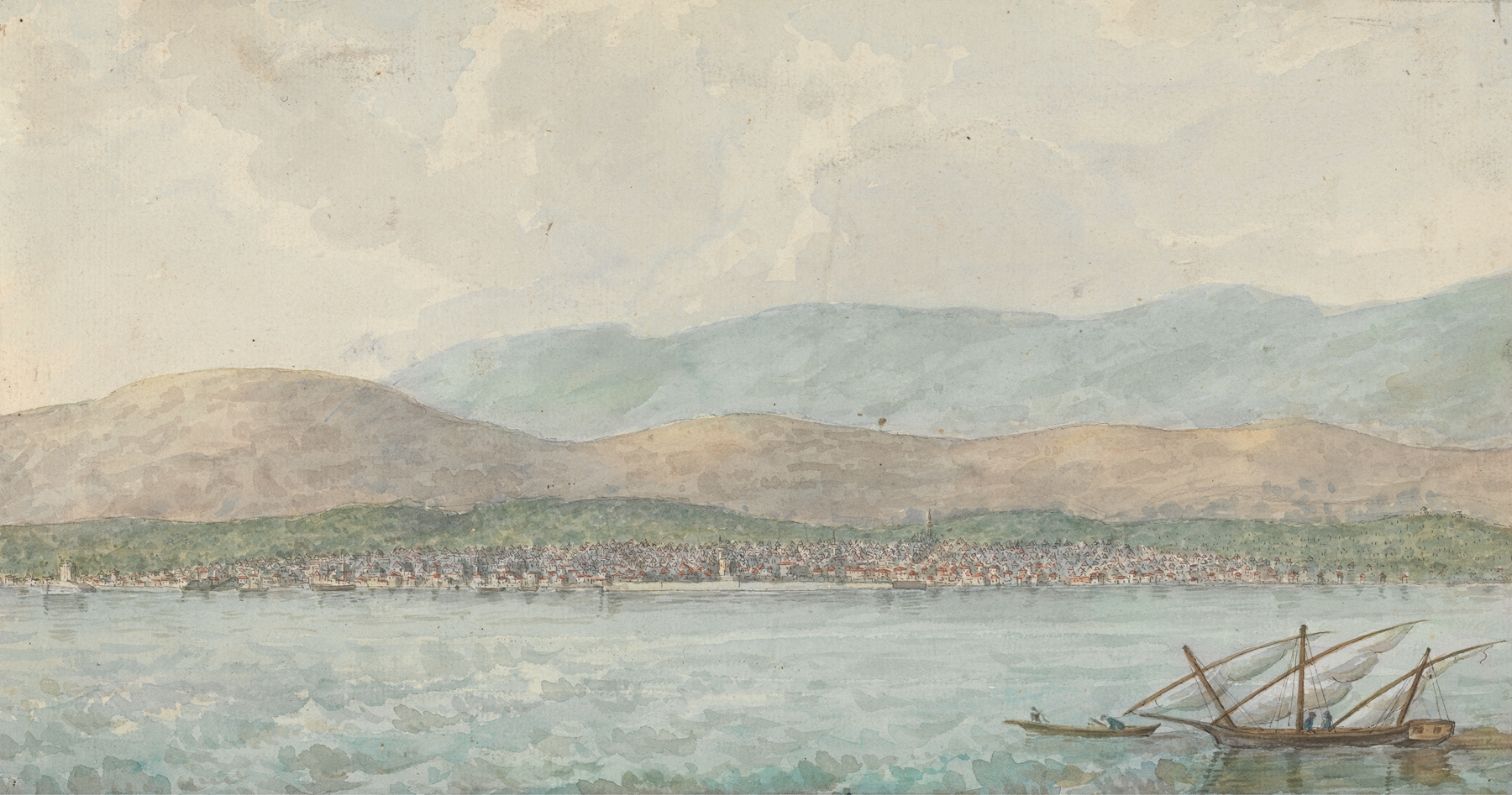
View of a Harbour and Town From the Sea, Turkey
Willey Reveley
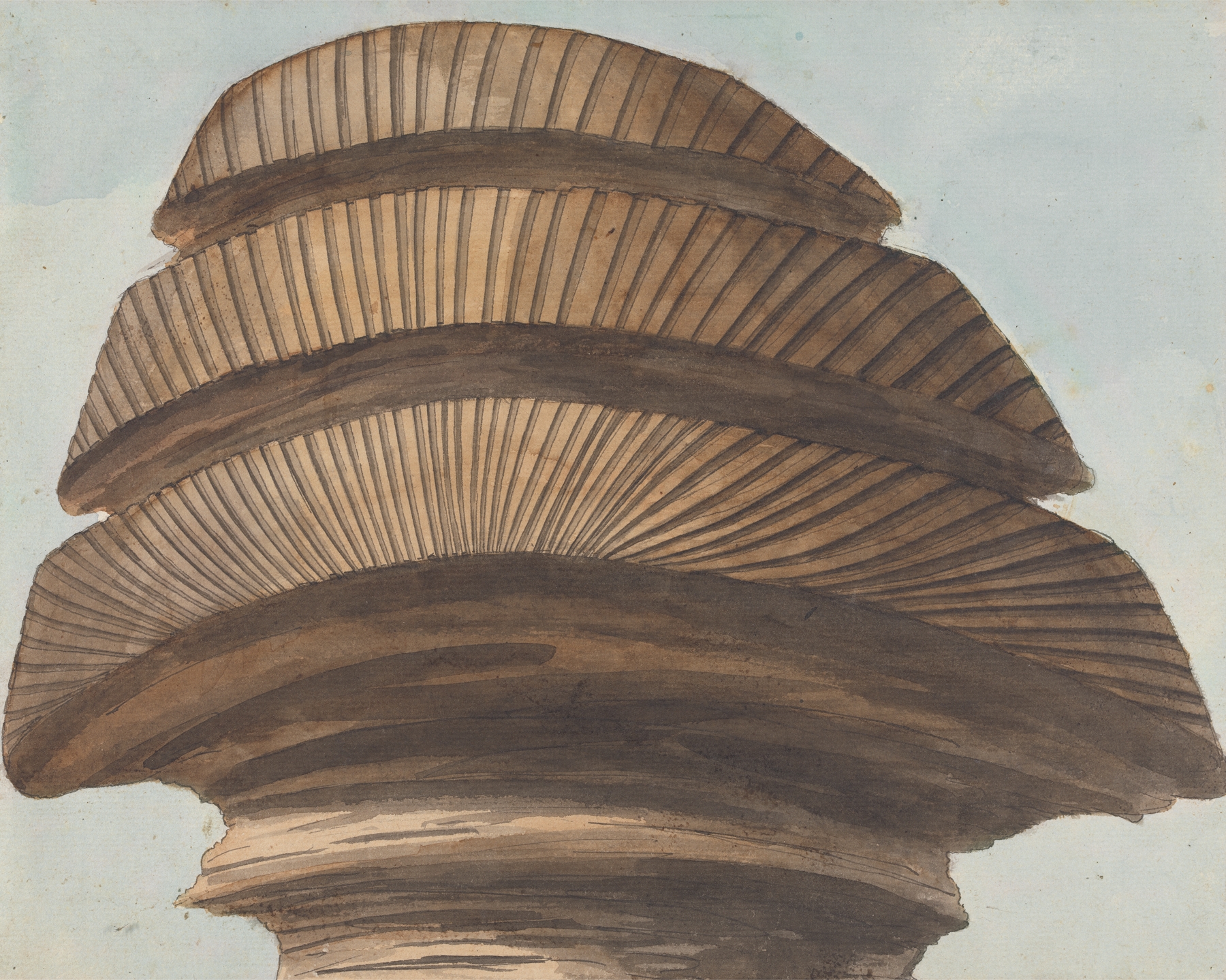
Back View of the Head of the Sphinx
Willey Reveley
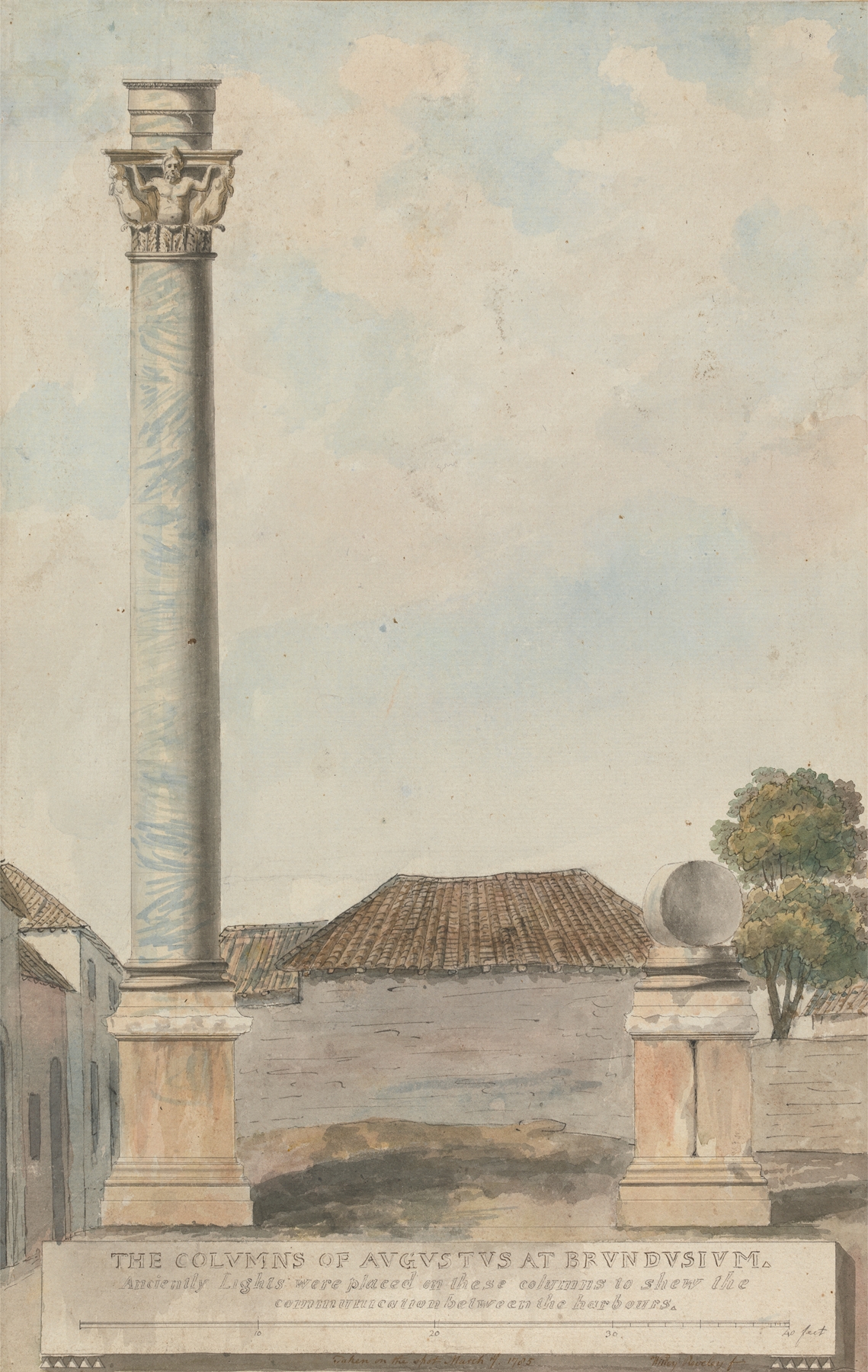
The Columns of Augustus at Brundisium
Willey Reveley
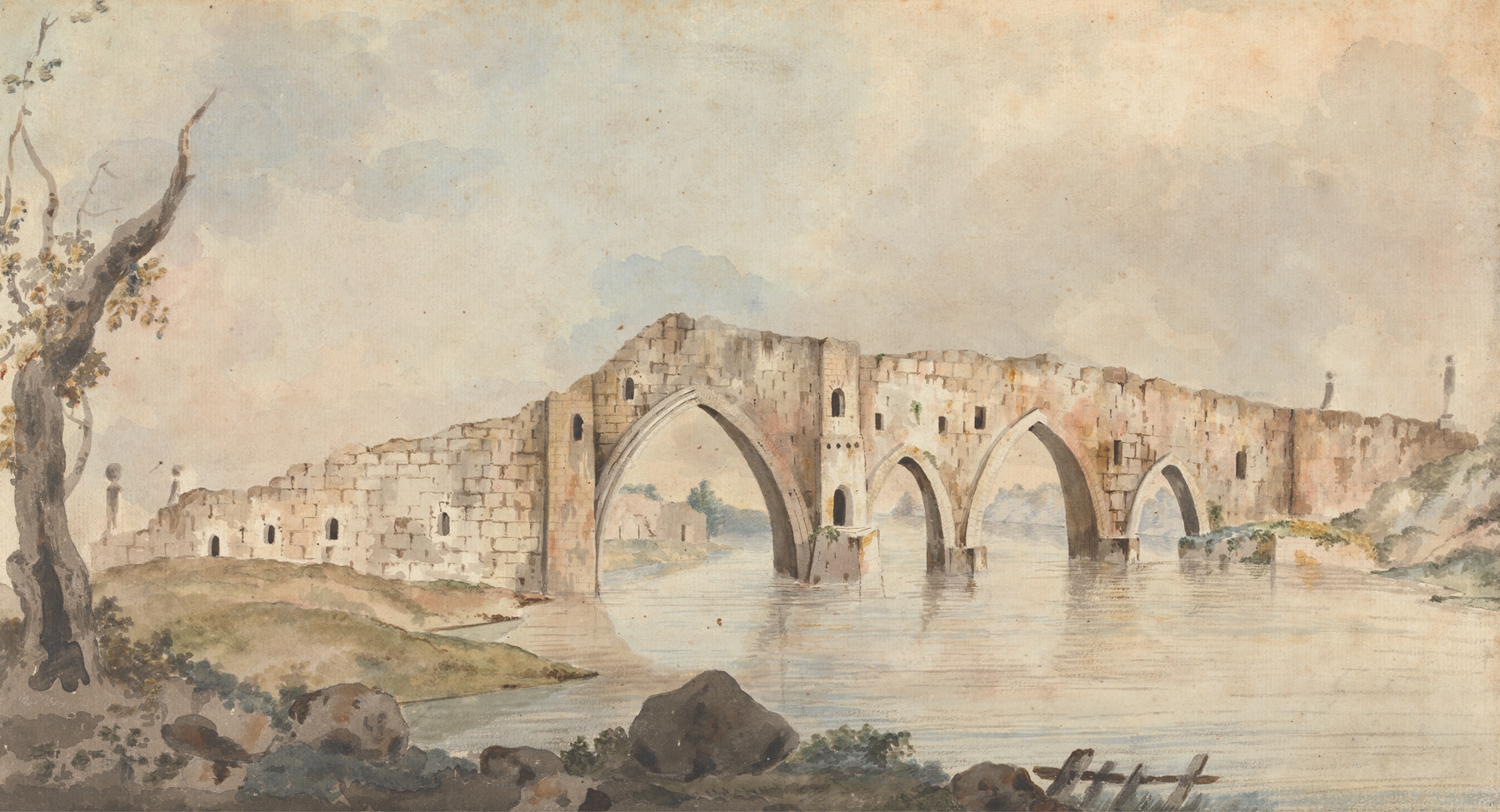
Ruined Bridge with Four Pointed Arches Near Rome
Willey Reveley
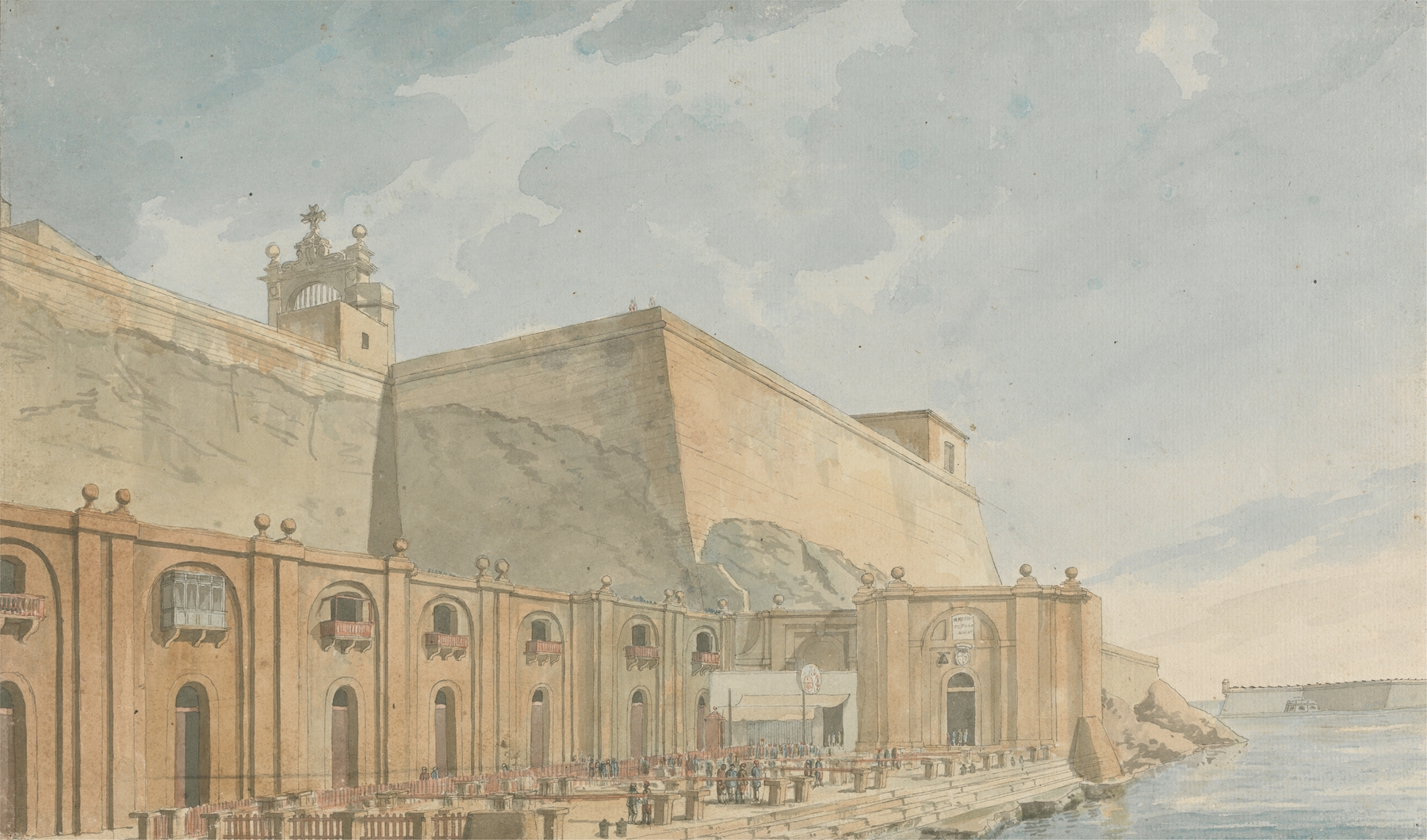
Malta
Willey Reveley