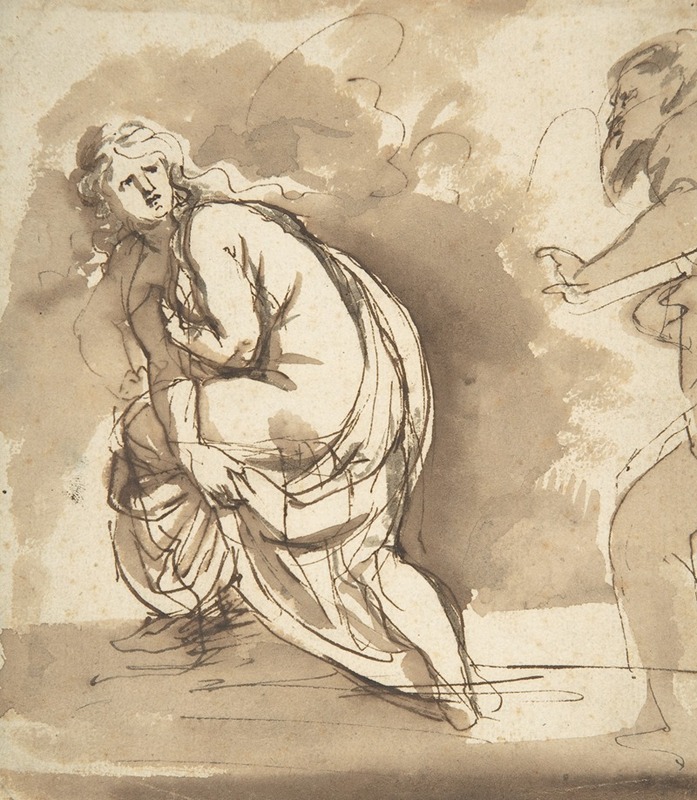
发现这件艺术品的见解
The Abduction of Europa — 历史与趣闻
画家是否知道这个时刻将超越他们的生命?在《欧罗巴的绑架》中,神话的短暂邂逅变成了永恒的画面,捕捉了纯真与欲望,映衬着日益逼近的衰败。 看向画布的中心,欧罗巴的柔和曲线吸引着目光,她流动的衣物几乎与托起她身形的光辉波浪融为一体。丰富的蓝色和金色调唤起了一个既迷人又令人不安的世界,而耀眼的光线突显了动态动作与周围景观静谧之间的鲜明对比。注意艺术家如何运用运动——公牛的生动姿态,水中的狂热笔触——以及旁观者宁静的表情,创造出一种令人感受到的紧张感。 隐藏在表面之下的是更深层的意义。田园场景与绑架的暴力暗示之间的对比,反映了美的脆弱与失去的不可避免。远处观看这一命运事件的人物反映了人类在命运面前的被动角色,他们在戏剧展开时保持不参与。这种欲望与脆弱的相互作用与观众产生共鸣,提醒我们纯真的短暂性以及随之而来的衰败。 大卫·特尼尔斯(David Teniers the Younger)在1654年至1656年间创作了这幅作品,正值荷兰风俗画繁荣和对神话主题日益着迷的时期。生活在安特卫普的特尼尔斯受到了巴洛克风格的影响,为他的作品注入了鲜艳的色彩和动态的构图。随着艺术界向更个人化和情感化的表达转变,这件作品捕捉了神话过去的本质,同时反映了存在本身的短暂性。
更多作品 David Teniers the Younger
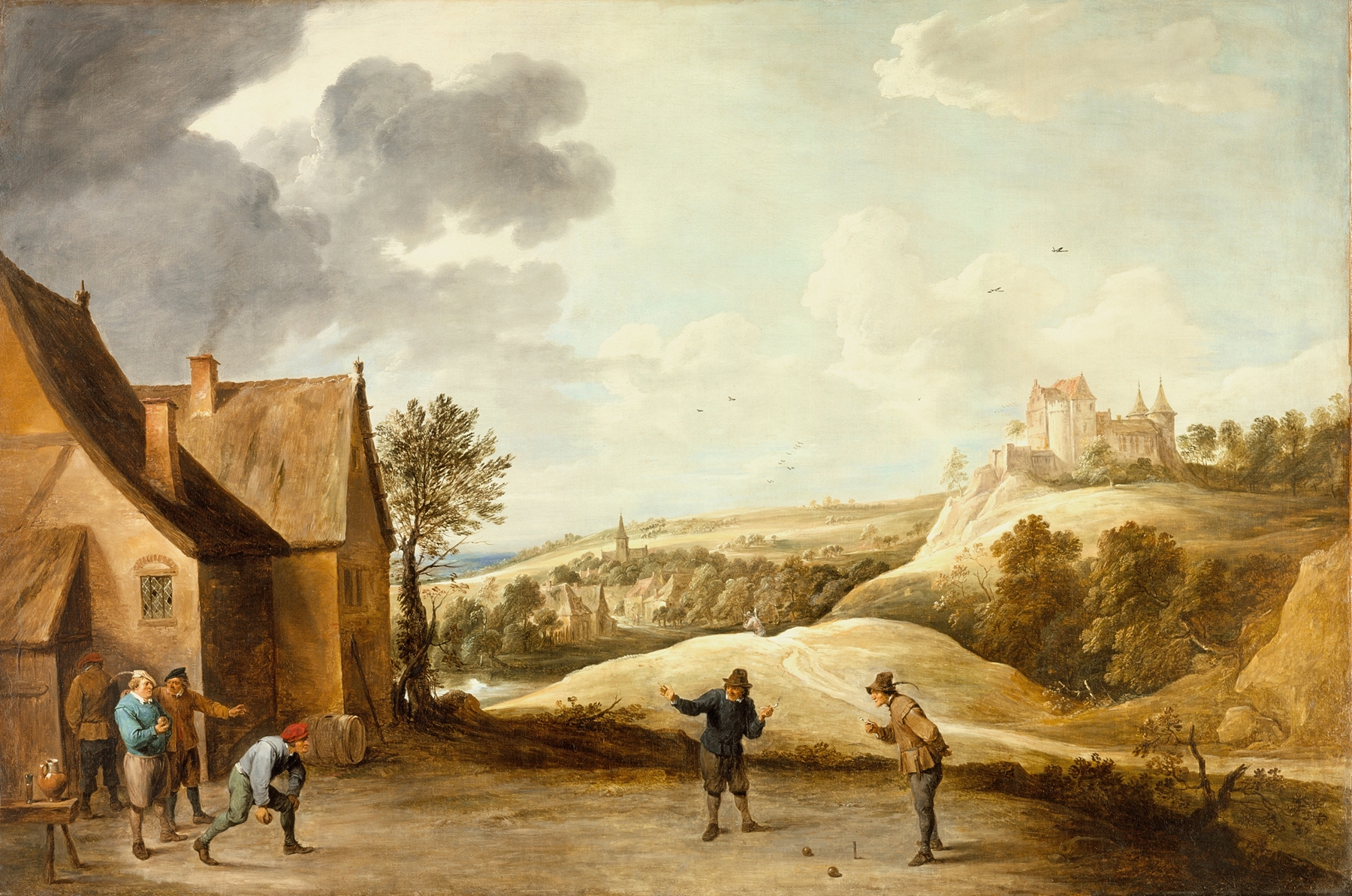
Landscape with Peasants Playing Bowls Outside an Inn
David Teniers the Younger

The Guardhouse
David Teniers the Younger
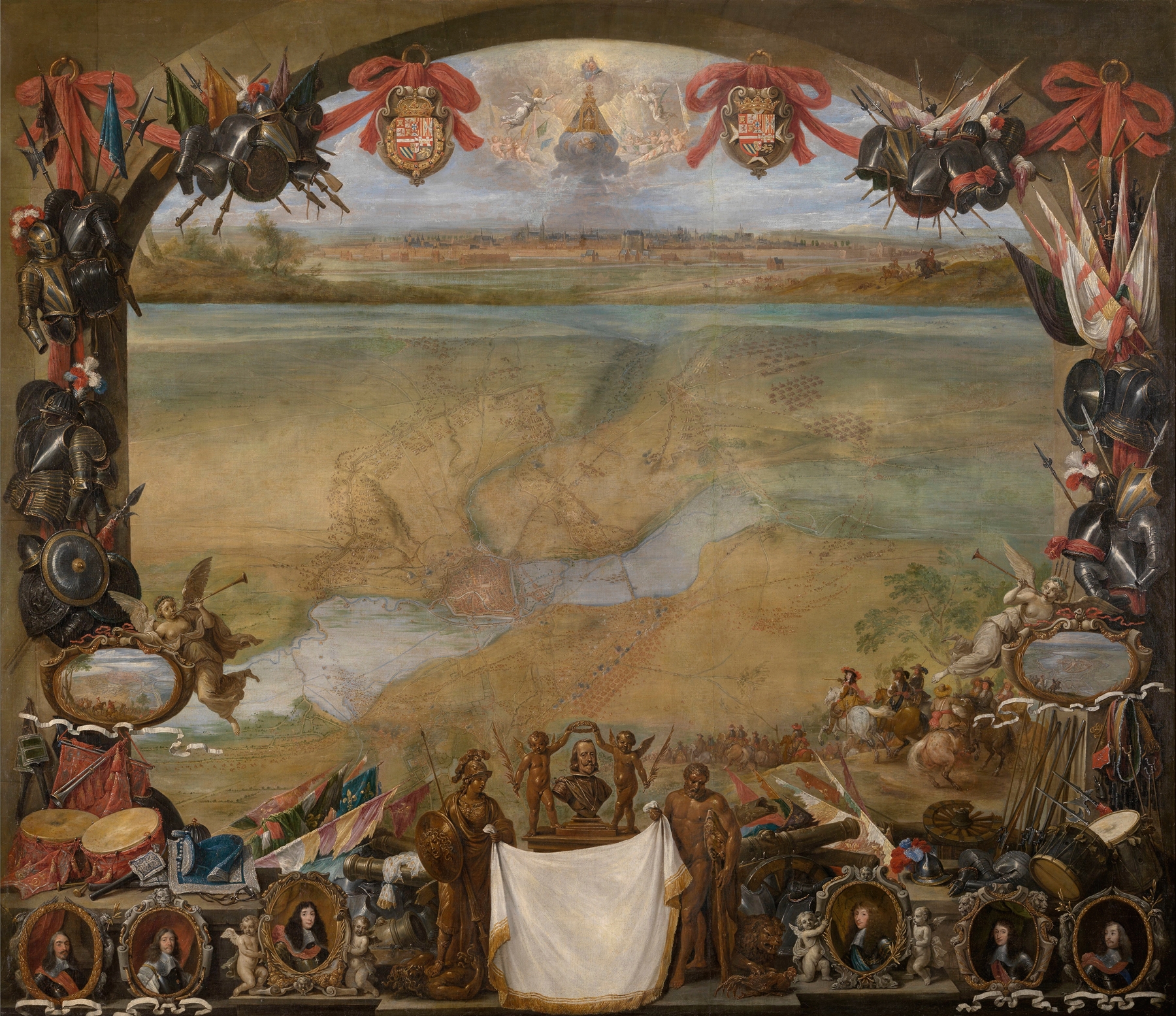
The City Valenciennes
David Teniers the Younger
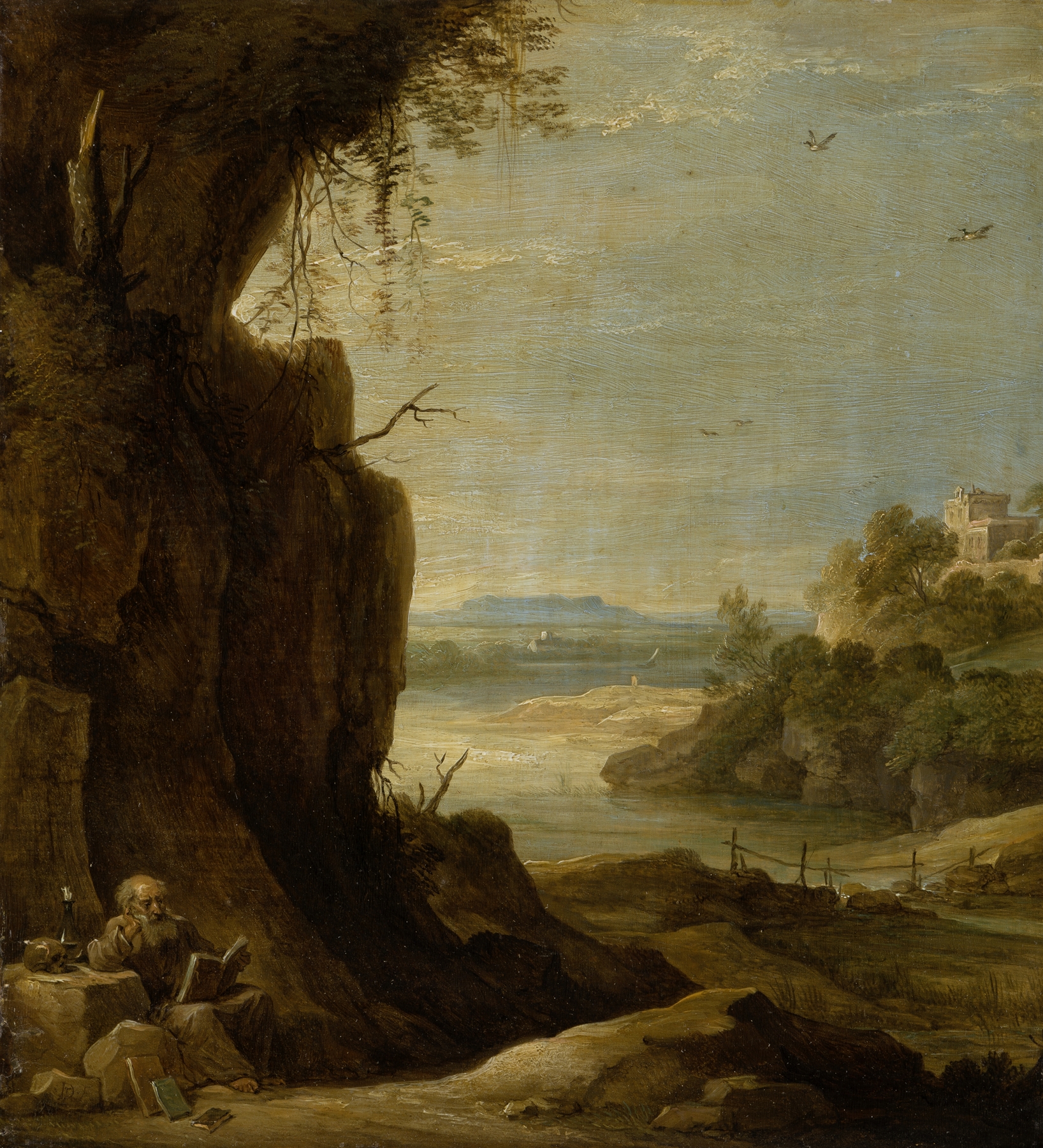
Southern Landscape with St Anthony the Hermit
David Teniers the Younger
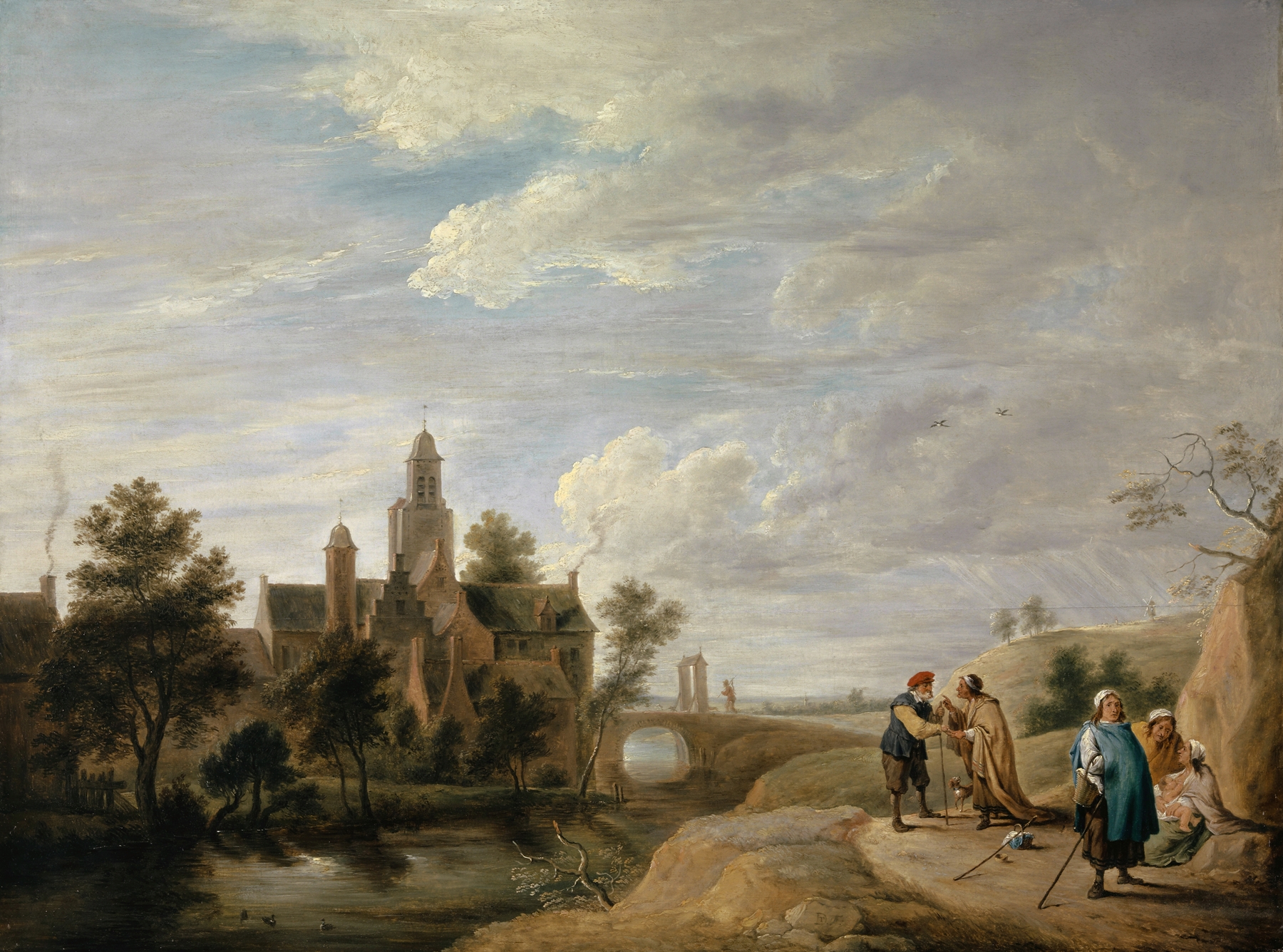
Landscape with Staffage Figures
David Teniers the Younger
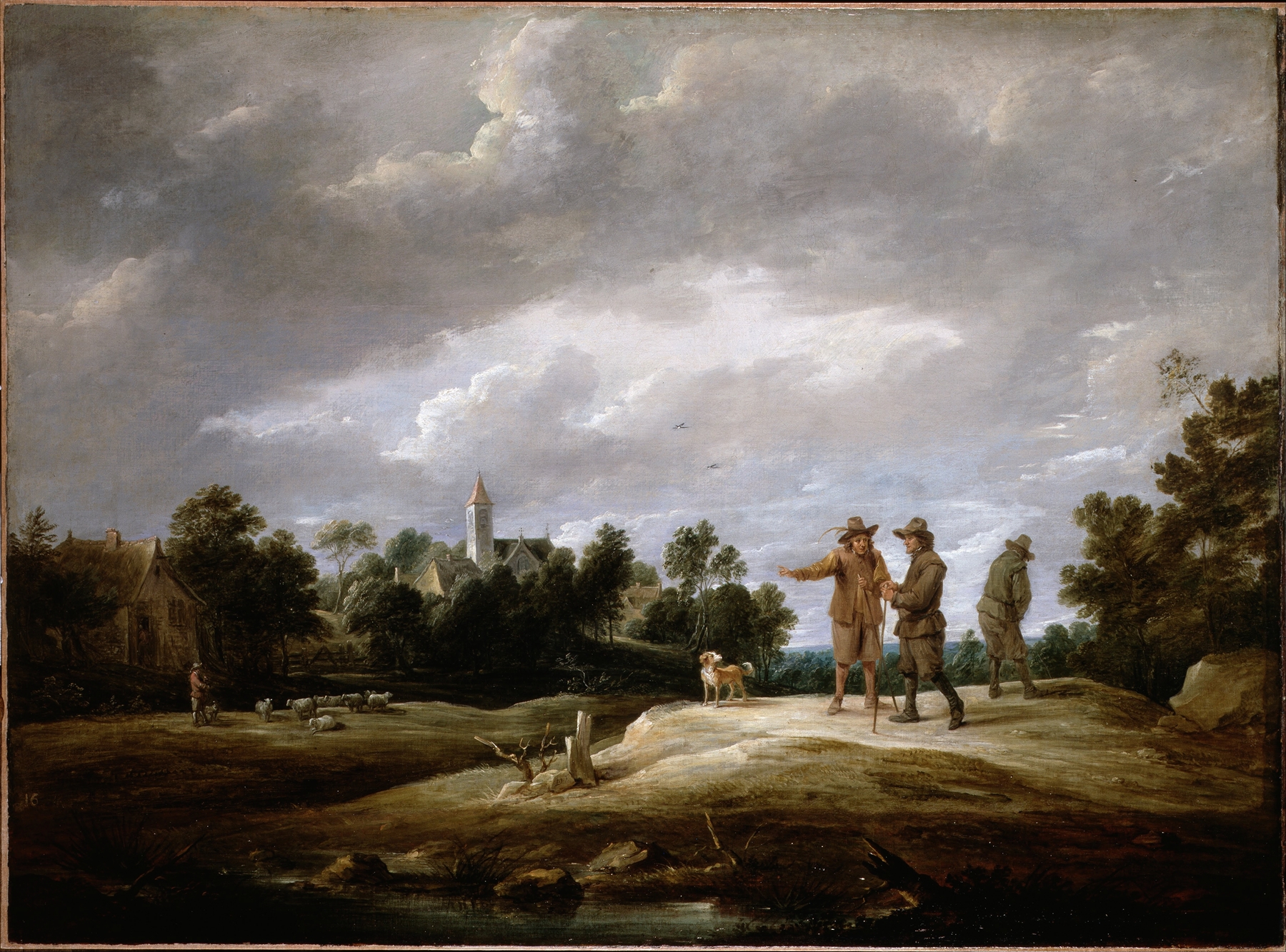
Peasants conversing
David Teniers the Younger
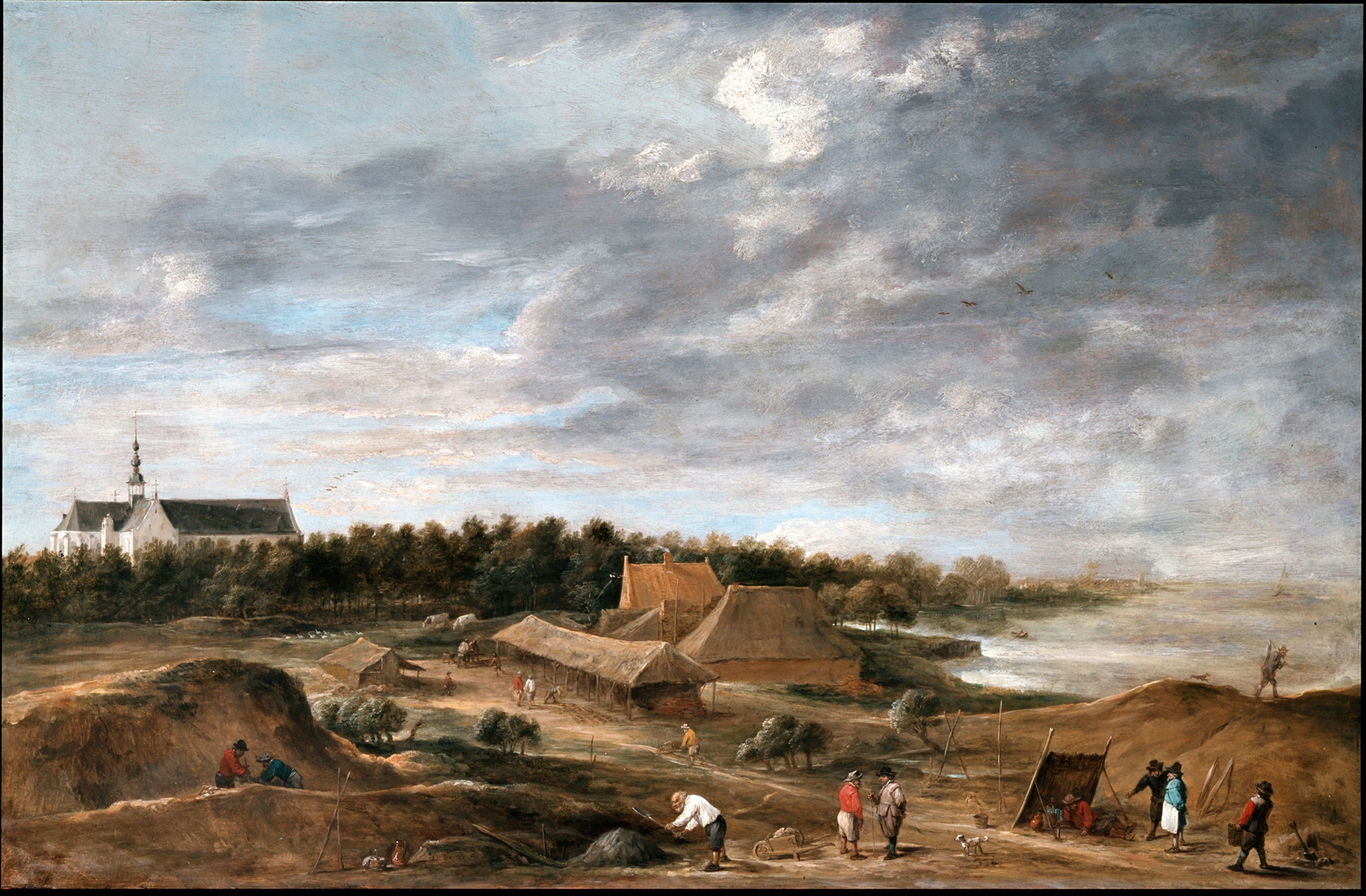
Brickmakers near Hemiksem
David Teniers the Younger
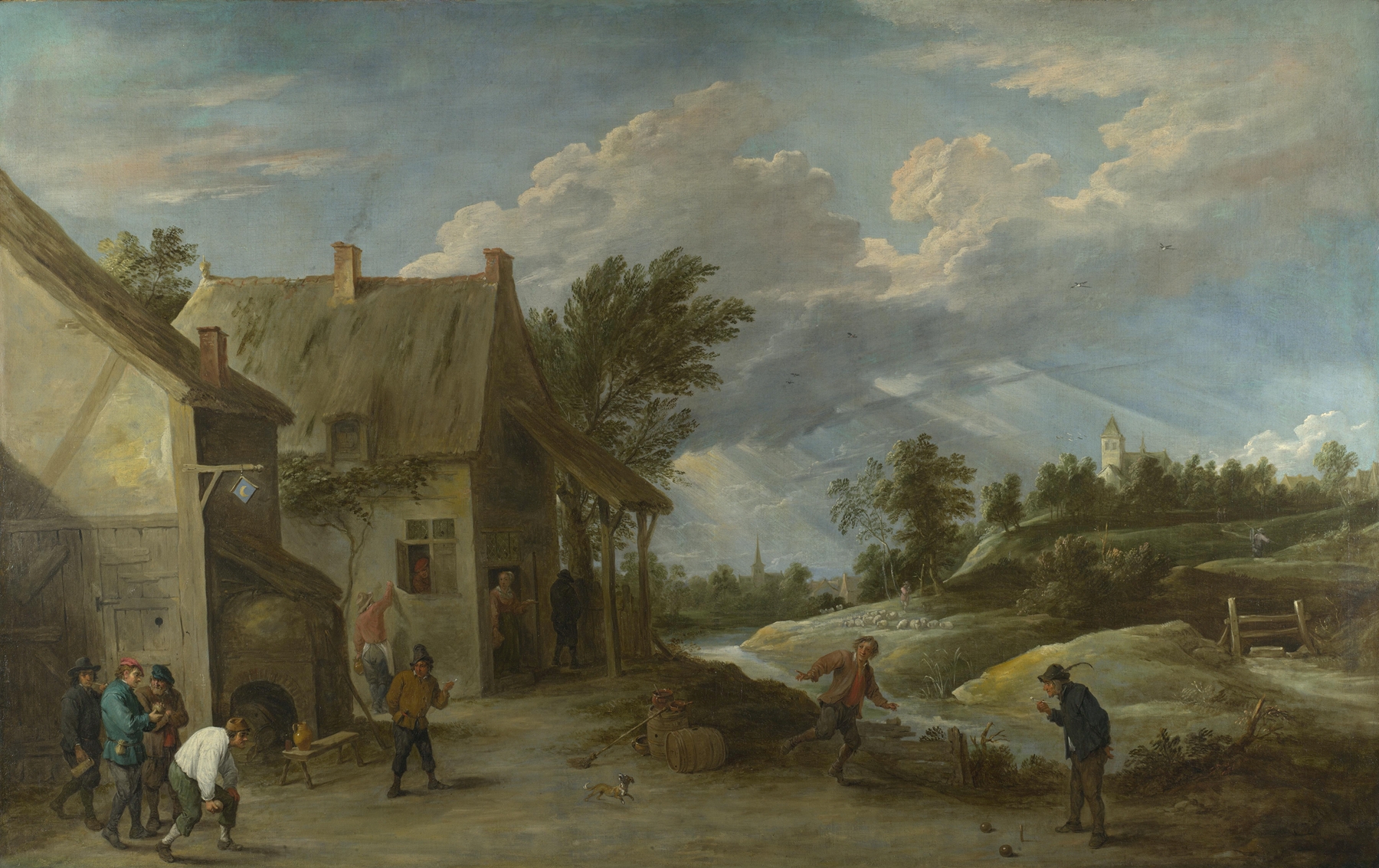
Peasants playing Bowls outside a Village Inn
David Teniers the Younger
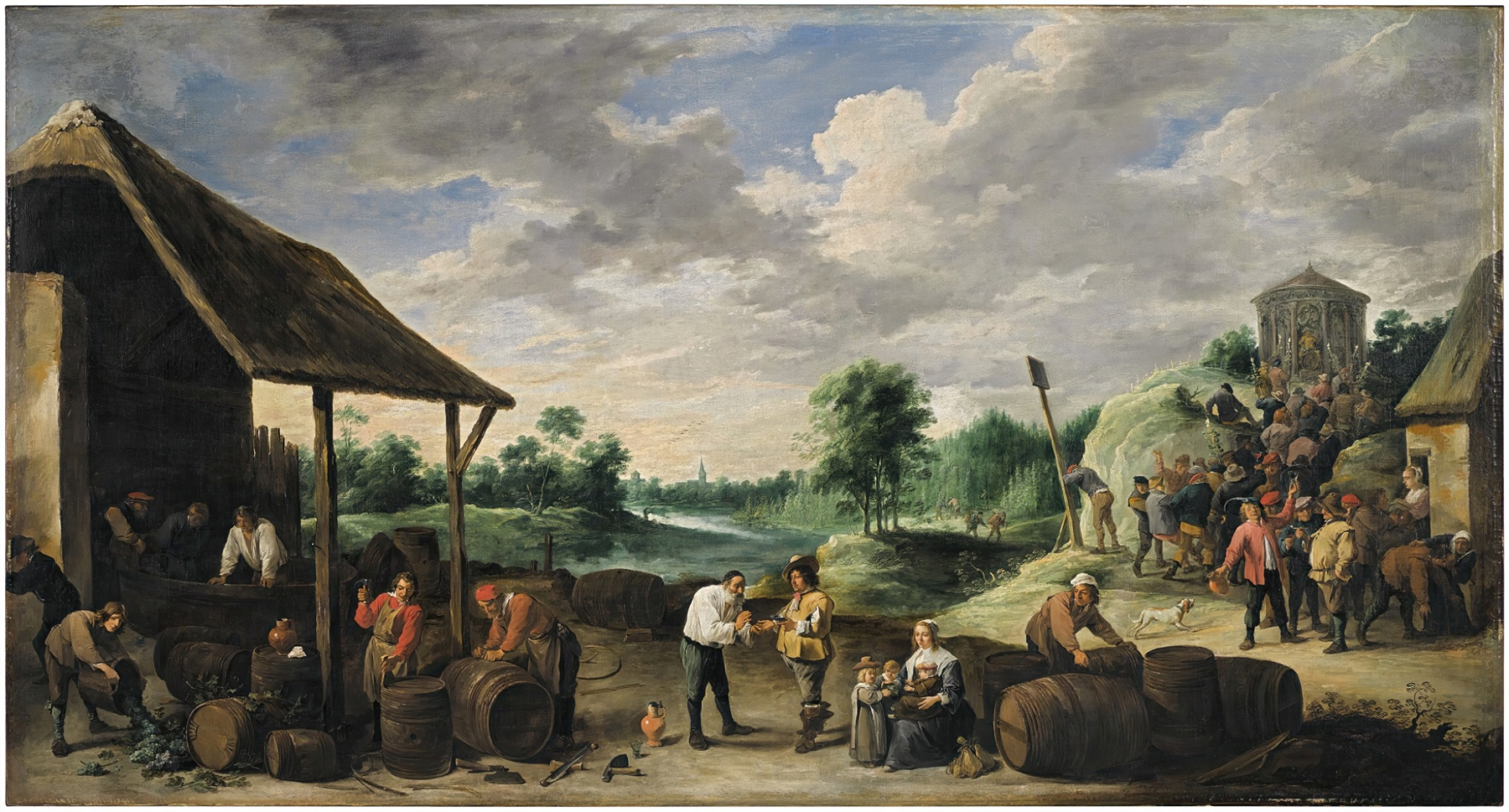
The Wine Harvest
David Teniers the Younger
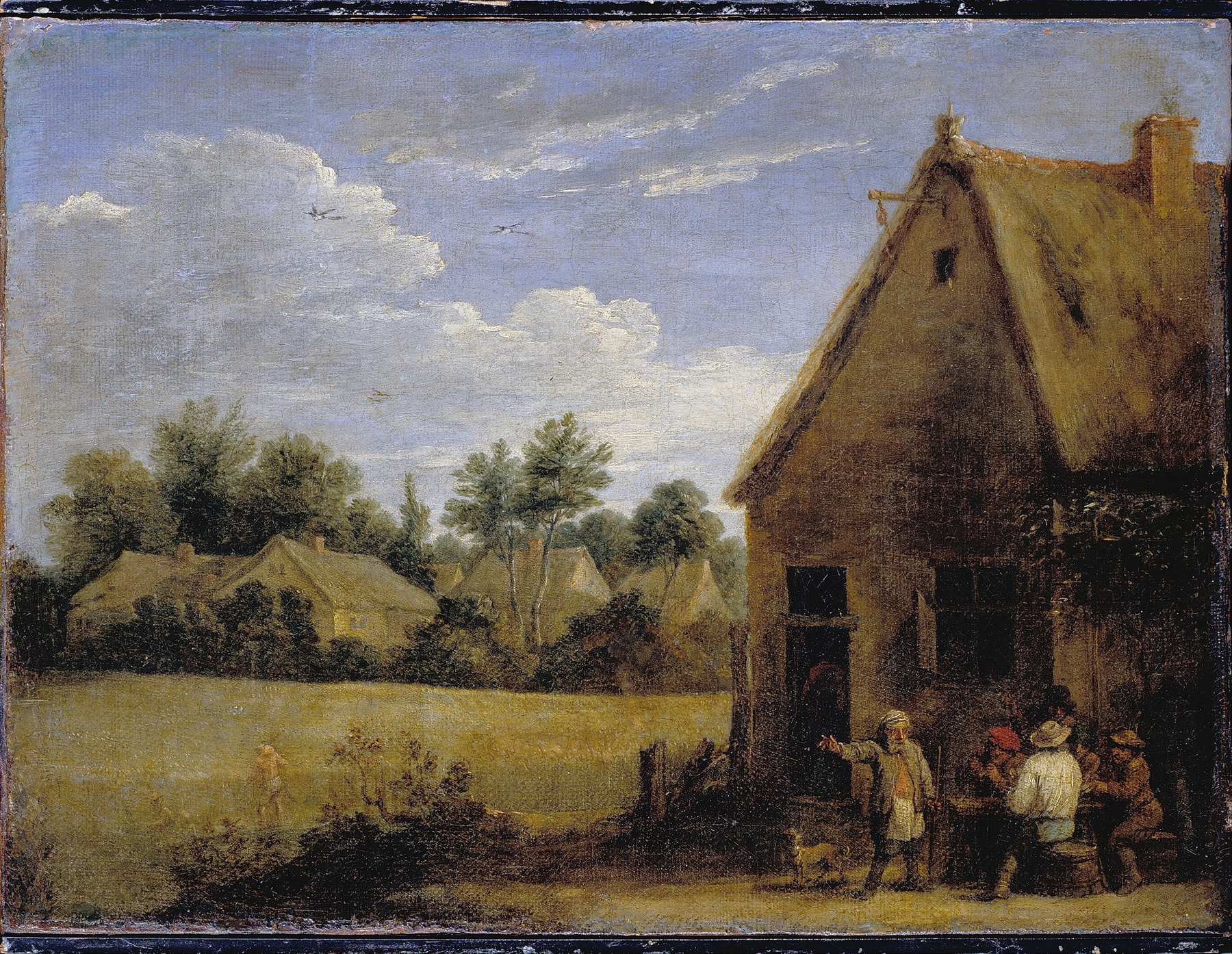
Cottage with Peasants playing Cards
David Teniers the Younger