发现这件艺术品的见解
The Amphitheatre on the Springenberg in Cleves — 历史与趣闻
美丽能在没有悲伤的情况下存在吗?在《克莱夫斯的春山剧场》中,这个问题在宁静的风景下,历史和情感的层次交织着,产生了共鸣。 首先,凝视那广阔的地平线,剧场雄伟地矗立在郁郁葱葱的背景之中。注意艺术家如何运用柔和的金色调与生动的蓝色交融,创造出梦幻般的氛围。构图邀请你的目光从结构的精致石工游移到阳光透过树木的微妙变化,温暖的光辉照亮了整个场景。光与影的交错不仅突显了建筑细节,还唤起了一种怀旧感。 深入思考时,反思画作中编织的对比。坚固而雄伟的剧场作为过去的纪念碑,提醒着辉煌与神秘,而周围宁静的风景则低语着变化和时间的无情流逝。场景的静谧掩盖了背叛的暗流——失落的辉煌和人类雄心的回声在空气中徘徊,揭示出这一刻的美丽是带着忧伤的。 格尔布兰德·范·登·埃克霍特在1660年后创作了这幅作品,那时荷兰艺术蓬勃发展,但仍在与身份和历史的复杂性作斗争。回到意大利后,他试图将古典理想与当地风景相结合,反映个人和社会的变革。这件作品证明了他捕捉美与悲伤二元性的能力,回响着一个时代的情感,交织着希望与幻灭。
更多作品 Gerbrand van den Eeckhout
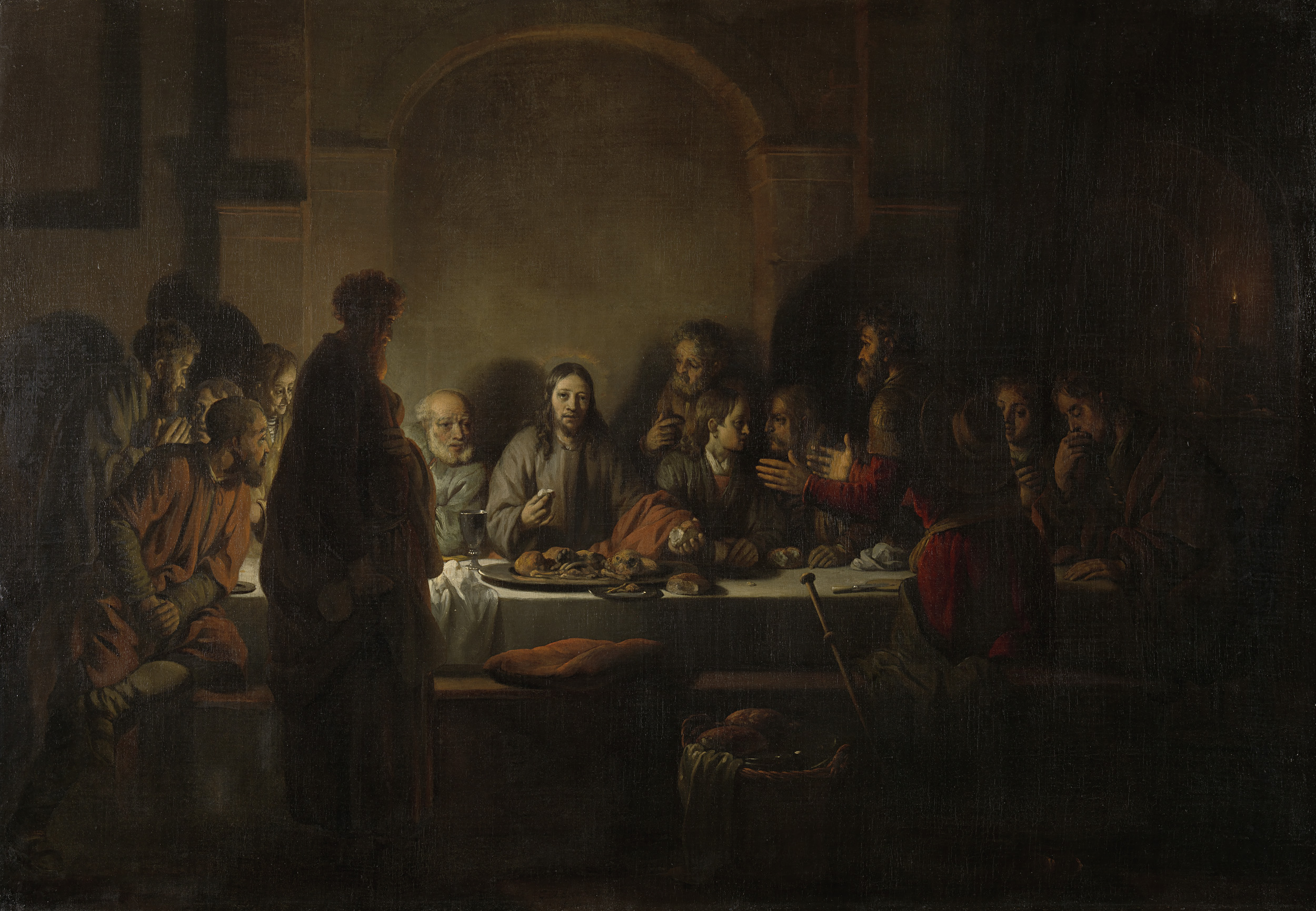
The Last Supper
Gerbrand van den Eeckhout
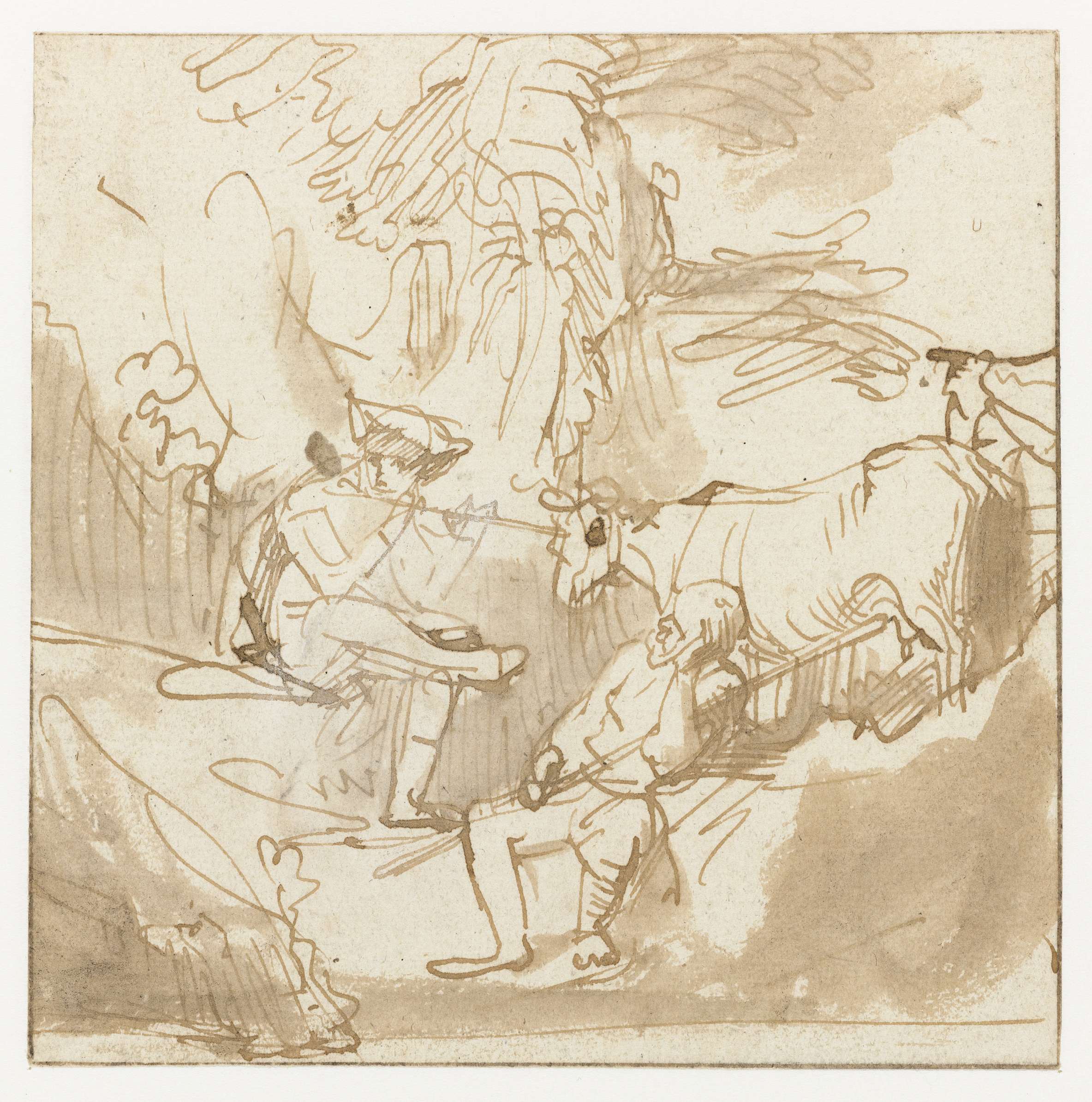
Mercury, Argus and Io
Gerbrand van den Eeckhout
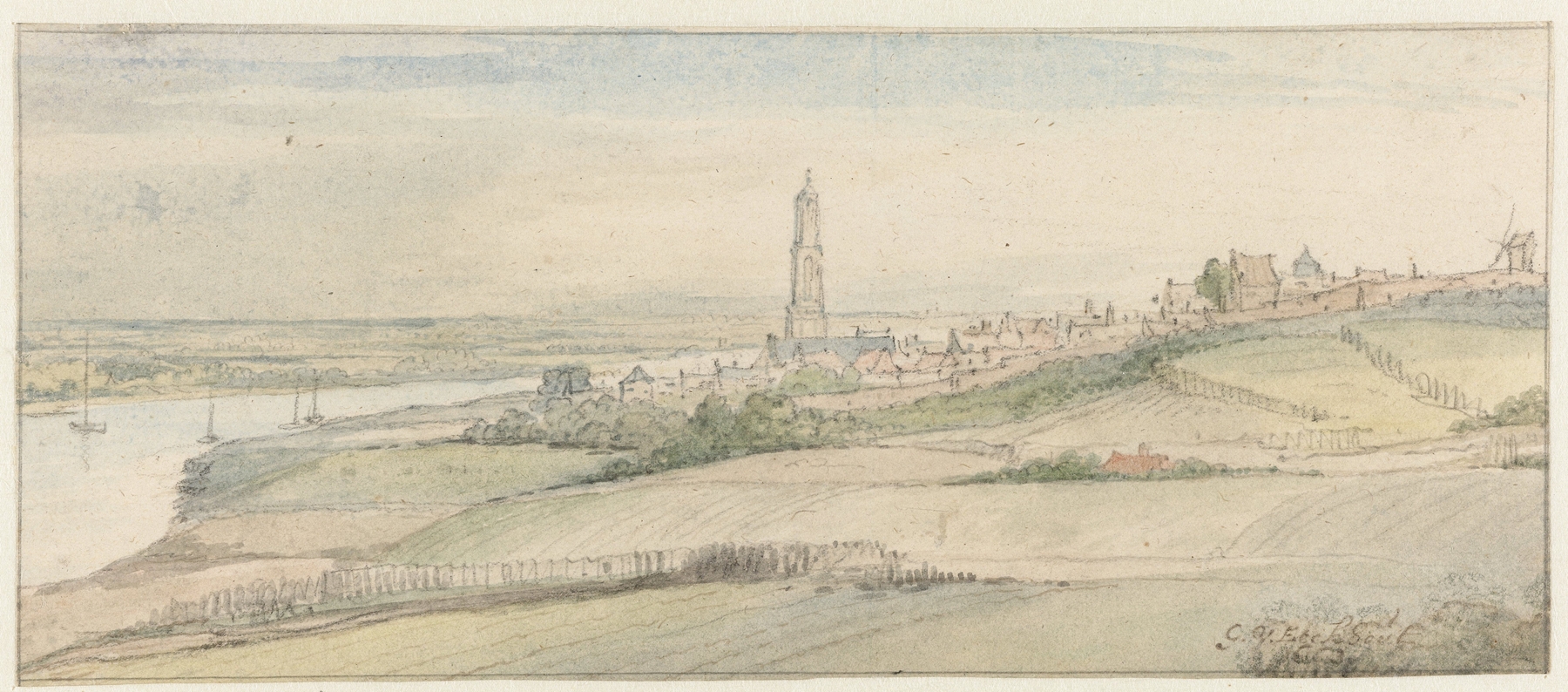
View of Rhenen and the Rhine from the East
Gerbrand van den Eeckhout
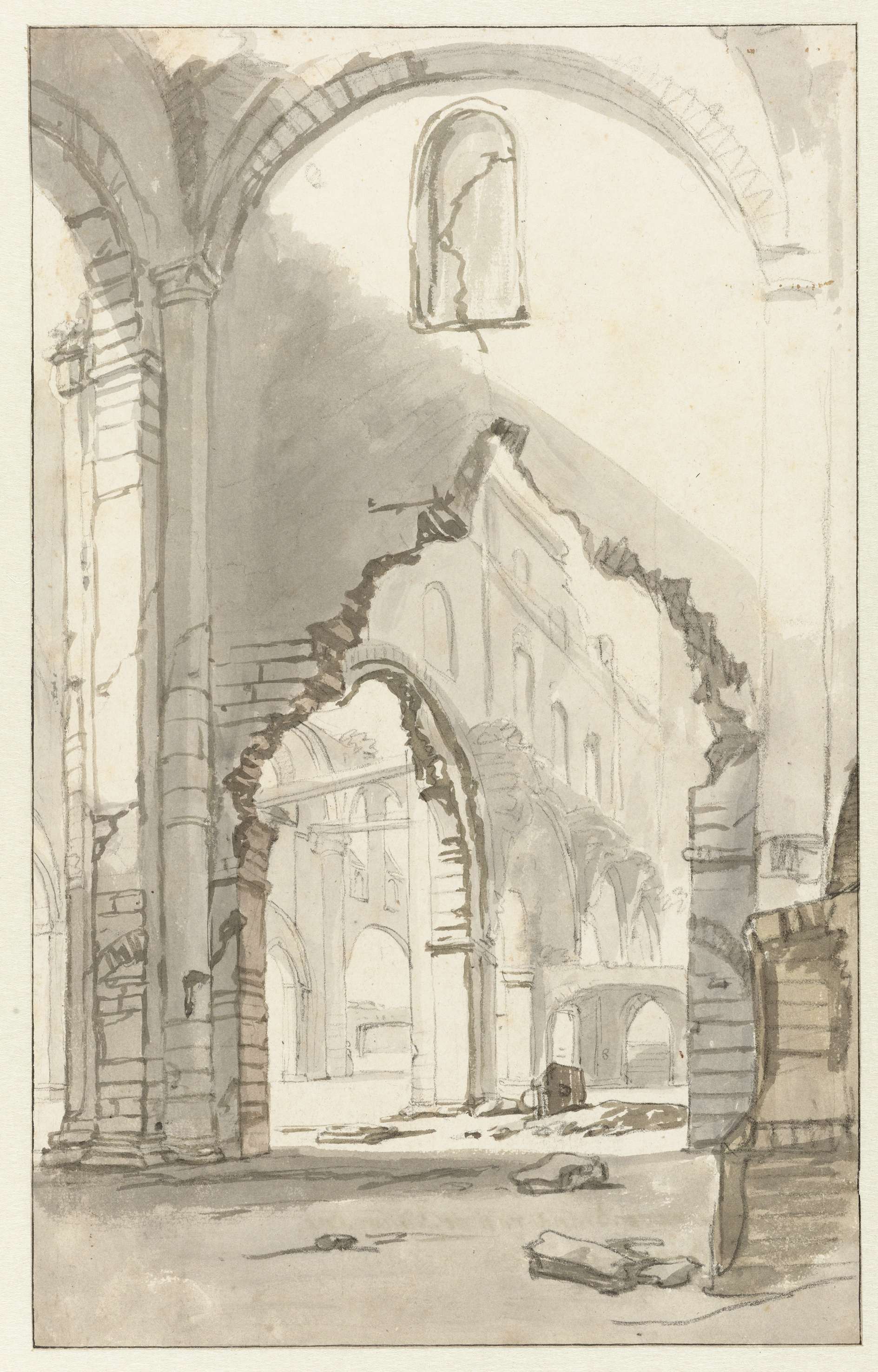
Interior of a Delapidated Church
Gerbrand van den Eeckhout
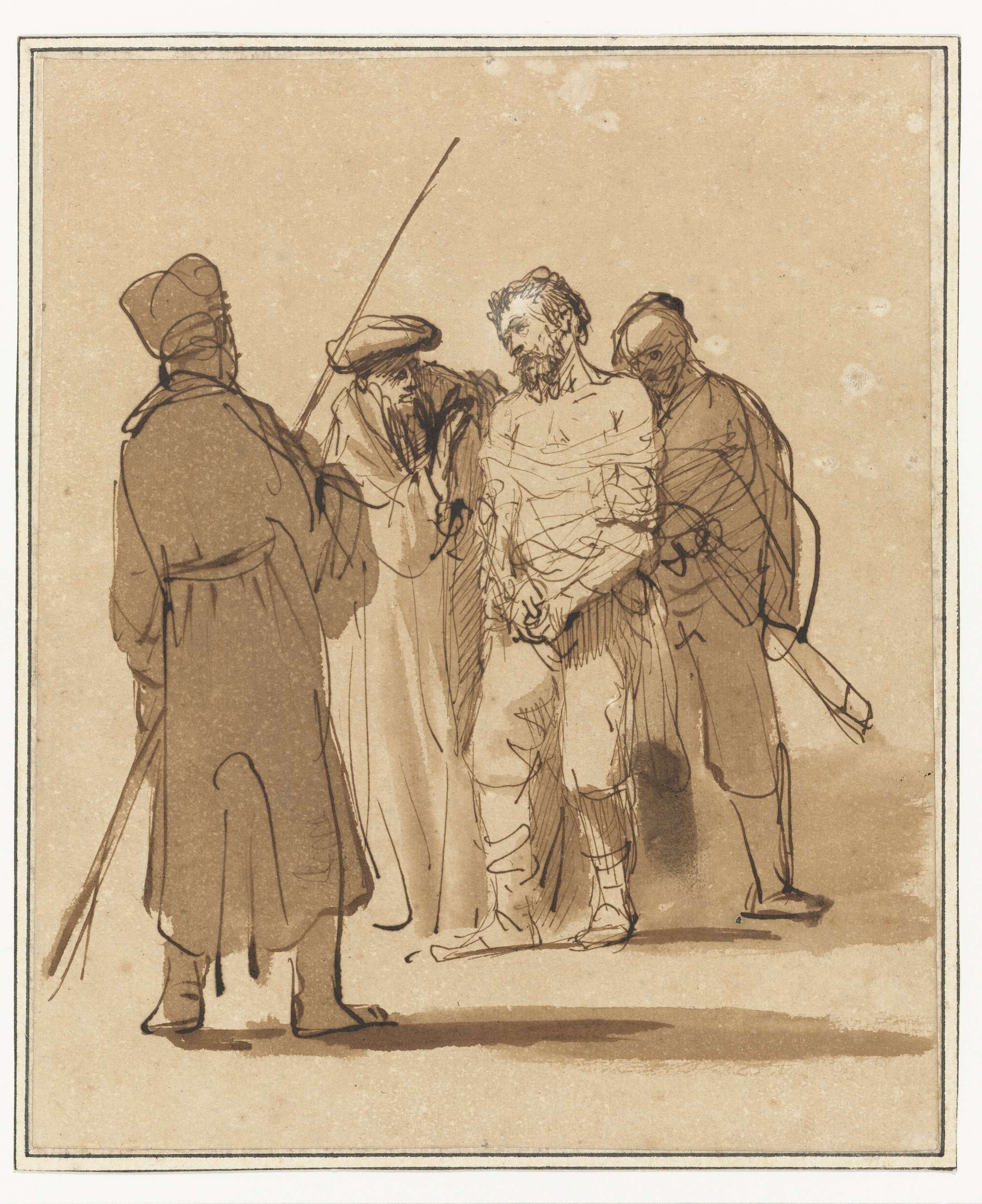
Christ Bound between Two Soldiers and a High Priest
Gerbrand van den Eeckhout
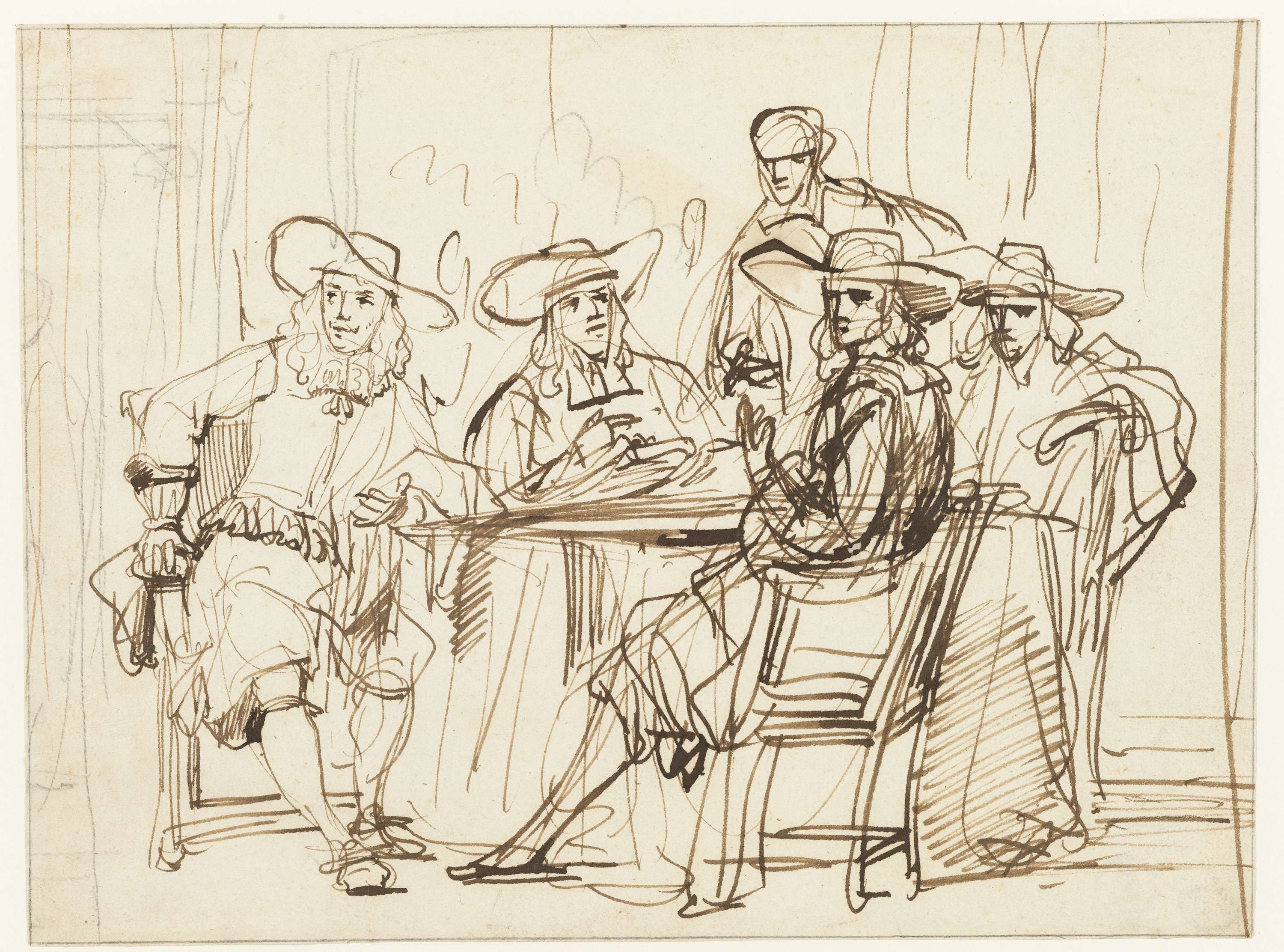
Officers of the Coopers’ and Wine-Rackers’ Guild
Gerbrand van den Eeckhout
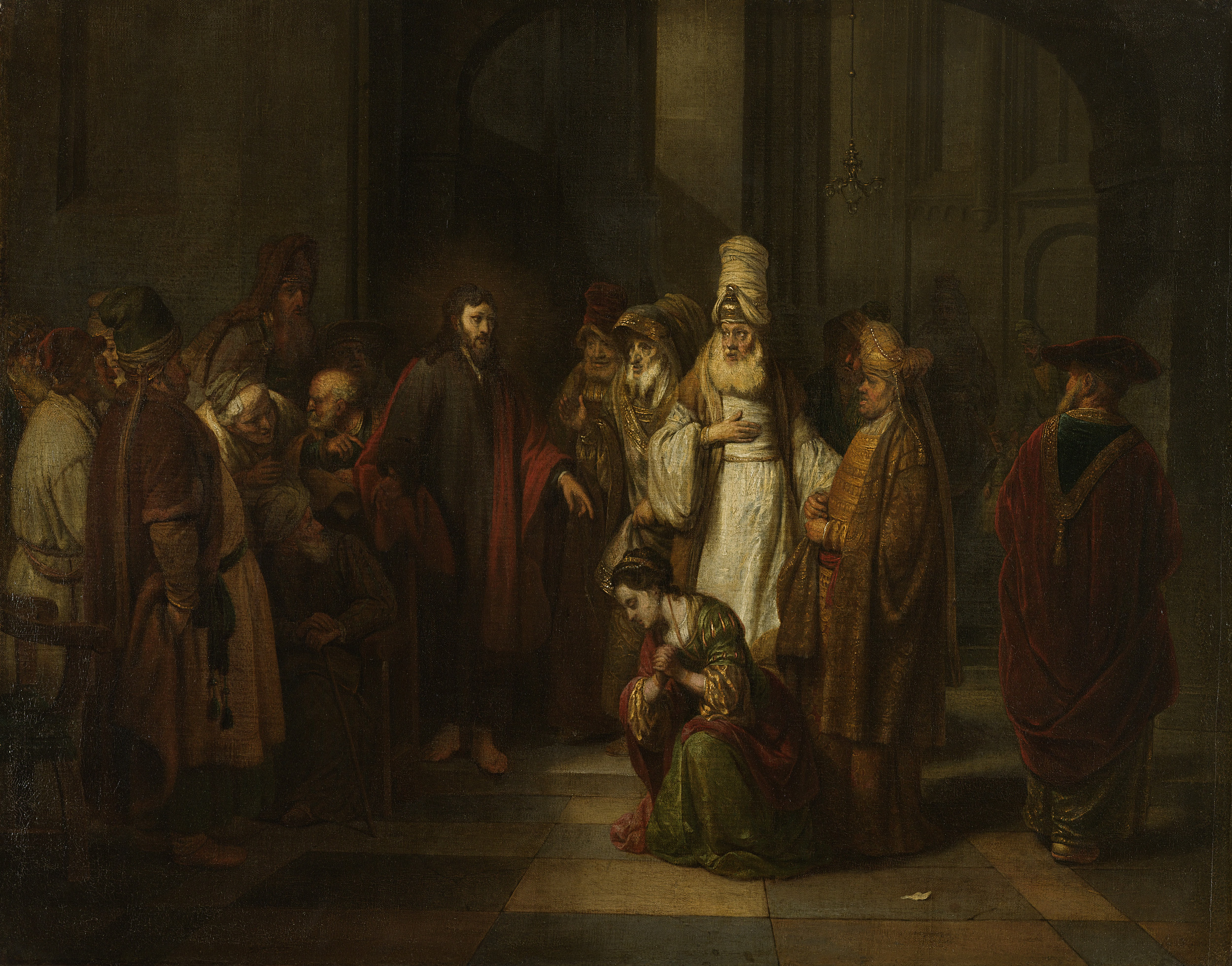
Christ and the Woman in Adultery
Gerbrand van den Eeckhout
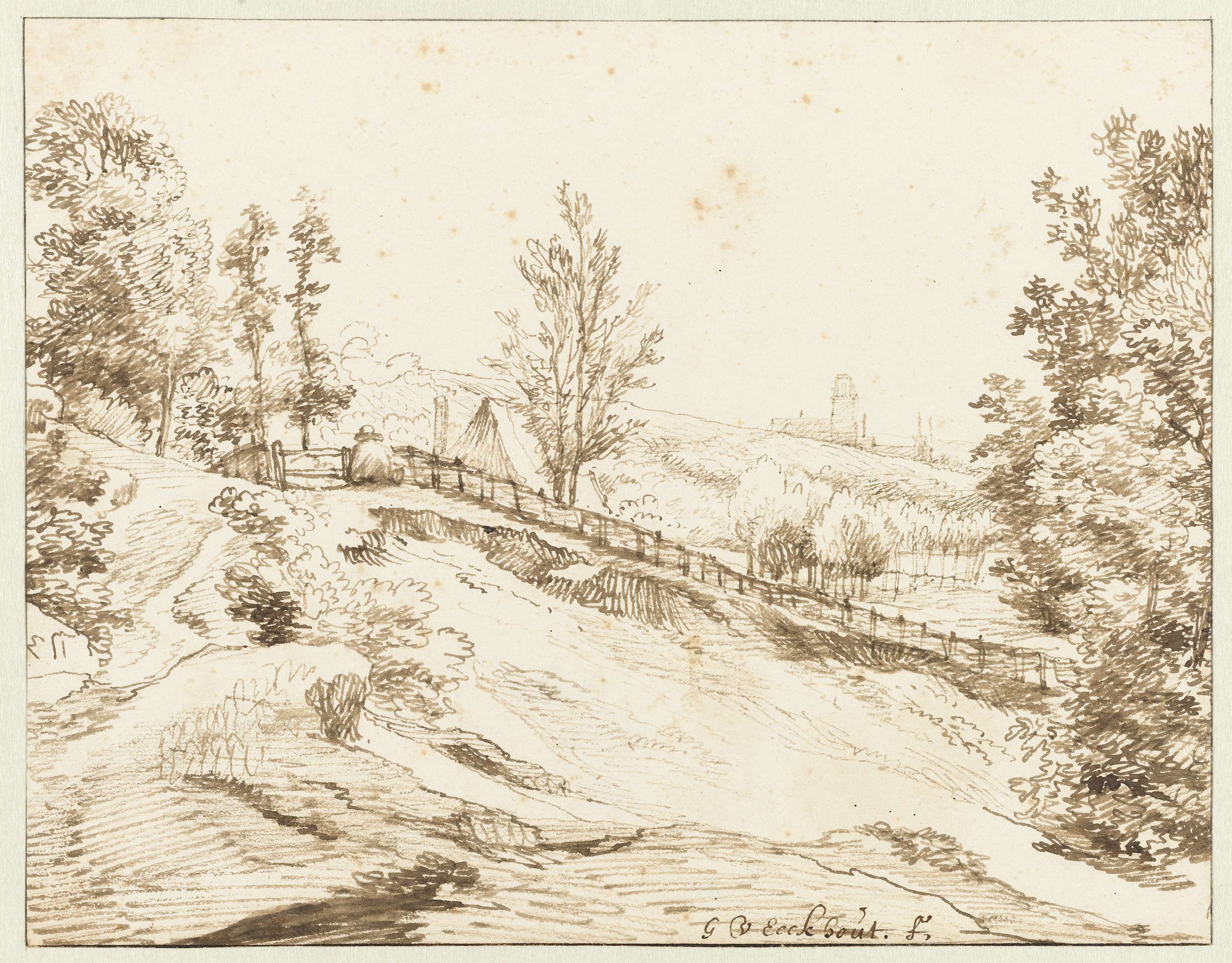
Undulating Landscape with Arnhem in the Distance
Gerbrand van den Eeckhout
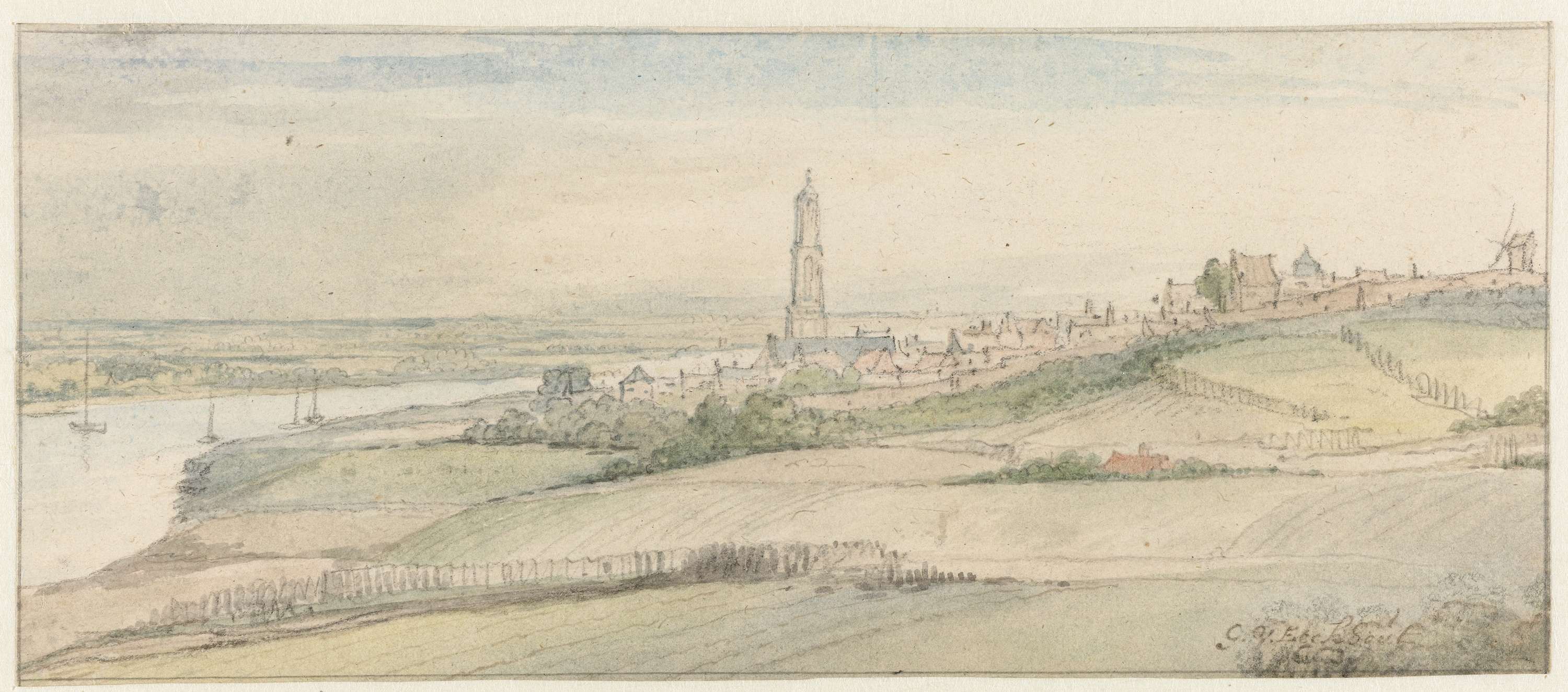
View of Rhenen and the Rhine from the East
Gerbrand van den Eeckhout
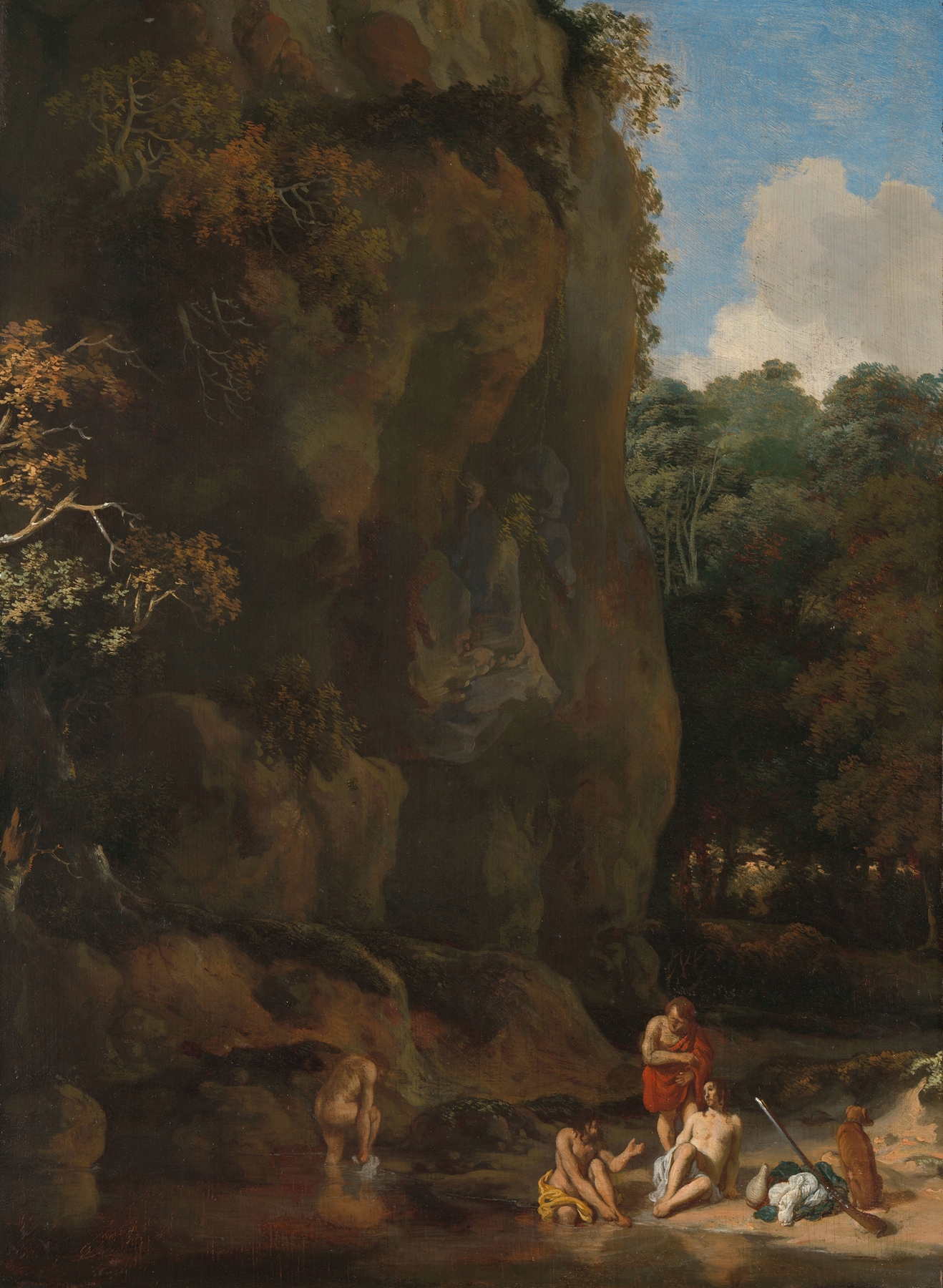
Men Bathing
Gerbrand van den Eeckhout