发现这件艺术品的见解
The ruins of Inkermann and city of caverns — 历史与趣闻
这是镜子吗——还是记忆?一个无辜与过去的阴影共舞的地方,在时间的残余中乞求被铭记。 首先关注那些主导前景的广袤废墟,每一块石头都层叠着历史和低语。明暗对比技法增强了深度,黑暗的阴影与光斑交织,引导你的目光朝向破碎的建筑。仔细观察这些结构的精致细节;它们风化的表面讲述着辉煌与衰败的故事,邀请人们思考曾经的存在。 在表面之下,破败的废墟与遥远城市的对比暗示了一种情感张力——记忆的永恒与生命的短暂之间的挣扎。透过云层洒下的光线投射出一种忧郁的光辉,唤起对失去的纯真的怀旧。每一面崩溃的墙壁都作为梦想褪色的隐喻,突显了人类努力在时间无情流逝中的脆弱。 1855年,在对帝国冲突和战争现实的高度关注时期,威廉·辛普森绘制了这一引人深思的场景。他正处于记录克里米亚战争的过程中,不仅捕捉了战场,还描绘了面对毁灭的人类状况。这幅作品反映了他传达废墟动人之美的愿望,让观众既能哀悼又能欣赏其中蕴含的故事。
更多作品 William Simpson
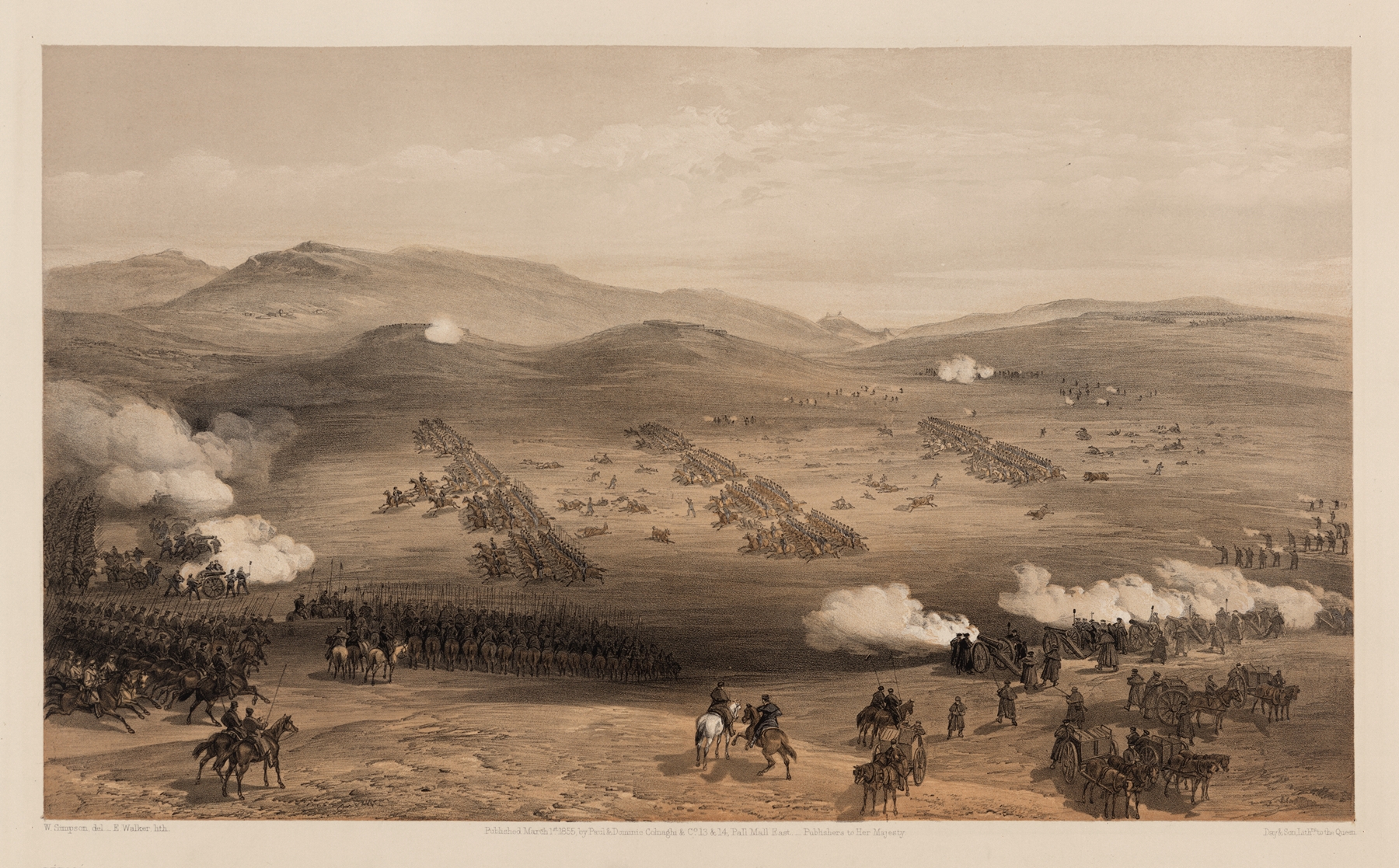
Charge of the light cavalry brigade, 25th Oct. 1854, under Major General the Earl of Cardigan
William Simpson
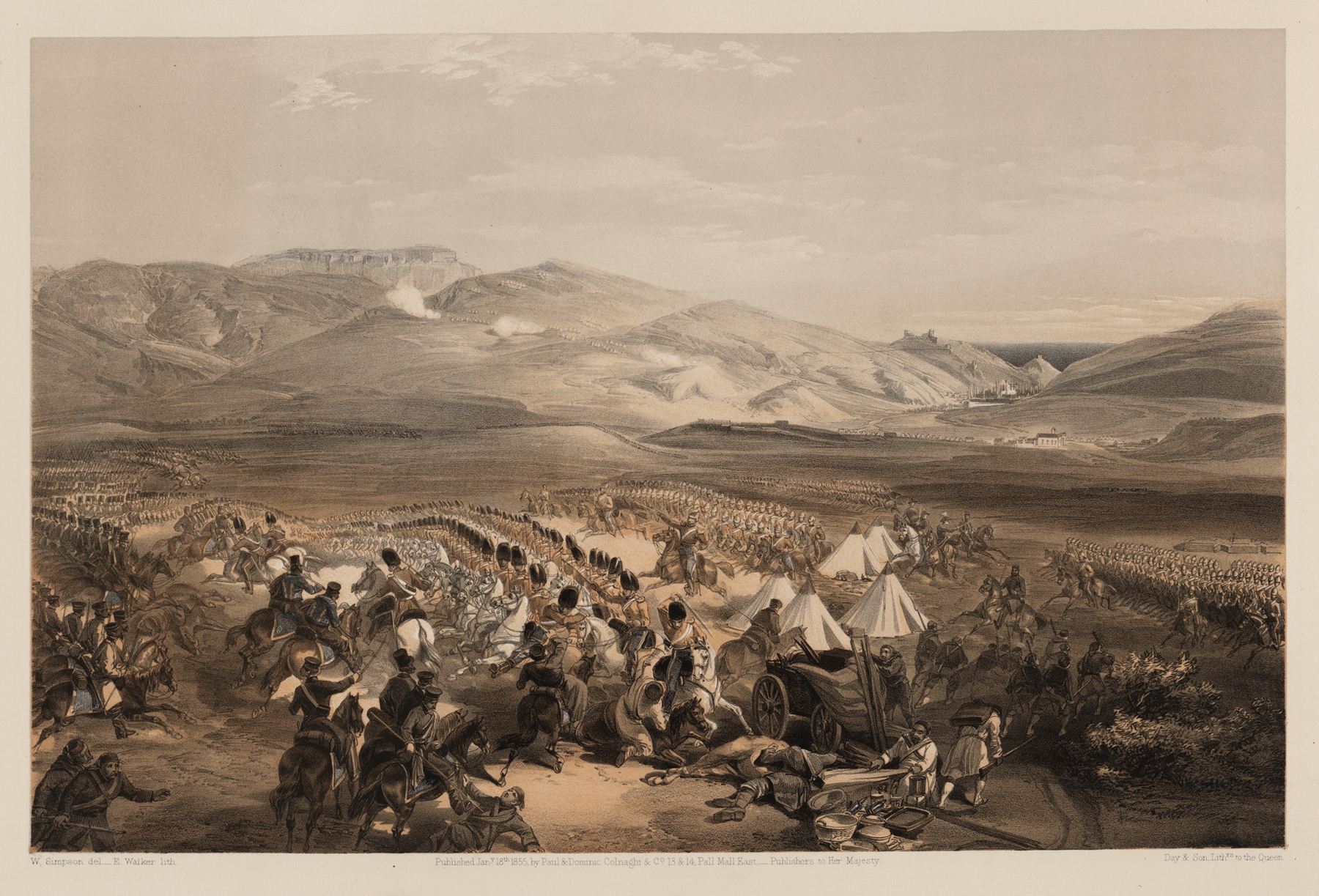
Charge of the heavy cavalry brigade, 25th Octr. 1854
William Simpson
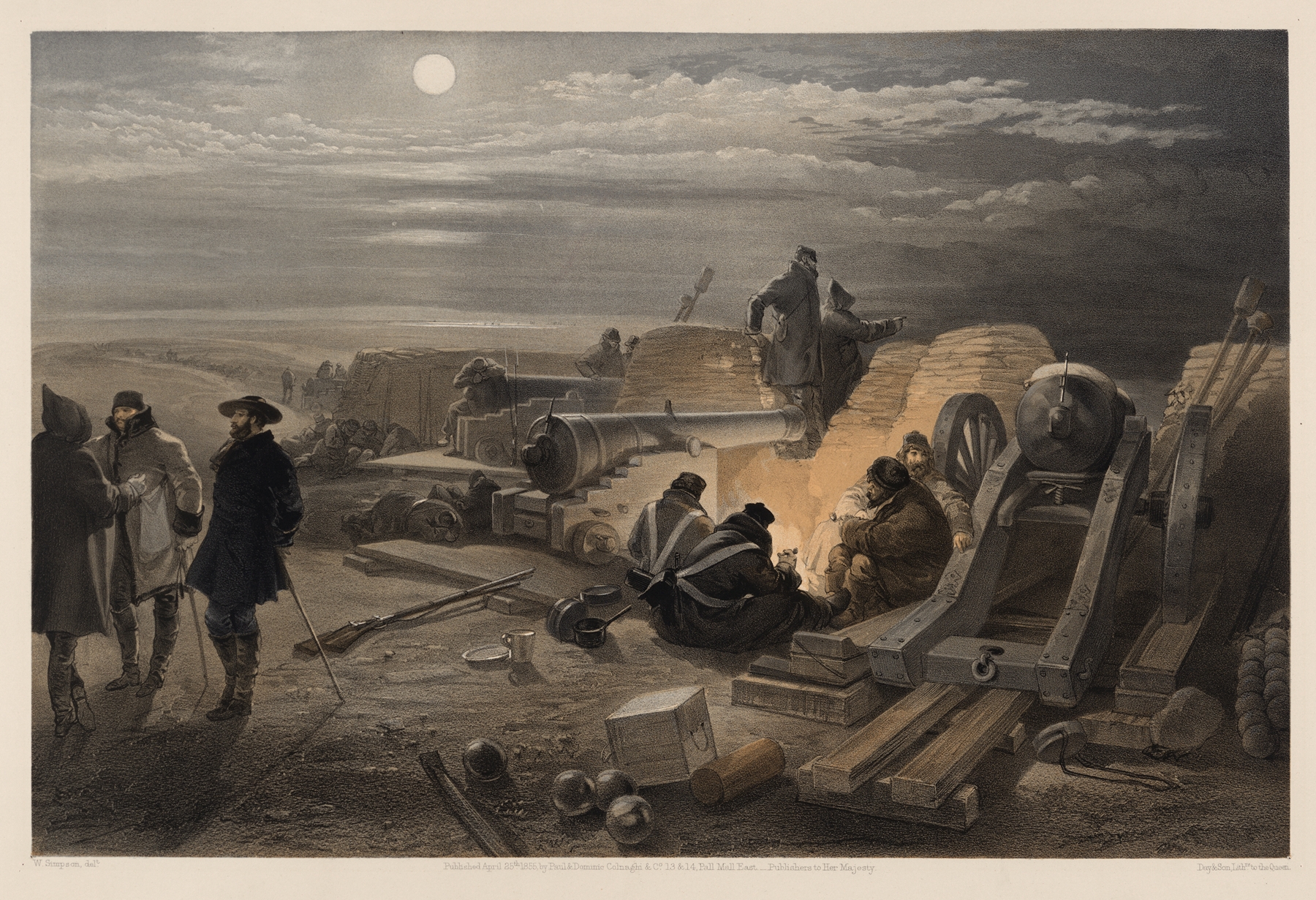
A quiet night in the batteries – a sketch in the Greenhill battery (Major Chapman’s), 29th Jany. 1855
William Simpson
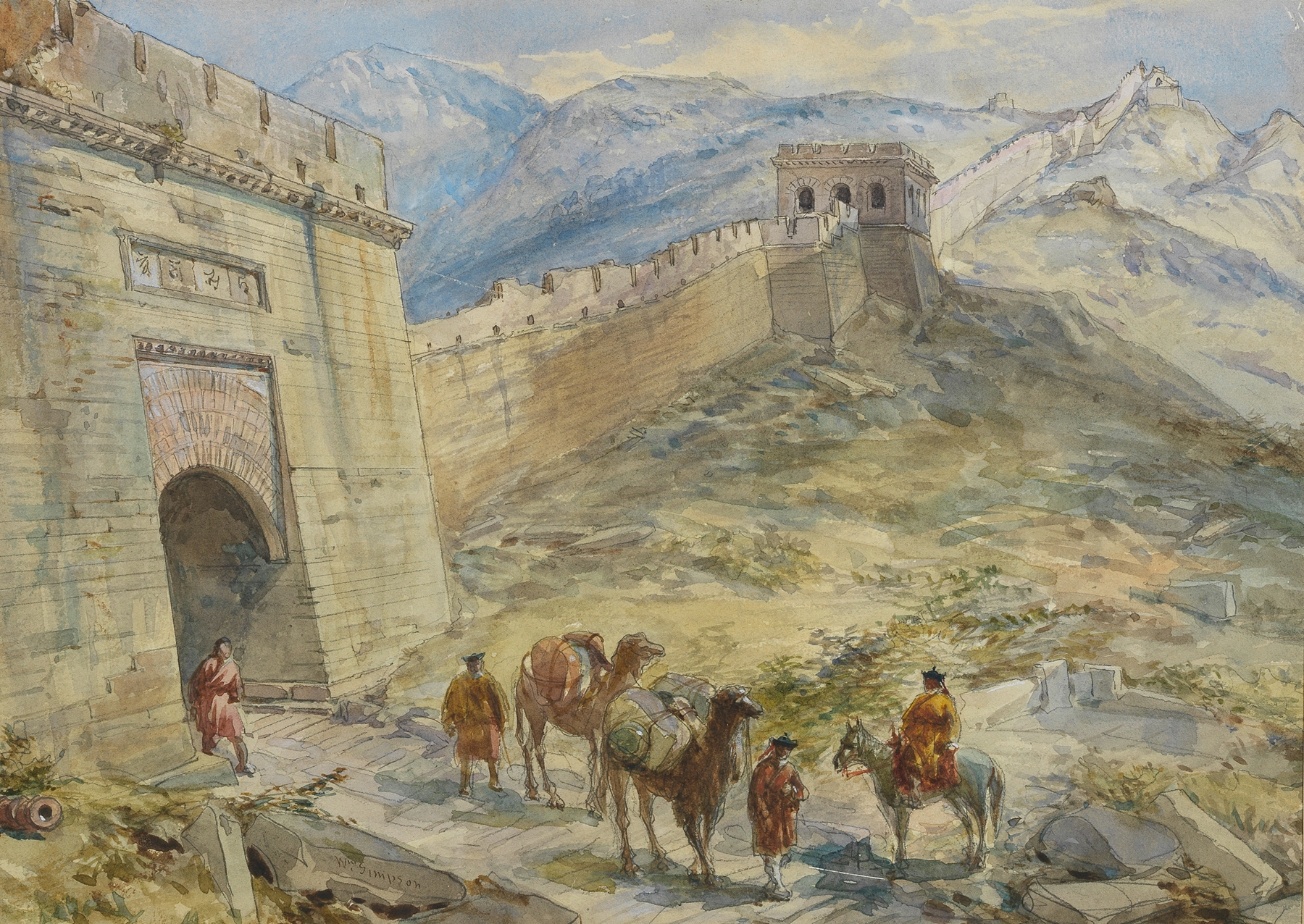
The Great Wall of China
William Simpson
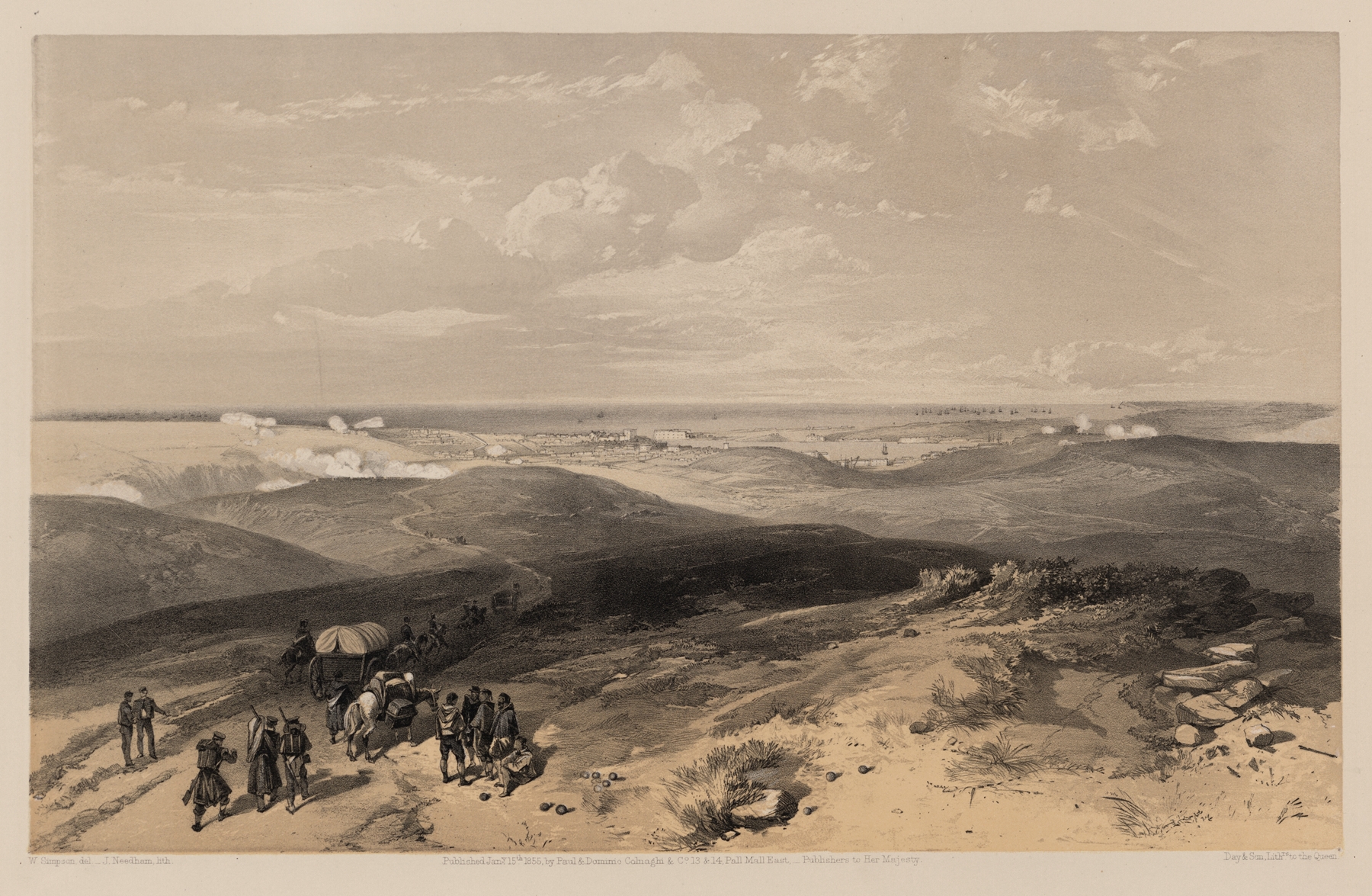
Sebastopol from the rear of the English batteries
William Simpson
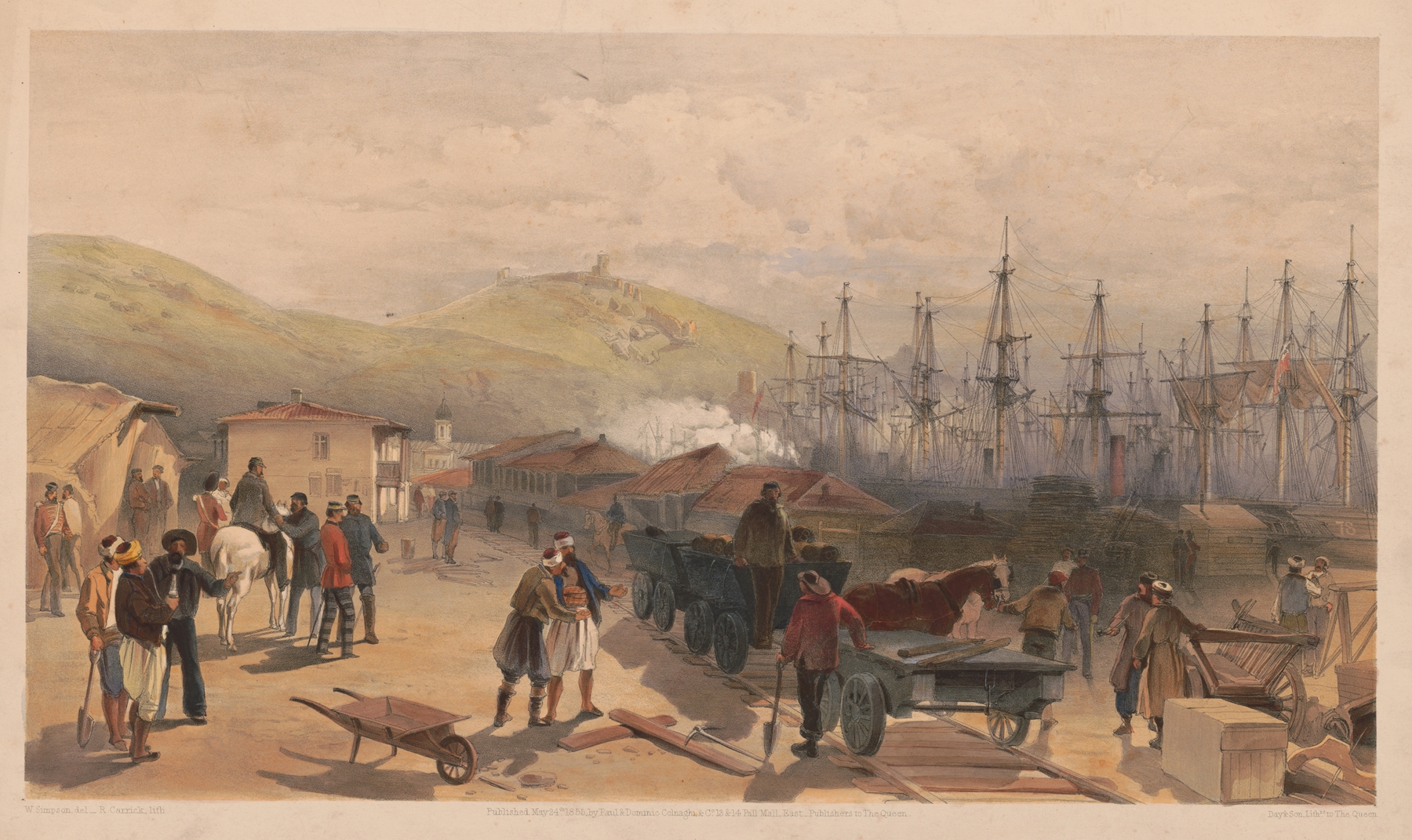
The railway at Balaklava, looking south
William Simpson
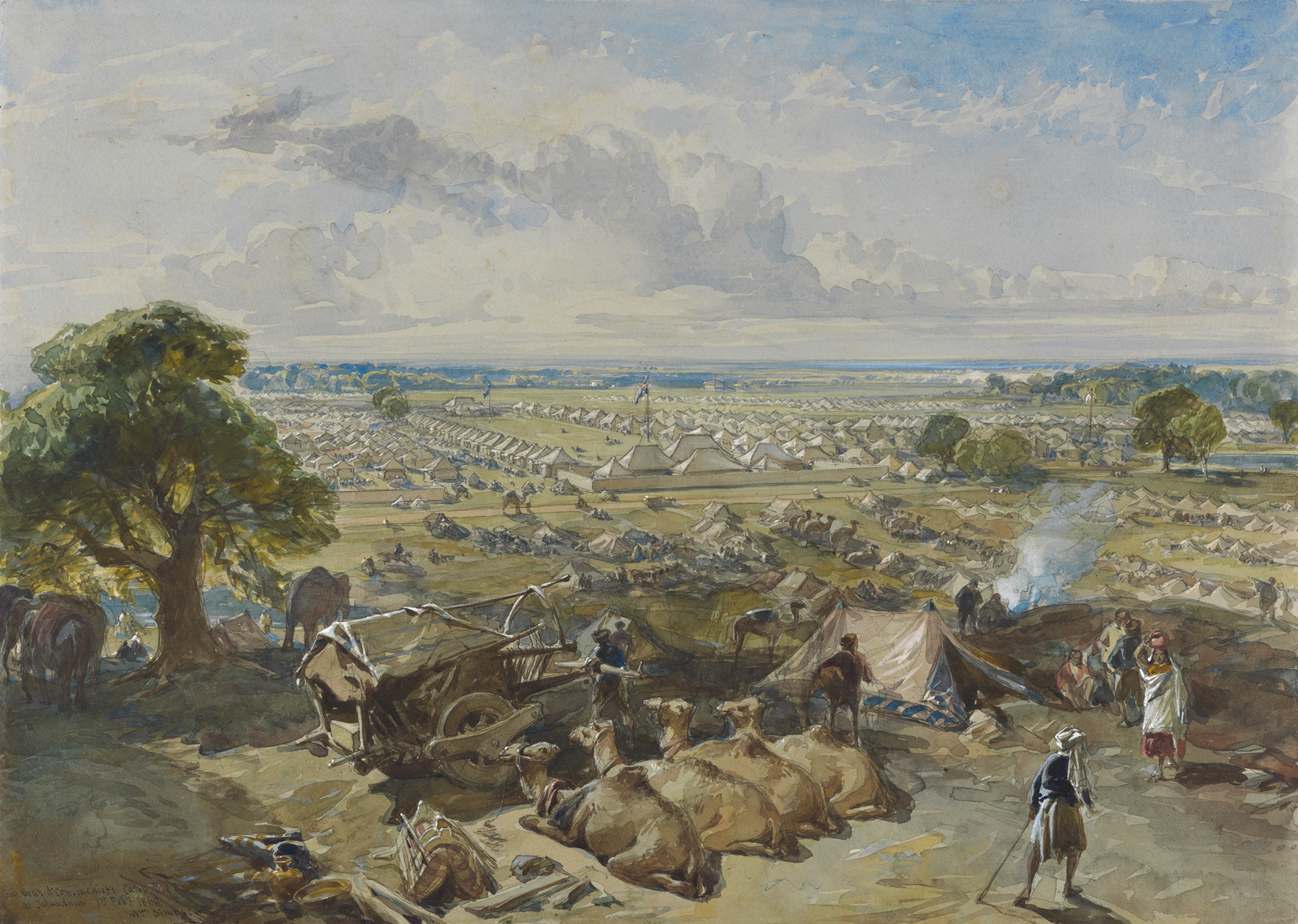
The Governor-General’s and Commander-in-Chief’s Camp at Jalandhar, 1 Febuary 1860
William Simpson
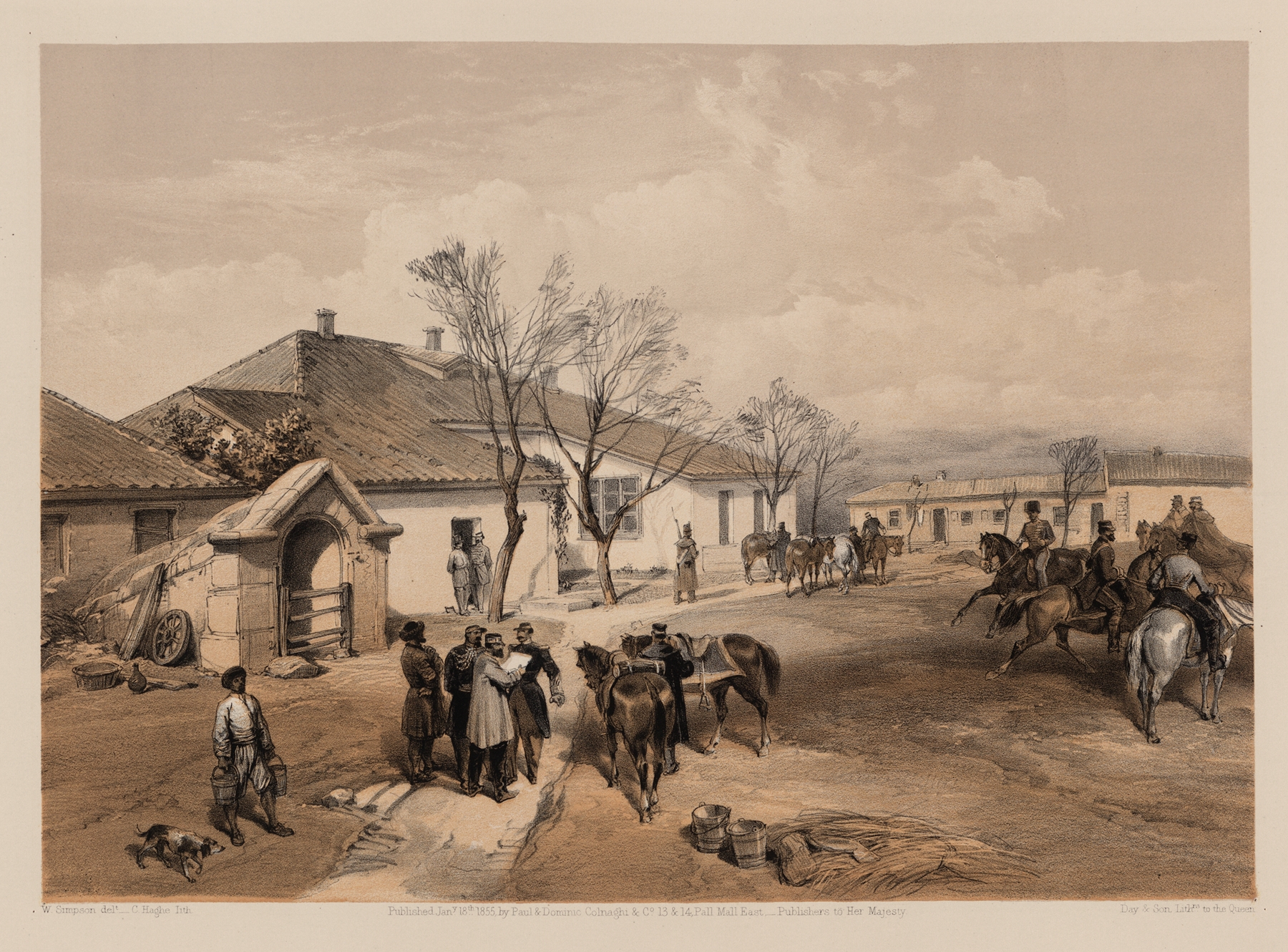
Lord Raglan’s head quarters at Khutor-Karagatch
William Simpson
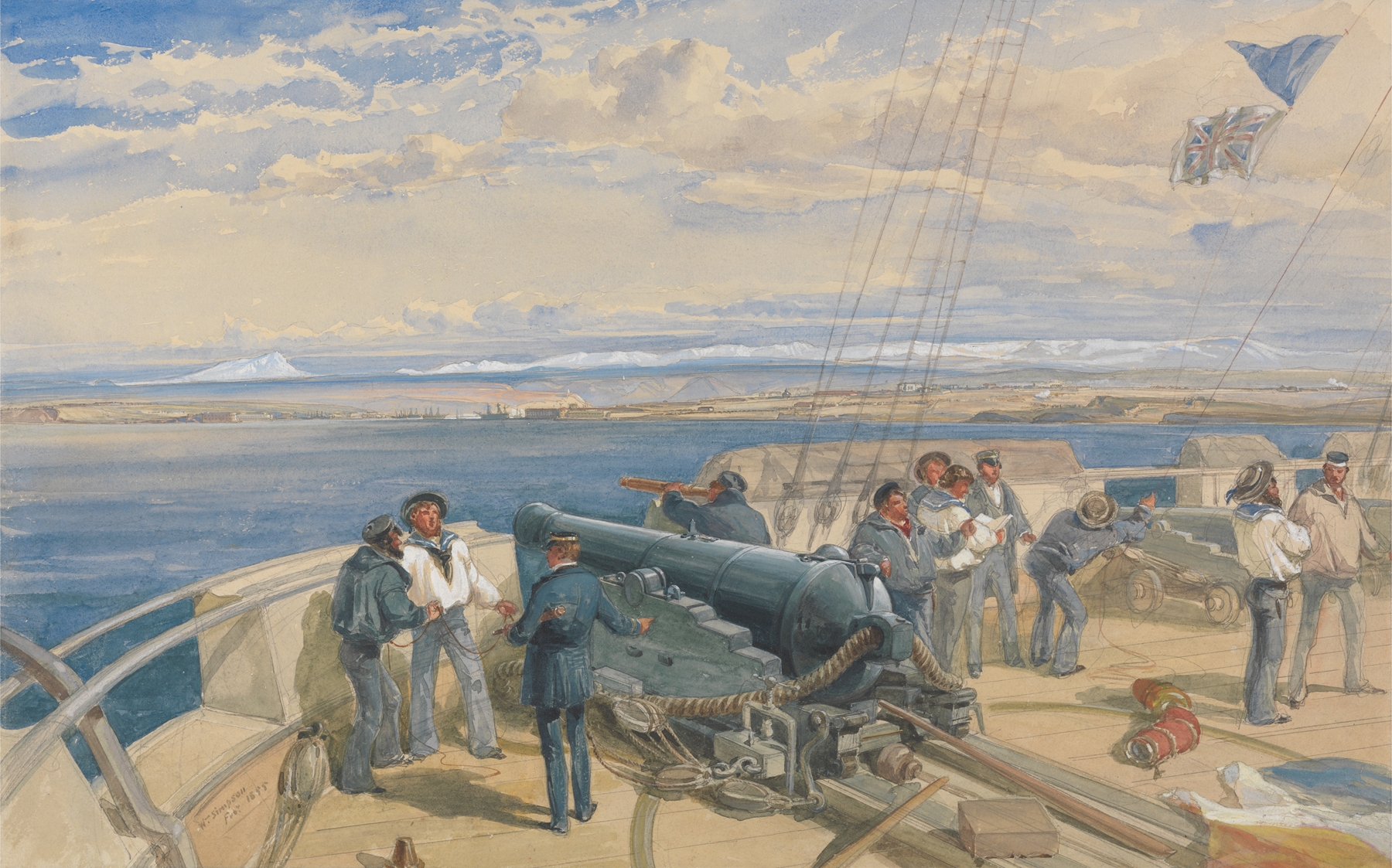
Sebastopol from the Sea, Sketched from the Deck of H. M. S. Sidon, Feb. 1855
William Simpson
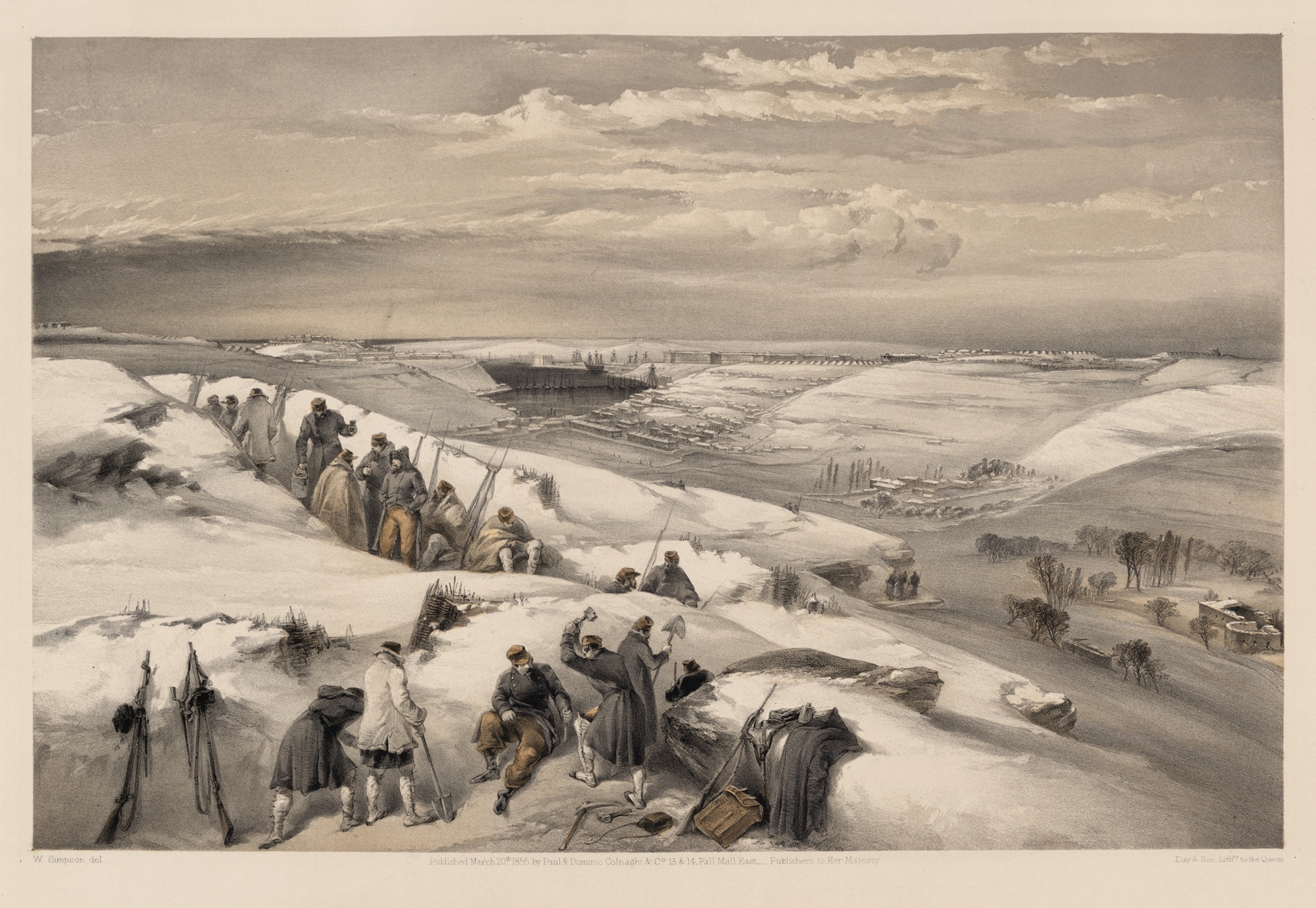
Sebastobol from the 26 gun battery on the extreme right of French attack
William Simpson