发现这件艺术品的见解
Venice, the Bacino di San Marco from the Canale della Giudecca — 历史与趣闻
“每一笔都是记忆中的心跳。”在《威尼斯,来自朱迪卡运河的圣马可湾》中,艺术家捕捉到了反思的本质——无论是物理上的还是隐喻上的。圣马可湾的宁静水面映照出威尼斯的建筑辉煌,邀请观众思考现实与其表现之间的互动。 向左看,优雅的圣马可大教堂轮廓,华丽的圆顶和镀金细节精致入微。光线在水面上舞动,照亮了各种蓝色和金色的色调,为场景注入生命。注意前景中轻轻摇曳的船只,创造出一种节奏,回响着城市的活力,同时勾勒出宁静的背景,吸引你的目光更深入地进入构图。 水的静谧与船只的繁忙活动之间的对比暗示了一个平衡的世界,宁静与生活的活力共存。小人物在他们的旅程中迷失,暗示着无数个体在这历史背景中航行的故事。水的反射特性不仅作为字面上的镜子,还象征着威尼斯本身的二元性——它的美丽和短暂,让观众思考时间的流逝。 卡纳莱托在1735年至1744年间创作了这幅杰作,那时威尼斯繁荣却面临着政治和商业变化的挑战。以其对细节的细致关注和气氛透视而闻名,艺术家处于威尼斯风景画流派的前沿,捕捉了城市对当地和外来贵族的吸引力,同时将其标志性地标与繁忙的海洋环境相结合。
更多作品 Canaletto
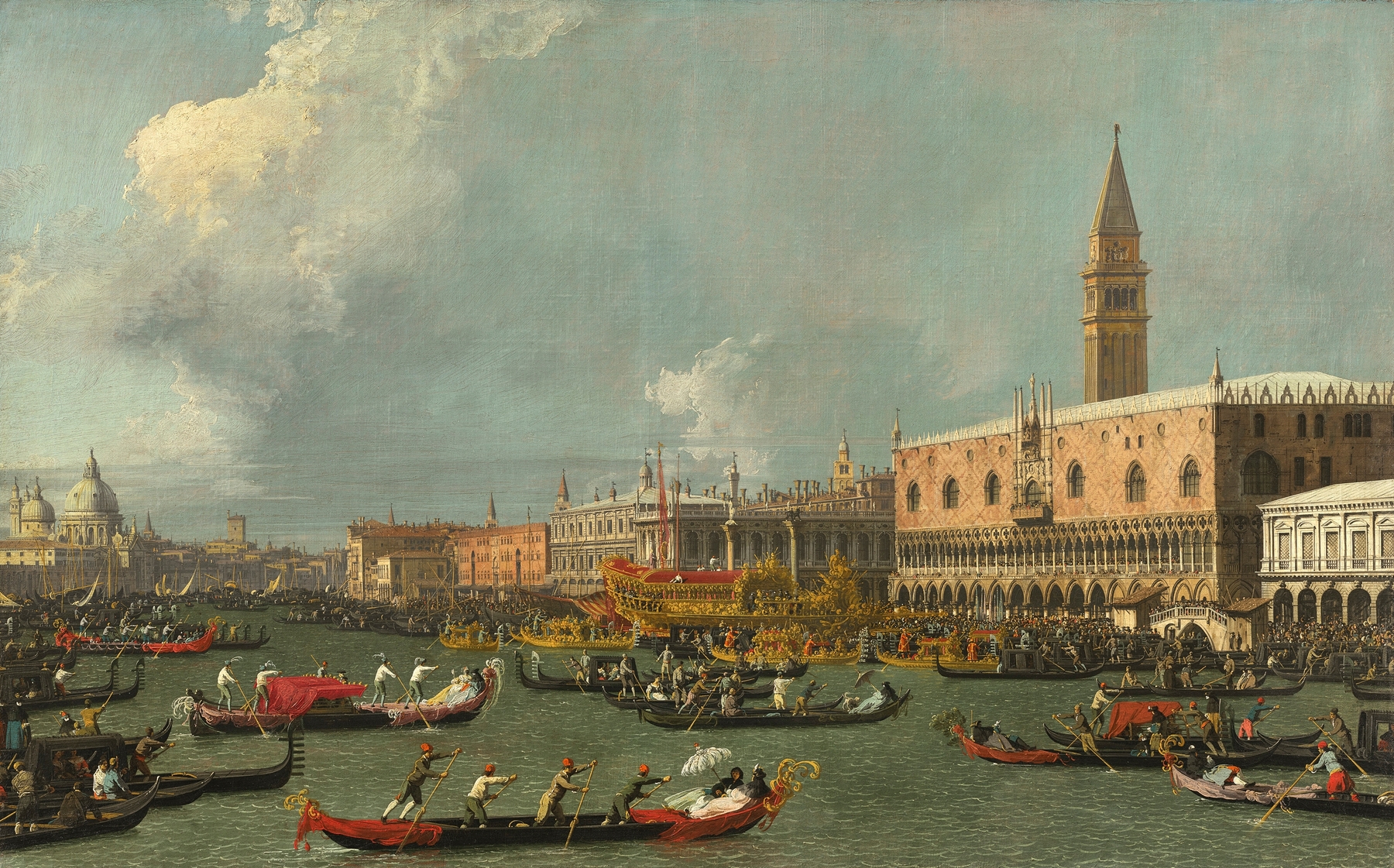
Venice, the Return of the Bucintoro on Ascension Day
Canaletto
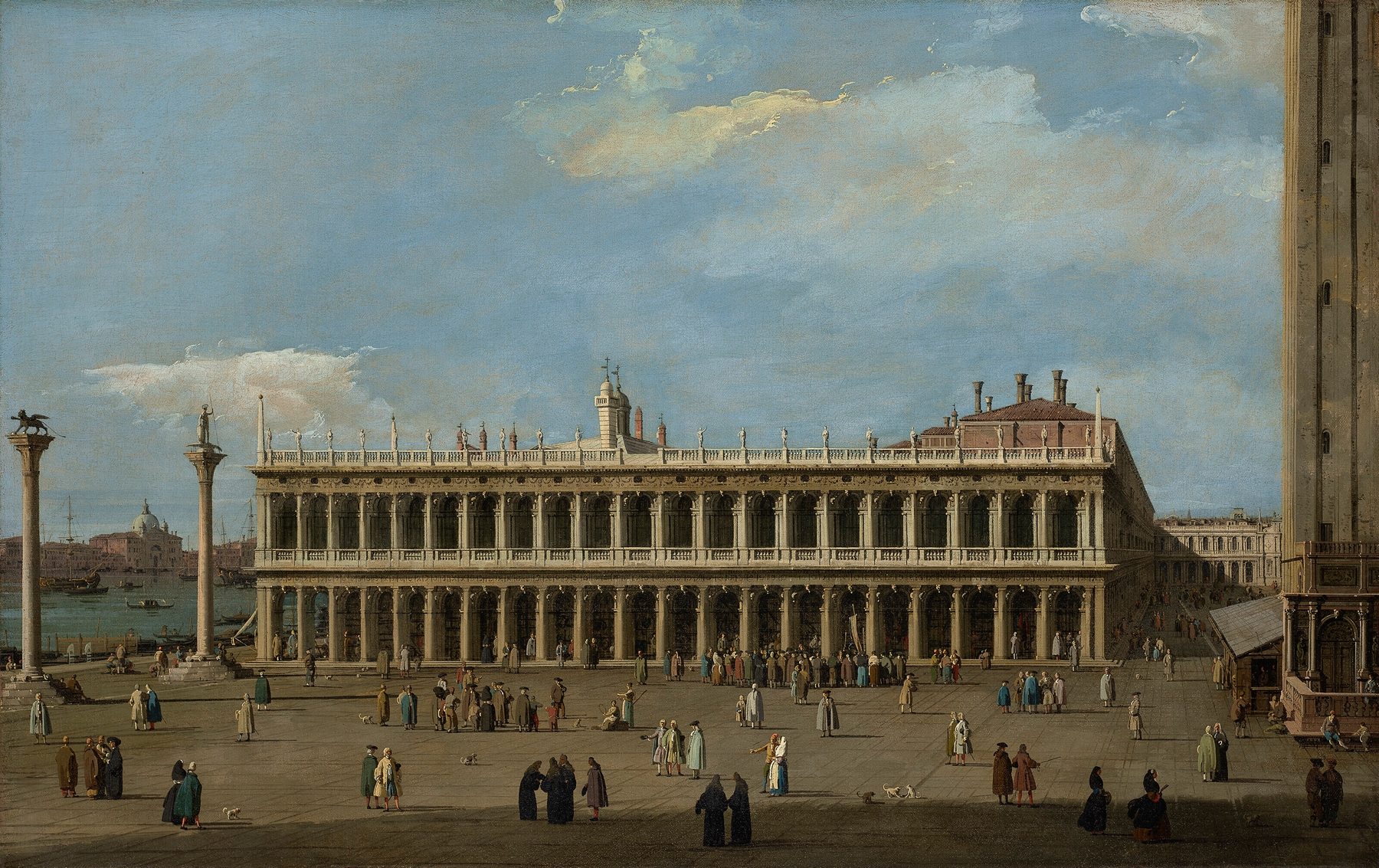
Venice, the Piazzetta, looking west, with the Libreria
Canaletto
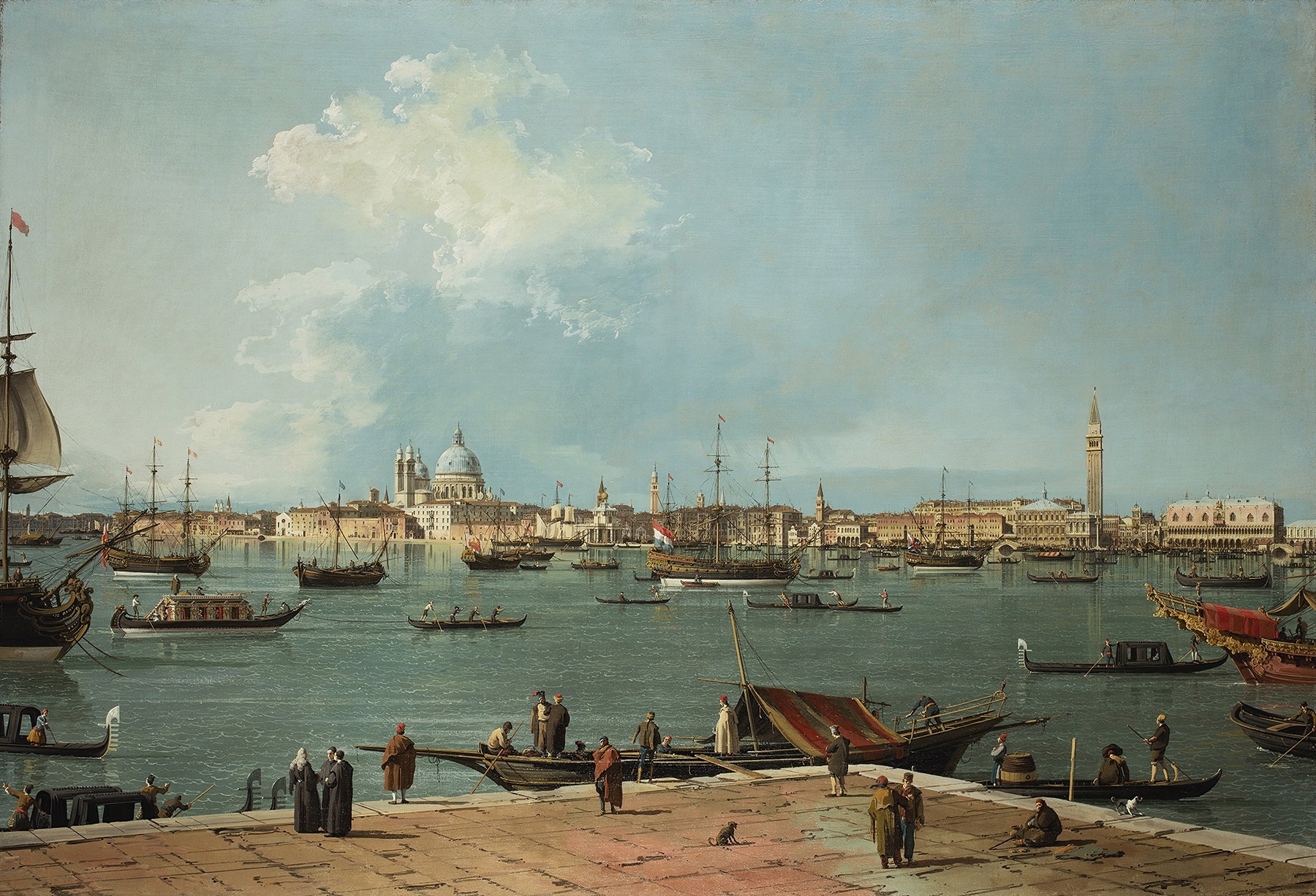
Venice, the Bacino di San Marco from San Giorgio Maggiore
Canaletto
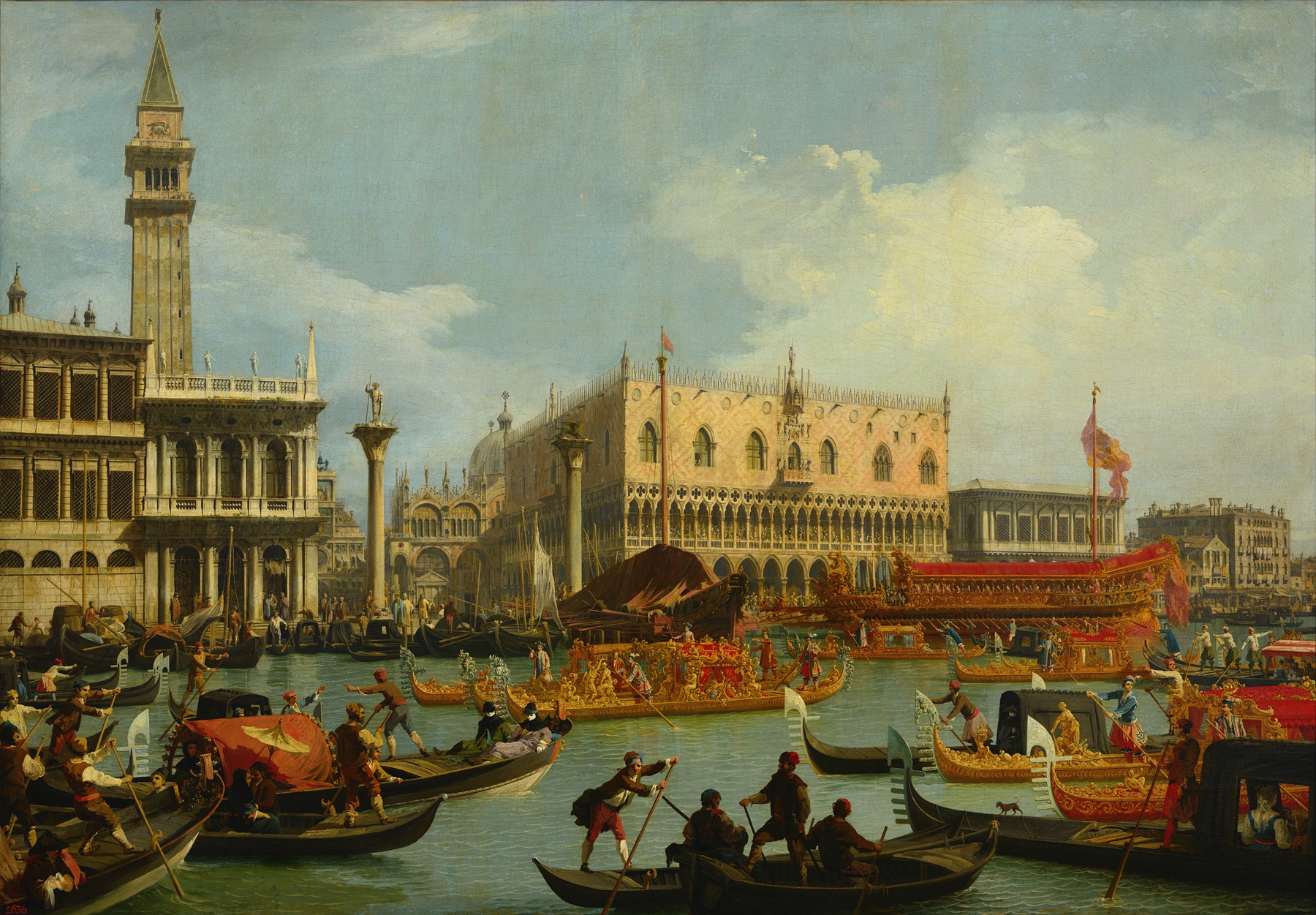
The Bucintore Returning to the Molo on Ascension Day
Canaletto
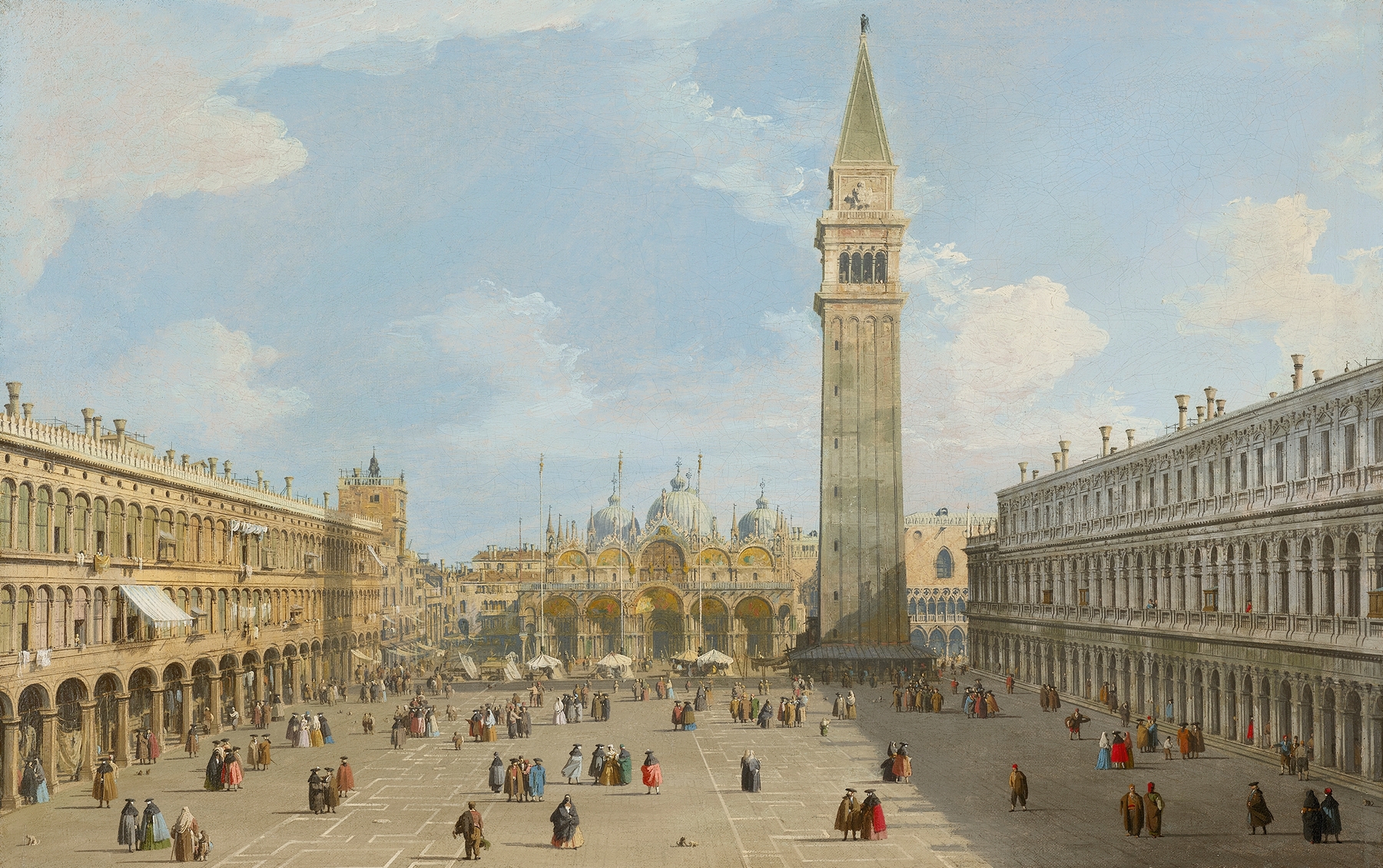
The Piazza San Marco, Venice, looking east towards the basilica
Canaletto
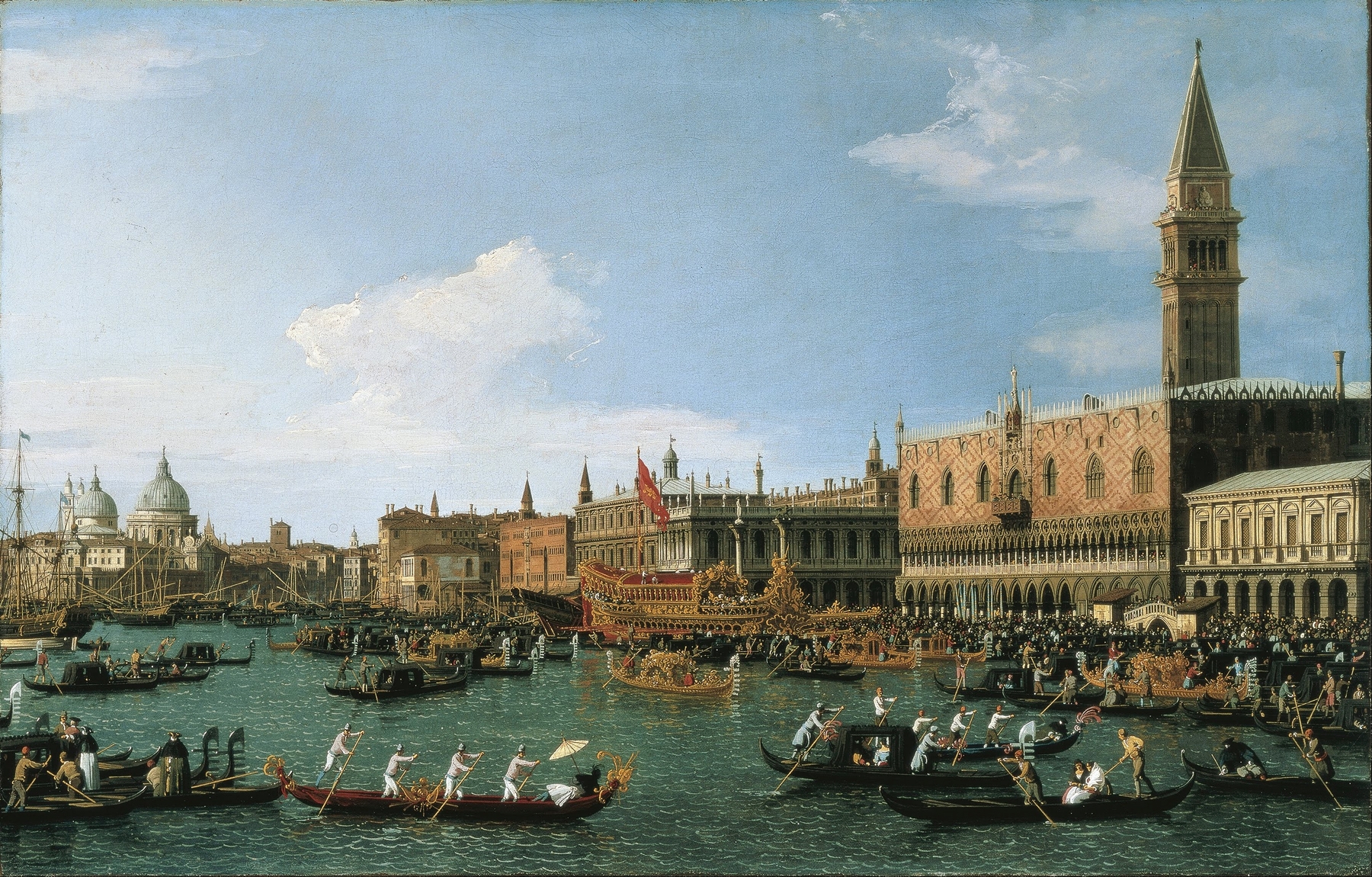
Return of ‘Il Bucintoro’ on Ascension Day
Canaletto
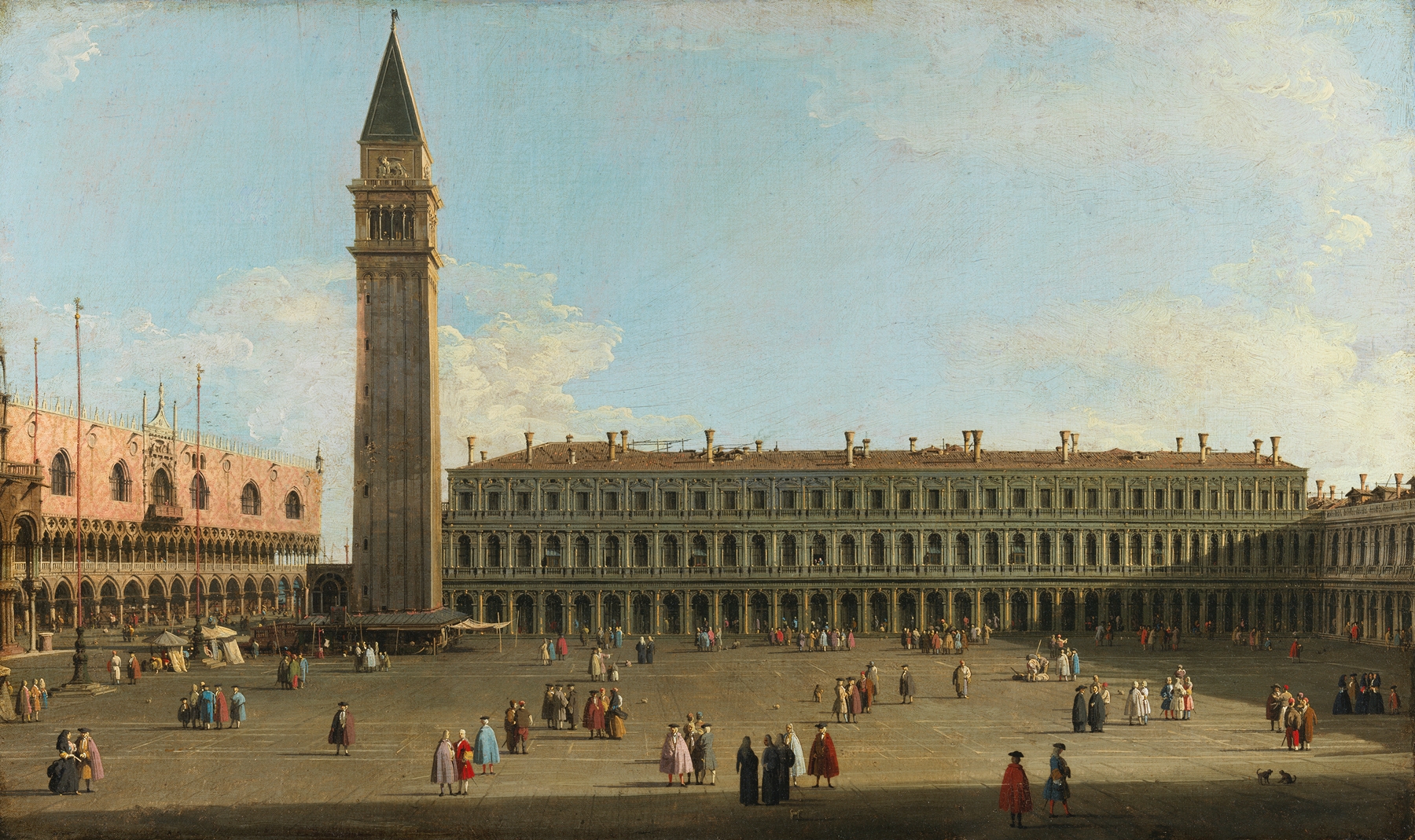
Saint Mark’s Square, Venice
Canaletto
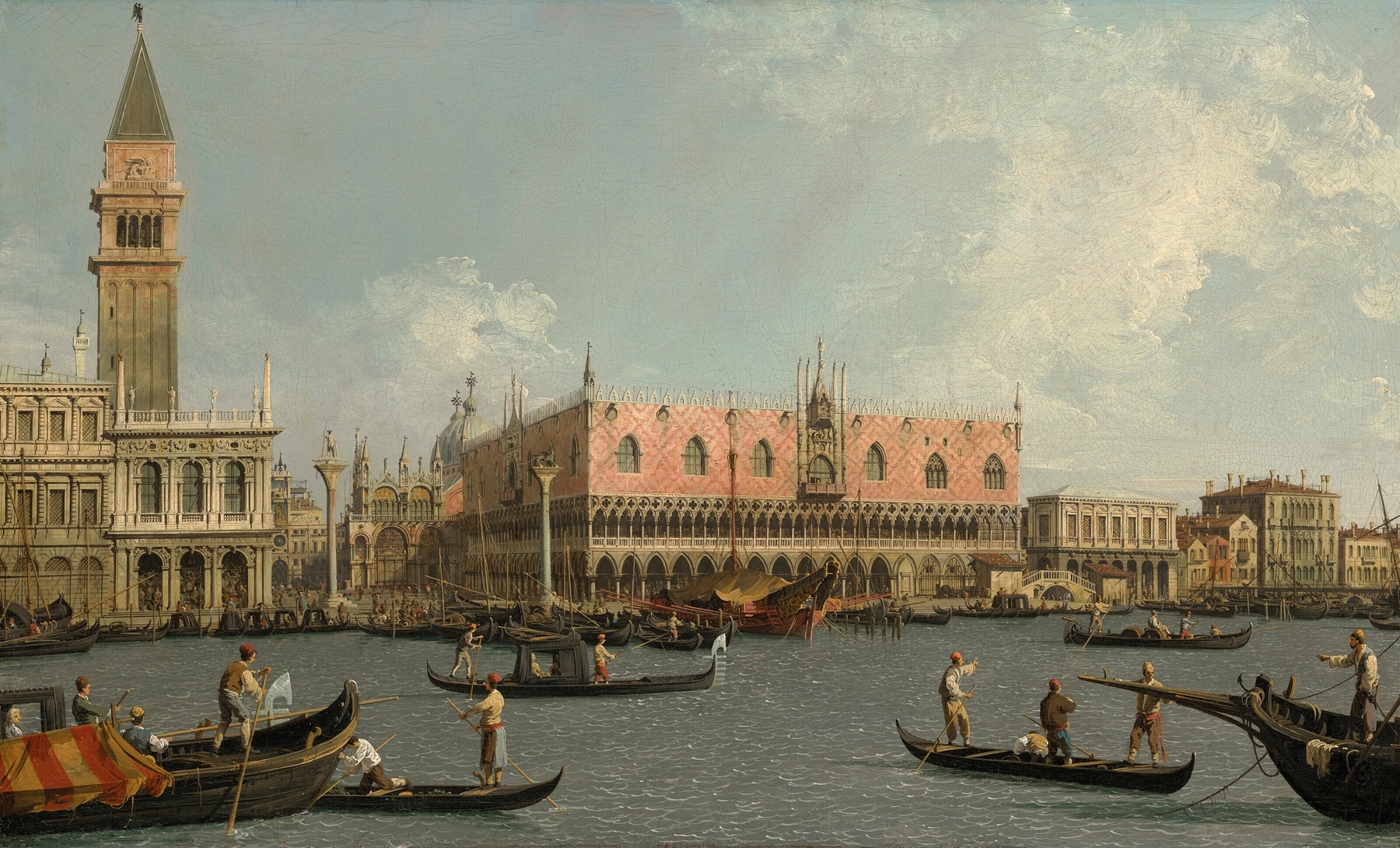
The Molo, with the Piazzetta and the Doge’s Palace, from the Bacino
Canaletto
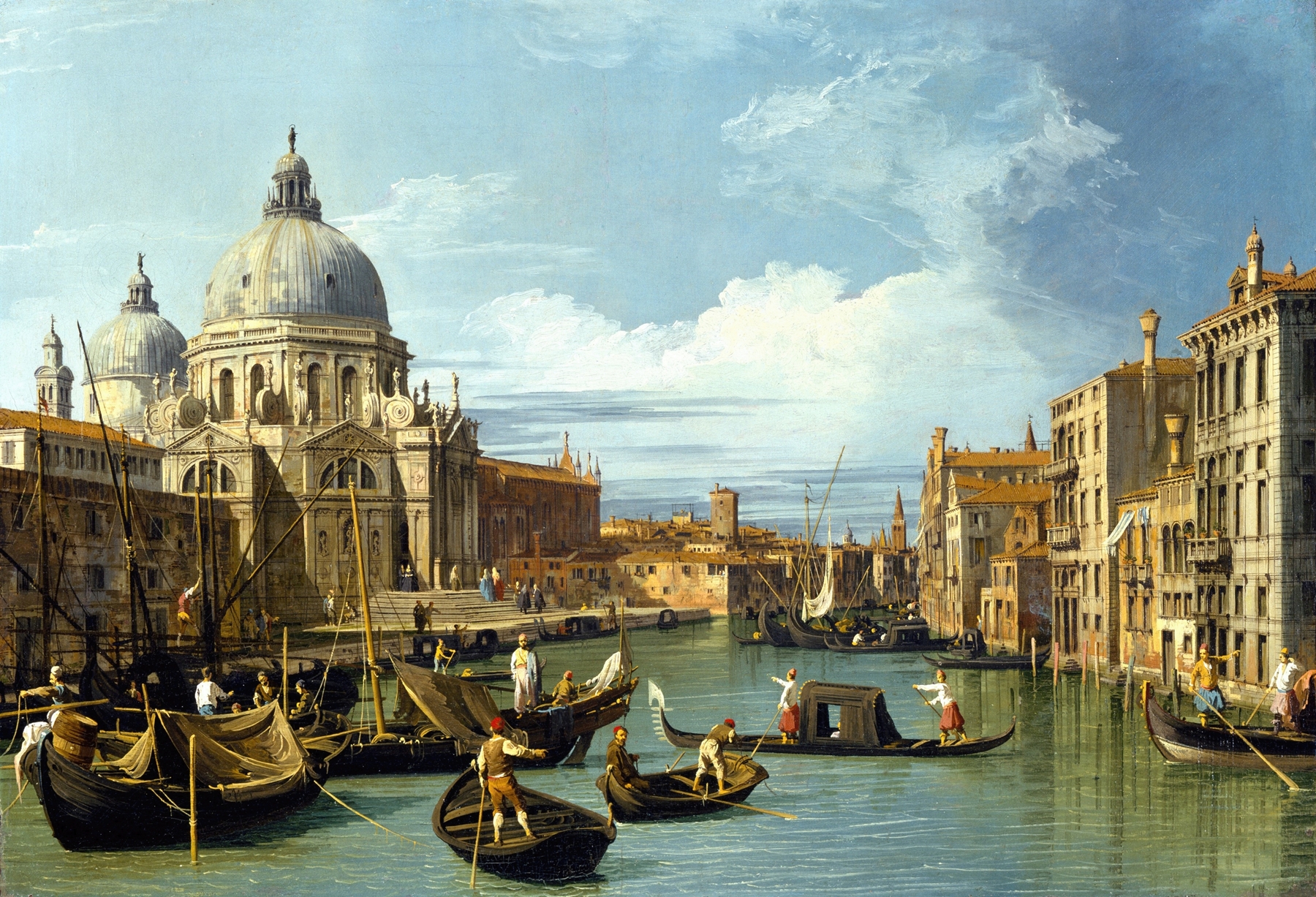
The Entrance to the Grand Canal, Venice
Canaletto
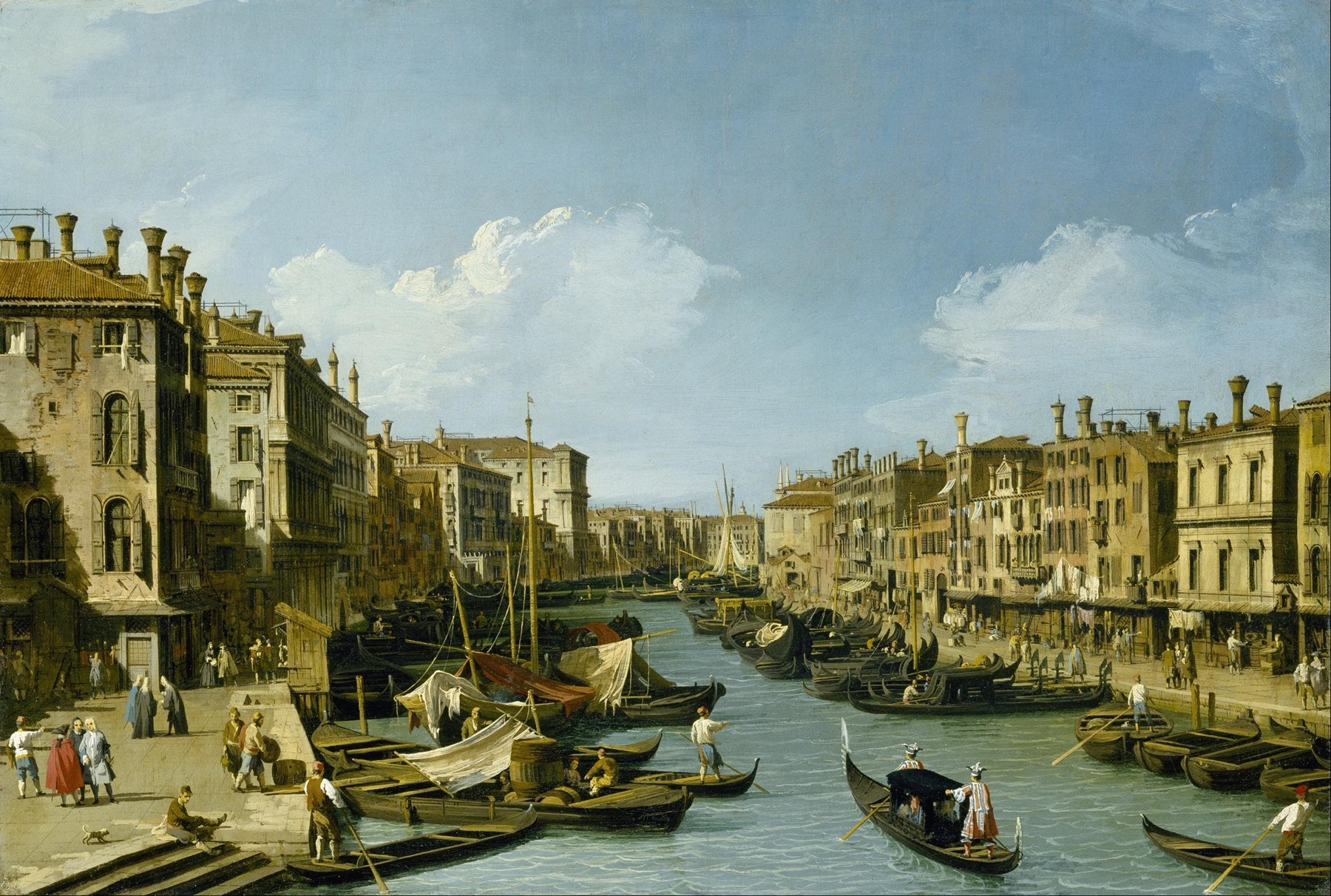
The Grand Canal near the Rialto Bridge, Venice
Canaletto