A Landscape With Figures In A Storm — History & Analysis
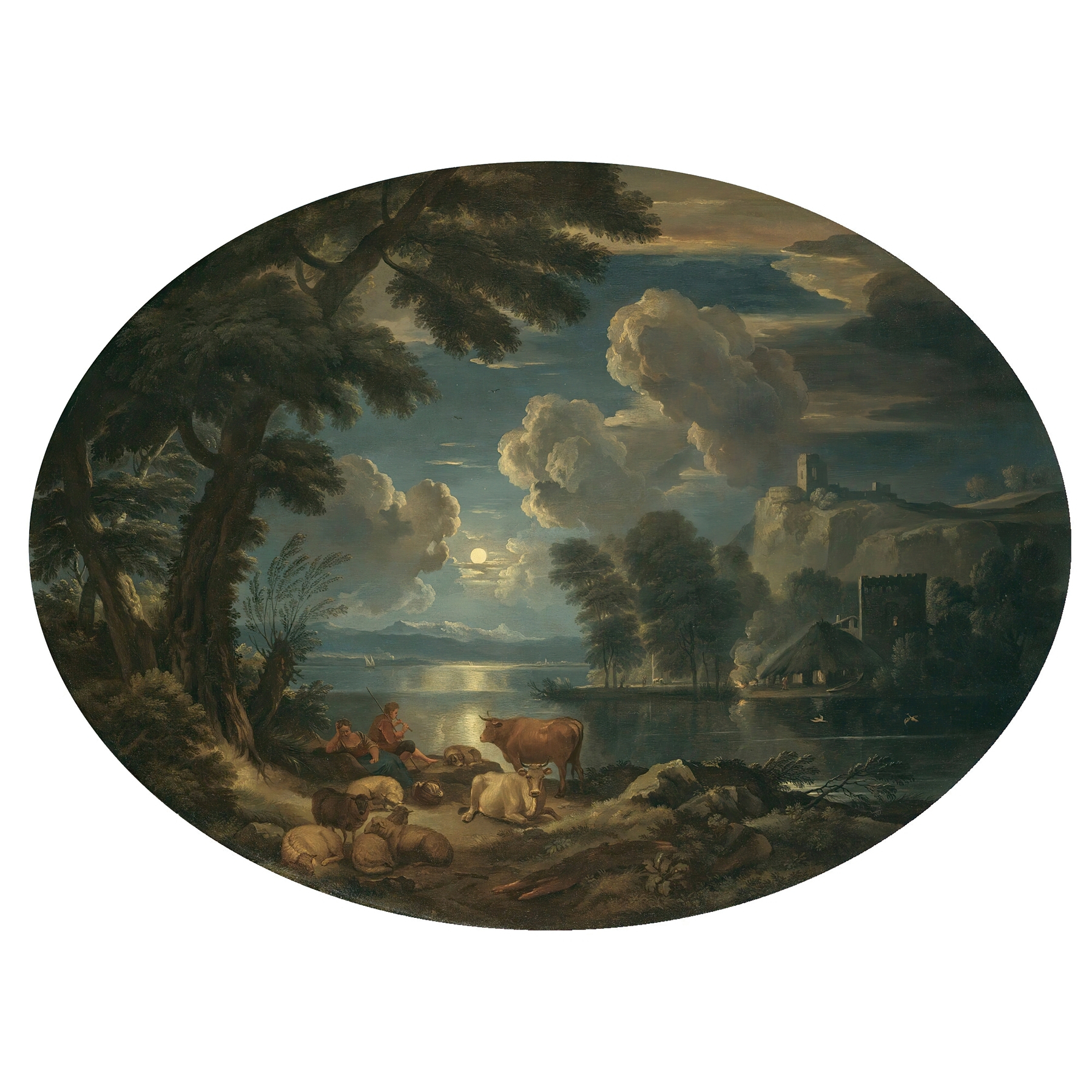
Can paint confess what words never could? In A Landscape With Figures In A Storm, the tumultuous sky and fraught figures evoke a deep, haunting grief that transcends the written word. Look to the left at the dark, swirling clouds that dominate the composition, their heavy brushstrokes echoing the weight of impending despair. The storm, rendered in deep blues and blacks, contrasts starkly with the pale, desperate figures struggling against the wind. Notice how the light breaks through in a few places, casting fleeting highlights on the skin of the figures, revealing their vulnerability amid chaos.
The composition draws the eye toward the tumult, creating a visceral sense of imbalance that mirrors the emotional turmoil captured within the scene. The figures, small against the grandness of nature's wrath, symbolize humanity's fragility in the face of overwhelming forces. The tension between the wildness of the storm and the stillness of the figures reveals an inner struggle — a battle against sorrow and loss. The muted palette further enhances this atmosphere, suggesting that grief is not only personal but also a communal experience, witnessed in the shared distress visible in their body language.
Each brushstroke conveys a narrative of anxiety and resilience, urging the viewer to reflect on their own encounters with loss. Pieter Mulier the Younger painted this work in 1709, during a period marked by political and social upheaval in Europe. Working primarily in the Netherlands, he was influenced by the beauty and terror of nature, often depicting landscapes that conveyed deeper human emotions. At this time, the art world was transitioning toward the Baroque style, and Mulier’s approach captured the dramatic intensity of his surroundings, allowing him to express poignant themes like grief and human vulnerability through his landscapes.