A Pastoral Landscape — History & Analysis
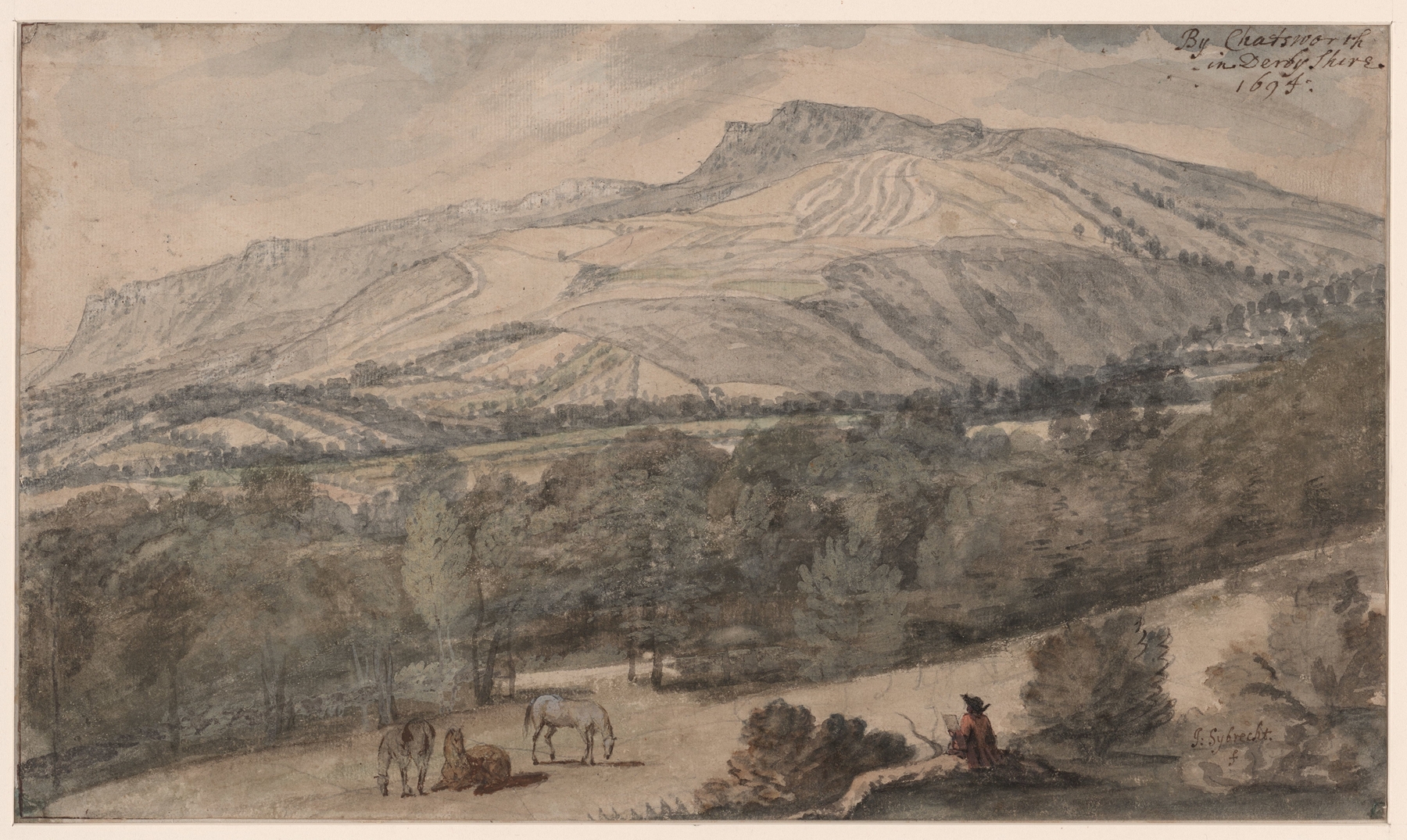
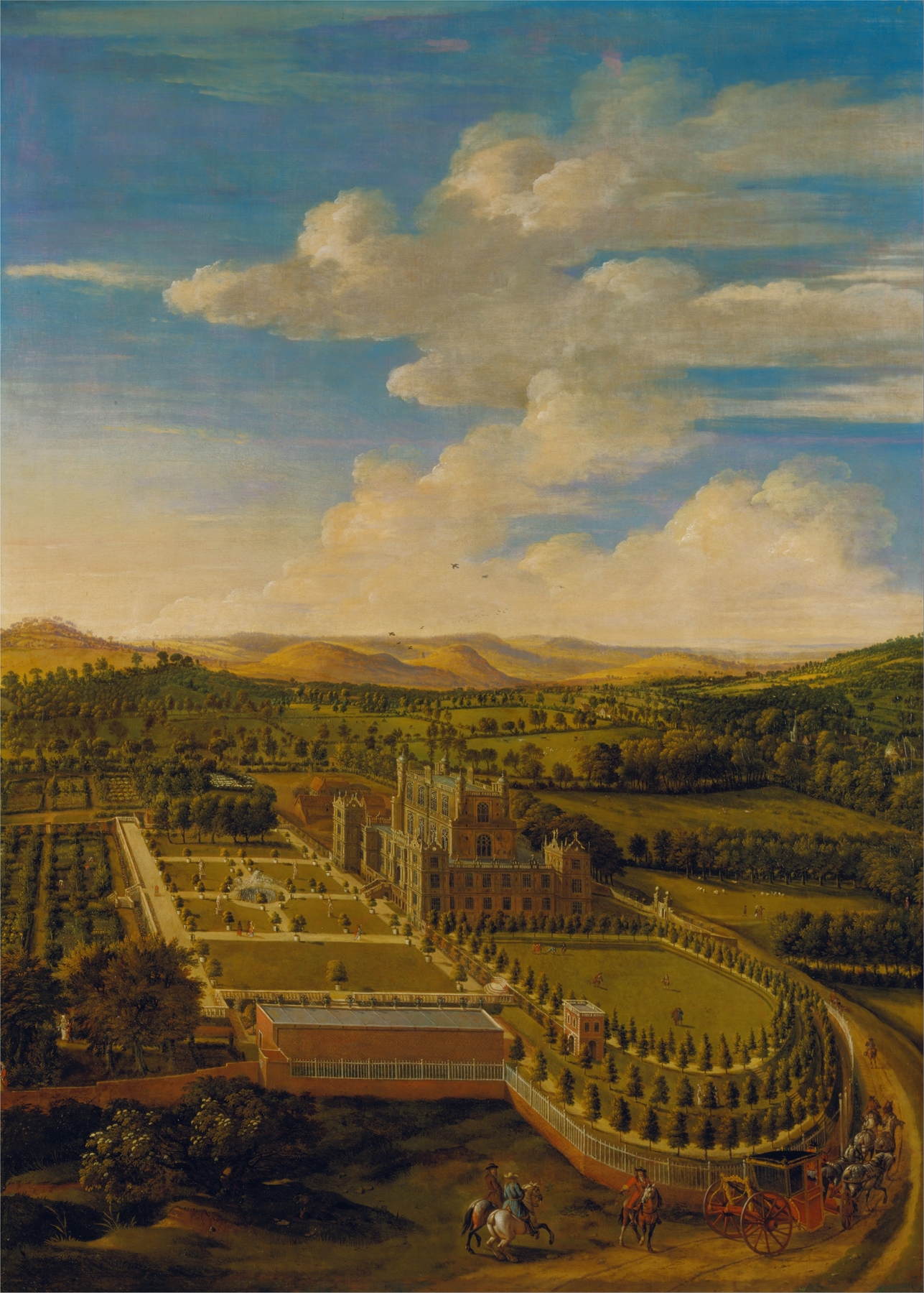
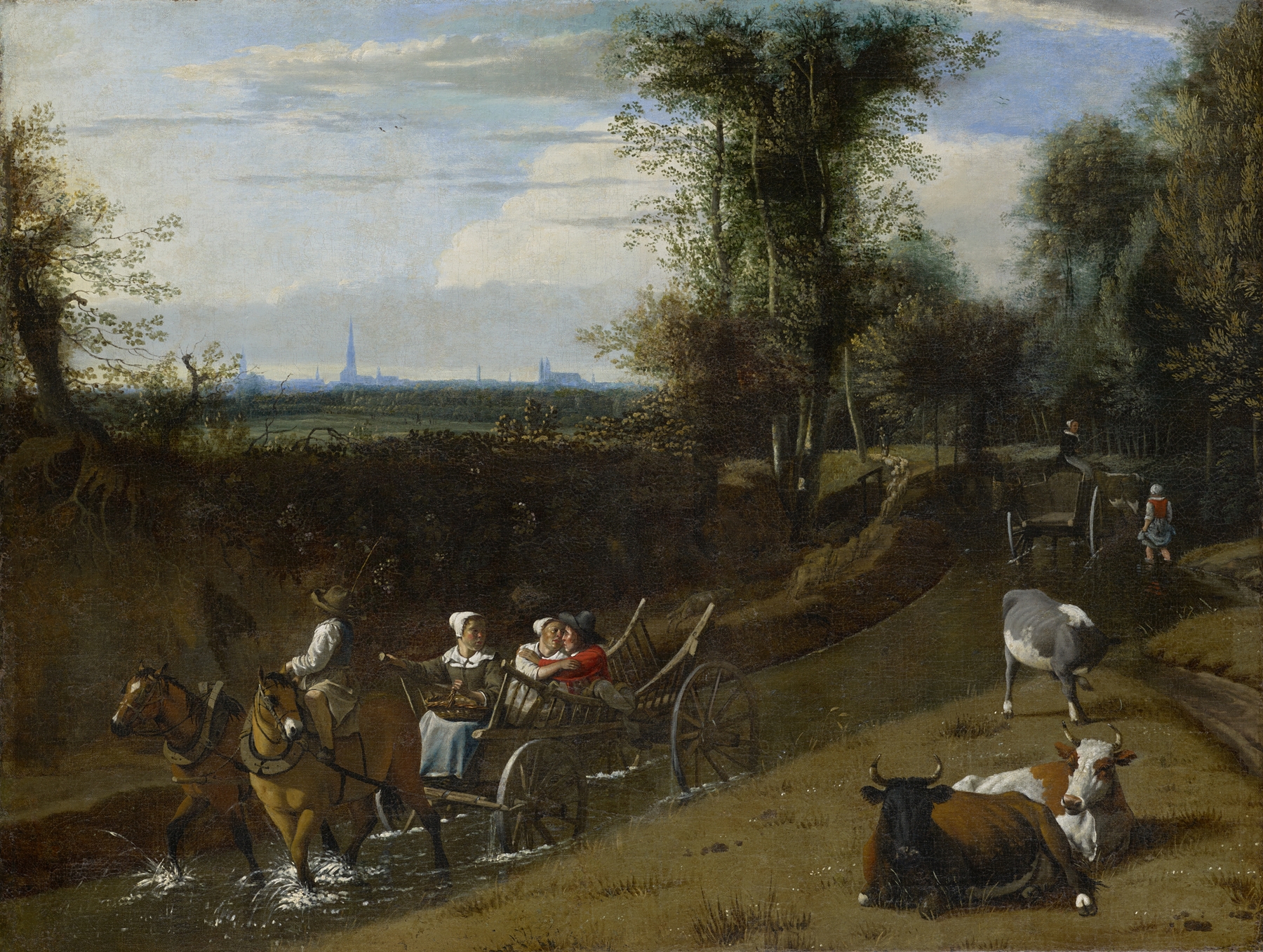
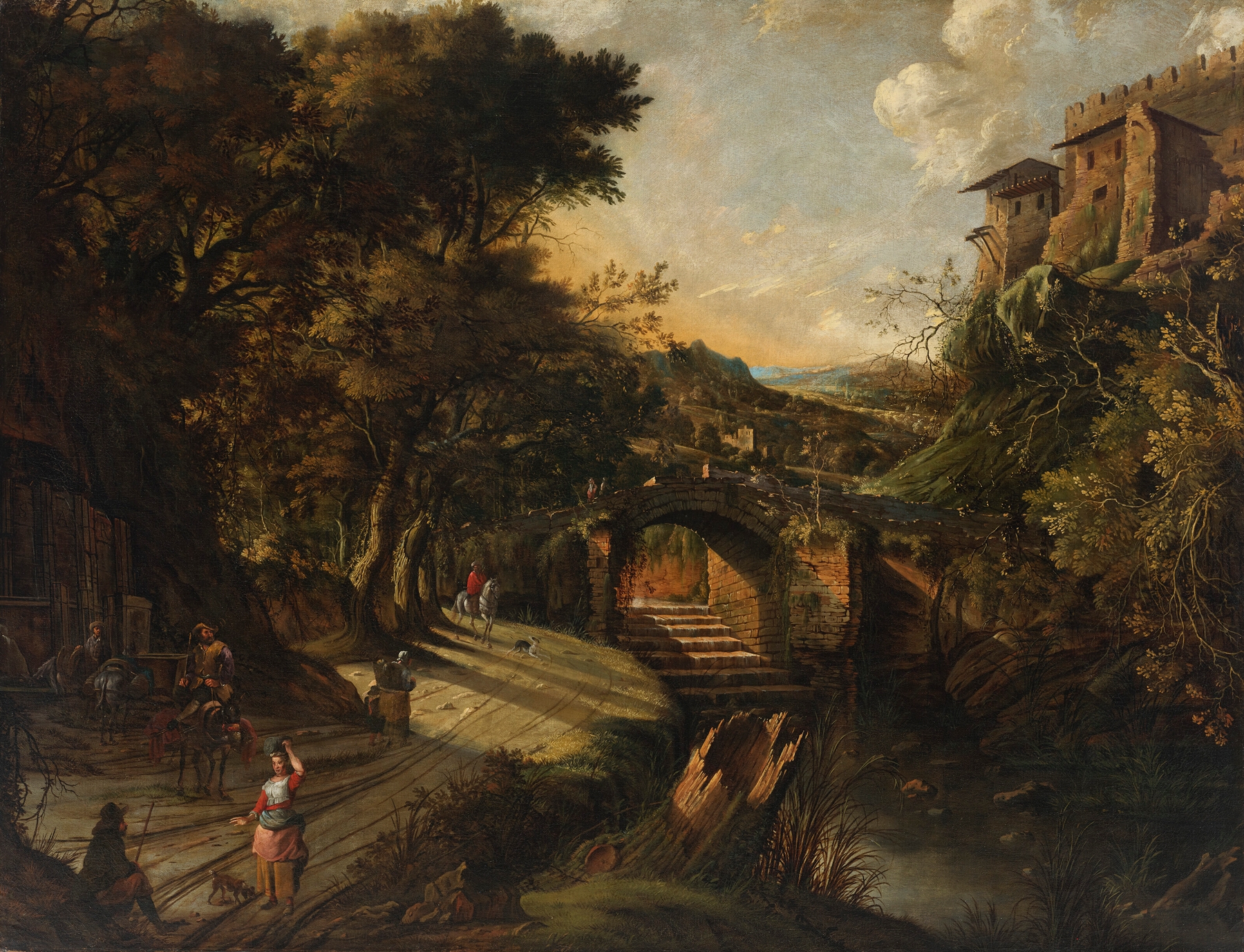
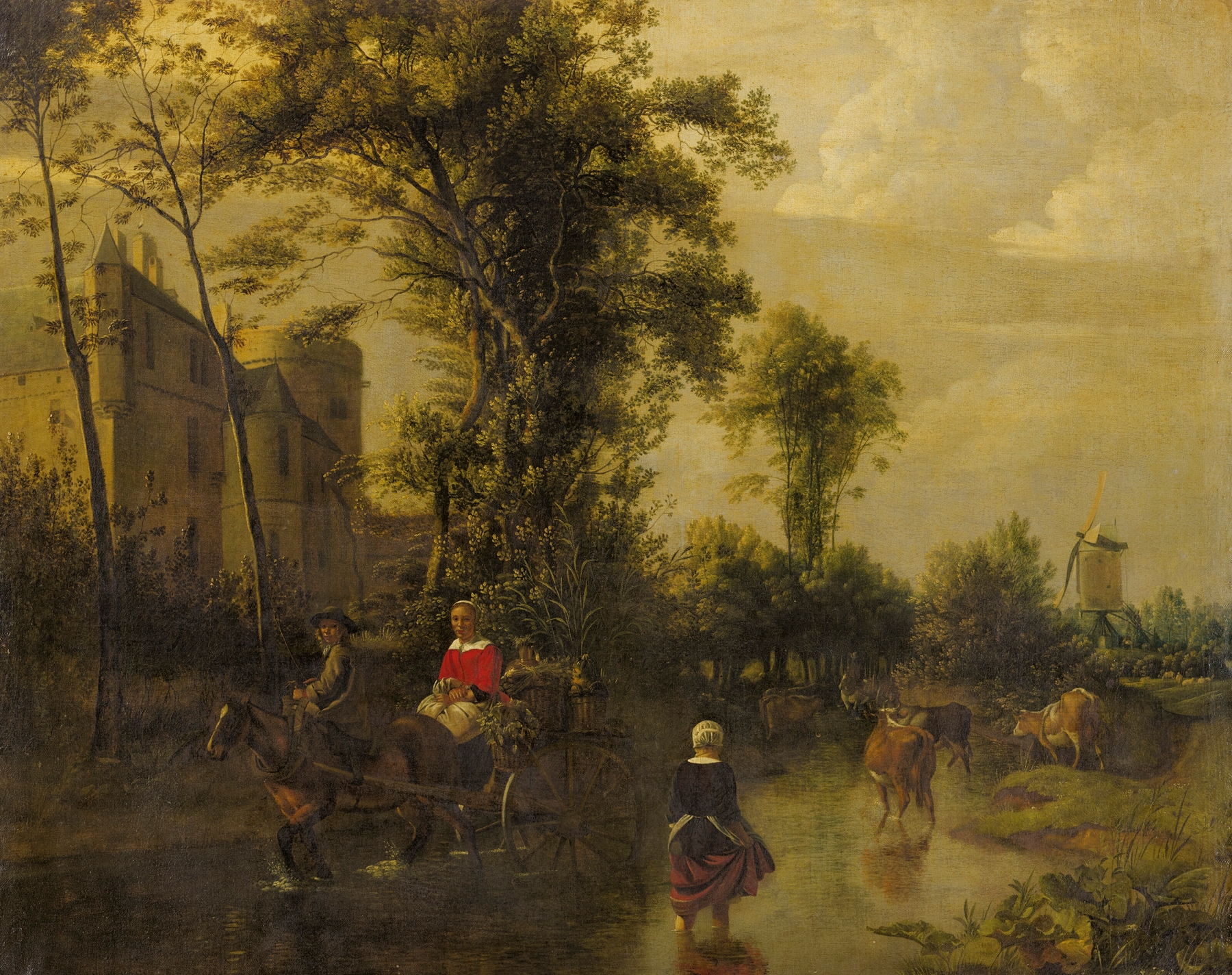
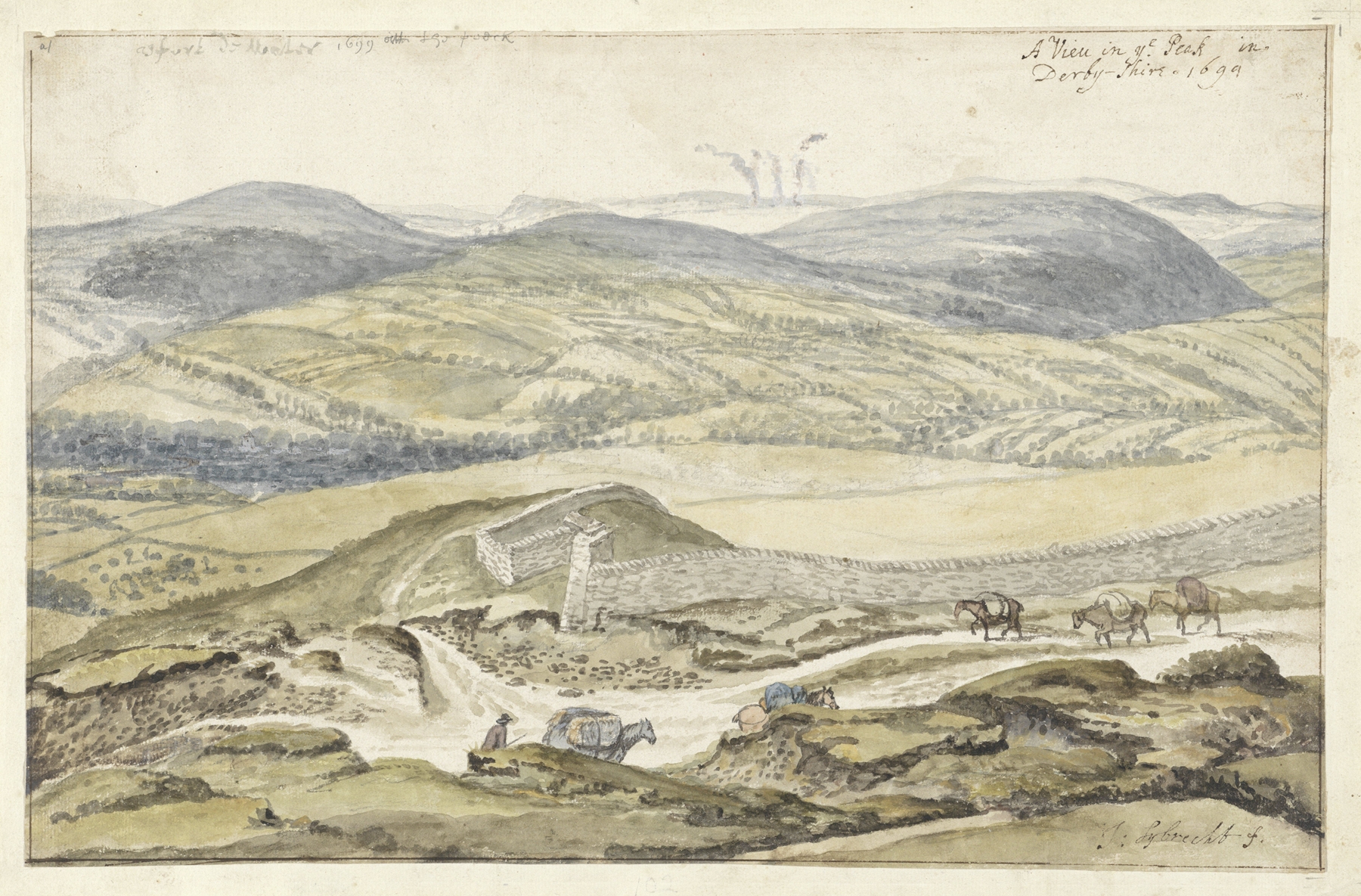
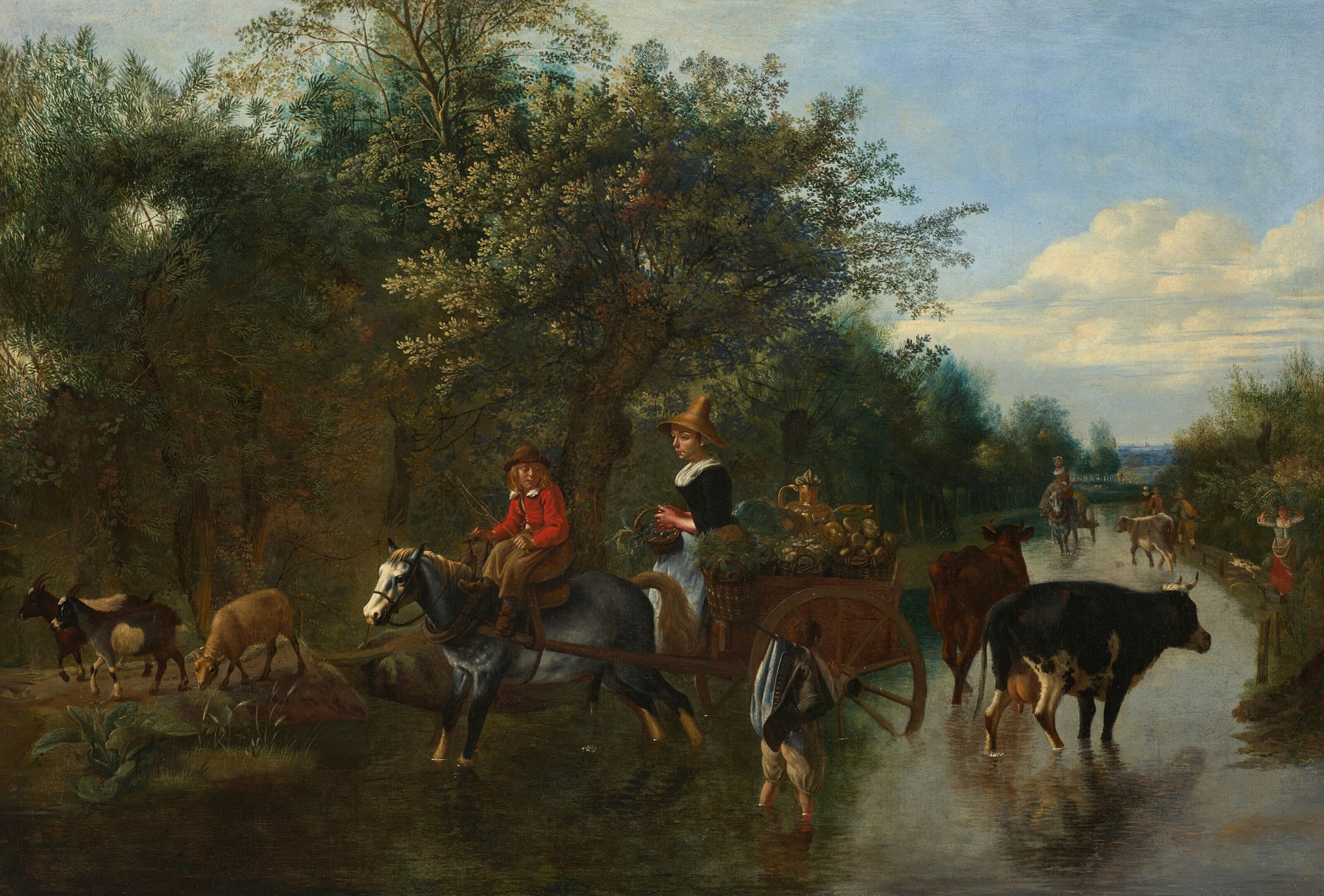
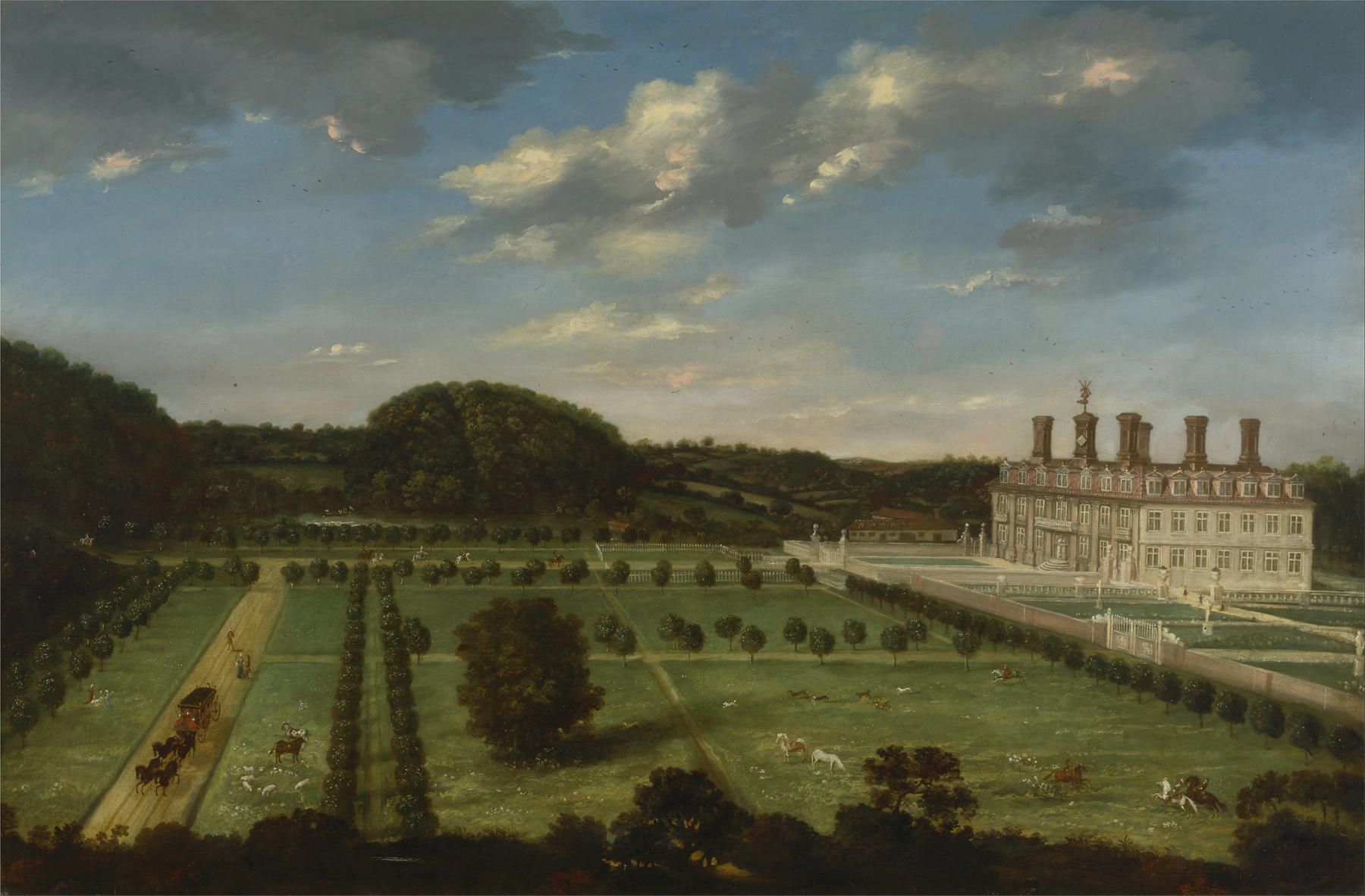
“Under the brush, chaos becomes grace.” In a world where nature dances between the wild and the serene, hope emerges as a quiet promise. Look to the left at the soft rolling hills, where verdant greens blend seamlessly with warm earth tones. The sky, awash in delicate blues and whites, frames the landscape with ethereal beauty. Wisps of clouds peek through, their light casting gentle shadows that breathe life into the terrain.
Notice how the painter’s meticulous strokes convey a sense of harmony, inviting the eye to wander through the lush pastures dotted with grazing sheep and distant figures engaged in pastoral tasks. As you delve deeper, observe the interplay of light and shadow, reflecting the balance between tranquility and the toil of rural life. The distant figures, though small, evoke a sense of community and connection to the earth. This rural tableau captures not only the idyllic beauty of nature but also the subtle tension of human existence within it, suggesting that hope can thrive even amid life’s laborious rhythms.
Created in 1684, this work emerged during a time when Jan Siberechts was establishing himself as a prominent figure in Dutch landscape painting. While residing in England, he drew inspiration from the lush countryside, reflecting the tranquility of pastoral life that resonated with his contemporaries. The period marked a growing appreciation for nature in art, revealing the complex relationship between humanity and the landscapes they inhabit.