Carriage in a Riverbed — History & Analysis
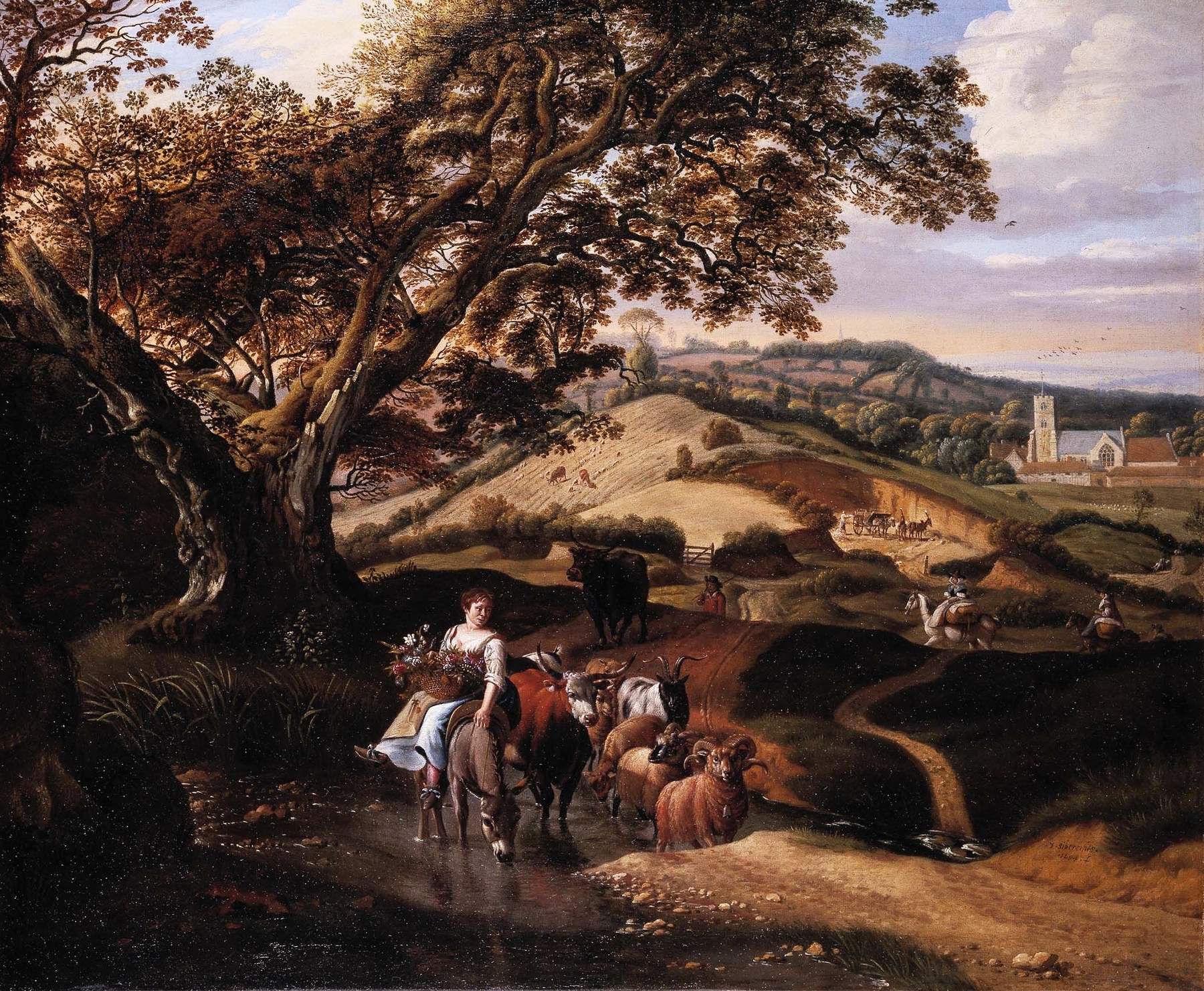
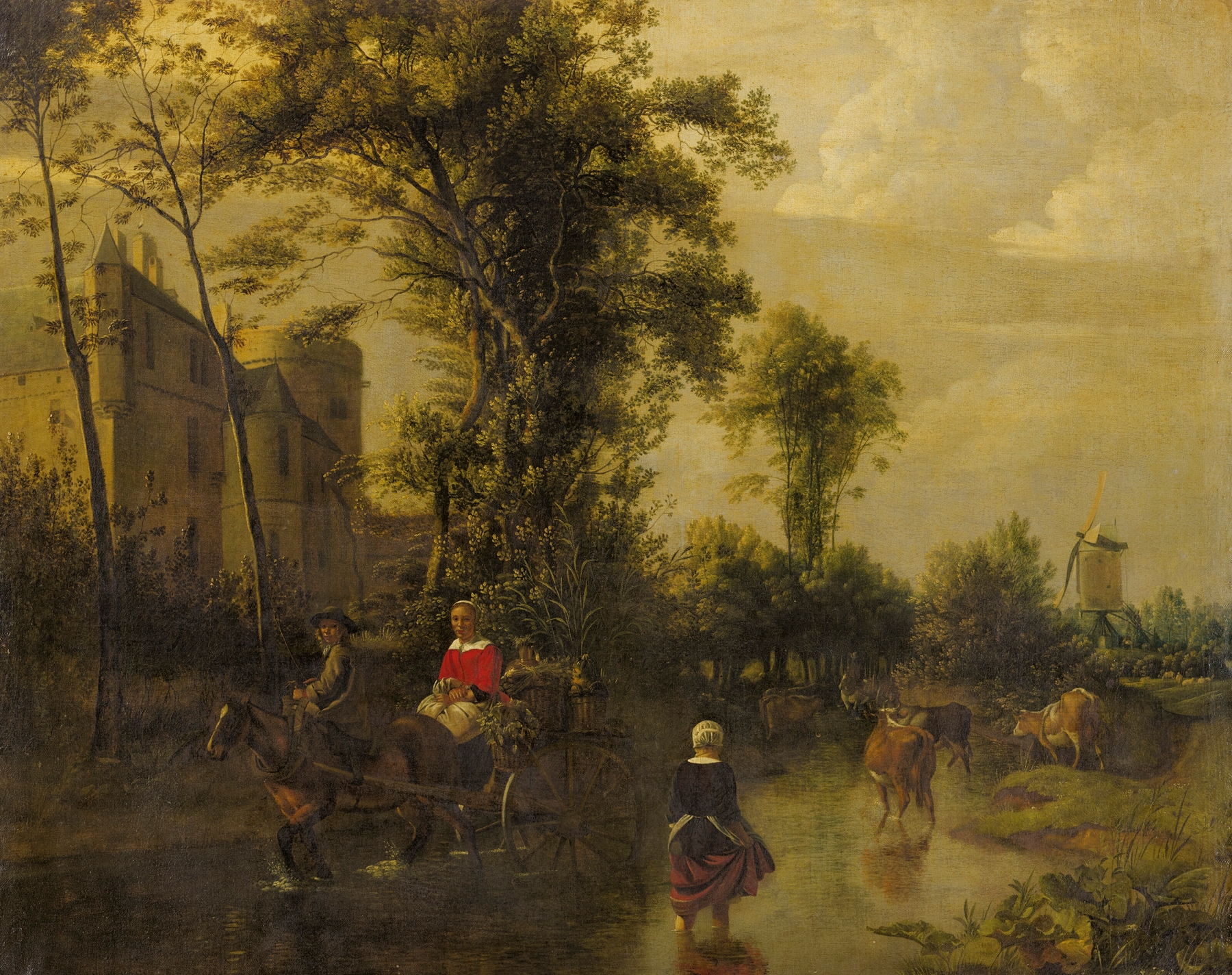
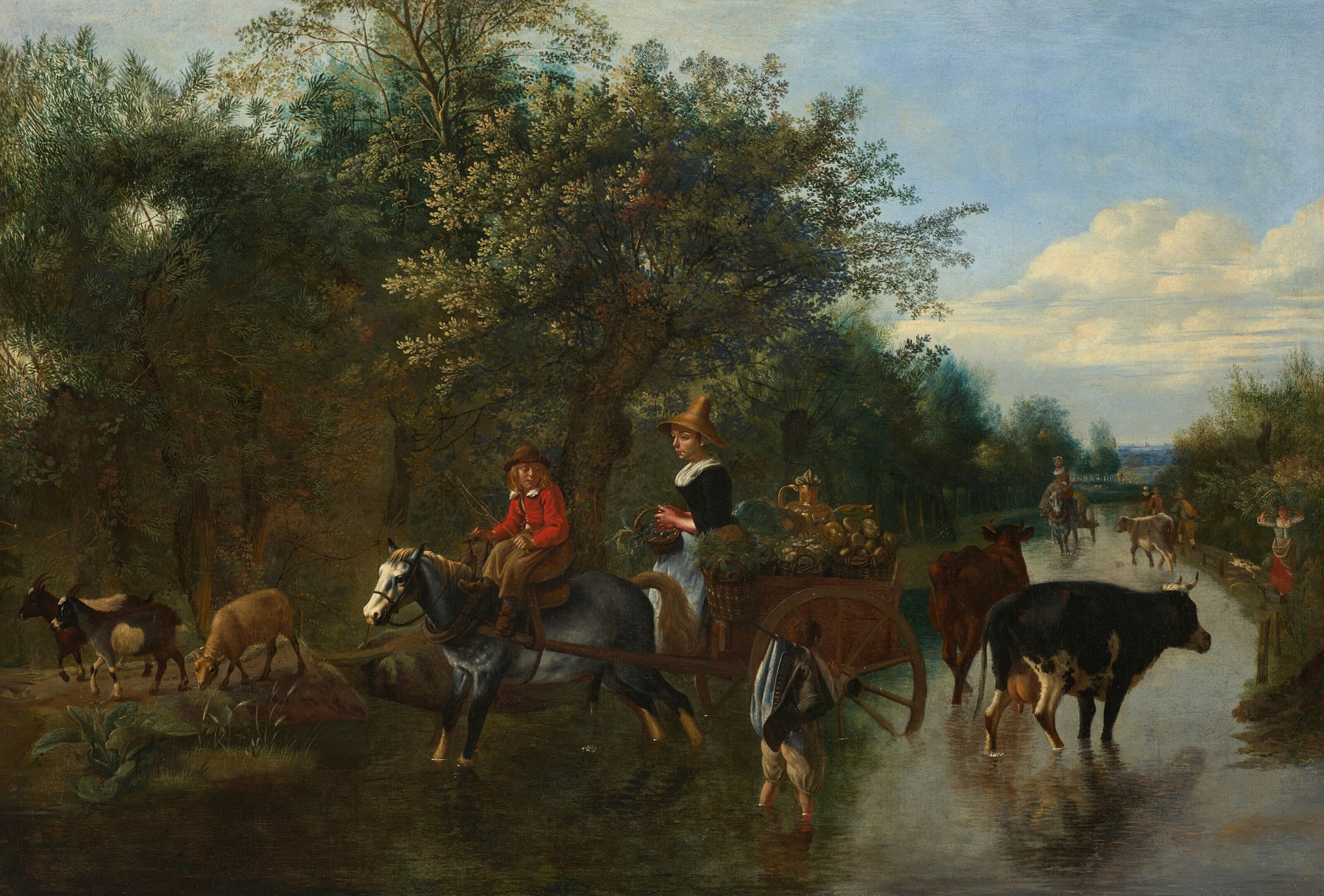
“Every brushstroke is a heartbeat remembered.” In the depths of a quiet landscape, shadows weave through the soft undulations of the earth, narrating stories of journeys once taken. Each element offers a whisper of nostalgia, inviting us to pause and reflect on the lives that have threaded through this serene vista. Look to the left, where the gentle curve of the riverbed frames a lone carriage, its presence both poignant and still. The palette of greens and browns evokes the tranquility of nature, while the silvery glint of water captures light, contrasting beautifully against the earthy tones. Notice how the shadows play across the canvas, creating depth and a sense of movement, as if the carriage might drift into life at any moment.
The meticulous brushwork and composition guide your eyes to the interplay between the carriage and the surrounding landscape, drawing you into a peaceful reverie. The emotional tension in this piece lies in the juxtaposition of the abandoned carriage against the vibrant, flourishing landscape. It hints at stories untold—perhaps of journeys interrupted or of solitude embraced. The shadows stretch and bend, suggesting the passage of time and the inevitable changes that come with it.
In this moment, the viewer is compelled to ponder what it means to be both part of nature and isolated from its flow. During the late 17th century, Jan Siberechts created this work—an era marked by a growing interest in landscape painting. Living in England at the time, Siberechts was influenced by both Dutch and English traditions. His focus on subtle atmospheric effects and natural beauty reflected the broader trends in art, as artists sought to capture the essence of their surroundings and the emotive quality of light and shadow.