A Riding School in the Open Air — History & Analysis
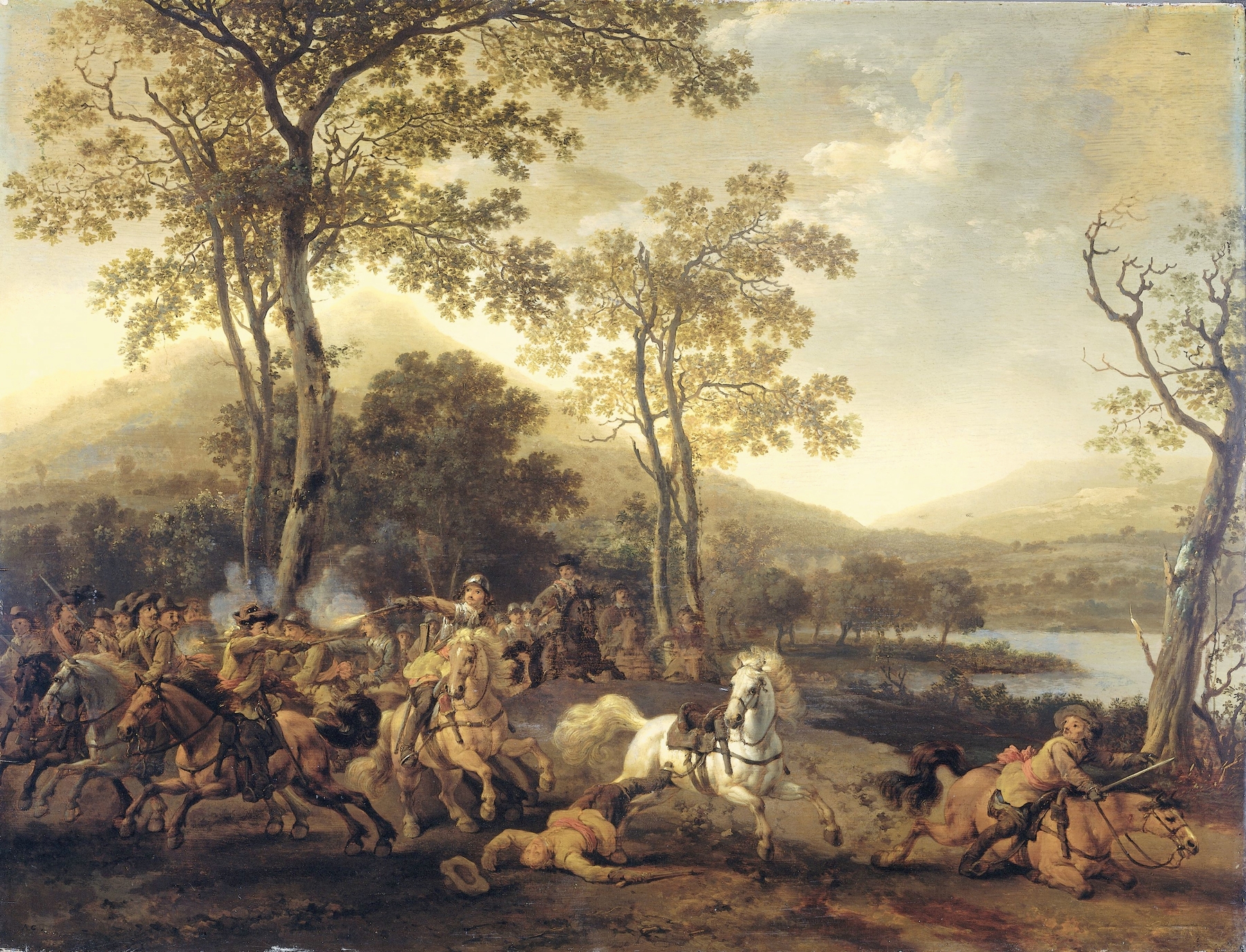
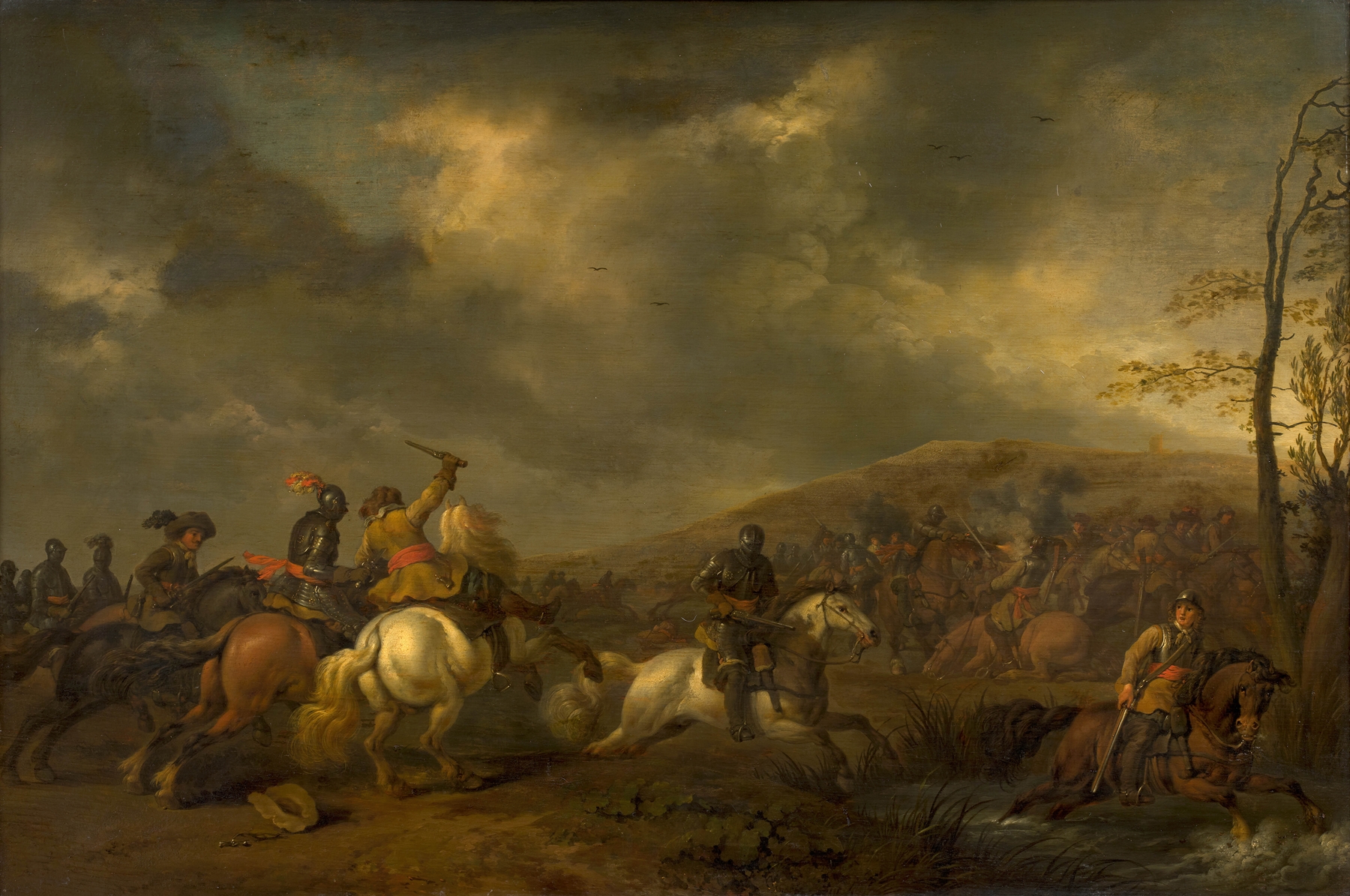
A gentle breeze whispers through the sun-drenched arena as a group of riders, clad in vibrant attire, gallop in perfect harmony. The horses, powerful and proud, stretch their legs, hooves striking the earth in a rhythmic dance. Bright laughter and chatter mingle with the soft thud of hooves, creating a symphony of joyful abandon beneath the expansive sky. Look to the left at the vibrant greens of the grass, punctuated by splashes of color from the riders’ outfits. The artist’s brushstrokes create a lively texture, inviting you to feel the warmth of the sun and the vitality of the moment.
Notice how the sunlight glimmers off the horses’ coats, illuminating their sinewy forms and casting long shadows that hint at the energy contained within each stride. The open composition draws your eye across the scene, leading you to the joyful expressions of both horse and rider alike. The painting encapsulates an exhilarating blend of freedom and camaraderie, evoking the pure ecstasy of both man and beast in motion. The contrasting stillness of the spectators at the edge, watching intently, heightens the dynamic action in the center, suggesting a celebration of life and skill.
Each figure embodies a moment of triumph, hinting at the shared passion for equestrian arts that transcends mere sport. During the late 17th century in the Netherlands, when this work was likely created, artists explored themes of leisure and nature amidst a changing social landscape. Abraham Van Calraet, influenced by the burgeoning interest in outdoor sporting activities, captured this lively scene perhaps while residing in Haarlem, where stable artistry flourished. This vibrant depiction reflects both the joy of communal experiences and the burgeoning attention to the natural world surrounding the riders.