Choc de cavalerie — History & Analysis
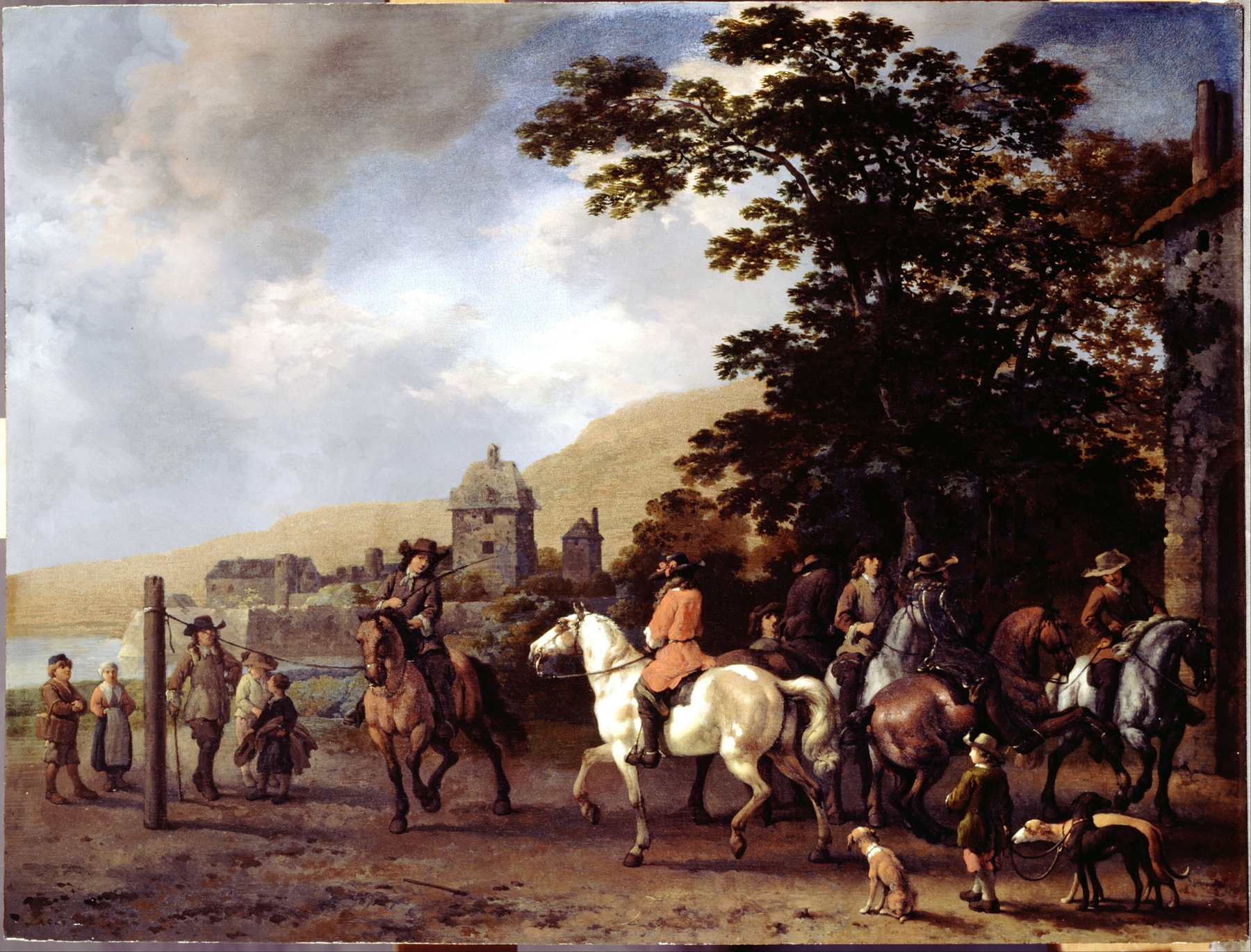
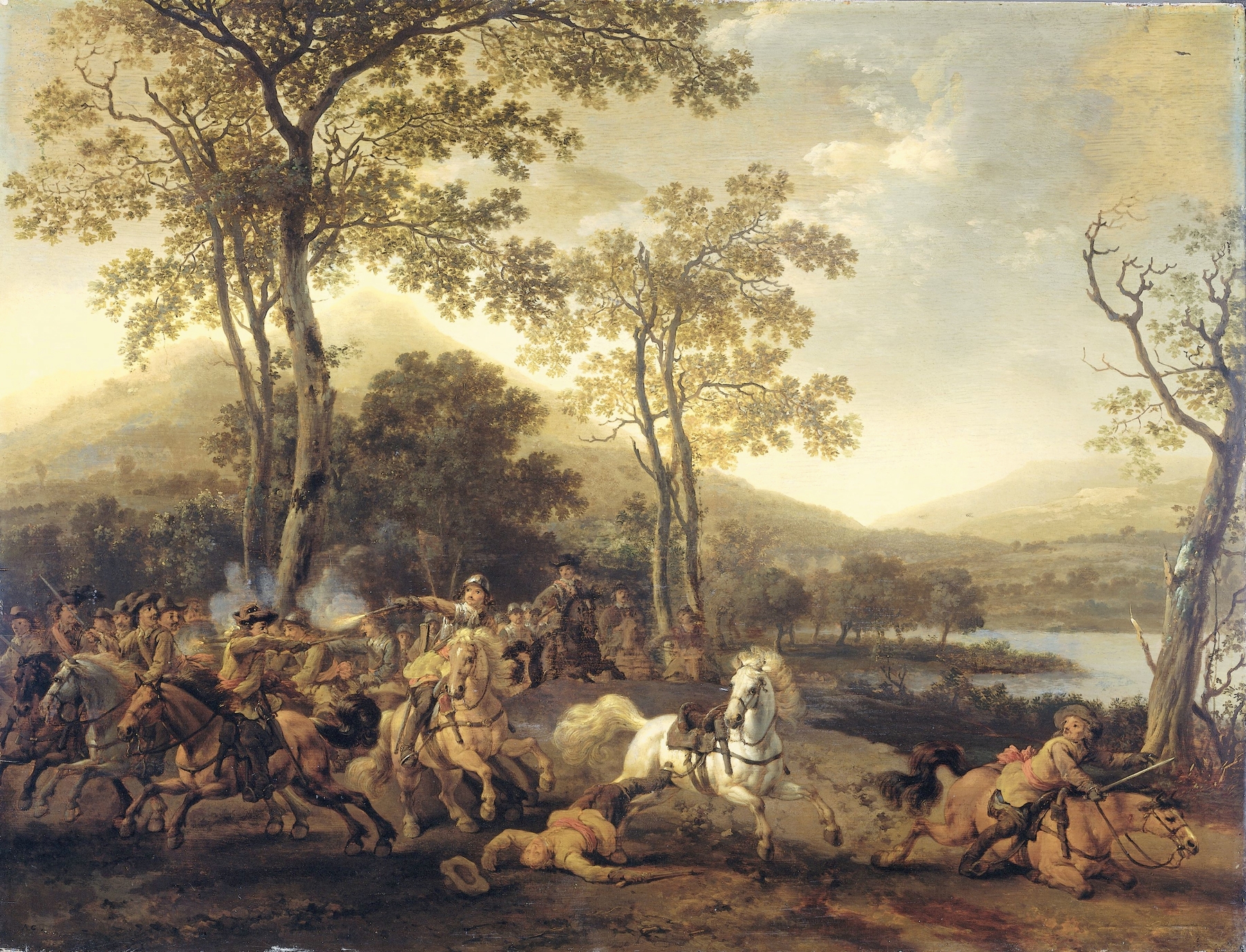
“Under the brush, chaos becomes grace.” In the midst of vibrant strokes, the pulse of ecstasy emerges, encapsulating the fervor of life in a boundless dance of colors. Focus on the swirling forms that leap across the canvas, each character interwoven in a chaotic embrace. The dynamic composition draws the eye around, revealing the interplay of light and shadow; notice how the golden hues of the sunlight bathe the figures in a warm glow, contrasting with the deep greens and blues that anchor them. The careful layering of pigments creates a palpable energy, inviting viewers to lose themselves within the wild movement.
Amidst the frenetic action, hidden meanings pulse beneath the surface. The convergence of jubilant figures suggests a celebration of camaraderie, yet the undercurrent of tension reflects the delicate balance between joy and conflict. Small details—a raised hand, the tilt of a head—speak volumes about individual stories within the collective frenzy, hinting at personal victories and losses intertwined with shared passion.
Abraham Van Calraet painted this work during a period marked by artistic exploration and revival in the Netherlands, although the exact date remains elusive. His oeuvre reflects a fascination with movement and the human form, showcasing the vibrancy of life during a time when Dutch art was experiencing a significant evolution. In his world, each brushstroke was a rhythm, a heartbeat, contributing to a collective experience that transcended mere representation.