Abstract design based on butterflies and leaves — History & Analysis
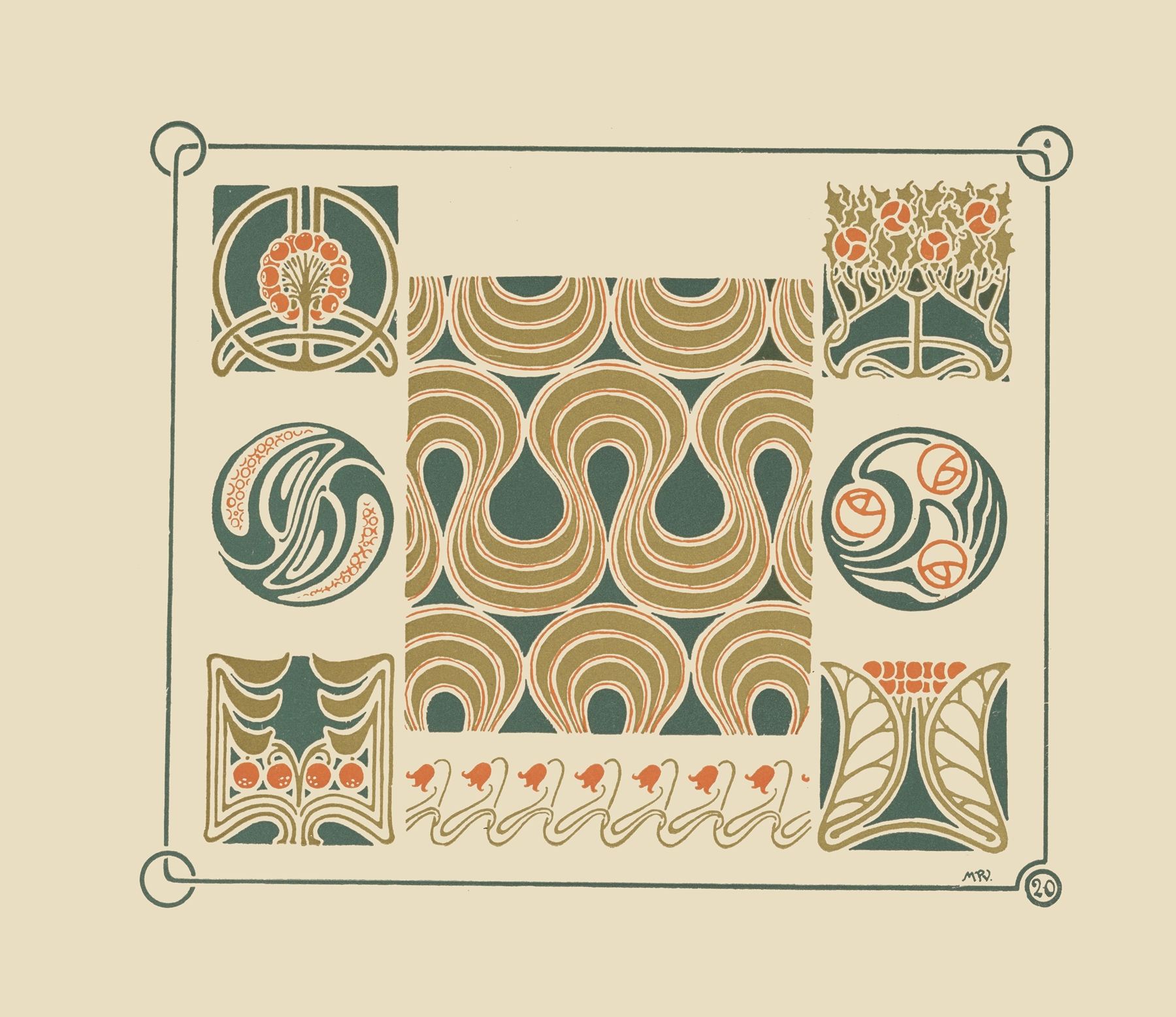
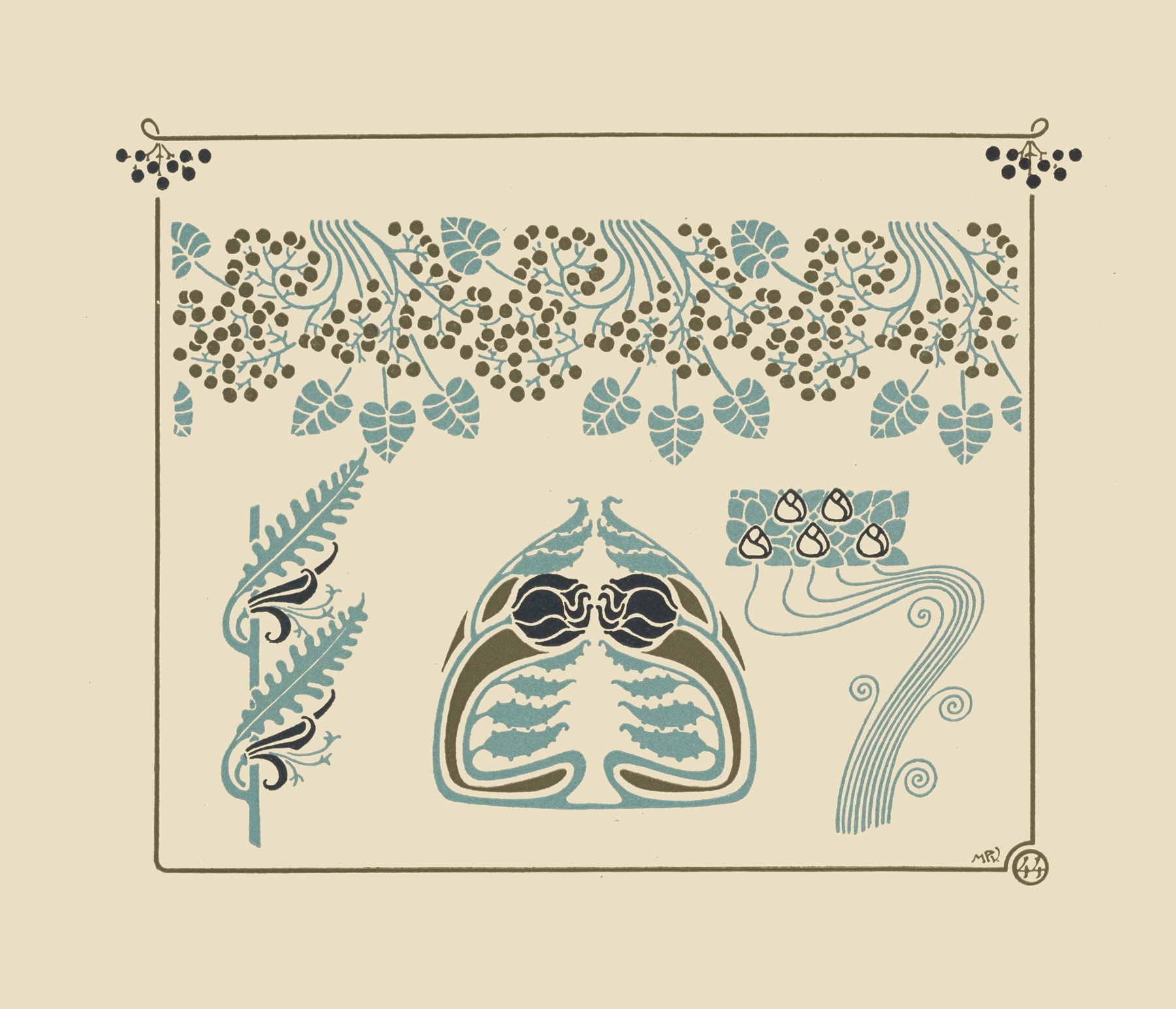
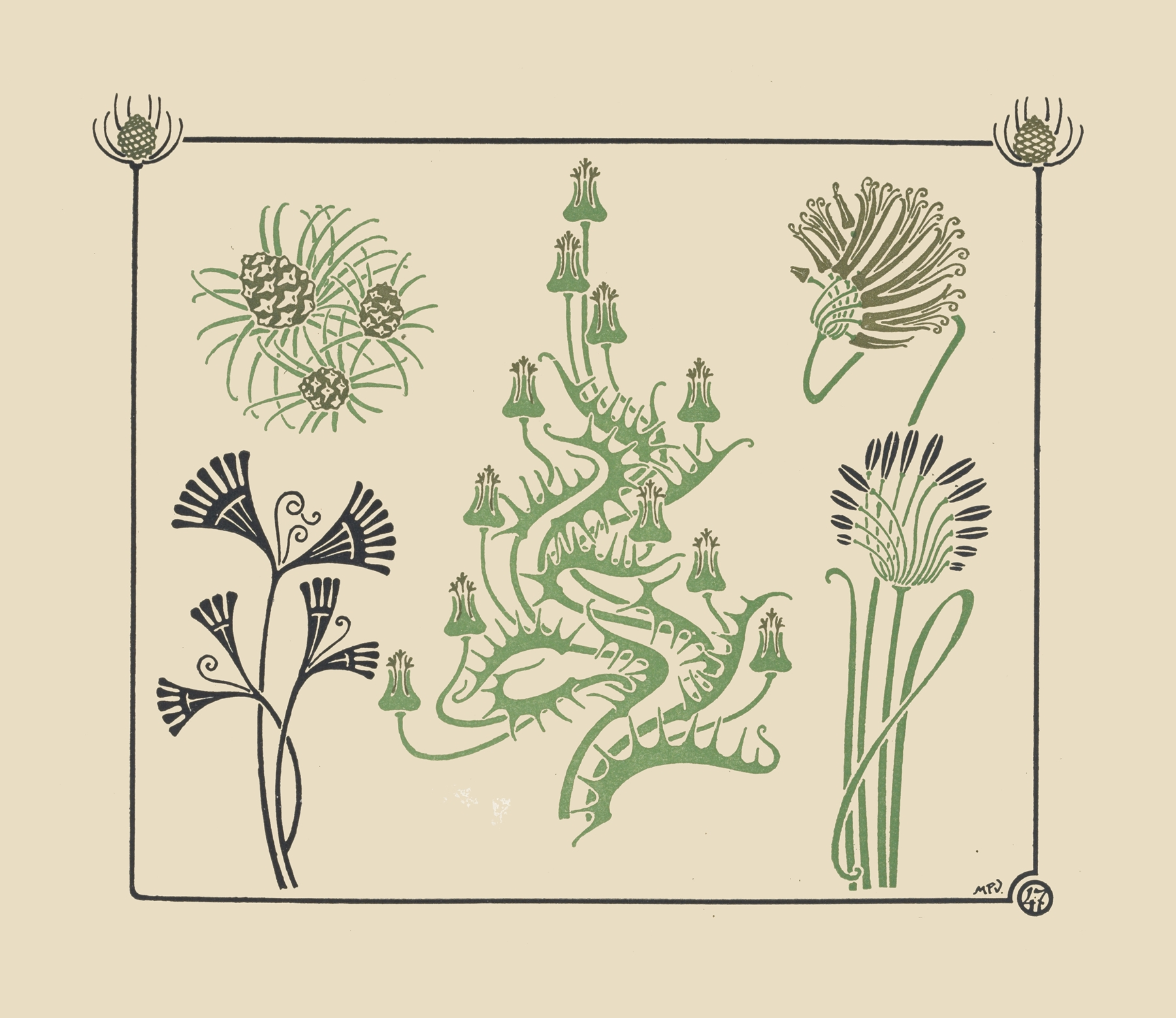
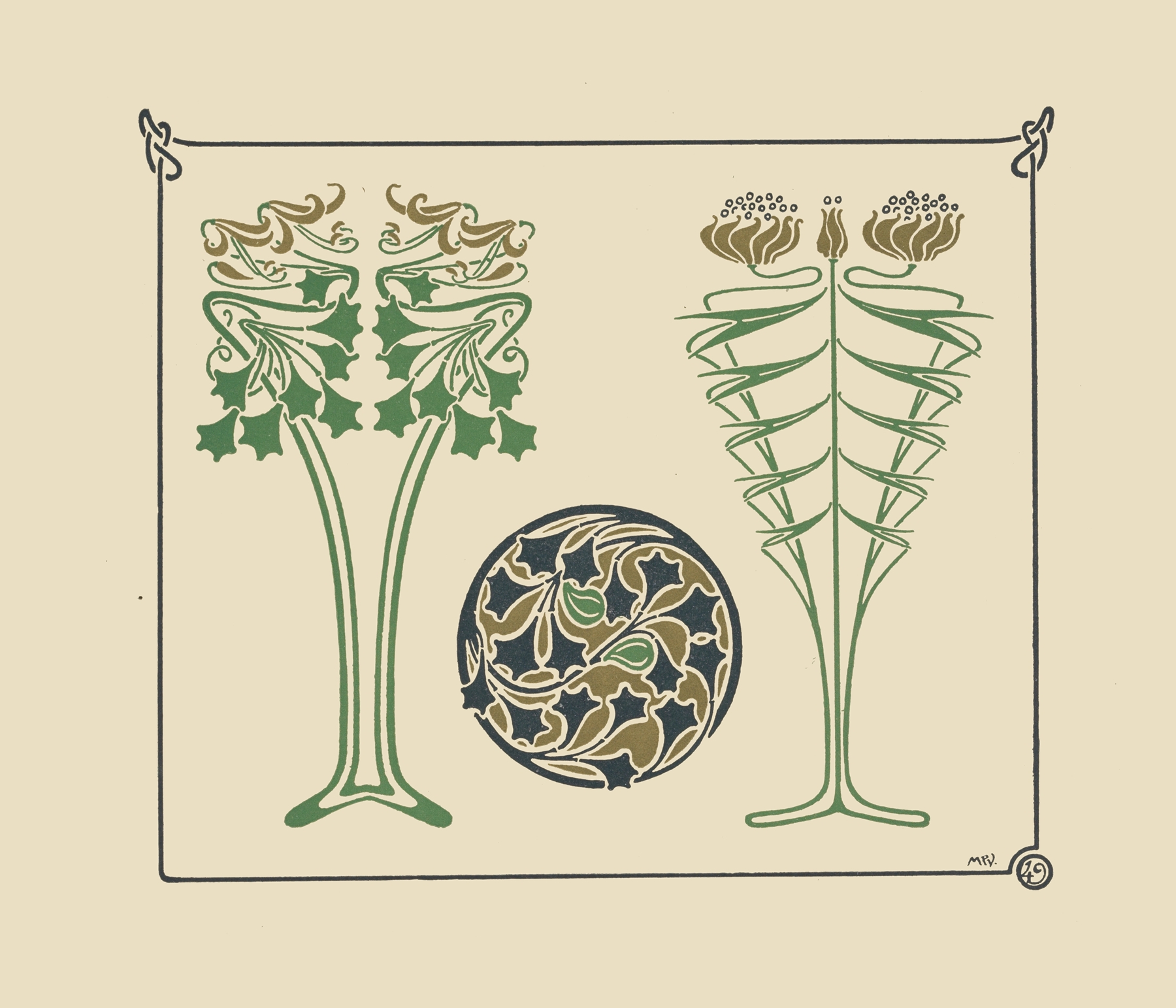
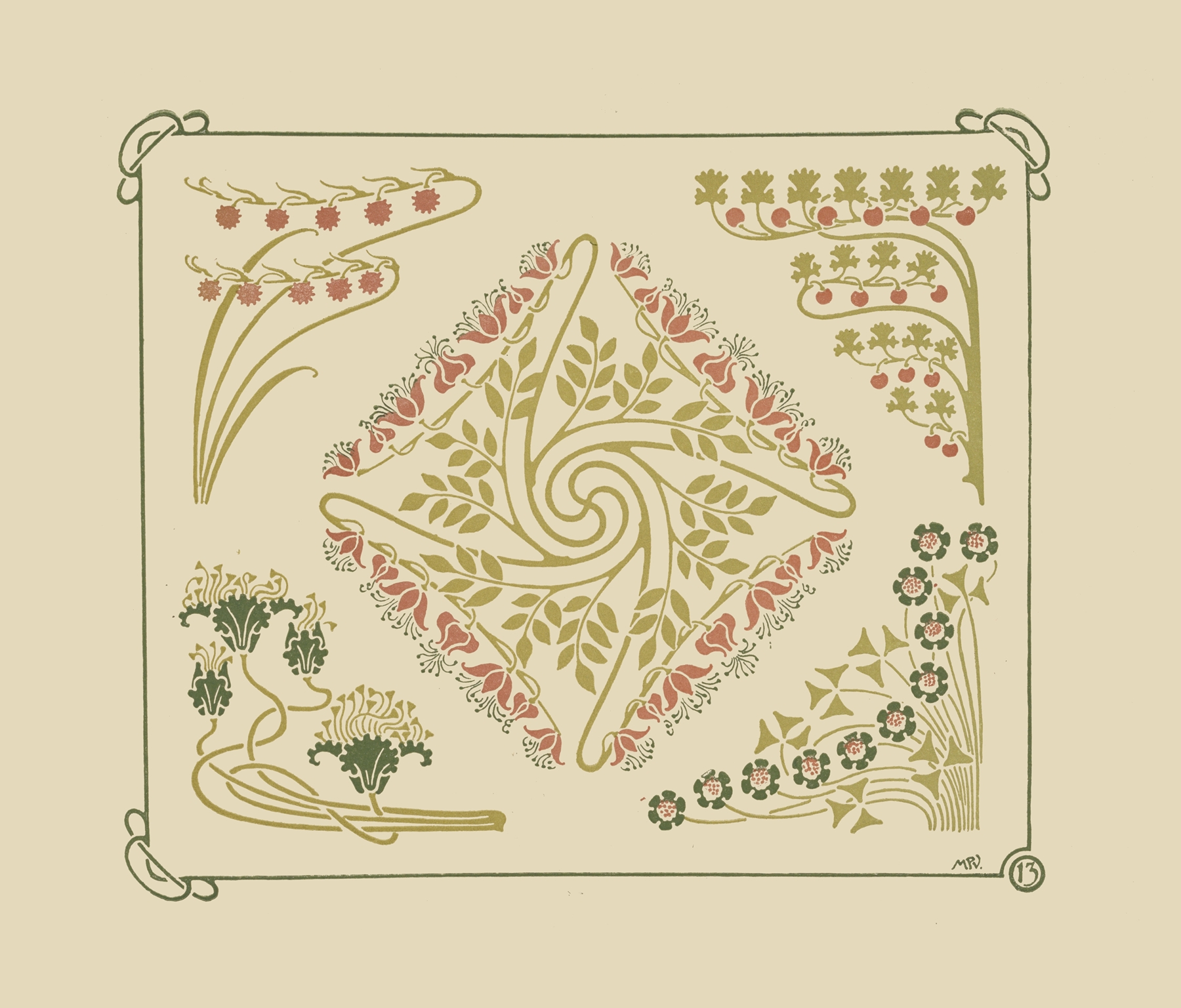
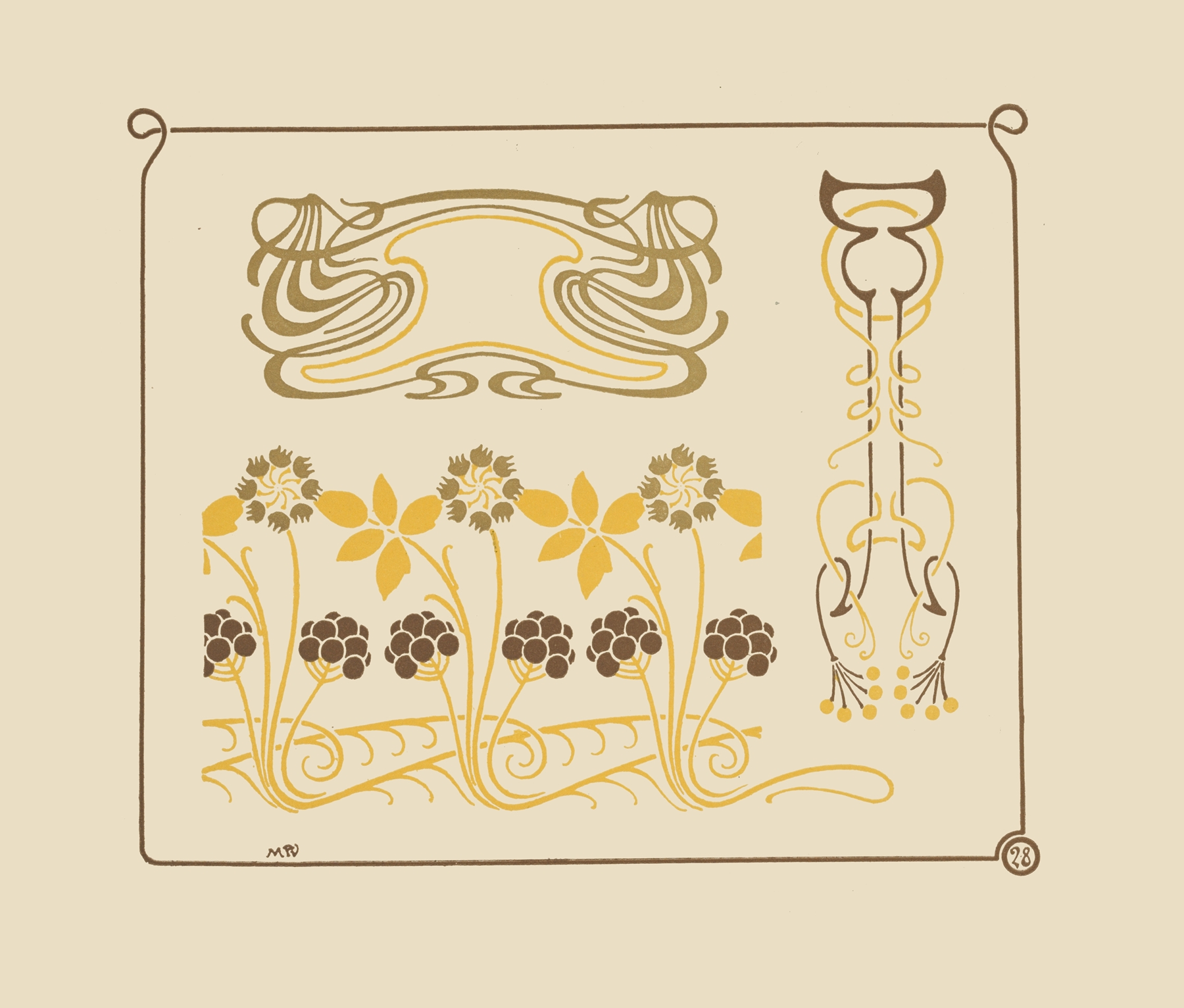
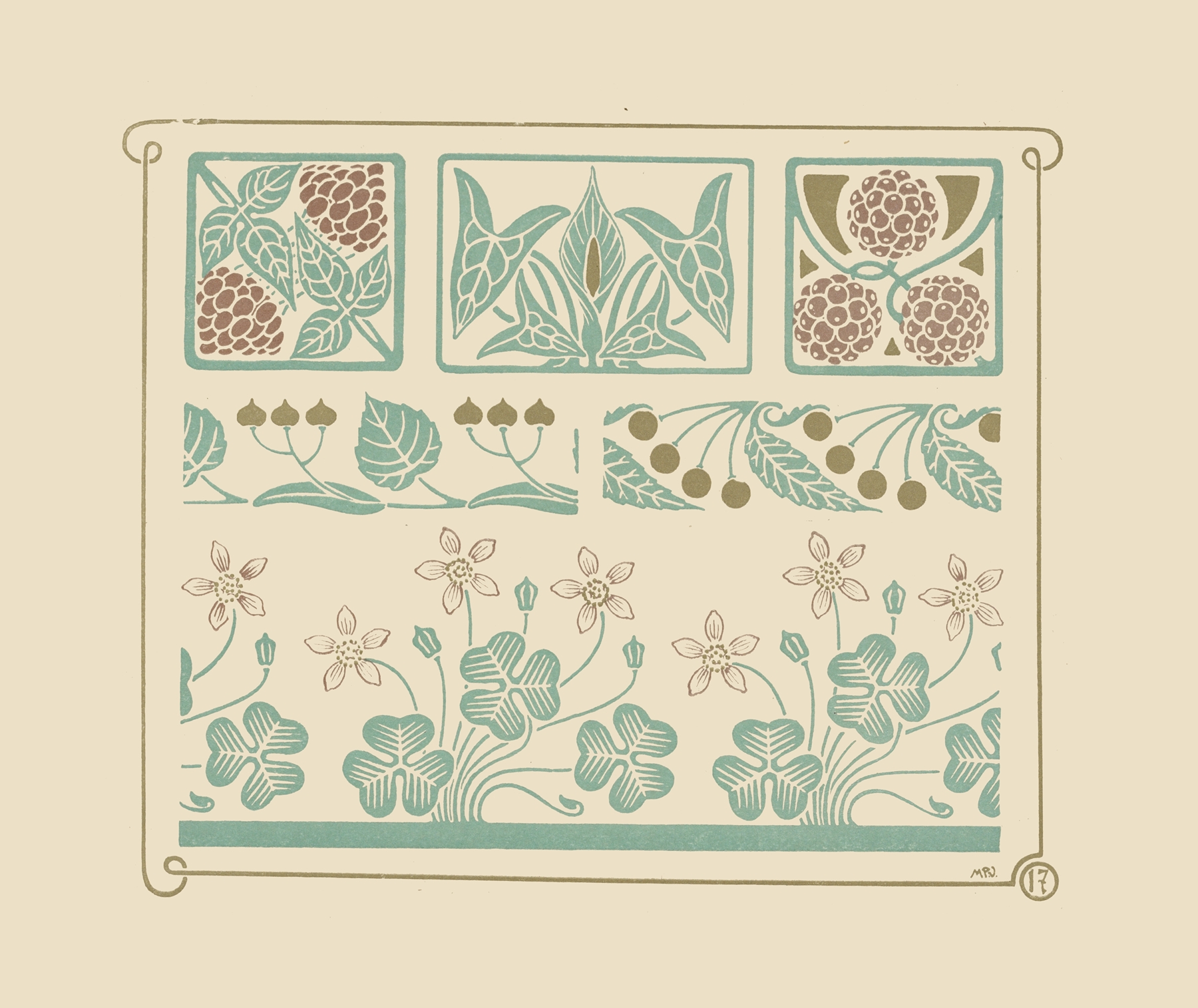
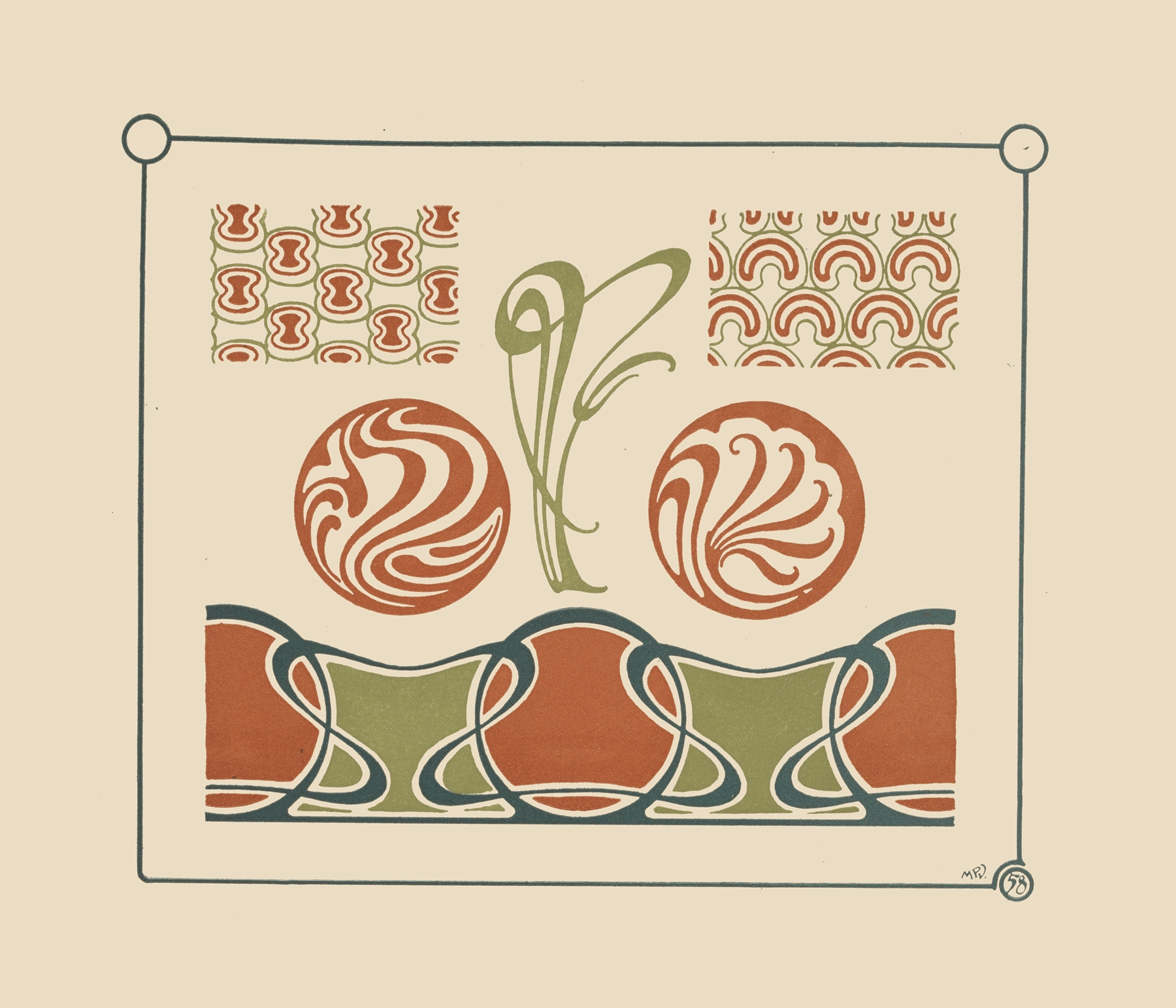
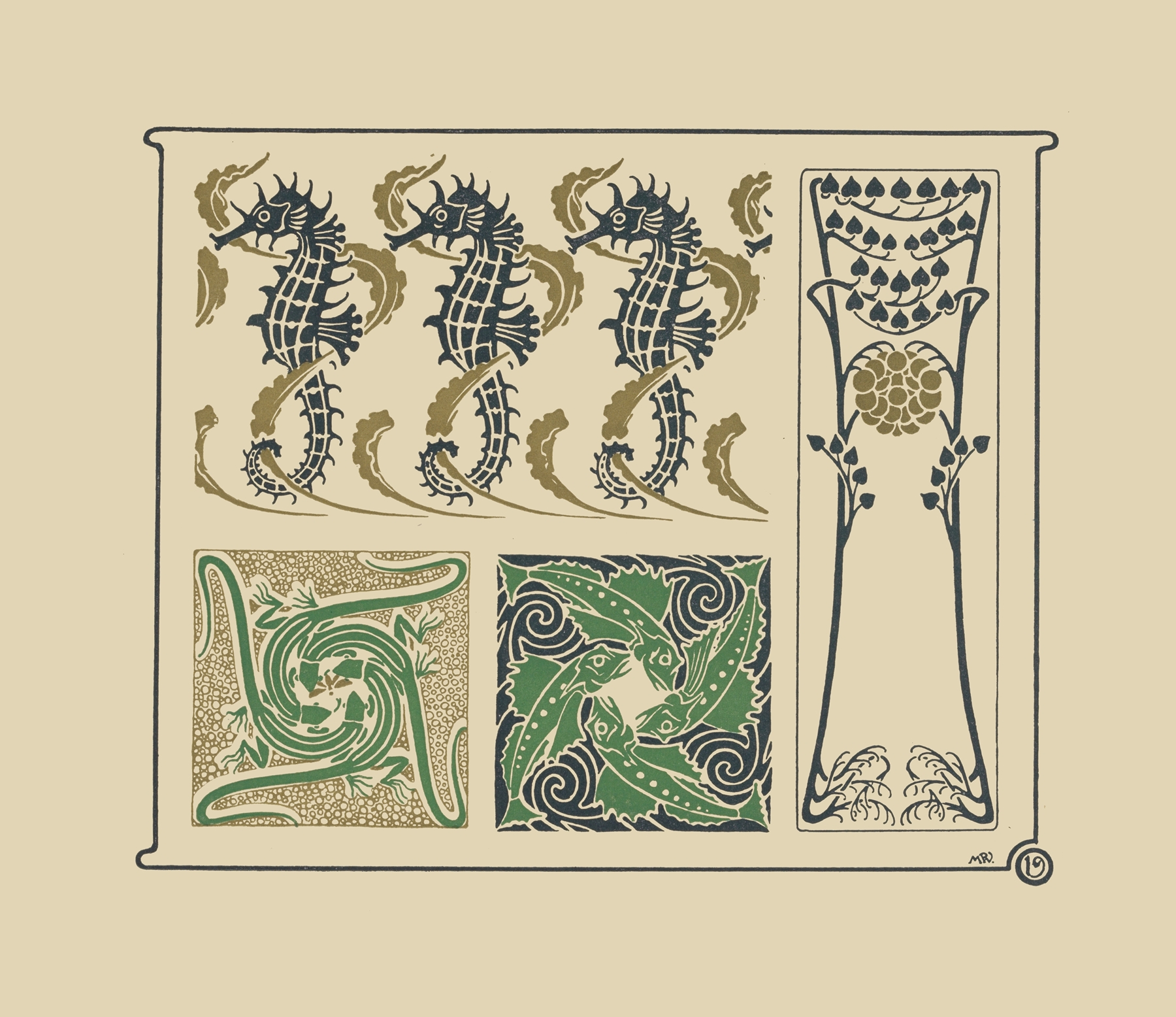
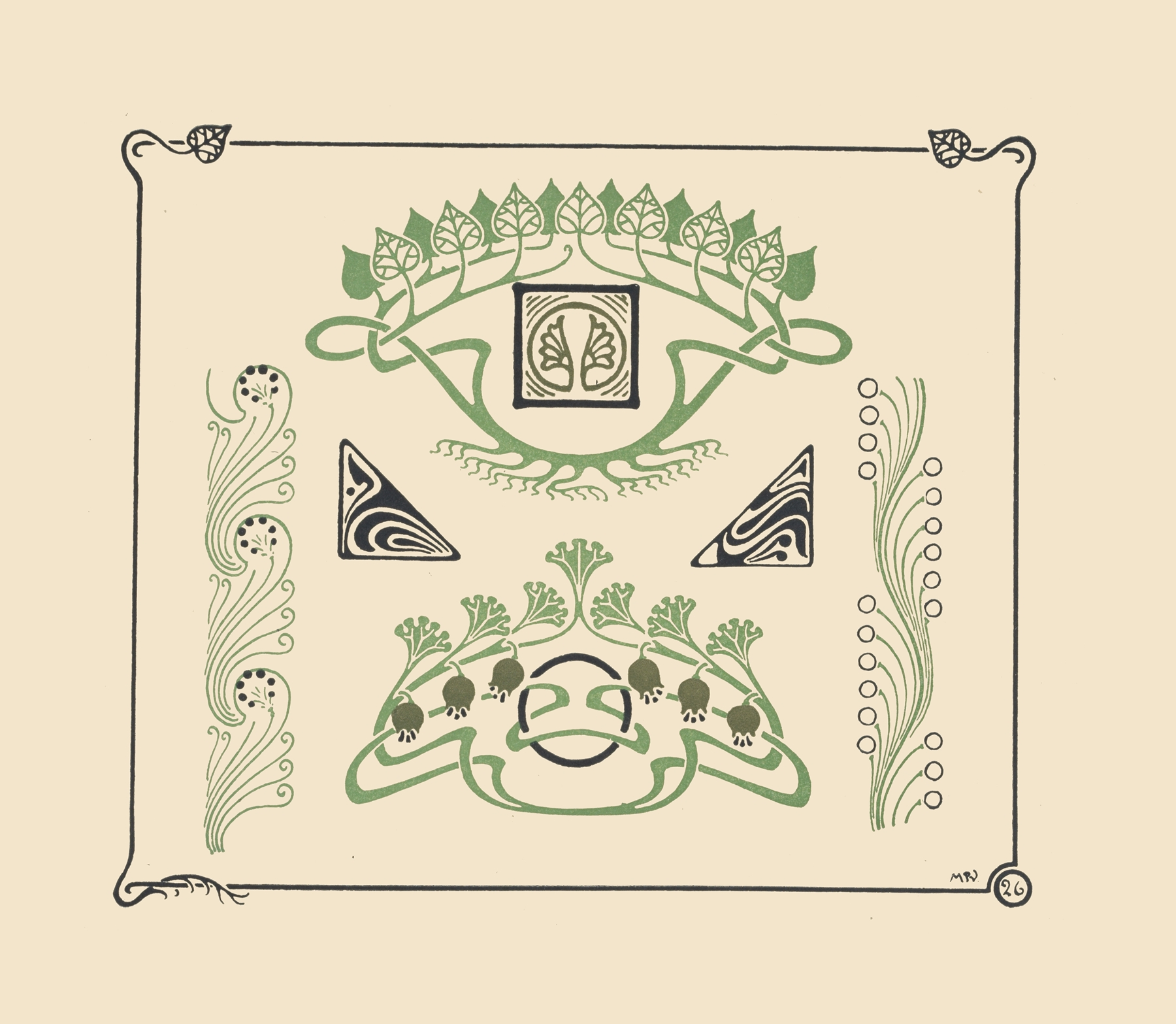
“Under the brush, chaos becomes grace.” This sentiment resonates deeply within the intricate dance of form and color, an invitation to explore the melancholy that lingers beneath beauty. Focus first on the swirling shapes that echo the delicate outlines of butterflies and leaves. The composition is a study in harmony, where vibrant hues of green and yellow blend seamlessly with soft blues and muted grays. Notice how the artist employs bold brushstrokes to create a sense of movement; each stroke seems to flutter, to pulse with life while simultaneously suggesting an undercurrent of longing and transience.
Delve deeper into the subtle contrasts woven within the piece. The juxtaposition of lively colors against more subdued tones evokes a bittersweet nostalgia, as if the butterflies, symbols of fleeting moments, capture the essence of both freedom and loss. The interplay of light and shadow adds depth, inviting contemplation on the ephemeral nature of beauty and existence. This tension invites viewers to reflect on the life that exists outside the canvas and within their own experiences.
Maurice Pillard Verneuil created this work in 1900, during a period of artistic experimentation and emerging modernity in France. At this time, the artist was exploring the intersection of decorative arts and fine art, influenced by the Art Nouveau movement. His work reflects not only personal introspection but also the collective yearning for beauty amid a rapidly changing world, capturing a moment where the past and future intertwine in a delicate embrace.