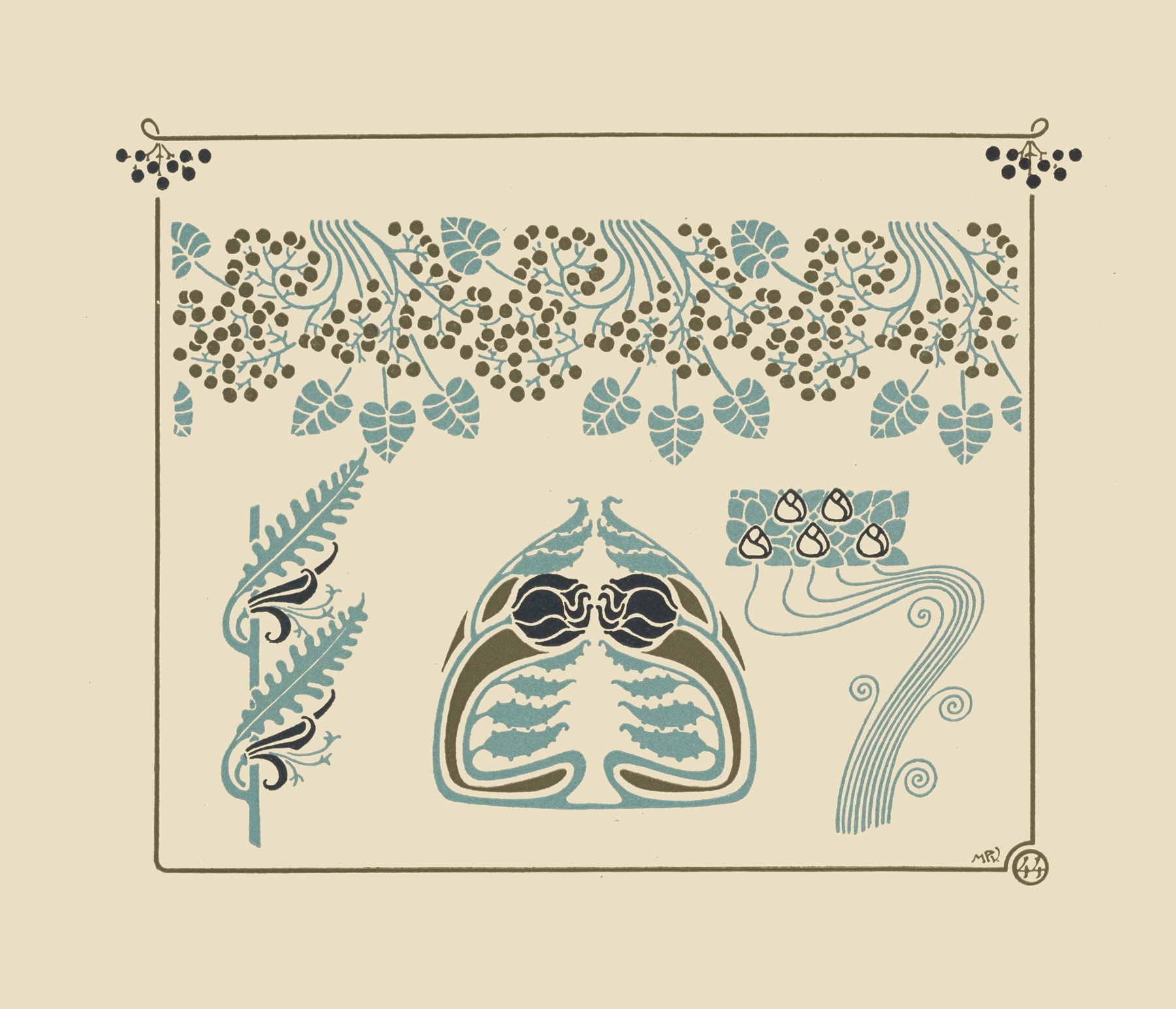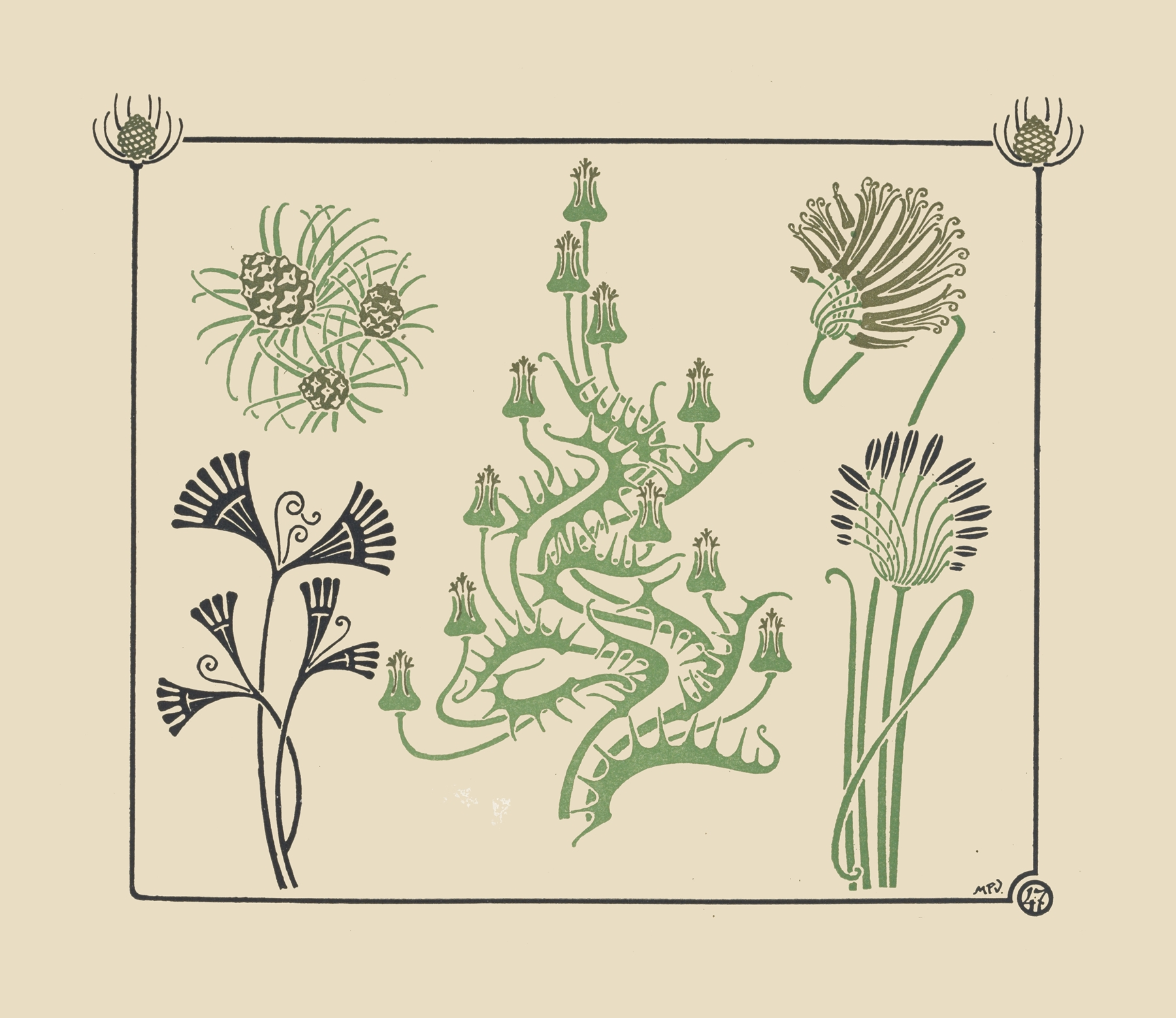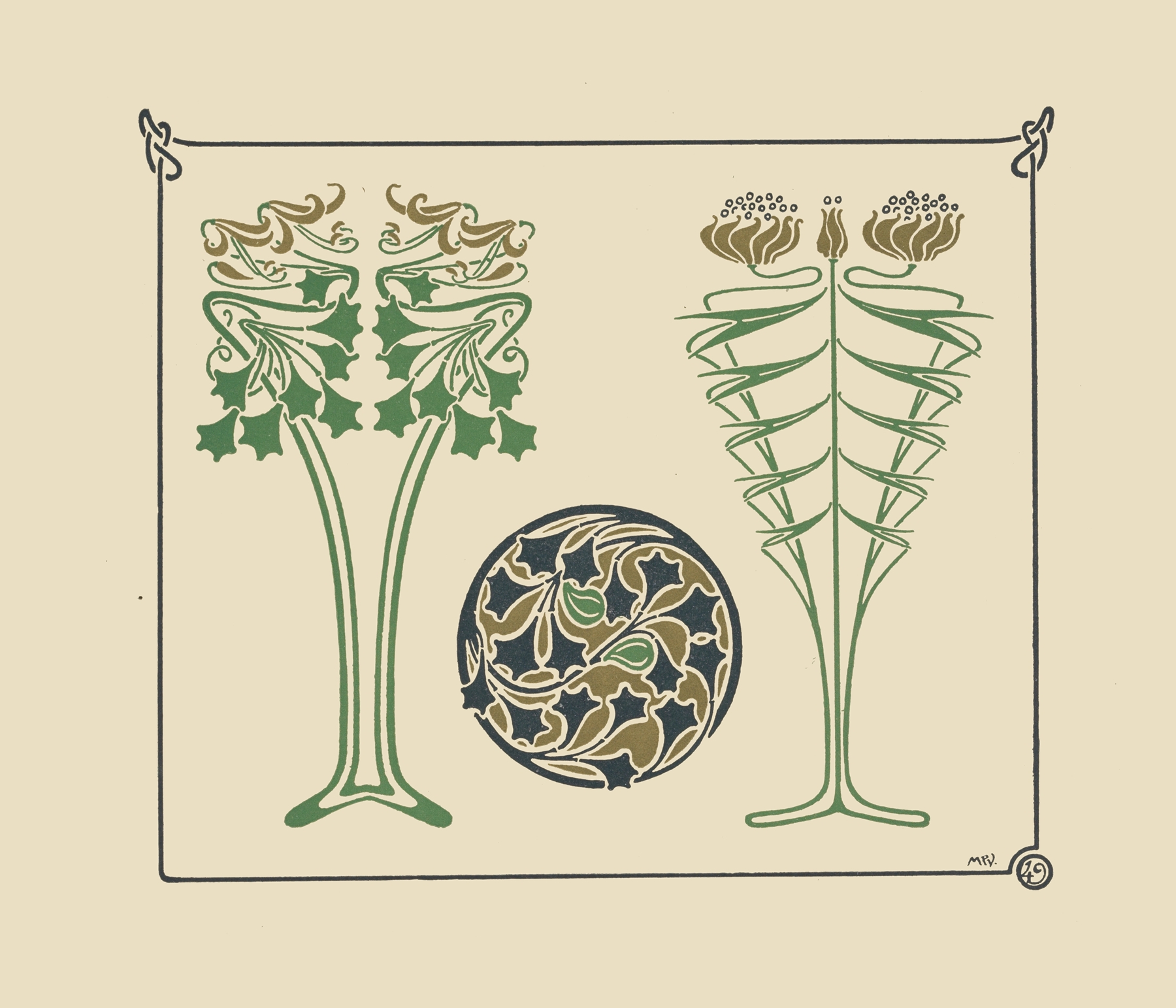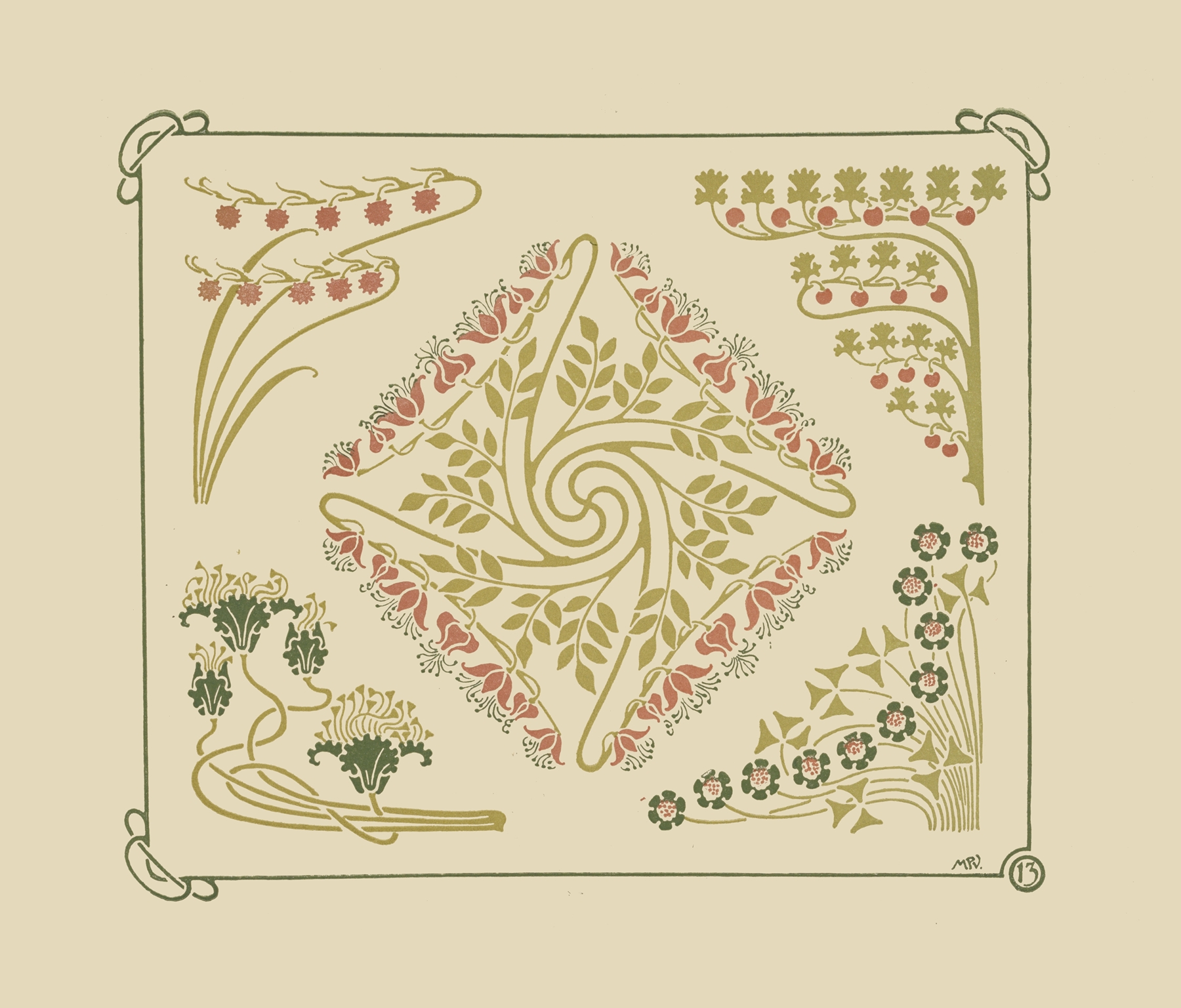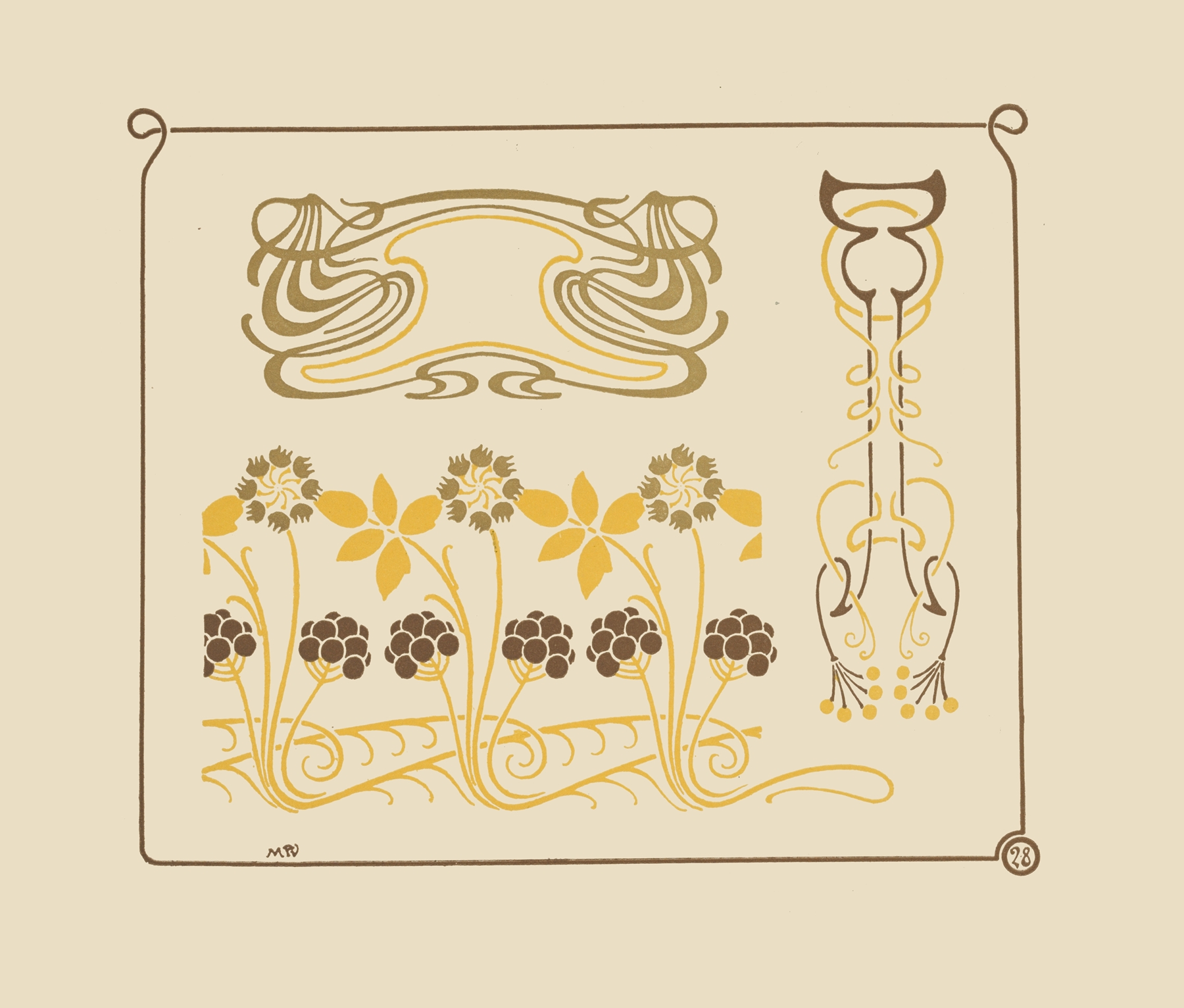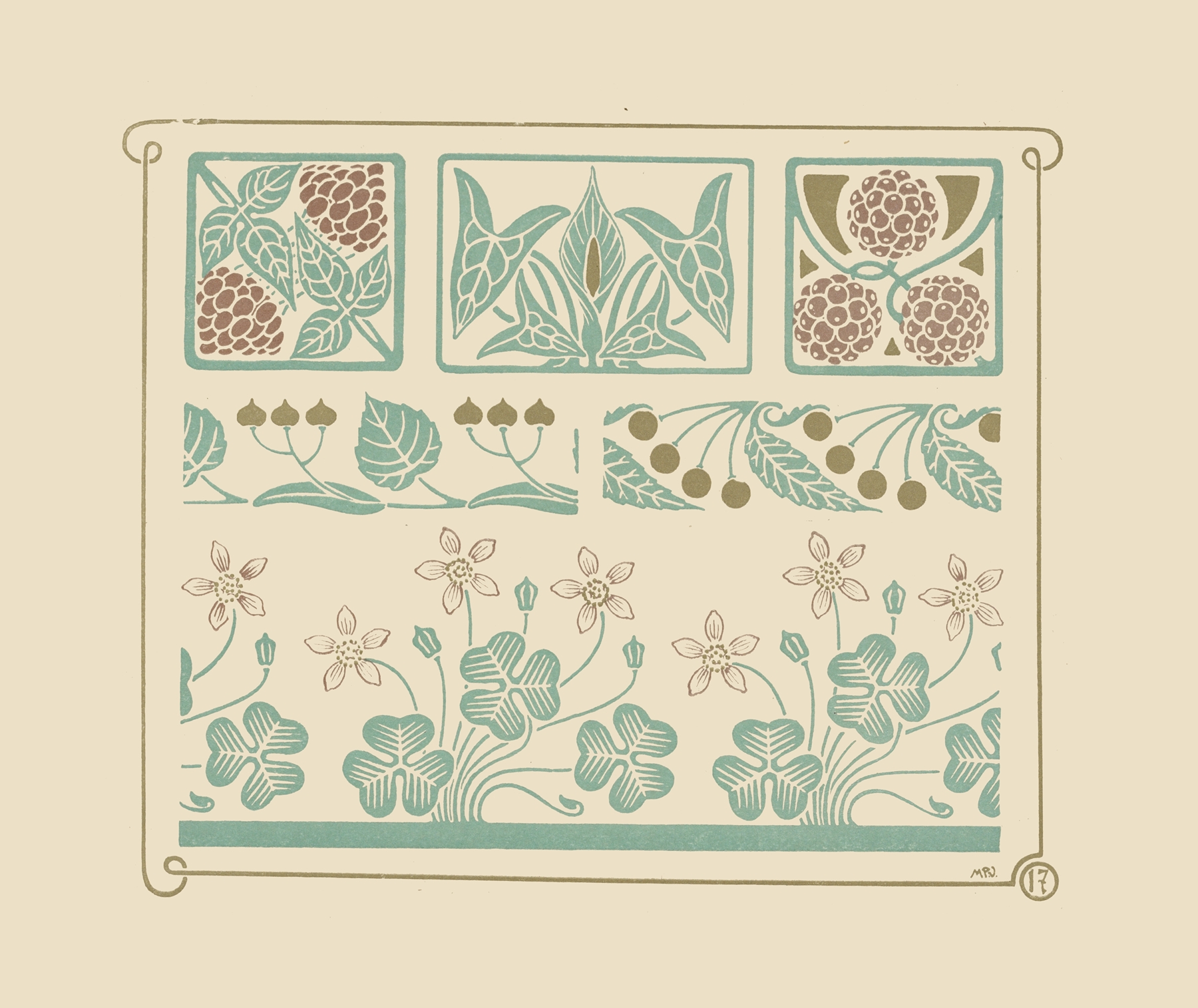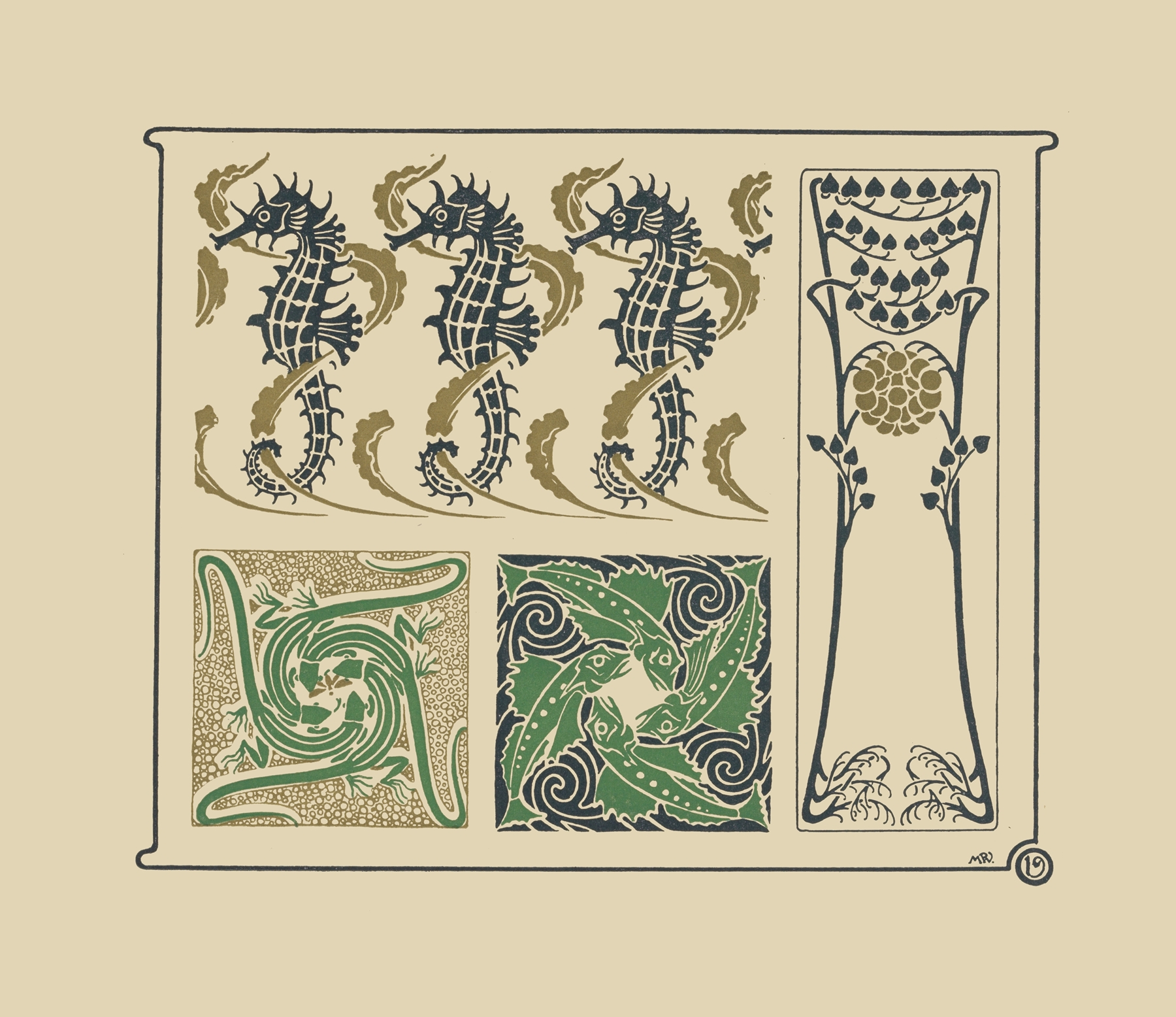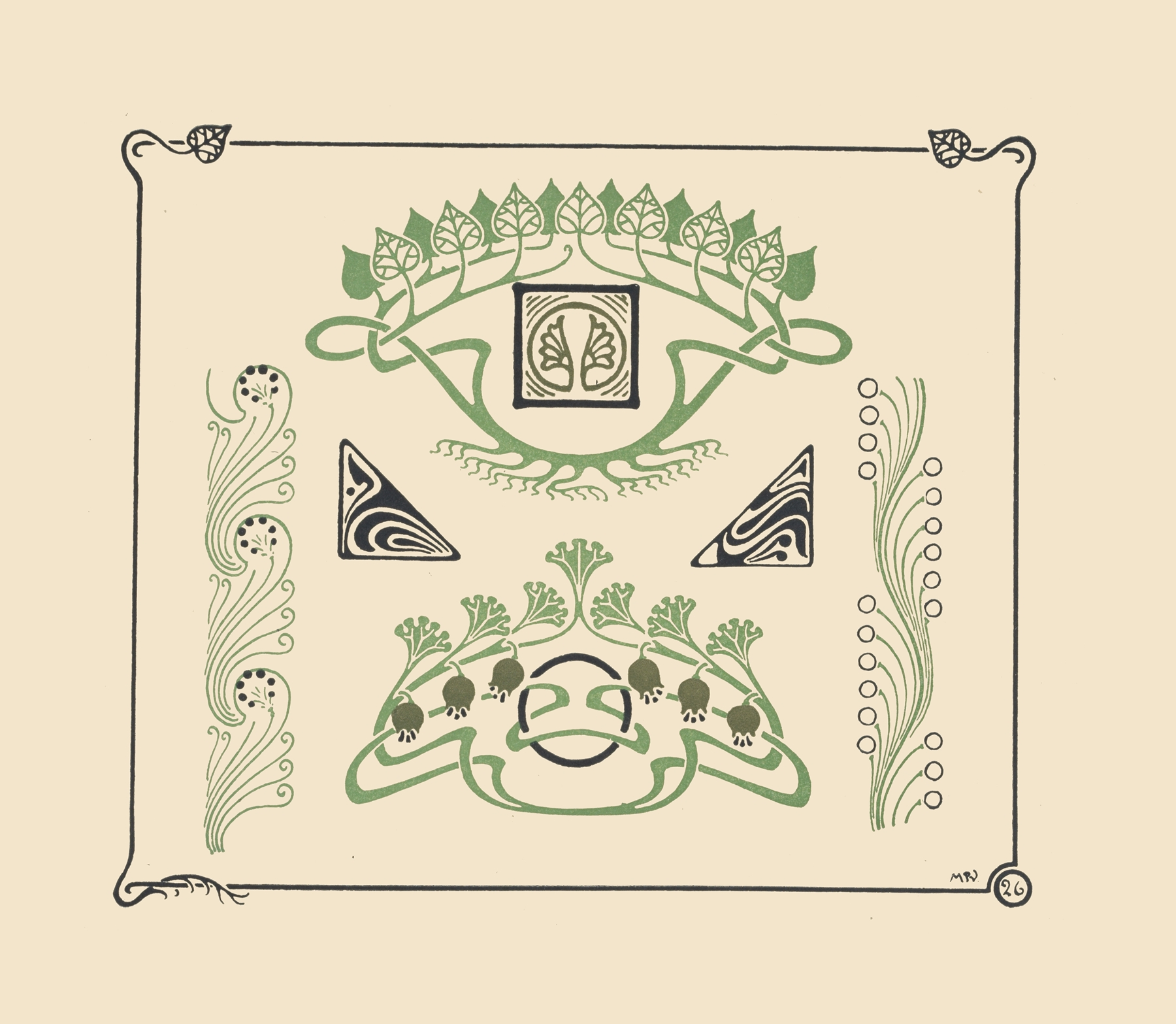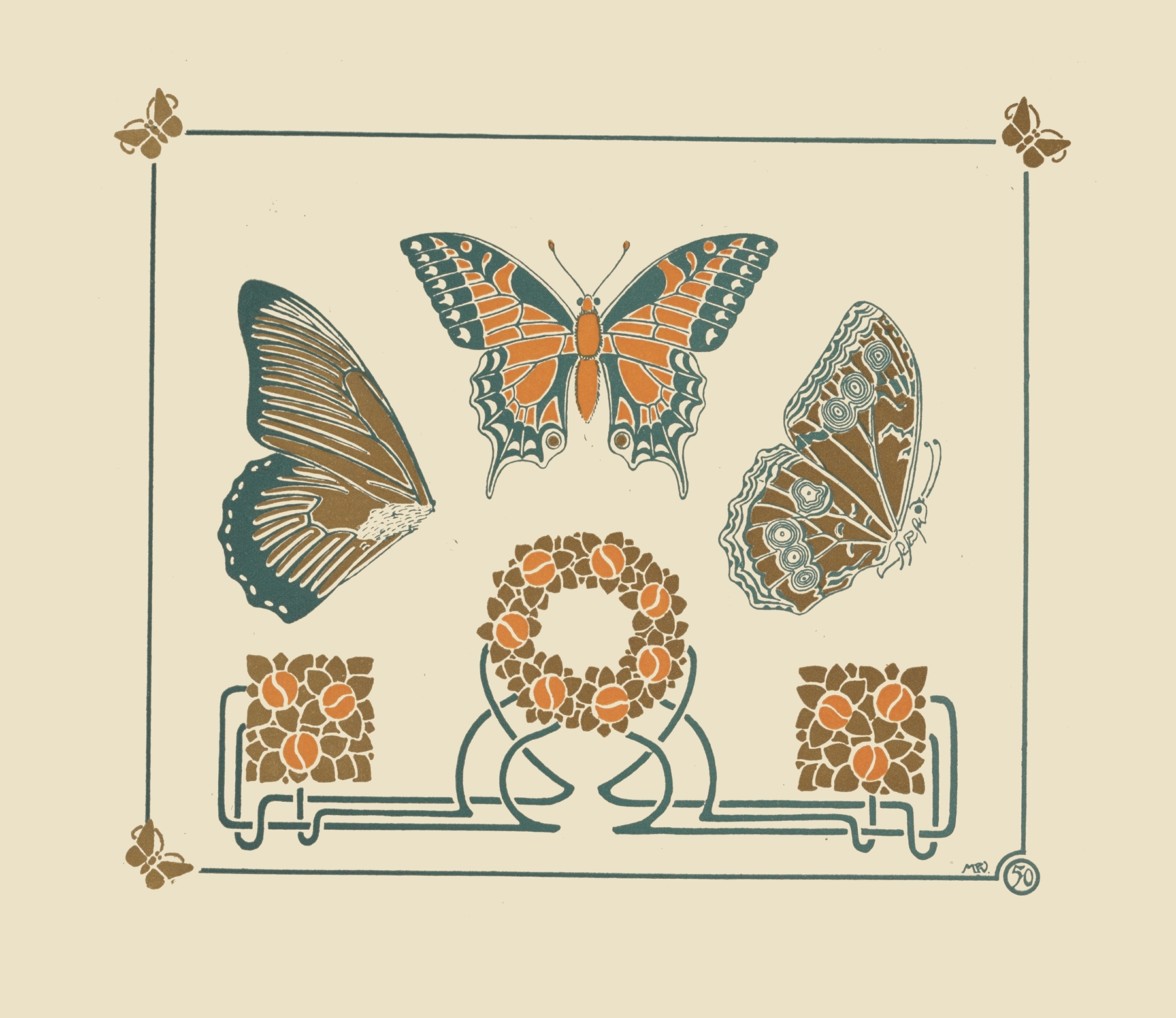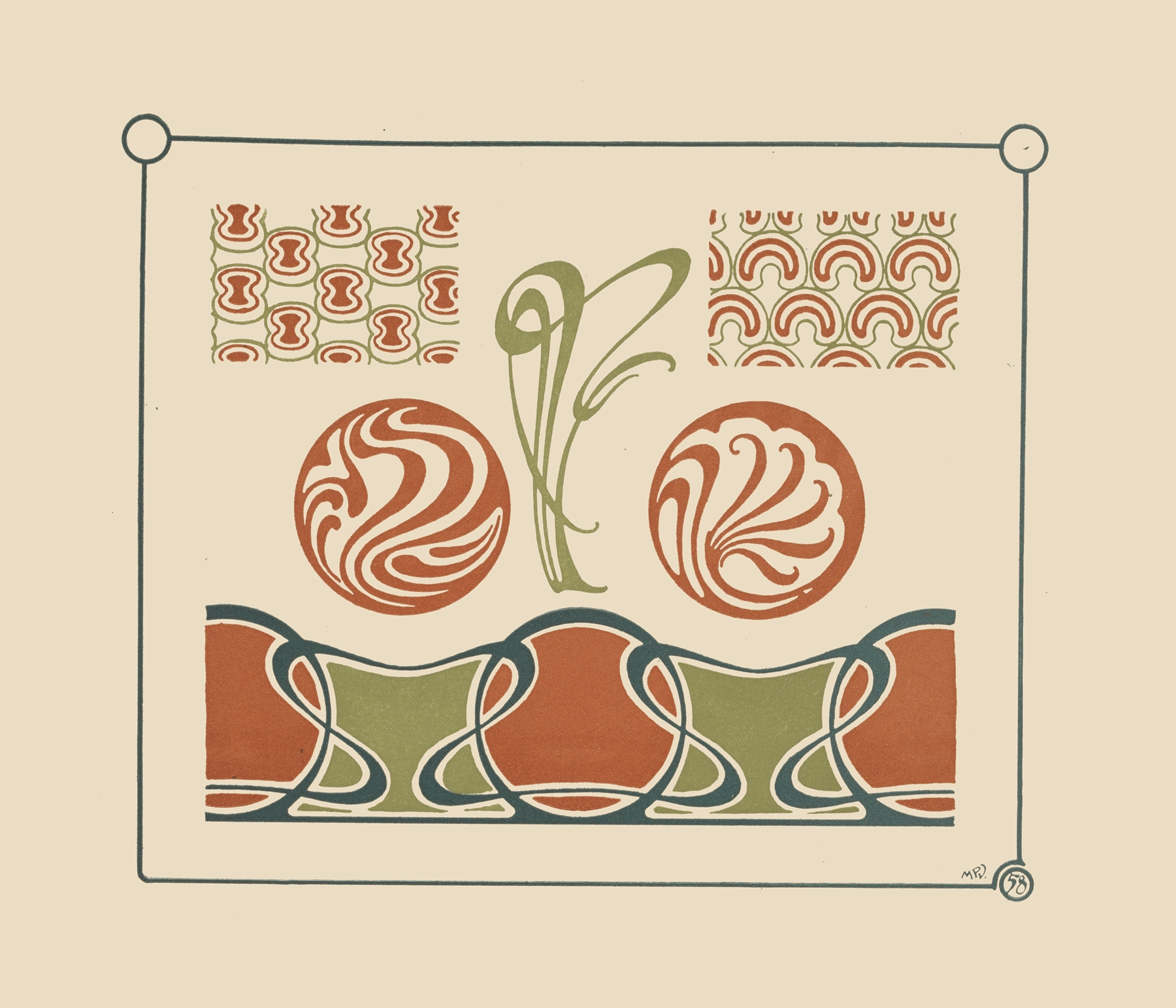
Abstract design based on organic shapes and arabesques. — History & Analysis
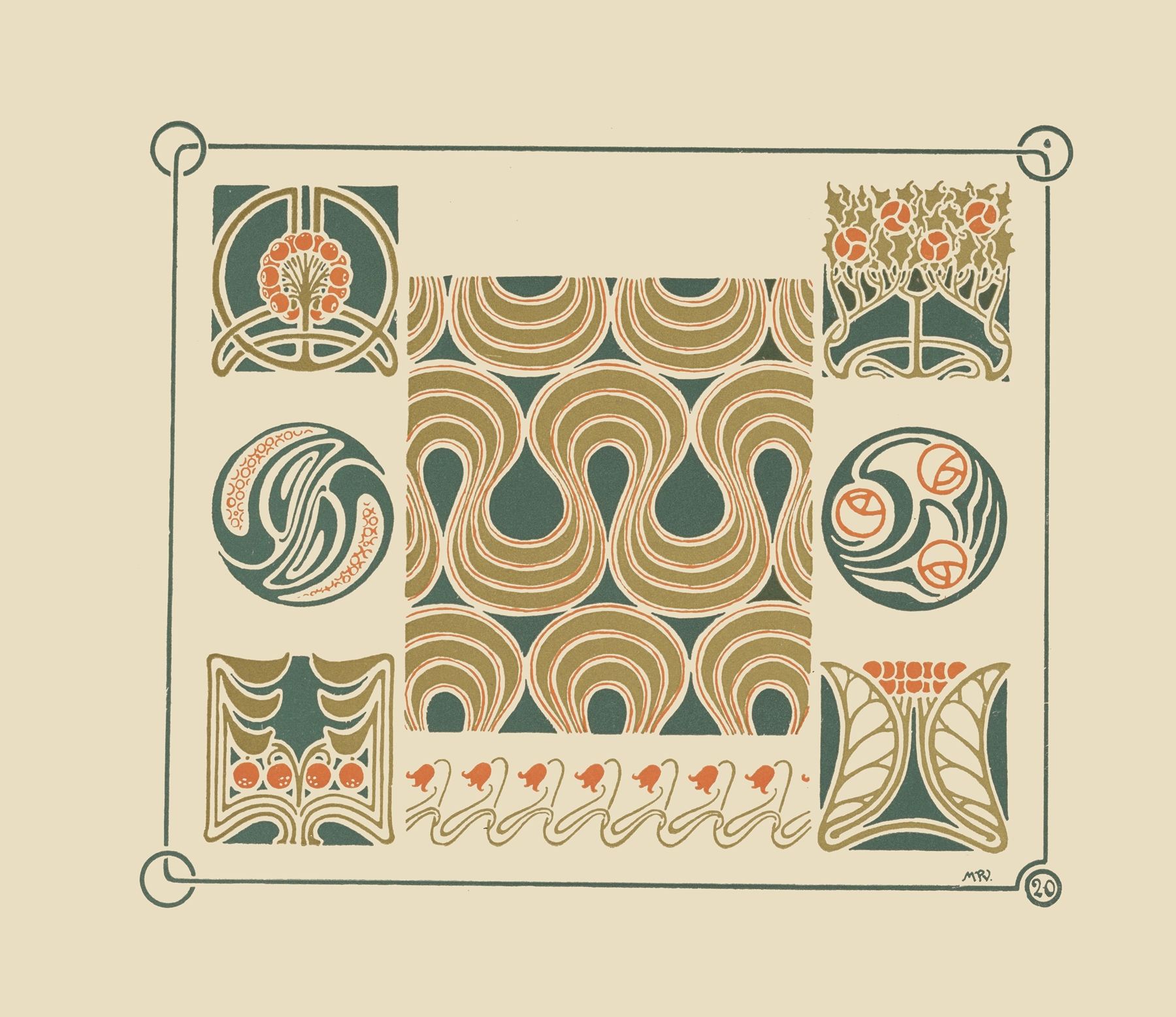
What secret hides in the quiet of the canvas? In the world of abstraction, there rests a profound connection between the visible and the invisible, where every curve and swirl invites contemplation and wonder. Look to the center, where vibrant organic shapes intertwine gracefully, seemingly pulsating with life. The soft, flowing lines evoke the gentle rhythm of nature, while the palette transitions from deep, earthy tones to lighter, airy hues.
Notice how the arabesques wrap around each other, creating a sense of movement that draws your gaze deeper into the composition, inviting you to explore the intricacies of the interplay between form and color. Beneath the surface, the work captures the tension between chaos and harmony. Each shape can be seen as a metaphor for the complexities of existence, hinting at the duality of life—order intertwined with the unpredictable. The organic forms, reminiscent of flora and fauna, contrast with the geometric precision of the arabesques, suggesting a dialogue between nature and the crafted, urging the viewer to reflect on the balance of these forces within their own lives.
Created in 1900, this piece reflects Maurice Pillard Verneuil's engagement with the burgeoning Art Nouveau movement in France. At this time, he was exploring new ways of seeing the natural world, influenced by both the aesthetics of his contemporaries and a growing fascination with the organic forms found in nature. This artwork encapsulates an era where art sought to break free from traditional constraints, embracing fluidity and innovation.