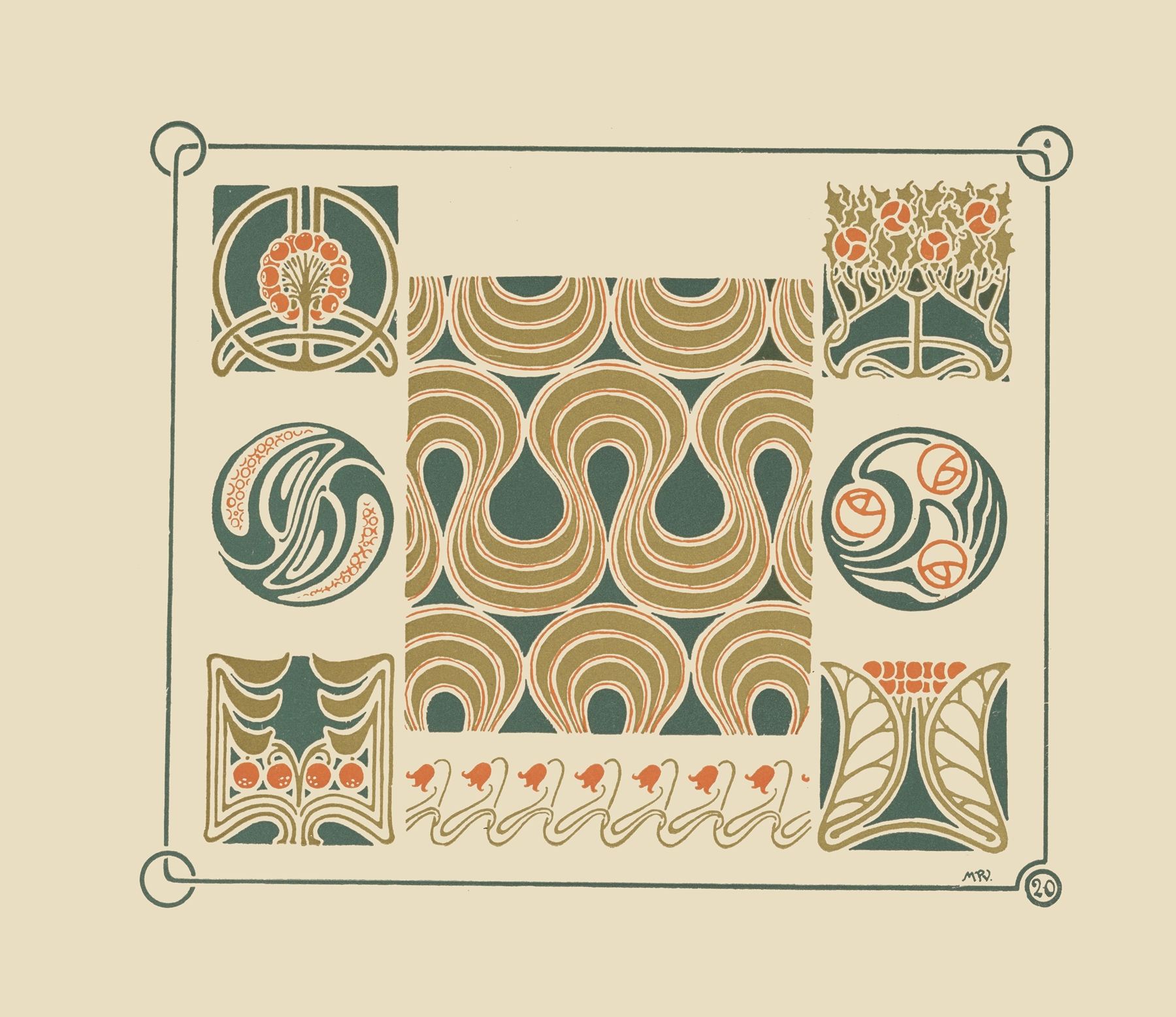
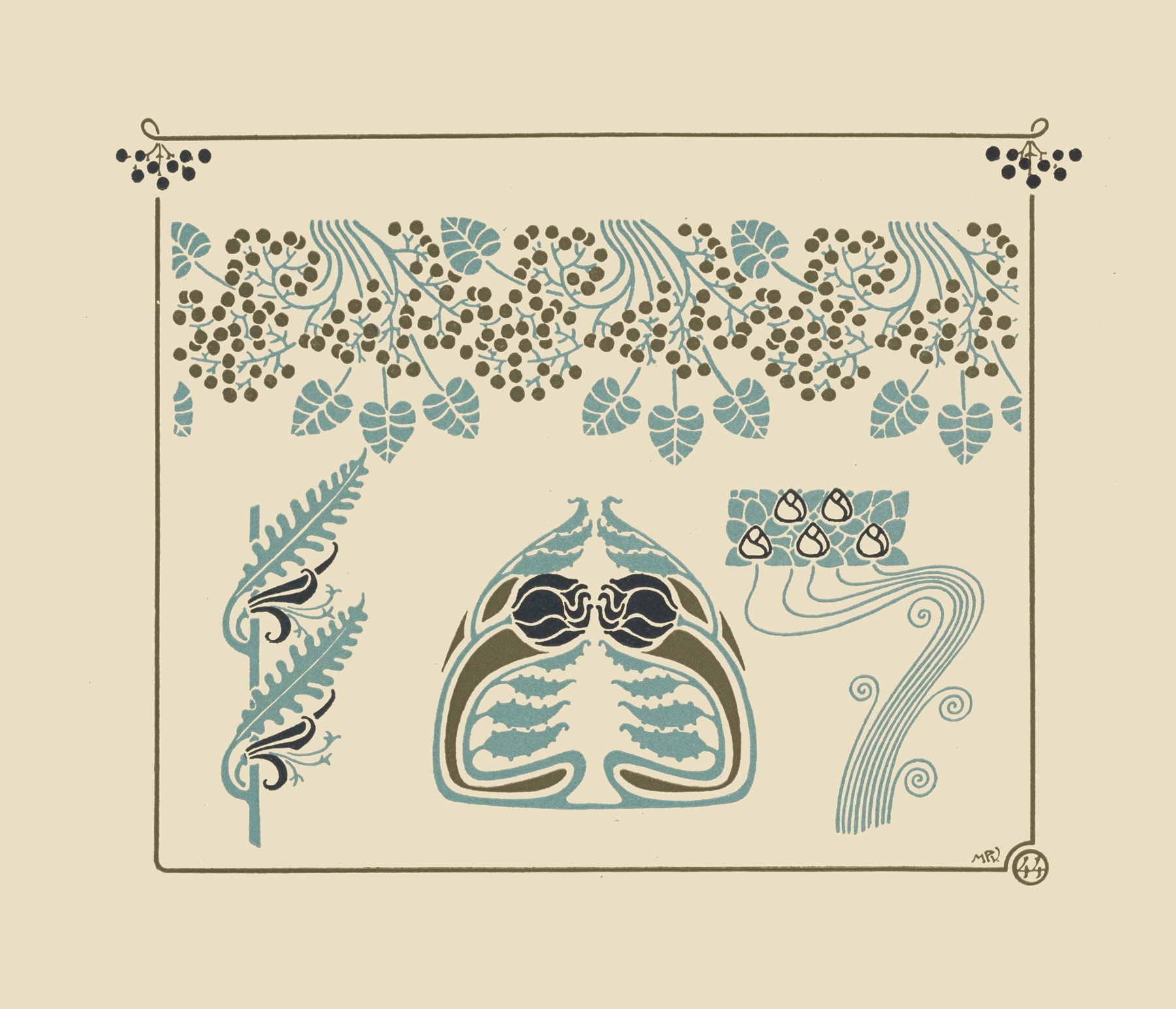
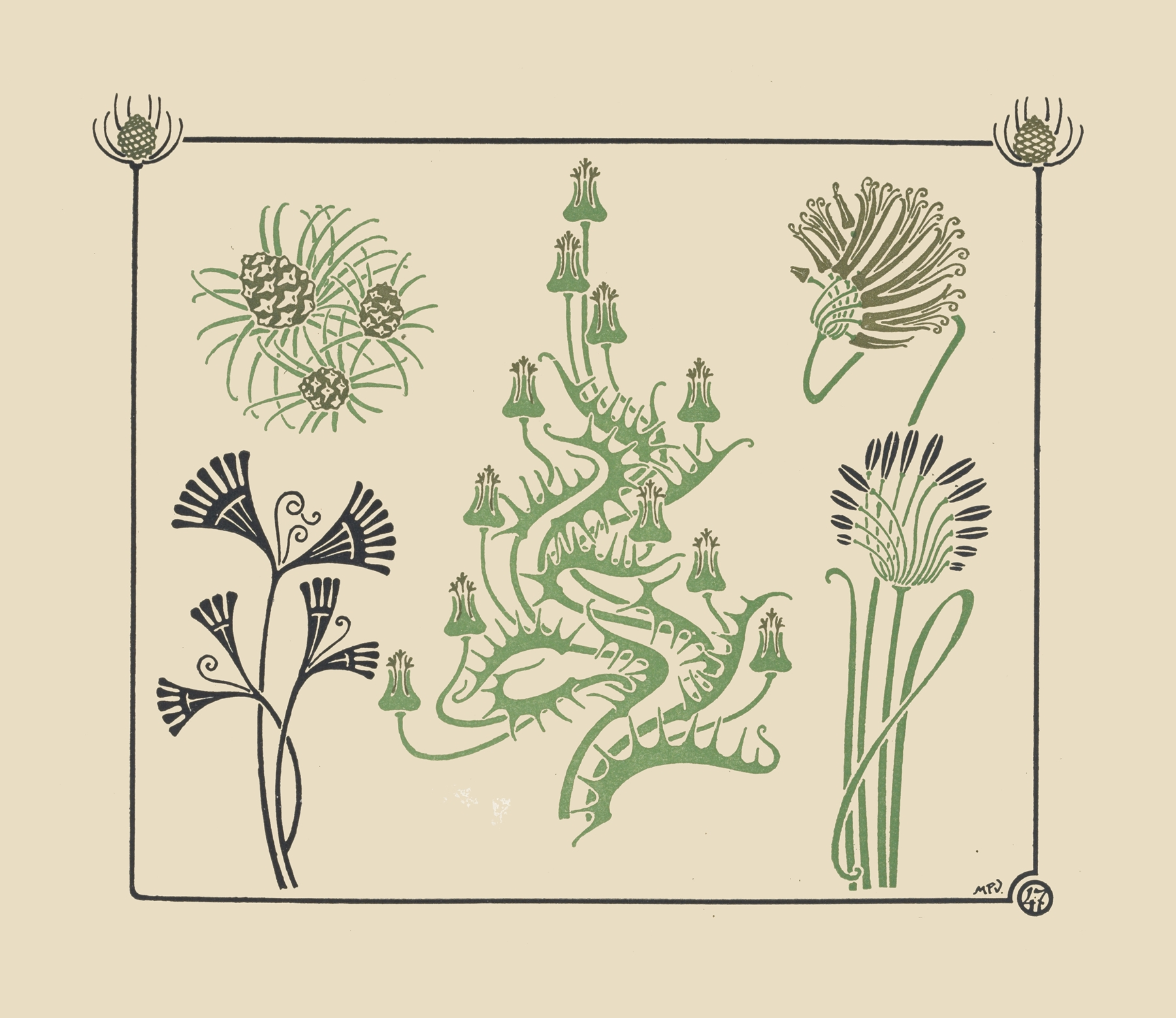
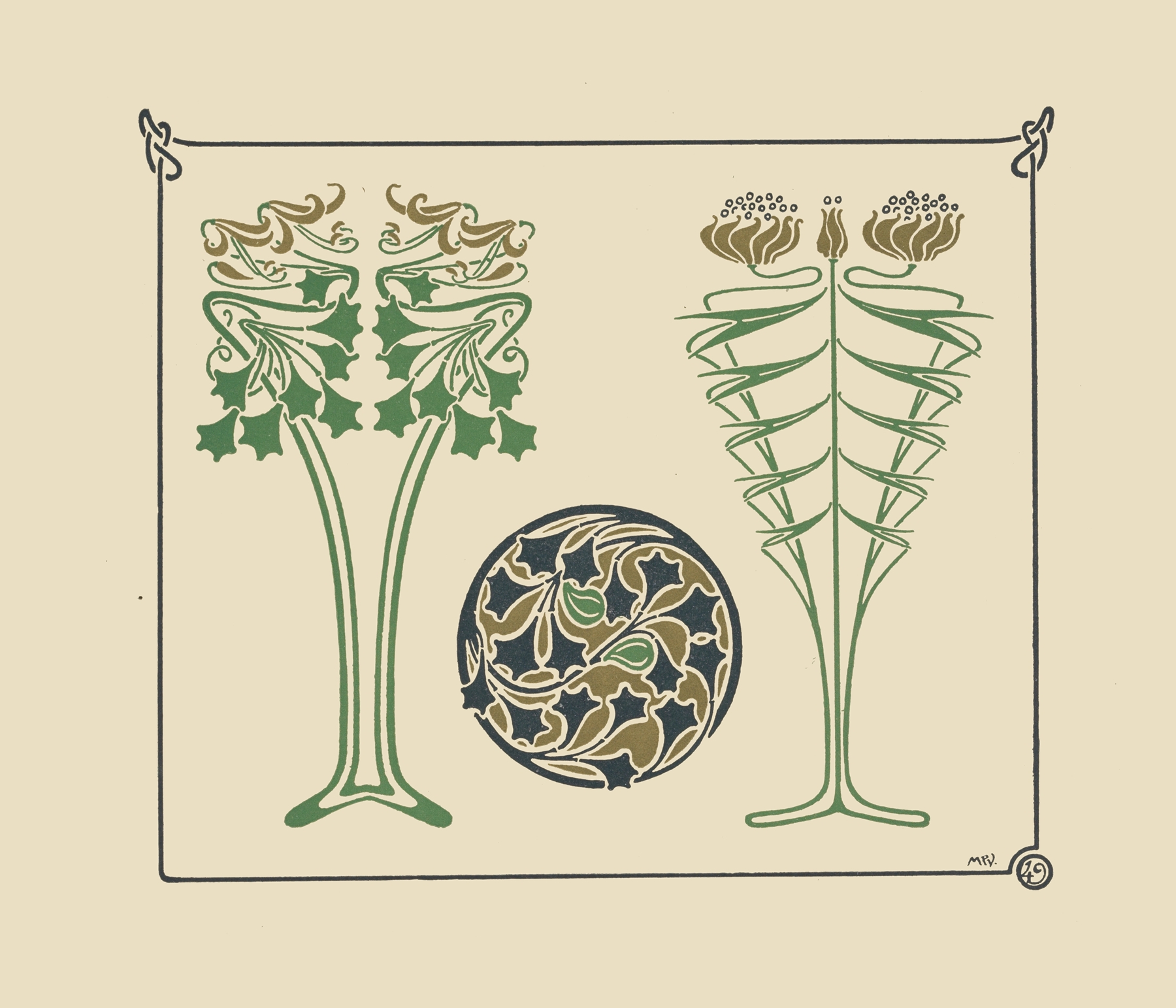
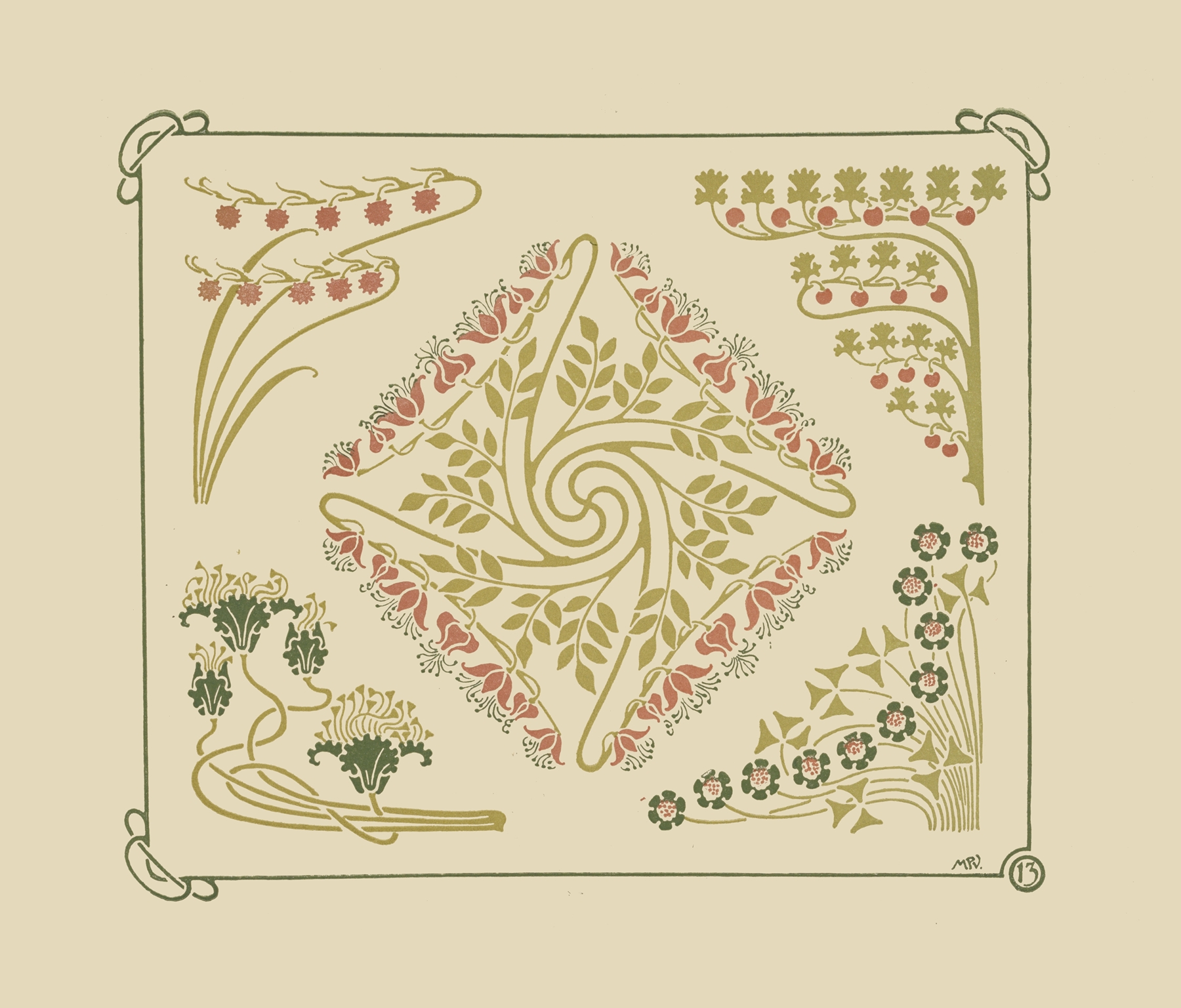
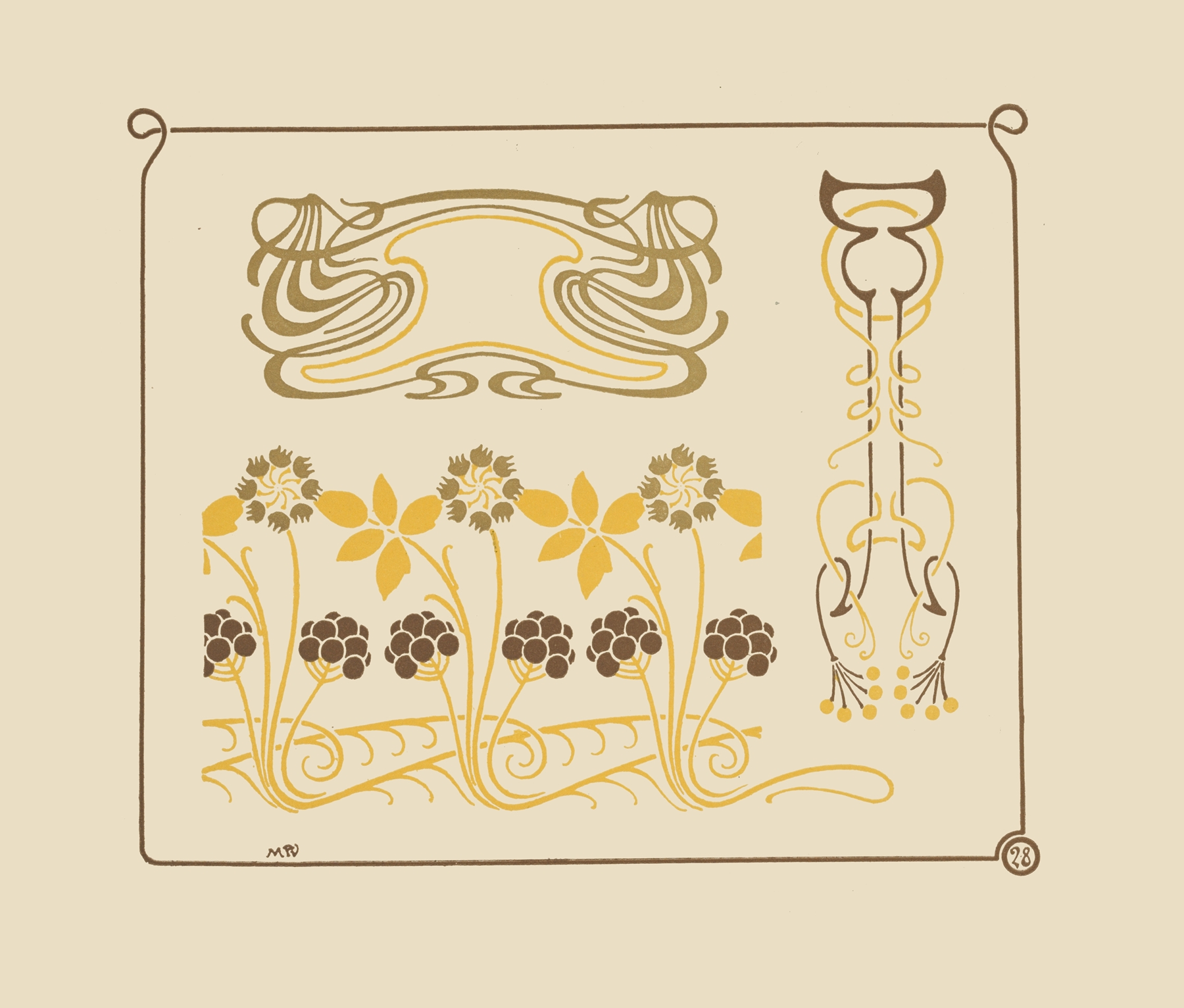
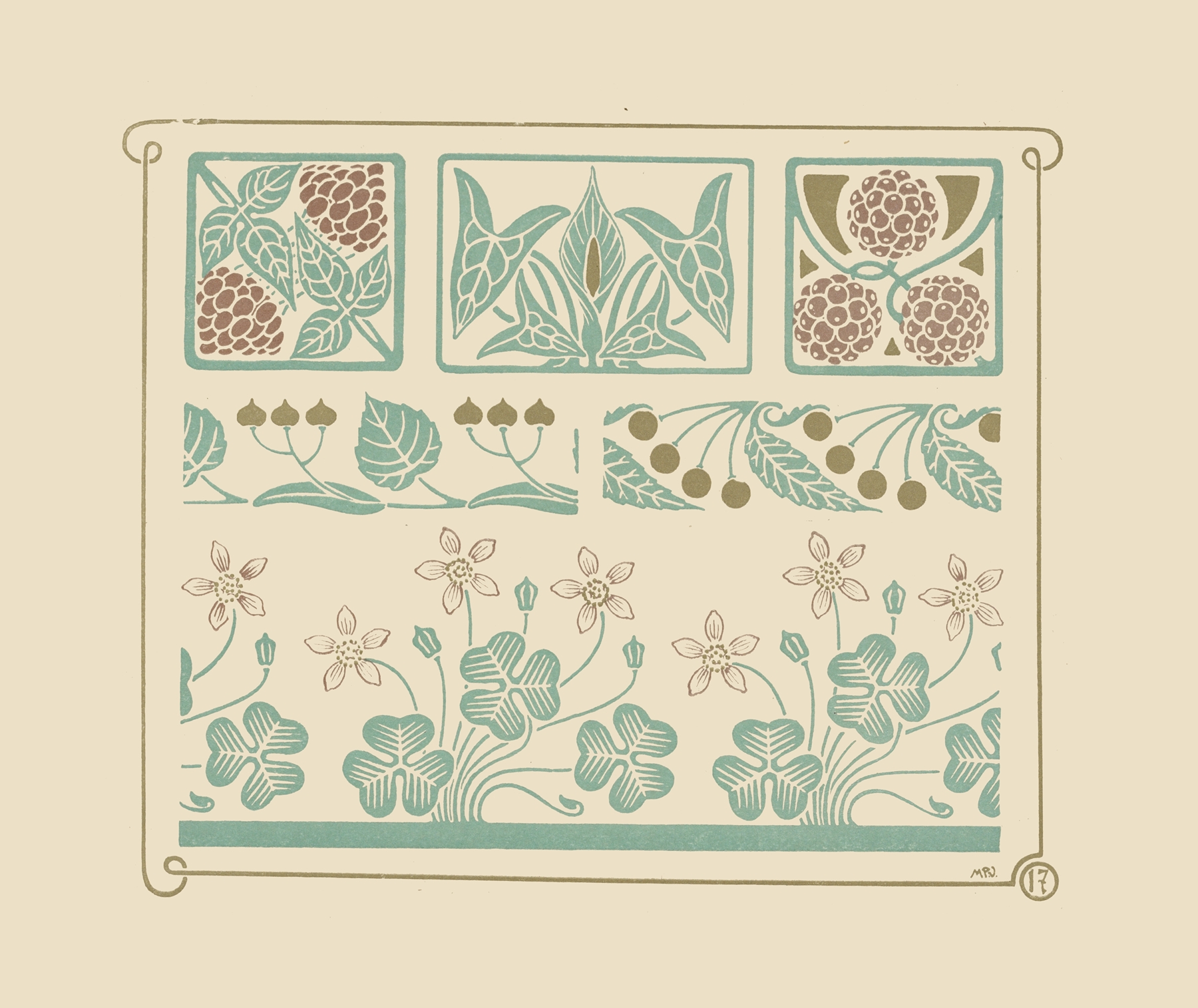
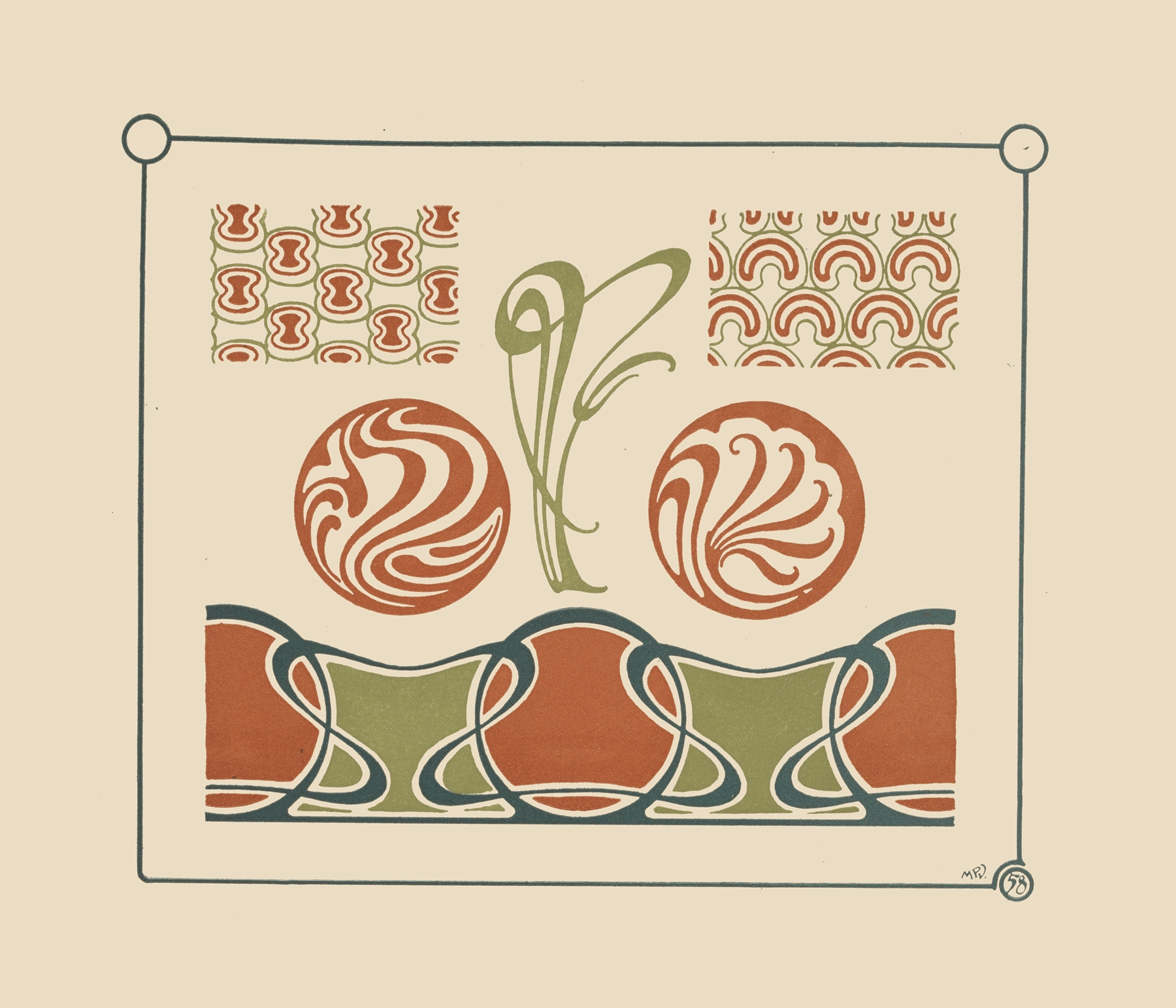
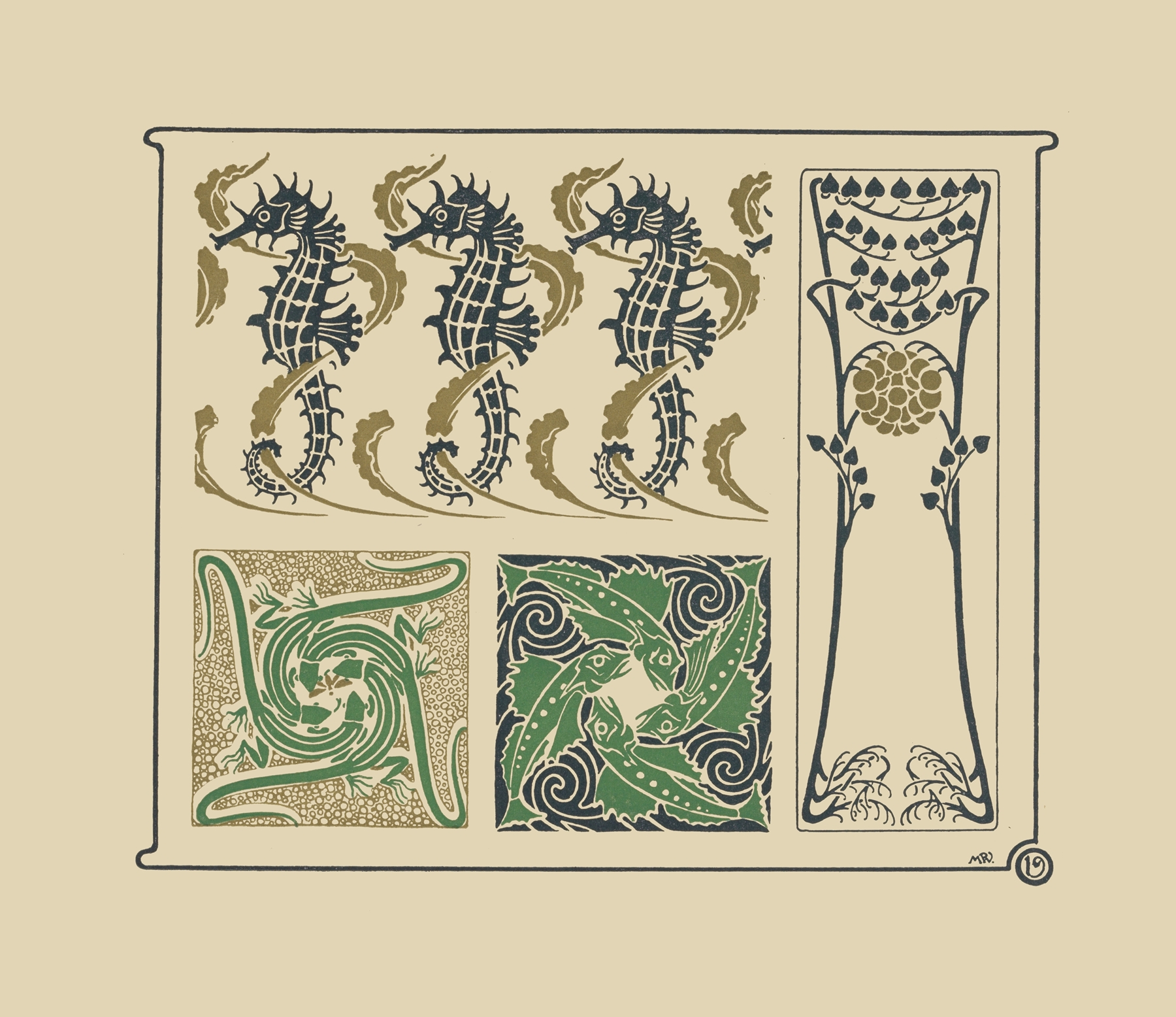
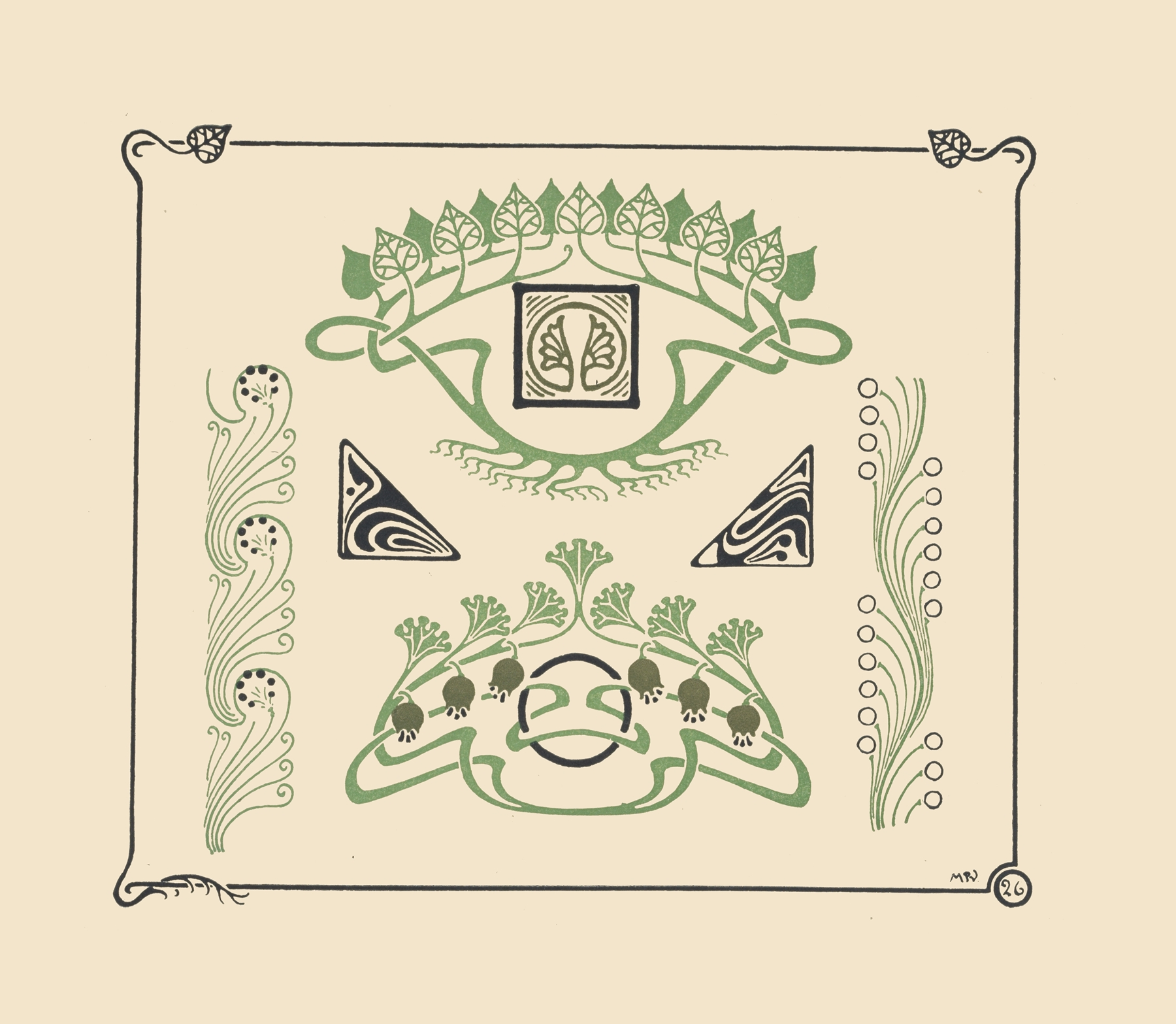
Abstract design based on flowers. — History & Analysis
“Between color and silence, truth hides.” In a world often drowned in noise, this artwork invites us to pause, absorb, and reflect on the vibrant essence of nature translated through abstraction. Look to the center where bold splashes of color converge, drawing your eye into an intricate dance of form and hue. Notice how the brushstrokes mimic the organic curves of petals, their textures almost palpable. Surrounding these vivid blossoms are softer, quieter tones that cradle the central explosion of color, creating a harmonious balance between chaos and calm.
The interplay of light shades enhances the three-dimensionality of the flowers, allowing them to leap off the canvas. Delve deeper into the composition, and you’ll uncover a myriad of emotions intertwined within the floral abstraction. The juxtaposition of bold, warm colors against cooler, muted backgrounds suggests a tension between exuberance and restraint, perhaps reflecting the complex relationship between life and death. Look closely at the edges; there, the colors bleed into one another, symbolizing the fleeting nature of beauty and the interconnectivity of all living things.
Each element seems to whisper secrets of growth, decay, and rebirth. At the dawn of the 20th century, Verneuil, a prominent figure in the Art Nouveau movement, created this piece during a time of artistic experimentation and innovation in Europe. Living in France around 1900, he was inspired by both the natural world and the burgeoning ideas of modernism that sought to break away from traditional representations. His focus on floral motifs was a nod to the era’s fascination with nature, while his abstract approach hinted at the transformative potential of color and form.