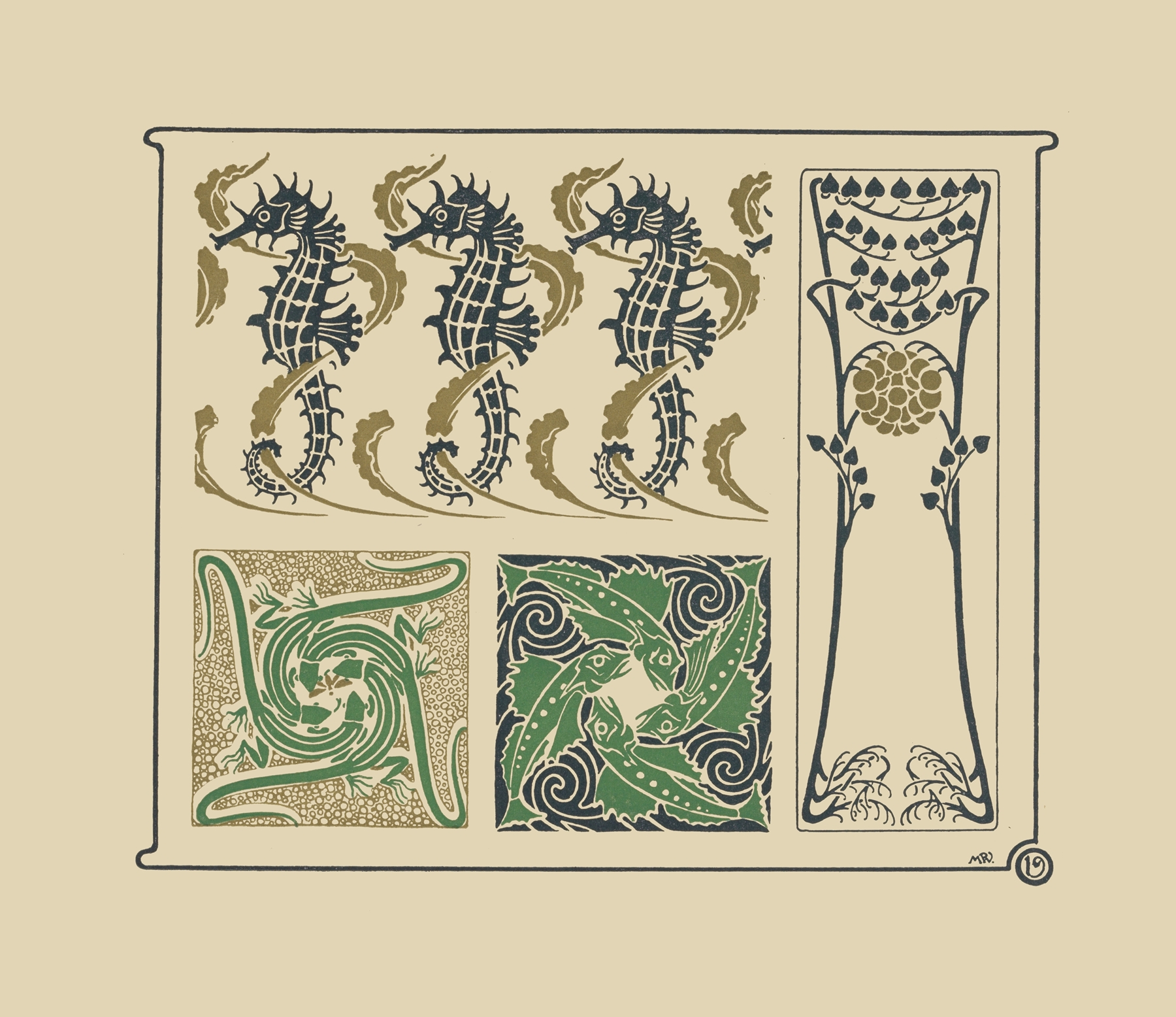
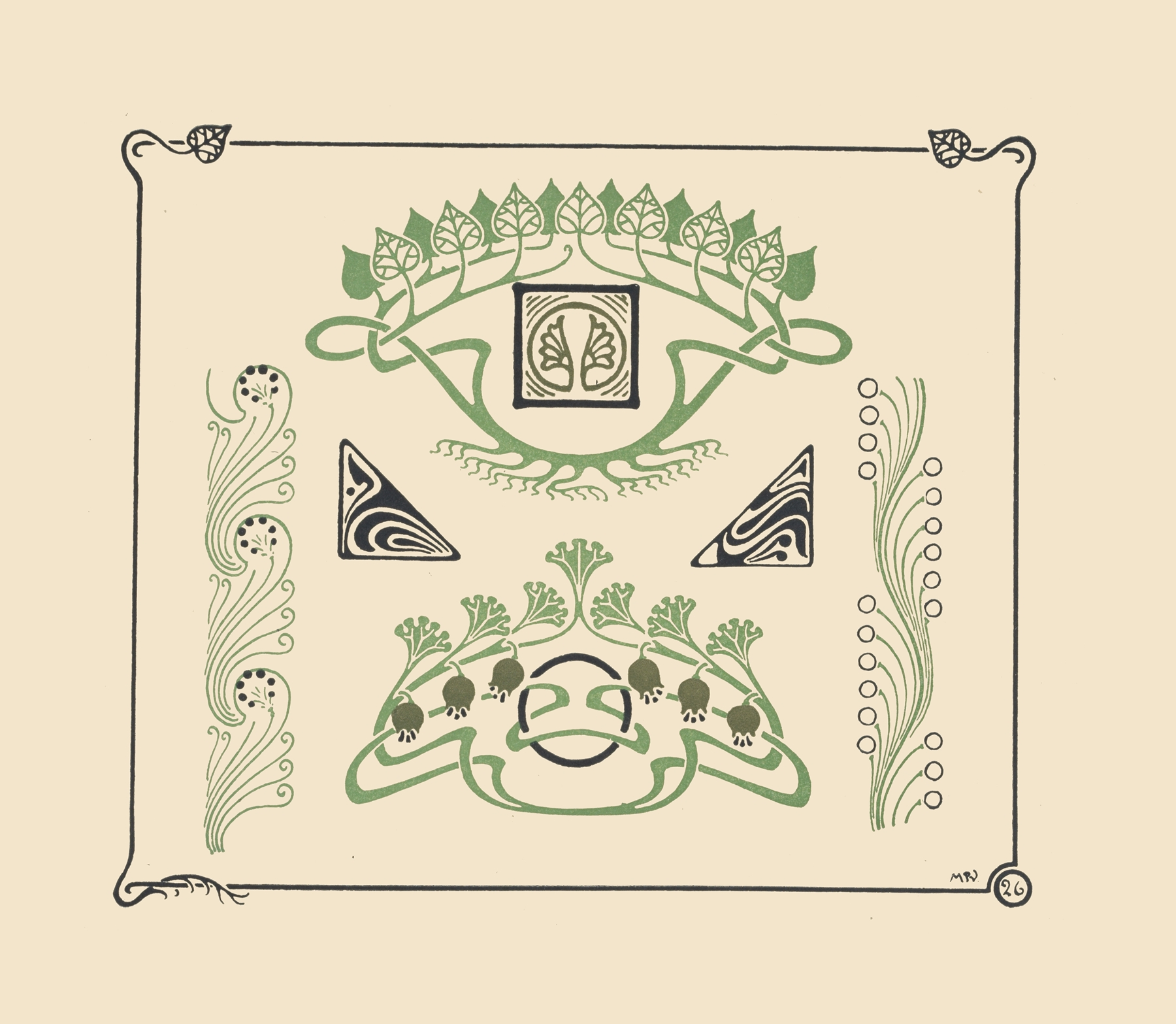
Abstract design based on flowers and berries — History & Analysis
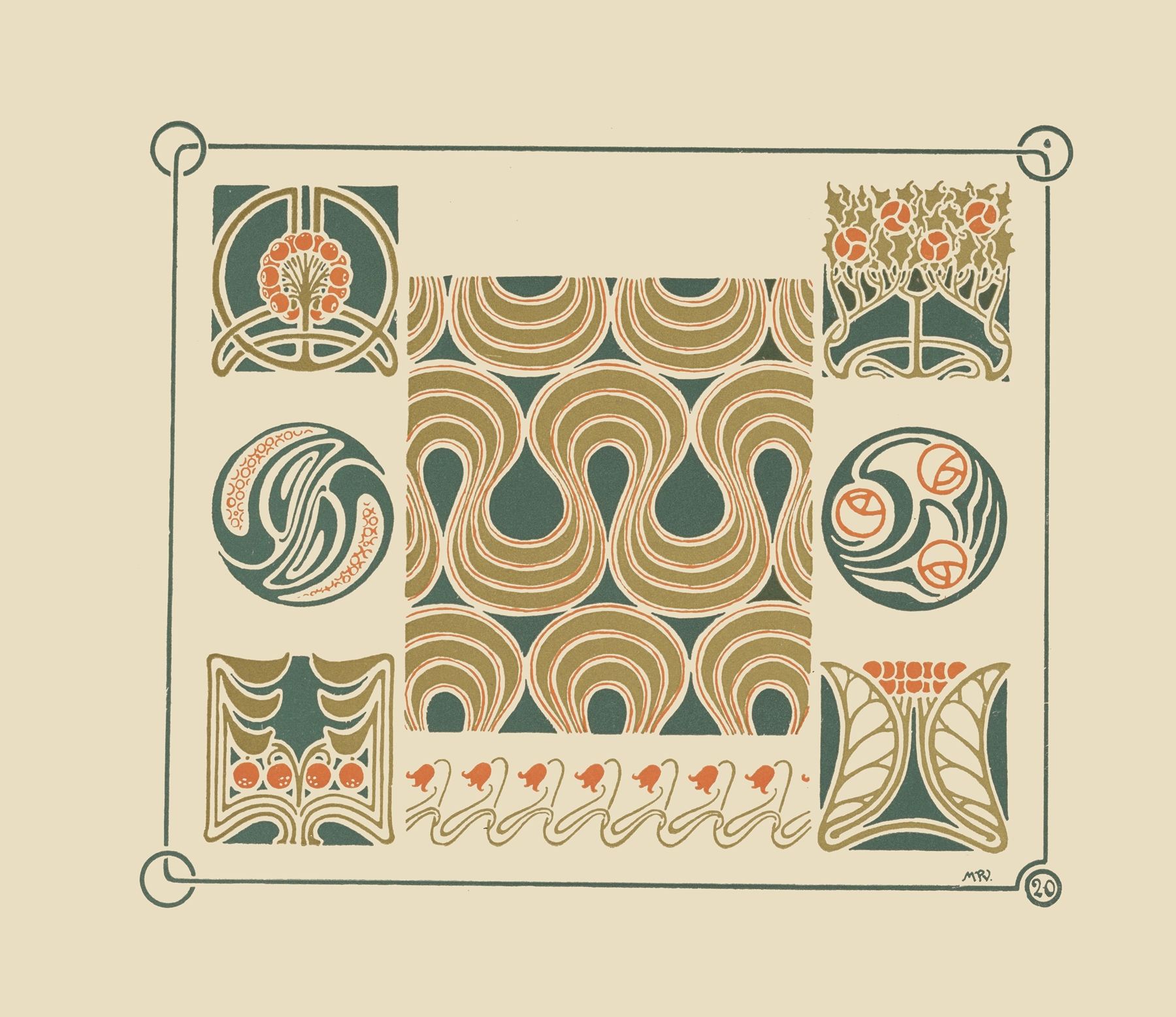
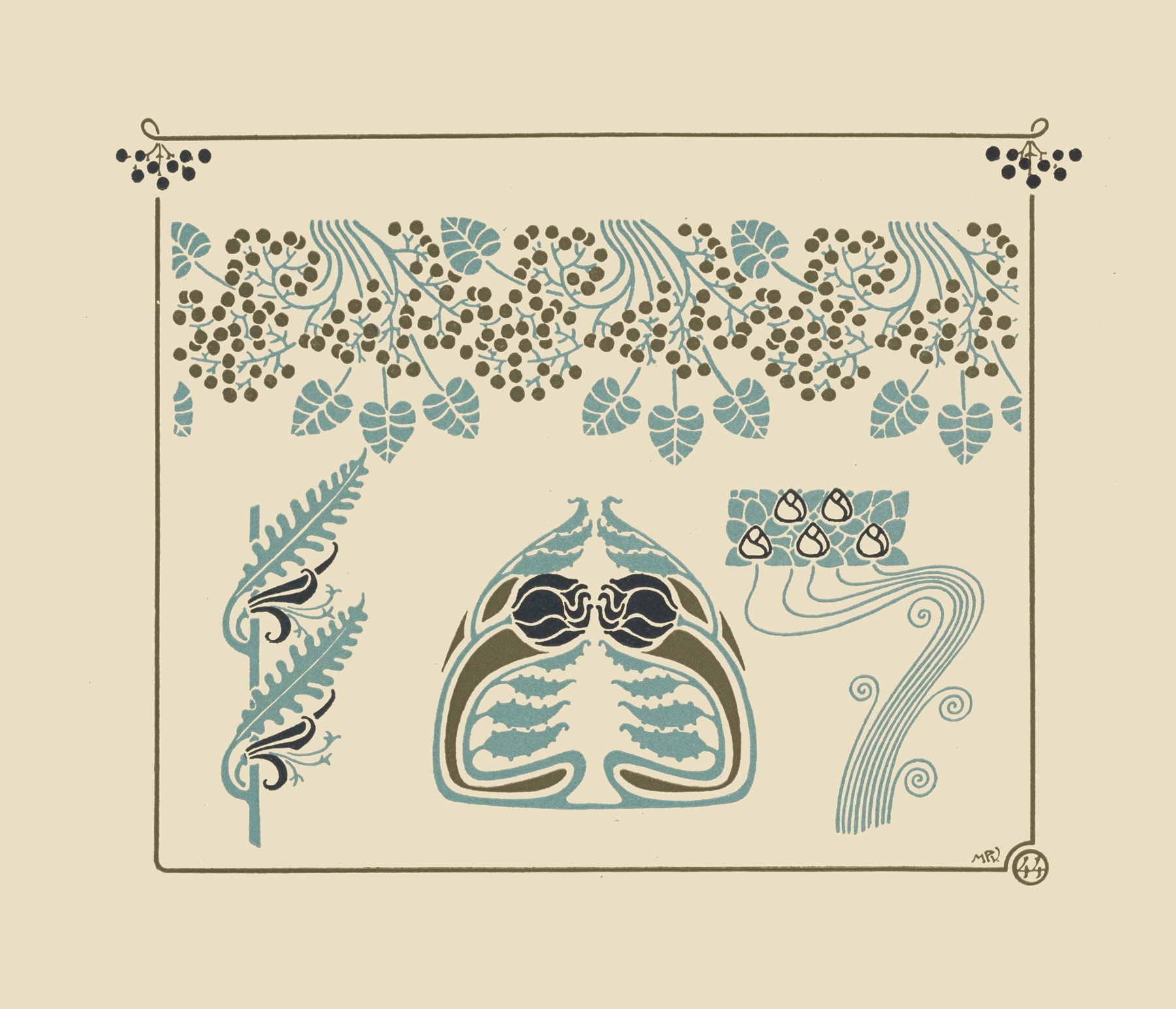
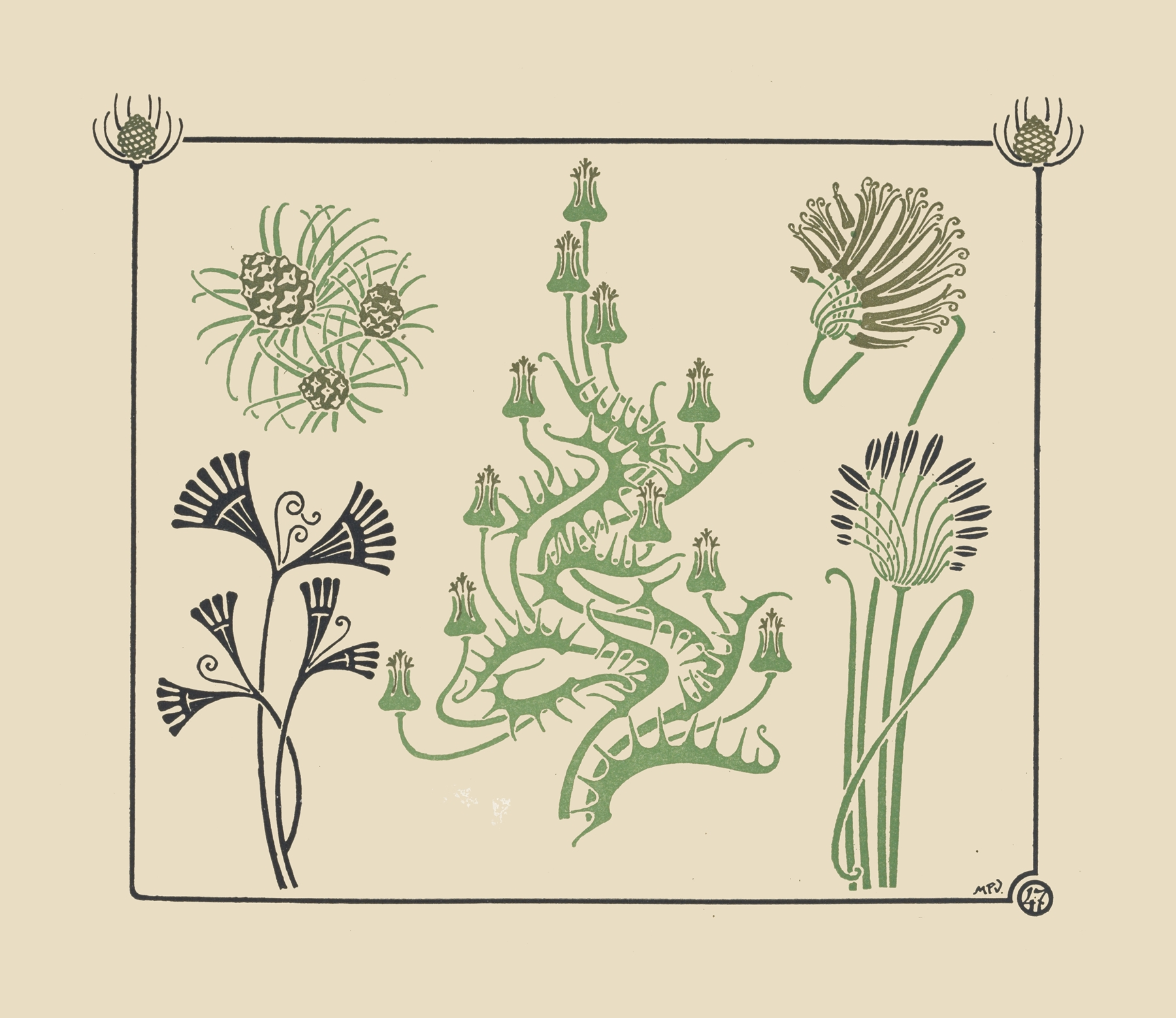
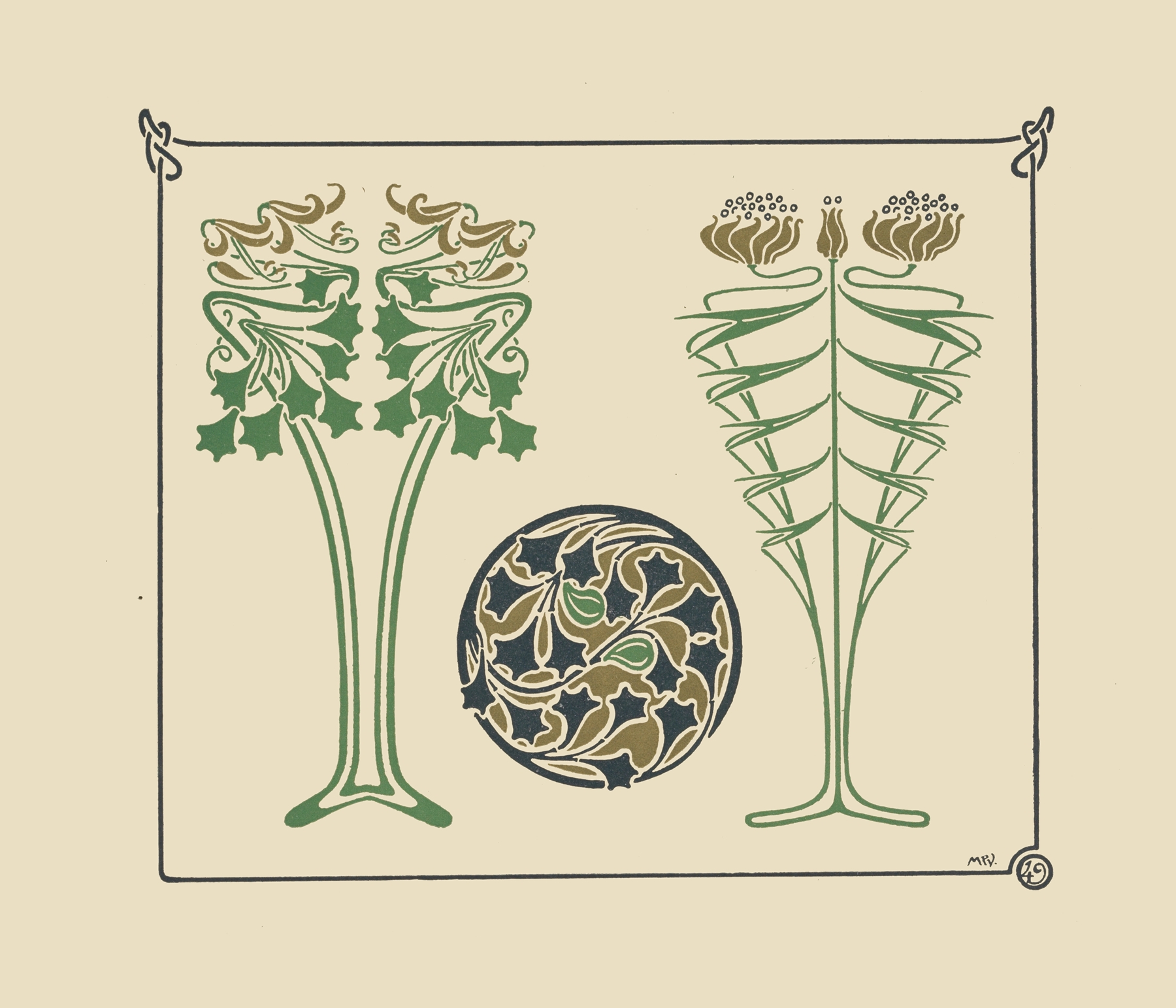
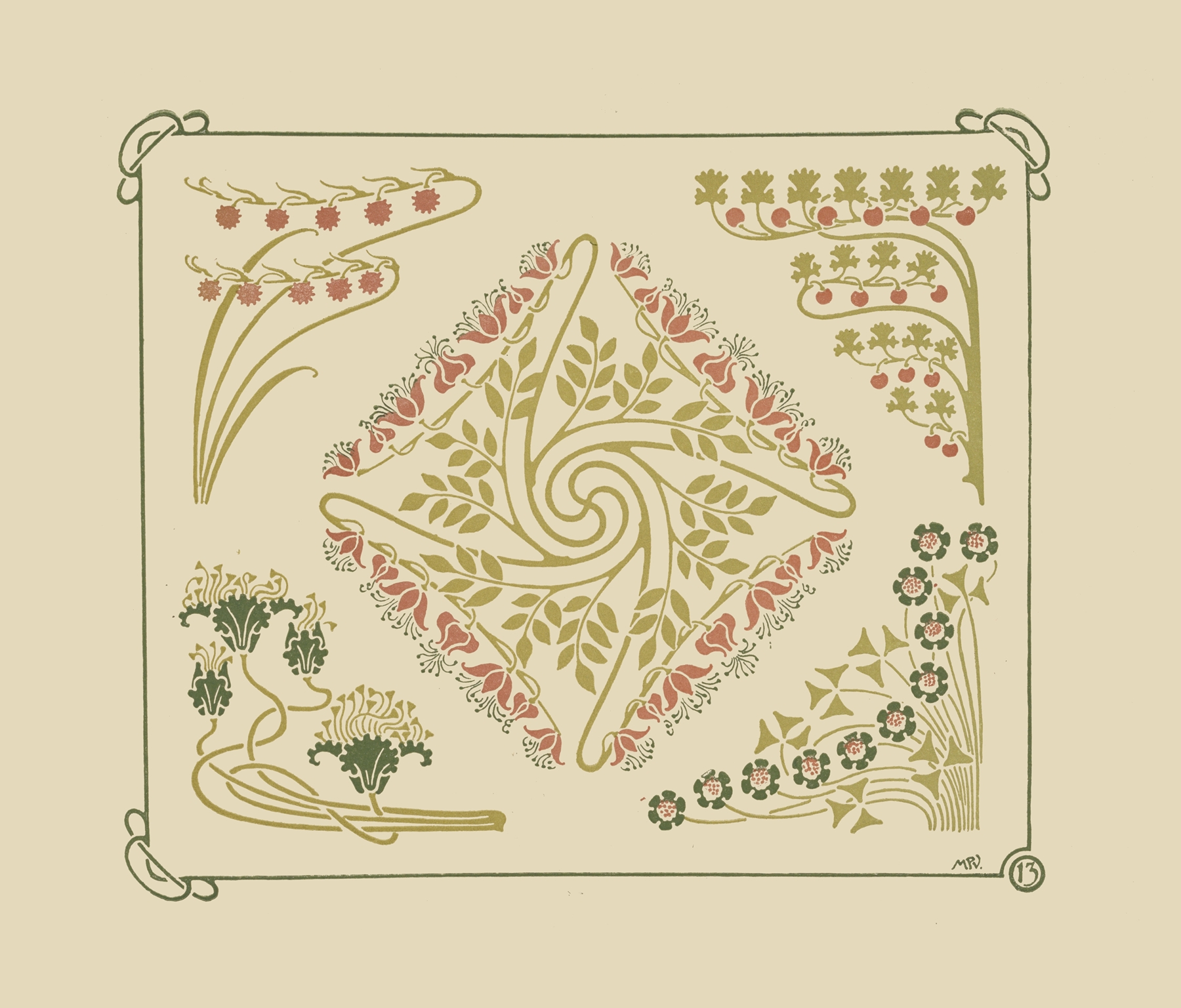
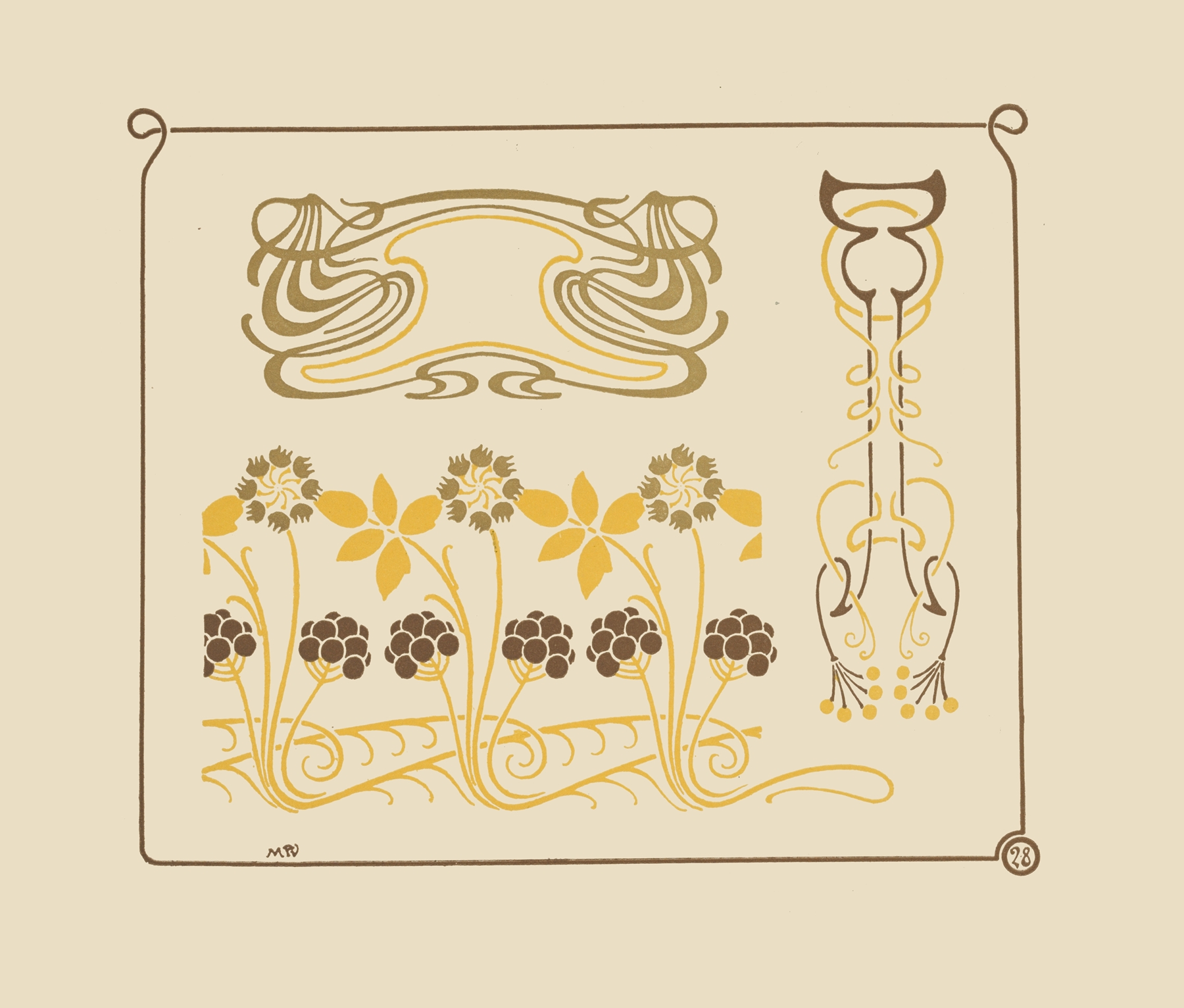
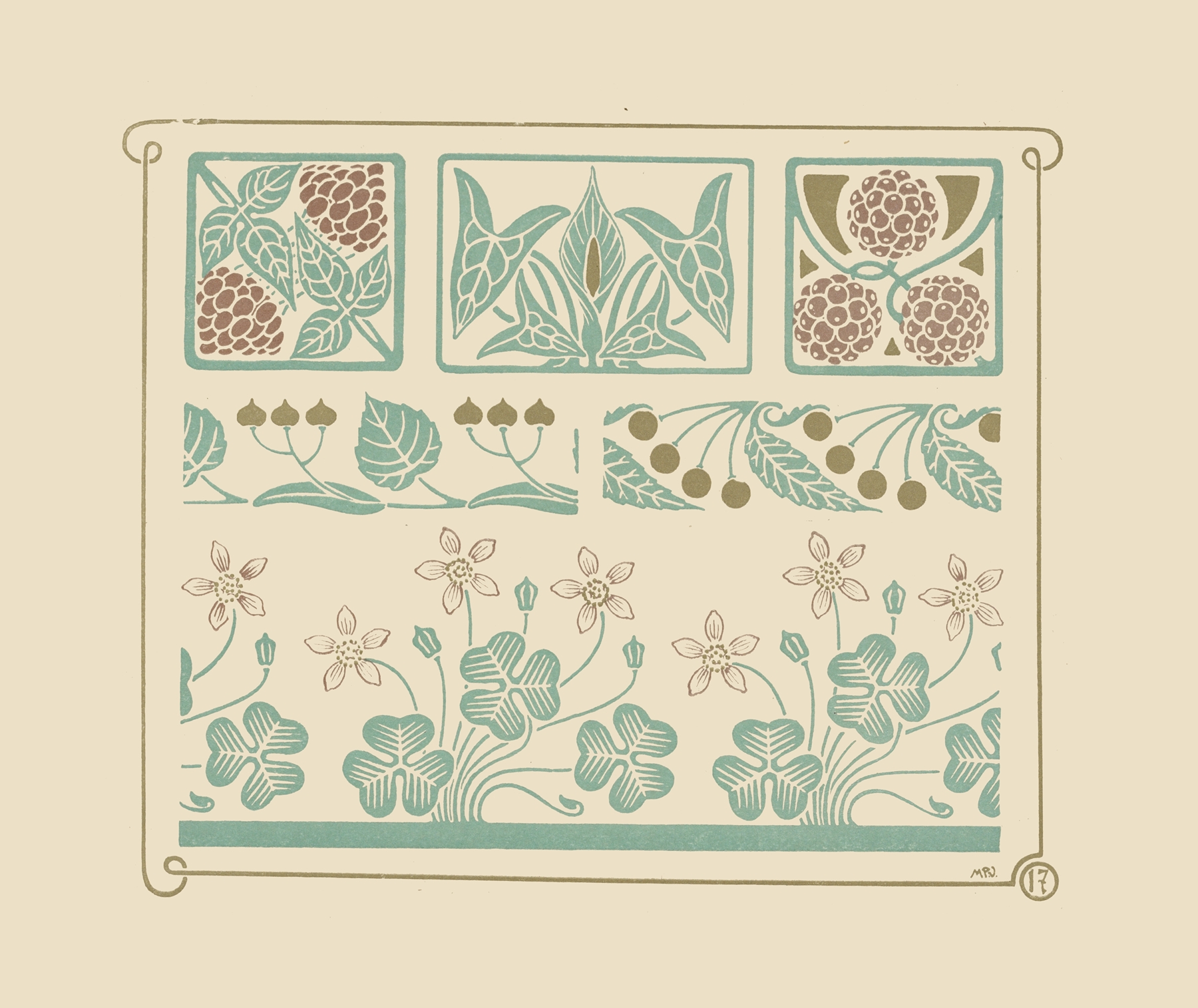
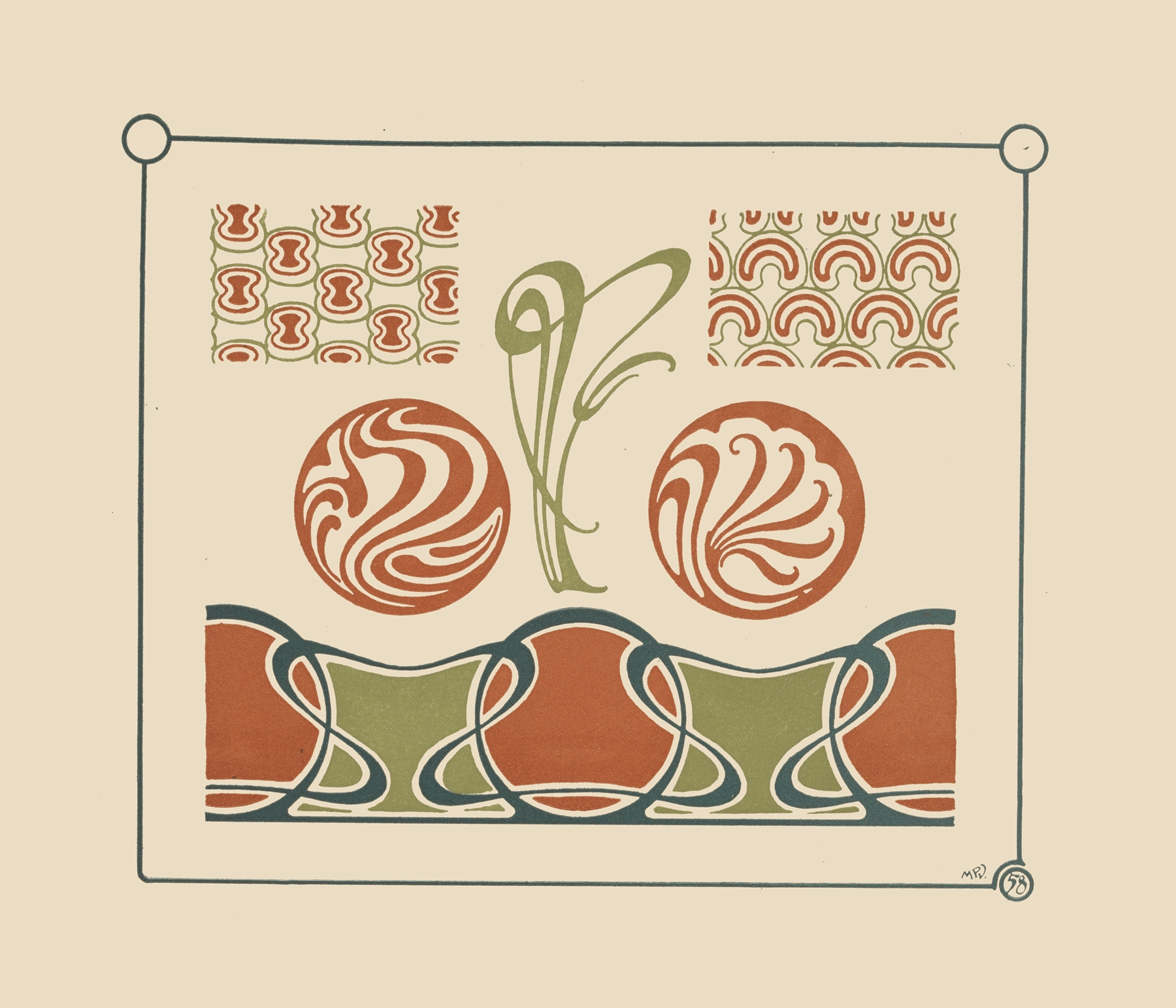
What if silence could speak through light? In the muted hues of an early 20th-century palette, whispers of melancholy dance amidst the organic forms of flowers and berries, inviting contemplation and introspection. Look to the center of the canvas, where vivid bursts of color seemingly pulse with life yet exude a quiet sorrow. Notice how the delicate patterns intertwine, each stroke a petal or berry, almost tangible yet dreamlike in their abstraction.
The soft blending of reds, greens, and yellows captures the essence of nature’s beauty while evoking a sense of fleeting transience, mirroring the bittersweet passage of time. Embedded within the artwork is a tension between vibrancy and stillness. The flowers, while radiant, hint at decay — a reminder of life’s impermanence. Observe the negative spaces, which seem to hold the weight of absence; they intensify the emotional undercurrent, allowing viewers to feel the ache of nostalgia.
This quiet conflict between joy and sorrow permeates the composition, suggesting a world where beauty is both celebrated and mourned. In 1900, Maurice Pillard Verneuil was at the forefront of the Art Nouveau movement, navigating a landscape transforming with modernity. Living in France, he was influenced by the decorative arts and the interplay of nature and abstraction, reflecting a cultural shift towards integrating art into everyday life. This piece reveals both his artistic prowess and his sensitivity to the complexities of human emotion, marking a poignant moment in his evolving career.