After the Massacre. Study from North Norway — History & Analysis
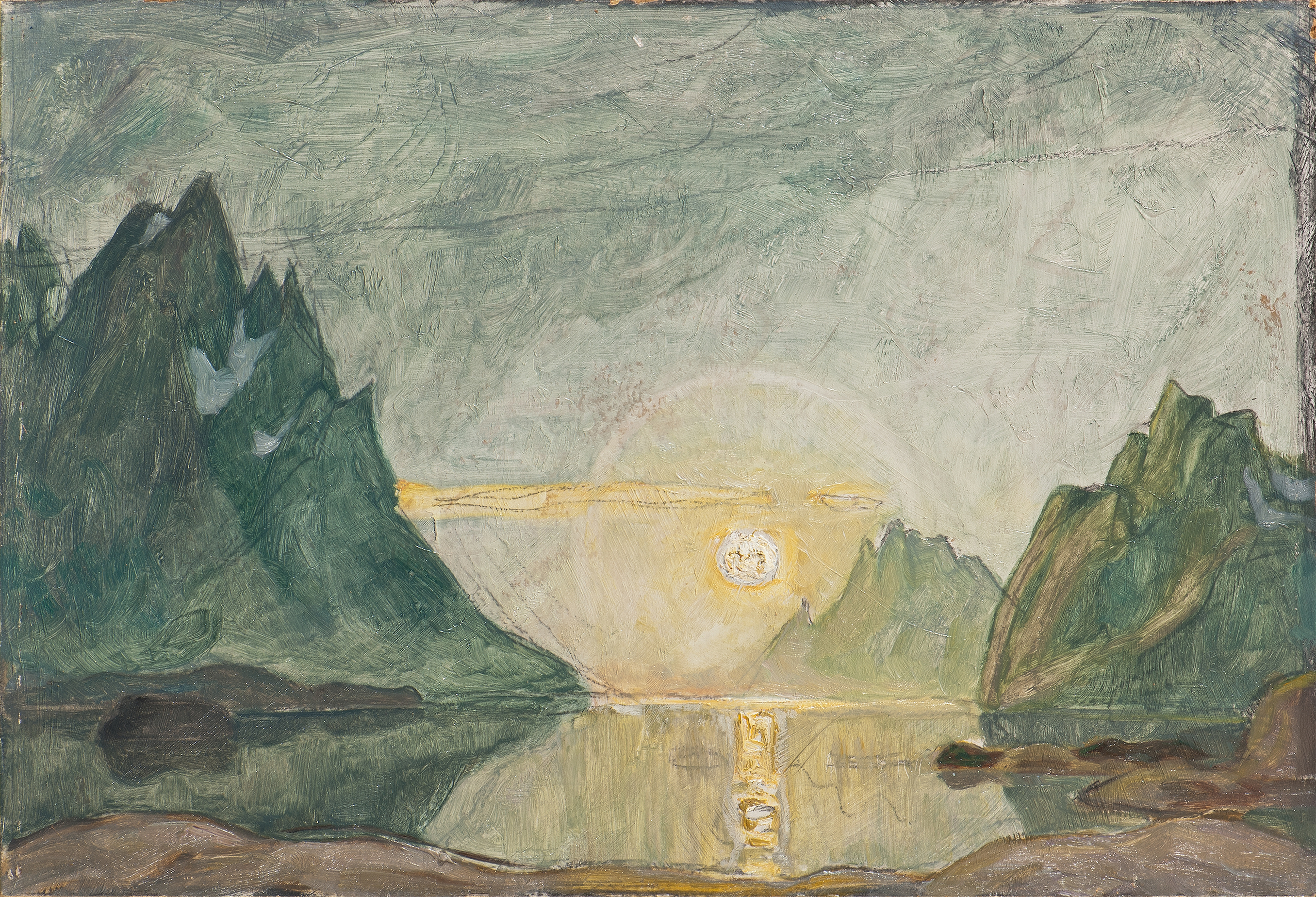
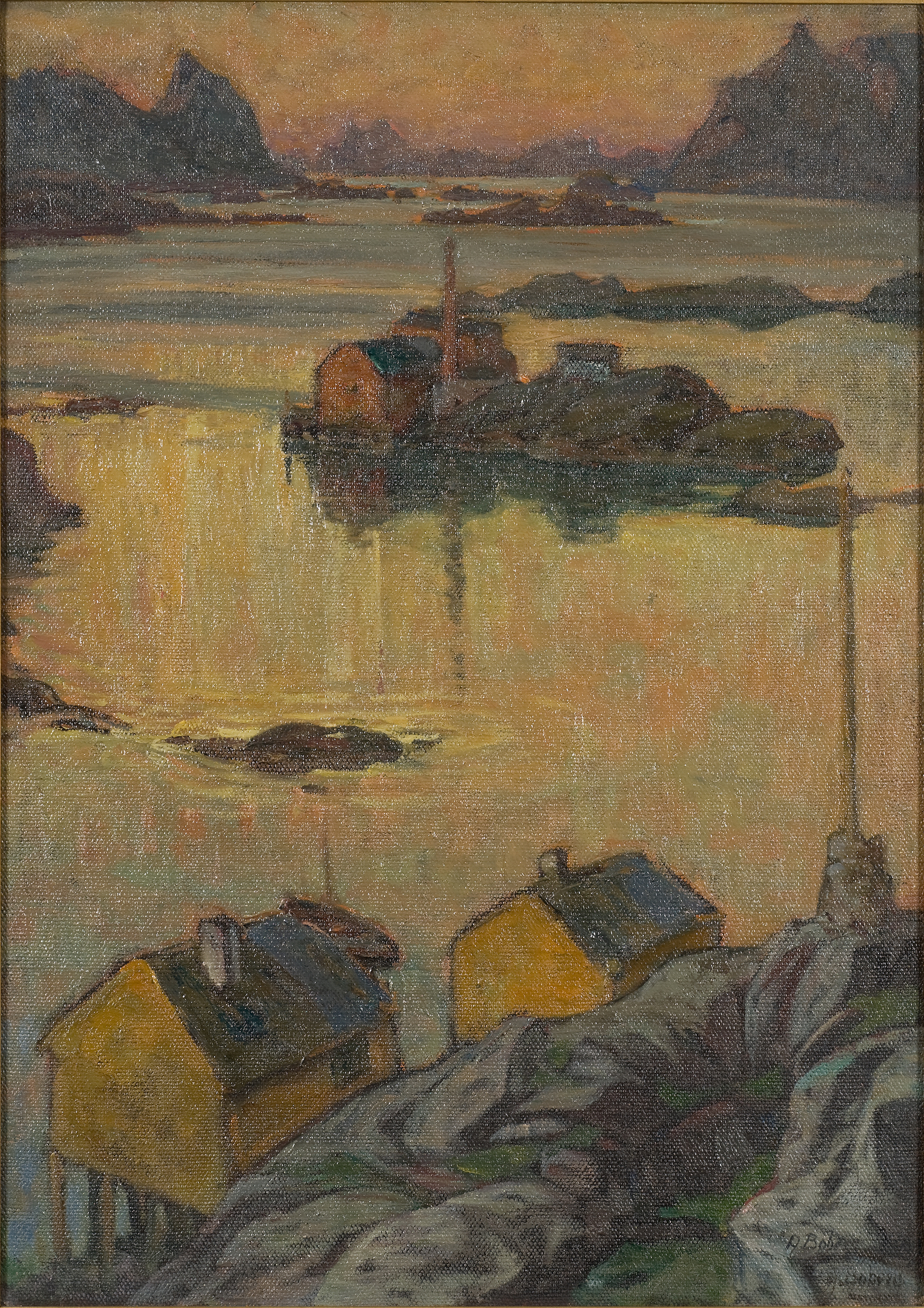
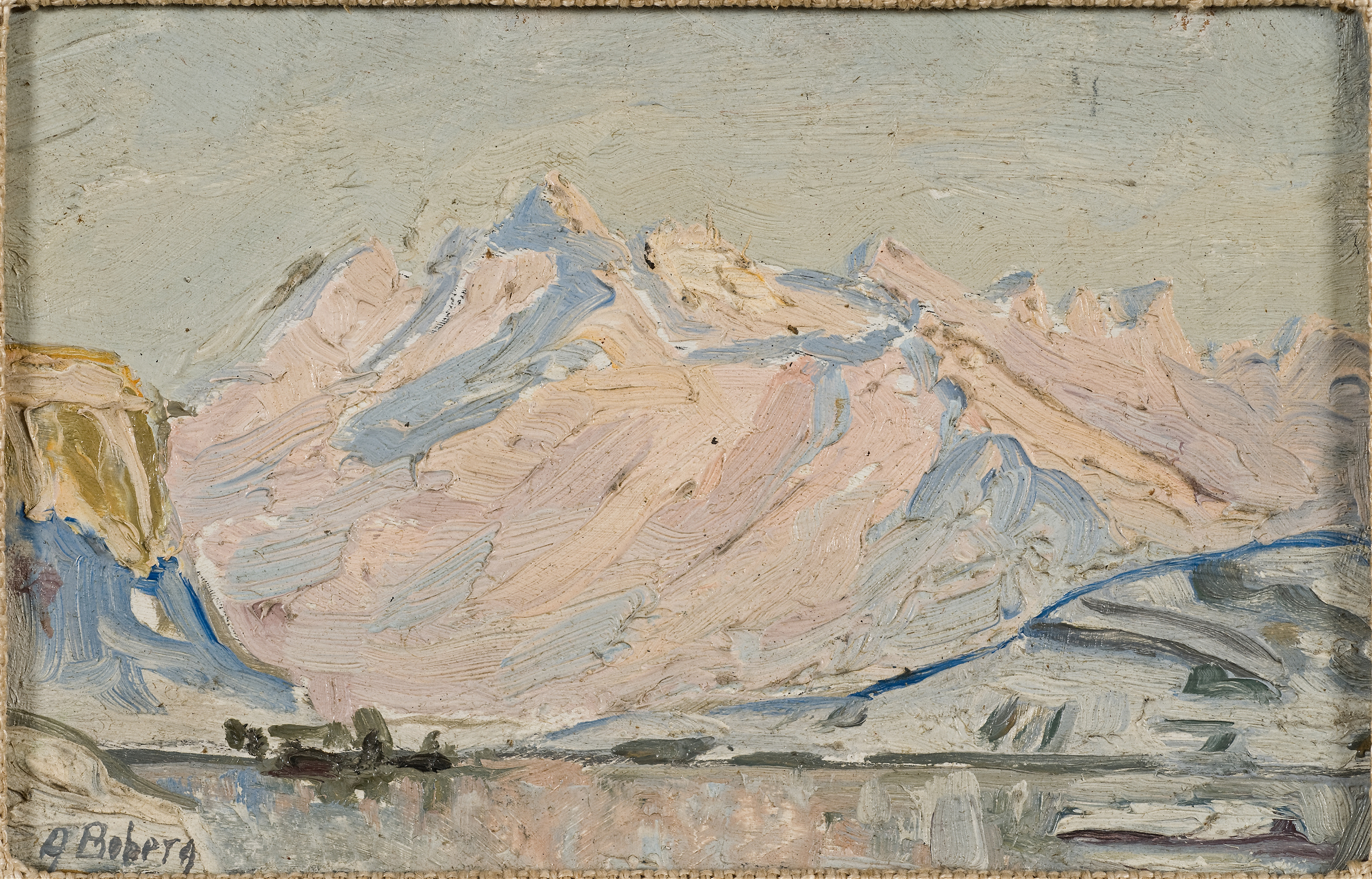
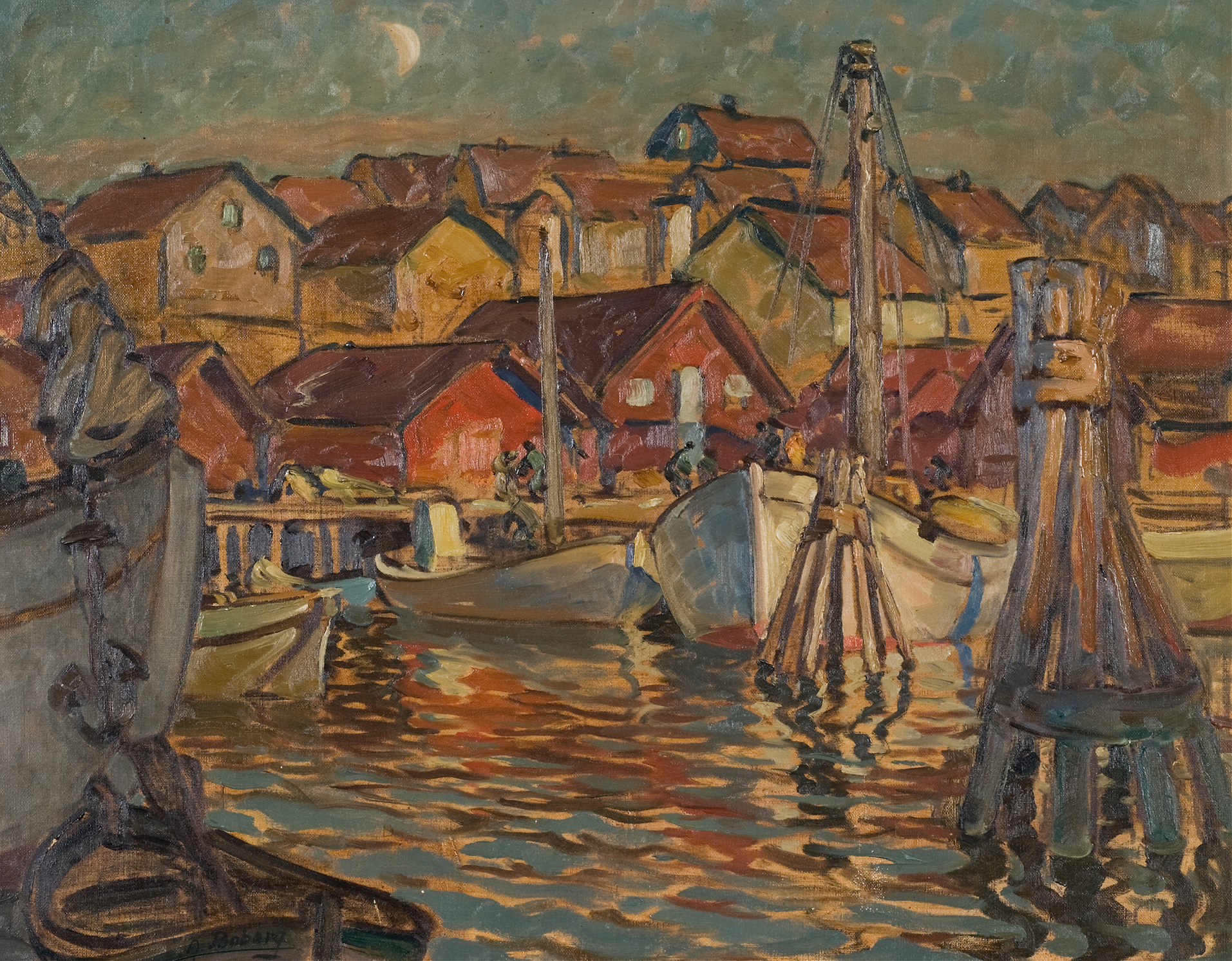
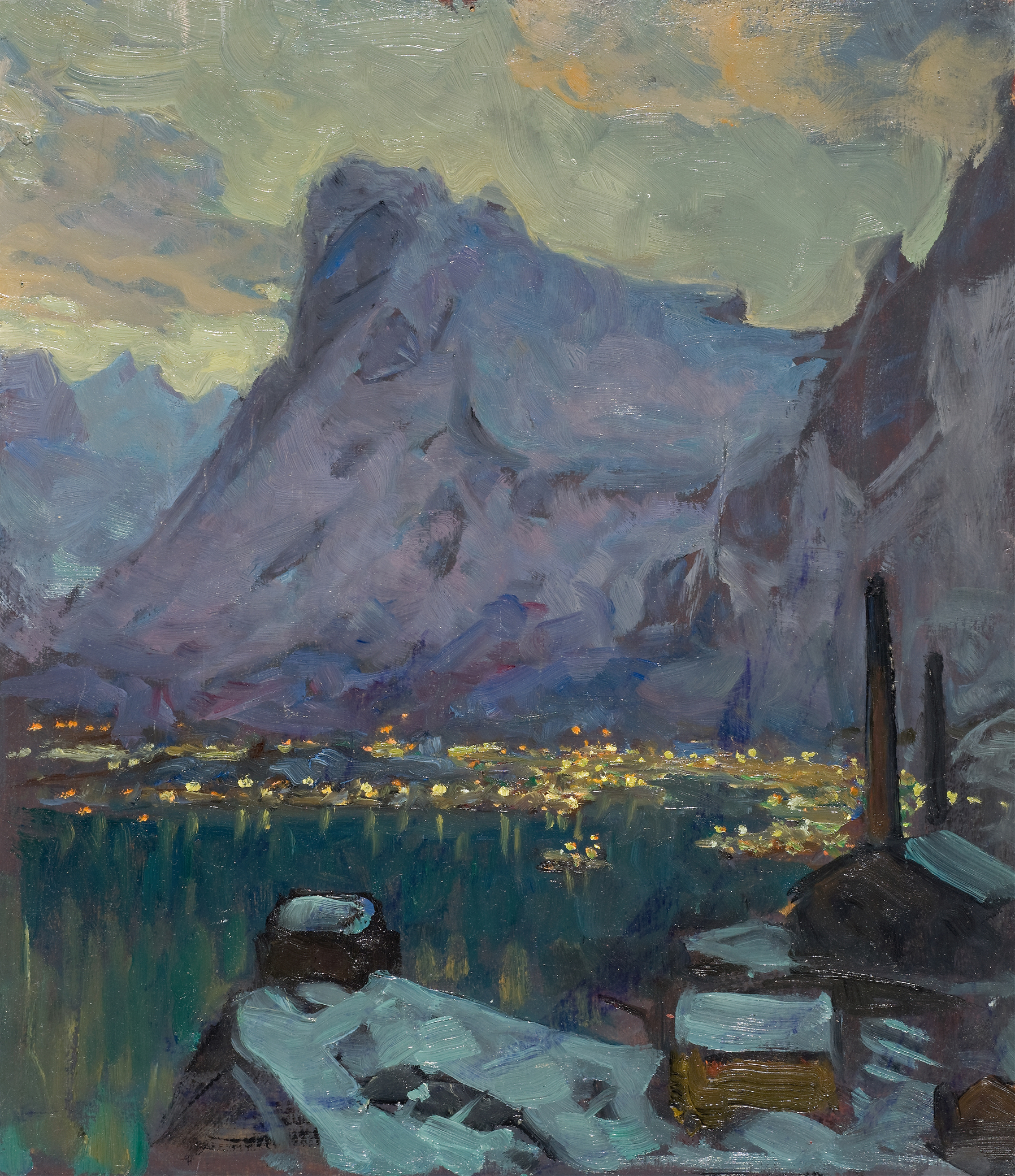
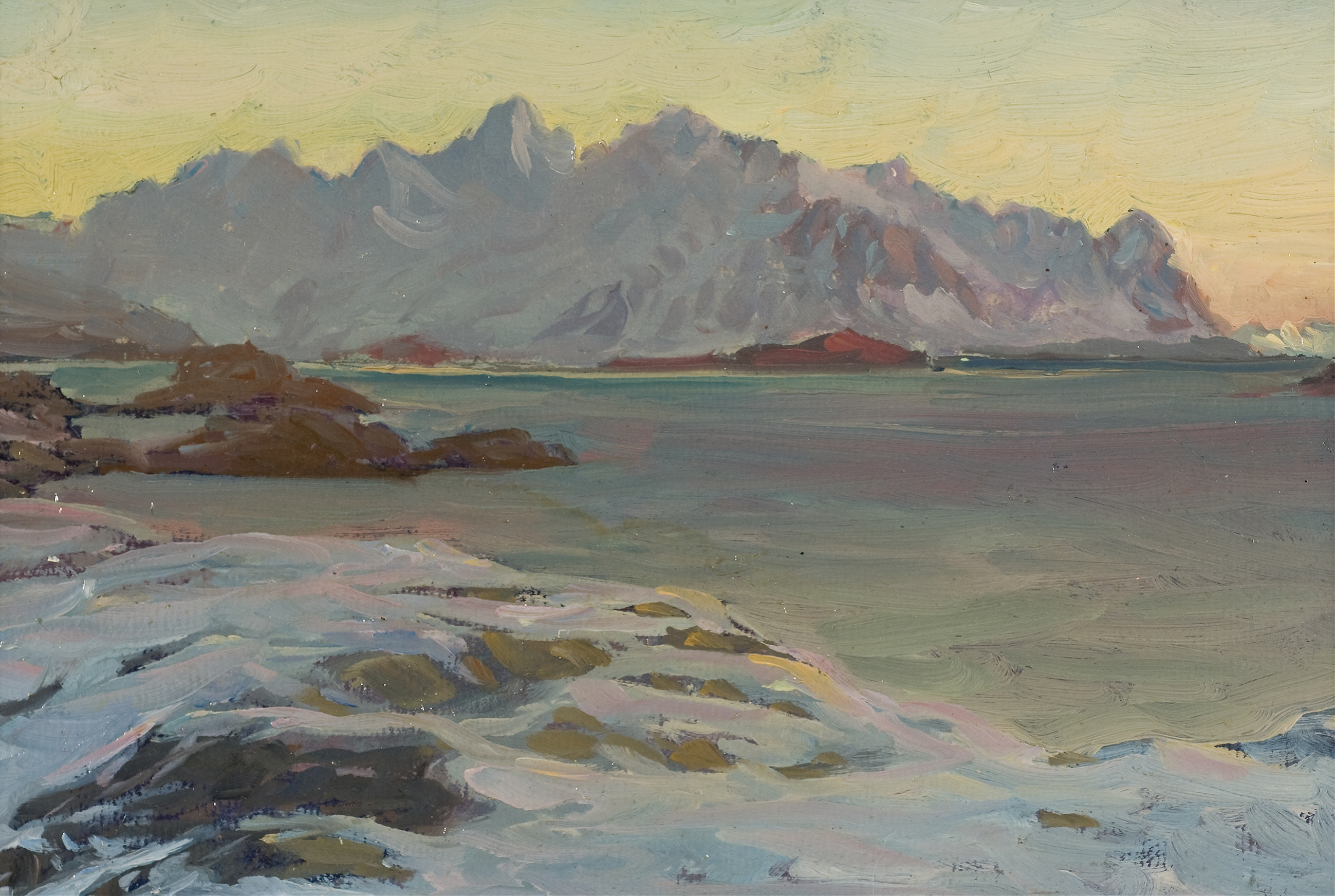
Art reveals the soul when the world turns away. In the face of grief, how do we articulate our sorrow? The essence of loss is captured in the delicate strokes of After the Massacre. Study from North Norway, where the artist draws us into a space of quiet reflection amid chaos. Look to the foreground, where stark, brooding mountains loom solemnly against a muted sky.
The shadows dance in heavy blues and greys, enveloping the scene in a somber embrace. Notice how the brushwork varies — some areas are soft and blended, evoking a sense of mourning, while others are sharp and jagged, hinting at the violence that has transpired. The palette conveys a deep emotional weight, with cooler tones predominating, immersing the viewer in a state of contemplation. Within this landscape lies a profound tension between the tranquility of nature and the horror of human actions. The viewer may sense the remnants of upheaval in the way the land appears scarred, yet resilient.
A solitary figure in the distance further emphasizes the isolation and grief permeating the scene, representing the lingering impact of tragedy on both the landscape and the human spirit. This juxtaposition reveals how nature bears witness to suffering, silently echoing the stories left untold. In this tumultuous period of her career, Anna Boberg explored the themes of loss and resilience in her work. Created in the early 20th century, she was influenced by the socio-political upheavals of her time, particularly the consequences of war on the Norwegian landscape. Boberg's commitment to expressing the emotional landscape around her reflects a broader artistic movement that sought to capture the human experience amid the stark realities of life.