Allegorie op heldendom met Faam — History & Analysis
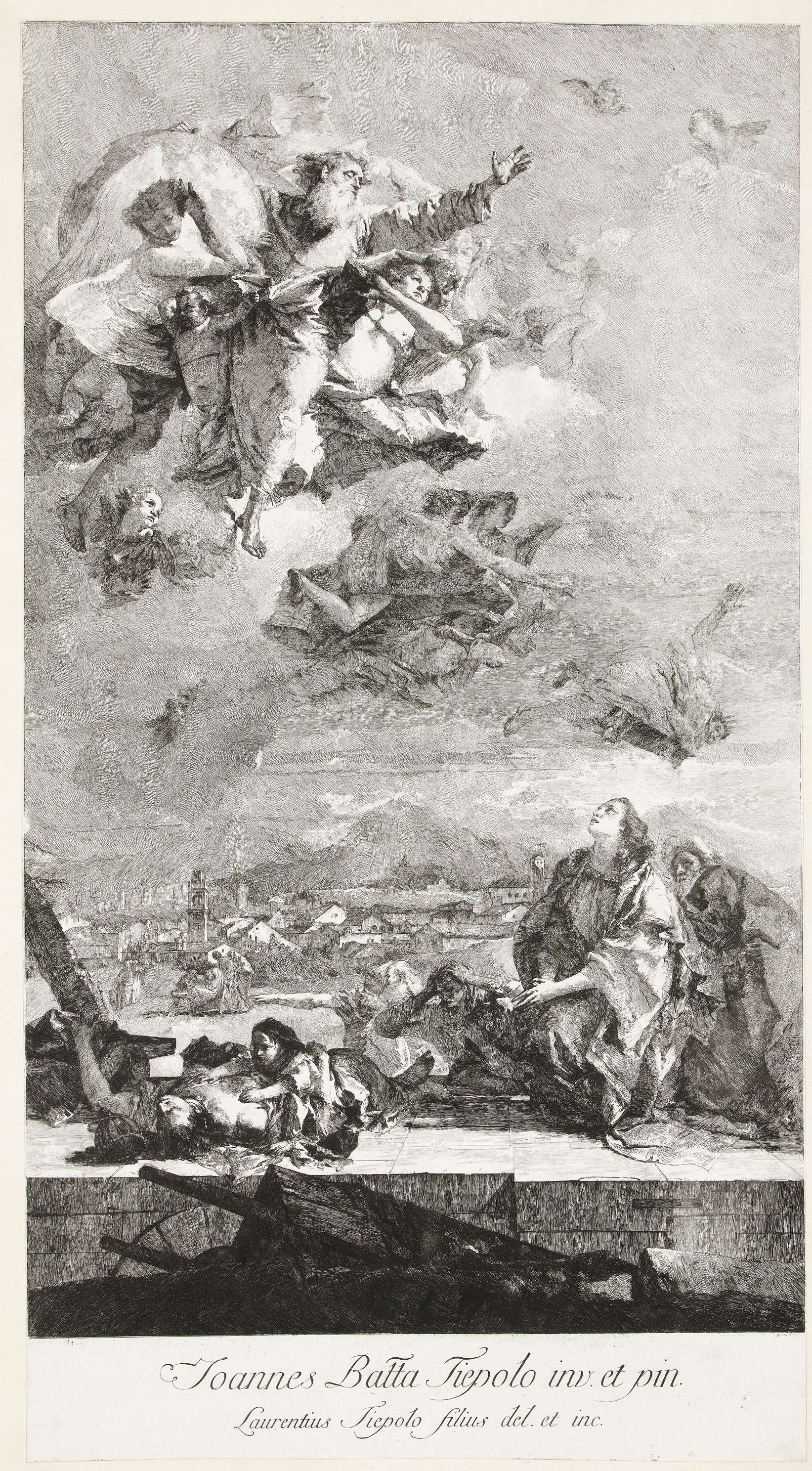
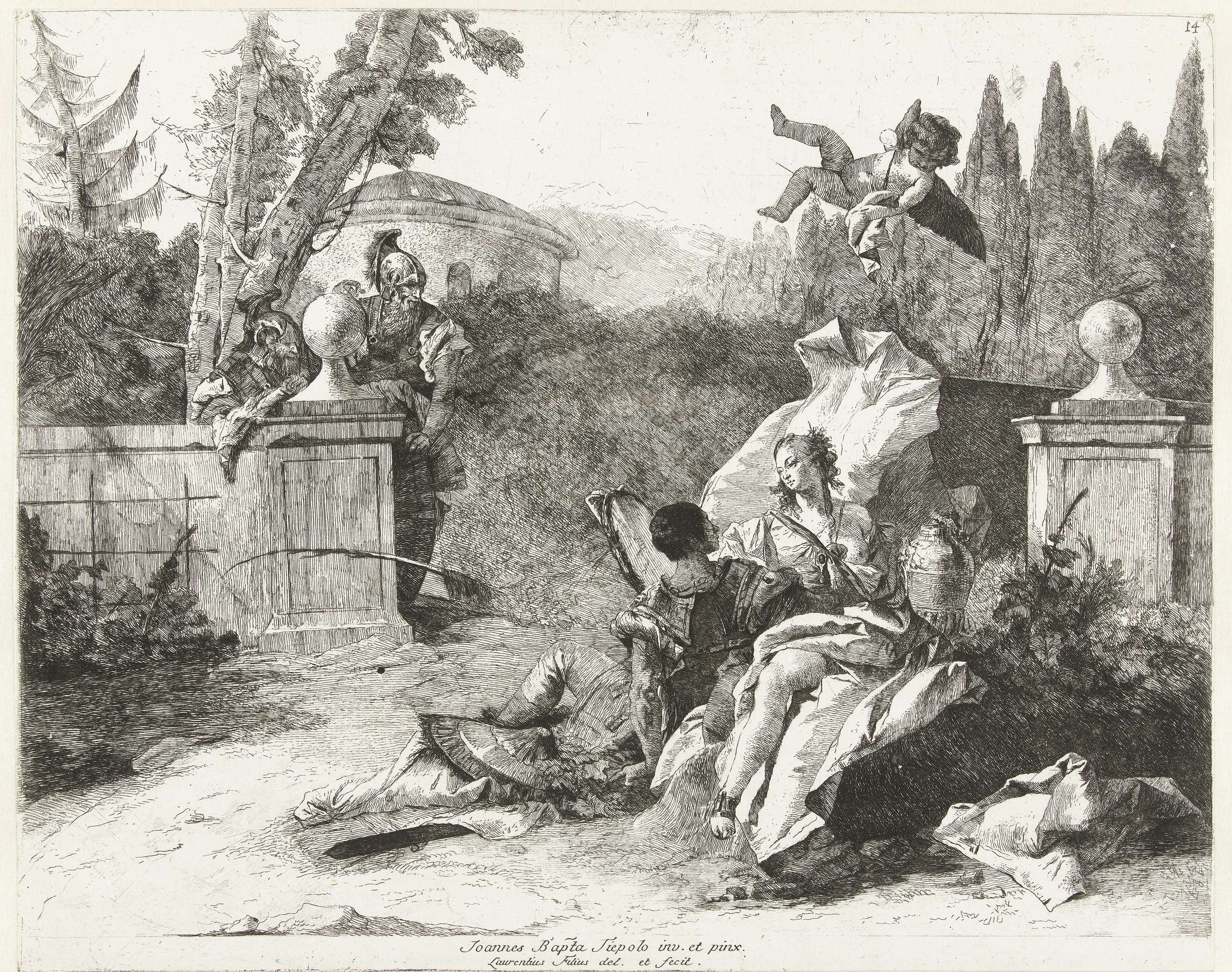
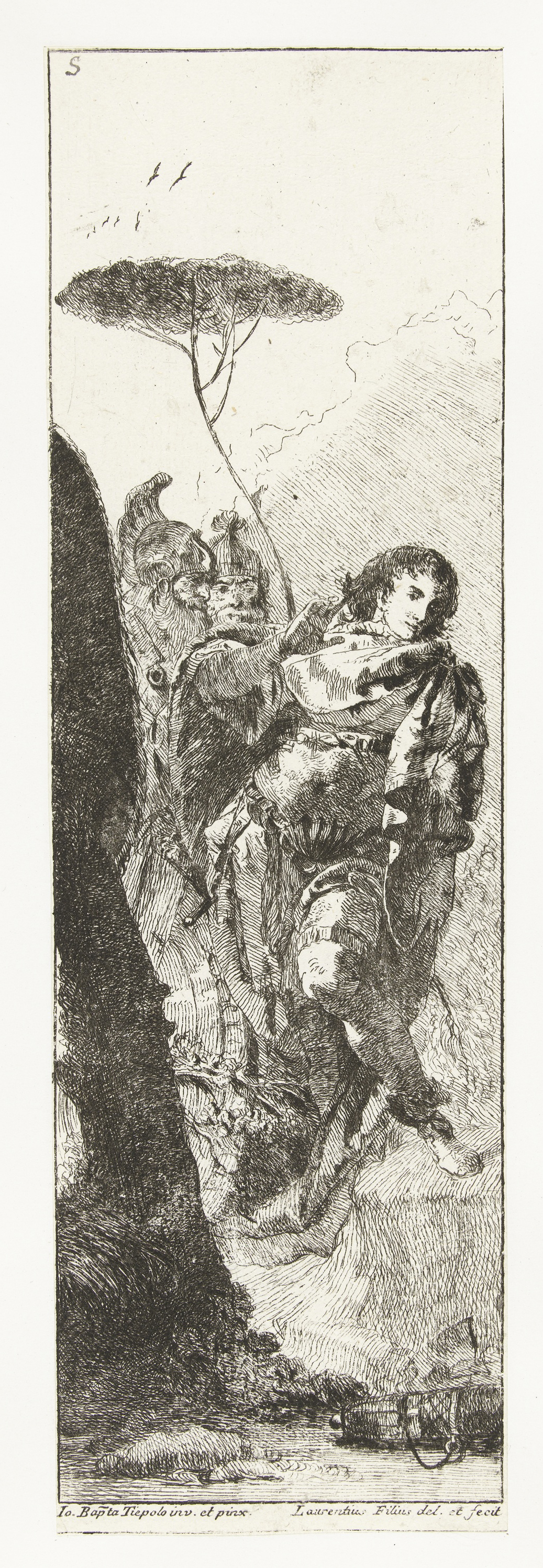
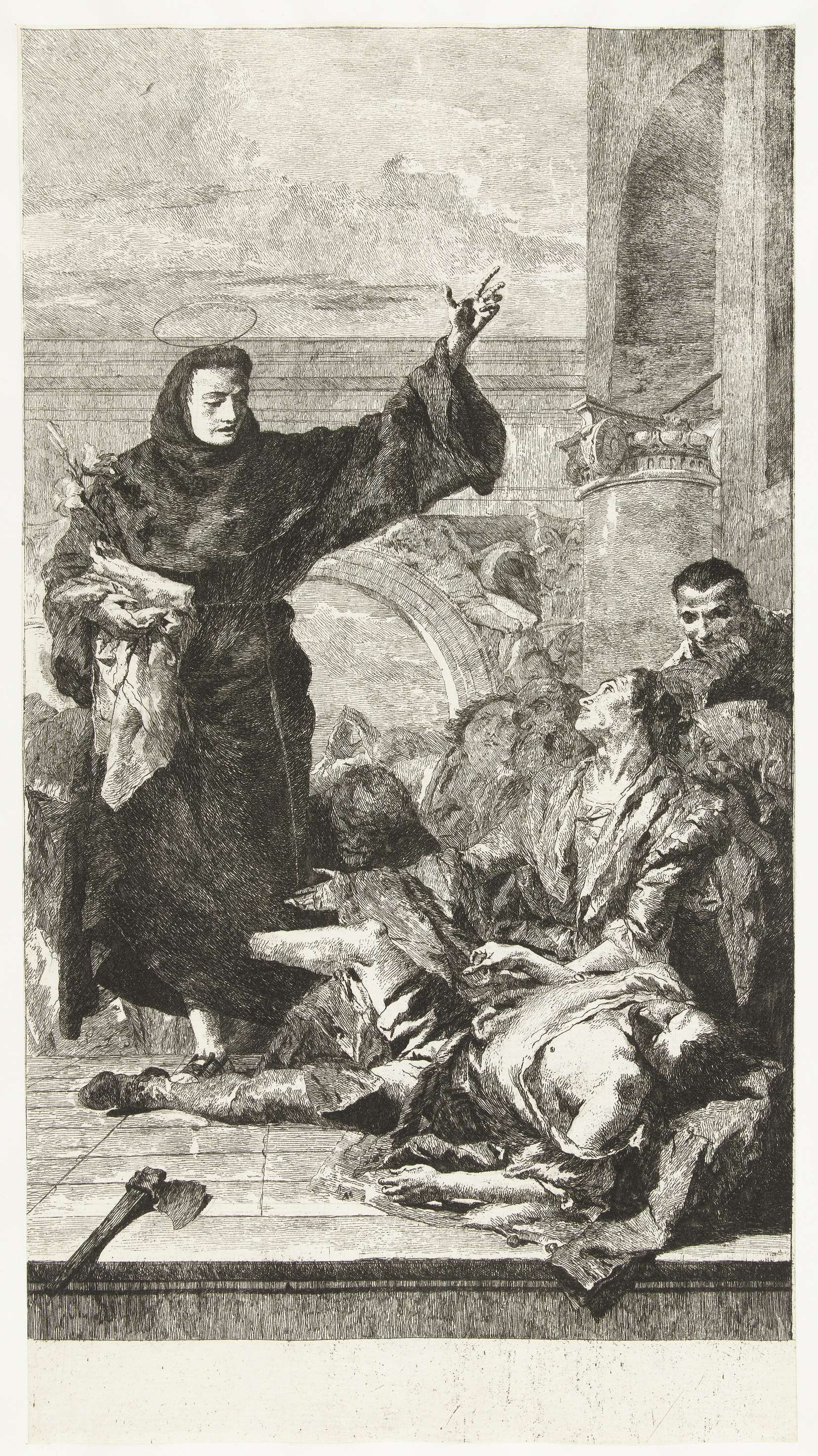
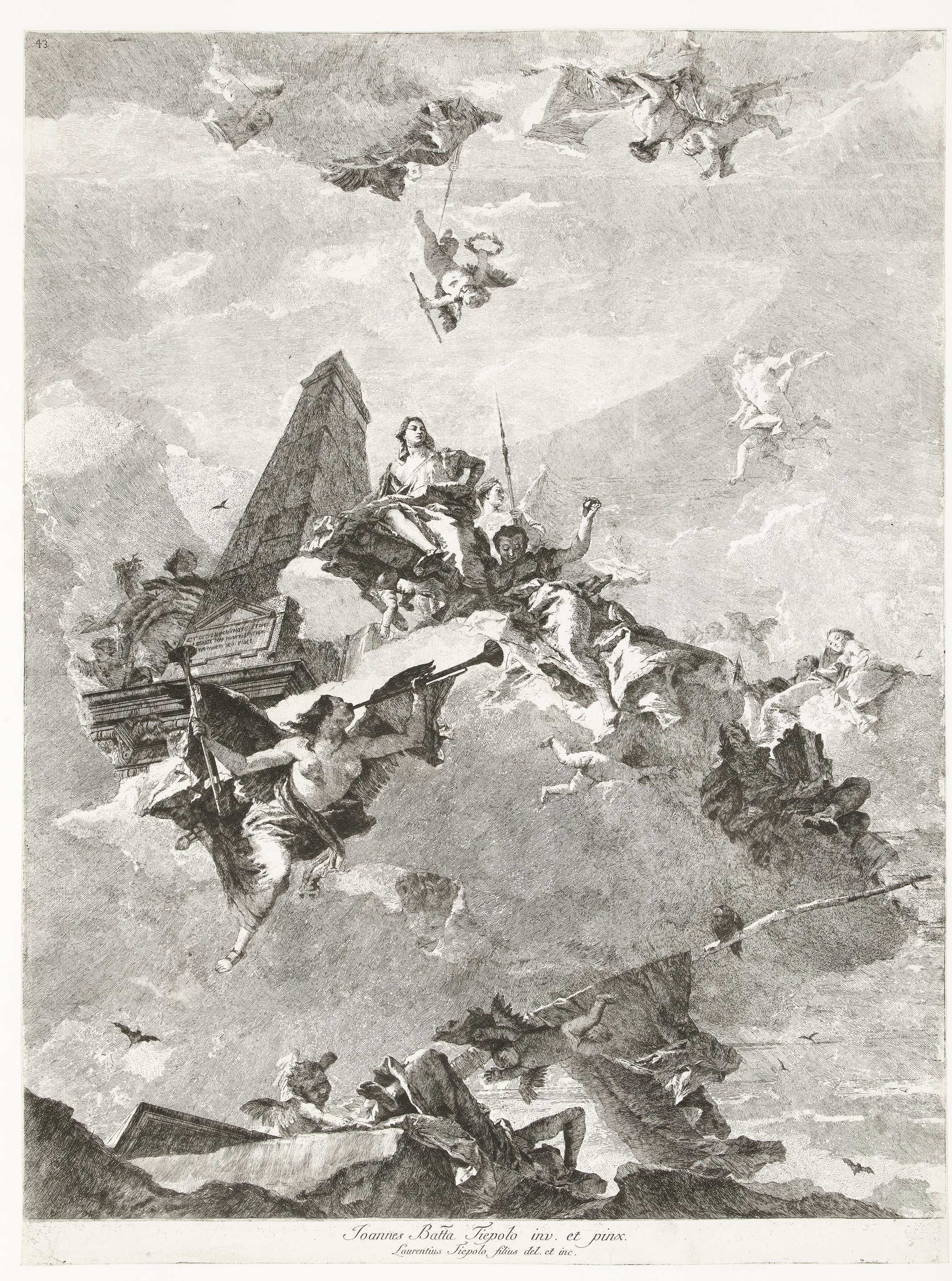
Could beauty survive in a century of chaos? In the aftermath of political upheaval and societal shifts, the intricate dance of allegory emerges, bearing witness to the resilience of hope and rebirth. Focus first on the bold figures at the center, their postures both triumphant and serene as they entwine in a moment of victory. Notice how the artist employs a harmonious palette of soft pastels and vibrant colors, creating a visual symphony that draws the eye inward.
The light, gently cascading across their forms, illuminates the delicate details of their garments and expressions, inviting you into a world where triumph over adversity reigns supreme. As you explore further, consider the layered meanings woven throughout the composition. The representation of glory and fame is not merely an adornment; it signifies birth after destruction, echoing the potential for renewal in a tumultuous era. The contrasting figures surrounding them serve as reminders of the struggles faced, yet their presence enhances the central themes of courage and hope.
A single broken chain at the base hints at liberation, suggesting that even in the darkest times, there remains a path to freedom and rebirth. Created between 1757 and 1761, this work marks a pivotal moment for the artist, who was navigating the rich artistic environment of 18th-century Venice. During this period, Tiepolo's style evolved, reflecting the burgeoning Rococo movement while simultaneously embracing Neoclassical ideals. His innovative approach captured the spirit of his time, as he sought to balance beauty and meaning amid the chaos surrounding the European landscape.