Heilige Antonius van Padua verricht wonder — History & Analysis
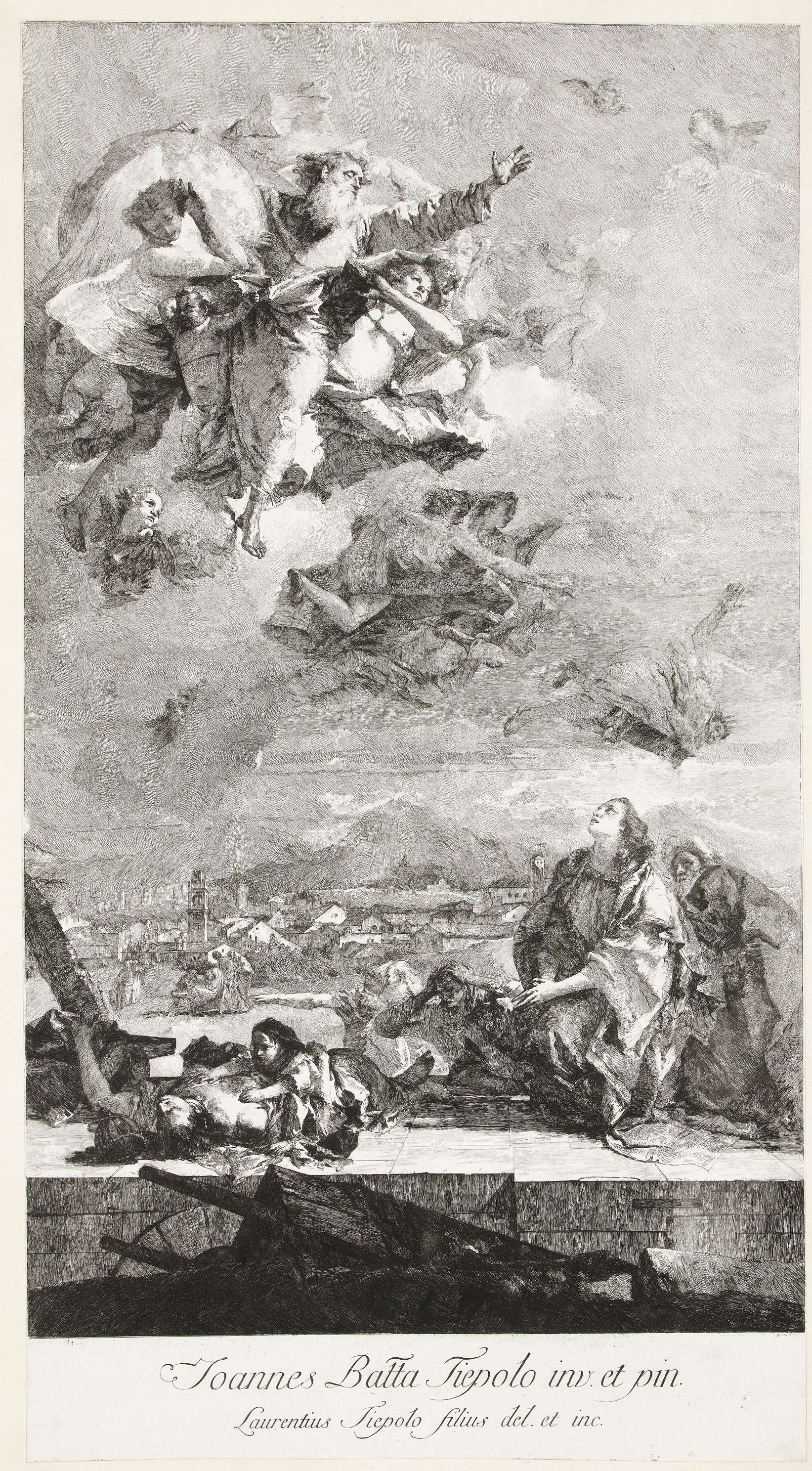
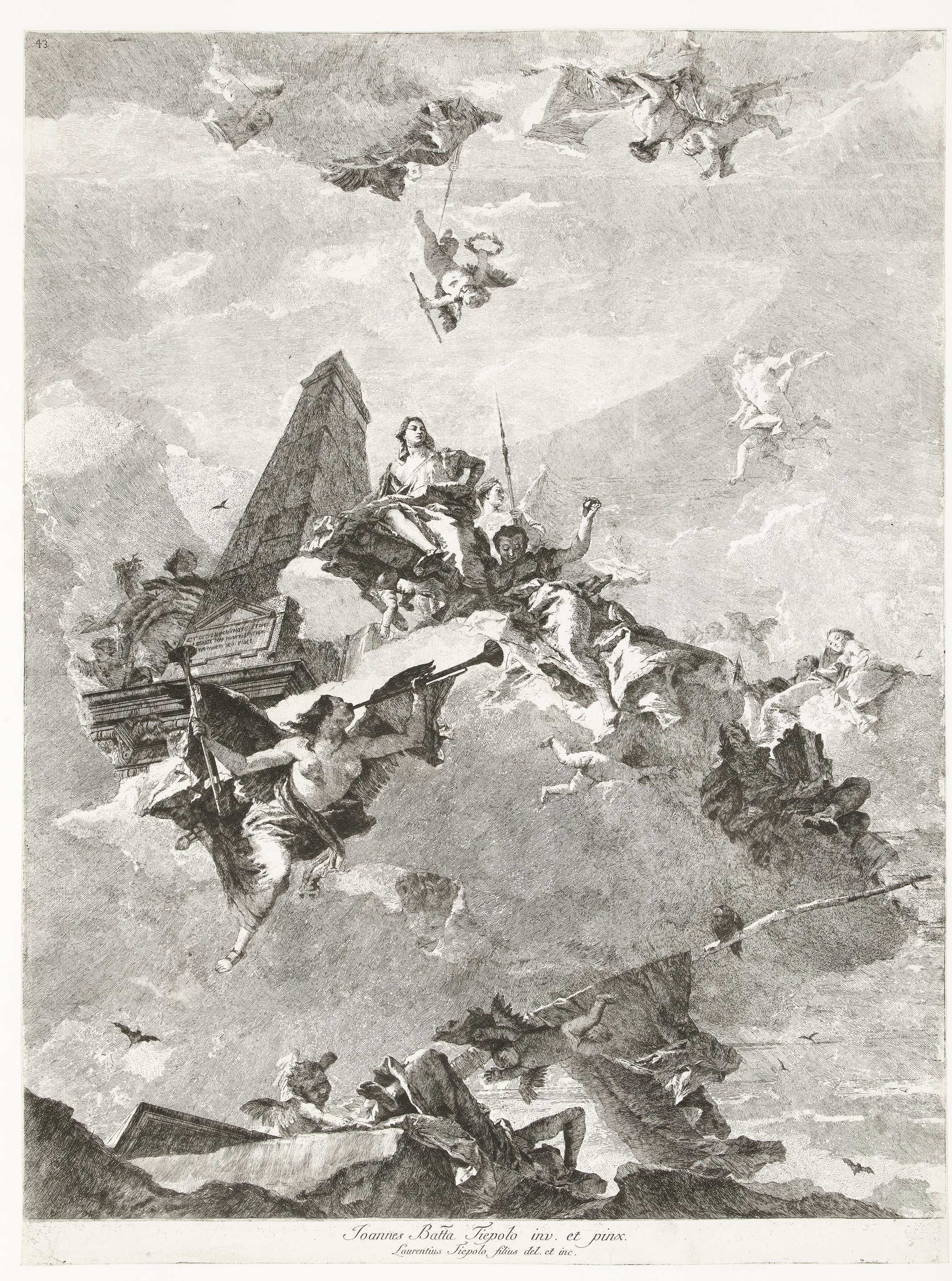
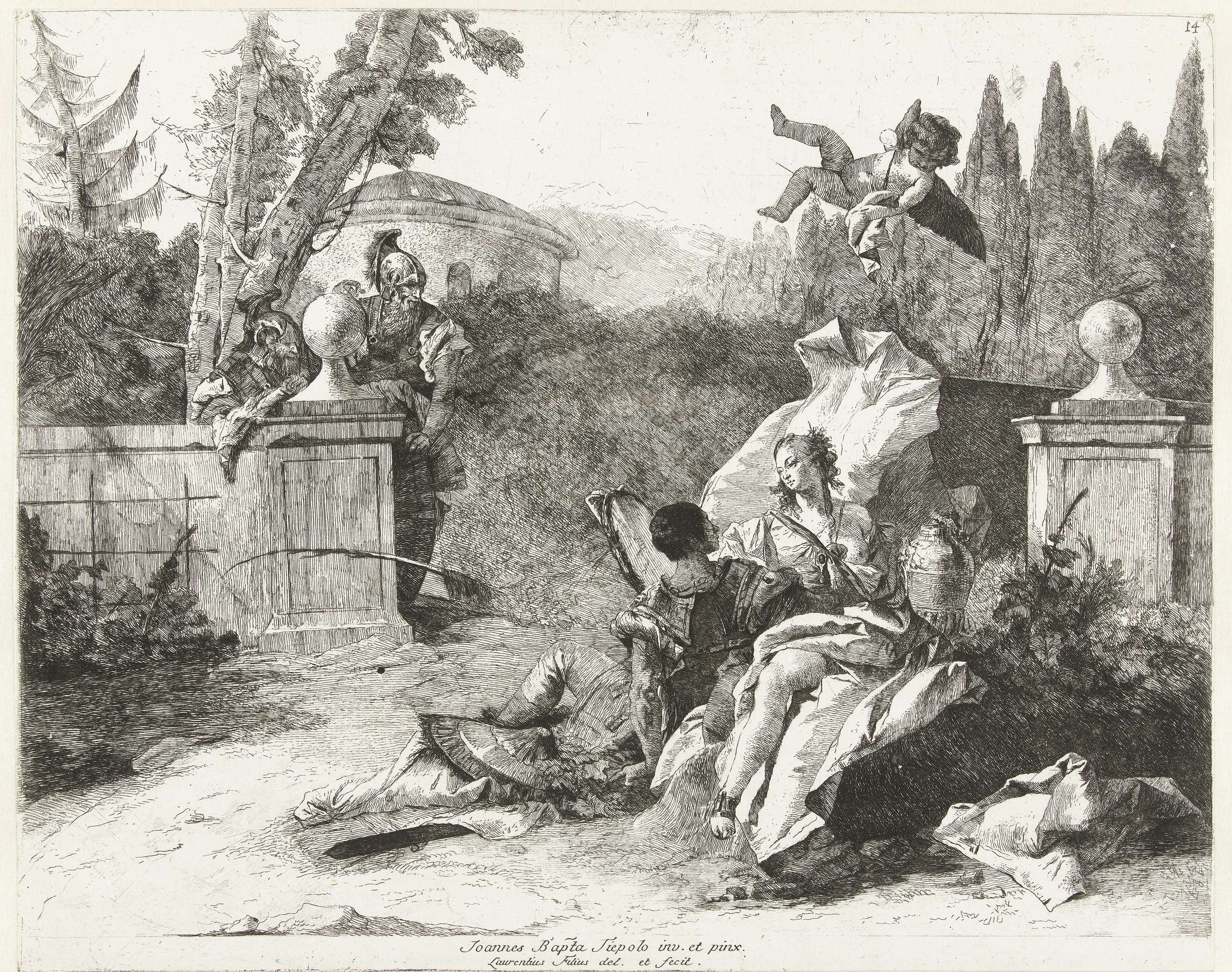
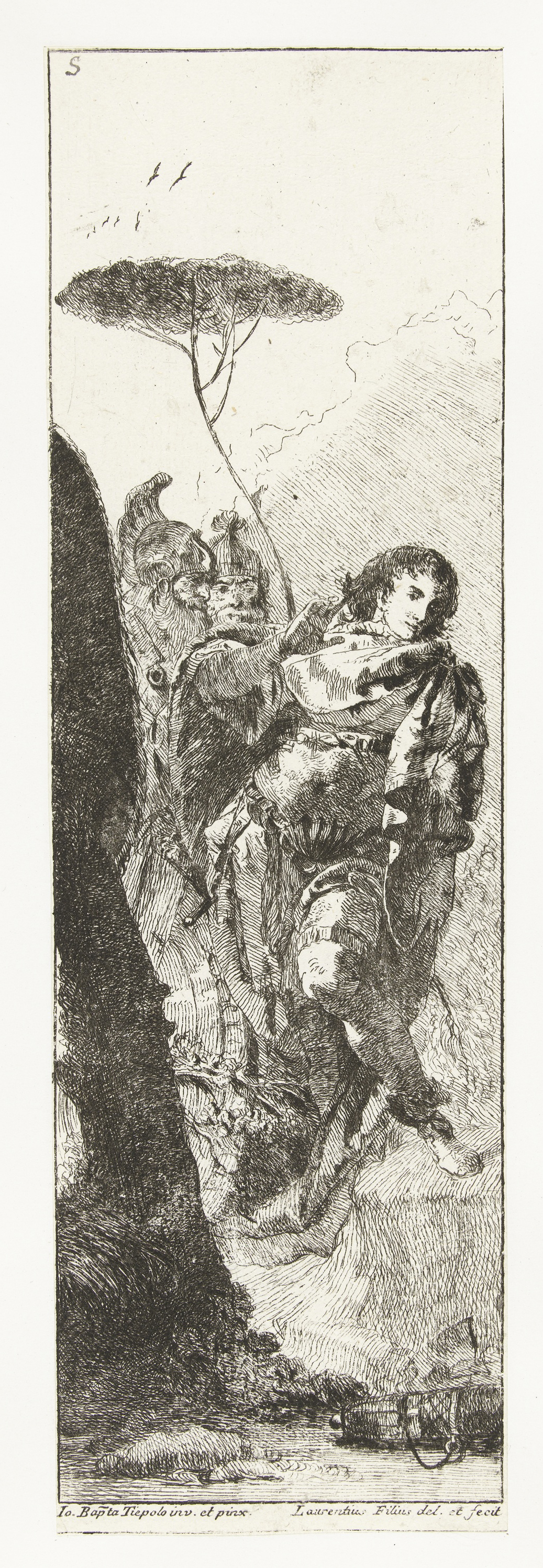
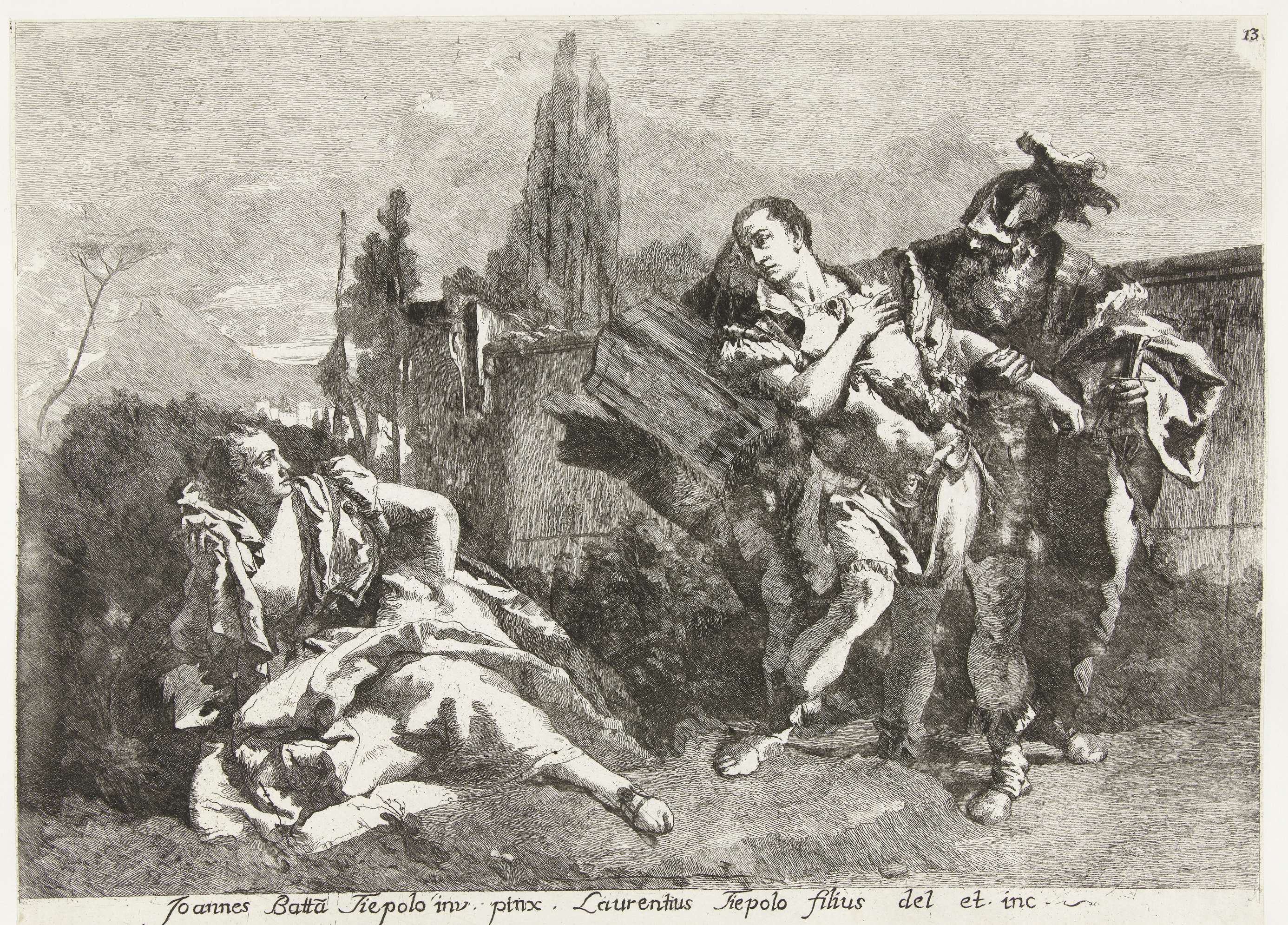
“Every brushstroke is a heartbeat remembered.” In the realm of art, how do we encapsulate the legacy of a life, a moment, or a miracle? Look closely at the swirling figures that populate the canvas, each one imbued with a sense of fervor and devotion. The luminous colors, radiant blues and warm ochres, draw you first to the saint at the center, his serene expression contrasting starkly with the tumult around him. Notice how the light caresses his robes, a divine glow highlighting his role as a mediator between the earthly and the heavenly.
Each gesture of the surrounding figures, from the outstretched arms to tightly clasped hands, pulsates with emotion, as if the entire scene vibrates with collective faith. Beneath the surface, the work captures the tension between the miraculous and the everyday, revealing a world where the divine interjects in human struggles. The juxtaposition of the saint’s calm demeanor against the animated chaos of the crowd speaks to the power of faith amidst turmoil. The inclusion of ethereal symbols, such as the doves and the radiant halo, whispers of a legacy that transcends time, inviting spectators to ponder the stories carried through generations.
Created between 1754 and 1776, this masterpiece emerges from the vibrant cultural milieu of 18th-century Venice, where Lorenzo Baldissera Tiepolo worked amidst a flourishing artistic community. This period was marked by a revival of interest in religious themes, as well as the artist's own familial lineage of creativity. The painting stands as a testament to Tiepolo's dedication to both his craft and the enduring messages of hope and miracle that define his era.