American House Hanover Street, Boston – by Lewis Rice — History & Analysis
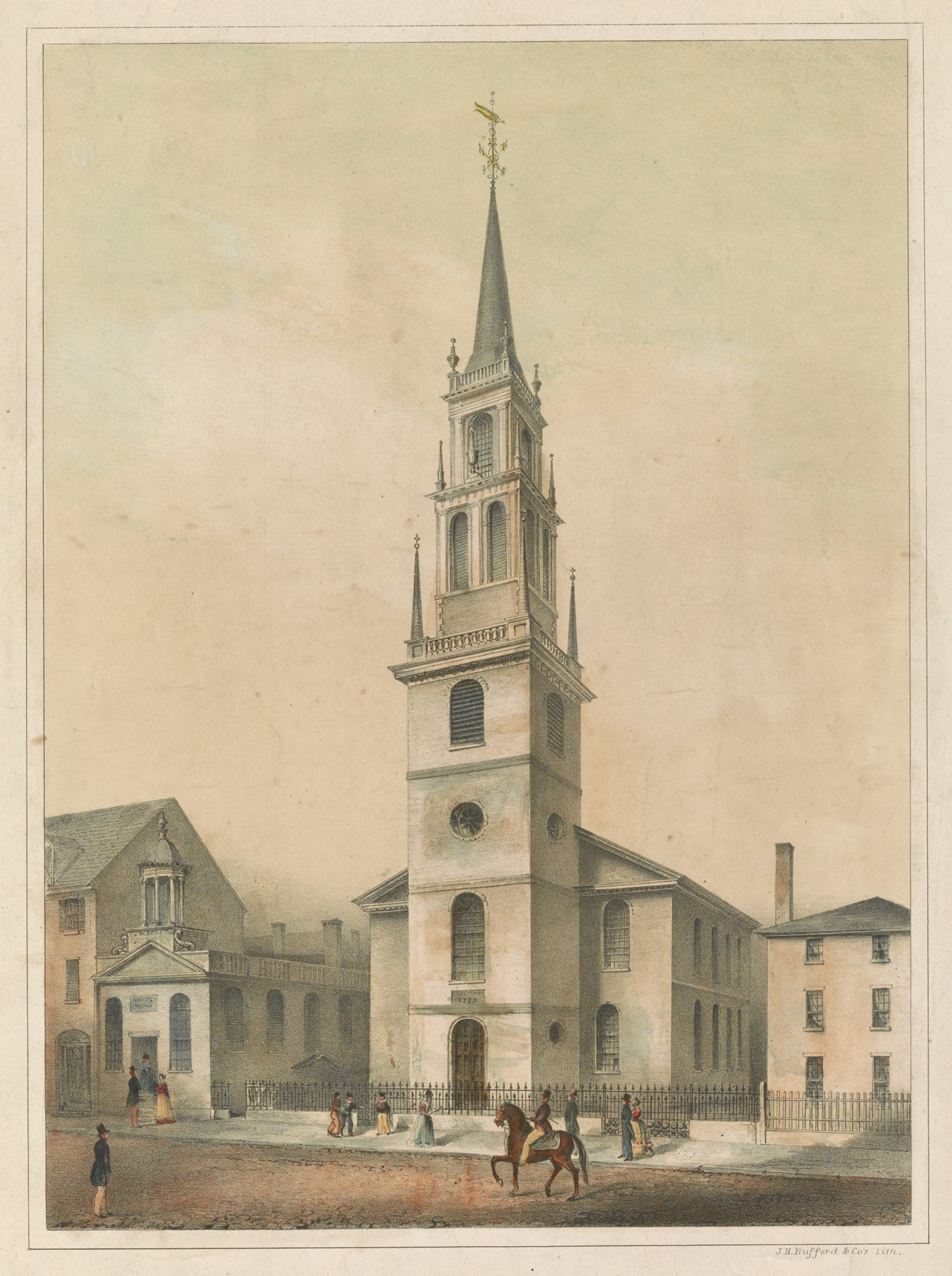
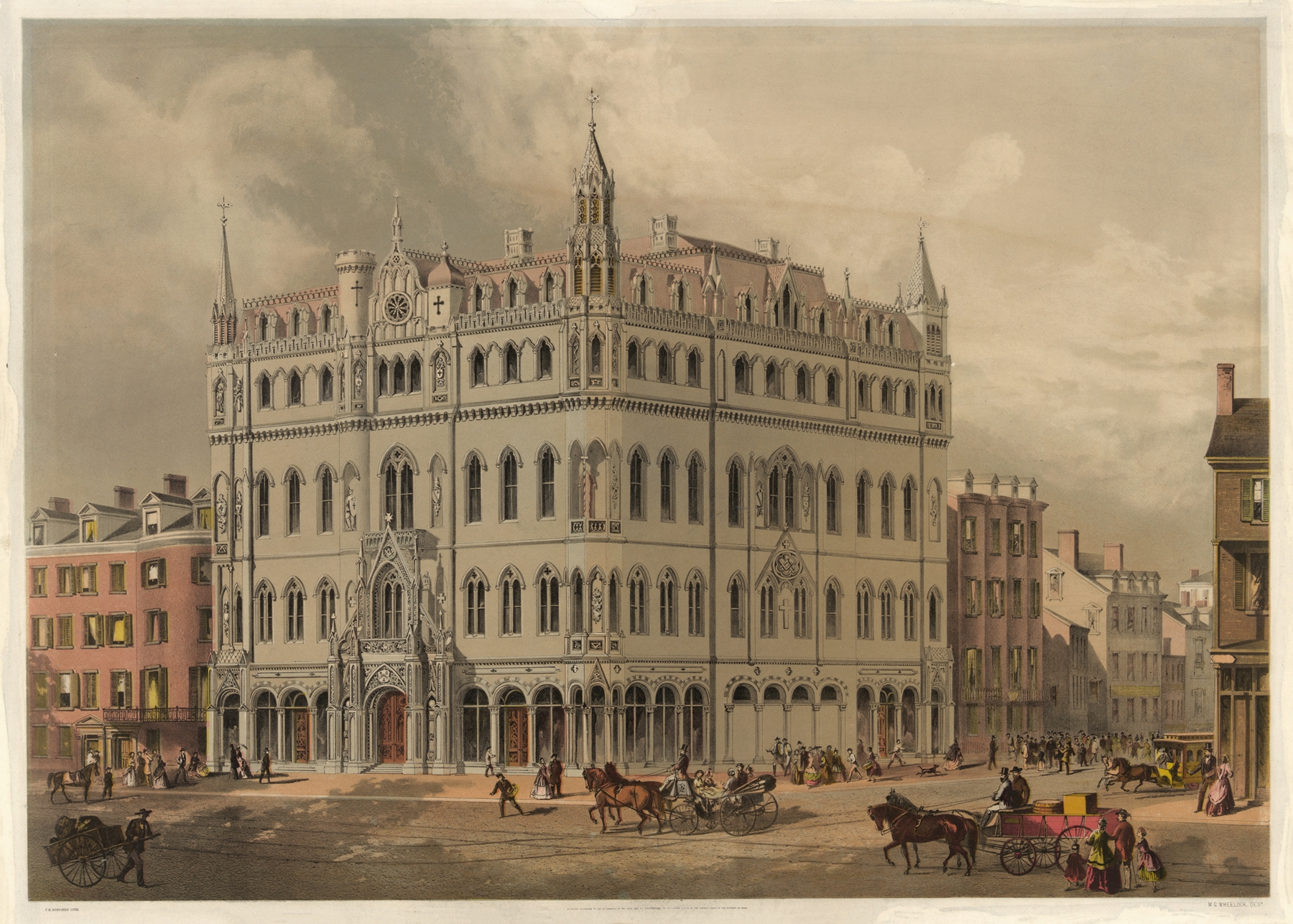
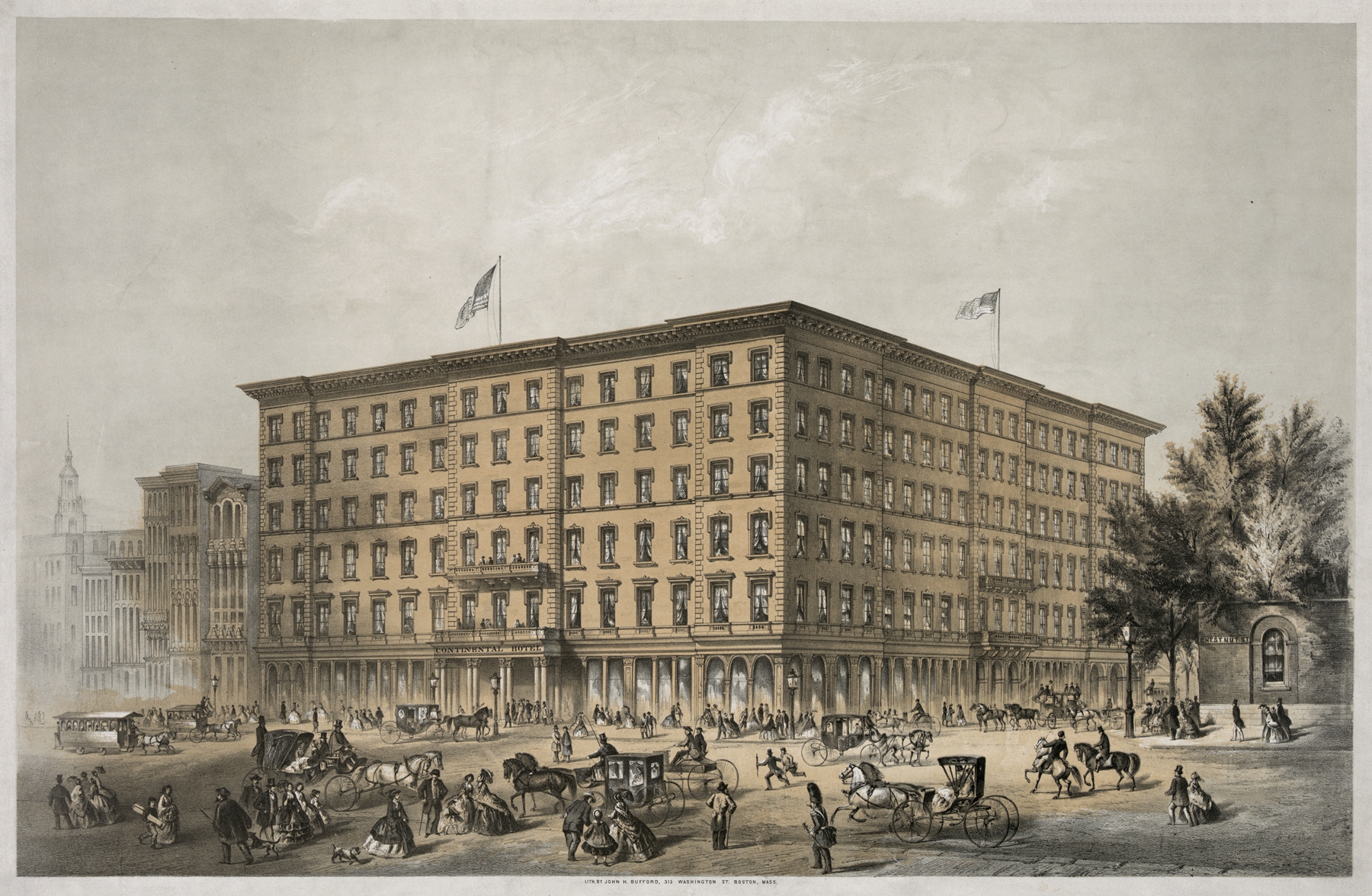
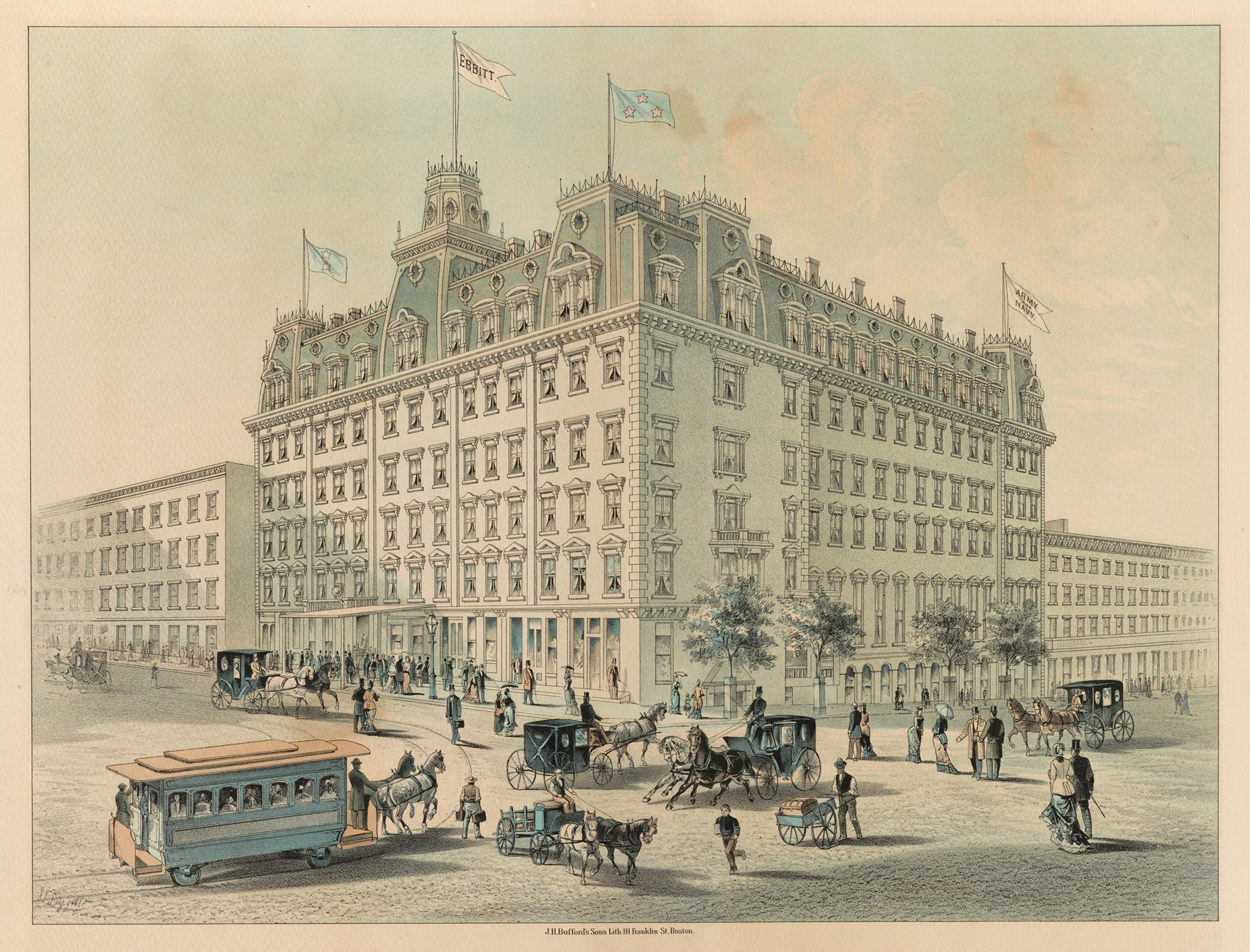
Who listens when art speaks of silence? In the stillness captured within the frame, the absence echoes louder than presence itself. Here, the viewer is drawn into a moment of reflection, where loss is both palpable and profound. Focus on the carefully painted façade of the house, specifically the intricate detailing of the window frames and the way the light dances upon the worn bricks.
Notice how the shadows gently caress the structure, hinting at the stories held within its walls. The muted colors suggest a history rich with memory but tinged with melancholy, creating a sense of nostalgia that invites contemplation. Look closely at the small elements that speak volumes: the overgrown garden, a rusted mailbox, or perhaps a solitary chair left on the porch. Each detail carries an emotion, a fragment of life once vibrant now faded into the background.
Together, these components weave a narrative of abandonment and longing, revealing the fragility of home and the weight of what remains unspoken. Created during an era marked by rapid urban change and the loss of traditional values, Bufford's work reflects a time when many felt the pull of modernity against the familiar comforts of home. This piece, likely painted in the mid-19th century, mirrors the shifting landscape of Boston as families transitioned from their historic roots to a burgeoning metropolis, capturing the quiet heartache of leaving behind what once was.