View of the new alms house for the city of Boston in the state of Massachusetts, erecting on Deer Island in Boston Harbor — History & Analysis
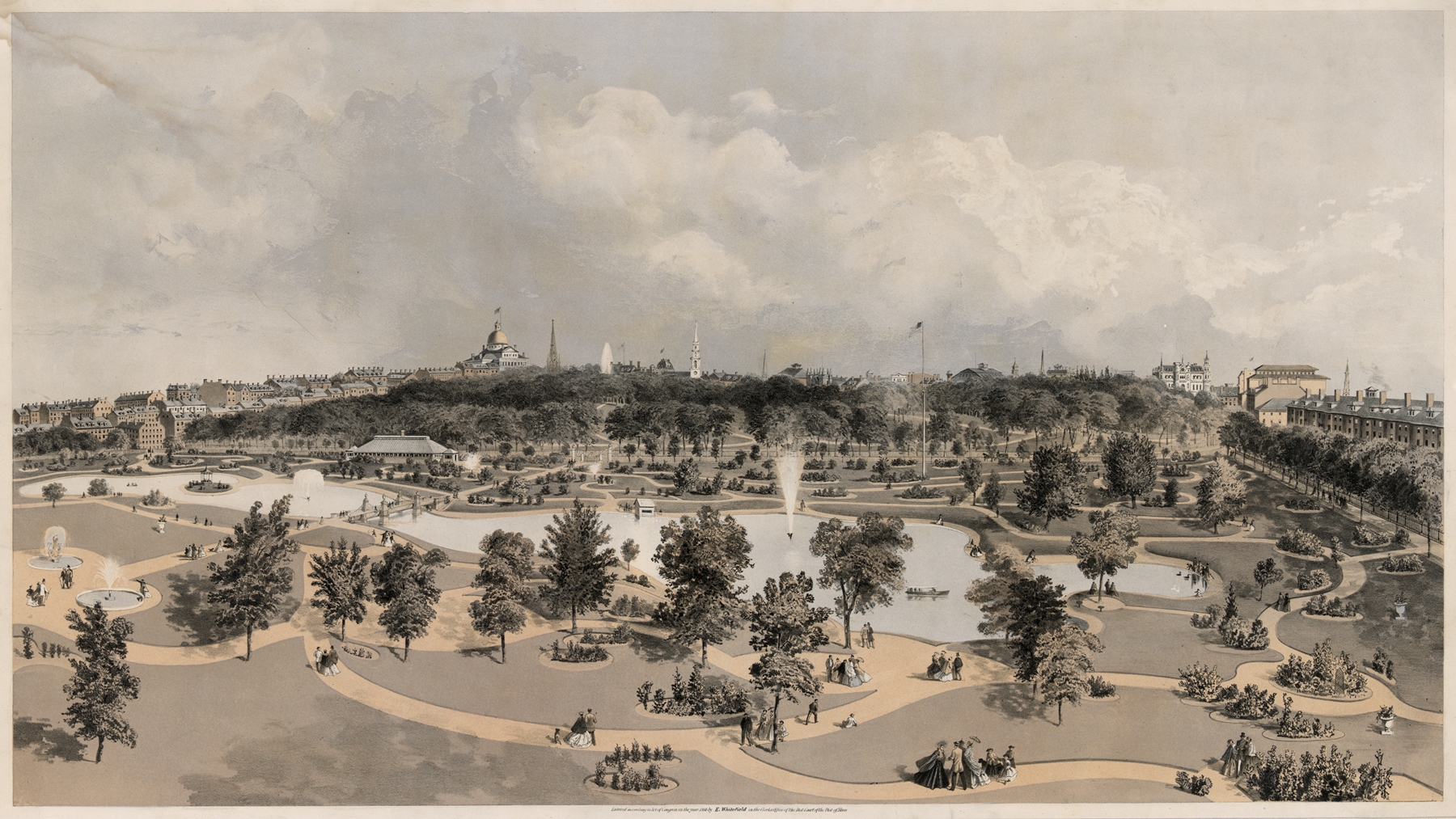
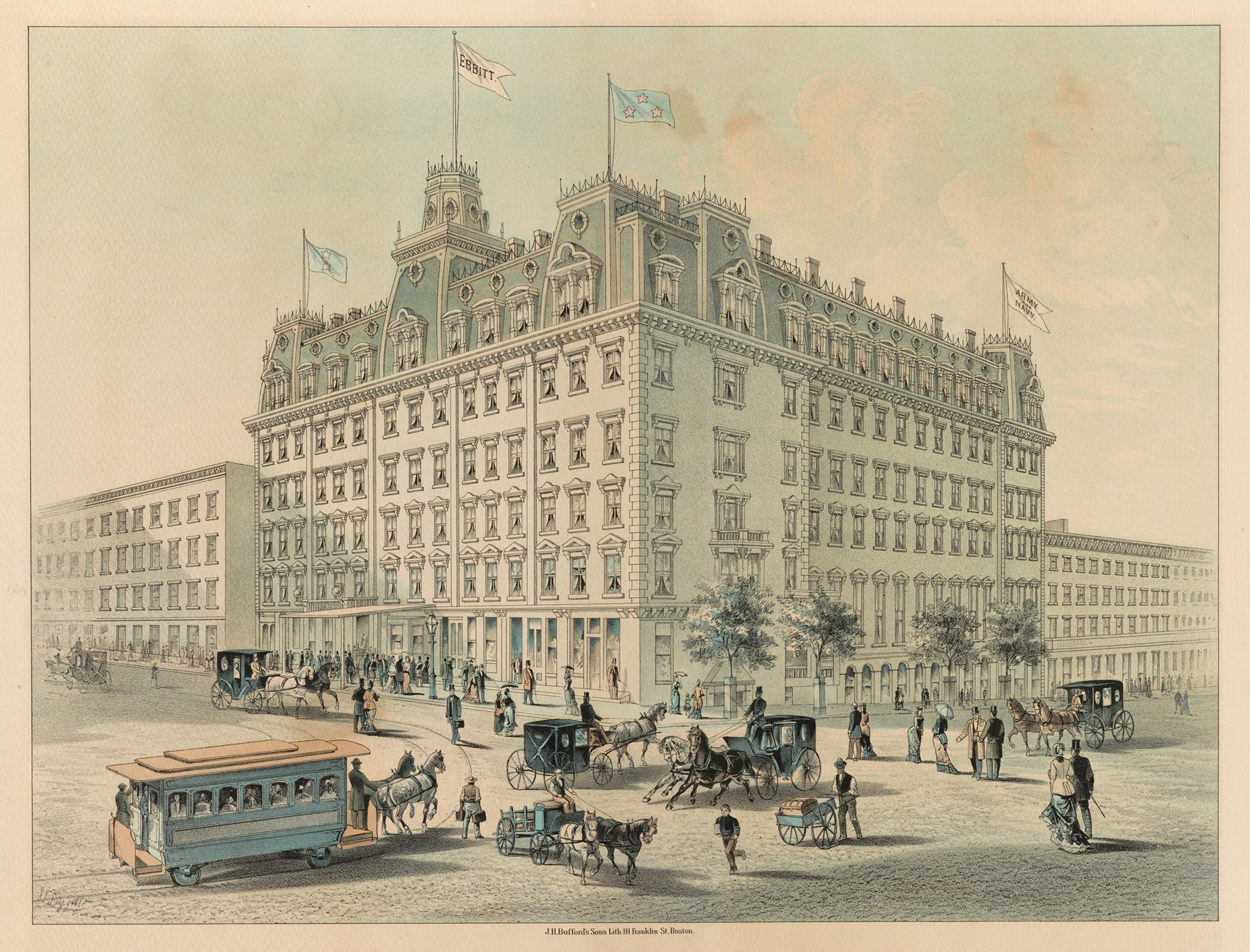
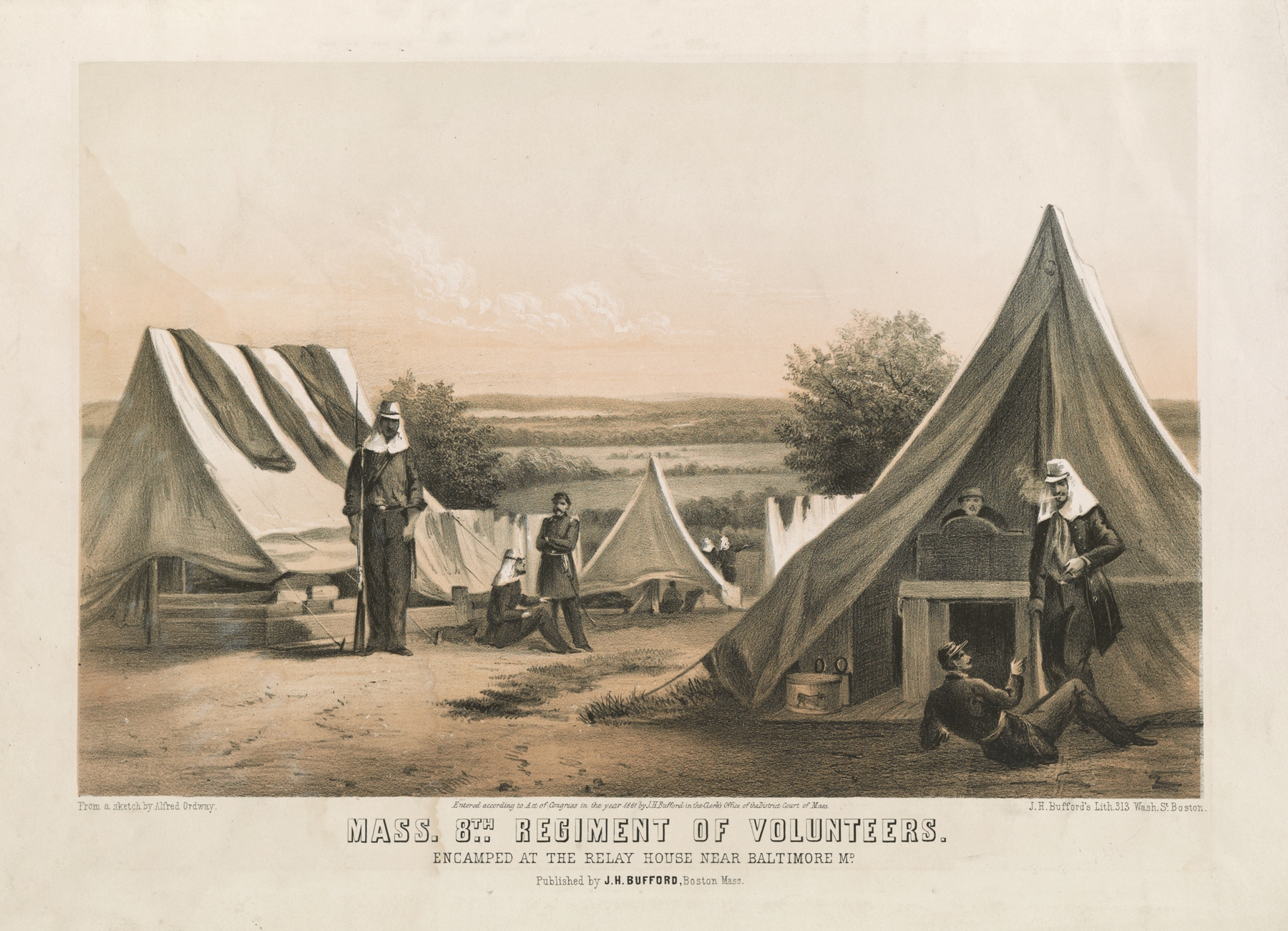
“To paint is to remember what time wants us to forget.” In the swirling currents of memory and loss, a landscape emerges that speaks not just to history but to the lives entwined within it. This view encapsulates a moment where the past's echoes ripple through the present, inviting contemplation on the human experience amid transition. Look to the foreground—there, the new alms house stands resolute, its architecture both austere and hopeful against the expansive backdrop of Boston Harbor. Notice how the muted tones of the building contrast with the vibrant colors of the surrounding landscape, suggesting both permanence and fragility.
The soft play of light upon its façade hints at optimism, while the looming clouds overhead introduce an undercurrent of melancholy, marking a dichotomy between aspiration and the shadows of what has been lost. Delve deeper into the gestures of the figures in the painting, their movements purposeful yet imbued with an air of resignation. These inhabitants engage in a delicate dance of survival, embodying the tension between community and isolation. The water's reflective surface serves as a metaphor for memory itself, capturing fleeting moments and the ever-looming passage of time, as if reminding us of the souls that once passed through these very spaces.
Created during an indeterminate time, this work reflects the period when John H. Bufford’s & Sons sought to document the evolving landscape of urban America. In an era marked by rapid change, the alms house stood as a testament to the city’s commitment to care amid societal upheaval. Bufford’s focus on such establishments highlights the tension between progress and preservation, illustrating the artist's role in both mirroring and shaping public consciousness.