Among the Fishing Boats in Svolvaer. Study from Lofoten — History & Analysis
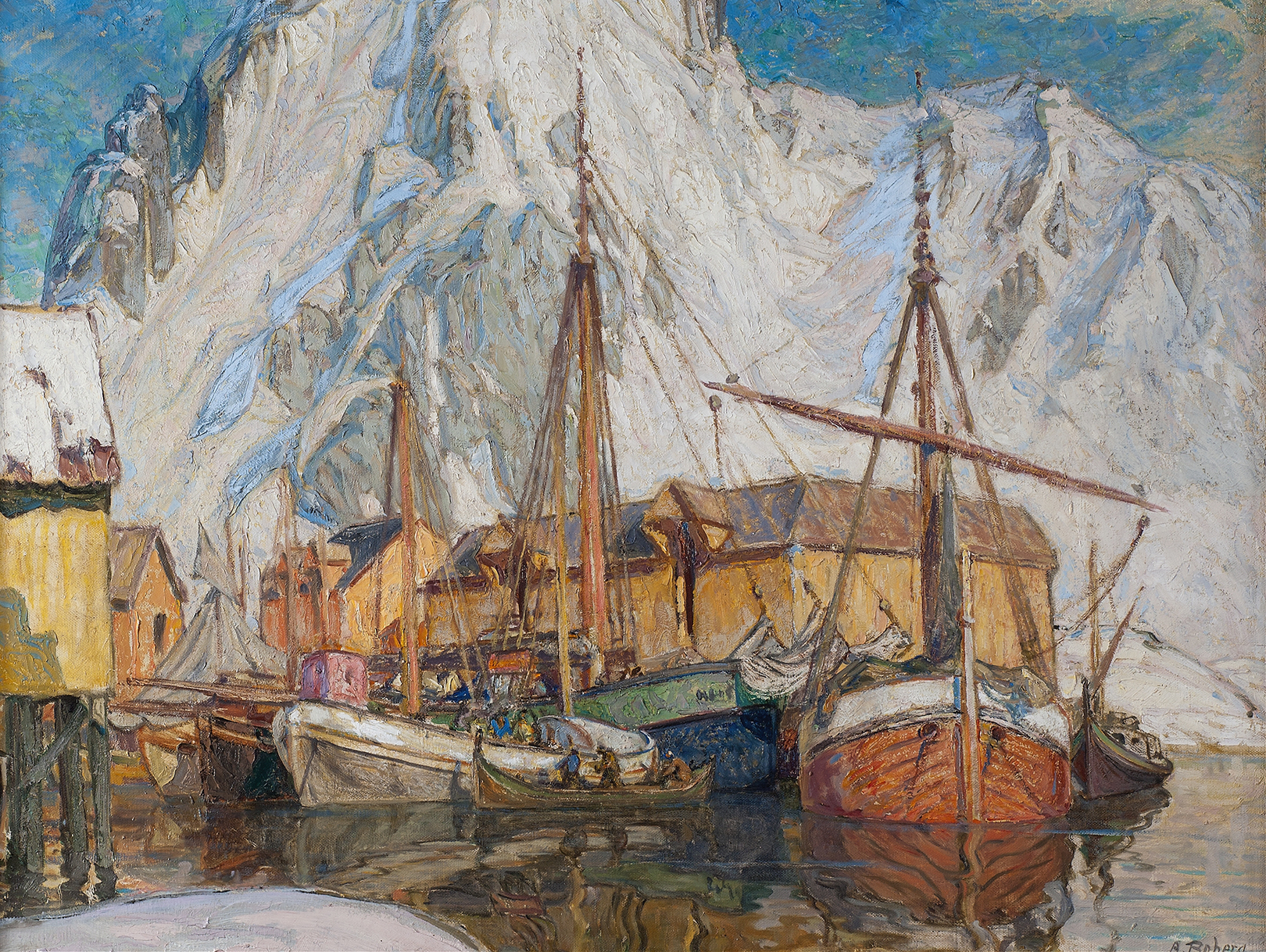
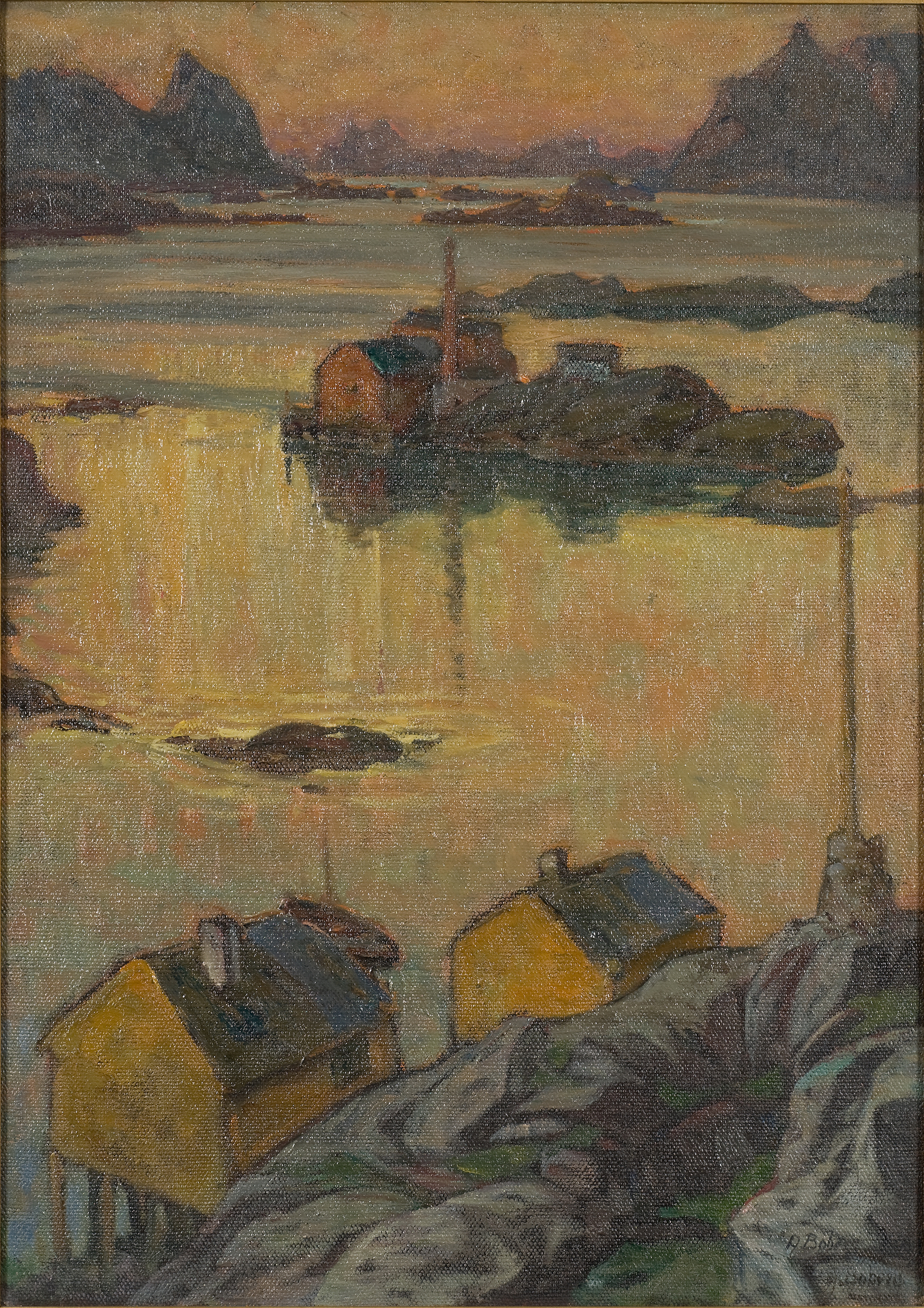
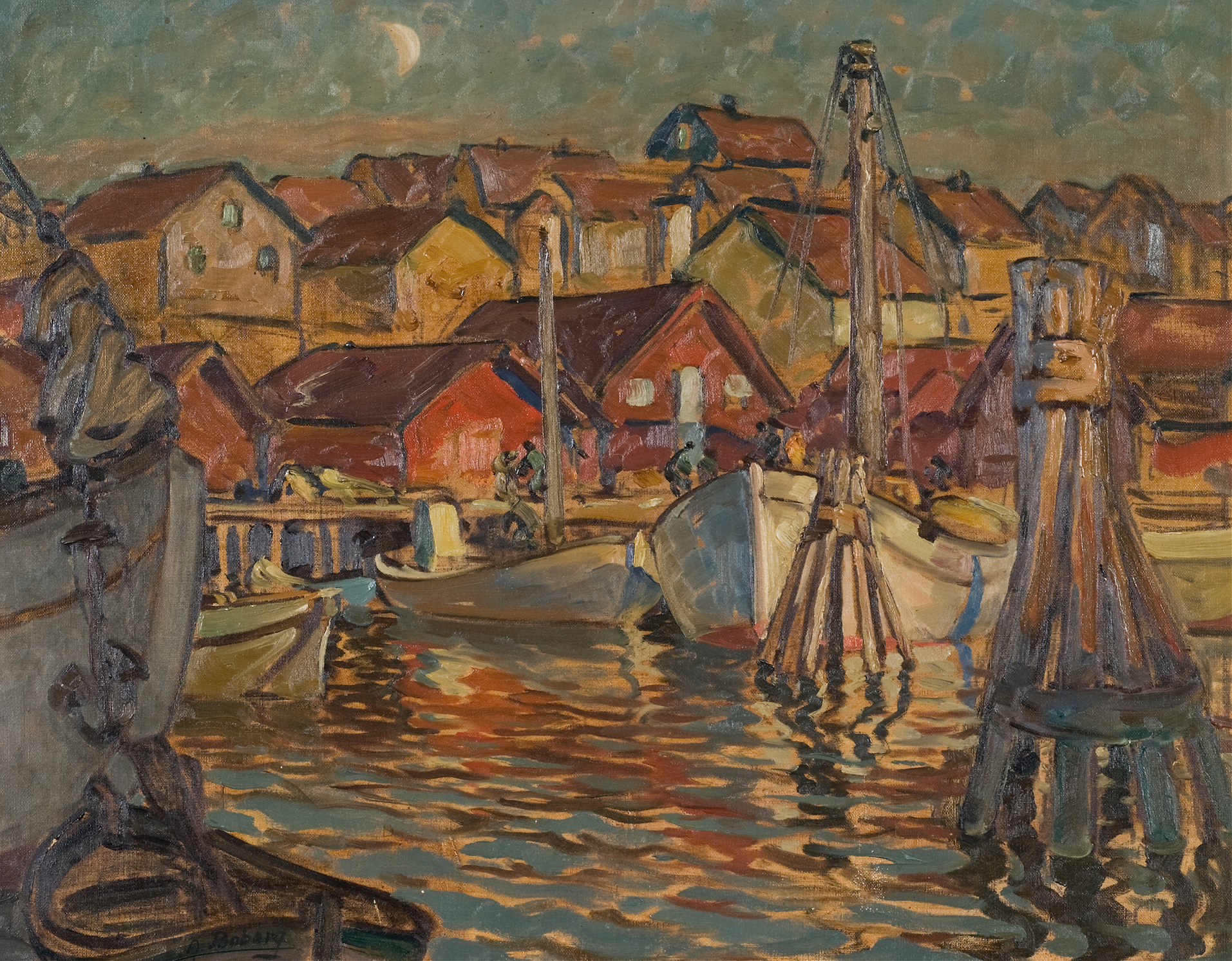
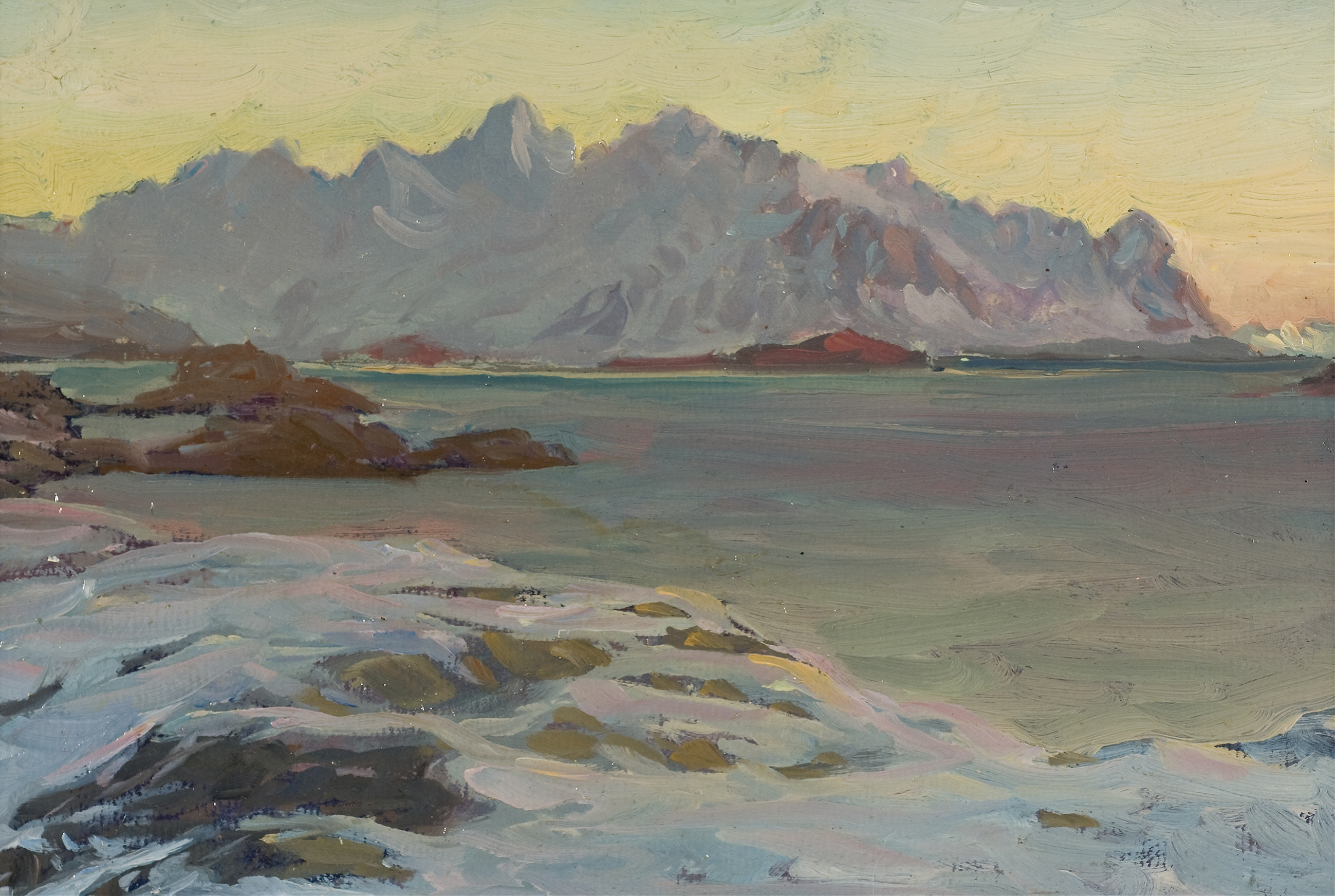
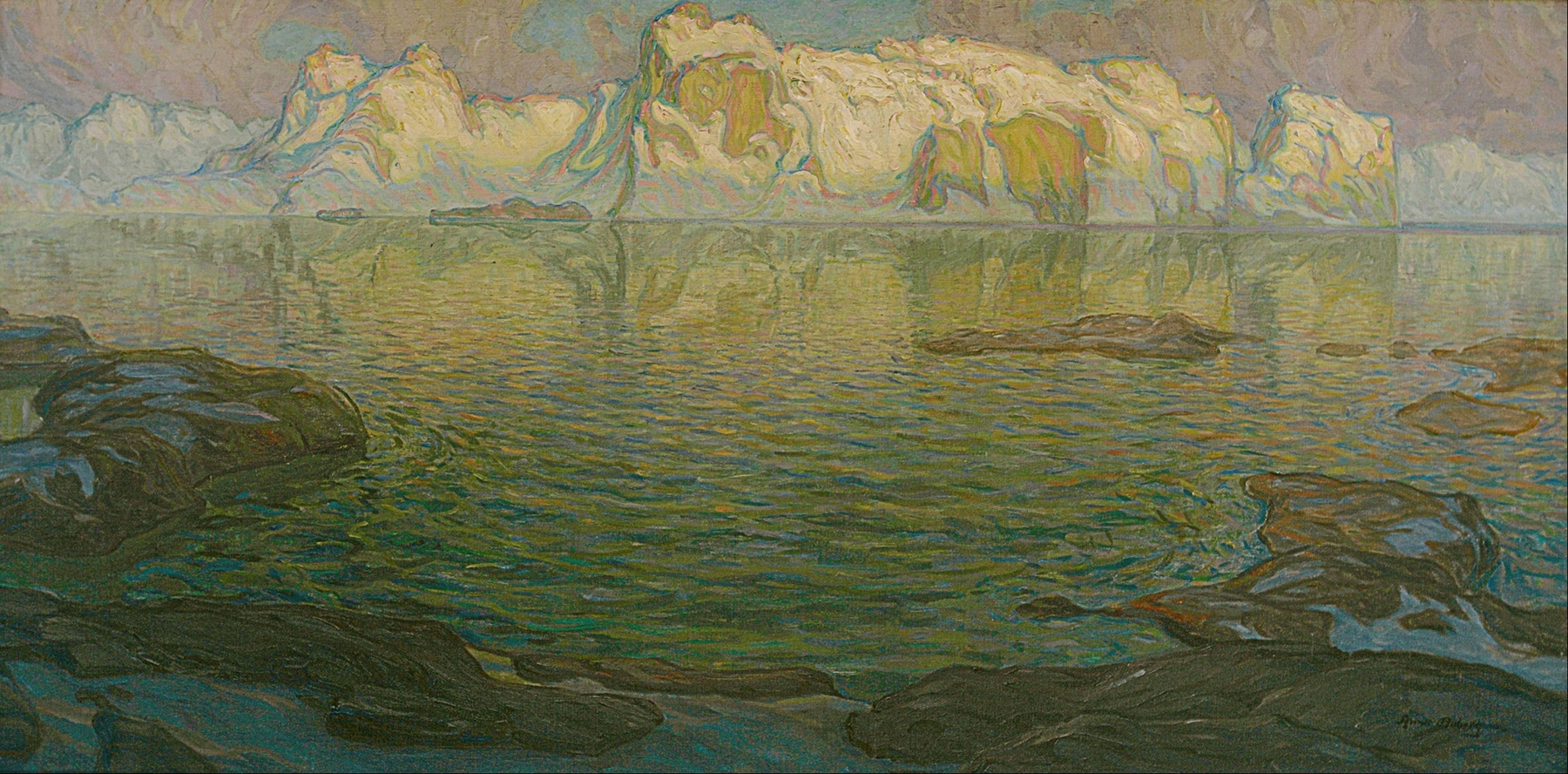
What secret hides in the quiet of the canvas? In Anna Boberg's Among the Fishing Boats in Svolvaer. Study from Lofoten, we find ourselves enveloped by the serene balance of nature and human endeavor, where the essence of the scene breathes through every brushstroke. Look to the center, where gently rocking fishing boats rest in a tranquil harbor, their reflections dancing in the still water. Notice how the cool blues and soft grays of the sea harmonize with the warm, earthy tones of the boats, creating a visual symphony that draws the eye.
The light filters through a subtle mist, illuminating the details of the boats’ weathered wood, while the distant shoreline anchors the composition with a textured solidity. This nuanced interplay between color and light enhances the feeling of calm, inviting contemplation. Delve deeper into the work and you’ll uncover a sense of balance that resonates throughout. The juxtaposition of the delicate boats against the mighty backdrop of the mountains hints at a relationship between human fragility and nature’s grandeur. Meanwhile, the stillness of the water reflects a moment suspended in time, hinting at the underlying tensions of a life at sea—its unpredictability and beauty intertwined.
Each detail seems deliberate, laying bare the emotional weight of a quiet harbor on the edge of the world. In 1934, Boberg painted this piece during a period of personal exploration, having moved to Norway to immerse herself in its breathtaking landscapes. This was a time when the art world was evolving, shifting towards modernism. Her choice to capture the simplicity of everyday life reflects a keen awareness of the changes in society and the post-war sentiments that permeated the artistic community, positioning her work as a quiet yet poignant testament to resilience amid transformation.