
Approach to the Temple of Wady Sabua [Wadi al-Sabua], Nubia. — History & Analysis
Can paint confess what words never could? In Approach to the Temple of Wady Sabua, the essence of innocence captured in the vastness of ancient stone invites a dialogue beyond mere description. Look to the left at the towering columns of the temple, their surfaces etched with the vestiges of civilization long past. The warm hues of ochre and gold harmonize beautifully with the cool blues of the distant sky, creating a striking contrast that beckons the eye.
Notice how the rugged landscape envelops the temple, a reminder of nature’s enduring presence and humanity's fleeting ambitions. The careful brushstrokes depict intricate carvings, seamlessly blending detail with the grandeur of the scene, while the play of light enhances the solemnity of the structure. The interplay between the imposing architecture and the gentle encroachment of the surrounding landscape evokes a sense of nostalgia for a lost innocence. This juxtaposition suggests a longing for a time when humanity and nature coexisted in harmony, unmarred by the passage of time.
Furthermore, the small figures dotted throughout the scene, possibly travelers or pilgrims, reinforce the scale of the monument, emphasizing humanity's place within history's vast tapestry, both awe-struck and humbled. David Roberts created this work during his extensive travels through Egypt and Nubia between 1846 and 1849. At this point in his life, he was gaining recognition as a leading architectural painter, focusing on the grandeur of ancient ruins. The mid-19th century marked a growing European fascination with Egyptology, and Roberts' meticulous renderings contributed to the romantic allure of these ancient sites during a time of burgeoning exploration and cultural exchange.
![Karnac [Karnak]. Nov. 29th, 1838., by David Roberts, public domain](https://froigstrpvutwqtqikzt.supabase.co/storage/v1/object/public/art-images/artworks/4d03dc1f7193c7d916a2bc790dd85d799ca595e465dea5741c39c1c0d95500f2.jpg)
![Temple of Edfou [Idfû], ancient Appolinopolis, Upper Egypt., by David Roberts, public domain](https://froigstrpvutwqtqikzt.supabase.co/storage/v1/object/public/art-images/artworks/b51e83da008fb52a9e3832297709f860ad8821d94936f0ccc0984f79e32cfea9.jpg)
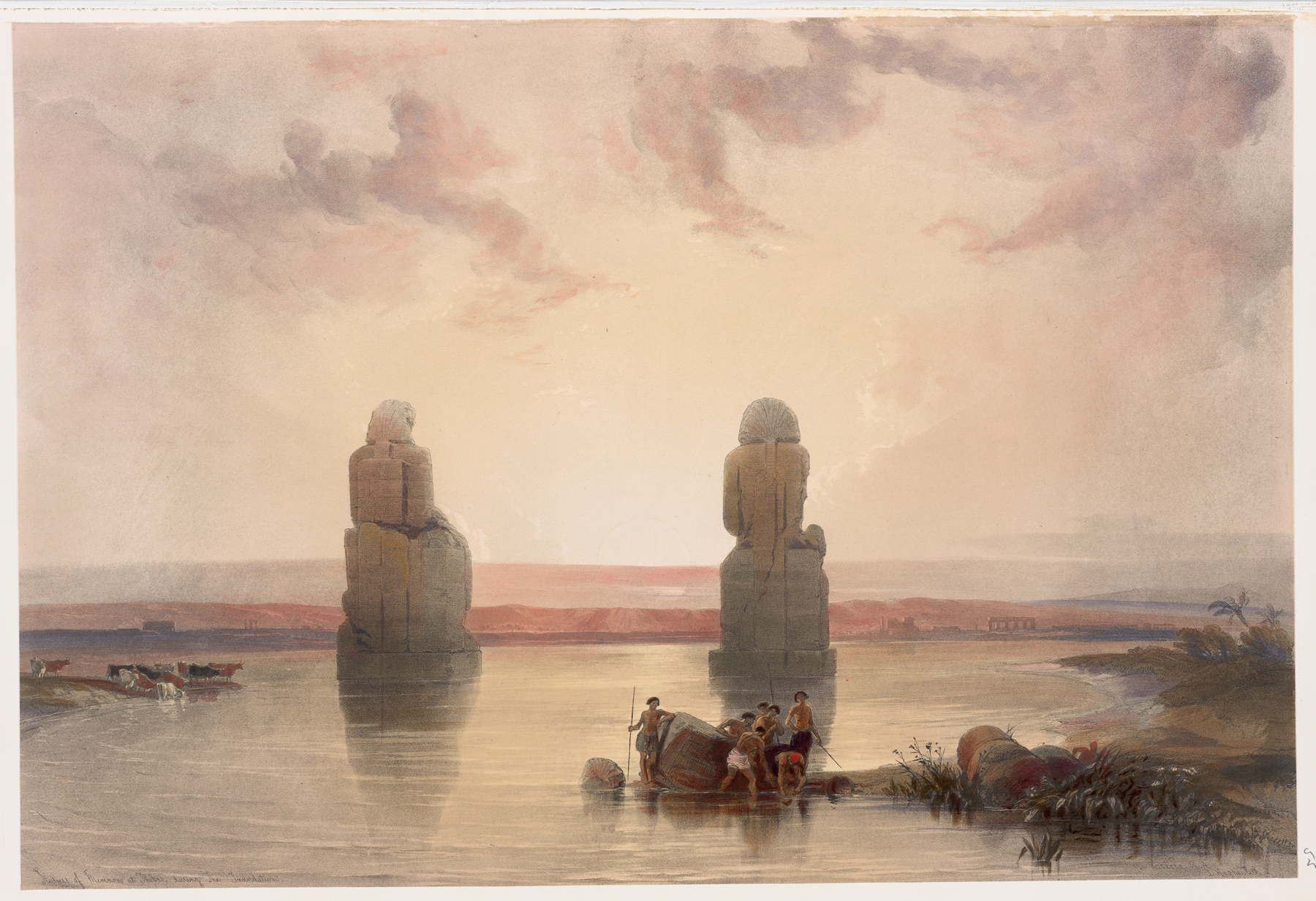
![Entrance to the tombs of the kings of Thebes. Bab-el-Malouk [Bîbân al-Mulûk]., by David Roberts, public domain](https://froigstrpvutwqtqikzt.supabase.co/storage/v1/object/public/art-images/artworks/9f12d85330f523f7a10051ef2b6b1ebe90468ae48e1601ee63ecff2779bfca39.jpg)
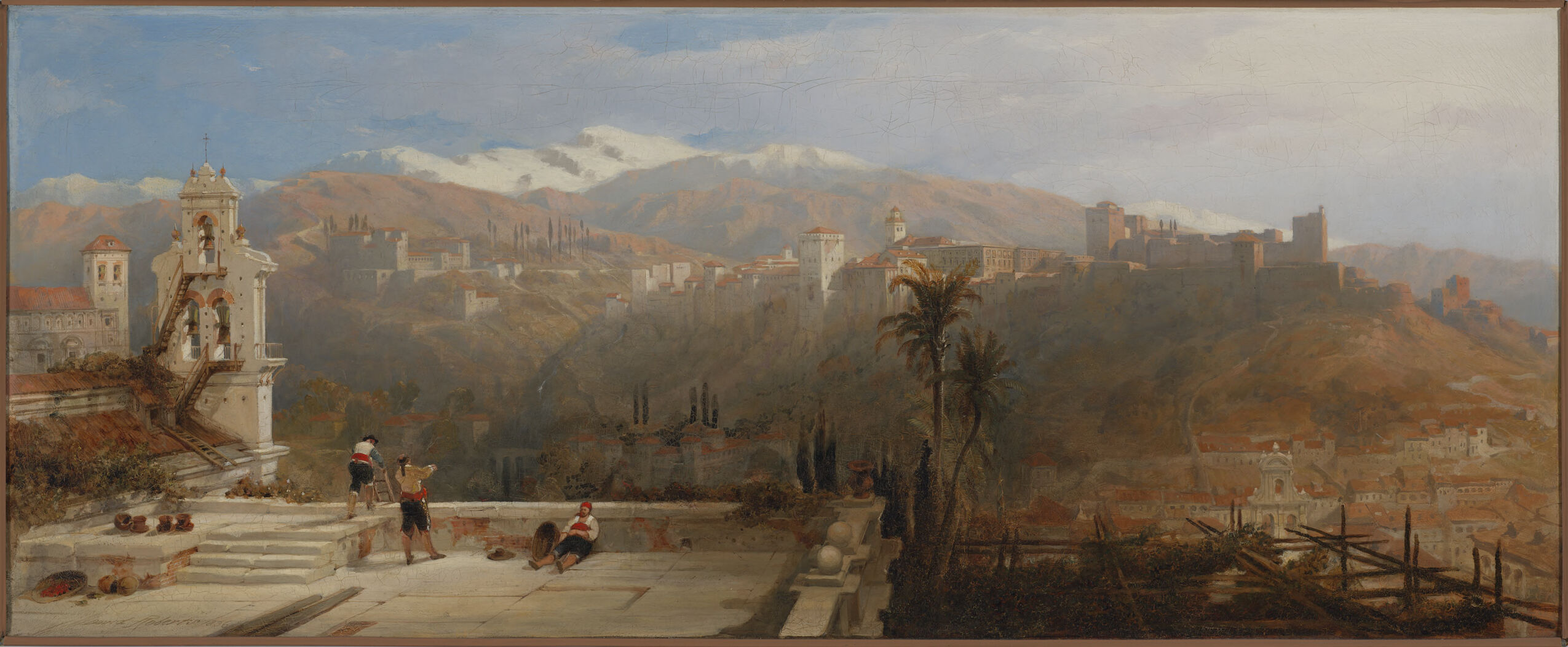
![Temple of Kalabshee [Kalabsha, Kalâbishah], Nubia. Nov. 1838., by David Roberts, public domain](https://froigstrpvutwqtqikzt.supabase.co/storage/v1/object/public/art-images/artworks/c5ed0b38c9a784f56a7ac4d7d514cecf800d77b6cf2f043be350b267a07d899e.jpg)