Bauernhäuser bei Klagenfurt — History & Analysis
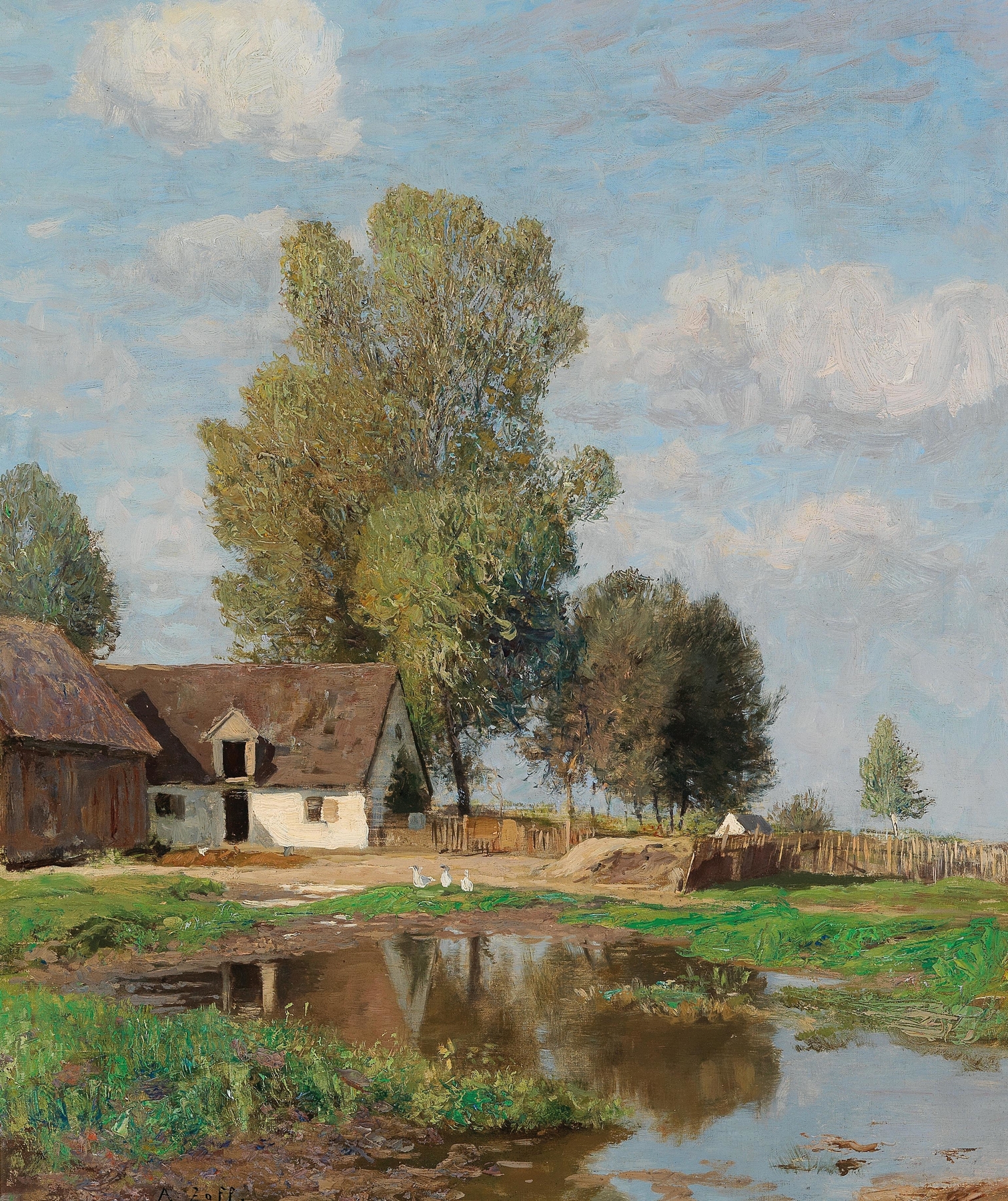
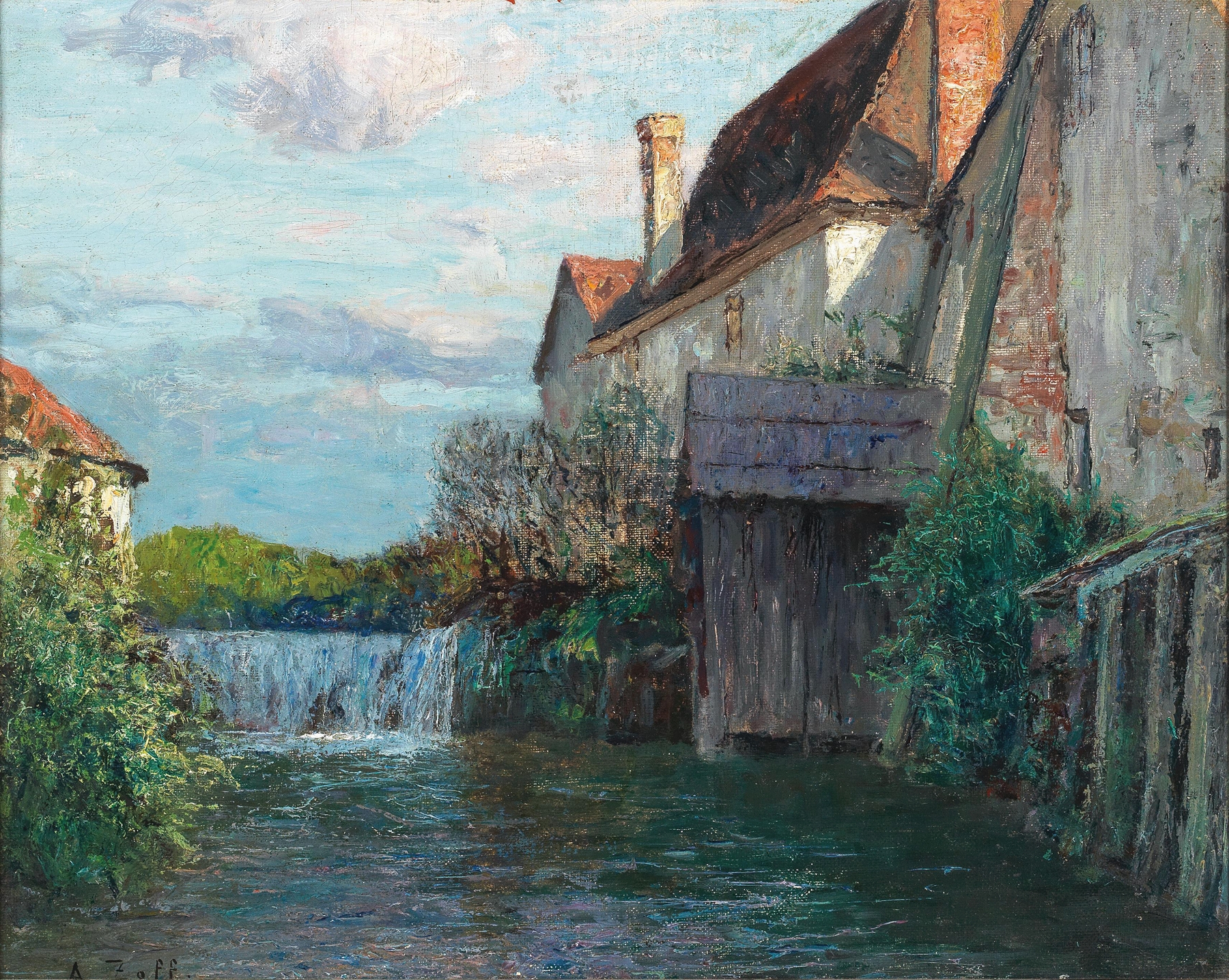
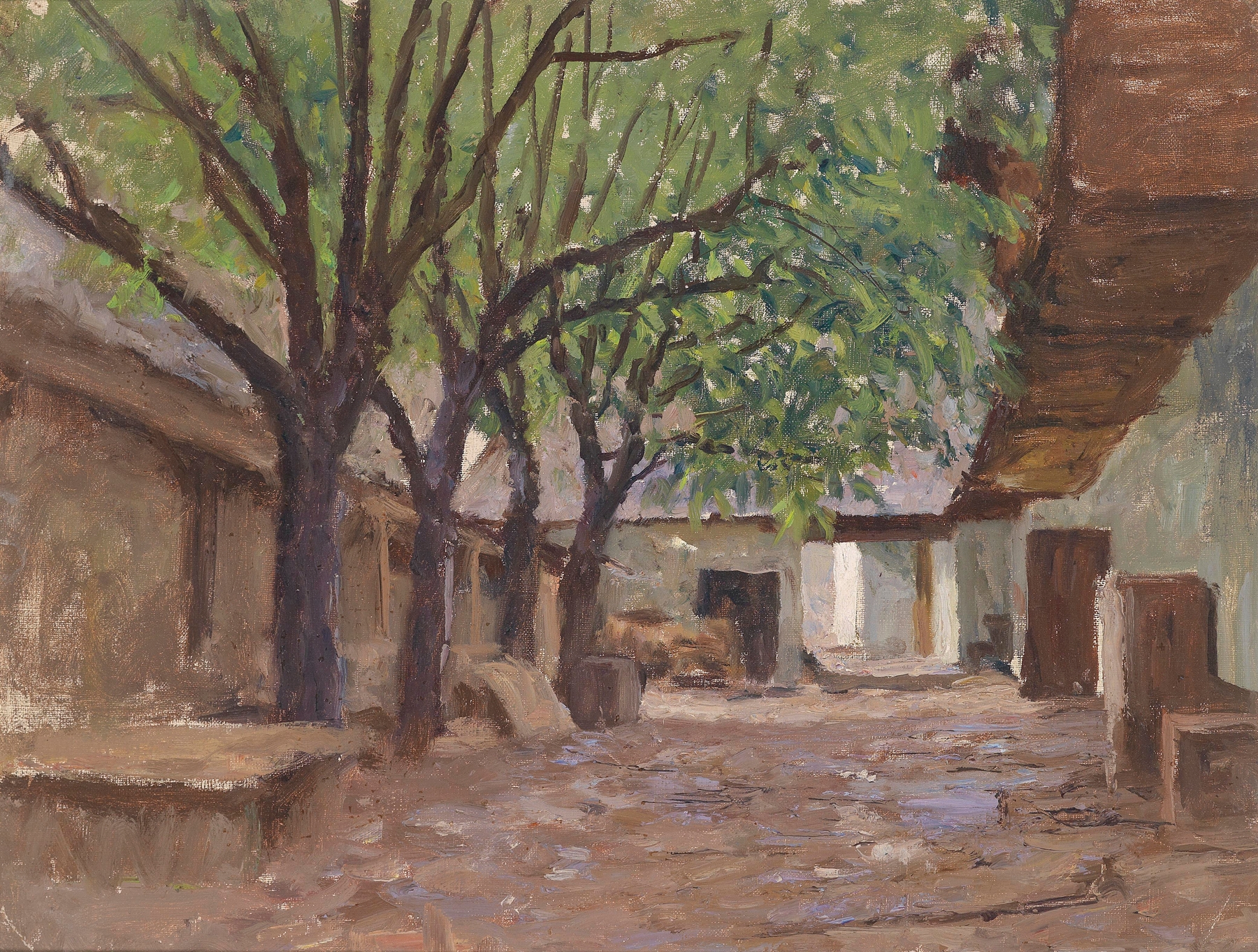
What if silence could speak through light? In *Bauernhäuser bei Klagenfurt*, the stillness of the rural landscape whispers the destinies woven into the fabric of everyday life. Look to the left, where the soft, golden light bathes the thatched roofs of the Bauernhäuser, creating a warm halo that draws the eye. The gentle curves of the surrounding hills cradle the homesteads, emphasizing a sense of belonging and stability. Notice how shades of green and brown convey a peaceful harmony, while the brushwork reveals Zoff’s deft hand, merging impressionistic techniques with realistic detail. Each stroke breathes life into the scene, inviting contemplation. Within this pastoral setting lies a deeper narrative of resilience and continuity. The juxtaposition of light and shadow symbolizes the passage of time, hinting at the stories of generations who have built their lives in this tranquil space. Small elements, like the distant figures tending to their chores, reflect the interconnectedness of the community with nature—a portrayal of destiny rooted in tradition. The expansive sky overhead, with its subtle gradations, echoes both freedom and the constraints of rural existence. Alfred Zoff painted *Bauernhäuser bei Klagenfurt* in 1905 during a period of artistic exploration in his native Austria. At this time, he was influenced by the burgeoning movement towards expressing regional identity in art, capturing the essence of landscapes and rural life. The early 20th century was a time of cultural shifts, as artists sought to explore and document their surroundings amid broader changes in society.