
Bazaar of the coppersmiths, Cairo. — History & Analysis
“To paint is to remember what time wants us to forget.” Movement courses through the bustling atmosphere of a marketplace, where the vibrant energy of life clashes with the stillness of captured time. The coppersmiths, engrossed in their craft, seem to breathe with the rhythm of the day, the clang of metal a heartbeat in the cacophony. Each figure breathes a story, yet they remain suspended in a single moment, an eternal dance of labor and artistry. Look to the left at the vivid array of copper wares gleaming in the sun, reflecting hues of gold and bronze that beckon our gaze. Notice how the bustling figures are framed by the architecture, their dynamic poses contrasting beautifully with the stoic merchant stalls.
The use of rich, earthy tones enhances the warmth of the scene, pulling us deeper into the heart of Cairo's vibrant culture. Each shadow, meticulously painted, adds depth, allowing the viewer to almost hear the lively chatter of the market. Delve into the contrasts present in this work, where the stillness of the painted moment collides with the sense of ongoing life. The meticulous detail of the coppersmith’s hands and tools conveys a dedication to craft, while the surrounding crowd exemplifies a tapestry of human experience — some engaged in negotiation, others simply observing.
This painting embraces a fleeting instant, yet it simultaneously speaks to the timeless nature of labor and creativity, bridging the gap between past and present. David Roberts painted Bazaar of the Coppersmiths, Cairo between 1846 and 1849, during his travels in the Middle East. At that time, he was exploring the interplay between European and Middle Eastern cultures, capturing the essence of life in ways that resonated with contemporary viewers. The work reflects the artist’s commitment to realism and documentation, offering a unique glimpse into the daily life and artisan traditions of Cairo during a period of significant cultural exchange.
![Karnac [Karnak]. Nov. 29th, 1838., by David Roberts, public domain](https://froigstrpvutwqtqikzt.supabase.co/storage/v1/object/public/art-images/artworks/4d03dc1f7193c7d916a2bc790dd85d799ca595e465dea5741c39c1c0d95500f2.jpg)
![Temple of Edfou [Idfû], ancient Appolinopolis, Upper Egypt., by David Roberts, public domain](https://froigstrpvutwqtqikzt.supabase.co/storage/v1/object/public/art-images/artworks/b51e83da008fb52a9e3832297709f860ad8821d94936f0ccc0984f79e32cfea9.jpg)
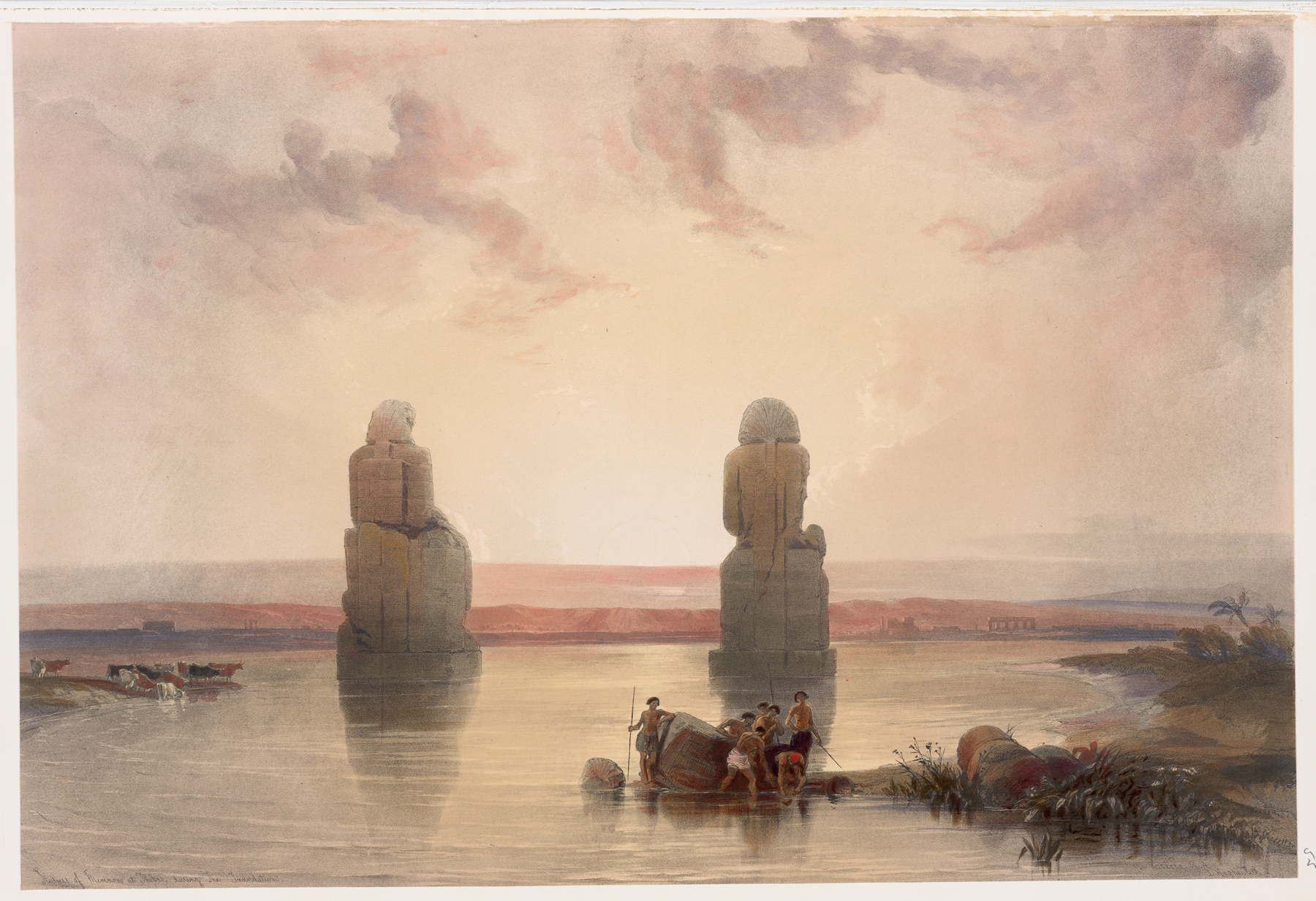
![Entrance to the tombs of the kings of Thebes. Bab-el-Malouk [Bîbân al-Mulûk]., by David Roberts, public domain](https://froigstrpvutwqtqikzt.supabase.co/storage/v1/object/public/art-images/artworks/9f12d85330f523f7a10051ef2b6b1ebe90468ae48e1601ee63ecff2779bfca39.jpg)
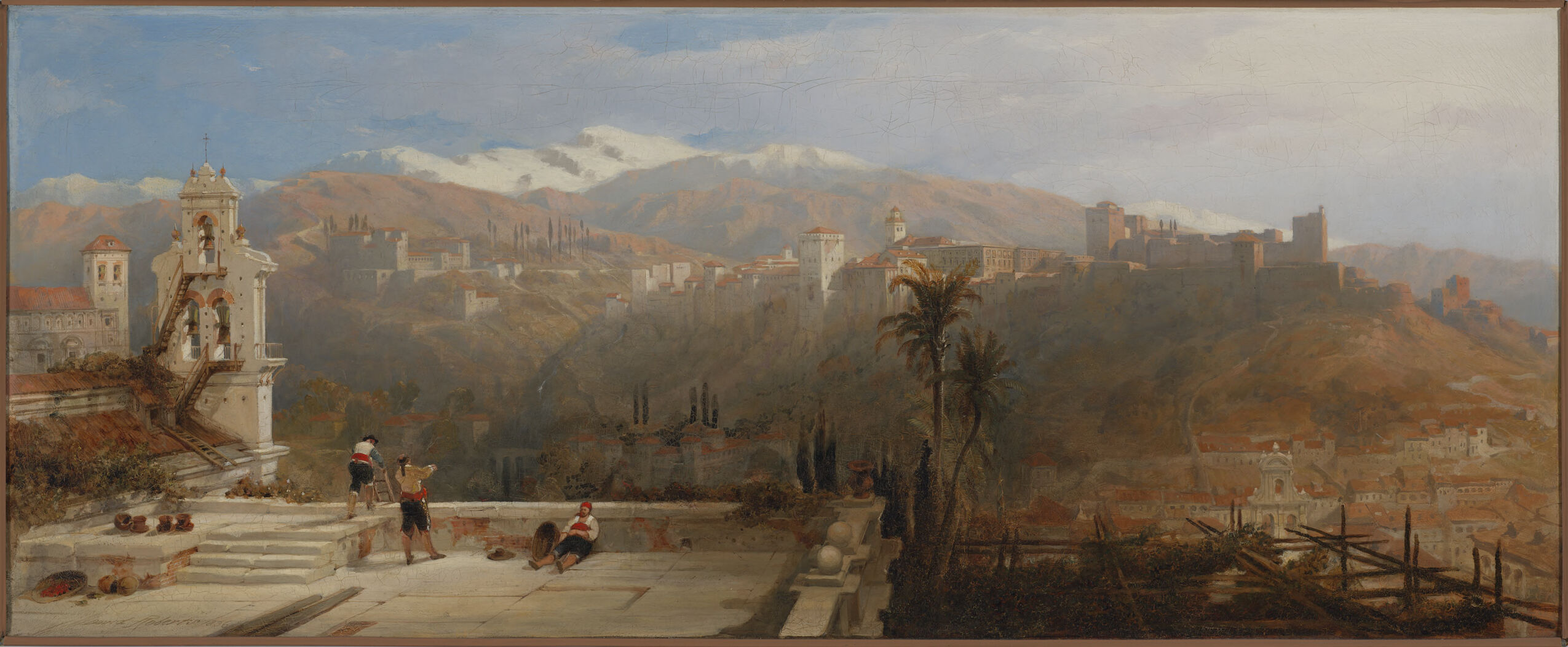
![Temple of Kalabshee [Kalabsha, Kalâbishah], Nubia. Nov. 1838., by David Roberts, public domain](https://froigstrpvutwqtqikzt.supabase.co/storage/v1/object/public/art-images/artworks/c5ed0b38c9a784f56a7ac4d7d514cecf800d77b6cf2f043be350b267a07d899e.jpg)