Betondorp in aanbouw — History & Analysis
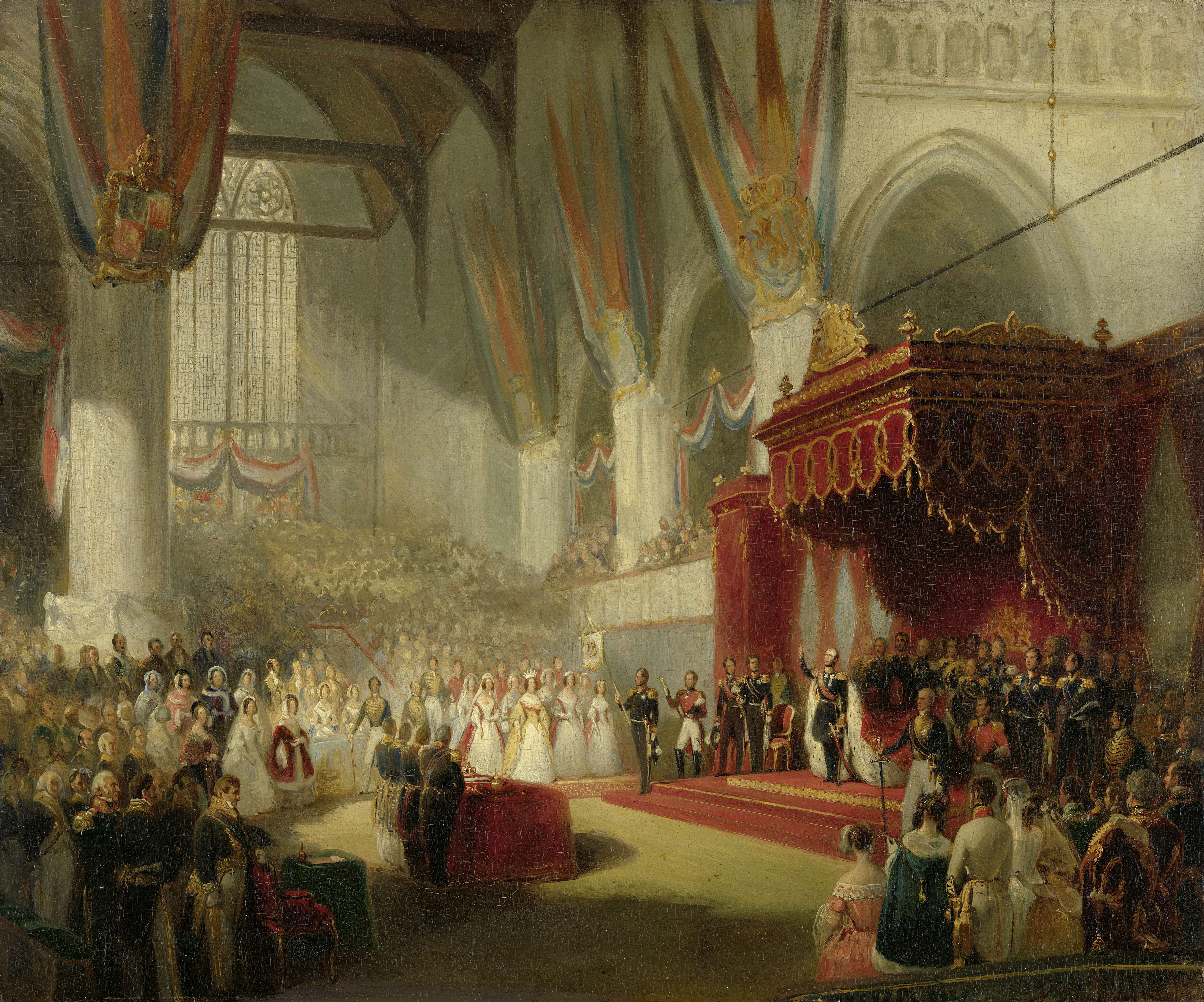
Who listens when art speaks of silence? In Betondorp in aanbouw, the stillness resonates with an undercurrent of unease, a haunting reminder of the fragility of human endeavor against the vastness of time. Look to the left at the skeletal outlines of buildings, their concrete frames standing silently against the muted sky. The palette is somber, dominated by grays and browns, invoking a sense of desolation. Notice how the light diffuses through the clouds, casting elongated shadows that envelop the construction site, suggesting both promise and dread.
The careful brushwork delineates the edges of each structure, imbuing them with an eerie precision that heightens the feeling of anticipation—a world on the brink of transformation. Beneath the surface lies a juxtaposition of hope and fear. The robustness of the buildings hints at progress and modernity, yet their incomplete nature evokes a sense of abandonment and loss. The silence of the scene is thick, as if the artist captures a moment just before chaos, where possibility hangs in the air like a breath held.
Each detail—the scattered tools, the barren earth—reflects not just construction, but the silent fears that accompany such change, echoing the uncertainty of a society in transition. Nicolaas Pieneman painted Betondorp in aanbouw in 1925, during a period of significant architectural development in the Netherlands. The country was experiencing a shift towards modernism, with urban expansion and the rise of new building techniques. Pieneman, at this time, was keenly aware of the changing landscape, both in his artistic practice and the broader cultural context, capturing these moments of transformation while infusing them with a sense of foreboding that resonates today.