Bâle Vue prise du côté de St. Alban — History & Analysis
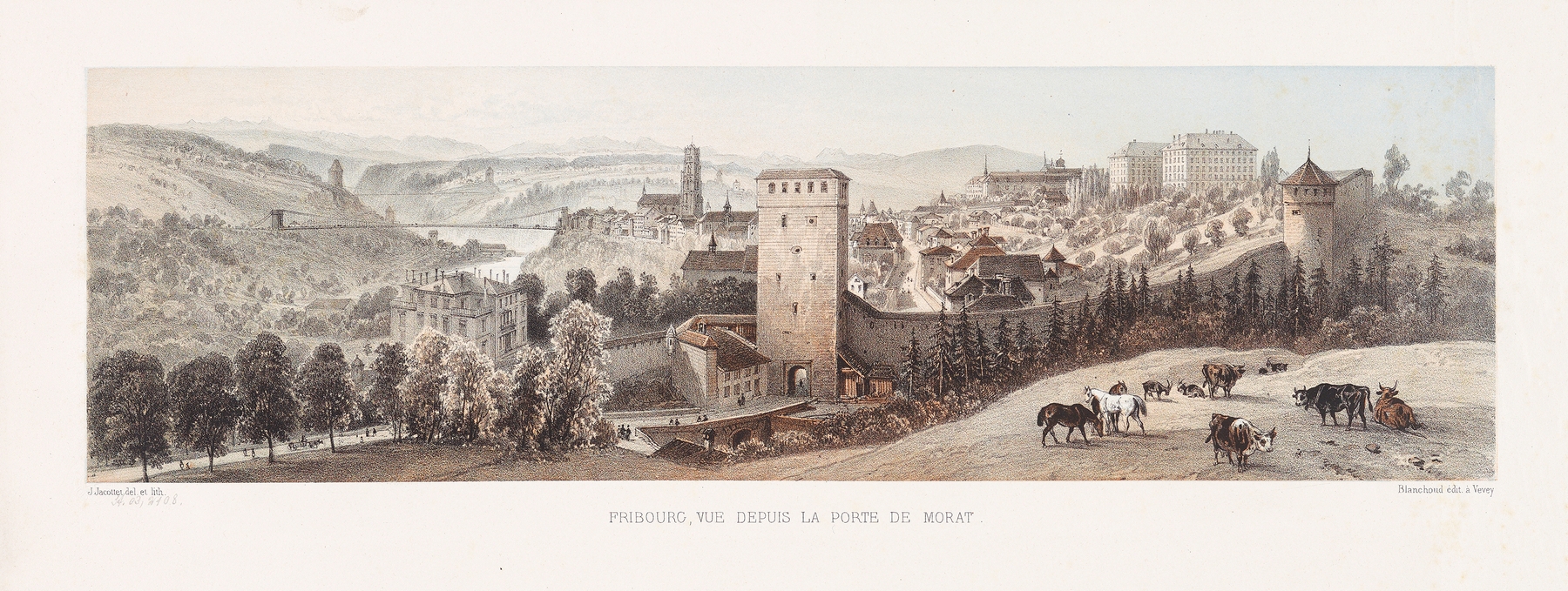
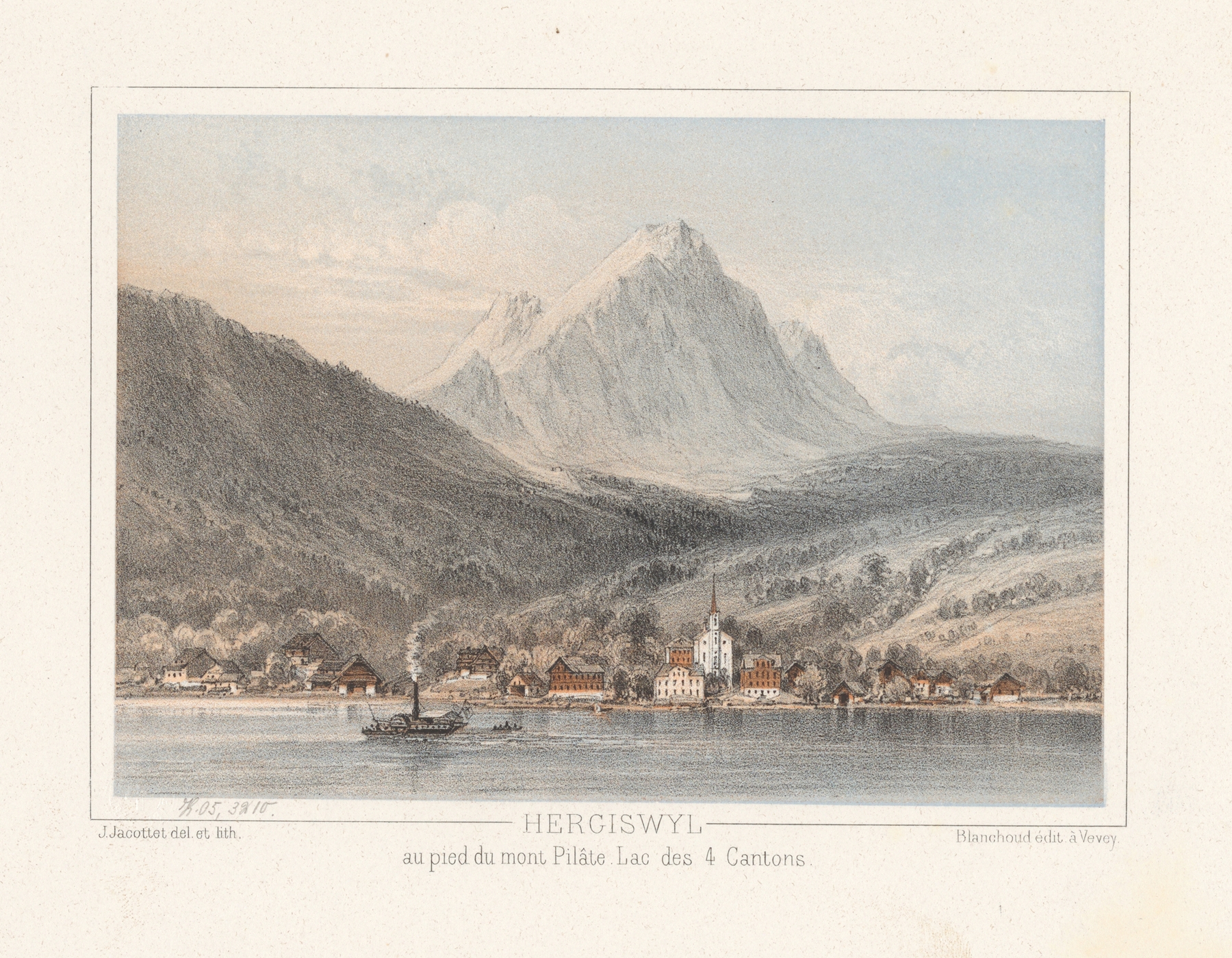
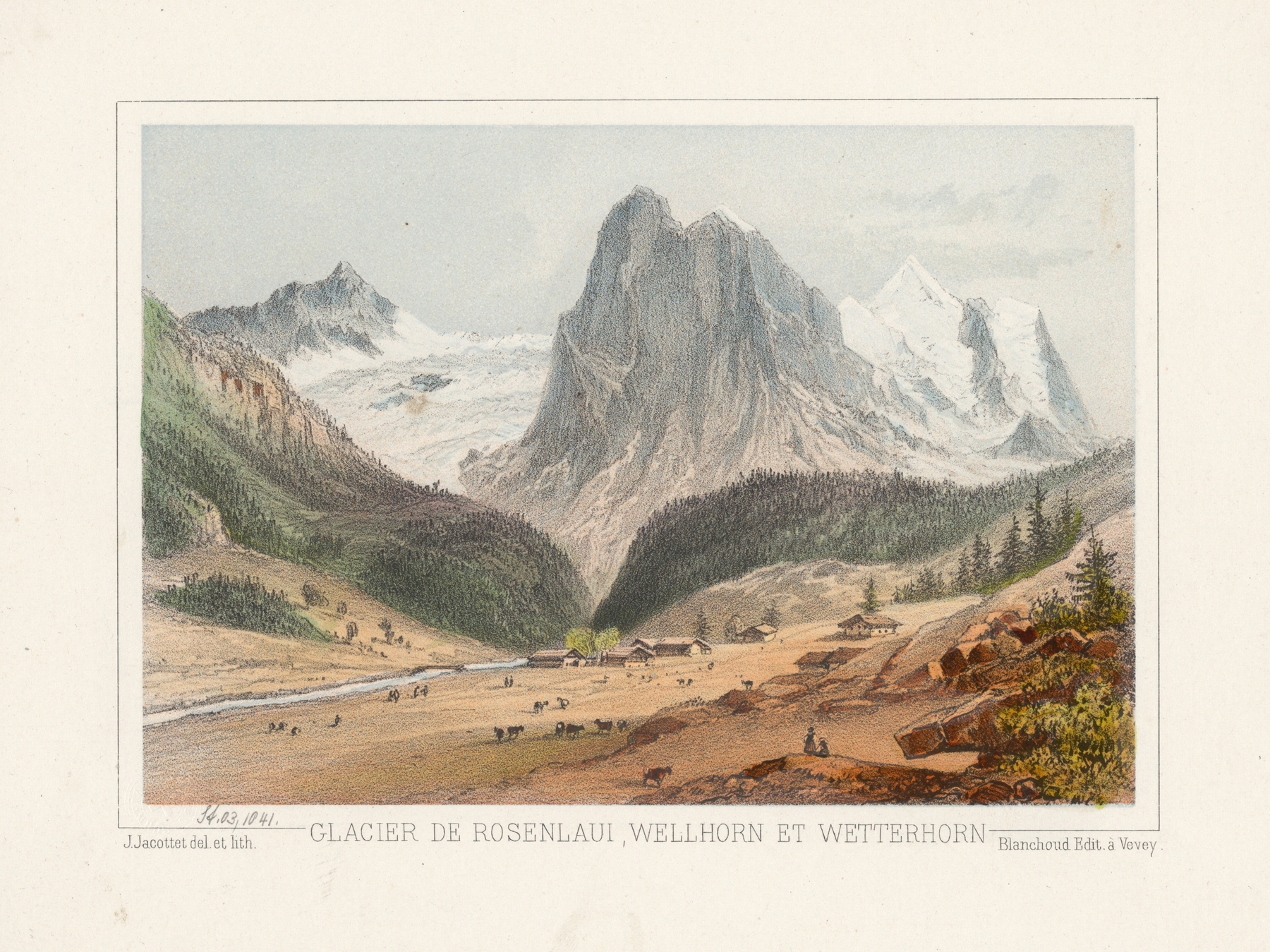
Can paint confess what words never could? In the delicate balance between memory and reality, the canvas whispers of longing and loss. Look to the left at the gentle curve of the river, its surface reflecting a muted sky. The cool blues and greens echo the tranquility of a moment suspended in time. Notice how the buildings on the shore rise like sentinels, their warm ochres and soft whites inviting yet distant, as if embodying both the comfort of home and the ache of separation.
The interplay of light across the water captures a fleeting, almost ethereal quality, accentuating the transient nature of the scene. Beneath the surface calm lies an undercurrent of melancholy. The solitary figure, dressed in muted tones, suggests a contemplative observer lost in thought, contemplating life’s fragility. The stark contrast between the vibrant landscape and the figure's subdued presence evokes a sense of yearning; it begs the viewer to question their own place within this picturesque world.
Each brushstroke reveals the artist's exploration of isolation in a seemingly idyllic setting, forcing us to confront the bittersweet relationship between beauty and solitude. Jean Jacottet painted this evocative piece in the late 19th century, a period when the Impressionist movement was redefining the landscape genre. Living in Switzerland, he was influenced by the picturesque vistas around him, yet he infused his work with an emotional depth that set him apart from his contemporaries. This painting serves as a silent witness to his internal struggles and the broader artistic shift of the time, bridging the gap between observation and introspection.