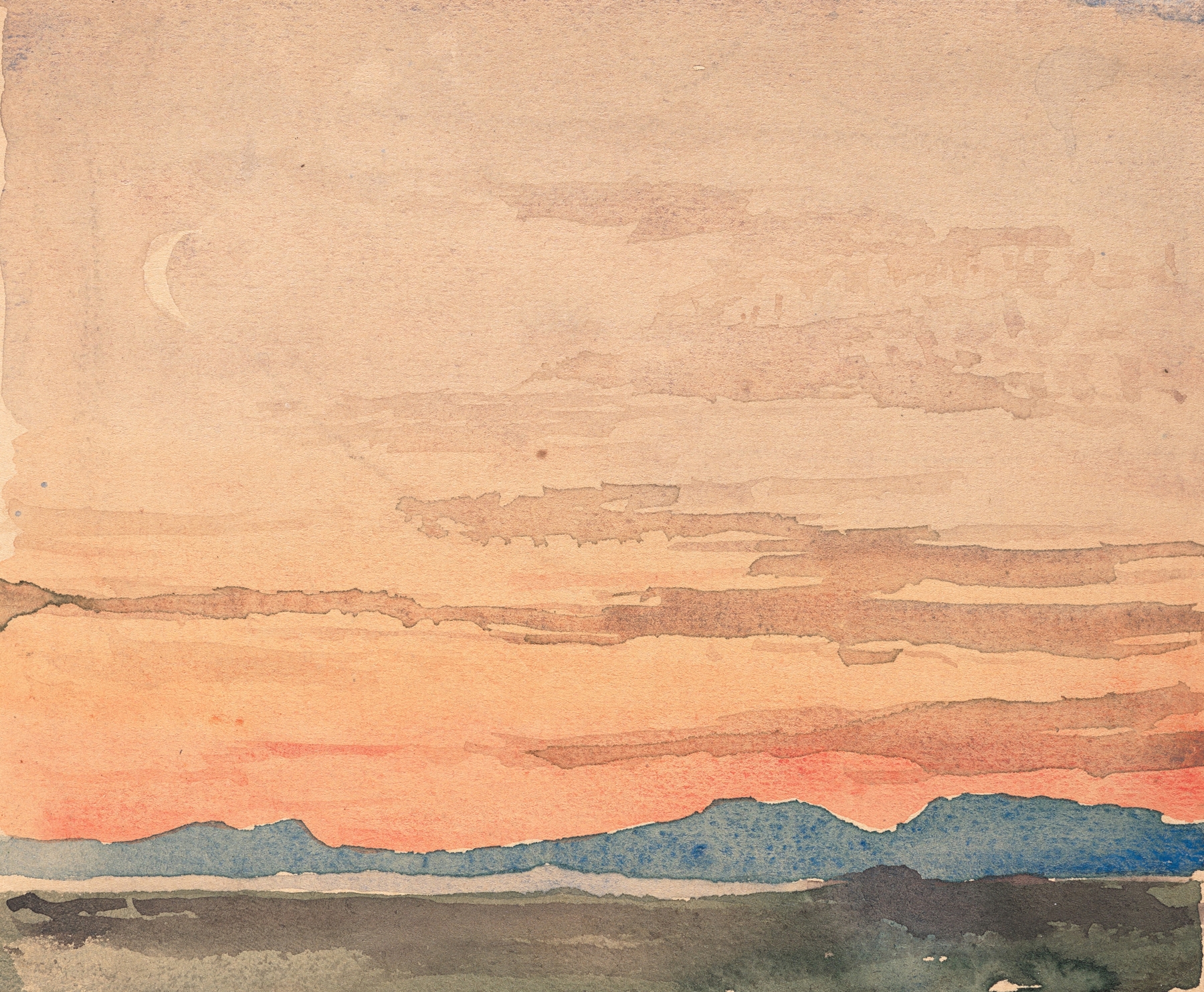
Blick auf das Nordostende des Neuenburger Sees von Ins aus bei Abenddämmerung — History & Analysis
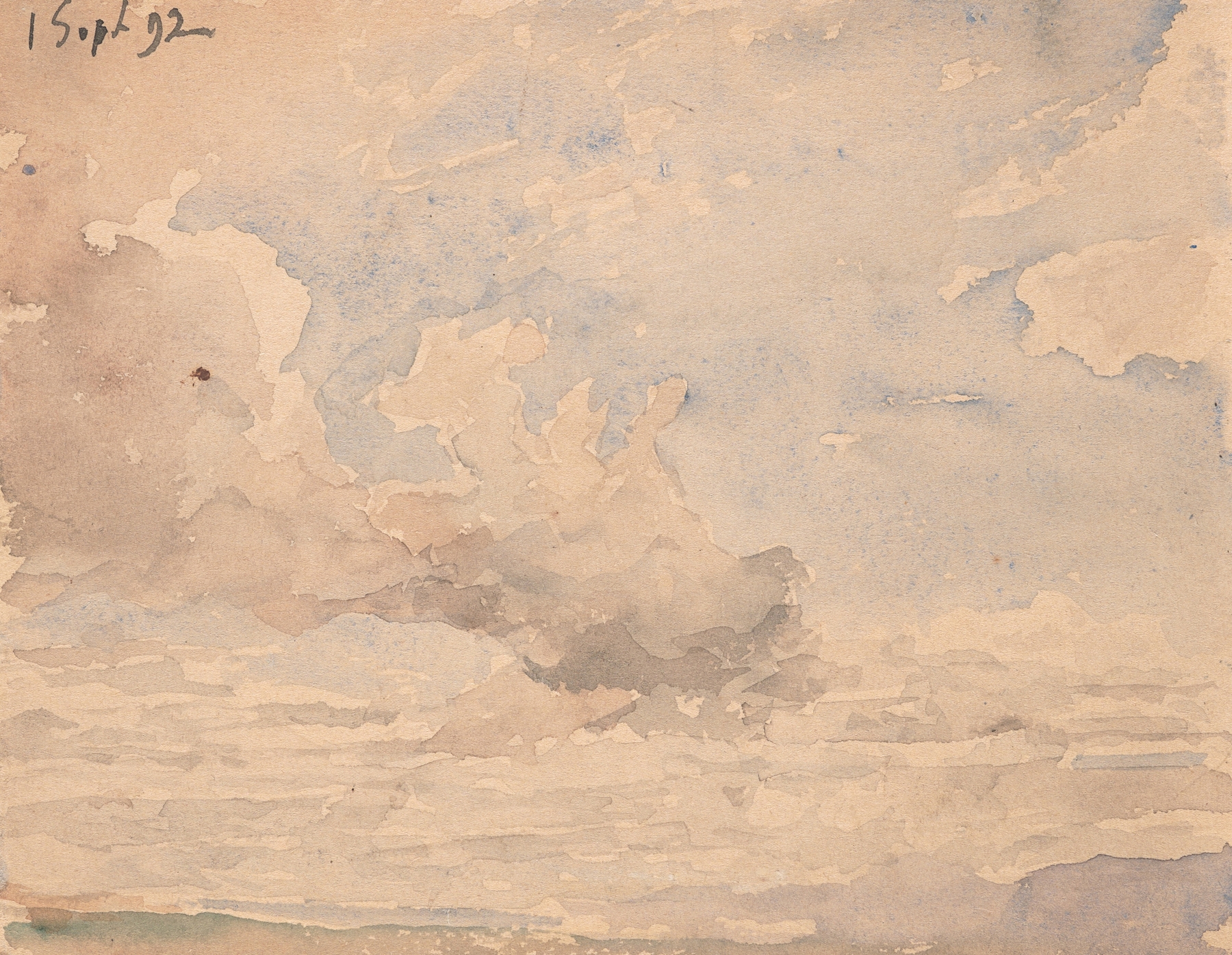
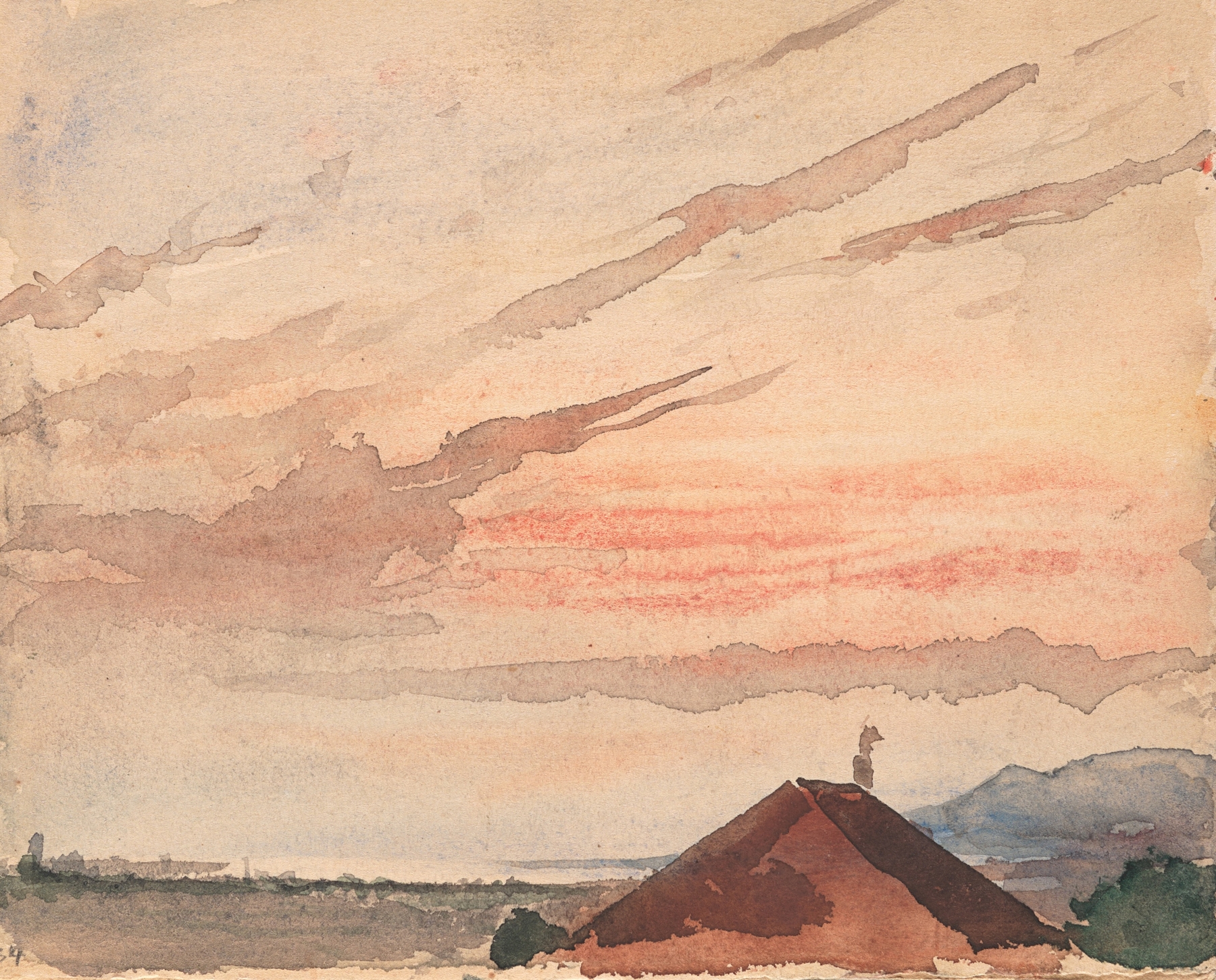
Can paint confess what words never could? In the soft hues of dusk, Albert Anker captures a moment steeped in a silence heavy with unspoken truths and lingering betrayals. Look to the left at the shimmering surface of the Neuenburger See, where the fading light dances on water, casting a delicate palette of blues and purples. Notice how the distant hills cradle the horizon, their contours blurred by the evening mist, drawing the viewer’s gaze inward.
The composition, anchored by a solitary tree in the foreground, creates a sense of intimacy while suggesting isolation, as if the landscape itself holds its breath, awaiting a revelation. Delve deeper into the subtleties: the gentle brushstrokes carrying whispers of nostalgia, the interplay of light and shadow that evokes a sense of longing. The tranquil water, juxtaposed with the dramatic sky, hints at emotional discord, perhaps reflecting a betrayal that reverberates through time. Each element, from the darkened branches to the luminous sky, signifies a tension between serenity and unrest—a reminder of the complexities that lie beneath the surface of beauty.
In 1892, Anker found himself in Switzerland, navigating the intricacies of his artistic vision amidst a shifting cultural landscape. The Impressionist movement was gaining momentum, and he was experimenting with light and color in ways that would redefine landscape painting. This period was marked by a deep personal introspection as he reconciled his identity as an artist and the emotional weight of his experiences, creating works like this one that resonate with quiet yet profound depth.