Boerenerf — History & Analysis
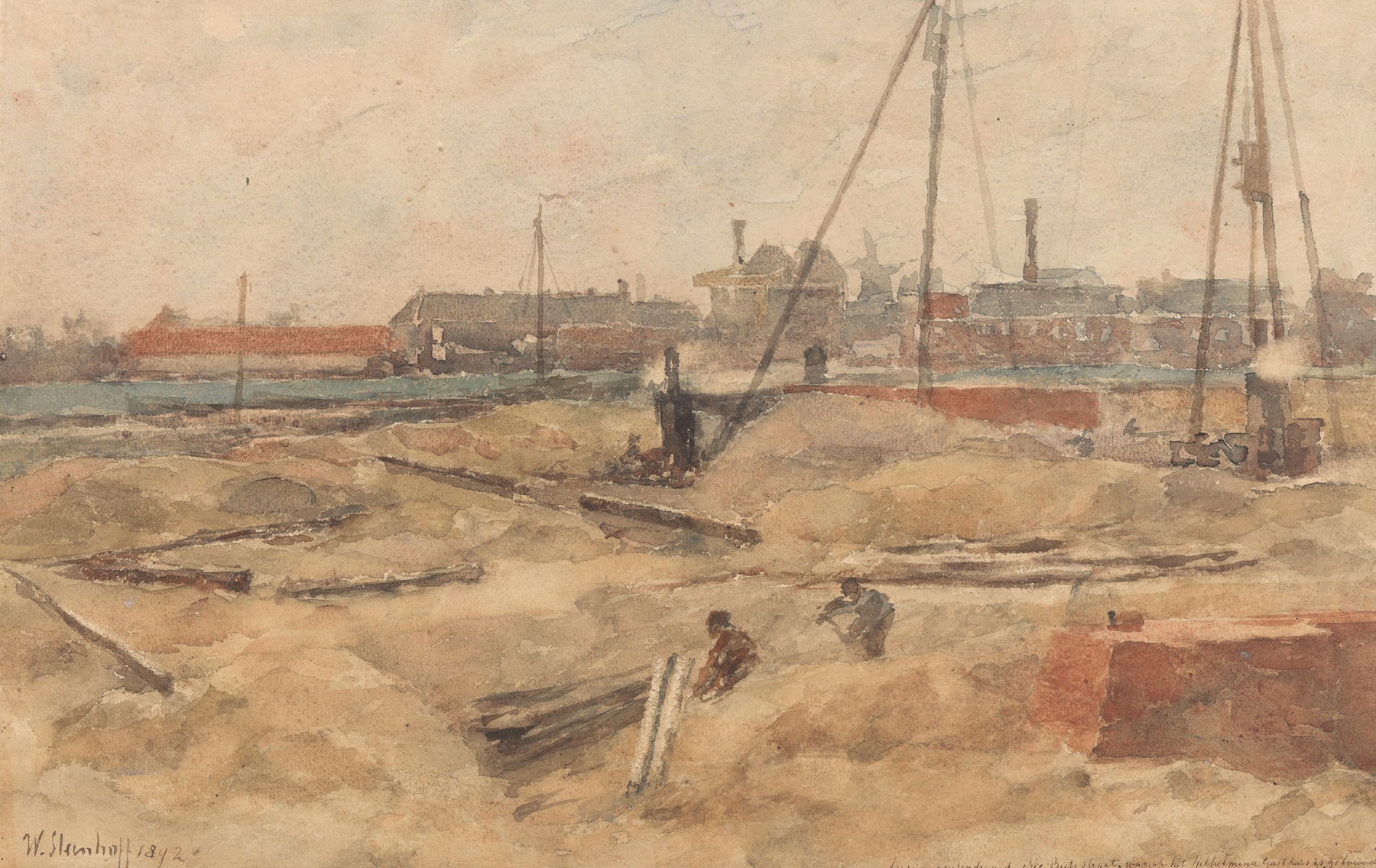
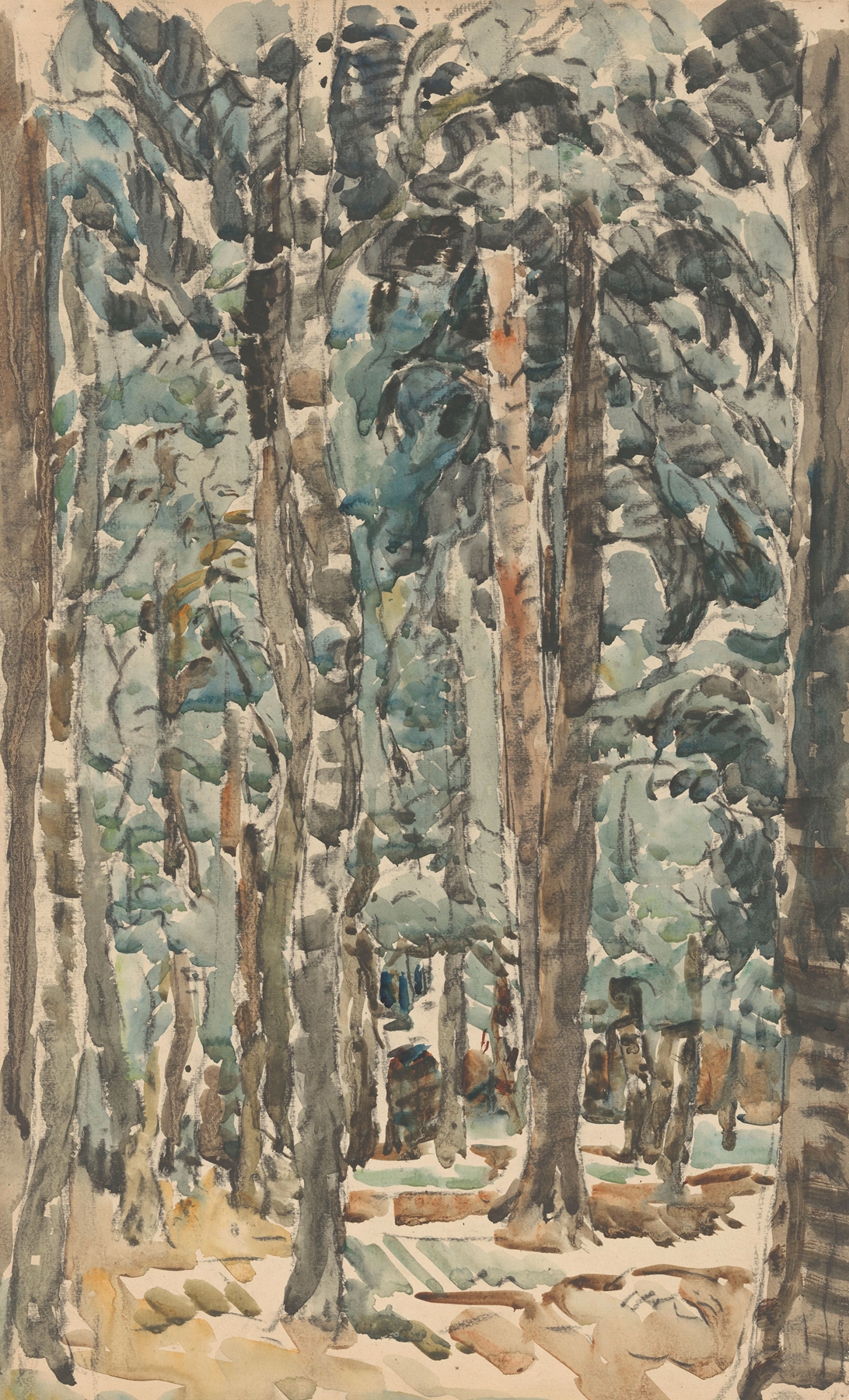
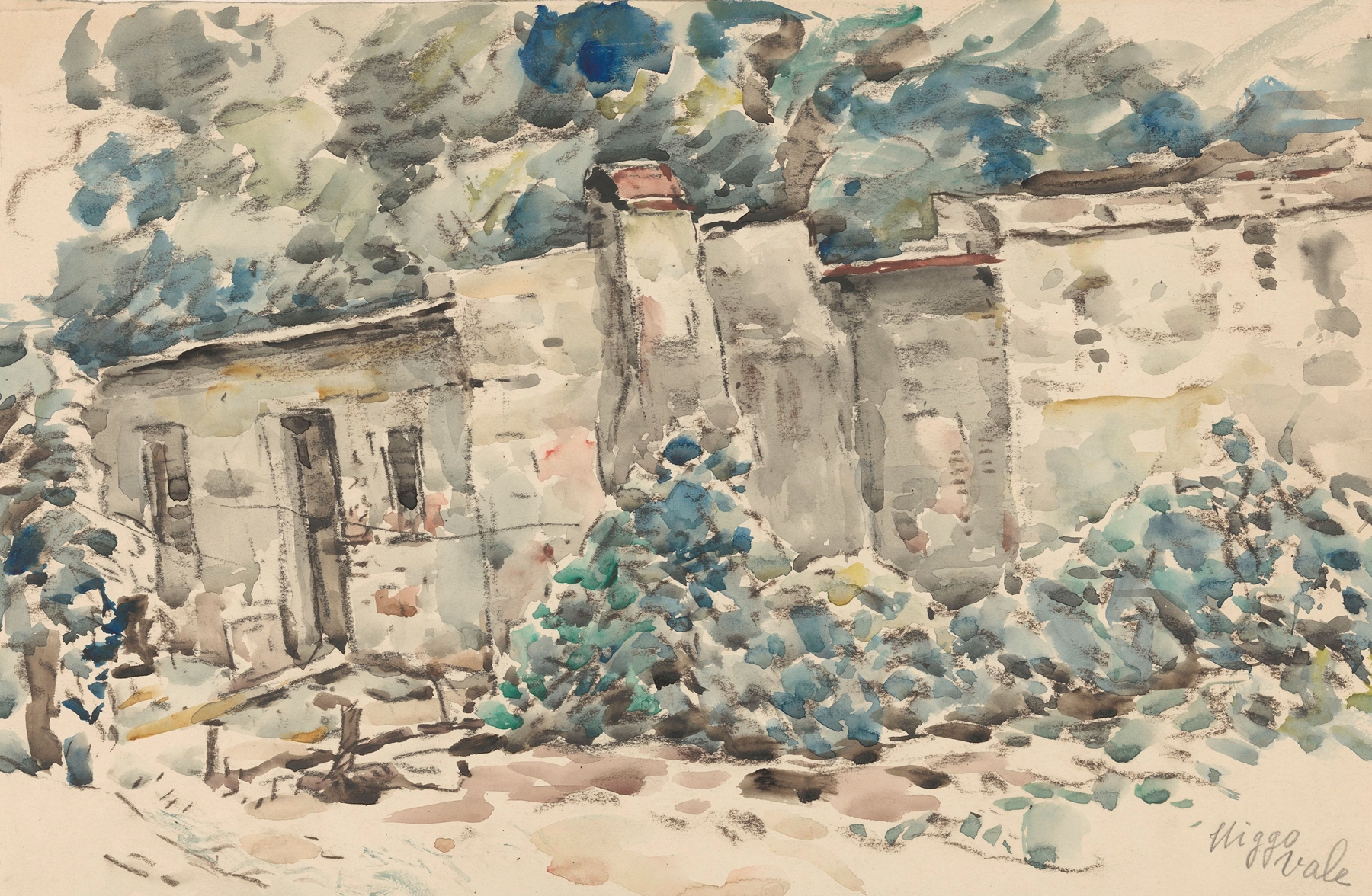
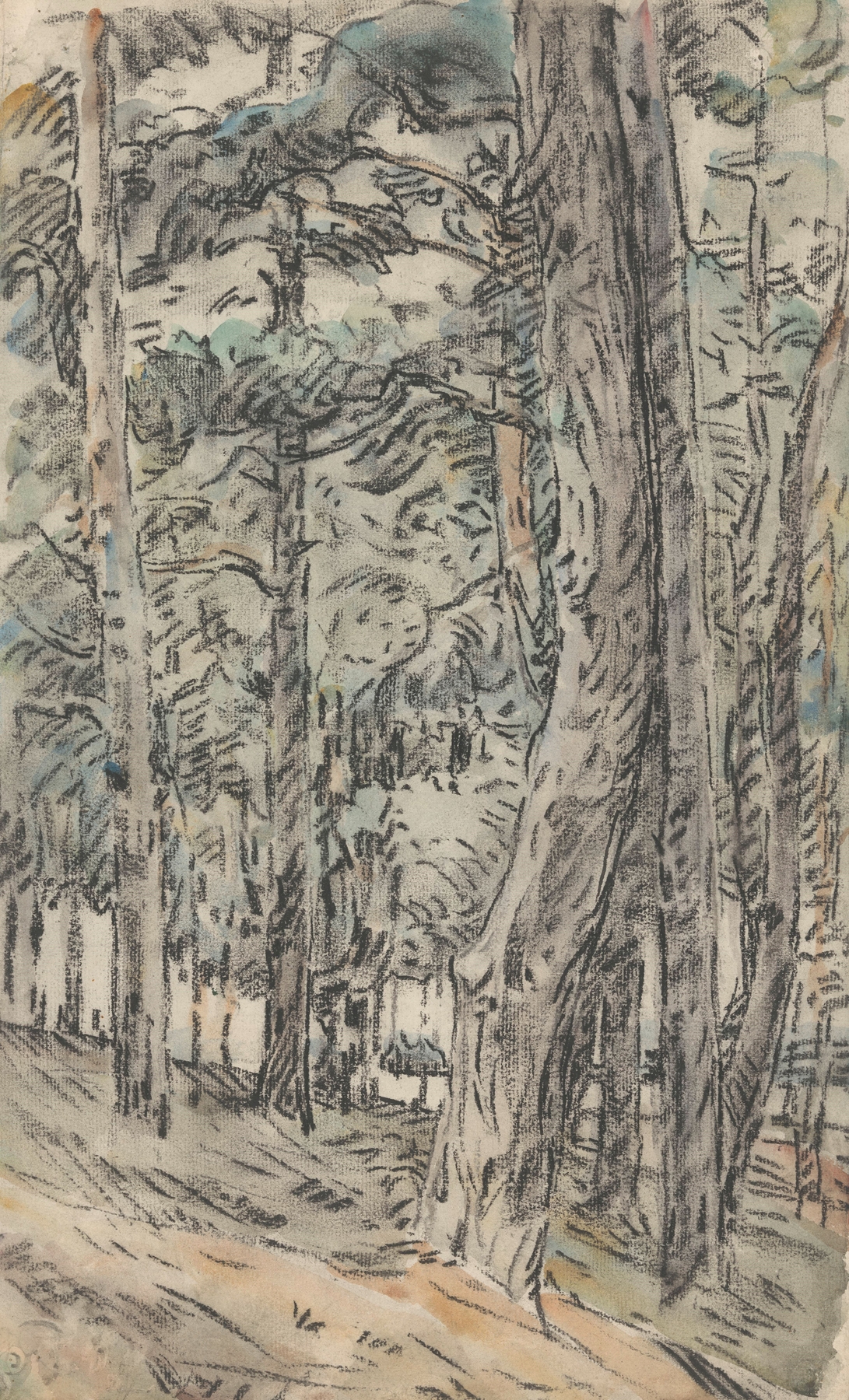
Could a single brushstroke hold eternity? Every stroke in Wilhelmus Johannes Steenhoff's Boerenerf resonates with the quiet awakening of rural life, where each detail beckons the viewer to pause and reflect. Focus first on the foreground, where a lush expanse of green contrasts with the earthy tones of a modest farmhouse. Notice how the light dances upon the leaves, creating a tapestry of vibrant hues that breathe life into the scene.
The careful composition draws the eye towards the gentle curve of the path that leads deeper into the countryside, inviting exploration. Textured brushwork captures the rugged facade of the building, giving it both character and warmth, while the sky above, painted with soft, inviting pastels, suggests the promise of a new day. Amidst the serenity, there lies an emotional tension reflected in the juxtaposition of human habitation and the vastness of nature. The farmhouse, a symbol of labor and community, stands resolute yet vulnerable against the encroaching landscape, hinting at the delicate balance between man and his environment.
The scene seems to evoke a sense of nostalgia, as if capturing a moment in the life of the land before the passage of time alters its charm forever. Created between 1873 and 1932, this work emerged during a period of transition in the Netherlands, where modernity began to encroach upon traditional rural life. Steenhoff, an artist deeply connected to his surroundings, sought to encapsulate the essence of the Dutch countryside in his art. His focus on pastoral themes aligned with a broader movement that emphasized the beauty and simplicity of rural existence, resonating with a society grappling with the rapid changes of the early 20th century.