Bomen — History & Analysis
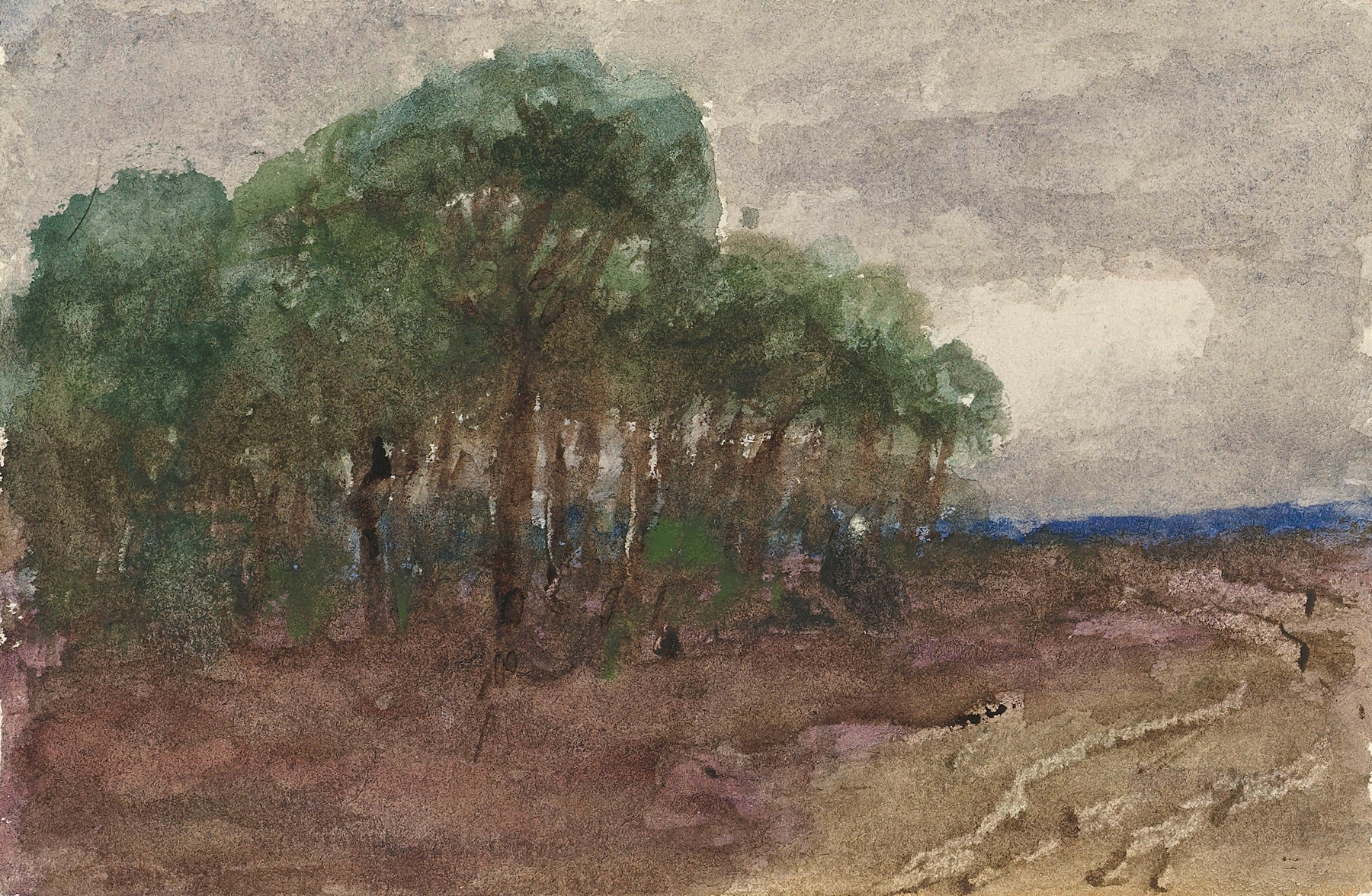
“Sometimes beauty is just pain, disguised in gold.” This sentiment resonates deeply with the mesmerizing piece that beckons viewers to explore its vibrancy and complexity. Focus on the sweeping strokes that form the trees; their trunks stand tall and steadfast, yet the delicate leaves flutter as if caught in an unseen breeze. Notice how the artist’s palette dances between shades of green and gold, creating a sense of movement that breathes life into the stillness of nature. The texture, rich and layered, invites you to run your fingers over the canvas, connecting with the organic rhythm that pulses through every brushstroke.
Yet beneath the surface, there’s an exploration of transience and transformation. Consider the juxtaposition of the sturdy bark against the ephemeral play of light filtering through the leaves, signifying the duality of life and the passage of time. Each tree embodies resilience, while the shifting hues hint at the fleeting moments that make existence both beautiful and heart-wrenching. This intricate balance unveils an emotional landscape, where joy mingles with a sense of longing.
Sientje Mesdag Van Houten painted this work during the late 19th century in the Netherlands, a period marked by her deep commitment to capturing the beauty of nature. Influenced by the burgeoning impressionist movement, she sought to convey the world beyond mere representation, focusing on light, color, and the essence of her surroundings. At the time, the art scene was evolving, and her unique perspective contributed meaningfully to the conversations around landscape painting.