Breakfast Still Life — History & Analysis
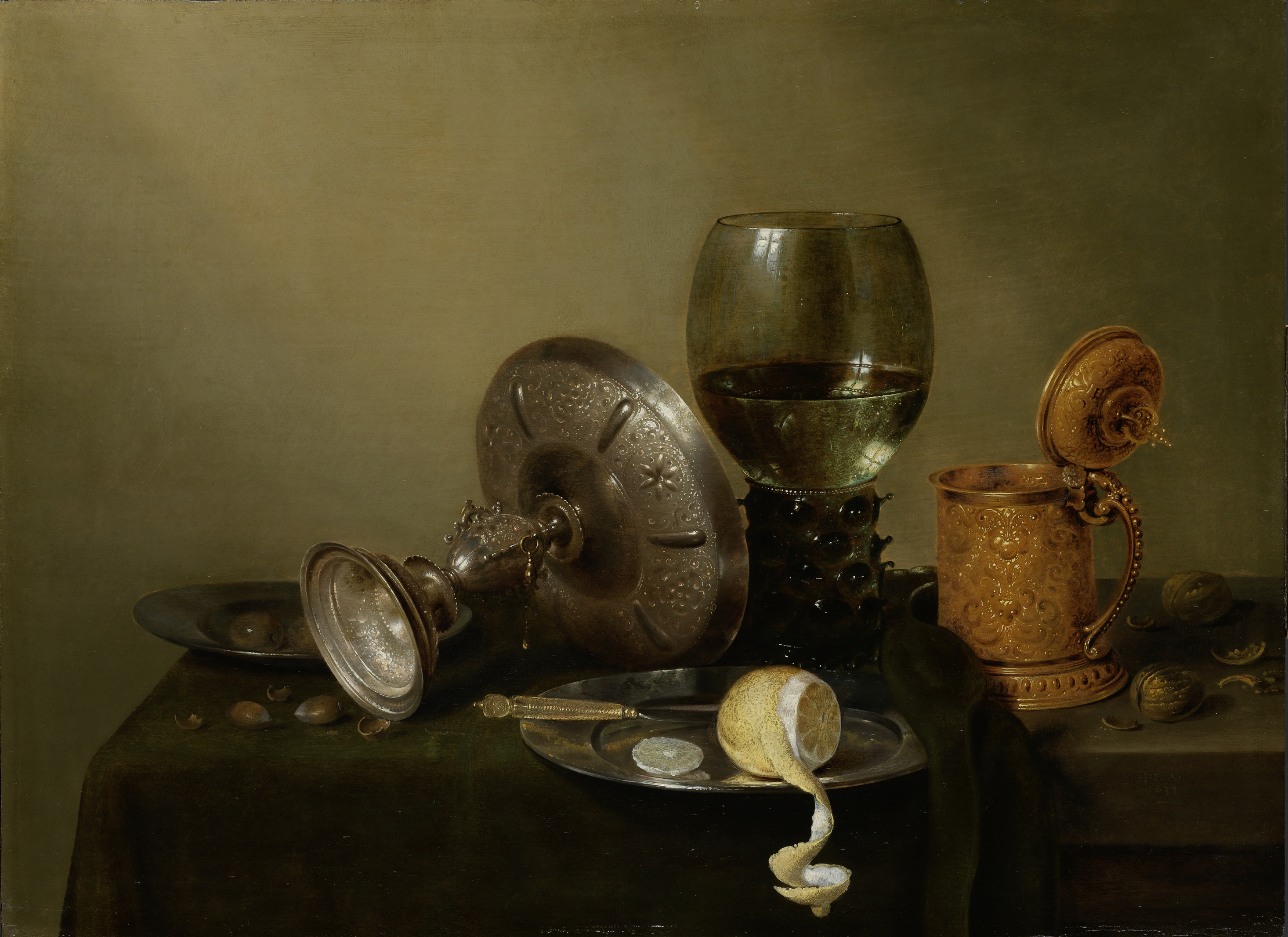
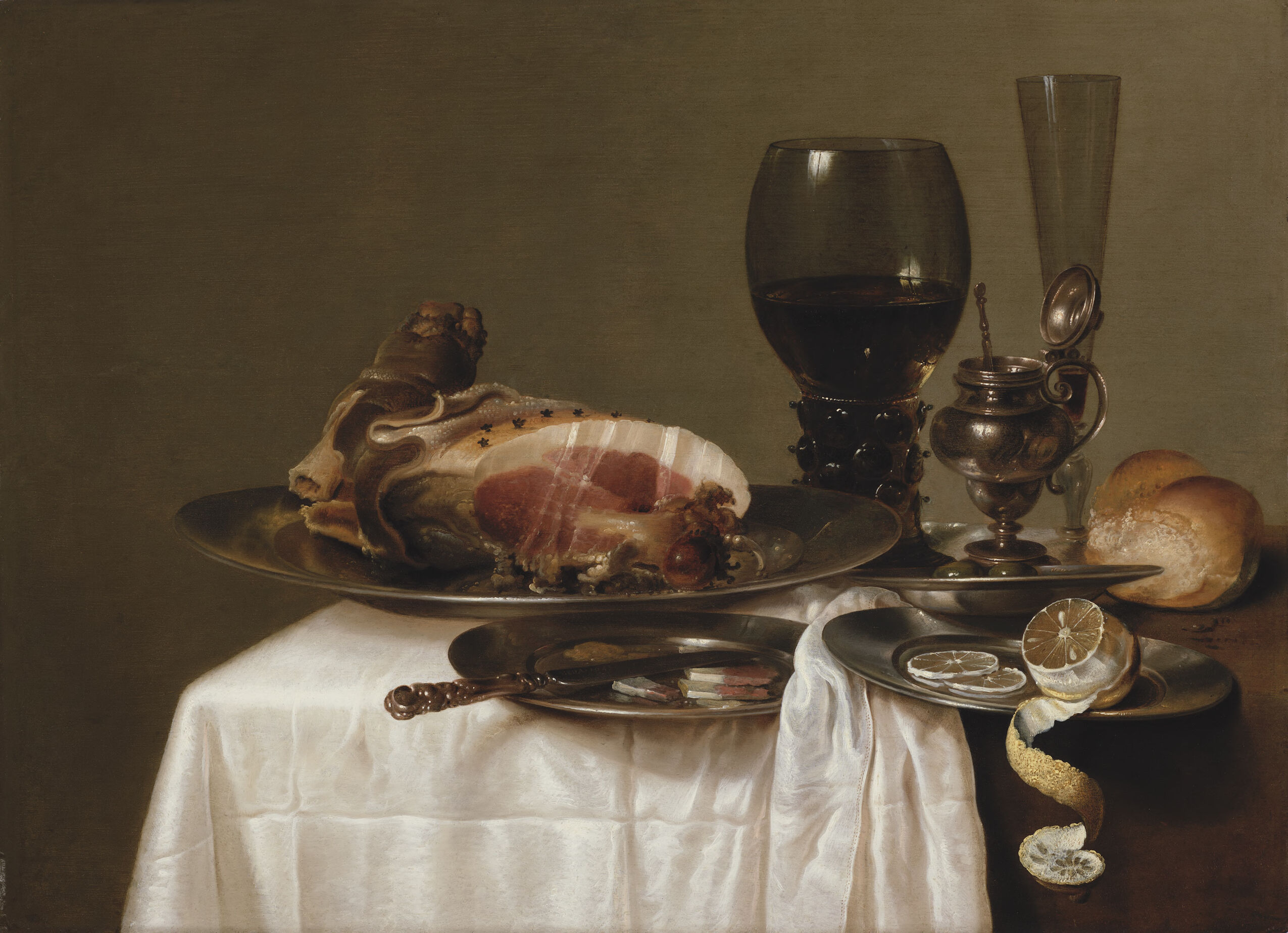
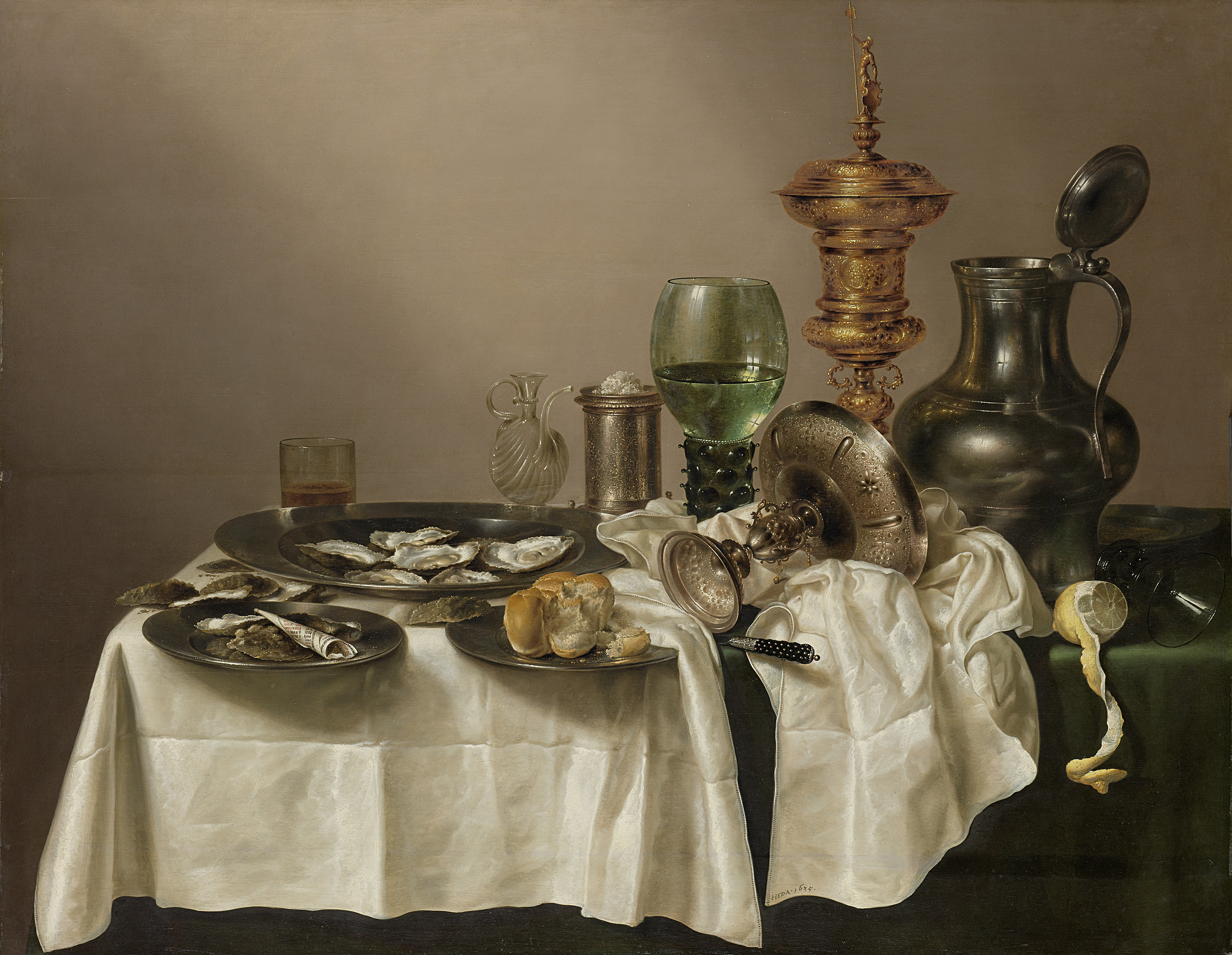
What secret hides in the quiet of the canvas? In the stillness of a moment, the unassuming breakfast table becomes a stage for nostalgia's embrace, whispering tales of lives once lived and meals shared. Look to the right at the gleaming silver plate, where natural light bathes it in a soft glow, inviting your eye to linger. Notice how the artist meticulously captures the textures of the food—a crusty bread, a half-peeled orange—each item rendered with a care that suggests reverence for the ordinary.
The color palette, dominated by warm browns and golds, evokes a sense of warmth and comfort, while the delicate interplay of shadows enhances the three-dimensionality of the objects, bringing them to life against the dark background. Yet amidst the tranquility lies a subtle tension. The pristine arrangement of the fruits and the careful placement of the glass suggest a fleeting moment, perhaps a reminder of the passage of time. Each piece tells a story: the half-empty glass hints at past indulgences, while the untouched bread suggests unshared moments, evoking a yearning for connection.
Here, in the stillness, the artist captures not only sustenance but the emotional weight of solitude and the beauty of transience. Willem Claesz Heda created Breakfast Still Life in 1647, during a period when Dutch art was flourishing, particularly in the genre of still lifes. At that time, he was based in Haarlem, where he was known for his masterful representations of food that conveyed both abundance and loss. The Baroque era enriched the art world with a focus on detail and realism, providing Heda with a fertile ground to explore deeper themes amid the apparent simplicity of daily life.