Cattle Lake Windermere — History & Analysis
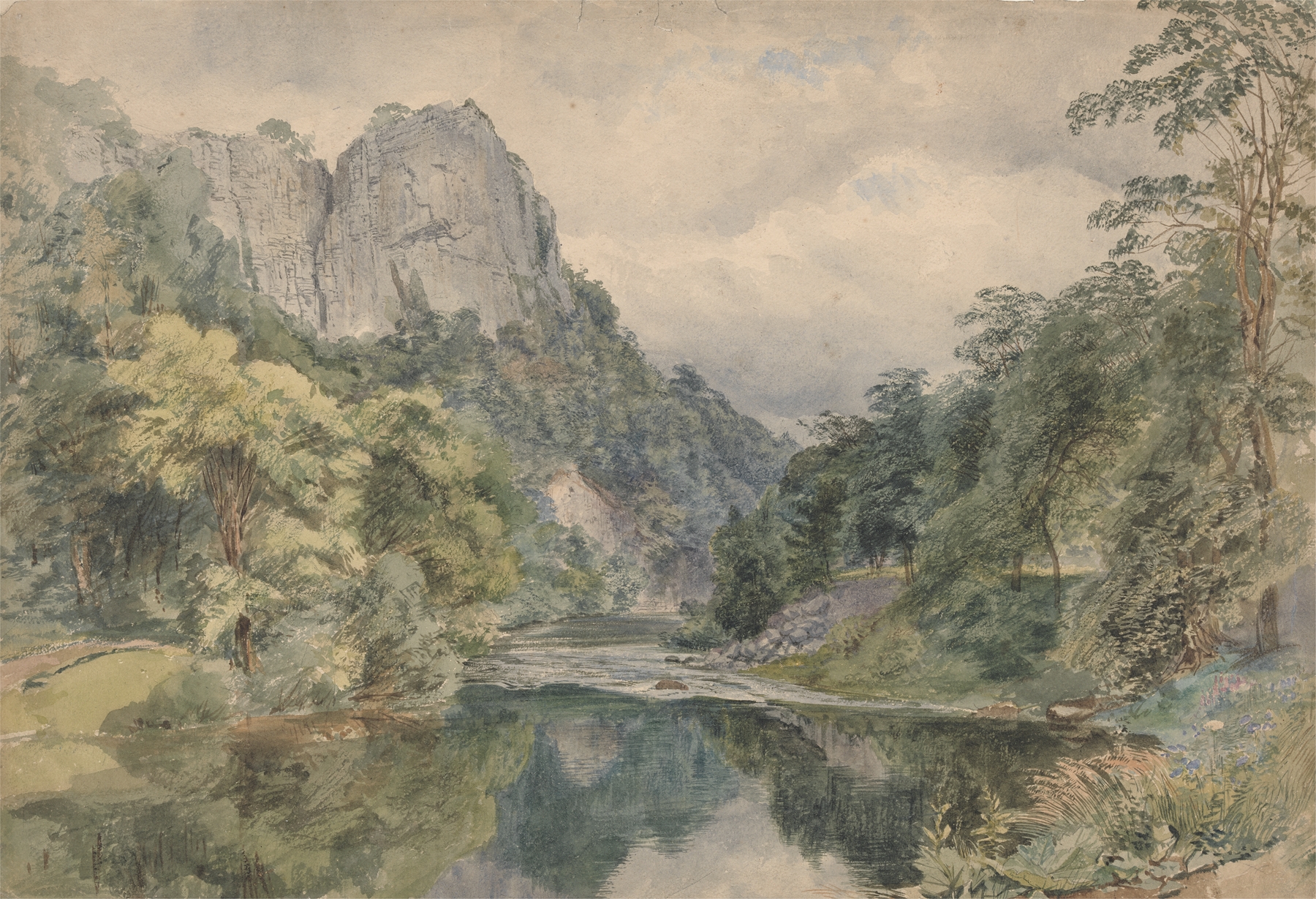
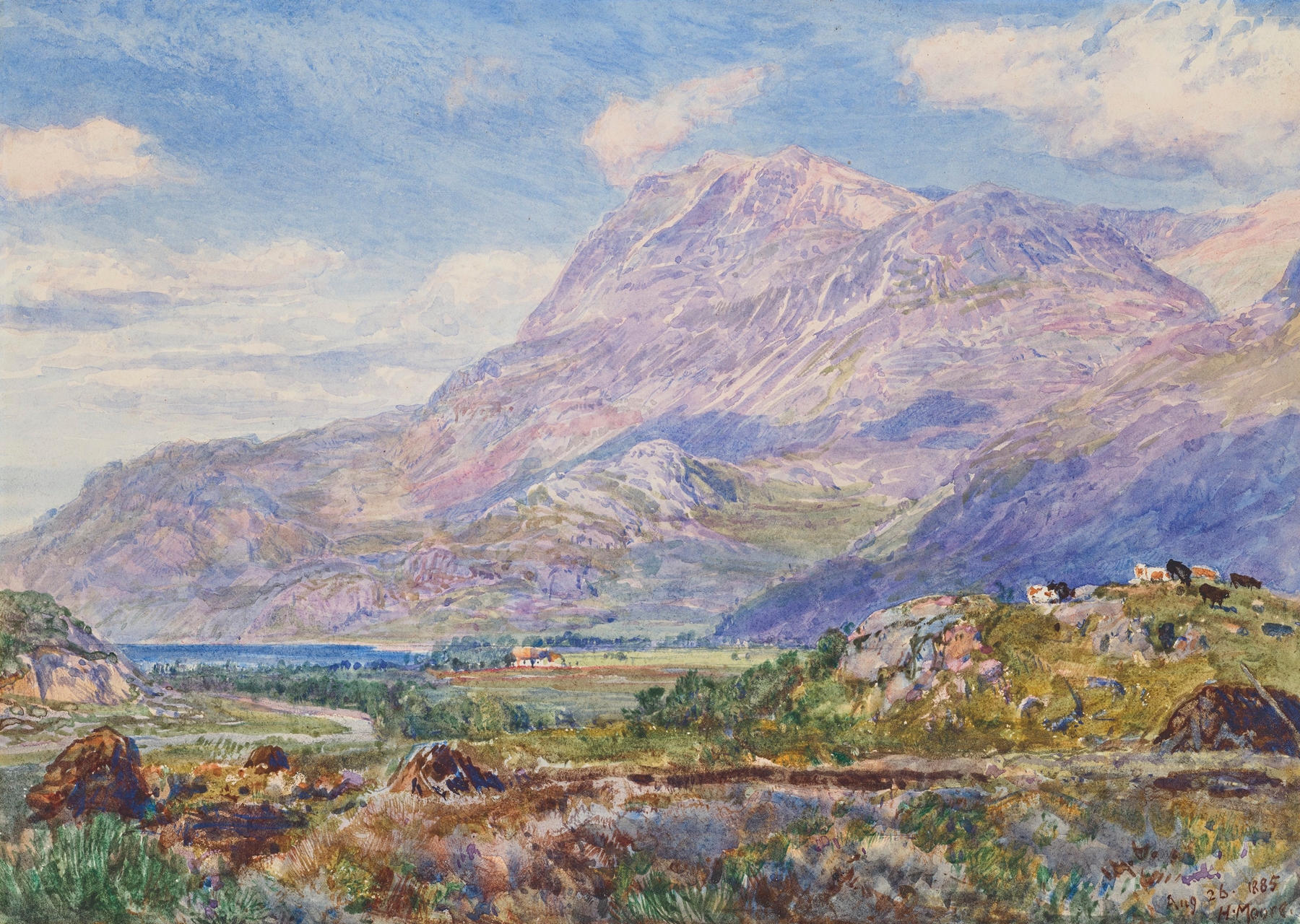
Could beauty survive in a century of chaos? In the heart of the English countryside, where nature’s serenity often masks deeper unrest, lies a question that resonates through time. Look closely at the gentle curves of the landscape; the rolling hills cradle a tranquil lake, reflecting the soft hues of a fading sky. Notice how the colors shift from rich greens to muted blues, creating a harmonious balance that draws the viewer’s gaze across the canvas.
The brushwork is both deliberate and fluid, evoking a sense of peace while simultaneously hinting at the tumult that looms beyond the horizon. Delve deeper into this pastoral scene and you may sense a profound tension between tranquility and the encroaching void. The serene lake, a focal point of beauty, contrasts sharply with the heavy clouds above which seem to whisper of impending change. Each detail, from the delicate ripples on the water’s surface to the contrasting light and shadow playing across the grassy banks, speaks to the artist’s exploration of fleeting moments amidst potential upheaval.
In 1853, when this work was created, Henry Moore was immersed in a world undergoing rapid industrialization and social strife. Living in England, he witnessed the tensions that marked this era, and his art began to reflect a longing for natural beauty as a refuge from chaos. This painting, a serene postcard from a world on the brink of transformation, encapsulates that yearning for solace amid uncertainty.