High Tor, Matlock — History & Analysis
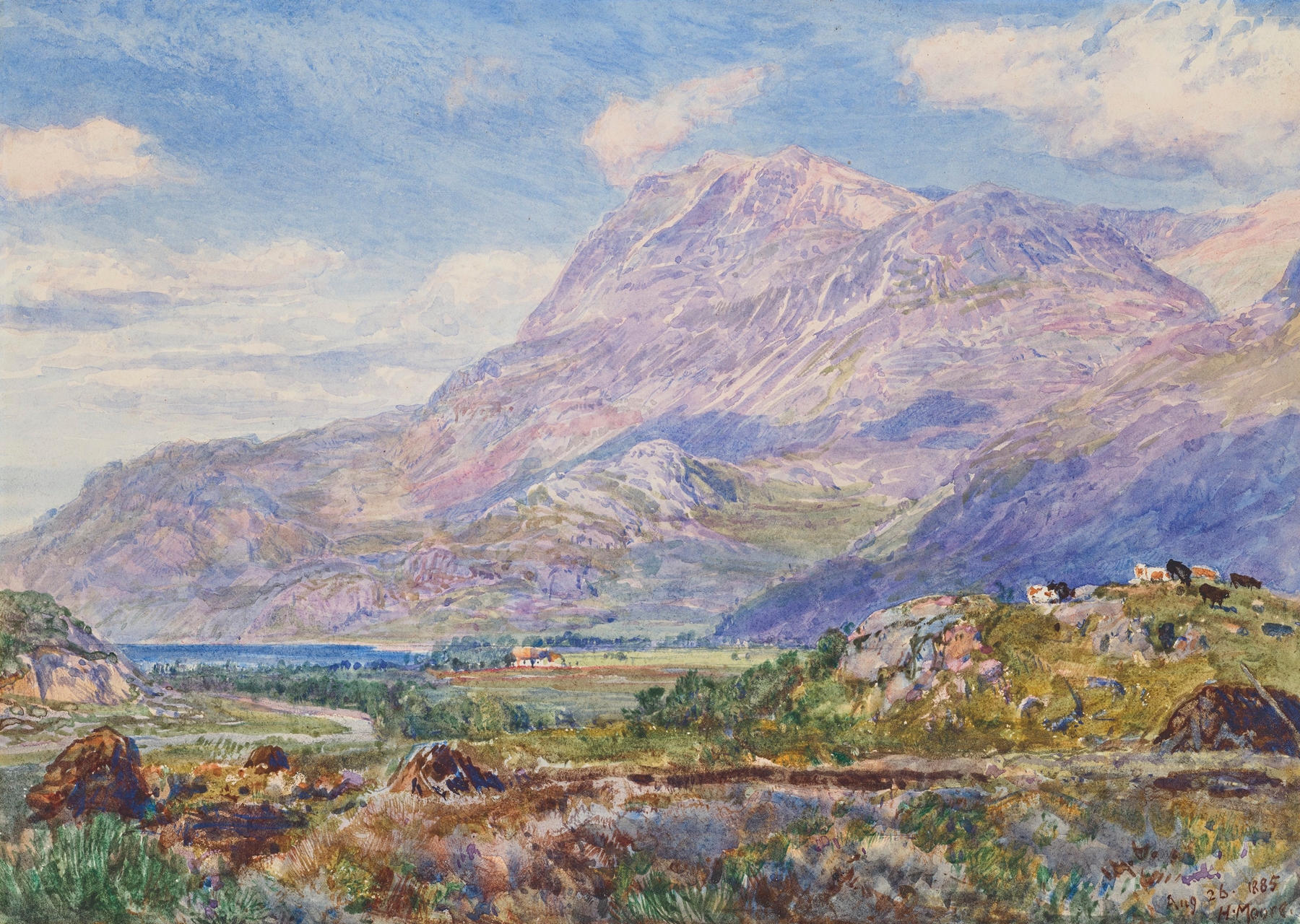
Is this a mirror — or a memory? The beauty of contemplation emerges in the undulating lines and forms that beckon the viewer to delve deeper into the essence of both nature and self. Look closely at the central forms, where the interplay of curves creates a sense of rhythm and movement. Notice how they seem to rise and fall, echoing the undulating landscape of Matlock itself. The choice of earthy tones, soft browns mingling with muted greens, invites warmth while grounding the ethereal shapes in a comforting reality.
Moore’s technique emphasizes both solidity and fluidity, as if these forms are at once carved from stone and shaped by the gentle touch of a breeze. Beneath the surface lies a dialogue between memory and presence. The abstracted figures evoke a sense of longing, recalling a time that is both shared and intimate, while simultaneously challenging the viewer to confront their own emotional landscape. The contrasts of light and shadow within the composition serve to heighten this tension, suggesting both the weight of memory and the ephemeral nature of beauty itself.
It seems to whisper that every moment experienced is as transient as the light that dances across its surface. During the mid-20th century, while working on this piece, Moore was deeply engaged with themes of nature and the human form, reflecting a post-war desire for connection and healing. He was based in England, where the landscapes around him inspired many of his works. This period was marked by a burgeoning interest in abstraction, and Moore's sculptures became a testament to exploring human experience through a modern lens.