Coastal Scene with a Man-of-War and other Vessels — History & Analysis
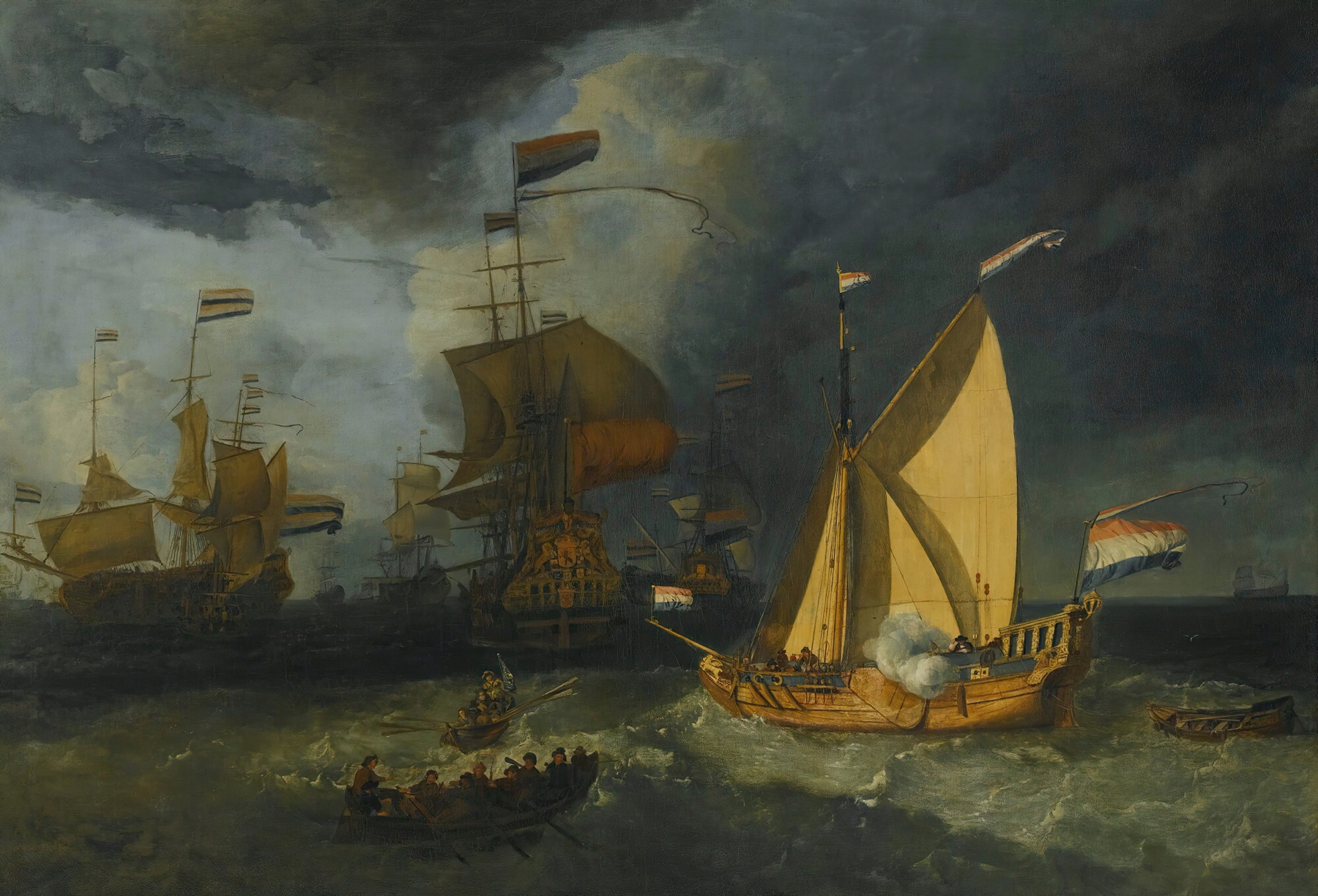
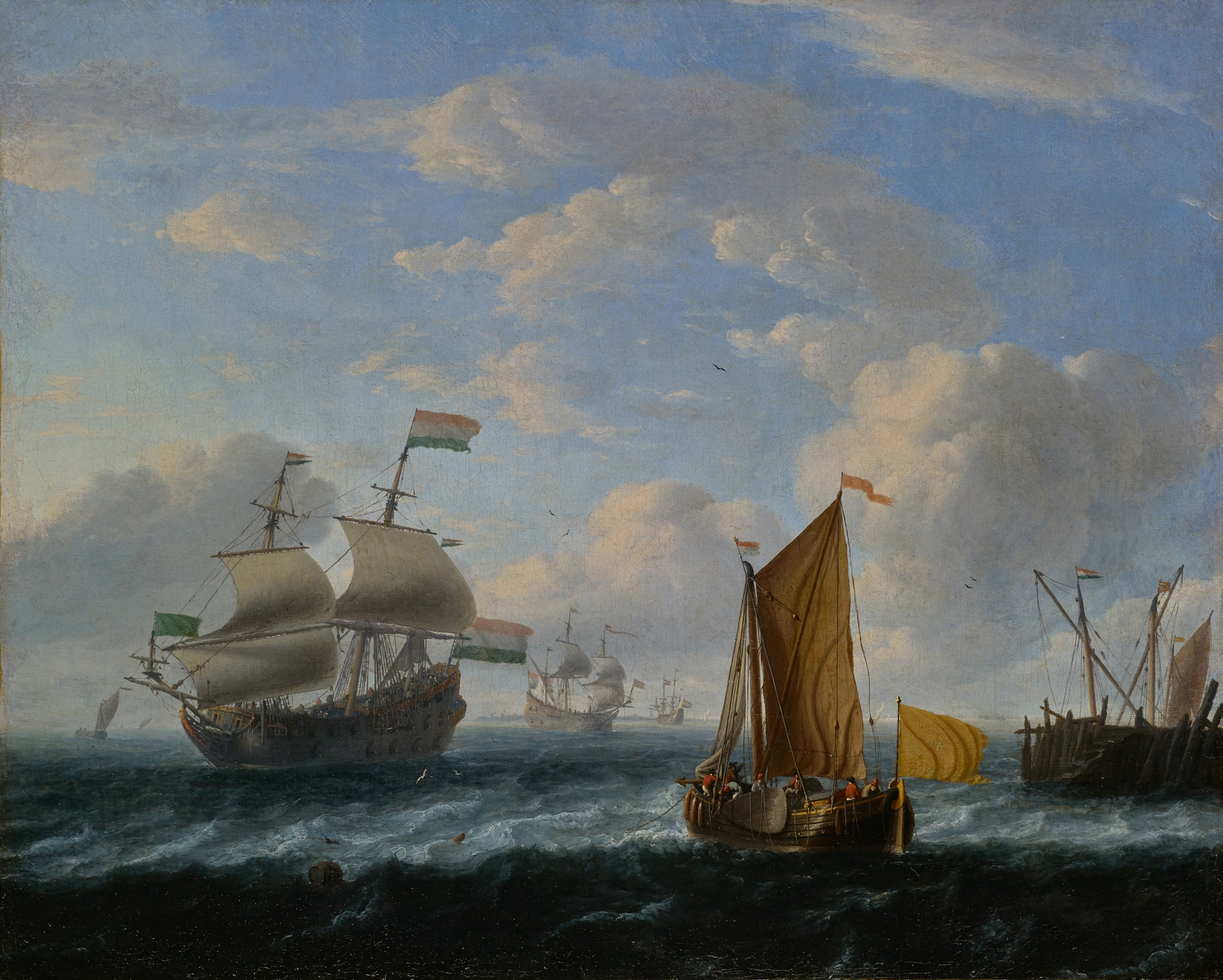
“Sometimes beauty is just pain, disguised in gold.” The moment we glimpse a tranquil coastal scene, we are invited to sift through layers of serenity and unease, where divine beauty hides a deeper truth. Focus on the horizon where a majestic man-of-war floats, its sails gracefully billowing in the light breeze. Look closely at the vessels scattered across the canvas, each representing human ambition against the vastness of nature. Observe the luminous colors—soft blues and warm creams—that merge to create an enchanting atmosphere, yet the textured waves evoke a subtle tension, as though the sea holds secrets beneath its surface.
As we delve deeper, consider the lingering shadows cast by the clouds, suggesting an impending storm. The contrast between the serene beauty of the scene and the ominous undertones speaks to the fragility of human endeavors against nature’s indomitable force. The juxtaposition of the vessels—a display of triumph and vulnerability—echoes the complexities of existence, reminding us of the balance between divine allure and existential uncertainty.
The work was created in 1692 by a follower of a renowned master, Ludolf Backhuysen, during a period when maritime art was gaining prominence. The artist captured the essence of the age of sail amidst a flourishing Dutch Golden Age, where the sea was both a source of prosperity and a reminder of the tumultuous battles fought for dominance. In this moment, the artist sought to immortalize the delicate interplay between humanity’s ambition and nature’s vast, unyielding spirit.