Daikoku's Hammer and Three Mice — History & Analysis
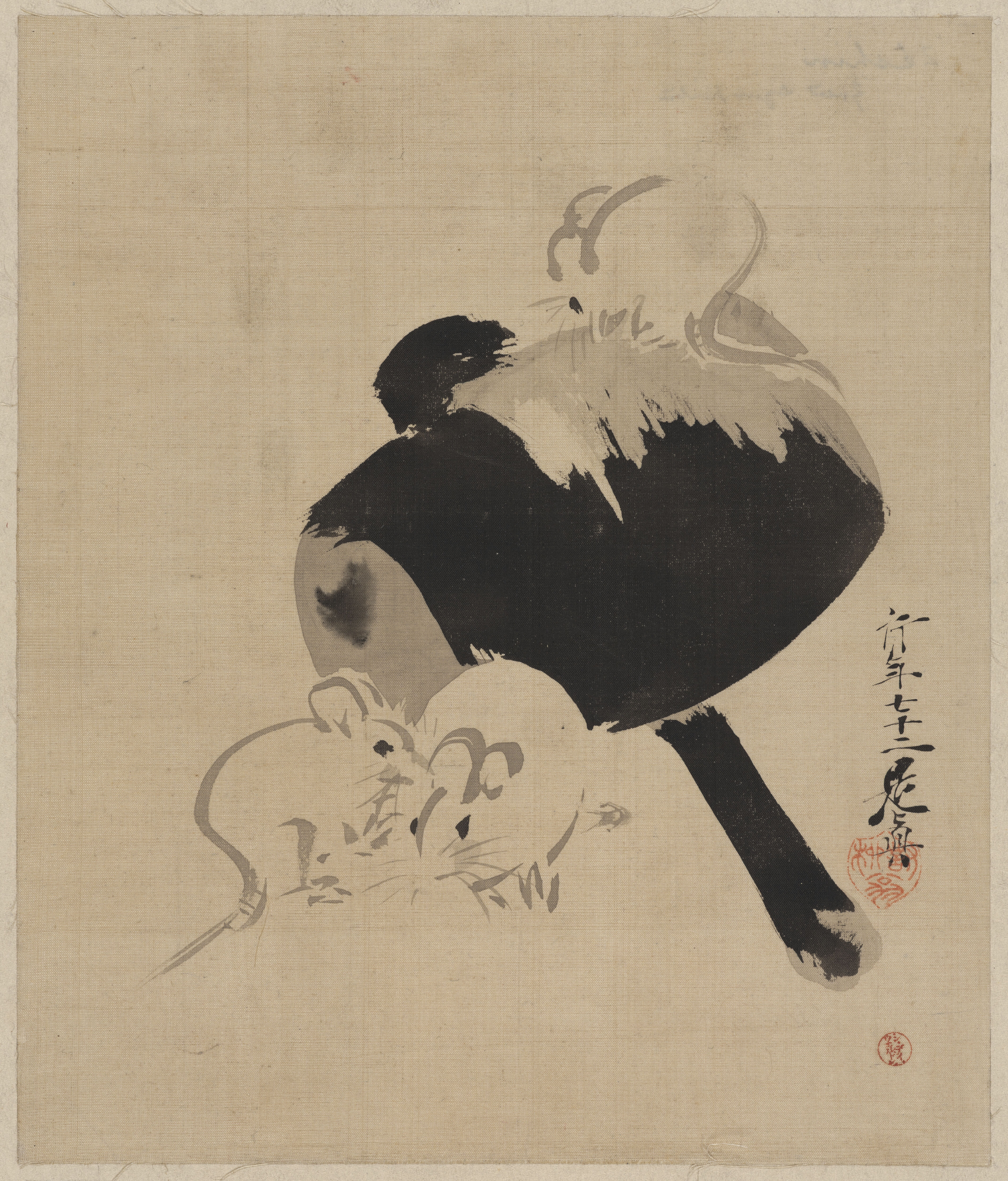
“Every brushstroke is a heartbeat remembered.” The world of color transcends mere aesthetics; it is a vibrant conversation that stirs the soul. Begin your exploration by looking to the vivid hues that burst forth, drawing attention to the vibrant red of Daikoku's robe. Notice how the intricate patterns dance across the fabric, each one a whisper of tradition and love, weaving a narrative that speaks of prosperity and good fortune. The delicate balance of gold on the hammer contrasts sharply with the playful black and white of the three mice, creating a dialogue between figures that feels simultaneously celebratory and whimsical.
In the interplay of color lies a deeper story. The hammer, a symbol of strength and craftsmanship, rests easily in Daikoku's hands, suggesting a powerful yet gentle presence. The mice, traditionally seen as endearing mischief-makers, inject a sense of playfulness into the composition. Their positioning around Daikoku hints at the complexities of fortune—while prosperity can be a source of joy, it is also a delicate balance, attracting both admiration and envy.
This duality in the narrative evokes a palpable tension between aspiration and reality, urging the viewer to reflect on their own relationship with wealth and fortune. Shibata Zeshin created this piece during the Meiji period in 1878, a time marked by rapid modernization and cultural exchange in Japan. As traditional art forms began to meld with Western influences, Zeshin embraced the opportunities for innovation while remaining deeply rooted in Japanese aesthetics. Amidst this transformative era, he emerged as a master of lacquerware and painting, using his craft to bridge the past with a burgeoning modern identity.